
German parenting has a funny reputation online. Too strict. Too relaxed. Too obsessed with fresh air. Too casual about dirt. Usually all in the same comment thread.
But if you spend any real time around German families, a pattern shows up fast: “hygiene” is not just about killing germs. It’s about keeping the home environment stable, teaching kids to manage their own bodies, and preventing the kind of low-grade chaos that turns parenting into constant cleanup.
Some of these rules will feel instantly sensible to Americans. Others will feel mildly insane. A few will make you wonder why you’ve been living with your windows closed like a hostage.
Also, quick honesty: these are cultural patterns, not universal laws. Plenty of German families do things differently, and plenty of American families already do some of this. The point is what tends to be taught as “normal.”
1) Air the house every day, even in winter
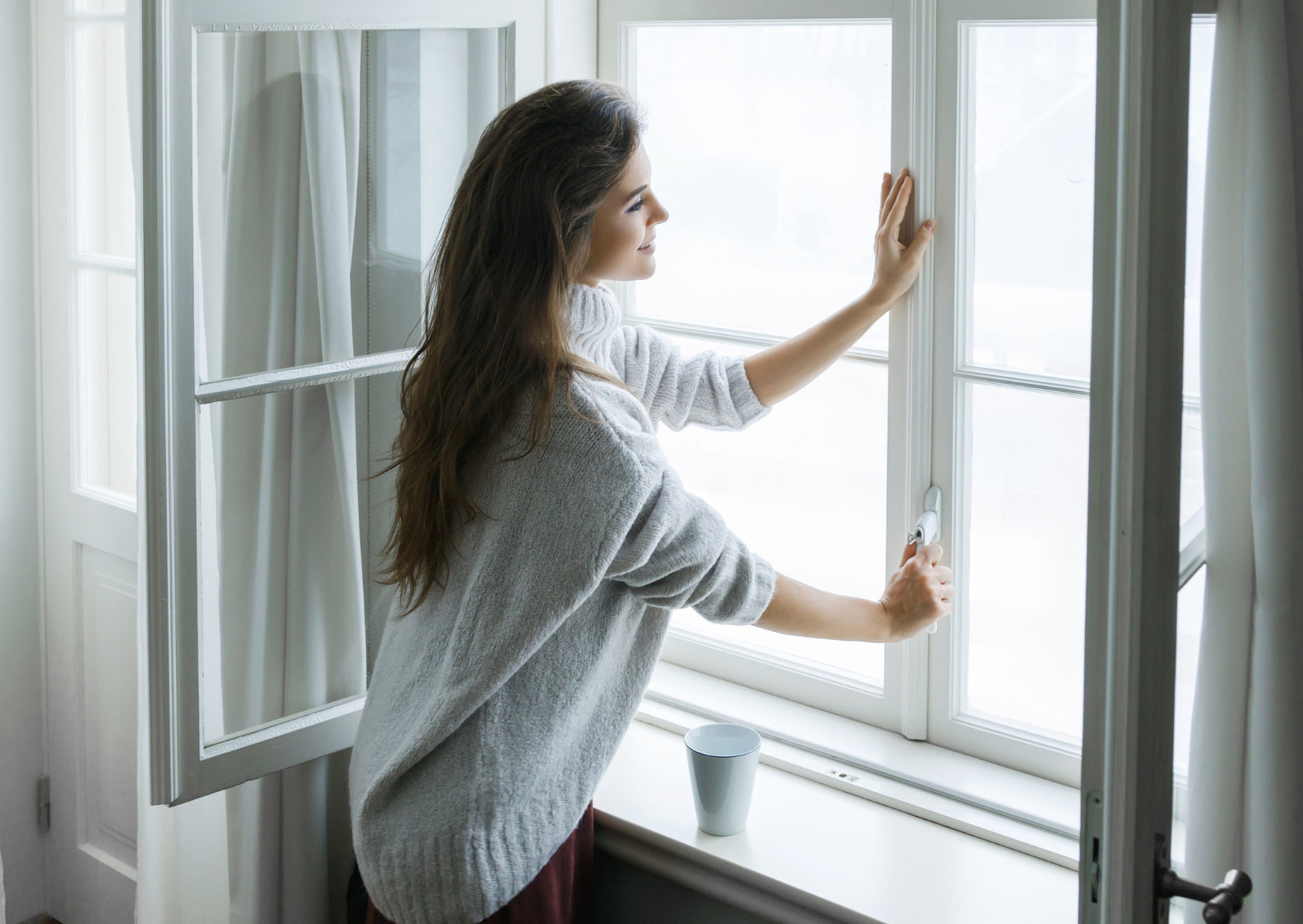
If you want the most stereotypically German hygiene rule, it’s this: open the windows wide and swap the air.
This is often called lüften, and the more intense version is Stoßlüften. The logic is simple: stale indoor air holds moisture, odors, and all the invisible stuff that makes a home feel heavy. Fresh air dries things out and makes the whole space feel cleaner without bleaching everything in sight.
To Americans, this can sound like a comfort crime. You are letting cold air in. You are “wasting heat.” You are inviting pollen into the home on purpose.
To Germans, it’s basic maintenance. Many rentals and building cultures also treat ventilation as part of mold prevention. So it becomes less of a wellness trend and more of a household habit.
The parenting part is what matters. German mothers tend to teach kids that a “clean home” is not only surfaces. It’s air quality, dryness, no mold smell, no lingering funk. Airing out the room becomes as normal as brushing teeth.
And the habit subtly changes behavior. If you air the house daily, you also notice problems earlier. Damp corners. A bathroom that never dries. A closet that smells musty. Those things get handled before they become big.
This is hygiene as an environment strategy, not a disinfectant strategy.
In American homes, “open the windows” is often seasonal or optional. In many German homes, it’s a routine. Fresh air is part of the cleaning.
2) Street shoes do not belong in the house
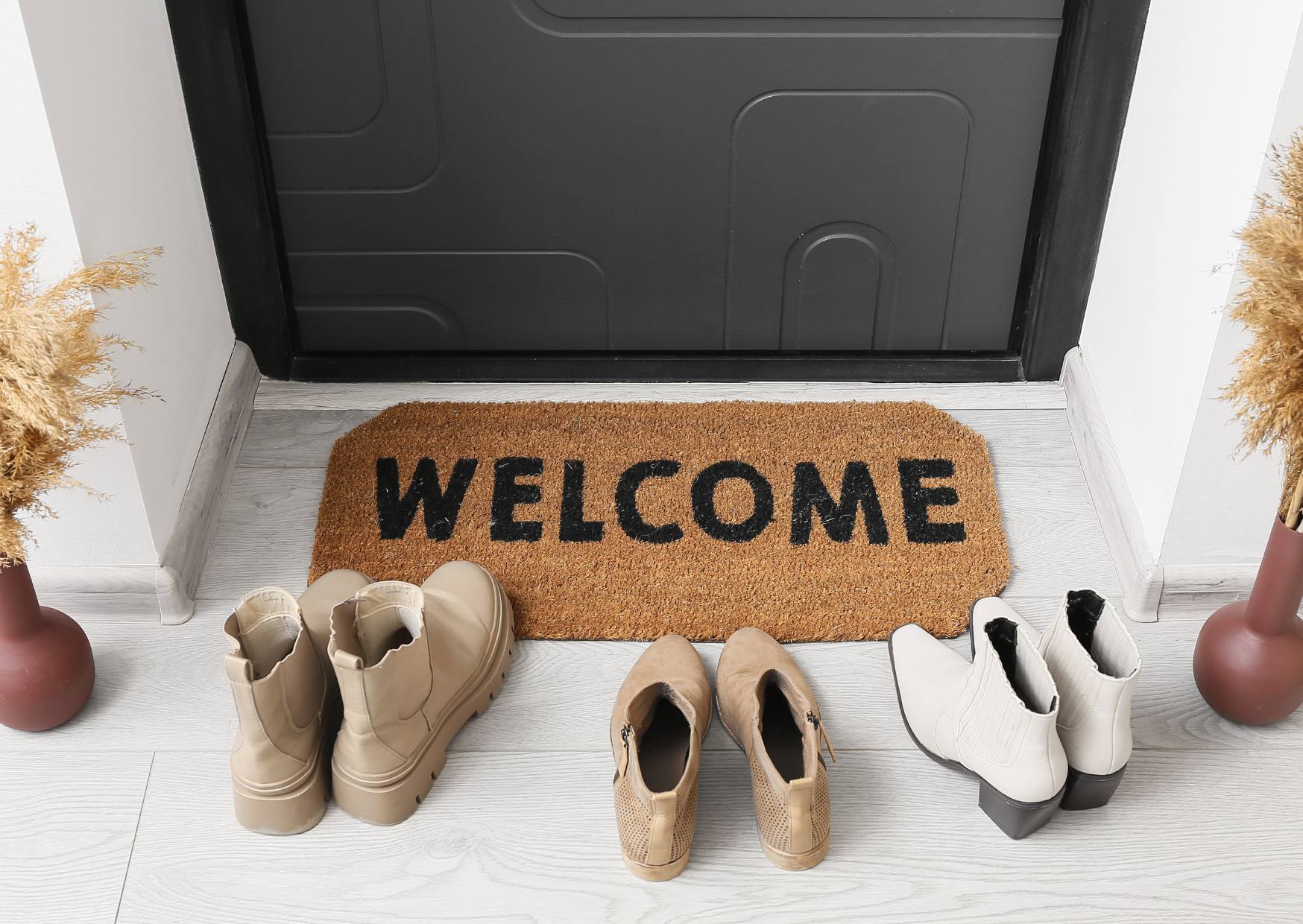
Americans argue about this endlessly. Germans mostly don’t.
The rule is simple: your shoes have been outside. Outside has dog pee, city grime, cigarette ash, train station floors, and everything you do not want on your living room rug. So shoes come off.
What replaces them is also part of the system: house slippers, warm socks, or indoor shoes. It’s not just “take them off.” It’s “replace them with something that keeps the home comfortable.”
The deeper hygiene lesson is about boundaries: outside dirt stays outside. That reduces floor cleaning, but it also reduces the background grossness that builds up without you noticing.
It’s also a kid habit. German kids learn early that shoes off is normal and automatic. That matters because children spend time on the floor. They sit on the ground, play with toys that touch the ground, crawl under tables, and generally treat floors as part of their world. So keeping floors cleaner is not just aesthetic. It is practical.
In the US, shoes indoors can be normal in many households, especially in places where people come and go constantly. Or it’s a “guest exception” culture where everyone keeps shoes on to be polite.
In Germany, the politeness is often the opposite. Shoes on can feel rude. Like you are bringing the street into someone’s home.
This is a small rule that creates a cleaner baseline with almost no effort. Clean floors become default, not a constant battle.
3) Handwashing is non-negotiable, and it’s tied to specific moments
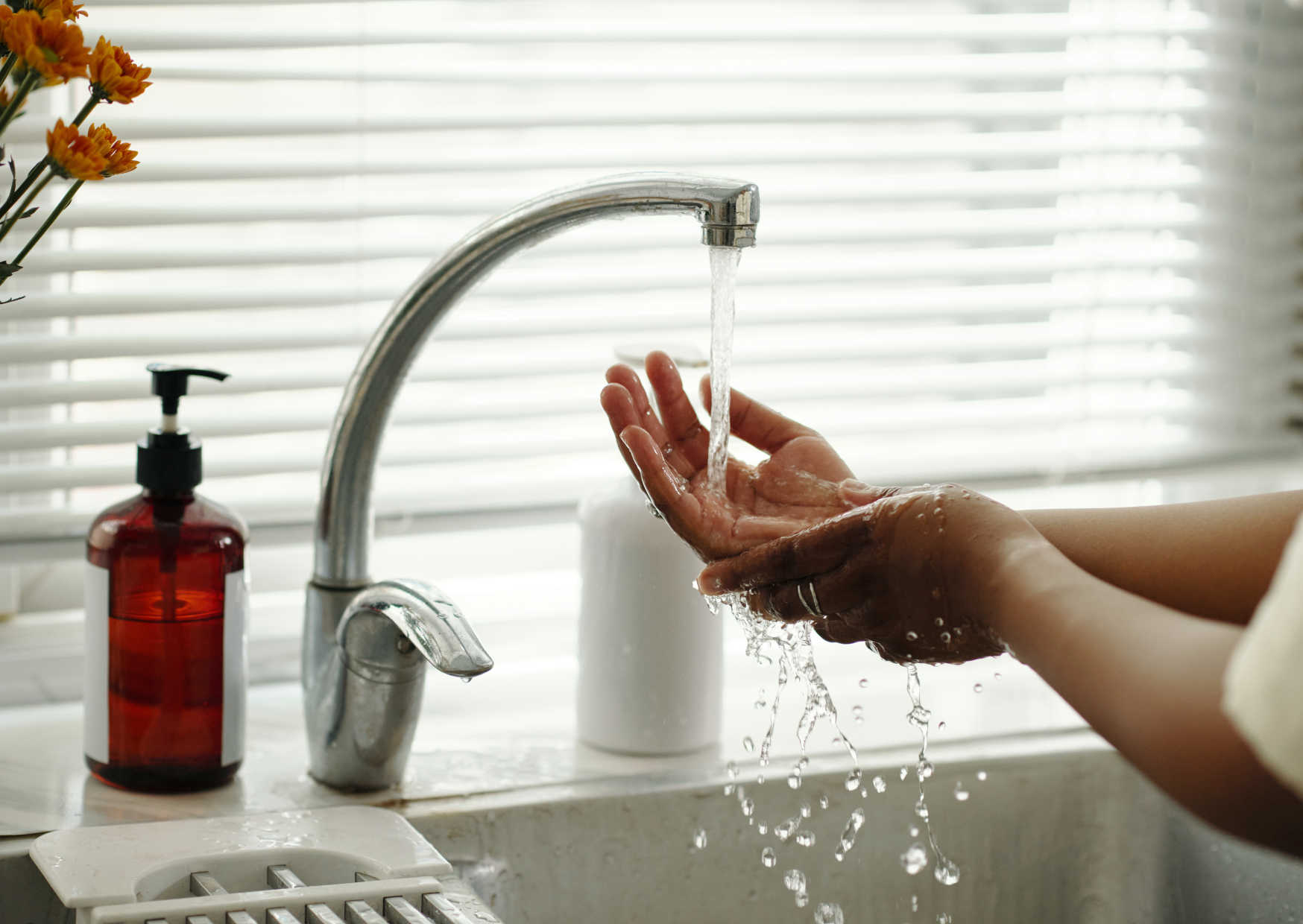
Americans wash hands, obviously. But the German version tends to be more structured and more ritualized around predictable triggers.
Not vague “wash your hands sometimes.” Specific moments:
- after the toilet
- before eating
- after coming home
- after playing outside
- after public transport
- after blowing your nose
This is also reinforced by schools and institutions. The cultural message is: hands pick up the world, and then hands touch faces and food. So handwashing is one of the few hygiene habits worth insisting on.
German parenting often treats it as a skill, not a lecture. Kids are taught how long to wash, how to use soap, how to dry properly, and it becomes part of daily rhythm.
The other difference is the emotional tone. It’s usually not framed as fear. It’s framed as normal competence. You don’t wash your hands because the world is terrifying. You wash your hands because you’re a functioning person.
In the US, some families are strict, others are casual. In Germany, it’s more widely expected as a baseline, especially in public institutions like kindergarten.
Also, this is where Germans can be oddly practical. They’re not necessarily disinfecting everything. They’re not wiping every surface every hour. They’re focusing on the high-impact habit.
So if you’re looking for the German hygiene philosophy in one sentence, it’s probably this: hands matter more than countertops.
4) Outdoor dirt is not treated like poison
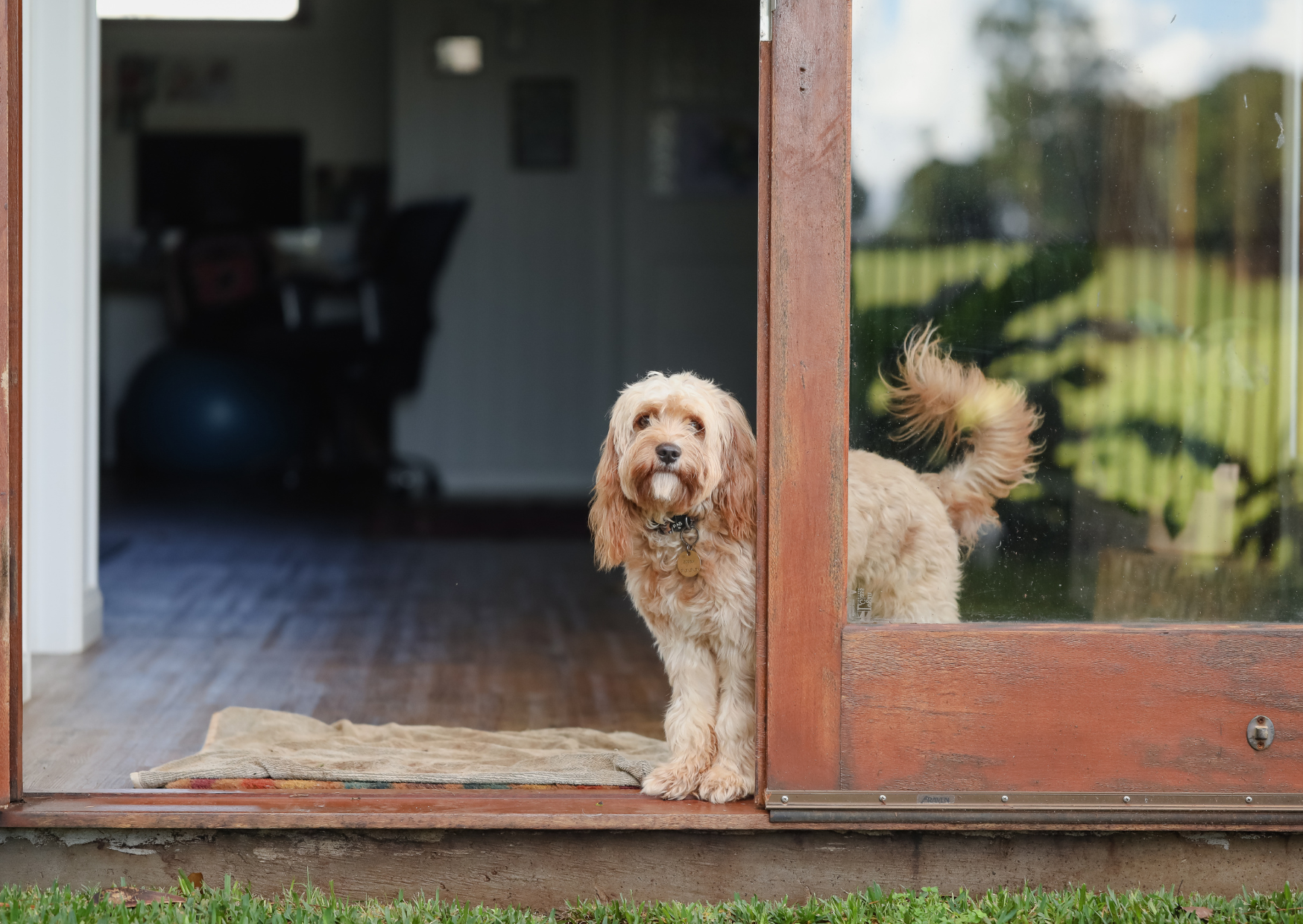
This is the rule that surprises a lot of Americans: German mothers can be extremely serious about cleanliness in the home, while also being very relaxed about kids getting dirty outside.
Mud on pants is not a parenting failure. It’s proof the child went outside and lived.
The hygiene strategy is not “avoid dirt.” It’s “contain dirt.”
That means:
- outdoor clothes get separated from indoor lounging clothes
- muddy shoes stop at the door
- wet jackets get hung properly
- kids wash hands and change after rough outdoor play
- floors stay reasonably clean because shoes are off anyway
So kids can climb, dig, splash, and touch gross natural things, and it’s not a crisis. The crisis only happens if the dirt comes into the wrong zone or becomes a hygiene issue, like not washing hands before eating.
This difference matters because it changes the whole vibe of childhood.
Many American parents feel pressure to keep kids clean in public. There can be a subtle fear that dirty equals negligent. German culture is often less worried about that social judgment and more focused on whether the kid is healthy and the home is manageable.
It’s also tied to the common German belief that fresh air and outdoor time are part of staying well. So outdoor play is not a reward. It’s a requirement. And if you’re going outside daily, you cannot treat every speck of dirt as an emergency.
You build a system instead. Dirt is allowed, dirt is managed, dirt does not run the house.
5) Bathing is about need, not about proving you’re clean
This one can be controversial in American conversations because Americans often treat daily showers as moral hygiene.
German families can be more pragmatic. Many kids do not get a full “shower like an adult” every single day. Instead, the routine often looks like:
- wash hands and face daily
- wash visibly dirty areas as needed
- full baths or showers on a schedule, or after sports, swimming, or heavy sweating
This is not anti-clean. It’s a different definition of clean. Clean means you do not smell, your skin is healthy, your hair is fine, and your body is not carrying sweat and grime around. It does not necessarily mean a full shower is required daily no matter what.
There’s also a skin-health component. Over-washing can irritate skin, especially for children with sensitive skin. Many German parents are cautious about stripping skin oils constantly, and they can be conservative with harsh soaps.
And culturally, there’s less obsession with fragrance as proof of hygiene. The American version of “clean” often smells like something. The German version of “clean” can be more neutral.
For Americans moving to Europe, this is one of those moments where you realize a lot of your hygiene habits were shaped by culture and marketing. Daily showers are normal in the US. They are also normal for many Europeans. But the moral intensity around it can be different.
German hygiene often aims for healthy skin, no stink, no buildup, not “maximum washing as identity.”
6) Laundry is sorted like a system, not like a panic response
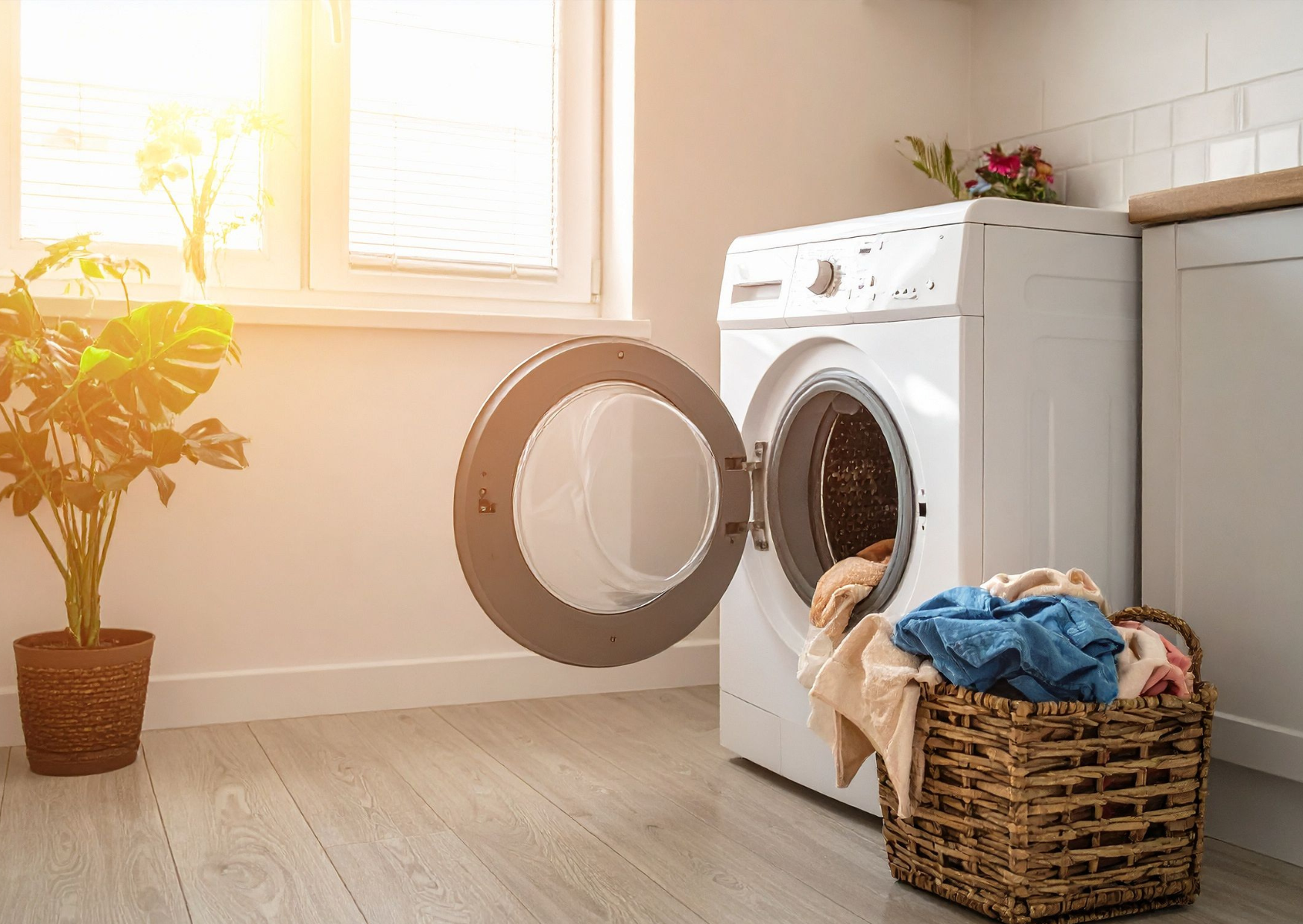
Germans tend to be methodical about laundry. Not in an influencer way. In a “this is how the household runs” way.
The hygiene logic is partly practical, partly sensory:
- separate towels and bedding from everyday clothes
- wash at appropriate temperatures for hygiene categories
- keep indoor textiles fresh because that’s where your body lives
- air out and dry properly to avoid mildew smells
This is where Americans sometimes struggle in Europe because European laundry routines can be different: smaller machines, longer cycles, air drying, less use of dryers. If you’re used to throwing everything in one giant American washer-dryer pipeline, it can feel like laundry takes over your life.
German families often adapt by making it routine and predictable. Laundry becomes part of the weekly rhythm. Not a last-minute scramble.
There’s also a big hygiene habit here that doesn’t get talked about enough: drying properly. Many Germans are very sensitive to the smell of damp fabric. Towels that never fully dry feel disgusting. So the household system is built around preventing that.
This is also connected to ventilation again. If you air the home and manage humidity, textiles dry better, and your house smells cleaner.
So this rule is less about “German moms love laundry” and more about a household system that prevents the most common home hygiene issue: that sour, damp smell that makes everything feel dirty even when it isn’t.
Dryness is hygiene. Germans teach that without saying it out loud.
7) Sick rules are strict and boring: tissues, coughing, and staying home
German parenting around illness tends to be practical and rule-based.
The basic hygiene rules are familiar, but they are enforced more consistently:
- sneeze and cough into your elbow
- use tissues, throw them away immediately
- wash hands after nose blowing
- keep distance when someone is actively sick
- stay home when sick, especially with fever
After COVID, many countries became more conscious about indoor air and infection prevention. Germany already had a strong ventilation culture, and that got reinforced in public discussions around schools and indoor spaces.
What stands out in families is the lack of drama. It’s not “panic about germs.” It’s “do the boring protocols and move on.”
And there’s a childcare realism too. German systems tend to be more accepting of kids being home when sick. Not because it’s easy, but because it’s part of how you prevent everyone getting wiped out.
In the US, work culture can pressure parents to send kids to school when they’re borderline, especially if childcare options are limited and employers are inflexible. That’s not a “bad parent” issue. It’s a structural pressure issue.
So the difference isn’t that Americans don’t know the rules. It’s that American families often live inside a system that makes consistent sick-hygiene harder to enforce without consequences.
German moms are more likely to treat sick rules as a non-negotiable baseline: protect the household, protect the class, protect the grandparents, avoid the cascade.
Contain the illness is hygiene too.
Why these rules hit Americans as “strict” even when they’re not

What’s funny is that none of these rules require intense daily cleaning. Most of them are about routine and boundaries:
- fresh air
- shoes off
- wash hands at key moments
- contain outdoor dirt
- wash the body sensibly
- keep textiles dry and fresh
- follow basic sick protocols
The strictness is not the amount of labor. It’s the consistency.
German hygiene tends to be less about doing more, and more about doing a few things every day so the home stays stable.
If you’re an American parent reading this, you don’t need to adopt everything. But if you want the highest-impact changes with the lowest effort, it’s probably these three:
- shoes off
- structured handwashing
- daily ventilation
Those three alone change how a house feels.
And if you’re living in Europe and wondering why homes feel “fresher” even when people aren’t obsessively cleaning, this is often why. The baseline is built differently.

About the Author: Ruben, co-founder of Gamintraveler.com since 2014, is a seasoned traveler from Spain who has explored over 100 countries since 2009. Known for his extensive travel adventures across South America, Europe, the US, Australia, New Zealand, Asia, and Africa, Ruben combines his passion for adventurous yet sustainable living with his love for cycling, highlighted by his remarkable 5-month bicycle journey from Spain to Norway. He currently resides in Spain, where he continues sharing his travel experiences with his partner, Rachel, and their son, Han.