
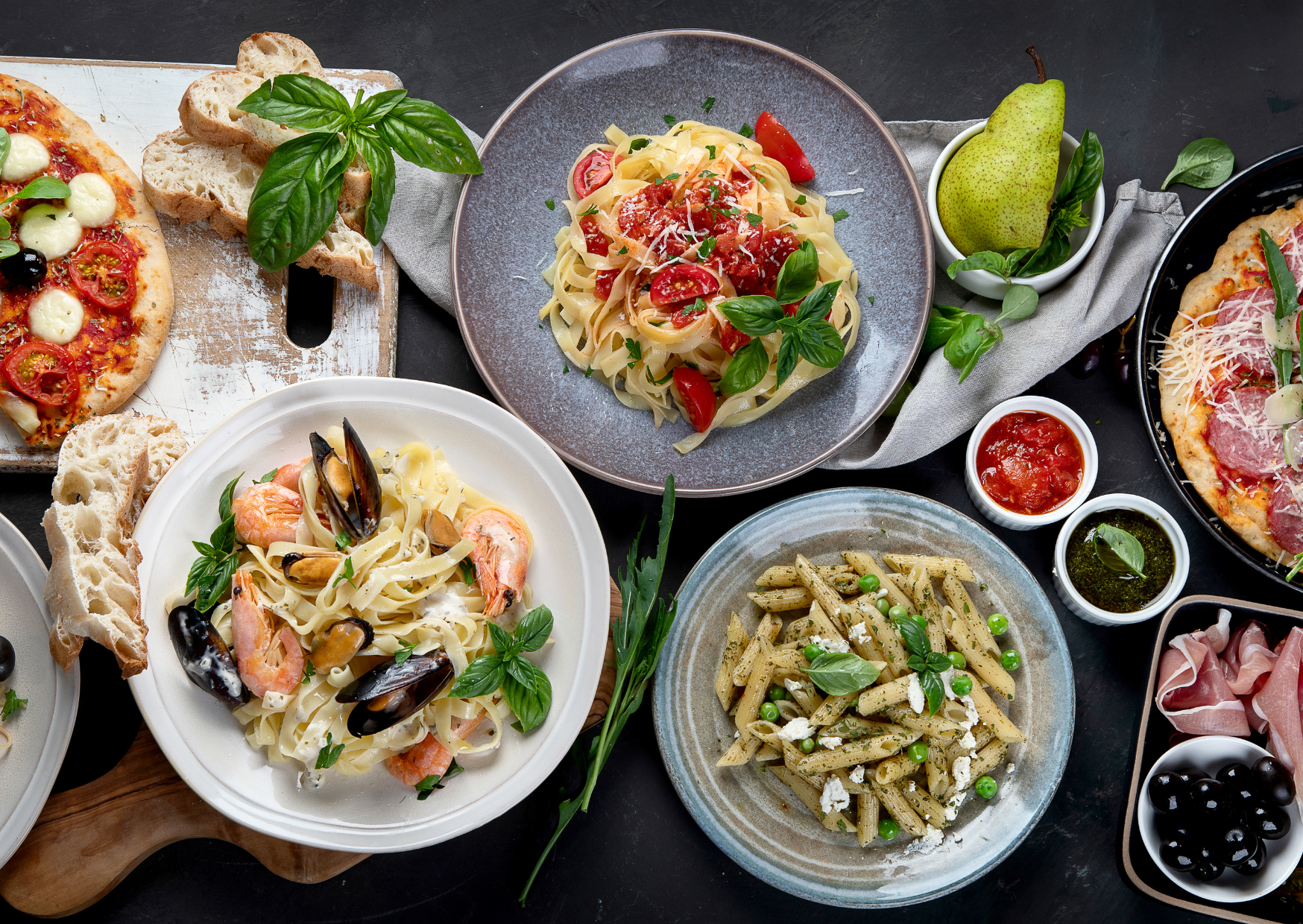
Most Americans assume the “European food effect” is about what gets added: better olive oil, better bread, better cheese. What changes people fastest is usually the opposite. It’s what quietly drops out of the daily routine, until your body stops reacting to life like it’s under siege.
This topic gets treated like a miracle. It’s not.
Eating “like a European” does not mean you never touch a packaged snack again. It means your default meals shift toward simple staples, smaller portions of richer foods, and fewer industrial shortcuts. In places like Spain, Portugal, and Italy, that shift is also tied to the street-level rhythm: smaller grocery trips, more walking, longer meals, less constant grazing.
When Americans spend a few weeks to a few months in Europe, they often report the same strange experience: they feel different without trying. Not in a “detox” way. In a “why is my body quieter” way.
So what disappears?
Not weight, necessarily. Not overnight.
More often it’s the background noise. The constant hunger, the bloating, the energy crashes, the random cravings, the sense that food is either a moral battle or a dopamine hunt.
Here’s what tends to fade, and why.
The constant snacking impulse
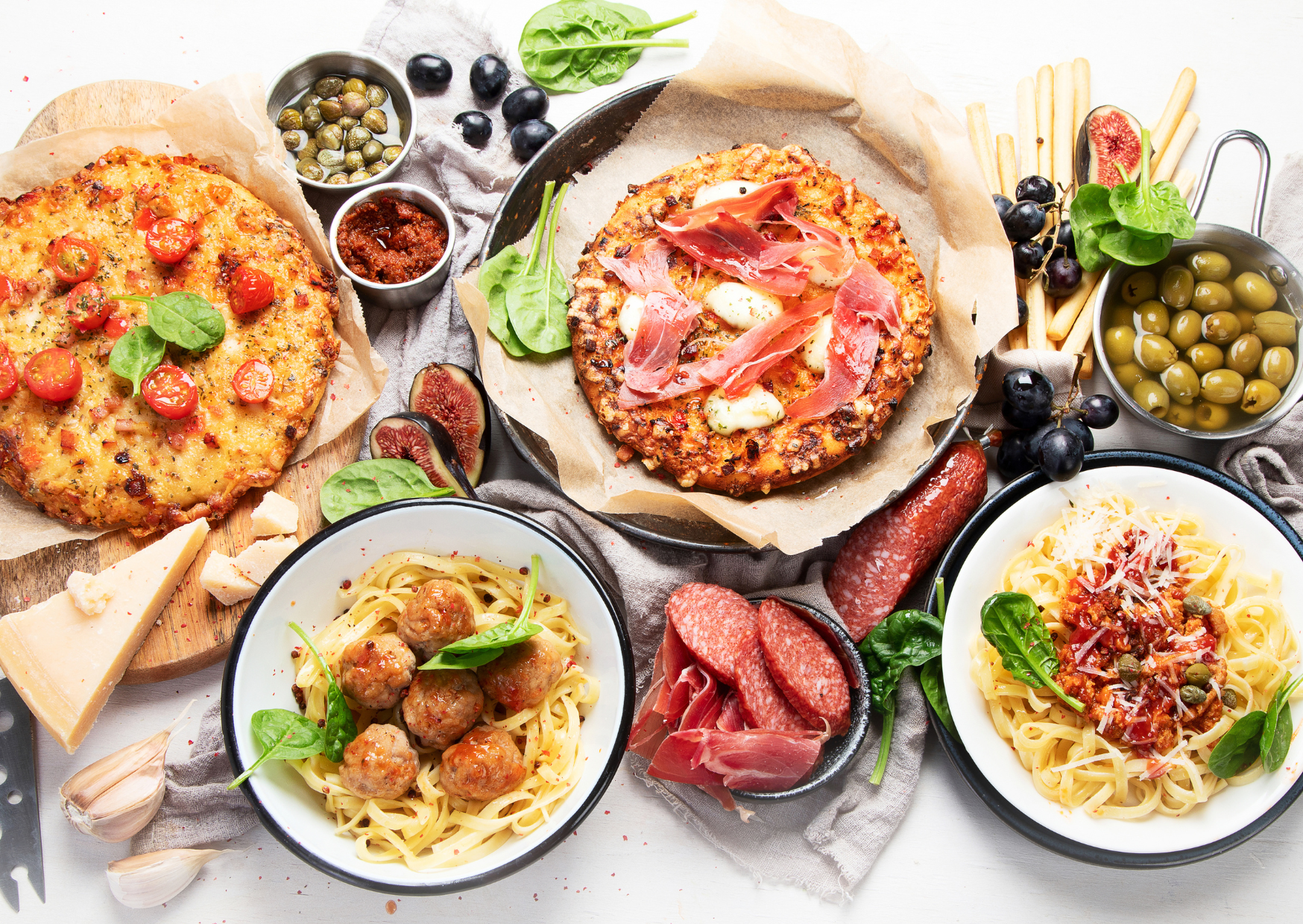
A lot of Americans don’t realize how much of their eating is driven by food engineering, not hunger.
In the US, ultra-processed foods are not a side character. They are the main setting. A CDC data brief covering August 2021 to August 2023 found US adults averaged 53.0% of daily calories from ultra-processed foods. That’s not “some chips sometimes.” That’s the majority of intake coming from foods designed to be convenient, shelf-stable, and extremely easy to overeat.
When you eat like a European in practice, a few things change quickly:
- Fewer meals built around hyper-palatable snack foods.
- More meals built around boring staples: yogurt, fruit, bread that stales, eggs, legumes, fish, vegetables.
- More eating in clear “meal moments,” less wandering snacking.
That structural shift does something powerful: it reduces the constant cueing. You stop seeing food as a background activity.
People often describe this as “I’m not thinking about food as much.” That’s the point. Less appetite hijacking means less mental bandwidth consumed by snack decisions.
What disappears first is not hunger. It’s the false hunger that comes from an environment built to keep you pecking.
The blood sugar rollercoaster feeling
This is the classic American pattern: breakfast that’s sweet even when it pretends not to be, a mid-morning crash, an afternoon craving, and then a big dinner that tries to compensate.
Eating like a European tends to flatten that curve because the defaults are different:
- Less hidden sweetness in bread, yogurt, sauces, and “healthy” packaged products.
- More meals with protein + fat + fiber in normal proportions.
- More lunch-as-a-real-meal, not lunch as a sad desk snack.
This is not about being perfect. Plenty of Europeans eat pastries, cookies, sweet coffees. The difference is that sweet foods are often more contained to specific moments, instead of woven into every category.
So what disappears?
The feeling of being randomly shaky, the 3 p.m. desperation, the craving that feels like an emergency. Not for everyone, not instantly, but often enough that Americans notice it fast.
It’s not magic. It’s fewer meals built on refined carbs plus added sugar, and more meals built on actual food.
The bloaty, puffy, “my body is annoyed” sensation
This is the one people mention quietly because it sounds vague.
“I feel less inflamed.”
“My stomach is calmer.”
“My rings fit differently.”
“My face looks less puffy.”
That can be a lot of things. Sleep, walking, lower stress, less alcohol, different meal timing.
But food structure matters too. When you eat like a European, you often reduce:
- Ultra-processed additives and emulsifiers common in packaged foods.
- Large portion sizes of highly salted, highly sweetened foods.
- The constant on/off cycle of heavy snacks.
Researchers have linked higher ultra-processed food exposure with increased risk of multiple adverse health outcomes in large umbrella reviews. One widely cited BMJ umbrella review (2024) found greater ultra-processed food exposure associated with higher risk of several adverse outcomes, especially cardiometabolic and mental health outcomes. That research does not prove a single ingredient causes bloat. But it supports the broader idea that an ultra-processed heavy diet tends to correlate with a body that feels worse over time.
In day-to-day terms, reducing ultra-processed intake often means fewer foods that create “my body is reacting to something” sensations.
So what disappears for many people?
That low-grade digestive irritation, the unpredictable swelling feeling, the sense that you’re constantly managing your own stomach.
The obsession with “healthy” as a personality
This one surprises people.
In the US, many adults live inside a constant negotiation:
- Should I be good today?
- Did I earn this?
- Is this clean?
- Is this bad?
- Is this worth the calories?
That mental loop can ease up in many European contexts because the social norms around food are different. Meals are treated as meals. Pleasure is not automatically framed as failure. Portion sizes can be more reasonable. The culture is less likely to turn every bite into identity signaling.
You still have diet culture in Europe. It exists everywhere. But for many Americans, the intensity dial turns down.
Eating like a European tends to be:
- fewer “products”
- more simple meals
- more repetition
- less dramatic nutrition theater
So what disappears?
The constant internal argument. Food becomes less emotionally loud. Less moral drama around eating is a real physical relief, because stress itself affects appetite, digestion, and cravings.
The “I need an upgrade to feel better” spending habit
This is the sneaky one.
In the US, food is often used as a coping tool because time is tight and stress is high. Convenience food is relief. Delivery is relief. “Treats” are relief.
In a lot of European day-to-day life, especially in walkable places, people have more low-cost ways to decompress:
- a walk that’s pleasant
- a café moment that’s cheap
- public space that doesn’t require spending
- a social rhythm that isn’t built around buying entertainment
That doesn’t mean Europeans are morally better. It means the environment offers more non-purchase relief.
So what disappears?
That constant need to buy comfort. When you’re not using food as stress medicine every day, the body steadies. You might still enjoy treats, but they stop acting like a life support system.
And yes, your wallet often feels that too.
The “everything tastes too sweet” palate
This is one of the most immediate sensory shifts Americans report in Europe.
A lot of US staples are sweetened more than Americans realize:
- bread
- yogurt
- peanut butter
- sauces
- salad dressings
- packaged “healthy” snacks
European versions are not sugar-free utopias. They just tend to be less aggressively sweet in categories where sweetness is not required.
After a few weeks of eating less sweet food by default, something interesting happens: the palate recalibrates. Then a US-style product can taste like dessert.
So what disappears?
The need for intense sweetness to feel satisfied. When your baseline taste returns to normal, fruit tastes sweeter, plain yogurt tastes good again, bread tastes like bread.
This is one of the easiest “Europe effects” to recreate anywhere: pick less sweet versions of staples for a month and watch what happens.
The low-level anxiety that comes from constant chemical roulette
Let’s talk about additives without turning into a conspiracy person.
Europe uses additives. The EU is not additive-free. But the regulatory posture and market defaults can be different in meaningful ways.
A concrete example: the European Union banned titanium dioxide (E171) as a food additive, following safety concerns, with a full ban applying after a phase-out period ending in August 2022.
Another example on the US side: the FDA issued a final rule to revoke authorization for brominated vegetable oil (BVO) in food in July 2024, with an effective date in August 2024 and a compliance timeline after that.
You do not need to live inside additive panic to take the basic point: food systems make different choices. When you eat in a system where certain controversial additives are less present, some people experience it as “my body feels calmer.”
So what disappears?
That subtle sense of uncertainty about what your staples actually contain. You’re eating fewer products engineered for shelf life and cosmetic consistency, and more foods that are just… foods.
Seven days to shift your body toward the European baseline
This is not a cleanse. It’s a short reset that makes your food environment behave more like a normal European environment.
Day 1: Change two staples, not everything
Swap:
- your usual bread for one that goes stale faster
- your usual yogurt for plain or lightly sweetened
This reduces hidden sweetness and a lot of unnecessary additives in one move.
Day 2: Make lunch a real meal
Build one simple plate:
- protein (eggs, tuna, chicken, beans)
- carbs (bread, rice, potatoes, pasta)
- vegetables (salad, sautéed greens, tomatoes)
Eat seated. No “desk grazing.” Your body learns the rhythm.
Day 3: Replace one snack with a “European snack”
Choose one:
- fruit + yogurt
- nuts + fruit
- bread + cheese
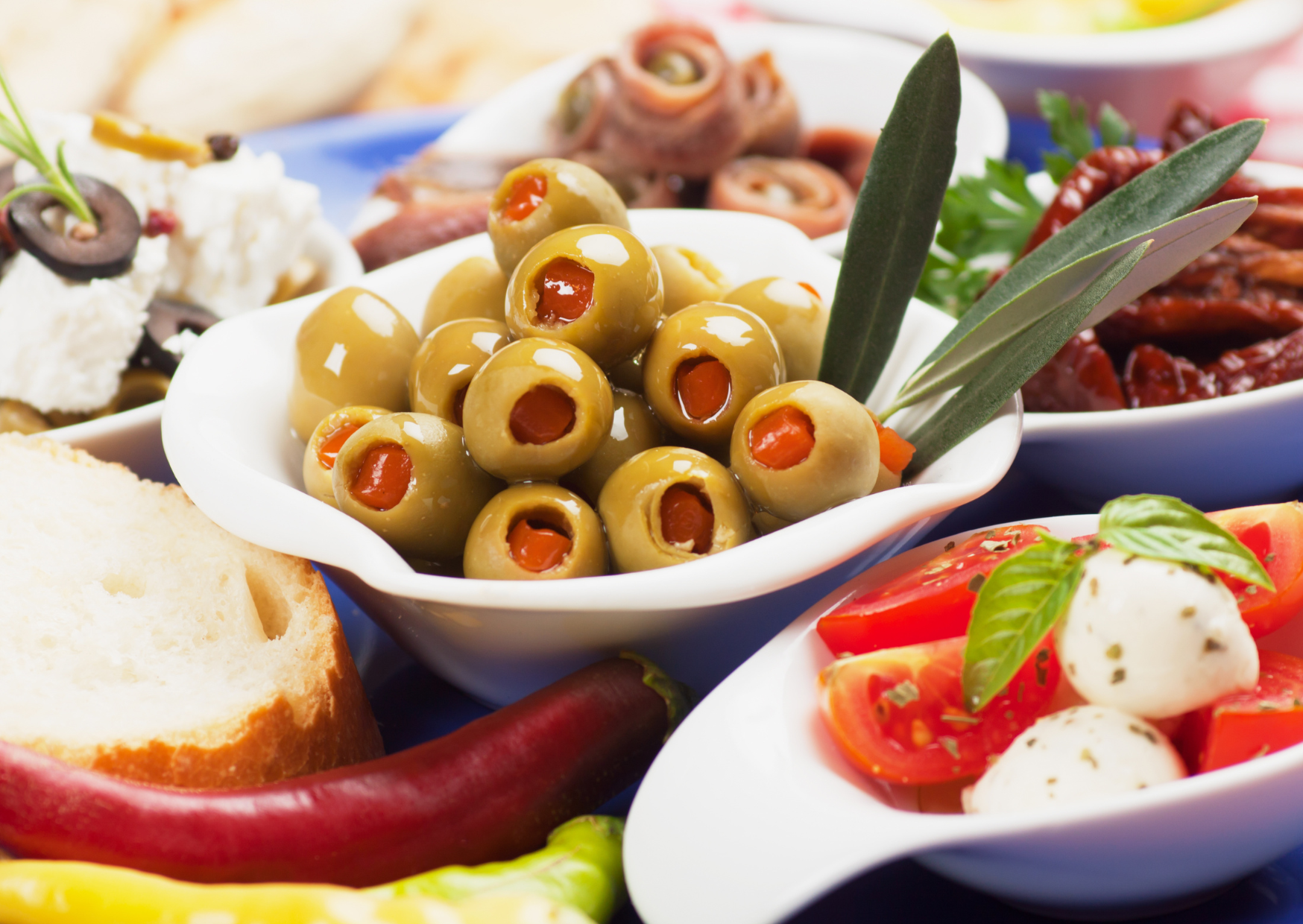
- olives + something simple
The goal is fewer snacks designed to be impossible to stop eating.
Day 4: Cook one pot of legumes
Lentils, chickpeas, beans. Keep it simple: garlic, onion, olive oil, salt.
This is how a lot of Europe eats without thinking about nutrition.
Day 5: Walk after dinner, even 15 minutes
Not for calories. For blood sugar stability, digestion, and mood.
This is one of the biggest “European lifestyle” differences that affects food outcomes.
Day 6: Eat one sweet thing on purpose
Have a pastry, chocolate, or dessert, but do it as a choice, not as a stress reflex. This trains the difference between pleasure and coping.
Day 7: Set your “weekday defaults”
Pick two weekday dinners and repeat them:
- pasta + tomato + tuna + salad
- eggs + vegetables + bread
- beans + rice + vegetables
Repetition is the real European hack. Less decision fatigue is the hidden health feature.
What disappears is mostly the noise
If you came here hoping for a dramatic claim, here’s the boring truth: eating like a European tends to remove the background noise more than it creates a single big transformation.
It can reduce:
- constant snacking impulses
- energy crashes
- bloaty irritation
- palate overstimulation
- food anxiety and moral drama
- spending-as-relief habits
The outcome isn’t “you become a new person.” It’s often simpler: your body becomes quieter, and daily life feels less like management.
That’s what people mean when they say Europe “changed” them.
It didn’t change them. It changed the defaults.

About the Author: Ruben, co-founder of Gamintraveler.com since 2014, is a seasoned traveler from Spain who has explored over 100 countries since 2009. Known for his extensive travel adventures across South America, Europe, the US, Australia, New Zealand, Asia, and Africa, Ruben combines his passion for adventurous yet sustainable living with his love for cycling, highlighted by his remarkable 5-month bicycle journey from Spain to Norway. He currently resides in Spain, where he continues sharing his travel experiences with his partner, Rachel, and their son, Han.