
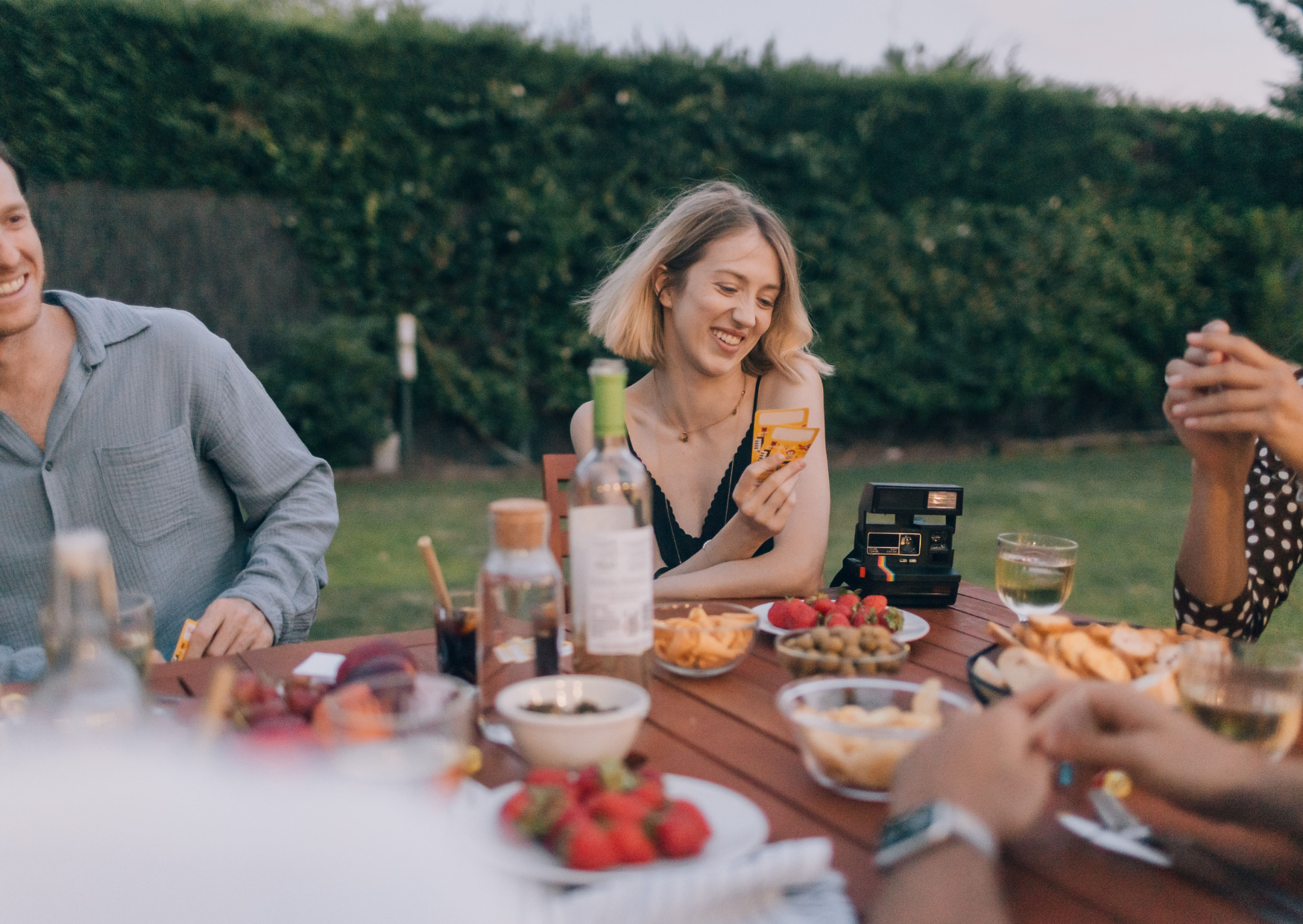
The first thing that breaks when you move to Europe is your calendar. The second thing is your personality. If you’re used to the American rhythm, the European pace can feel like a slow-motion obstacle course at first. Then, one day, you realize your shoulders have dropped. Your sleep is better. Your brain is quieter. And you can’t quite remember why you used to live like everything was on fire.
I didn’t move to Europe because I wanted to “slow down.” I moved for normal reasons: family, logistics, a better daily setup. The slowing down part arrived like a side effect. Not cute. Not inspirational. More like a forced reset.
At first, it made me furious.
Now, it’s the reason I’d struggle to leave.
The first shock: nobody treats urgency like a personality trait

If you’re coming from a culture where speed equals competence, Europe can feel like a prank.
You’re used to:
- quick replies
- fast service
- aggressive scheduling
- “let’s circle back” energy
- and a background belief that if you are not moving, you are failing
Then you land in a place where time is handled differently.
In Spain, the pace isn’t slow in a lazy way. It’s slow in a boundaries way. People will do the thing. They just won’t do it while pretending the thing is a crisis.
A coffee can take time. An appointment can start a little later than promised. A repair guy can show up when he shows up. A cashier might chat with the person ahead of you like that is the actual job.
At first, my brain interpreted this as disrespect.
Then I realized it wasn’t about me. It was a different social agreement. The day is not a race. Efficiency isn’t worshipped. You’re allowed to exist without producing.
This doesn’t mean everything is slow all the time. Spain can move fast when it wants to. It means “urgent” is not the default setting.
If you’ve spent decades marinating in urgency culture, that can feel destabilizing. You start itching for the dopamine hit of “done.” You start narrating your own impatience. You start keeping score.
And then, slowly, you stop.
The second shock: bureaucracy is slower, but it’s not trying to ruin you
Spain has bureaucracy. Real bureaucracy. Bureaucracy with appointments. Bureaucracy with stamps. Bureaucracy with websites that look like they were built during the first iPhone launch.
If you’ve ever dealt with residency paperwork, you already know: the system can feel intentionally complicated. It’s not always clear what document matters most. It’s not always clear which office is responsible. You learn to bring extra copies of everything like you’re traveling to 2003.
This pace drove me crazy in the beginning because it felt like time theft.
But there’s a strange trade hidden inside it.
In a lot of American systems, the pace is faster but the stakes feel higher. Everything is optimized for throughput, and if you get it wrong, you can pay for it. Financially. Legally. Emotionally.
In Spain, the process can be slow, but it often feels less predatory. It’s frustrating, but it’s not always designed to squeeze you. It’s slow, not hostile. It’s paperwork, not punishment. It’s annoying, not terrifying.
That distinction matters when you’re building a life.
You stop living in fear of a surprise bill, a hidden fee, a random penalty you didn’t know existed. Instead, you live with a different annoyance: waiting.
Once you accept that waiting is part of the system, your stress drops. You plan around it. You stop trying to force the pace. You treat errands like a thing you do, not a battle you must win.
It’s not romantic. It’s practical.
The part nobody tells you: the European pace forces you to feel your own impatience
This is the uncomfortable truth.
In the beginning, I blamed Spain for making me impatient.
Later I realized Spain was exposing impatience I was already carrying.
When the external world slows down, you see what you’ve been using speed to avoid:
- boredom
- discomfort
- uncertainty
- silence
- the sensation of time passing
A slower rhythm makes those feelings louder. So you reach for old tools: multitasking, scrolling, micro-planning, squeezing tasks into every gap.
And then you notice something: those tools don’t actually make you happier. They make you busy.
Spain forced me to sit in moments I would normally bulldoze through. Waiting in line. Sitting in a café without a laptop. Taking a walk without turning it into a productivity hack.
At first, it felt like wasted time.
Then I started noticing the benefits that don’t show up on a spreadsheet. My baseline got calmer. My reactions got slower. My mind stopped sprinting ahead.
You cannot create this effect with a weekend trip. You need enough time for your nervous system to stop fighting reality.
This is why the European pace drives so many people crazy at first. It’s not only about logistics. It’s about identity. Speed becomes part of how you prove you’re competent. When nobody rewards the performance, you have to find a different way to feel solid.
How the pace changes food, sleep, and your body without you trying
People love to argue about whether Europe is “healthier.” I’m not doing that debate. I’m describing a pattern I’ve seen over and over: a slower pace reshapes basic habits without requiring willpower.
Start with meals.
In Spain, eating is still a social act. That doesn’t mean every meal is a long feast. It means dinner is not always shoved between emails. People sit. They talk. Kids are around. You’re not expected to inhale food while driving.
That changes how you eat.
Then sleep.
A lot of Americans walk around sleep-deprived like it’s a badge. Spain doesn’t magically fix sleep, but the social rhythm is less obsessed with dawn productivity theater. The day is structured differently. Nighttime is alive. Morning is not treated like a moral test.
Over time, my sleep normalized. Not perfect. But better. And the weirdest part was how boring the fix was: fewer stress spikes, more walking, less frantic scheduling.
Then the body.
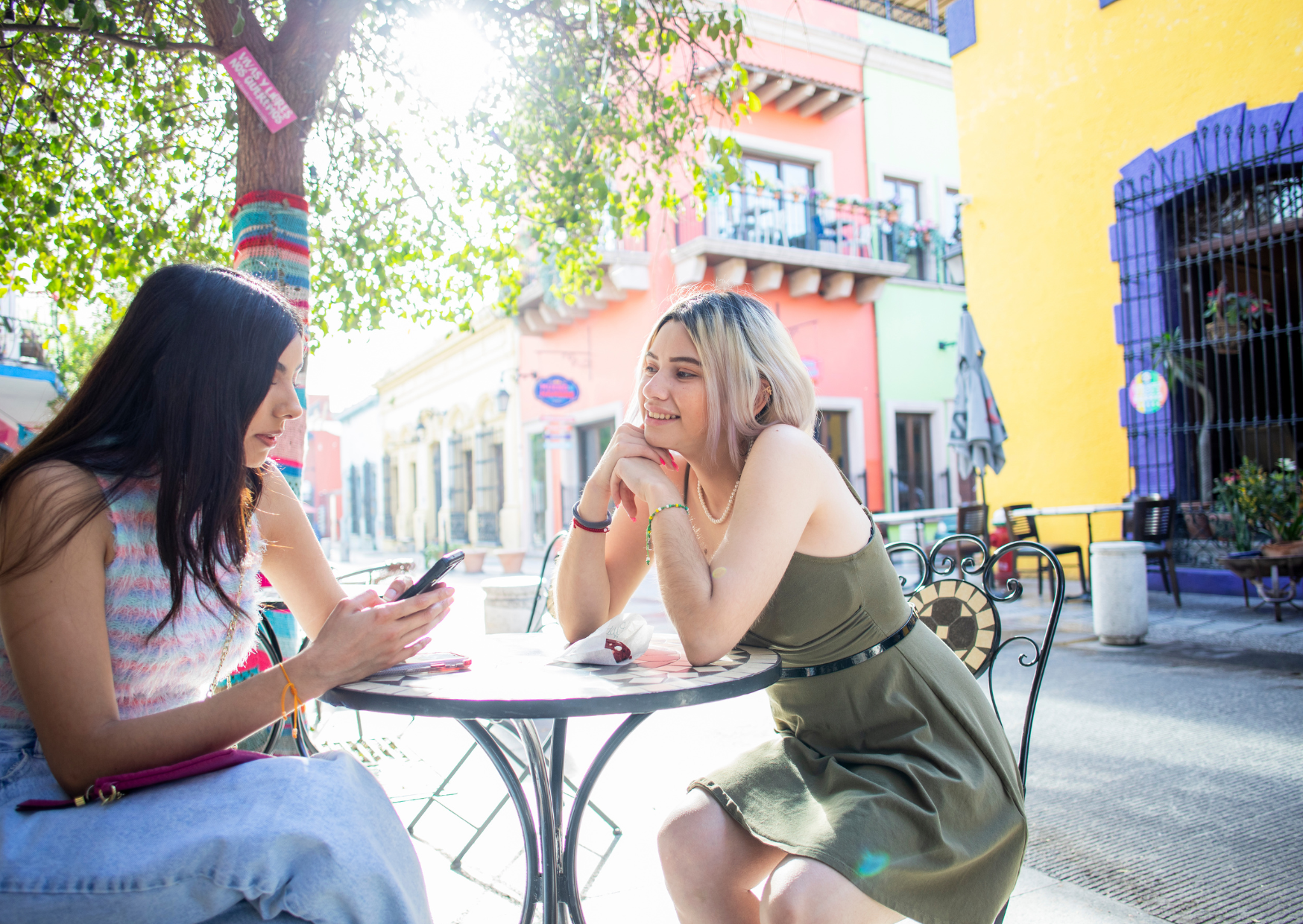
In many Spanish cities, walking is the default. Even if you own a car, you still walk more because the neighborhood is built for it. You walk to cafés, schools, pharmacies, markets. You walk because the street invites you to.
That’s not a fitness plan. It’s just movement stitched into life.
When people say “Europe made me healthier,” a lot of the time what they mean is: life stopped being so compressed and car-dependent. The body responded.
The workday feels different because life has more public space around it
This is where the European pace becomes a real lifestyle advantage.
In many parts of the US, the day is privatized. Home, car, office, car, home. Public space exists, but it’s not always pleasant or safe or designed for hanging out. So people spend more time inside, and more money buying comfort.
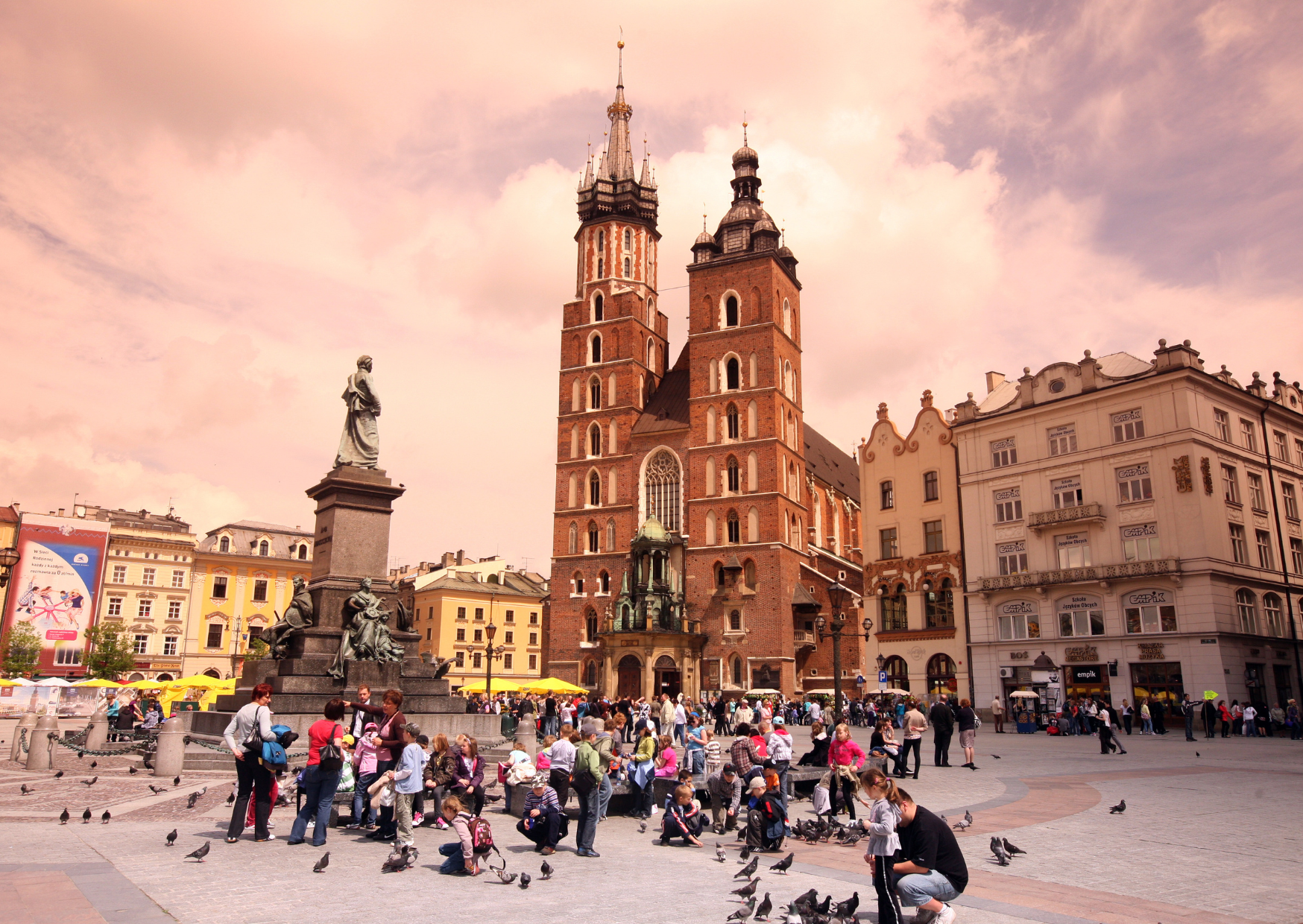
In Spain, public space is part of the daily system. Parks, plazas, sidewalks, benches, cafés, even the simple fact that people are out. You don’t need an event. You don’t need a reservation. You don’t need to spend much.
This changes what “after work” means.
Instead of collapsing into the house, you can take a walk that feels like a real decompression. You can sit outside with a coffee for €1.50 to €2.50 and watch the neighborhood. You can run an errand on foot without it turning into a highway ordeal.
This matters for Americans because the US often makes relaxation expensive. Want to feel good? Buy something. Drive somewhere. Pay for parking. Make it a “thing.”
In Spain, you can feel better for free, or close to it, because the public world is usable.
That’s what people mean when they talk about quality of life. It’s not about luxury. It’s about friction. The European pace reduces friction. Reduced friction changes your mood.
The trade-offs are real: slow can also mean stuck
Let’s be honest. The European pace is not always charming.
Sometimes it means:
- a landlord who takes weeks to fix something
- an appointment system that feels like a scavenger hunt
- customer service that shrugs
- a contractor who has a completely different relationship with deadlines
- paperwork that needs three visits because someone forgot to mention one form
And yes, it can hit your ambition if you’re used to high-speed professional environments. If you need everything to move quickly for your career, Spain can feel like pushing a shopping cart through sand.
This is where people split into two camps:
- People who cannot tolerate the slowness and leave.
- People who adapt, build buffers, and stop treating time like an emergency.
The second group doesn’t “become European.” They become less reactive.
Here’s what adaptation actually looks like in practice:
- You start projects earlier than you think you need to.
- You keep a folder of documents ready.
- You accept that some things take weeks, so you stop expecting days.
- You build redundancy. Two ways to solve problems, not one.
- You stop timing your worth by how fast something gets done.
The European pace becomes livable when you stop trying to dominate it.
And once you stop fighting it, you get the upside: less nervous system chaos.
Slow can be frustrating. Slow can be stabilizing. Both can be true.
The first 7 days to stop fighting the pace and start using it
If you’re an American in Europe right now, and you feel constantly irritated, this is not a character flaw. It’s your conditioning meeting a different environment.
Here’s a realistic first-week reset that doesn’t require you to become a zen person.
Day 1: Identify your “urgency triggers”
Write down the top three situations that spike you:
- waiting in line
- appointments starting late
- slow replies
- slow service
- bureaucratic delays
Name them. The goal is not to fix them. It’s to stop acting surprised.
Day 2: Build a buffer habit
Pick one buffer to adopt immediately:
- leave 15 minutes earlier
- carry a book
- keep water and a snack
- schedule one less task per day
This is how you stop turning delays into rage.
Day 3: Do one errand without multitasking
No podcast. No calls. No doomscrolling.
Just do the errand. Walk. Notice what your brain tries to do when it isn’t being fed constant input.
This is where you’ll feel how addicted you are to stimulation. Most of us are.
Day 4: Choose one “public life” routine
Pick one:
- a daily walk
- a daily café stop
- a daily park loop
- an evening paseo
Make it small and repeatable. This is the part that makes Europe feel like Europe.
Day 5: Change one meal rhythm
Eat one meal seated, without screens, at a normal pace.
It sounds obvious. It is also surprisingly hard if you’re coming from a faster culture.
Day 6: Redefine productivity for one day
Instead of asking, “How much did I get done?” ask, “Did I do the right few things, and did I feel okay doing them?”
You’re retraining your internal scoreboard.
Day 7: Make a “Spain-style week” template
Build a weekly plan that respects the pace:
- fewer errands per day
- longer gaps between obligations
- one admin day for paperwork and calls
- one evening reserved for nothing
This is where the pace stops feeling like something happening to you and starts feeling like something you can use.
Your calendar is the battleground. Buffers are not weakness. A slower week can still be productive.
The quiet ending: I don’t want my old baseline back
The European pace did not make me a better person. It made me a less frantic one.
I still get impatient. I still want things to move faster. I still have days where I miss the American ability to solve problems quickly and decisively.
But I don’t miss the constant urgency as a lifestyle. I don’t miss the feeling that rest needs justification. I don’t miss the sense that if you’re not squeezing the day, you’re wasting it.
Spain forced a different relationship with time.
At first, it felt like losing control.
Later, it felt like getting my life back.

About the Author: Ruben, co-founder of Gamintraveler.com since 2014, is a seasoned traveler from Spain who has explored over 100 countries since 2009. Known for his extensive travel adventures across South America, Europe, the US, Australia, New Zealand, Asia, and Africa, Ruben combines his passion for adventurous yet sustainable living with his love for cycling, highlighted by his remarkable 5-month bicycle journey from Spain to Norway. He currently resides in Spain, where he continues sharing his travel experiences with his partner, Rachel, and their son, Han.