
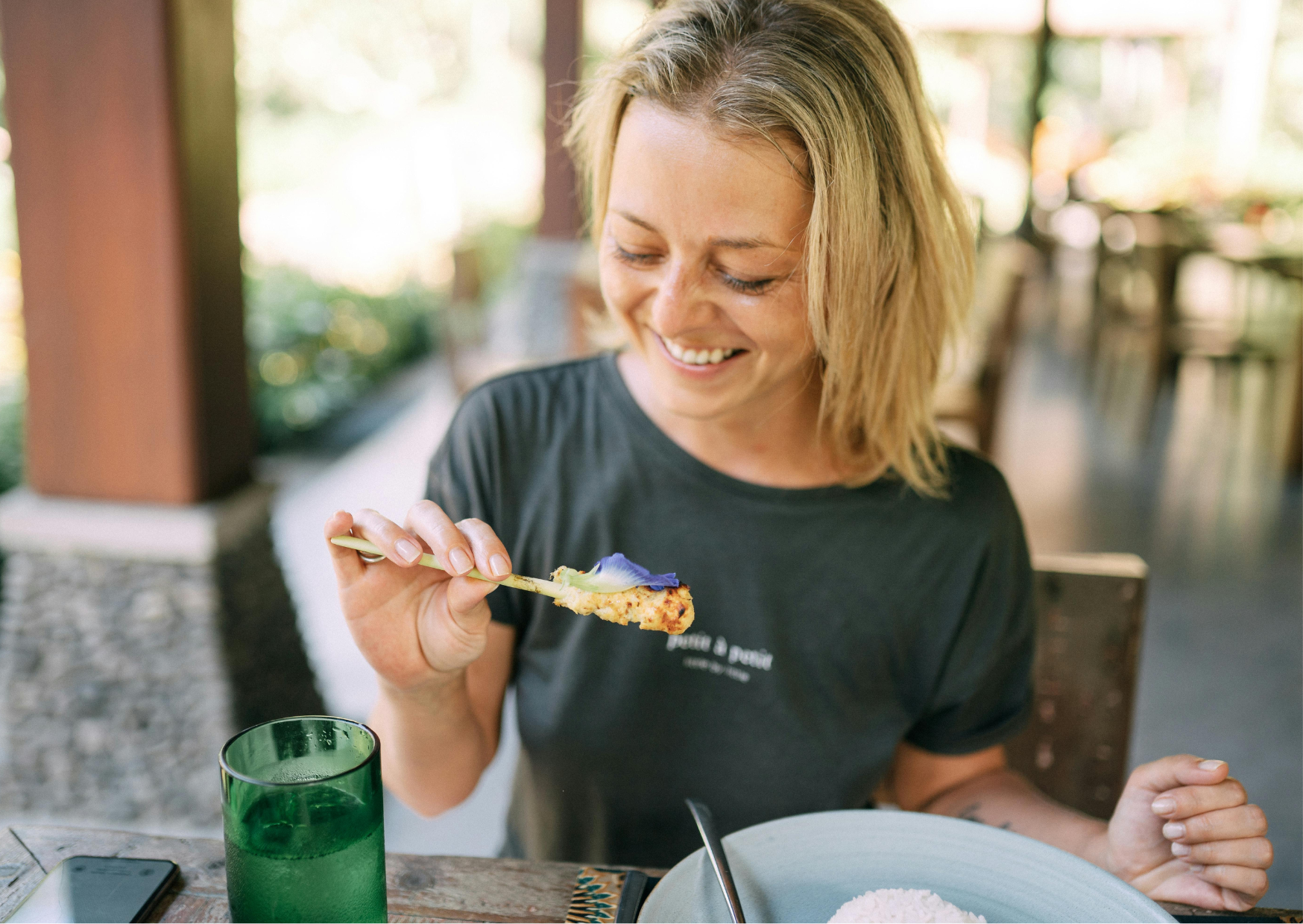
Most Americans arrive in Europe expecting a single dramatic moment where food tastes like a movie. What actually happens is quieter: you stop thinking about food so much. Not because you stop caring, but because the background noise disappears. Fewer weird aftertastes. Fewer “why is this so sweet?” moments. Fewer products that feel like they were designed by a spreadsheet and a focus group.
When people compare European and American food, they usually get stuck on the obvious: bread, cheese, olive oil, tomatoes. They argue about whether Europe is “better” or just romanticized.
The more interesting part is what’s missing.
Not missing as in “Europe has no junk food,” because Europe has plenty. Missing as in: a long list of small industrial choices that quietly shape how you eat, how hungry you feel, and how much mental energy it takes to feed yourself like an adult.
This is not a purity rant. This is a systems explanation.
The ingredient list isn’t just shorter, it’s less defensive
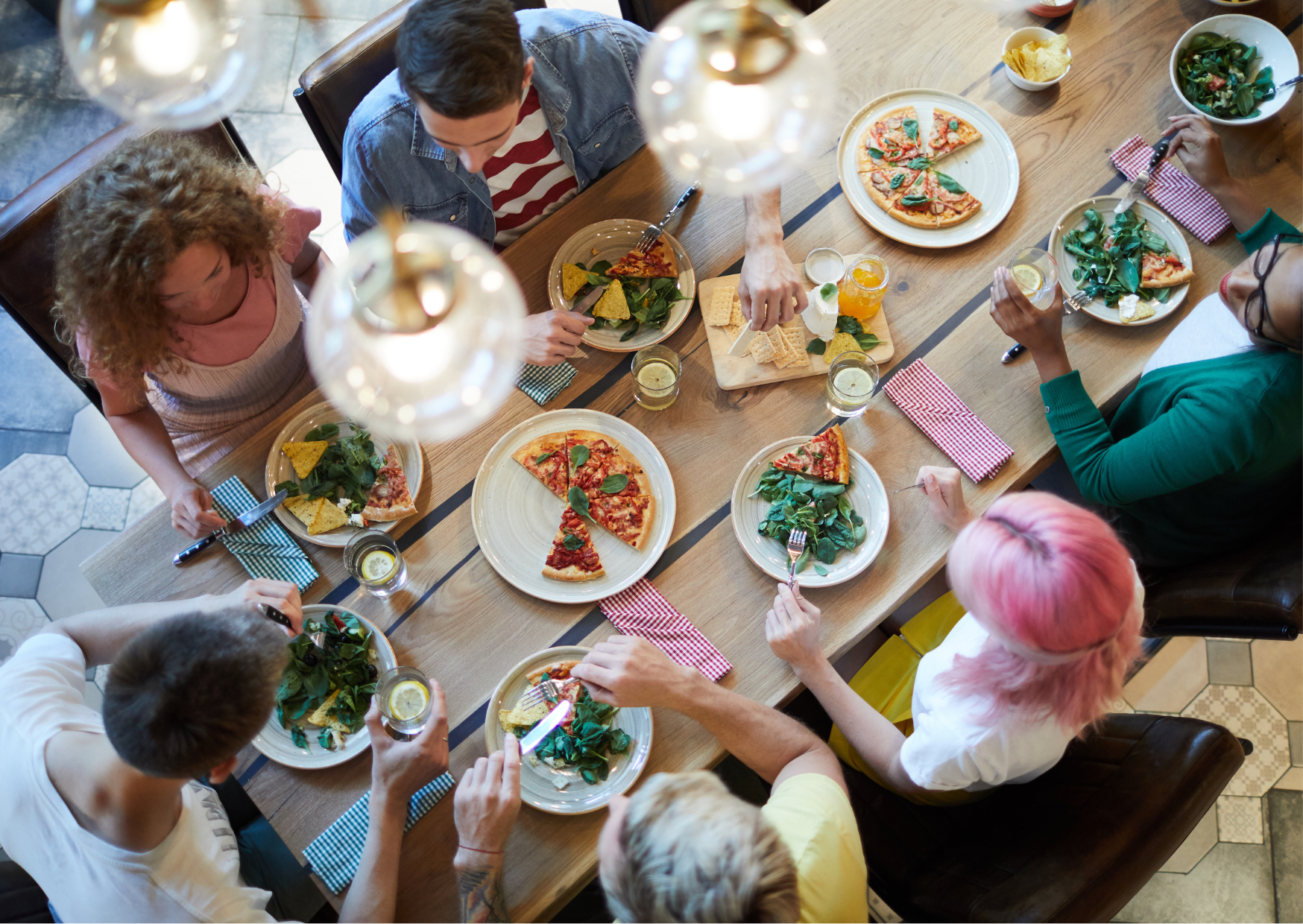
American packaged food often reads like it’s trying to survive a hostile environment. Preservatives for shelf stability. Texture agents to fake mouthfeel. Multiple sweeteners to hit a specific “bliss point.” Flavor systems to keep you coming back even when the base ingredients are cheap.
Europe has additives too. The difference is frequency, intensity, and how normalized it is to sell foods that are… just foods.
Walk into a Spanish supermarket and you’ll see plenty of packaged products. But you’ll also see a lot of items that are basically one thing plus salt, oil, or vinegar. Fewer “multi-syllable stabilizers”, fewer “mystery flavors”, fewer products engineered to be impossible to stop eating.
A simple example: yogurt.
In a lot of US grocery stores, “yogurt” can mean a dessert product with sugar, thickeners, and flavorings. In Spain, the default yogurt aisle leans hard toward plain, lightly sweetened, or fruit-added options where the base tastes like dairy again.
Another example: bread.
In the US, many mainstream breads are built for softness and shelf life. In Spain, even cheap bread options tend to be less sweet and less “cake-like.” Not because Spain is morally superior. Because the market expects bread to behave like bread.
The takeaway is not “never eat packaged food.” It’s this: Europe makes it easier to build a diet from normal items without feeling like you’re doing advanced research.
Europe regulates food differently, and the “precaution” vibe shows up on your plate
This is the wonky part, but it matters.
European food regulation is generally more comfortable saying, “If we’re not sure it’s safe, we restrict it.” The US system is more comfortable saying, “If there isn’t definitive proof it’s unsafe at typical exposure levels, it stays.”
That difference is why you see repeated headlines about additives that are restricted or banned in the EU but still permitted in the US.
Concrete examples that keep coming up:
- The EU withdrew authorization for titanium dioxide (E171) as a food additive, with a full ban applying in August 2022.
- The US FDA revoked authorization for brominated vegetable oil (BVO) in July 2024.
- A major US state, California, passed a law banning certain additives including potassium bromate and Red Dye No. 3, with enforcement scheduled for January 1, 2027.
You do not need to memorize chemical names to benefit from the pattern. The practical result is that European mainstream products often rely less on certain stabilizers, whitening agents, and dye-heavy formulations.
And this is the part Americans rarely expect: you can feel the difference without being able to describe it.
Not because you’re detoxing. Because you are eating fewer products that were engineered to override appetite cues.
Sugar is present, but it’s less aggressive and less everywhere
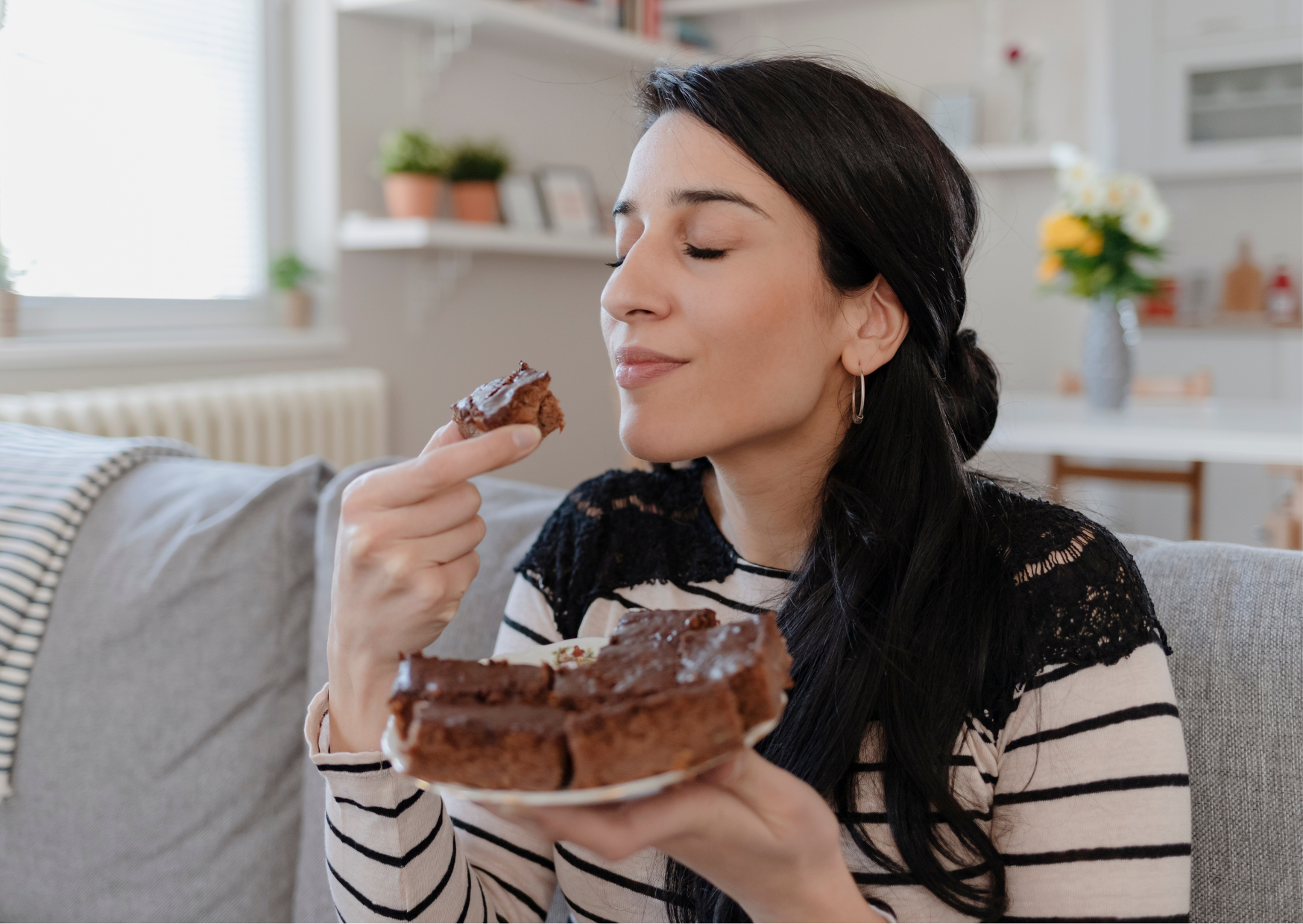
Europe eats sugar. Europeans love pastries. Spain has bakeries on every corner. Italy basically runs on breakfast cookies.
But American food culture does something extra: it pushes sweetness into categories where sweetness is not required.
Many Americans land in Europe and notice:
- Sandwich bread tastes less sweet.
- Salad dressings taste less like dessert.
- Breakfast cereal tastes less like candy.
- “Regular” flavored yogurt is less intensely sweet.
This matters because sweetness shapes appetite. When everything is sweet, the body stops trusting normal food for satisfaction. People chase “more flavor” because their baseline got trained upward.
In Spain, it’s easy to eat sweet things, but it’s also easy to eat meals that are not sweet at all. The defaults are calmer.
And if you want the most boring, powerful change: soda is not the hydration default in the same way. People still drink it, but it’s not welded to daily life.
That changes what “normal” feels like.
Ultra-processed food exists in Europe too, but the daily diet is easier to build around real meals
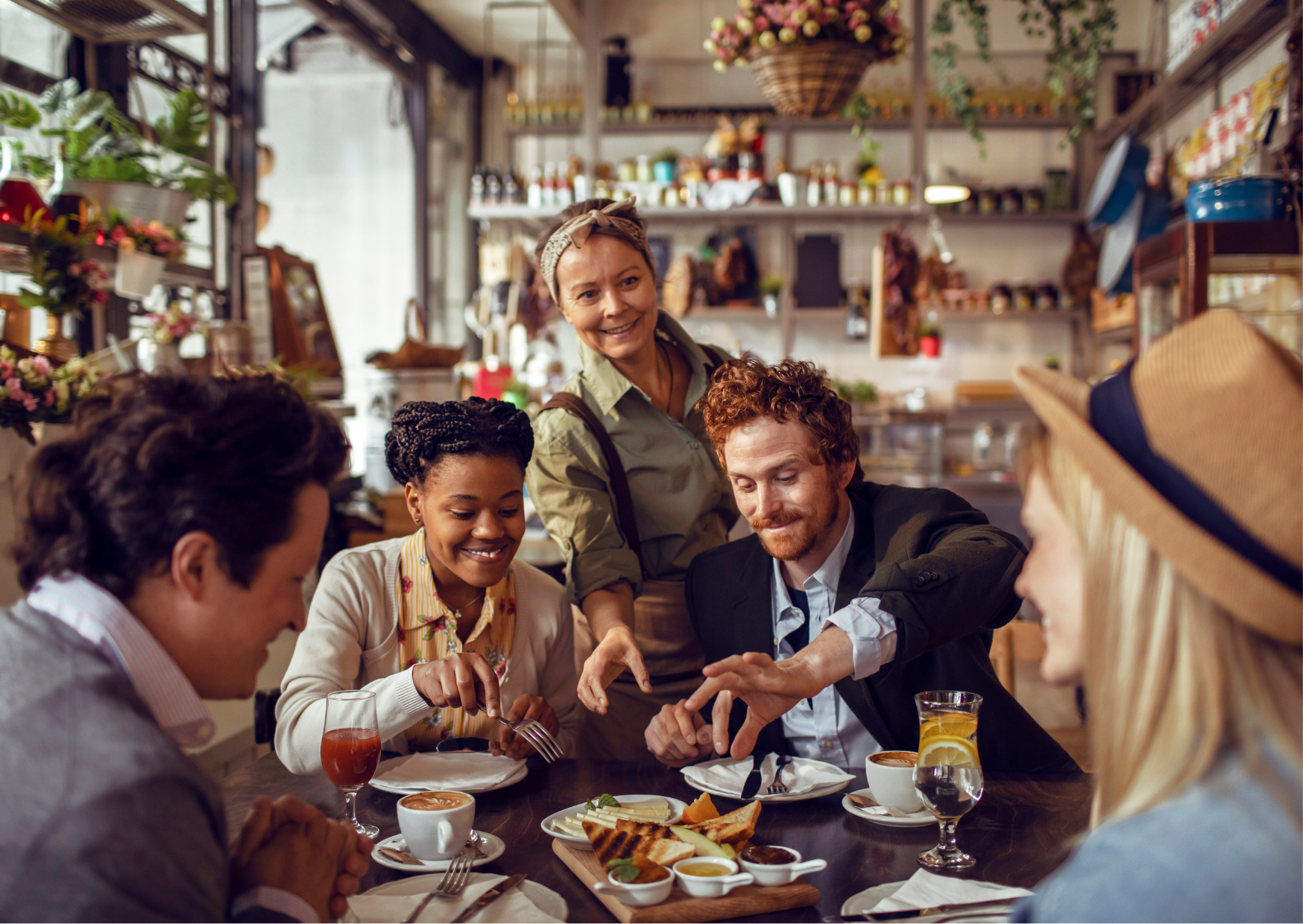
The most useful concept in this whole conversation is not “organic” or “clean.” It’s ultra-processed foods.
Ultra-processed foods are not just “processed.” Bread is processed. Cheese is processed. Canned tomatoes are processed. The problem category is industrial formulations designed for hyper-palatability and convenience, often with additives, refined starches, emulsifiers, and flavor systems.
A lot of research in the last few years has linked higher ultra-processed food consumption with worse health outcomes. The science is complicated, and people argue about definitions, but the trend is consistent enough that it’s hard to ignore.
Here’s what matters for real life: in many European places, you can accidentally eat a decent diet.
The environment helps you:
- Small shops make food shopping more frequent and less “stockpile for two weeks.”
- Produce quality is often better at normal price points.
- Staples like legumes, bread, yogurt, tinned fish, and basic meats are easy to buy without diving into “diet culture” products.
- People still cook simple food on weeknights, and it’s socially normal to do so.
In the US, it’s absolutely possible to eat well. But the environment pushes harder toward ultra-processed convenience foods, partly because time is scarce and partly because the market is designed around them.
Europe’s trick is not purity. It’s structure.
Less friction to cook. More normal baseline foods. Fewer products designed to hijack hunger.
The biggest difference is not ingredients, it’s the “food architecture” around you
This is where the conversation becomes less about labels and more about daily life.
In many American metros, groceries are done in big weekly trips. That makes sense in a car-based environment. But it also means people buy a lot of packaged foods that survive a week in a fridge or pantry.
In Spain, grocery shopping is often smaller and more frequent. Not always, but often enough that it shapes the market. You buy what you’ll eat soon. You lean on fresh bread, produce, fish, and simple staples because they’re accessible.
Also: you walk past food constantly.
That sounds like it would make people snack more, but it often does the opposite. When food is part of public life, it becomes less of a private dopamine hunt. You stop eating out of boredom and start eating because it’s time to eat.
Another architecture difference: portions.
Spain is not tiny portions everywhere, but the default restaurant portioning often feels less like a dare. You can order a few things to share. You can eat a menu del día. You can have a coffee and a toast and not feel like you need to “get your money’s worth” by consuming an entire trough.
And then there’s the psychological part: European food is not always framed as virtue or guilt. It’s framed as food.
That reduces the mental load of eating.
Fewer “food rules”. Less moral panic. More normal meals.
The grocery math is different, and it changes what people buy
Let’s do money, because this is where Americans feel it.
In Spain, groceries can still be expensive depending on diet, city, and preferences, but staples are often accessible. Eating reasonably does not require a premium identity.
Here’s a realistic monthly grocery snapshot for a couple or small family shopping in Spain, cooking most meals, and eating out sometimes:
Spain groceries and food routine (euros)
- Groceries (mostly cooked meals): €350 to €650
- Coffee out and casual snacks: €40 to €120
- Eating out (a few times per week, not fancy): €120 to €350
Now compare what many Americans describe in US metros for a similar “we’re trying to be normal” life:
US groceries and food routine (USD for contrast)
- Groceries: $650 to $1,100
- Coffee out and snacks: $90 to $220
- Eating out: $250 to $600
Again, cities vary. The point is the pressure pattern.
In the US, the price of basic groceries pushes people toward either:
- ultra-processed convenience foods that feel cheaper per calorie, or
- a higher-cost “healthy lifestyle” market that can feel like a subscription.
Europe still has premium products, but the baseline staples often sit in a more forgiving range. That makes it easier to buy real ingredients without feeling like you’re funding a personality.
Staples stay affordable. Cooking does not feel like a luxury hobby. Food can be normal again.
What to actually look for on labels (without becoming a conspiracy person)

This is the practical section. If an American wants to replicate the European food effect back in the US, they don’t need to fly to Madrid. They need to change what they buy and how often they buy it.
A simple label filter that works in any country:
- If the ingredient list reads like a chemistry set, skip it most of the time.
- If sugar shows up in the first three ingredients in a product that does not need sugar, skip it.
- If it contains multiple sweeteners, it was engineered to hit a target, not to feed you.
- If it’s aggressively flavored and you can eat it endlessly, it’s probably designed that way.
You don’t need to fear additives like they are poison. The issue is cumulative exposure and appetite training.
If you want the Europe effect, prioritize foods where the ingredients are recognizable as food:
- canned beans and lentils
- tinned fish
- plain yogurt
- cheese that is just cheese
- oats, rice, pasta
- olive oil, vinegar
- frozen vegetables
- fresh produce in rotation
- simple breads without a dessert profile
The most European thing is not a specialty item. It’s a boring pantry.
Boring pantry, better meals. Less label drama. More predictable hunger.
The first 7 days to get the “Europe food” effect wherever you live
This is not a cleanse. This is not a challenge. It’s just a reset that makes your kitchen behave more like a normal European kitchen.
Day 1: Remove three “daily ultra-processed” items
Not everything. Three.
Examples:
- sweetened yogurt
- sugary cereal
- packaged pastries
- soda or sweet coffee drinks
- chips you “accidentally” finish
Replace with one step down the ladder:
- plain yogurt plus fruit and honey
- oats plus banana and cinnamon
- dark chocolate and nuts
- sparkling water with citrus
The goal is less appetite hijacking, not perfection.
Day 2: Build a simple staples list and buy only those
Staples that mimic how people cook in Spain and Italy:
- eggs
- onions, garlic
- tomatoes (fresh and tinned)
- legumes (beans, lentils, chickpeas)
- rice or pasta
- olive oil
- frozen vegetables
- yogurt
- bread you actually like
- one protein you will cook (chicken, fish, tofu, whatever fits)
If you start here, meals assemble themselves.
Day 3: Cook one pot of something and eat it twice
Europe is not “new recipe every night.” It’s repetition.
Make one:
- lentil stew
- chickpea salad
- rice plus vegetables plus protein
- pasta with tomato sauce and a can of tuna
- tortilla española style egg-and-potato situation
Eat it for dinner, then lunch.
Repetition is the hack. Leftovers are normal.
Day 4: Make bread and dairy less sweet
This is where many Americans feel the shift fastest.
Choose:
- bread that tastes like bread
- yogurt that tastes like yogurt
For many people, this one change reduces snacking because breakfast stops being sugar followed by sugar.
Day 5: Choose one “walkable food” routine
This is about structure.
If you can, do a smaller shop mid-week. Buy less. Buy fresher. The European rhythm is not “stockpile and survive.” It’s “buy what you’ll eat.”
Even if you still drive, copy the habit:
- two smaller grocery trips instead of one mega-trip
Day 6: Eat one meal outside that is not a dopamine bomb
Europe normalizes simple eating out.
Choose something plain:
- grilled chicken or fish with salad
- soup and bread
- a sandwich that is not a sugar-bread masterpiece
You’re retraining your baseline so normal food tastes good again.
Day 7: Decide your “two-weekday dinners”
Pick two dinners you can make without thinking.
Examples:
- pasta, tomato sauce, canned fish, salad
- eggs plus vegetables plus bread
- beans plus rice plus whatever is in the fridge
If you can make two dinners on autopilot, you’ve basically solved weeknight food.
Two autopilot dinners. Fewer engineered snacks. Better baseline appetite.
The uncomfortable truth: the US can do this too, but it often costs more time and attention
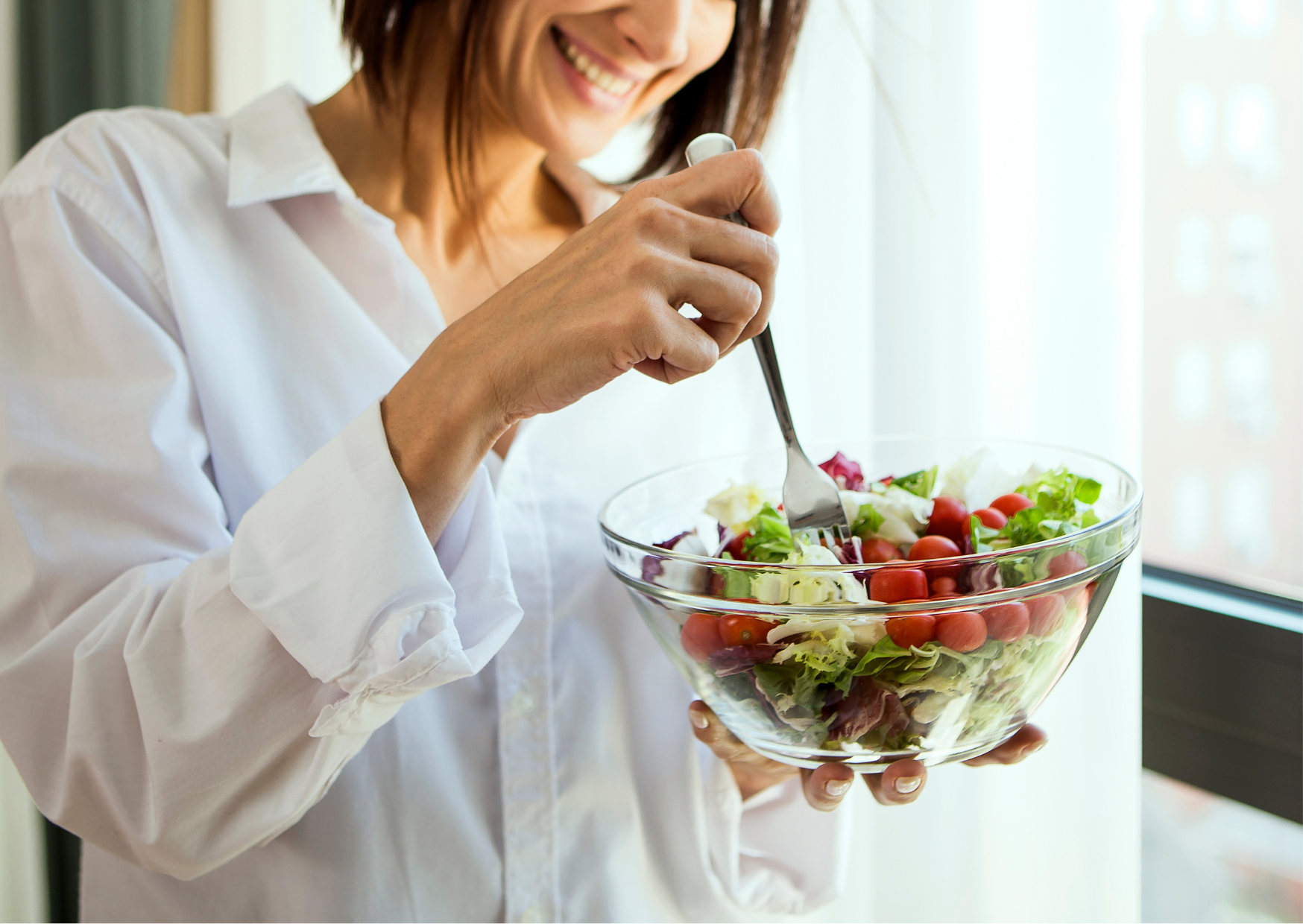
Here’s the honest closing: Americans can absolutely eat like Europeans in the US.
But it often requires:
- more label reading
- more cooking discipline
- more money in certain categories
- more effort to avoid the ultra-processed defaults
In Spain, a lot of the environment does the work for you. The market expects certain foods to be simple. The streets support walking. The cultural rhythm makes smaller grocery trips normal. The portion culture is less aggressive.
So yes, European food can taste better.
But the deeper difference is that it’s easier to eat normally without thinking about it.
And that’s why what’s missing matters more than what’s present

About the Author: Ruben, co-founder of Gamintraveler.com since 2014, is a seasoned traveler from Spain who has explored over 100 countries since 2009. Known for his extensive travel adventures across South America, Europe, the US, Australia, New Zealand, Asia, and Africa, Ruben combines his passion for adventurous yet sustainable living with his love for cycling, highlighted by his remarkable 5-month bicycle journey from Spain to Norway. He currently resides in Spain, where he continues sharing his travel experiences with his partner, Rachel, and their son, Han.