
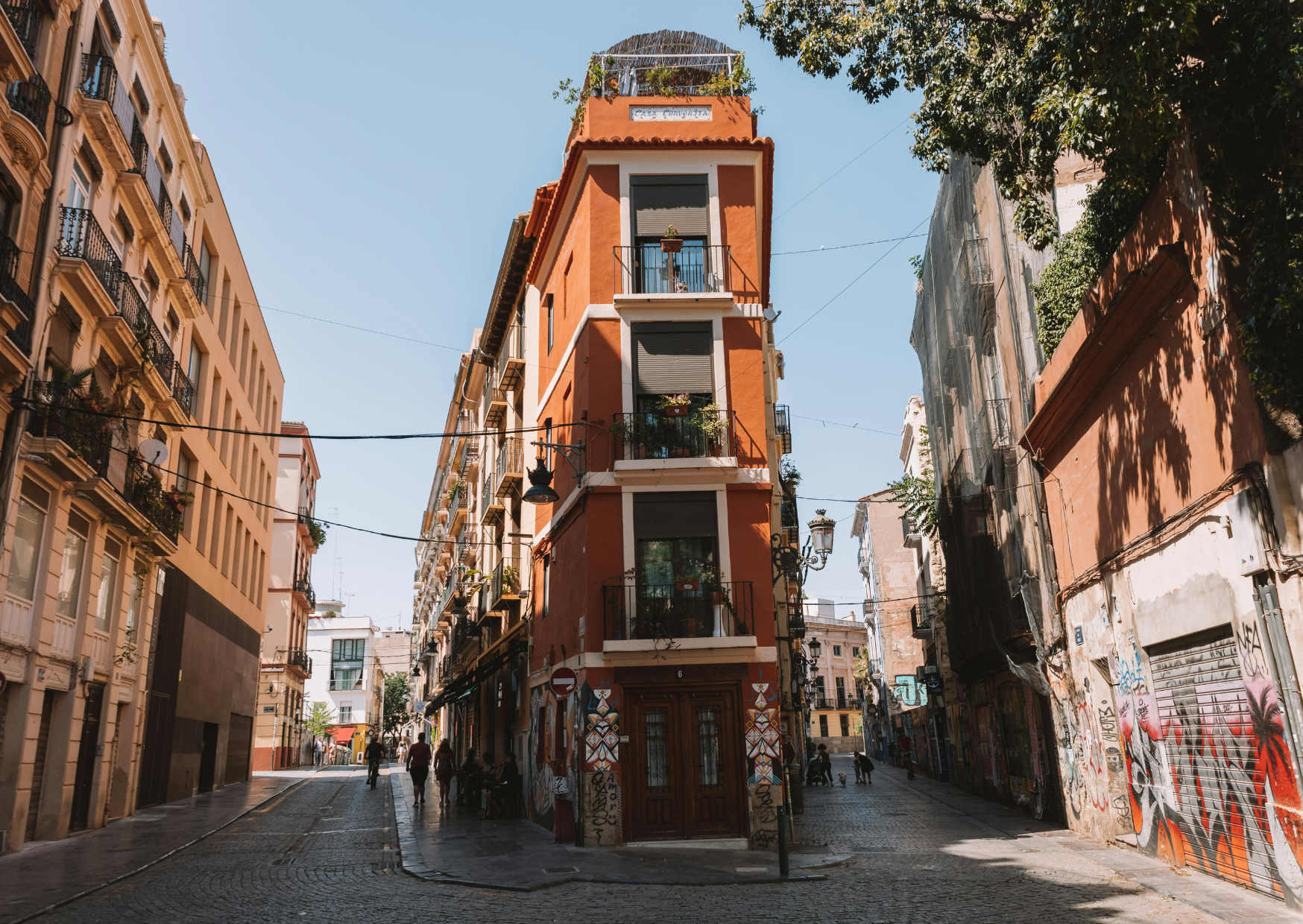
Four months sounds like plenty of time until you try living in a place instead of visiting it.
Visiting is loud. You’re high on novelty, you forgive discomfort, and you spend money like the city owes you a good time. Living is quiet. You buy dish soap. You learn which supermarket annoys you. You figure out whether your apartment feels like a cave in winter. You find the nearest clinic and realize “good healthcare” is not the same as “I know how to use the system.”
So we did the least romantic version of “choosing a European base.” We tested four cities, one month each, and we treated every month like a normal routine, not a highlight reel.
We picked cities with different personalities and different failure modes:
- Lisbon for the expat gravity and “easy social life” promise
- Porto for the “Portugal, but calmer” pitch
- Málaga for the sunshine-led retirement fantasy
- Valencia for the Spain sweet spot people keep whispering about
We tracked what mattered: rent, groceries, transport, healthcare confidence, language friction, social ease, and whether our days felt good without constant spending.
The winner surprised us, not because the other cities were bad, but because they were expensive in the ways that matter long-term.
The winner was Valencia.
Not the Valencia you see in glossy “digital nomad” posts. The normal one. The one where your week becomes predictable, your costs stop spiking, and you can build a life that doesn’t depend on being entertained.
How we ran the test so it didn’t turn into a fake vacation
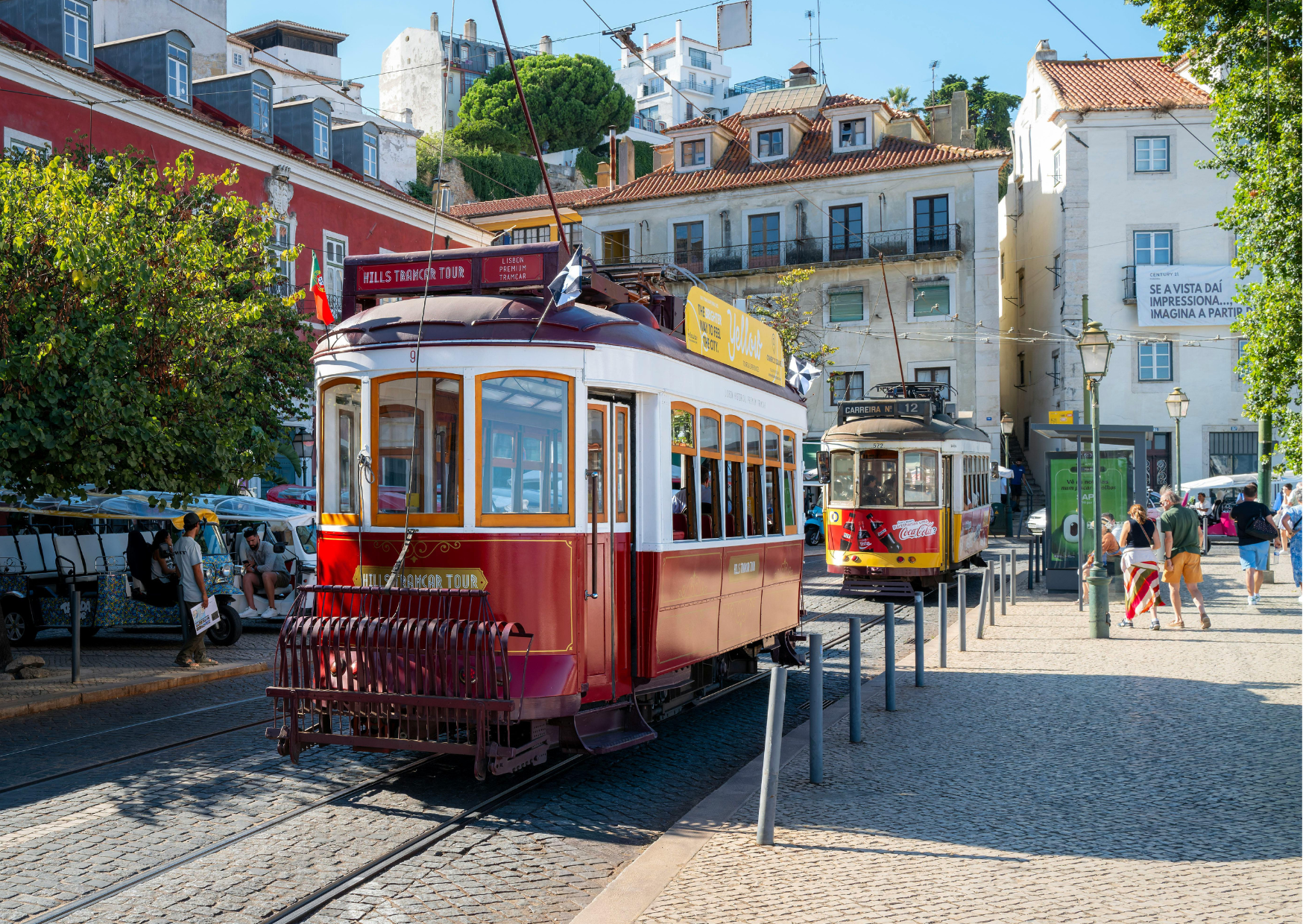
If you test cities like a tourist, you will choose the wrong place. Every time.
So we made a few rules that forced reality to show up.
Rule one: one base per month. No mid-month hopping, no “we’ll just pop over for a week.” If a city can’t hold you for 30 days, it won’t hold you for a year.
Rule two: rent a normal apartment, not a dream. We chose clean, comfortable, and boring. A working kitchen, decent Wi-Fi, a real mattress, and heating that didn’t feel like a joke. We weren’t trying to impress ourselves. We were testing whether we could live there without resenting the walls.
Rule three: live on a weekly rhythm. Same grocery day, same laundry day, same walk loop, and one admin block per week. That admin block was non-negotiable. Banking, paperwork, appointments, and anything “official” got handled in one focused morning. When you skip this, your life becomes reactive and expensive.
Rule four: spend like residents, not visitors. We cooked most nights. We kept eating out to a couple of meals a week. We treated cafés like locals, not a daily lifestyle purchase. It sounds minor, but it changes everything.
Rule five: evaluate each city on friction, not charm. Charm is unlimited in Europe. Friction is what breaks you at month 18. We kept notes on what annoyed us, what felt hard, and what felt naturally easy.
That’s the real point of a test month: you’re not looking for perfection. You’re looking for a livable default.
Lisbon: social ease, constant spending pressure
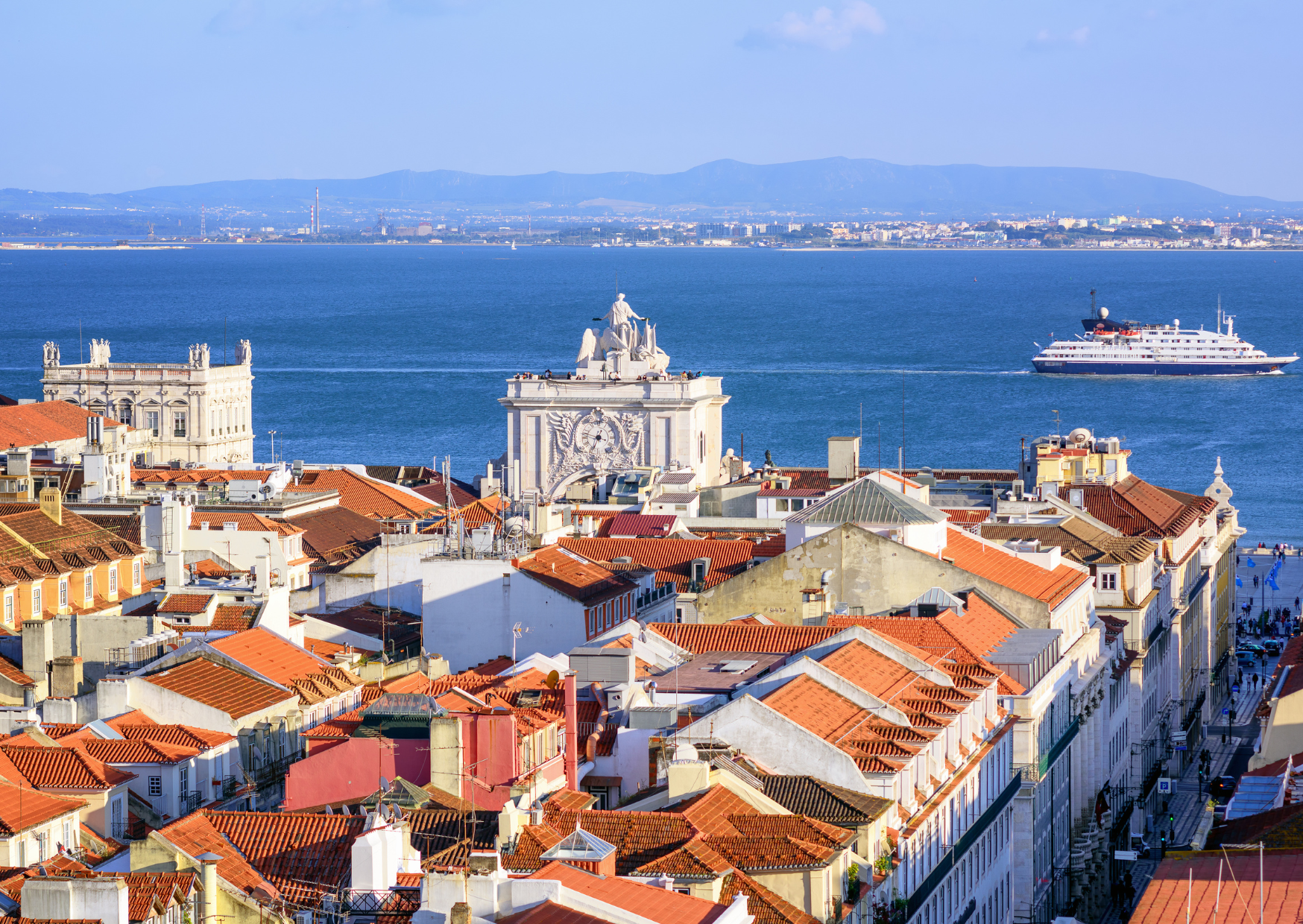
Lisbon is the easiest city on this list to fall in love with, and one of the hardest to live in calmly on a fixed budget.
The first week felt like a win. It’s beautiful, it’s walkable in the “your legs will hurt” way, and the social scene is immediate. You can make acquaintances fast. You can find your people fast. If you’re coming from an American suburb, it feels like your nervous system gets plugged back into life.
Then the month progresses, and the pressure shows up.
Housing was the big one. Even when we chose a modest apartment outside the glossy zones, rent still dictated how we felt every morning. The city’s popularity makes normal housing feel like a competitive sport. You can get something good, but you pay for it, and you pay again in the mental energy of securing it.
Our Lisbon month costs for two people landed around €4,250:
- Rent: €2,250
- Utilities, internet, phones: €230
- Groceries: €520
- Eating out and cafés: €520
- Transport: €115
- Health and pharmacy buffer: €180
- Household, admin, and random friction: €435
The number itself isn’t the only issue. It’s the pattern. Lisbon encourages lifestyle spending because everything feels like an event. You walk past places you want to try. You meet people who want to go out. You get pulled into the “one more drink, one more dinner” loop.
Also, the topography matters. Lisbon is gorgeous, but it can be physically tiring in a way that makes you spend money to cope. More taxis. More “let’s just eat out.” More convenience purchases.
Lisbon isn’t a no. It’s a yes for a specific type of person: someone with a comfortable income buffer who wants high social density and doesn’t mind paying for it. If your plan depends on low monthly burn, Lisbon makes you negotiate with your budget every day.
By week three, we were already thinking: this is a great city, but it will not feel relaxing.
Porto: calmer, cheaper than Lisbon, but emotionally heavier than we expected
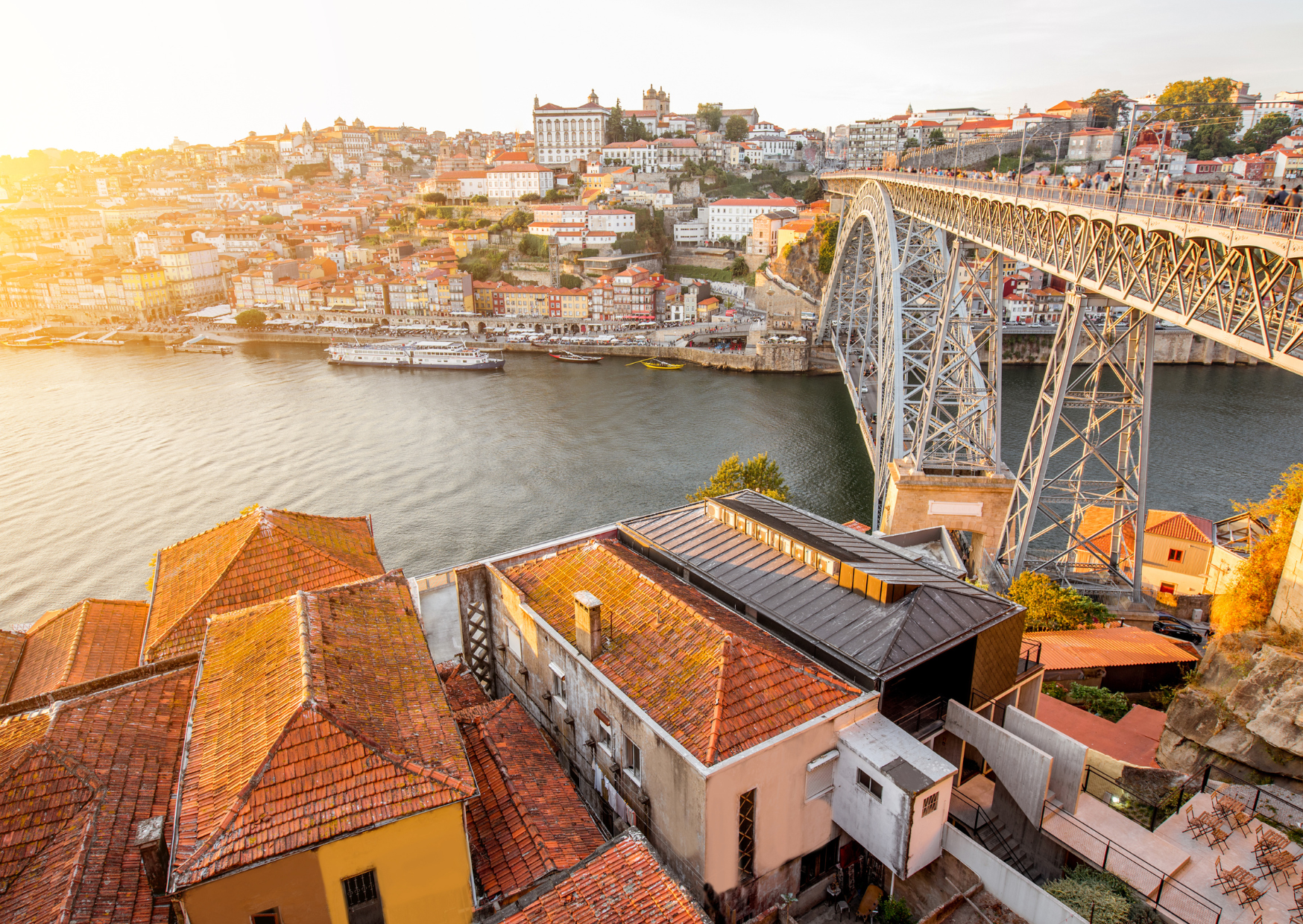
Porto is what Lisbon is not. It’s steadier. Less performative. Less “expat party energy.” It feels like a city that still belongs to itself.
We liked that immediately.
Porto also felt emotionally heavier in a way we didn’t anticipate. Not sad, just weightier. The weather, the gray stretches, the slower social tone, and the sense that people are living real lives and don’t have time to adopt you quickly.
If Lisbon is a first date that turns into a weekend trip, Porto is a relationship that asks if you’re actually serious.
Our Porto month came in around €3,600:
- Rent: €1,850
- Utilities, internet, phones: €240
- Groceries: €500
- Eating out and cafés: €420
- Transport: €95
- Health and pharmacy buffer: €170
- Household and admin: €325
From a pure money standpoint, Porto made more sense than Lisbon. The bigger issue was daily mood. By day 20, we realized how much the climate and light affect your willingness to socialize and move your body.
This is where Americans underestimate Europe. They plan retirement around “low cost and beauty” and forget that winter light and dampness can change your behavior. If you feel less energetic, you go out less, and if you go out less, you can get lonely fast. Lonely retirees spend money in weird ways. More travel to escape. More dining out for stimulation. More “maybe we should try a different city” moves that create costs.
Porto would be a strong choice for someone who loves quiet, can tolerate gray, and doesn’t need instant community. But for us, it felt like we’d be fine on paper and slightly underfed socially.
We didn’t want a city that required constant effort just to feel light.
Málaga: the sun is real, but so is the “permanent vacation” trap

Málaga is the city Americans point to when they say, “This is what retirement should look like.”
And honestly, the sun helps. A lot.
Málaga felt physically easy. The walking was easier. The outdoor life was easier. The mood was brighter. It’s hard to describe how much energy you get back when your day-to-day doesn’t include fighting weather.
But Málaga also revealed the trap of sunshine cities: they can turn your life into a permanent vacation pattern, especially if you’re new and you’re excited.
Even when we tried to live normally, the city kept offering the “why not” version of spending:
- another meal out because the terrace is perfect
- another weekend trip because it’s easy
- another touristy thing because friends are visiting
- another “it’s only €X” purchase that stacks over a month
Our Málaga month costs landed around €3,550:
- Rent: €1,650
- Utilities, internet, phones: €210
- Groceries: €480
- Eating out and cafés: €520
- Transport: €85
- Health and pharmacy buffer: €160
- Household and admin: €445
The surprising number here is the eating out. We weren’t doing anything wild. Málaga just makes it too easy to turn food into entertainment. It’s a beautiful habit until it becomes your default.
Another real factor: Málaga is a magnet. When you choose a place like that, people visit. Family visits, friend visits, and “we’ll just drop by” visits add costs. You host more. You travel more. You spend more.
We also felt a subtle social divide. You can have plenty of conversations and still not feel integrated. There’s a churn of short-term foreigners and seasonal residents. That churn can make friendship feel shallow unless you deliberately build repetition in local spaces.
Málaga is a strong choice if you want sunshine and you’re realistic about the spending patterns it encourages. But we didn’t want a place where we’d have to fight the city to keep life simple.
We wanted simplicity to be the default.
Valencia: the city that made our budget feel calmer and our days feel normal

Valencia is the first city on this list where we stopped thinking “test month” and started thinking “this feels like a life.”
Not a fantasy life. A real one.
It’s big enough to have variety, healthcare access, transit, and neighborhoods with distinct personalities. It’s small enough that you can keep your world compact. Your routines can be walkable, and your errands don’t feel like a logistical project.
Our Valencia month came in around €3,050 for two people:
- Rent: €1,450
- Utilities, internet, phones: €210
- Groceries: €480
- Eating out and cafés: €360
- Transport: €80
- Health and pharmacy buffer: €160
- Household and admin: €310
The big difference wasn’t just price. It was the feeling of margin. We weren’t constantly negotiating with money or effort.
We tested daily life in a few areas:
- Ruzafa for the café culture and walkability
- El Carmen for old-city charm and noise reality
- Benimaclet for a more local, less performative rhythm
- A quieter stretch closer to the Turia for daily walks that don’t feel like a tourist loop
Valencia’s daily texture worked for us. We could walk, cook, meet people, and still feel like our home base was stable. We didn’t feel pulled into constant “city as entertainment” spending.
Also, the airport and train access made travel feel optional, not necessary. That matters. When you live in a place that feels slightly boring in a good way, you travel because you want to, not because you’re escaping your own routine.
Valencia gave us the rare combination that makes a long-term base feel possible: pleasant daily life plus predictable costs plus enough city energy to not feel trapped.
That’s why it won.
The winner wasn’t about weather, it was about friction

If you’re choosing a base in Europe, the most useful question is not “Which city is best?”
It’s “Which city creates the least friction for the life I want?”
Here’s what our four months taught us, in plain terms.
Housing friction
- Lisbon felt like a competition.
- Porto felt manageable but with less flexibility.
- Málaga felt doable but pulled toward short-term pricing patterns.
- Valencia felt negotiable, like you could make sensible choices without feeling punished.
Spending friction
- Lisbon encouraged spending through social density.
- Porto reduced spending but could push travel spending as an escape from gray stretches.
- Málaga encouraged “terrace life” spending that stacks fast.
- Valencia made home cooking and simple routines feel natural.
Social friction
- Lisbon gave quick acquaintances, but we noticed how much social life revolved around spending.
- Porto felt slower socially, more effort-heavy, and less “instant” for outsiders.
- Málaga had friendliness but a lot of churn.
- Valencia gave a mix: enough internationals to meet people, enough locals that the city still feels grounded.
Admin and healthcare confidence
You can live anywhere with decent systems, but confidence comes from legibility. Valencia felt legible quickly. We found clinics, pharmacies, and a rhythm for appointments without feeling like everything was a mystery.
This is the part people skip when they choose a city from a list. They choose based on lifestyle marketing and then spend two years paying for friction.
We didn’t want that.
We wanted a city where our daily life wasn’t a constant negotiation.
The weekly rhythm we used to “feel” each city accurately
Every city can look good if your days are unstructured. You wander, you spend, you call it “exploring.” That is not a test. That’s a vacation with a longer checkout date.
So we used the same weekly rhythm in all four cities. That’s how we made the comparison fair.
Monday: groceries and home setup
We planned three easy meals we’d actually cook. Not aspirational recipes, just real food. This kept grocery spending stable and made the apartment feel like a home, not a temporary shelter.
Tuesday: the local loop
Same walk, same café, same time. Repetition makes you visible. It also stops you from turning every day into “let’s find a new place,” which is just disguised spending.
Wednesday: admin morning
Banking, paperwork, appointment scheduling, and whatever official thing needed attention. This is where most expats either stay sane or slowly drown. When you skip it, you pay for it later.
Thursday: quiet day
Cooking, laundry, long walk, and a low-spend evening. This is the day that tells you if you can actually live there. If you hate the quiet day, you’re not choosing a base, you’re choosing a resort.
Friday: one social or cultural thing
Museum, neighborhood event, or a meal out. One. Not a whole weekend of “we’re in Europe.”
Weekend: one bigger day, one calm day
Two big days in a row creates fatigue, and fatigue creates spending. Taxi, restaurant, convenience, and the “we deserve it” logic that drains budgets.
Timing beats willpower. When the week is structured, you see the city clearly. When the week is chaos, you see only mood.
This rhythm made Valencia stand out because it didn’t require effort to maintain. It simply fit.
The first 7 days to copy if you want to test your own “winner” city
If you’re planning to test cities before committing, don’t overcomplicate it. Copy the method and let reality do the work.
Your first week, done properly
- Pick one neighborhood and stay put. If you can’t tolerate one neighborhood for seven days, you’re not ready to evaluate the city.
- Set a rent cap before you book anything. If the only options exceed the cap, choose a different city or a different month. Do not let the apartment become your entire financial identity.
- Create a grocery baseline on day one. Buy the same staples you always buy. If groceries feel stressful or overpriced in a normal basket, that matters more than restaurant prices.
- Use public transport like a resident. Take the metro, take the bus, walk. If you need taxis to make the city work, that is a real cost. It will not vanish later.
- Do one admin task even if you don’t have to. Go to a pharmacy, ask a simple question, figure out where the nearest clinic is. You’re testing confidence, not just scenery.
- Join one repeating thing. A class, a walking group, a language exchange, anything weekly. If you don’t build repetition, you’ll leave every city thinking you “couldn’t meet people.”
- Track your spending daily for seven days. Two columns: needs and wants. Not because you’re judging yourself, but because your future self needs the truth.
Then ask yourself one simple question: did the city make your days easier, or did it make you work for every comfort?
That’s the winner test.
Why Valencia won, in one sentence
Valencia won because it delivered a calm life on a real budget without turning everything into entertainment or effort.
We didn’t choose the city with the best photos. We chose the city where our week felt stable, our costs felt predictable, and our energy came back.
If you’re an American retiree or pre-retiree evaluating Europe, that’s the whole game. Not chasing paradise. Building a base that doesn’t punish you for living normally.
Lisbon is gorgeous, but it asked for constant spending. Porto was solid, but it asked for more emotional heaviness than we wanted. Málaga was sun-drenched, but it encouraged permanent-vacation habits.
Valencia felt like a place where you could live, not perform living.
So if you’re staring at a list of “best European cities,” here’s the uncomfortable truth: the best city is the one that gives you margin.
And in our four-month test, that city was Valencia, no contest.

About the Author: Ruben, co-founder of Gamintraveler.com since 2014, is a seasoned traveler from Spain who has explored over 100 countries since 2009. Known for his extensive travel adventures across South America, Europe, the US, Australia, New Zealand, Asia, and Africa, Ruben combines his passion for adventurous yet sustainable living with his love for cycling, highlighted by his remarkable 5-month bicycle journey from Spain to Norway. He currently resides in Spain, where he continues sharing his travel experiences with his partner, Rachel, and their son, Han.