
One option is a small, gorgeous Mexican city where you can walk to dinner and be home by 9. The other is a European country that can turn into legal residency, public healthcare access, and a boarding pass to 29 Schengen countries.
Americans keep comparing San Miguel de Allende and Portugal like they’re two versions of the same retirement dream.
They’re not.
San Miguel is a town-based retirement. Portugal is an EU-country retirement. One is a lifestyle decision you can try quickly. The other is a systems decision that changes your paperwork, your taxes, and how you age.
If you want the honest comparison, stop asking “which is nicer” and start asking “which set of problems do I prefer living with.”
Because both come with problems.
You’re Not Choosing a Place, You’re Choosing a Lifestyle Operating System

San Miguel de Allende (SMA) is built for people who want beauty on foot, art, social life, and a contained daily world. It’s a colonial hill town with a strong expat ecosystem and a rhythm that can feel like early retirement should feel.
Portugal is built for people who want predictable infrastructure, Europe access, and a long-term residency pathway that can become permanent. It can also be brutally bureaucratic and increasingly pricey in the “everyone wants to move here” zones.
The biggest mismatch I see with American retirees is expectation.
They picture Portugal like a cheaper California with better bread. Then they meet Lisbon rent and the paperwork line.
They picture Mexico like a permanent vacation. Then they realize megacity-adjacent realities still exist: regional security headlines, bureaucracy, and healthcare planning that works best when you’re proactive.
The best choice is not the prettiest one. It’s the one where your nervous system stays calm.
The Money Reality: What €2,500 a Month Actually Buys in Each Place

Let’s use €2,500 per month as the reference point because it’s a common “we can do this” retirement number for Americans living on Social Security plus savings.
For currency context, on February 6, 2026, the ECB reference rates were about €1 = $1.179 and €1 = MXN 20.479. That makes €2,500 roughly $2,948 at that snapshot.
Here’s the blunt version: rent is the lever in both places. Everything else is second.
Portugal on €2,500
Portugal can work on €2,500 if you avoid the most demanded neighborhoods and you keep your housing expectations realistic.
A workable month for a couple often looks like:
- Rent: €800 to €1,400 depending on city, size, and whether you want “expat-ready”
- Groceries and basics: €450 to €650
- Utilities and mobile: €150 to €250
- Transport: €80 to €180
- Healthcare buffer: €150 to €350 (private insurance or private visits while you figure out the system)
- Eating out and life: €300 to €700
That can land around €1,930 to €3,530 depending on housing and how often you treat yourself like you’re still on vacation.
Portugal becomes expensive fast if you insist on Lisbon, prime Porto, or the most concentrated Algarve pockets. If you treat Portugal like “Europe but cheap,” you will burn money.
San Miguel de Allende on €2,500
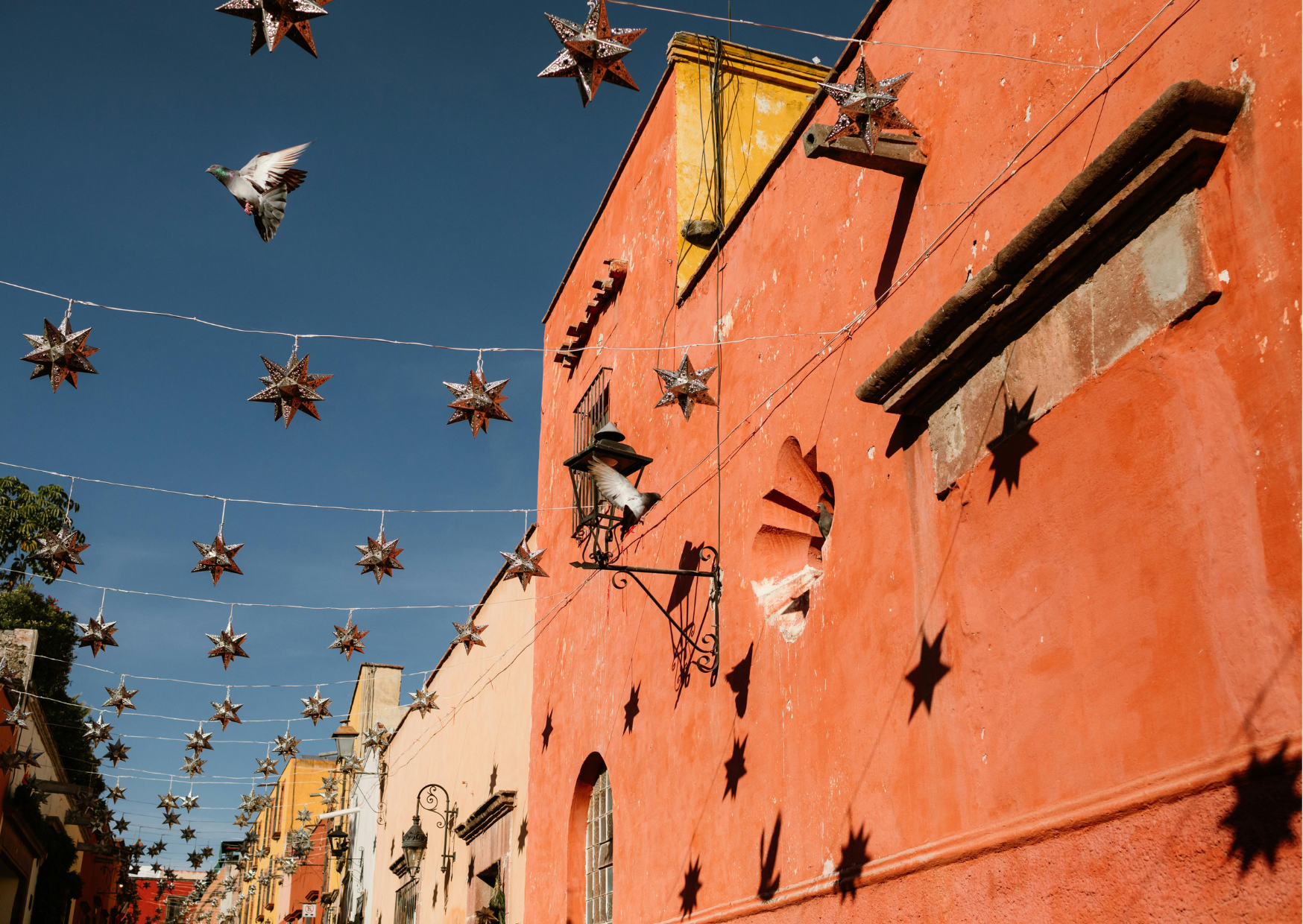
SMA can feel cheaper day to day, then surprise you with housing and imported-comfort spending.
A workable month for a couple often looks like:
- Rent (furnished, expat market): €850 to €1,700 is common for 1 to 2 bedrooms, and it goes higher for gated communities and modern finishes
- Groceries and basics: €350 to €550
- Utilities and mobile: €80 to €180
- Transport: €40 to €120 (it’s compact, but taxis add up)
- Healthcare buffer: €100 to €300 if you’re paying cash for routine care
- Eating out and social life: €300 to €800
That can land around €1,720 to €3,650, with housing and lifestyle doing most of the damage.
SMA quietly becomes expensive when you live the “expat bubble” version: restaurants often, imported groceries, constant day trips, and a rental that’s priced for people arriving with dollars.
The sneaky part is that it still feels like a deal compared with many U.S. cities, so people keep spending without noticing.
Residency and Paperwork: Portugal Is Easier Than Mexico, and That Shocks Americans
This is where the comparison flips.
Many Americans assume Mexico will be simpler because it’s closer and familiar. Then they hit the residency financial solvency rules and consulate variability.
Portugal’s benchmark is lower, and it’s defined in a very European way.
Portugal’s visa documentation references means of subsistence tied to the Portuguese minimum monthly salary, which is €920 in 2026 on the official visa portal.
Mexico’s temporary residency requirements vary by consulate, and the numbers can be high. One official consulate example (Tucson, dated December 31, 2025) lists economic solvency for temporary residency as either:
- monthly income over $4,393, or
- an average monthly balance over $73,215 across 12 months of statements
Using the ECB rate snapshot above, $4,393 is about €3,725 per month, and $73,215 is about €62,078.
That is not a tiny difference.
It doesn’t mean Mexico is impossible. It means Mexico is not the “just show up and stay” retirement plan people imagine, especially if they want to be fully legal long-term.
Portugal can still be bureaucratic, slow, and annoying, but the financial bar is often more reachable for Americans living on pensions and Social Security. Mexico can be reachable too, but the numbers and interpretation can feel more unpredictable.
If you care about legal stability, Portugal is the cleaner system choice.
If you care about lifestyle and you are comfortable with uncertainty and consulate rules, SMA can still work, but it’s not the effortless loophole some people sell.
Healthcare: Portugal Wins on Structure, Mexico Wins on Speed

Retirement is healthcare. Everything else is decoration.
Portugal’s advantage is that it’s a European system with a public backbone. Once you are properly resident and integrated into the system, you’re dealing with a country that expects people to access care without going bankrupt.
Mexico’s advantage is that private care is often fast, accessible, and reasonably priced by U.S. standards, especially for routine issues. In a place like SMA, many retirees rely on private doctors and clinics for most things, paying out of pocket.
The hard truth is what happens when something is not routine.
If you need ongoing specialist care, complex imaging, a serious hospital stay, or a long-term chronic condition management plan, Portugal’s structure can feel safer.
If you need quick appointments and you hate waiting lists, Mexico can feel better.
Mexico also has public coverage options with published fee tables. For example, IMSS lists age-banded annual fees effective March 1, 2025. The 60–69 age band is MXN 19,800 per year, which is about €967 per year at the February 2026 exchange rate snapshot.
That looks amazing to an American paying U.S. insurance premiums.
But retirees should still ask the uncomfortable questions:
- Where is the nearest high-quality hospital for a true emergency?
- How comfortable are you navigating care in Spanish when you are scared?
- What’s the plan if you need a specialist quickly?
- What happens if you outlive your initial health “good years” and need a deeper system?
Portugal tends to win for long-game healthcare stability. Mexico tends to win for short-term speed and cash-pay ease.
Pick the advantage you’ll actually use.
Safety and Stress: San Miguel Can Feel Calm, but Guanajuato Is Not a Blank Map

Most Americans want a simple safety answer. “Is it safe, yes or no.”
Real life is conditional.
San Miguel often feels calm on the ground. It’s walkable, social, and full of retirees who build routines that reduce risk. That lived experience is why so many people stay.
But it sits in the state of Guanajuato, and the U.S. State Department’s Mexico Travel Advisory lists Guanajuato as Level 3: Reconsider Travel, citing crime.
That doesn’t mean “you will be harmed.” It means the risk profile is not theoretical, and Americans should not show up with a fantasy mindset.
In practical terms, retirees who do well in SMA usually do four things:
- They pick housing with good physical security and a boring, stable neighborhood feel.
- They keep night routines conservative.
- They avoid driving through areas they don’t understand, especially at night.
- They stop broadcasting wealth.
Portugal has crime, like anywhere, but it does not carry the same regional security narrative that parts of Mexico do. For many retirees, that difference alone reduces stress.
If your spouse is anxious, if you’re a solo woman, or if you hate the feeling of needing to “stay alert,” Portugal often feels easier.
If you’re comfortable with smart routines and you’re not trying to be reckless, SMA can still feel very livable.
Housing: Portugal Has a Wider Price Spectrum, San Miguel Has an Expat Premium
Americans usually under-budget housing in both places, but for different reasons.
Portugal’s rental market is wide. The same country contains expensive Lisbon rents and much cheaper interior rents.
Idealista reported in mid-2025 that long-term rent pricing ranged from €22.2 per square meter in Lisbon to €6.8 per square meter in Castelo Branco.
To make that real, on a 70 m² apartment:
- Lisbon at €22.2/m² is about €1,554 per month (about $1,833 at the Feb 2026 rate snapshot)
- Castelo Branco at €6.8/m² is about €476 per month (about $561)
Portugal’s national rental data also shows how different the “typical” market can look. INE reported the median house rental value of new lease agreements was €8.22/m² in the first quarter of 2025. A 70 m² apartment at that median is about €575 per month.
The point is not that you will definitely find €575 rent. The point is that Portugal offers a real low-cost lane, especially outside the hottest zones.
San Miguel works differently. It’s a small city with heavy foreign demand in specific neighborhoods, so the market you see online is often the expat market.
If you browse long-term rental listings aimed at foreigners, it’s common to see 1 to 2 bedroom apartments listed around $1,000 to $1,200, with larger homes and gated options going higher. Converted at the February 2026 ECB rate snapshot, $1,000 is about €848, and $1,200 is about €1,017.
That is not cheap Mexico. That is “Mexico that Americans want,” which is a different category.
SMA housing can still be a deal compared with many U.S. markets, but it’s not automatically cheaper than Portugal outside Lisbon, Porto, and the Algarve hotspots.
Portugal’s best housing value is in second cities and smaller towns. SMA’s best housing value is in being willing to live slightly outside the most Instagrammed center, or choosing an older home that isn’t styled for foreigners.
Daily Life: Portugal Is Easier to Integrate Long Term, San Miguel Is Easier to Enjoy Fast

Enjoyment and integration are not the same thing.
San Miguel is easy to enjoy quickly. You can arrive, find your people, walk to dinner, take Spanish lessons, and feel like your retirement finally started.
Portugal can take longer to click. There’s paperwork, systems, and a cultural style that can feel less “friendly on demand” than expat towns in Mexico.
But Portugal tends to reward people over time.
- It’s easier to travel around Europe.
- It can be easier to build stable healthcare access.
- It can be easier to feel legally anchored.
- It can be easier to integrate into a broader society that isn’t primarily built around foreign retirees.
San Miguel tends to reward people socially. It’s one of the strongest “make friends at 60” environments because the retiree ecosystem is active and visible.
The downside is what happens if you don’t click with that ecosystem.
If you don’t want expat life, SMA can feel small. If you do want expat life, SMA can feel like a warm bath.
Portugal has expat communities too, but the experience can be more dispersed and less socially pre-packaged, depending on where you live.
So the question becomes: do you want community by default or integration over time?
The 7-Day Trial That Makes the Decision Obvious

Most retirees make this choice based on two weeks of vacation feelings. That’s how people end up moving twice.
Do this instead.
Days 1 to 2: Live like you’re not on holiday
Cook at home. Do laundry. Walk to buy boring things. Test the day-to-day friction.
In SMA, see how you handle hills, cobblestones, and the rhythm of the town.
In Portugal, see how you handle bureaucracy energy, even on small tasks.
Day 3: Run a healthcare drill
Find a clinic. Ask how appointments work. Ask what it costs. Ask how prescriptions work.
You’re not sick, so you can do this calmly. Calm planning is the whole retirement game.
Day 4: Test housing reality, not fantasy housing
In Portugal, price a place you’d actually live in for a year, in a city you’d actually tolerate.
In SMA, look at long-term rentals, not just charming vacation rentals.
Write down the number. Don’t negotiate with yourself.
Day 5: Do a safety routine at night
Walk your neighborhood after dark, early evening, and later. Notice what your body does.
If you feel tense and hypervigilant, that matters. Retirement should not feel like constant alertness.
Day 6: Do a social test
Try to make one real connection. Not a chat with a bartender. A real “could I build a life here” conversation.
SMA often shines here. Portugal can too, but it depends on where you are.
Day 7: Decide what problem you prefer
This is the only honest way to choose.
Portugal’s problems are usually bureaucracy, rising housing pressure in hotspots, and integration time.
SMA’s problems are usually regional security narratives, expat premium pricing, and the risk of living in a bubble.
Pick your problem. That’s your answer.
Who Should Pick Which
Portugal is usually the better fit for American retirees who want legal stability, a European healthcare backbone, and the option to build a long-term base that can become permanent.
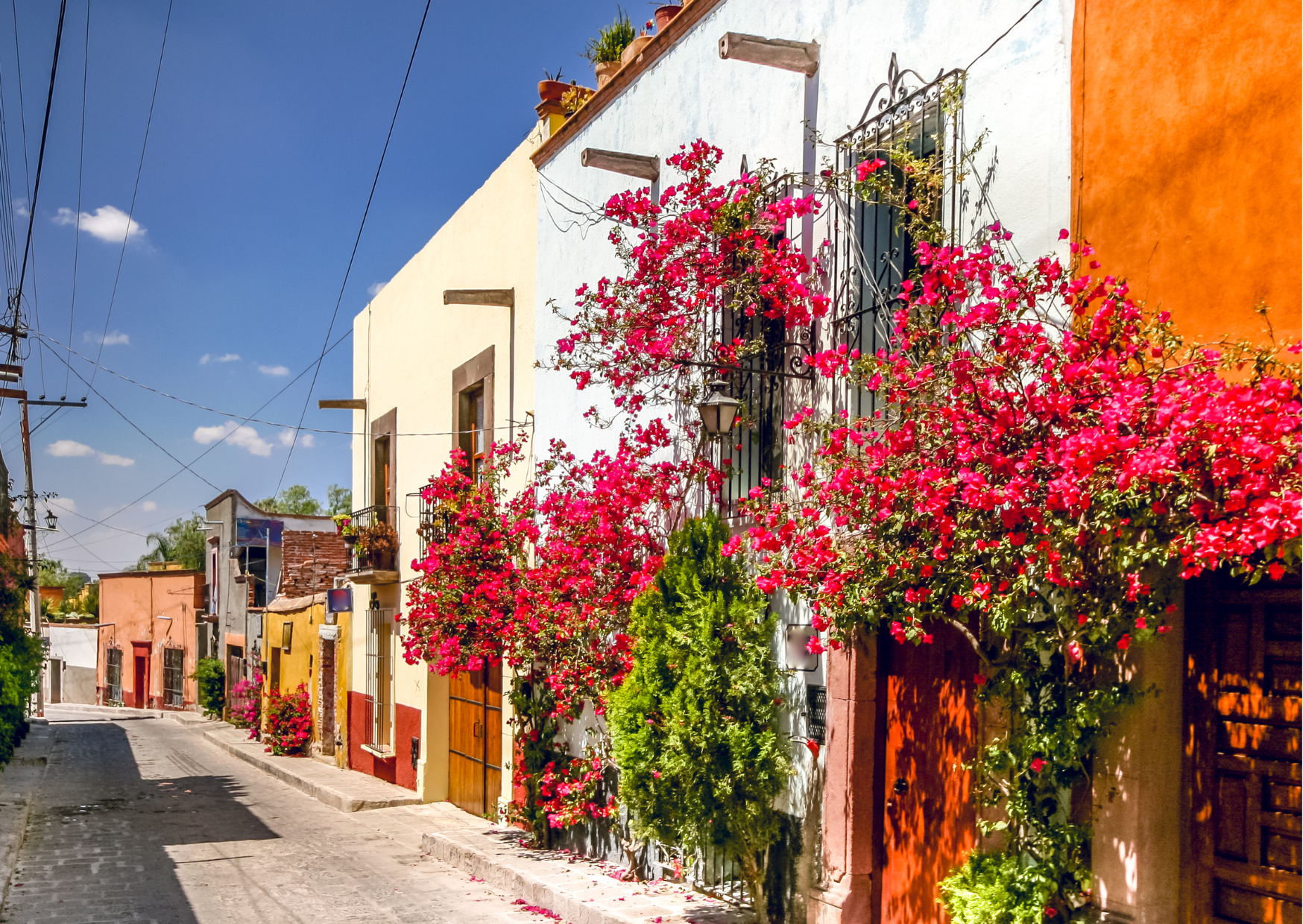
San Miguel is usually the better fit for American retirees who want immediate community, beauty, walkability, and a contained daily life that feels enjoyable fast, and who can live with the realities of Guanajuato’s broader risk profile.
There’s no moral winner here.
There’s only the place you can still tolerate on an ordinary Tuesday when the weather is off, your knee hurts, and you need to solve a small problem in another language.
That’s retirement abroad. The rest is marketing.

About the Author: Ruben, co-founder of Gamintraveler.com since 2014, is a seasoned traveler from Spain who has explored over 100 countries since 2009. Known for his extensive travel adventures across South America, Europe, the US, Australia, New Zealand, Asia, and Africa, Ruben combines his passion for adventurous yet sustainable living with his love for cycling, highlighted by his remarkable 5-month bicycle journey from Spain to Norway. He currently resides in Spain, where he continues sharing his travel experiences with his partner, Rachel, and their son, Han.