
It’s not that Europeans think Americans never shower. The stereotype is more specific than that. It’s “you look unmanaged,” like you tried to power through the day and used products to cover the evidence.
The Stereotype Isn’t “Dirty,” It’s “Unmanaged”
When Europeans side-eye American hygiene, they’re usually reacting to signals, not judging your soul.
They notice when someone looks like they left the house without finishing the job. Greasy hair. Re-worn gym clothes. Strong scent layered over sweat. Shoes on soft furniture. Loud chewing and coffee breath at close range.
A lot of Americans hear this and think, “Europeans are being snobby.”
Sometimes, sure. But a lot of it is about different expectations in shared space.
In many European cities, people walk more, ride public transit more, and spend evenings in tighter social environments. That makes small hygiene leaks more visible. If you’re in a packed metro car, you cannot hide behind personal space.
What makes this tricky is that Americans often do shower plenty. A YouGov survey in the U.S. found that two-thirds of Americans said they shower once a day or more. So the stereotype persists even when the basic “do you shower” assumption is not true.
That’s why this is worth unpacking.
Europeans are often reacting to the American tendency to treat hygiene as a single daily event, then rely on “covering” strategies to get through the rest of the day. The result can look sloppy, even when the person is not.
Both things can be true.
You can be a clean person. And you can still broadcast “unmanaged” to a culture that reads certain cues differently.
The good news is that these cues are fixable without becoming precious.
The American “Covering” Habit: Fragrance, Deodorant, Dry Shampoo
This is the most common cultural mismatch.
Americans often treat deodorant and fragrance as a replacement for a reset. Especially in busy work culture, where you go from car to office to errands to dinner without a pause.
Europeans, especially in places with more walking and less car time, tend to pick up on the difference between clean and covered.
Covered smells like product. Clean smells like nothing.
A lot of Americans are also coming from a product ecosystem that encourages aggressive scent. Scent beads, dryer sheets, body sprays, strong laundry detergents, heavily scented lotions. If you stack those on top of sweat, it can create a smell that Europeans read as worse than sweat alone.
Not because they hate Americans. Because it takes over the room.
Europe has plenty of deodorant use too, but the cultural preference often leans quieter. Even when Europeans wear perfume, the expectation in many settings is subtle, not “announce yourself.”
This is where Americans get trapped. They are trying to smell good, but the method reads as trying too hard.
If you want the fastest fix, it’s not complicated.
Do a small mid-day reset when needed. Change the base layer. Let the scent be optional, not structural.
If you can do only one thing: stop treating fragrance like it’s hygiene.
Hygiene is washing and changing. Fragrance is decoration.
Shoes Indoors and Soft Surfaces: The Track-In Problem
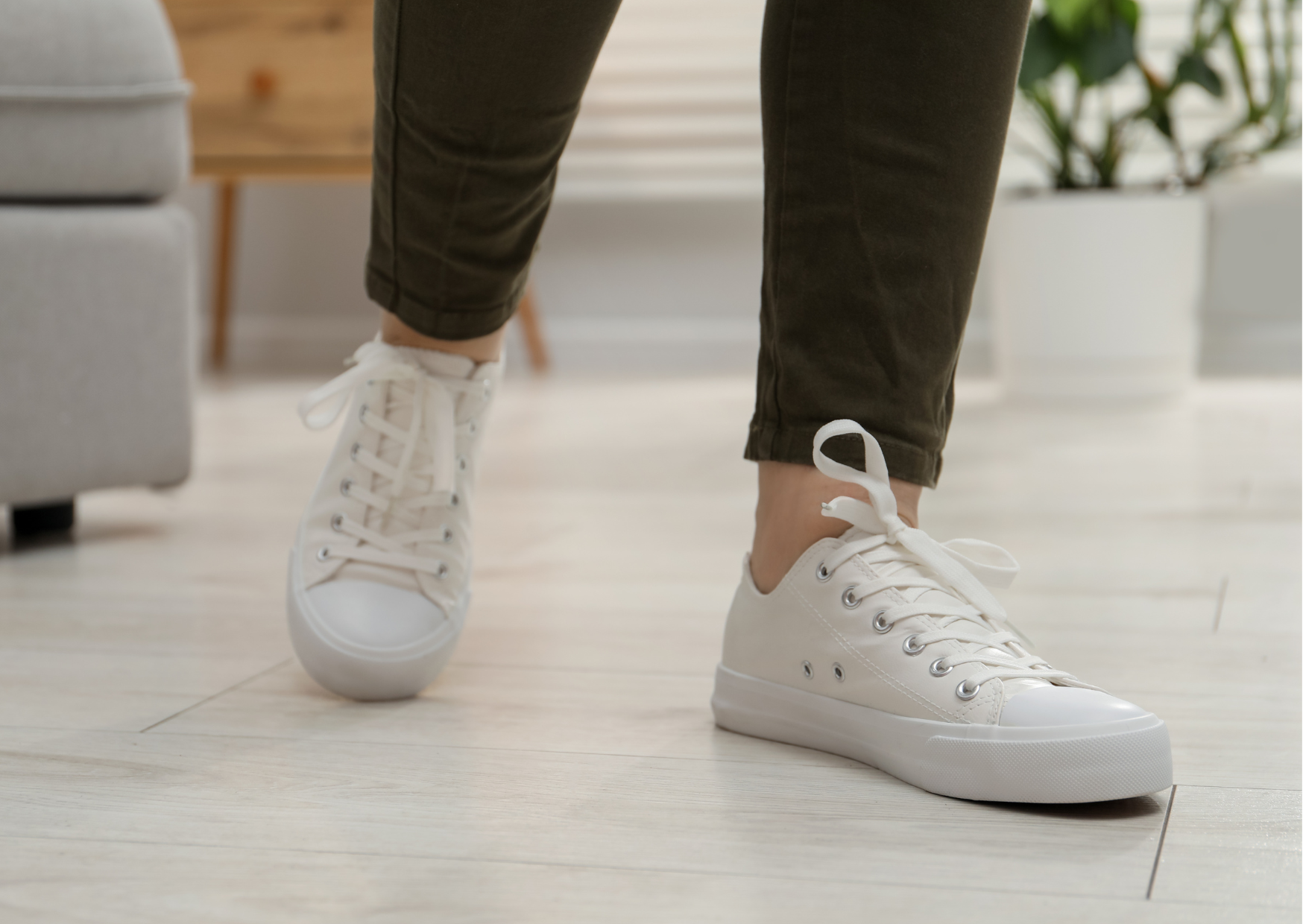
This one gets underestimated because it feels domestic, not public.
A lot of Europeans grow up with a stronger separation between outside dirt and inside comfort. Not everywhere, not always, but enough that “shoes everywhere” reads as sloppy or childish.
Even in countries where guests keep shoes on, people tend to manage footwear more intentionally. Shoes stay near the entrance. Indoor slippers exist. Beds and sofas are not for outside soles.
Americans often have the opposite pattern: shoes on in the kitchen, shoes on the carpet, shoes on the couch, shoes on the bed during a Netflix crash. The house becomes a continuation of the street.
Then the home smells like street. Floors feel gritty. Textiles pick up outside grime. People compensate with scented cleaners and candles.
From a European viewpoint, that whole pattern can read like poor hygiene even if the person showers daily.
Because cleanliness is not only about your body. It’s about your environment.
If you want a blunt European logic: if you are willing to put your subway shoes on your bedding, what other shortcuts are you taking?
That might feel unfair. But that’s how signals work.
The fix is not performative. It’s simple home management. Shoes live by the door. Indoor footwear is separate. Outside soles do not touch the places where you rest.
Once you do that, your home smells cleaner without extra products. And you stop broadcasting a signal Europeans interpret as lazy.
Handwashing: What People Say They Do Versus What They Do
Handwashing is where stereotypes get messy because Europe is not uniformly better.
A Statista chart based on a European survey reported big differences by country in the share of people who automatically wash hands with soap and water after using the toilet. Some countries score high, some embarrassingly low.
So why do Europeans still judge Americans on this?
Because in practice, Europeans often see Americans doing two things that read badly:
- Americans touching faces, phones, and food in public without an obvious handwash moment.
- Americans using public restrooms and leaving quickly, especially in busy tourist areas.
To be fair, Americans also have their own problems. A large YouGov poll in the U.S. found that only 58% of Americans said they always wash their hands with soap after using the restroom at home. During the pandemic, CDC survey research also tracked changes in self-reported handwashing behavior, with increases reported in 2020 compared with 2019.
The point is not to scold anyone. The point is that handwashing is a social signal now. People notice.
And Europeans who spend more time on transit and in dense public spaces often treat handwashing as basic. If they see you skip it, they do not assume you had a good reason. They assume you are casual about hygiene.
If you want to avoid being judged, do not make it ambiguous.
Wash hands, and dry them properly. Then move on.
Breath, Food, and the Coffee Signal
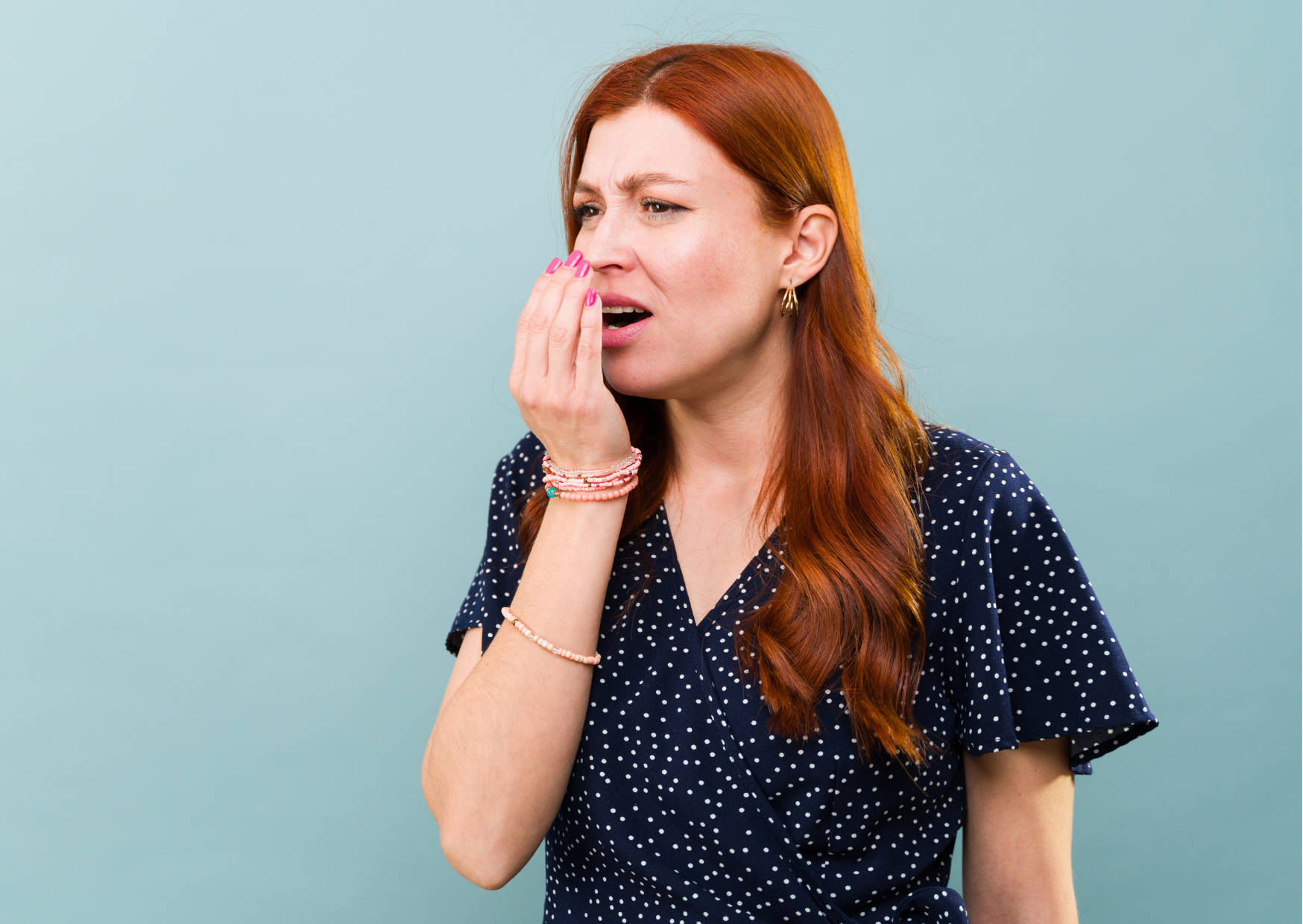
This is the quietest reason Americans get judged.
Europeans often spend more time in close conversation, especially at meals. If your mouth is doing something unpleasant, it becomes a group issue fast.
Americans drink a lot of coffee, eat a lot of sugar, and often snack throughout the day. That combination can create a very specific breath profile, especially when paired with dry mouth from stress, medication, or dehydration.
Europeans are not saints about this. But there’s often a stronger habit of a midday mouth reset, even if it’s gum, water, or brushing after lunch. In a 2024 European survey, Italians reported higher-frequency tooth brushing than some neighboring regions, including a notable share who claimed they brush three times a day.
When Americans skip this, Europeans notice more than Americans expect.
Because in many European settings, you cannot rely on distance. You’re talking across a small table, leaning in, sharing plates, sitting side by side.
A simple breath reset is not about perfection. It’s about not punishing other people with your mouth.
If you want one habit that changes how you’re perceived fast, it’s this: after lunch, water plus gum or a quick brush if you can. Especially if your lunch included garlic, onions, cured meats, or strong coffee.
It’s not glamorous.
It’s a small courtesy that reads as “this person is put-together.”
Work Culture and Gym Culture: The Sweat-in-Public Pattern

This is where “Americans have poor hygiene” becomes shorthand for “Americans look like they’re always rushing.”
A lot of American life is structured around long workdays, car commuting, and squeezing errands into the edges. That creates a common pattern: gym clothes in public, sweaty bodies in public, and no pause to reset before social life.
Europe has gym culture too. But in many places, the transition from workout to public space looks different. People go home. They shower. They change. Then they re-enter public life.
When Europeans see Americans in sweaty athleisure in cafés or shops, they often read it as lazy hygiene, even if the person literally came from a workout and plans to shower later.
This is a cultural misread with consequences.
Because Europeans interpret public appearance as a sign of respect for shared space. Americans often interpret public appearance as personal freedom. Neither is evil. They’re just different.
If you are traveling in Europe and you want to avoid the stereotype, don’t make the “post workout” phase public if you can avoid it. Change your shirt. Wipe down. Do a quick reset before you sit close to people.
You don’t need to dress formal. You just need to look like you didn’t give up.
What Europeans Get Wrong About Americans
This matters, because stereotypes are lazy.
Europeans sometimes assume Americans are unhygienic when what they’re really seeing is a different system.
Americans often have bigger homes, more laundry machines, more hot water access, more showers, more products. They also often shower frequently. They just broadcast different cues.
Europeans also undercount the role of climate and infrastructure. In many U.S. regions, people drive everywhere. They go from air-conditioned car to air-conditioned building. Sweat patterns can be weird, and people compensate with products. That does not always translate well to a European city where you walk more and air conditioning is less constant.
And Europeans sometimes confuse “American casual style” with “unclean.” If you’re used to crisp linen, a clean American in a soft t-shirt can still look sloppy to you.
So yes, the stereotype can be unfair.
But if you’re reading this, you’re probably a decision-maker. You don’t need fairness. You need control.
The goal is not to win an argument with a stranger. The goal is to walk into a European space and not trigger the stereotype in the first place.
That’s a practical skill.
Seven Days to Stop Triggering European Side-Eye
You can fix most of this with a one-week reset.
Day 1: Strip your scent stack.
Use deodorant, fine. But ditch layered fragrance and heavily scented laundry for a week. Aim for neutral, not loud.
Day 2: Add the base layer habit.
Wear an undershirt or a breathable base layer on warm days. Change it if you sweat. This is cheap control.
Day 3: Create a shoe rule at home.
Shoes stay at the door. No outside soles on bed or couch. You’ll notice the home smells cleaner fast.
Day 4: Make handwashing non-ambiguous.
Wash hands after bathroom and after transit, especially before touching food. Don’t rush it like you’re trying to escape.
Day 5: Do a midday mouth reset.
Water plus gum or a quick brush after lunch. If you drink coffee, this is the easiest perception upgrade you’ll ever buy.
Day 6: Stop making the “sweaty phase” public.
If you work out, change your shirt before cafés and shops. A clean top does a lot.
Day 7: Add one evening reset before social life.
A fast rinse, fresh shirt, and deodorant touch-up. Five minutes. This is the difference between “fine” and put-together.
After seven days, the stereotype becomes harder to stick to you.
Not because you became European.
Because you stopped broadcasting “I powered through and hoped nobody noticed.”

About the Author: Ruben, co-founder of Gamintraveler.com since 2014, is a seasoned traveler from Spain who has explored over 100 countries since 2009. Known for his extensive travel adventures across South America, Europe, the US, Australia, New Zealand, Asia, and Africa, Ruben combines his passion for adventurous yet sustainable living with his love for cycling, highlighted by his remarkable 5-month bicycle journey from Spain to Norway. He currently resides in Spain, where he continues sharing his travel experiences with his partner, Rachel, and their son, Han.