
If your retirement plan is “We’ll just do three months at a time and reset,” you are gambling with border math. Most of Europe is not built for indefinite tourism. It is built for residency. And those are two different games with two different rulebooks.
So let’s define “welcome” in a way that matters. Not vibes. Not sunshine. Not whether the barista smiles at you in English.
Welcome means there is a repeatable legal pathway for a non-EU retiree to live there long-term, and the bureaucracy is used to seeing people like you show up with pension letters, bank statements, and health insurance.
Some countries have that pathway, and it works if you treat it like a process. Others technically allow it, but it is so discretionary, expensive, or culturally brittle that most people are “welcome” only in the way a nightclub welcomes you while the bouncer reads your shoes.

“Welcome” is a visa system, not a mood
A lot of Americans confuse “popular expat destination” with “easy legal residency.” They are not the same.
Here is what “welcome” looks like in practice:
- You can apply for a national long-stay route that fits retirees, usually financially independent or non-working residence.
- The rules are legible enough that you can build a file that would make a bored civil servant nod and stamp it.
- The renewal rhythm is clear. You know what proof you need next year, and you can plan a calendar around it.
Here is what “not welcome” looks like:
- No clear retiree pathway, approvals are discretionary, and the criteria are fuzzy enough that people start relying on rumor.
- The system expects an employer, a local business, or a family tie, and retirees are an awkward afterthought.
- You can technically stay, but you are living on 90 days in 180 logic and pretending it is a lifestyle.
If you want to stay sane, build your plan around the part that never changes: paperwork always wins. A country can be charming and still be a terrible fit if the residency route is a maze.
Spain and Portugal: the big two, for a reason
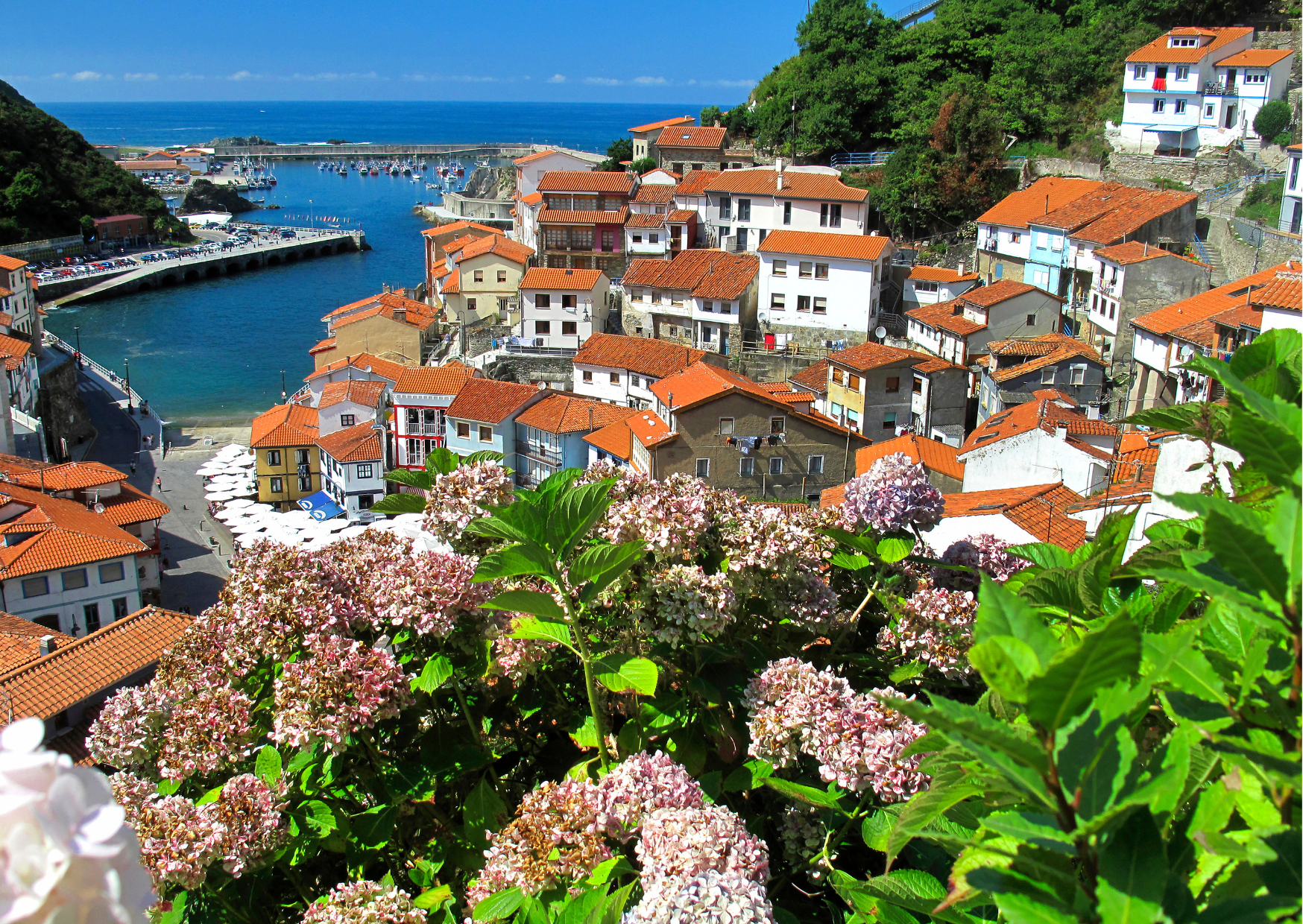
These are the default choices for American retirees because they have well-worn pathways and huge existing communities. That does not mean they are frictionless. It means the path exists and thousands of people walk it every year.
Spain (non-lucrative residence). The common retiree route is the non-lucrative visa, which is a no local work residence permit. The financial requirement is tied to IPREM. The standard benchmark is 400% of IPREM for the main applicant, plus 100% of IPREM per dependent. With IPREM commonly treated as €600/month, that planning number is roughly €2,400/month for one person, and about €3,000/month for a couple. The paperwork is straightforward on paper, but it is unforgiving if your documents are sloppy.
Spain rewards people who treat residency like a filing system. It punishes people who treat it like a vibe.
Portugal (D7). Portugal’s retiree-friendly path is still the D7, built around passive income. The simplest planning anchor is the minimum wage. Portugal raised the national minimum wage to €920 in 2026, and many D7 planning guides use that as the baseline for a main applicant, with higher expectations for a spouse and dependents. Portugal is appealing because so much of the process has become a known routine.
The catch in both countries is the same: the second year is where people get tired. Your first year feels like a win. Your renewal year feels like a job. If you do not build a weekly admin rhythm, it will chew up your marriage, your budget, or both.
France and Italy: slower, stricter, and surprisingly stable for retirees
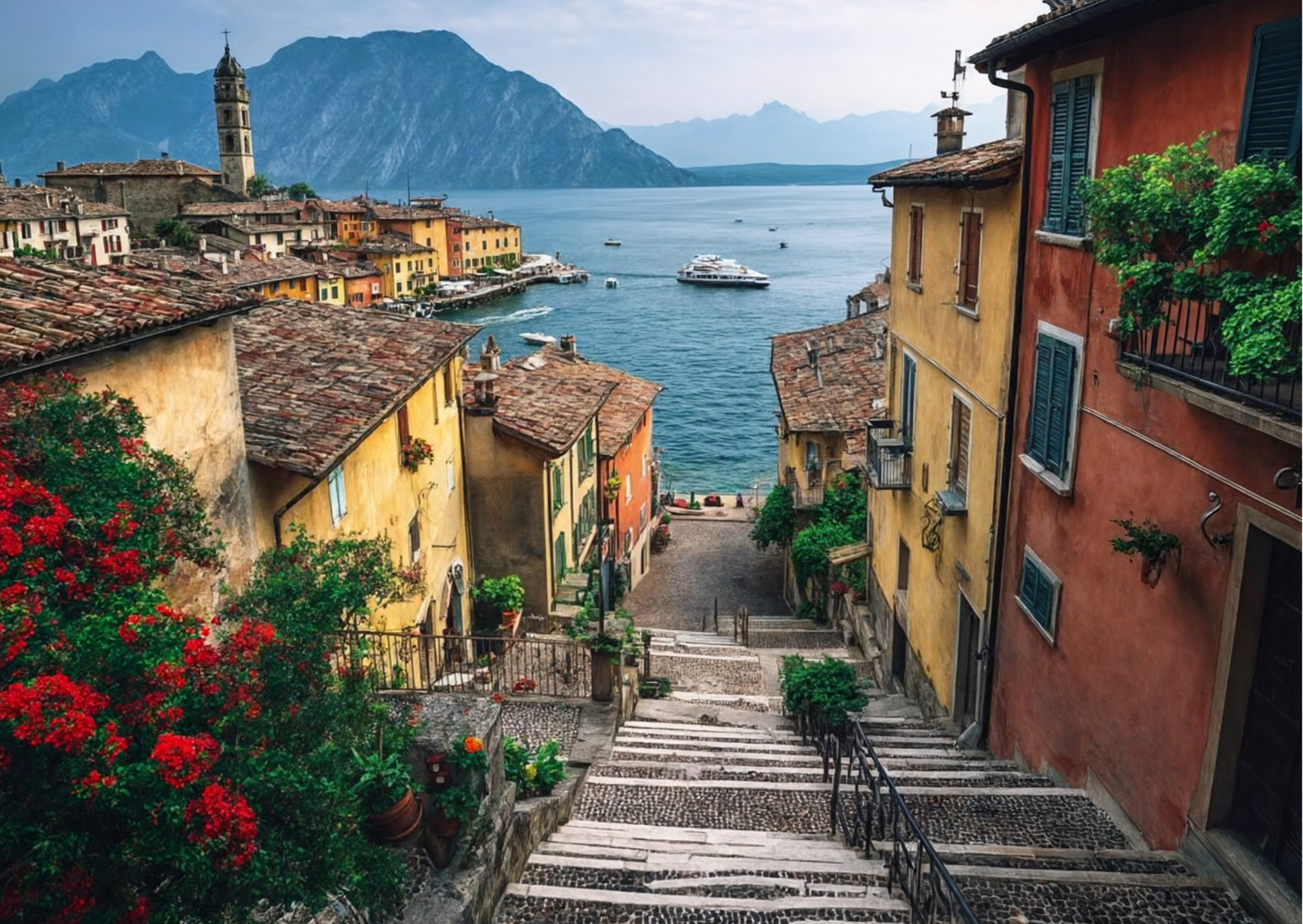
France and Italy attract a different kind of retiree. Less “move fast and hack the system,” more “move slowly and build a life that can survive winter.”
France (visitor route). France has a long-stay “visitor” logic for people who want to live there without working. The practical planning number is not a rumor, it is stated plainly in French government guidance for the visitor residence category: the minimum resources amount for a single adult is €1,443.11 net per month (verified 01 January 2026). That number alone tells you what France wants: proof you can support yourself without needing French wages.
France can be wonderfully stable if you like routines: market day, paperwork day, health admin day, repeat. It is not a great fit if you expect everything to be fast, or if your plan relies on improvisation.
Italy (elective residence). Italy’s elective residence route is the classic “retiree visa,” but the financial expectations are often higher than people assume, and consulates can be picky. Many credible Italy-focused immigration sources cite a common baseline around €31,000+ per year for a single applicant, higher for couples, with emphasis on stable, passive income. Italy is not a “show a big bank account and relax” country. It is a “prove consistent resources and live like you mean it” country.
Italy also has its own rhythm. Appointments, stamps, renewals, and local offices matter. People who do well are the ones who pick a town, show up often, learn the rules of that specific office, and stop expecting the national website to match local reality.
Greece, Cyprus, Malta: the Mediterranean alternatives with cleaner math
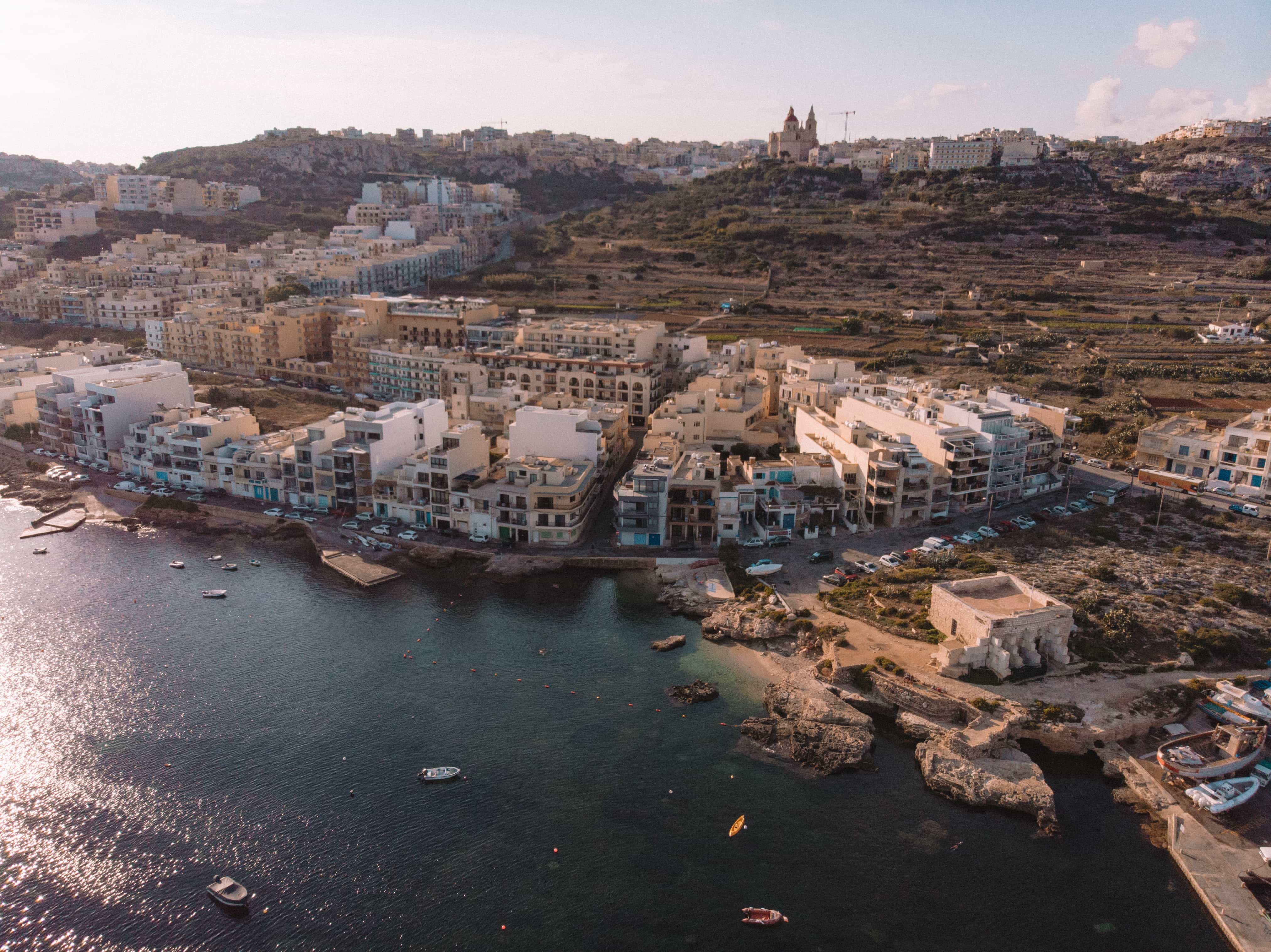
If Spain or Portugal feels oversaturated, these are the names that keep coming up. They are not automatically easier, but the requirements can be clearer in a spreadsheet.
Greece (financially independent). Greece’s financially independent residence framework has tightened in recent years. A Greek immigration law source summarizes the updated threshold as €3,500 per month, with increases of 20% for a spouse and 15% per child, and a typical permit duration of three years. Greece can be a great fit for retirees who have strong passive income and want a slower cost structure outside tourist hotspots.
Cyprus (Category F). Cyprus has a long-running permanent residence option often referred to as Category F. A commonly cited threshold is roughly €9,568 per year for the applicant plus €4,613 per dependent, sourced from abroad. Cyprus tends to appeal to retirees who want warm weather, a simpler pace, and fewer moving parts than bigger countries.
Malta (retirement-focused programs). Malta can work, but it is rarely “cheap.” The programs tend to include property requirements (rent or purchase), administrative costs, and structured tax expectations. It can be excellent for the right profile, especially those who want an English-speaking environment, but it is not the bargain some people expect when they first hear “small island in the Med.”
The real deciding factor with these three is not the postcard. It is whether your income profile cleanly matches the requirement numbers, and whether you want to be in a place where the expat community is smaller and you will need to be more intentional about building a life.
Ireland: yes, but it is a high bar and they mean it

Ireland is “welcome” in a very specific way. It is not trying to attract retirees with low thresholds. It is saying: if you are financially independent and low-risk, there is a path.
Ireland’s own immigration guidance spells it out. For independent means retirees, the expectation is €50,000 per year in income, plus access to a lump sum that could cover major expenses, described as something like the price of a home in Ireland. They also require independent verification by an Irish accountancy firm, and they publish an average processing time of about four months (with delays if your file is incomplete).
Ireland is a strong option for retirees who want English, predictable institutions, and are comfortable paying for it. It is not a strong option for retirees hoping Europe will cut their costs in half.
The money math that decides whether you stay or leave

Most retiree budgets focus on rent and groceries, then act shocked when year two feels tighter.
A better model is an all-in monthly average that includes the boring annual costs, divided by 12. The hidden drains are usually:
- Residence paperwork costs, translations, notary work, apostilles, document shipping.
- Health insurance premiums and out-of-pocket gaps.
- Flights back to the US, not once a year like you planned, but when life happens.
- Professional help when you get stuck (tax filing, immigration consults, local admin support).
Here is a realistic planning frame for a couple, excluding luxury travel, and assuming a modest rental:
- In a mid-priced Spanish city, an all-in lifestyle often lands around €3,000 to €3,800 per month once you annualize flights, insurance, and admin.
- In Portugal outside the hottest zones, a similar life can land around €3,100 to €4,000 per month, depending on rent and how often you fly home.
- In France, the same lifestyle commonly climbs to €3,800 to €5,000 per month for a couple once housing and insurance rise.
Two places where the numbers “breathe” without changing your life drastically:
- Spain: Valencia or Zaragoza often price differently than Barcelona or the Balearics.
- Portugal: Coimbra or Braga often behaves differently than central Lisbon or peak Algarve zones.
The only budget that matters is the one that survives a bad month. A dental surprise, a family emergency flight, a currency swing, a winter heating bill you did not expect. That is the month that reveals whether you have margin, or whether you are living on optimism.
The mistakes that make a “welcome” country feel hostile

Most failures are not dramatic. They are procedural.
Common ways Americans blow up an otherwise viable plan:
- They treat the residence file like a casual checklist instead of a coherent financial story. A clean narrative beats a messy pile of statements.
- They underbuy health insurance, then get rejected because the coverage does not match what the country expects for full coverage.
- They pick housing like tourists, then discover they cannot prove a stable address or they chose a rental setup that does not satisfy the residency requirements.
- They assume the first approval means the hard part is over. Renewal is where the system checks whether you really live there.
- They build a budget that ignores back-and-forth flights, then one family event turns into a €3,000 month.
- They rely on “everyone does it” logic about remote work, side gigs, or informal income in countries where the permit is explicitly non-working.
The fix is boring and effective: build a shared document system, keep everything in one place, track your dates, and treat admin as a weekly habit, not an emergency. The retirees who last are not smarter. They are more consistent.
Your next 7 days: pick a country, then build a file that survives scrutiny
If someone is serious about moving, the first week should look less like dreaming and more like controlled execution. In visa work, timing beats willpower, and that means blocking calendar time before you feel ready.
Day-by-day, a practical sequence:
- Day 1: Write a one-page “residency file summary” with your monthly income, savings, health coverage plan, and target city, and include € totals not vague statements.
- Day 2: Pick three countries that match your income profile, not your Pinterest board. One should be a conservative backup.
- Day 3: Build a 12-month “all-in” budget, and include flights, insurance, admin, and a buffer, and set a real monthly ceiling you can live with.
- Day 4: Identify the exact route you are using in each country (non-working, visitor, elective residence, financially independent). If you cannot name it, you are not ready.
- Day 5: Start your document pipeline, passport validity, background checks, and anything that needs apostilles. These items control your timeline more than motivation does.
- Day 6: Choose a test base city and plan a month that includes normal life, not tourism, groceries, pharmacies, bus passes, winter heating reality.
- Day 7: Decide whether you are optimizing for cost, healthcare access, language comfort, or proximity to US family, and admit which one is non-negotiable.
Most people waste six months “researching” because they are avoiding the real question: what do you actually want your days to feel like, and what are you willing to trade to get it?
The decision that matters more than the destination
Europe is not a single product. It is a menu of systems. Some systems welcome retirees with clear paperwork and predictable renewals. Others welcome you socially but not legally. Others welcome you legally but punish you with cost.
If you want the shortest version of the truth, here it is: pick the country whose residency path matches your income profile, whose bureaucracy you can tolerate weekly, and whose healthcare access makes you feel calm, not brave.
Everything else is decoration.

About the Author: Ruben, co-founder of Gamintraveler.com since 2014, is a seasoned traveler from Spain who has explored over 100 countries since 2009. Known for his extensive travel adventures across South America, Europe, the US, Australia, New Zealand, Asia, and Africa, Ruben combines his passion for adventurous yet sustainable living with his love for cycling, highlighted by his remarkable 5-month bicycle journey from Spain to Norway. He currently resides in Spain, where he continues sharing his travel experiences with his partner, Rachel, and their son, Han.