
Japan looks like a “cheap right now” destination from afar. On the ground, it’s a precision machine built to extract money from travelers who arrive with U.S. habits and a spreadsheet that ignores reality.
We went in with a clean number: €4,600 ($5,000) for two adults, about two weeks, Tokyo plus Kyoto with a few side trips.
We came out at €7,700 ($8,400).
Not because we were reckless. Not because we stayed in penthouse hotels or chased Michelin stars nightly.
We came out over budget because Japan has a few specific cost traps that hit Americans hard, especially first-timers who want comfort, convenience, and a “once in a lifetime” trip without saying that out loud.
This is the unglamorous breakdown of where the money went, and what we would do differently if we were planning the same trip again.
The Weak-Yen Headline Was True, Then Tokyo Lodging Ate the Savings
The weak yen story is not fake. It’s just incomplete.
Yes, daily life purchases can feel affordable compared with major U.S. cities. Convenience store snacks, basic meals, drugstore items, even some midrange restaurants can land below what Americans expect.
But Japan’s visitor boom changed the math in the places most tourists actually sleep.
Japan welcomed a record 42.7 million international visitors in 2025, with inbound tourism spending hitting ¥9.5 trillion. That is not a quiet environment for bargain hunters. It’s demand pressure.
Hotel prices do what hotel prices always do in a demand surge: they climb, then they normalize at the higher level, and tourists call it “post-pandemic pricing” like it’s weather.
Here’s what caught us.
We budgeted Tokyo like it was still a city where you could casually get a clean, well-located hotel for “a couple hundred a night.”
In the most popular neighborhoods, that assumption is now a liability.
We also underestimated the compounding effect of lodging taxes and fees that show up at checkout, plus the “upgrade creep” that happens when you’re tired and the room you booked looks smaller in real life than it did on a screen.
Our original lodging budget looked like this:
- Tokyo: €120 to €150 a night (roughly $130 to $165)
- Kyoto: €110 to €140 a night (roughly $120 to $155)
- A couple of “splurge” nights: €180 to €220 (roughly $200 to $240)
The reality was closer to this:
- Tokyo, decent location, decent size, decent reviews: €200 to €280 a night (roughly $220 to $310) once taxes and fees were in the mix
- Kyoto, especially if you want calm and walkability: €170 to €250 a night (roughly $185 to $275)
The extra spend was not one dramatic hotel decision. It was death by a thousand adjustments.
One night you upgrade because the first room is microscopic.
One night you pay more because it’s Friday.
One night you pick the place closer to transit because you cannot face another 25-minute walk with luggage.
By the end, lodging alone had eaten most of the “weak yen” advantage we thought we’d have.
The big lesson: Japan can still be affordable, but Tokyo hotel pricing is not a discount playground when tourism is breaking records.
The JR Pass Trap, Plus the Price of “Convenient Transport”
Americans love passes. It feels like control.
Japan’s rail system turns that instinct into a trap if you do not do the math with your actual itinerary.
The nationwide Japan Rail Pass prices are now high enough that “just get the pass” is outdated advice. The official prices list an Ordinary 7-day pass at ¥70,000, 14-day at ¥110,000, 21-day at ¥140,000.
You can still make a pass worth it, but you have to travel aggressively, like you’re collecting stamps.
Our mistake was a classic one: we built an itinerary that was part city trip, part intercity travel, and assumed the pass would automatically save money.
Then reality showed up:
- The pass can limit which Shinkansen services you take on key corridors.
- The trains you actually want at the times you actually want might not be the ones your pass covers the way you expected.
- If you are doing Tokyo heavy days, Kyoto heavy days, and only a couple of long rail rides, the pass can become an expensive souvenir.
So what did we do?
We paid more for convenience.
We paid for reserved seats on specific trains because we wanted predictability, not “stand in line and hope.”
We paid for the fast option when the slow option would have worked, because vacation brain is impatient.
We paid for taxis in moments that felt tiny, but were not tiny.
A few taxi rides can quietly add €120 to €250 to a trip, and you will barely remember them. You will just remember that your legs hurt less.
We also got hit by airport transfers, which Americans chronically under-budget. In many cities, the airport is not “just 20 minutes away.” It is a real transport leg, sometimes with premium pricing, sometimes with confusing options, sometimes with the temptation of the simplest choice.
The blunt truth: Japan rewards people who are comfortable with transit complexity. Americans often pay extra to avoid feeling lost.
That extra spend is not failure. It’s predictable.
If you want a cheaper Japan, you have to tolerate a little friction.
The Convenience Store Is Not Cheap When It Becomes Your Lifestyle
This one hurts to admit because it sounds ridiculous.
Convenience stores in Japan are amazing. The food is genuinely good. The experience is easy.
The problem is what happens when you treat them like your default.
A €2 snack here, a €2 drink there, a €4 breakfast, a €5 “quick lunch,” a €3 dessert, and suddenly you’ve built a daily spending habit that you did not budget for.
It feels cheap because each purchase is small.
It becomes expensive because it is constant.
We did not budget for:
- the constant hydration buying because walking all day dehydrates you
- the “try everything once” mindset
- the fact that jet lag makes you snack at odd hours
- the fact that convenience stores are everywhere, and decision fatigue makes them irresistible
We were easily spending €18 to €30 a day on small convenience purchases without counting them as meals.
Over two weeks for two adults, that can become €500 to €800 on items you never put in your original plan.
And that’s before you add the extra costs of travel basics you end up buying in-country:
- extra socks, because you underestimated walking
- blister care
- a cheap umbrella
- basic toiletries you forgot
- a power adapter you swear you packed
These are small numbers, but Japan is a country of smooth, easy small transactions.
That smoothness is a spending machine if you are not paying attention.
Food Is a Great Deal, Until You Chase the “Perfect” Version

Japan can be one of the best value food destinations on earth, especially compared with U.S. cities.
You can eat well without spending absurd money.
But Americans often do food in Japan the way they do theme parks: maximize.
We did it too.
We went in thinking we’d do:
- one nice sushi meal
- one good kaiseki-style experience or tasting menu
- the rest, normal meals
Then the algorithm got us.
You watch one video about a famous ramen shop.
You see one article about a specific omakase experience.
You hear someone say “you can’t leave Japan without trying X.”
Then you start stacking “just one more” high-ticket meal.
A single splurge meal for two can jump from €90 to €250 fast, especially if you include drinks, small plates, and the fact that you are on vacation so you stop optimizing.
Also, tipping is not standard in Japan the way it is in the U.S., which makes Americans feel like they are “saving money.”
That psychological relief can trick you into spending more on the meal itself.
Food is still a value in Japan compared with many American cities, but the overspend happens in two ways:
- chasing hype
- treating every meal like a story
Most people do not need 12 “iconic” meals in 14 days.
Two or three are plenty.
Then eat like a normal person, and Japan stays affordable.
Attractions and Timed Entry: The Reseller Tax Is Real
Japan is not a “show up and see what happens” destination anymore, at least not for the most popular sights.
Timed entry is common. Ticket drops are real. Some attractions only open sales in short windows.
When you miss a window, you pay a penalty:
- you go at a less desirable time and end up paying for another experience to “make up for it”
- you buy from a third party and pay a markup
- you rebuild your day around whatever time slot is left, and spend more on transit and meals because you are locked into an inefficient schedule
We got hit by the “we’ll decide later” habit.
It’s a very American habit, and it’s expensive in Japan.
Japan is built around planning gates that are subtle but firm. Once you start missing those gates, you start spending.
Also, attractions are not always expensive individually, but they stack fast. The visit itself, a photo add-on, a locker fee, a snack, a souvenir that feels small.
Suddenly a “€20 activity” becomes €60 for two adults.
Multiply that by six experiences and you have a €300 to €500 budget drift.
The key pattern: a lot of Japan spending happens because the trip is scheduled tightly, and when time becomes scarce, money gets used to buy it back.
Shopping, Tax-Free Temptation, and the Suitcase Problem
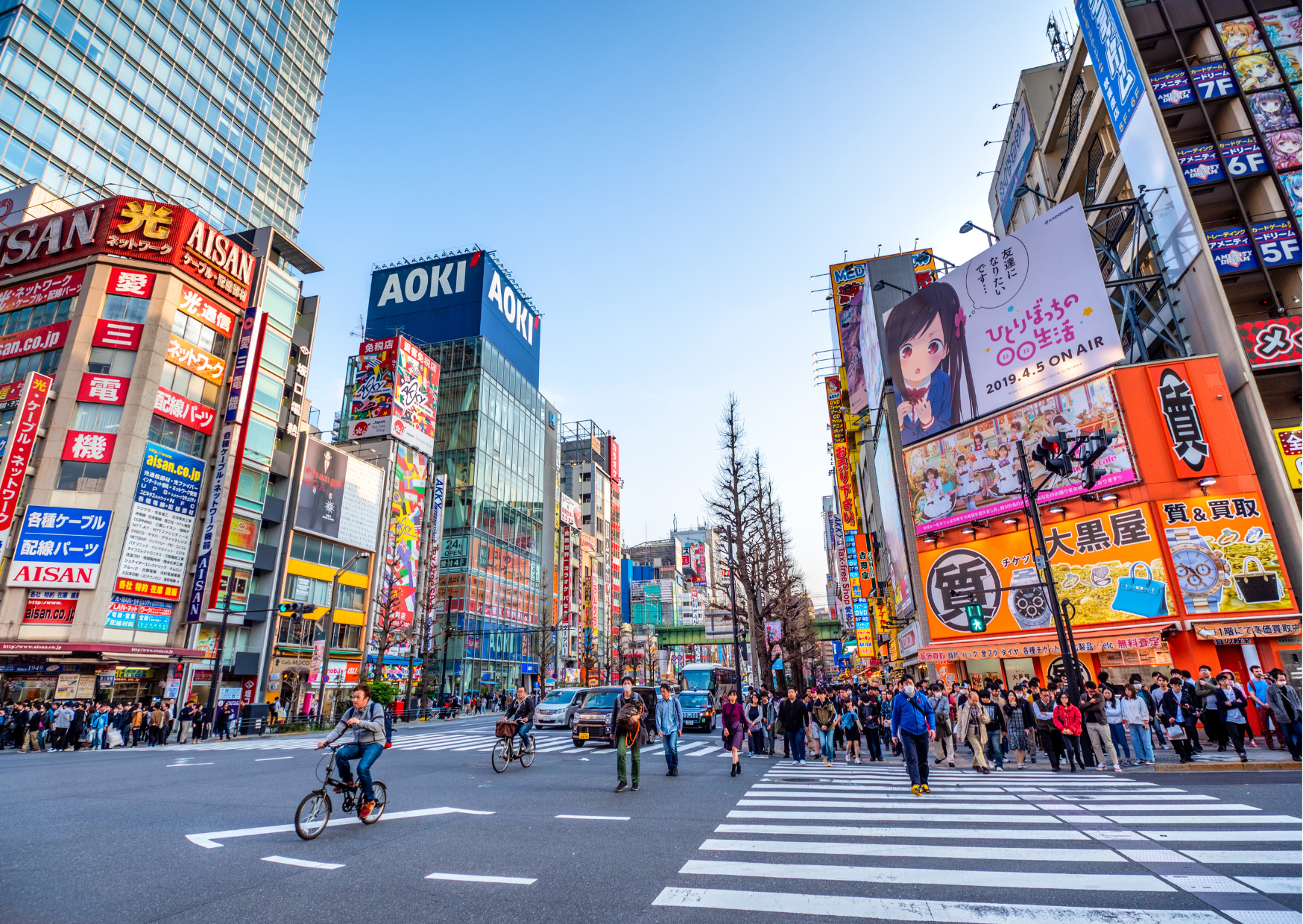
Americans love Japanese shopping because it feels practical.
Kitchen knives. Stationery. Skincare. Socks. Tech accessories. Vintage watches. Ceramics.
The trap is that it never feels like “shopping.” It feels like “smart buying.”
And Japan is excellent at making the purchase frictionless.
Then you hit the suitcase problem.
You either:
- buy a larger suitcase in Japan
- pay for an extra checked bag
- ship luggage
- or pay overweight fees
Any one of those can add €70 to €250, sometimes more, and you will rationalize it because the items you bought feel like good deals.
Also, shopping tends to happen late in the trip, when your brain is tired and you are more likely to justify.
We also underestimated the “gift obligation” that Americans carry. A lot of Americans feel they need to bring back thoughtful gifts because Japan feels special.
That alone can add €200 to €600 depending on family size and guilt levels.
The reality check: if you are trying to keep Japan affordable, you need a shopping cap, like a real cap, not a vague promise.
A clean rule that works is a yen limit per person for non-essential purchases, and a hard luggage rule.
If you break the luggage rule, you will pay.
The Budget We Should Have Used: A Realistic Two-Week Japan Cost
Here is a more honest two-week budget for two adults who want comfort and ease, not hostels and not luxury.
This assumes you want:
- Tokyo plus Kyoto
- some day trips
- a couple of special meals
- a handful of paid attractions
- moderate shopping
- no extreme penny-pinching
Lodging
- Tokyo and Kyoto combined: €2,800 to €3,800 (roughly $3,050 to $4,150)
If you want more space and better locations, assume the high end.
Intercity transport
- Shinkansen and intercity rides: €500 to €900 (roughly $545 to $985) depending on itinerary and seat choices
If you buy a nationwide pass, it can be more than you need. If you buy point-to-point, it can be cheaper, but less “unlimited feeling.”
Local transit
- subway, buses, short trains: €180 to €320 (roughly $195 to $350)
This depends on walking tolerance and how often you choose taxis.
Food
- normal meals plus a couple splurges: €1,100 to €1,800 (roughly $1,200 to $1,970)
This is the category that can stay reasonable, unless you chase hype constantly.
Attractions and experiences
- tickets, museums, viewpoints, occasional tours: €300 to €700 (roughly $330 to $765)
If you do lots of timed-entry, popular attractions, expect the higher end.
Shopping and gifts
- practical shopping plus gifts: €300 to €1,200 (roughly $330 to $1,310)
This is where budgets go to die because it feels optional until it isn’t.
Connectivity and misc
- eSIM or pocket Wi-Fi, basic pharmacy items, lockers, umbrellas, small fixes: €150 to €350 (roughly $165 to $385)
Total realistic range
€5,330 to €9,070 (roughly $5,800 to $9,900)
So yes, €4,600 ($5,000) is possible. But it’s possible under specific conditions:
- cheaper lodging choices
- fewer intercity moves
- less shopping
- fewer convenience “micro-spends”
- less paying for convenience
Our final number, €7,700 ($8,400), sits right in the middle of what Japan costs when you want comfort and you are not trying to win a budgeting contest.
The problem was not the spending.
The problem was the expectation.
The 7-Day Planning Sprint That Keeps Japan Under Control
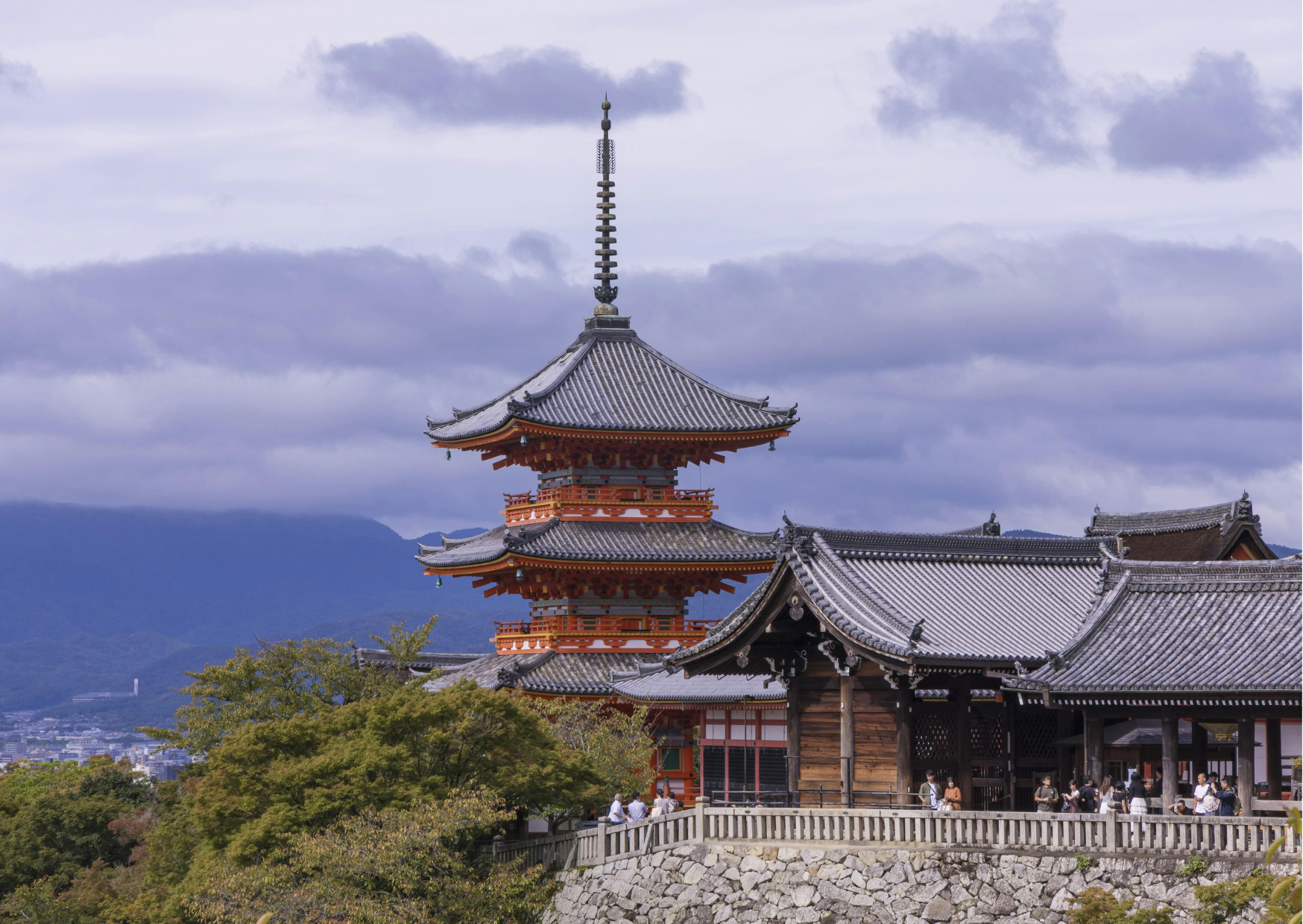
This is the part most people skip because it feels like homework. It is also the part that separates a €5,000 trip from an €8,400 trip.
Day 1: Lock lodging first, then accept what the market is
Choose two neighborhoods in Tokyo and one in Kyoto that match your walking and transit needs. Book early enough that you are not forced into overpriced leftovers.
If lodging prices make you wince, adjust the trip length or shift dates. Do not pretend the market will magically drop after you buy flights.
Day 2: Decide whether you are a “pass person” or a “point-to-point person”
Write your actual intercity legs. Then price them.
If your itinerary is Tokyo plus Kyoto with minimal long-distance travel, a nationwide pass can be a vanity purchase.
If you are hopping Tokyo, Kanazawa, Kyoto, Hiroshima, and back, the pass can still make sense.
The mistake is choosing the pass because it feels like the “Japan thing to do.”
Day 3: Put a cap on taxis before you arrive
Decide in advance: are taxis for emergencies only, or do you allow a daily taxi budget?
If you do not decide, you will default to convenience when you are tired, and that convenience is not free.
Day 4: Choose three paid experiences that actually matter
Pick three that you will plan around, then let the rest be flexible.
If you try to “do everything,” you will end up paying third-party markups and rebuilding days around leftover time slots.
Day 5: Build a food plan that includes boredom
This sounds strange, but it matters.
Plan two “big deal” meals. Then deliberately schedule a few boring meals, like a simple set meal, noodles, or a department store food hall.
When every meal is a quest, you overspend.
Day 6: Create a shopping budget and a luggage rule
Decide your shopping cap. Decide whether you will bring an extra bag from home.
If your plan is “we’ll see,” you will buy luggage in Japan, pay for extra baggage, or ship items, and the savings fantasy collapses.
Day 7: Add a 15% buffer and call it adult travel
Japan is not a destination where everything goes exactly to plan, especially with timed entry and high demand.
A buffer is not pessimism. It is maturity.
If you budget €4,600 ($5,000), build it as €4,000 ($4,350) plus a buffer, not as a perfectly allocated list that leaves you no oxygen.
The Bottom Line
We did not overspend in Japan because Japan is a scam.
We overspent because we budgeted for the Japan we wanted to exist, not the Japan that exists right now.
Japan is still a phenomenal value compared with many U.S. travel experiences, but it is not automatically cheap, and it is not forgiving when you plan late, chase convenience, and treat every day like a once-only moment.
If you want Japan under €5,000, you can do it.
You just have to be honest about what you are trading away:
- space
- location
- spontaneity
- shopping
- convenience
If you want comfort and ease, budget like a grown-up. Japan will reward you with one of the best trips you will ever take.
It just won’t apologize for the bill.

About the Author: Ruben, co-founder of Gamintraveler.com since 2014, is a seasoned traveler from Spain who has explored over 100 countries since 2009. Known for his extensive travel adventures across South America, Europe, the US, Australia, New Zealand, Asia, and Africa, Ruben combines his passion for adventurous yet sustainable living with his love for cycling, highlighted by his remarkable 5-month bicycle journey from Spain to Norway. He currently resides in Spain, where he continues sharing his travel experiences with his partner, Rachel, and their son, Han.