
Every culture has its unwritten rules, and Britain is no exception. While guidebooks may tell you where to go and what to eat, they rarely prepare you for the subtle social codes that shape everyday life. For tourists, this can mean stumbling into awkward moments without realizing they’ve broken a “rule” that locals follow instinctively.
From the importance of queueing to the way small talk is used as a social buffer, British life is filled with quiet traditions that often puzzle visitors. These aren’t just habits they’re reflections of values like politeness, order, and understatement. Ignoring them won’t get you into legal trouble, but it might earn you a few raised eyebrows.
Understanding these unspoken customs isn’t just about avoiding embarrassment. It’s a way of appreciating the rhythm of British life, where tradition and social etiquette are woven into even the smallest interactions. By learning these nuances, tourists can move beyond sightseeing and connect with locals on a deeper level.
Read Here European Things that terrify Americans and American Habits that make Europeans Cringe
Read here how to pack for Europe and Best eSIM for Europe
BOOK YOUR TRAVEL INSURANCE
Two of our favorite travel insurance: Heymondo Vs Safetwing cheapest travel Insurance. You can get for $135 USD your Heymondo Travel Insurance with Heymondo discount code valid for 90 days. Read our full comparison of Genki vs Safetywing Travel Insurance Review and the comparison Heymondo vs Genki
Quick Easy Tips
Always respect the queue, no matter how small or informal it seems.
Don’t take politeness at face value listen for context and tone.
When in doubt, follow the locals’ lead in conversation, humor, and body language.
One of the most controversial aspects of British etiquette is the obsession with queueing. For locals, it represents fairness and patience, but many tourists find it overly rigid. Breaking the queue even accidentally can spark frustration, making it a surprisingly sensitive cultural issue.
Another point of debate is British politeness. While Americans might see it as insincere or passive-aggressive, many Brits view politeness as a social lubricant that keeps life running smoothly. This contrast often leaves visitors confused about whether a polite remark is genuine or simply a way to avoid conflict.
Finally, humor is a cultural minefield. British sarcasm and self-deprecation often fly over tourists’ heads, leading to misunderstandings. What’s intended as a lighthearted joke can sometimes feel harsh to outsiders. This raises the question: should locals adjust their humor for tourists, or should visitors adapt to the culture they’re entering?
Why These Rules Matter
They help you navigate British society with ease, showing respect for its customs.
You’ll avoid awkward situations or cultural faux pas.
You’ll connect better with locals by embracing their polite, reserved, and humor-filled way of life.
1. Queuing Is Sacred

What to Know: The British are passionate about queuing (waiting in line). Cutting in line is a serious social offense.
Tip: Always join the back of the queue and wait your turn, whether at a bus stop, in a shop, or at an event.
2. Politeness Is a Virtue
What to Know: Saying “please,” “thank you,” “excuse me,” and “sorry” (even when it’s not your fault) is ingrained in British culture.
Tip: Err on the side of politeness in all interactions. A quick “sorry” can diffuse many situations, even if you didn’t do anything wrong.
3. Small Talk About the Weather
What to Know: Talking about the weather is a favorite British pastime and a safe topic to start a conversation.
Tip: Comment on how sunny, rainy, or unpredictable the weather is. It’s an easy way to bond with locals.
4. Keep Personal Space
What to Know: British people value personal space and may feel uncomfortable with physical closeness or touchy interactions.
Tip: Maintain a respectful distance, particularly with strangers, and avoid overly enthusiastic gestures like hugs unless invited.
5. Don’t Jump Ahead in Pubs

What to Know: In British pubs, there’s no formal queue at the bar, but bartenders serve customers in the order they arrived.
Tip: Make eye contact with the bartender to indicate you’re ready and wait patiently for your turn.
6. Tipping Is Expected but Modest
What to Know: Tipping is appreciated in restaurants and for some services, but it’s not as entrenched as in the US.
Tip: Leave 10-15% in restaurants unless a service charge is included. Tipping in pubs or for casual counter service isn’t necessary.
7. Don’t Talk Loudly
What to Know: Loud voices in public spaces are considered disruptive, and British people tend to speak quietly.
Tip: Keep your tone moderate, particularly on public transport or in shared spaces.
8. Public Transport Etiquette
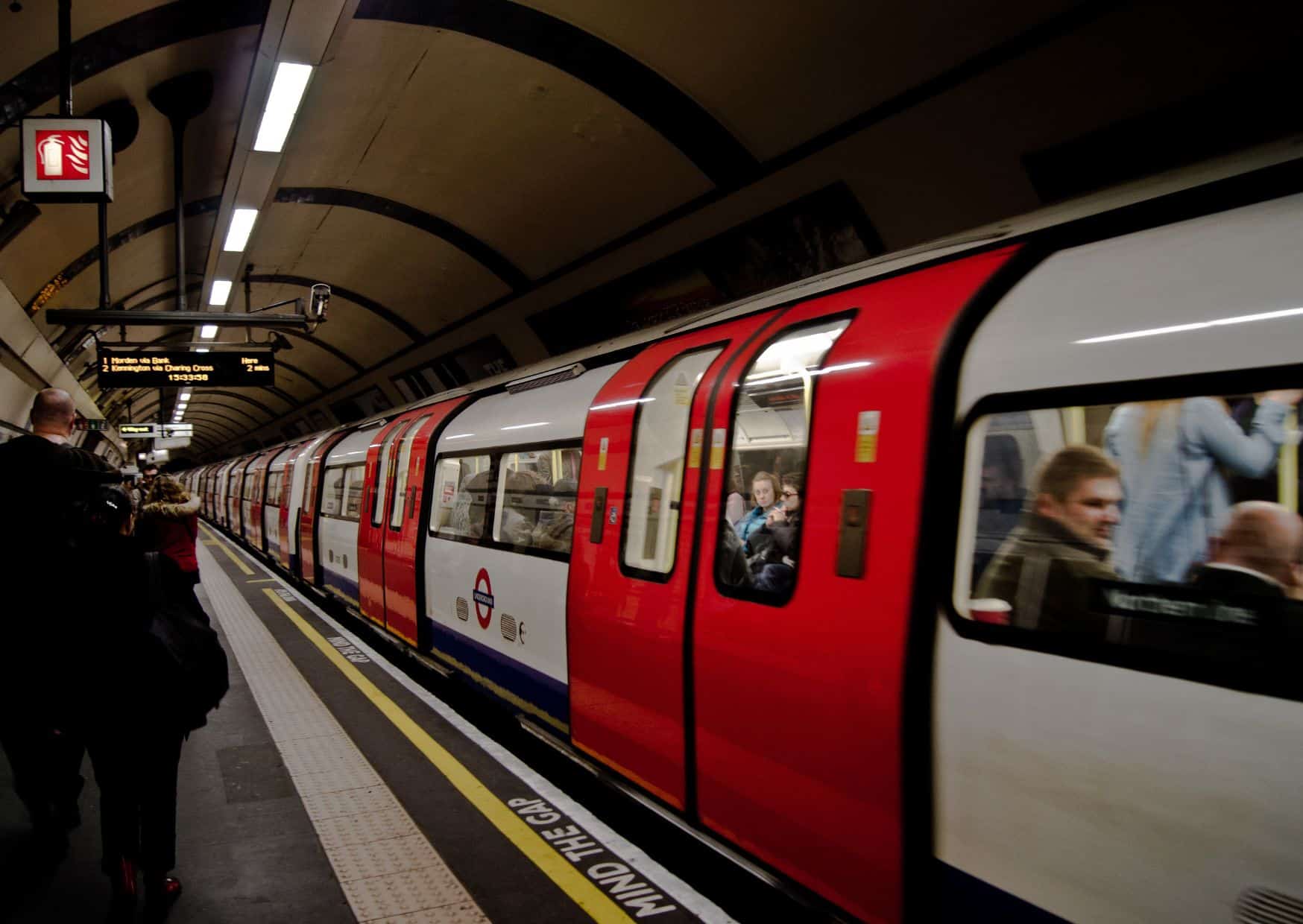
What to Know: On trains, buses, and the London Underground (Tube), people avoid eye contact and conversations with strangers.
Tip: Stand to the right on escalators to let people pass on the left, and always let passengers off before boarding.
9. Humor and Sarcasm
What to Know: British humor is often dry, self-deprecating, and sarcastic, which may be hard to understand for some.
Tip: Don’t take jokes personally, and try to appreciate the subtle wit. If in doubt, a smile and laugh go a long way.
10. The Concept of “Tea”
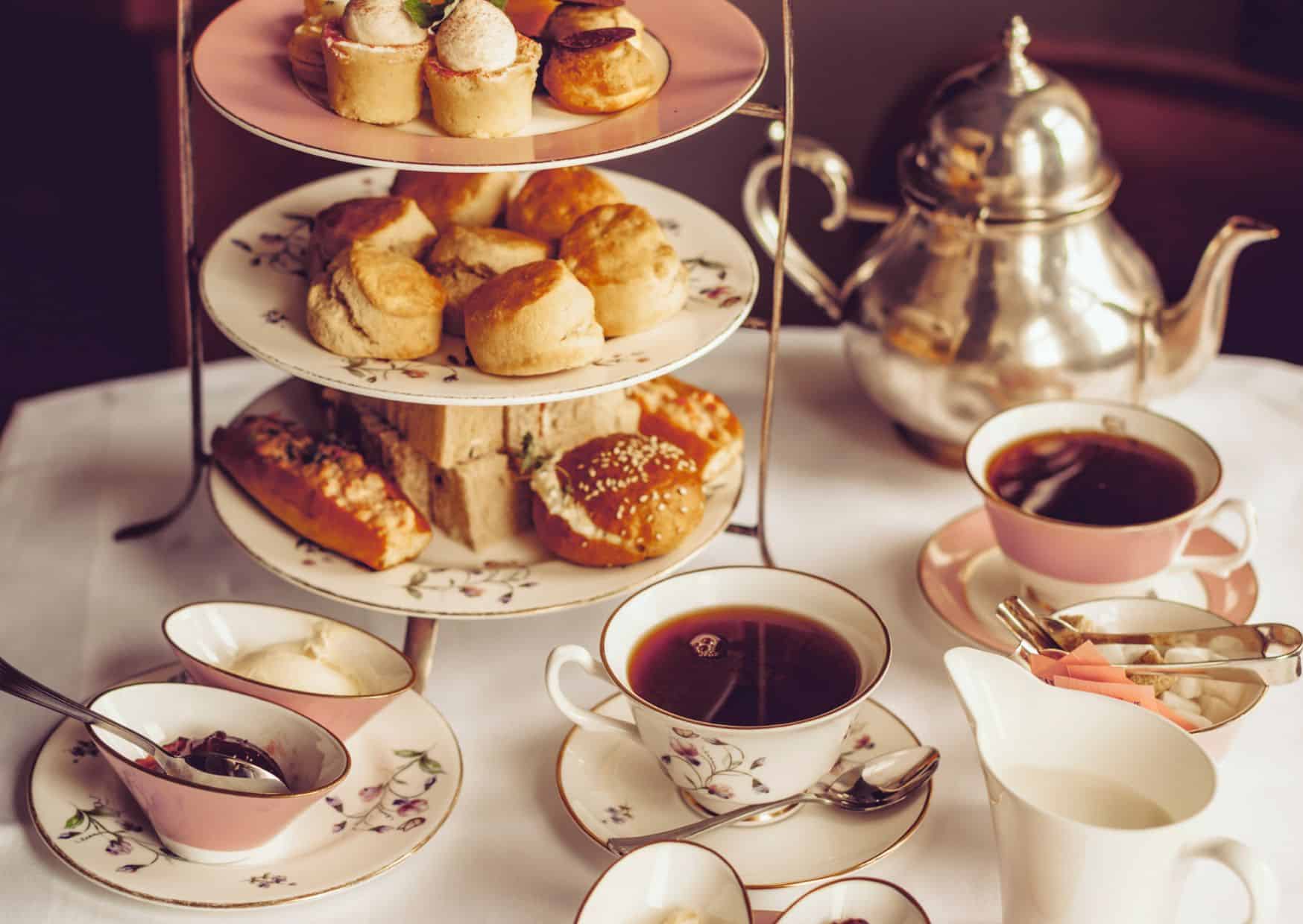
What to Know: Tea is more than just a beverage; it’s a cultural staple. “Tea” can also refer to an early evening meal in some regions.
Tip: When offered tea, accept it—it’s a gesture of hospitality. If unsure, clarify whether “tea” means the drink or a meal.
11. Apologizing Comes Naturally
What to Know: Brits apologize frequently, even for things that aren’t their fault (e.g., someone bumps into them).
Tip: Adopt the habit of saying “sorry” in everyday situations—it’s seen as polite and keeps interactions smooth.
12. Respect Privacy
What to Know: British people are generally reserved and value their privacy. Overly personal questions or sharing too much too soon may feel intrusive.
Tip: Stick to light topics like travel, hobbies, or general observations unless the other person opens up.
13. Beware of Tactful Indirectness
What to Know: Brits often avoid direct confrontation and may use polite language to express dissatisfaction or disagreement.
Tip: Listen carefully to phrases like “interesting” or “not bad,” which might have nuanced meanings depending on the context.
14. Crossing the Street
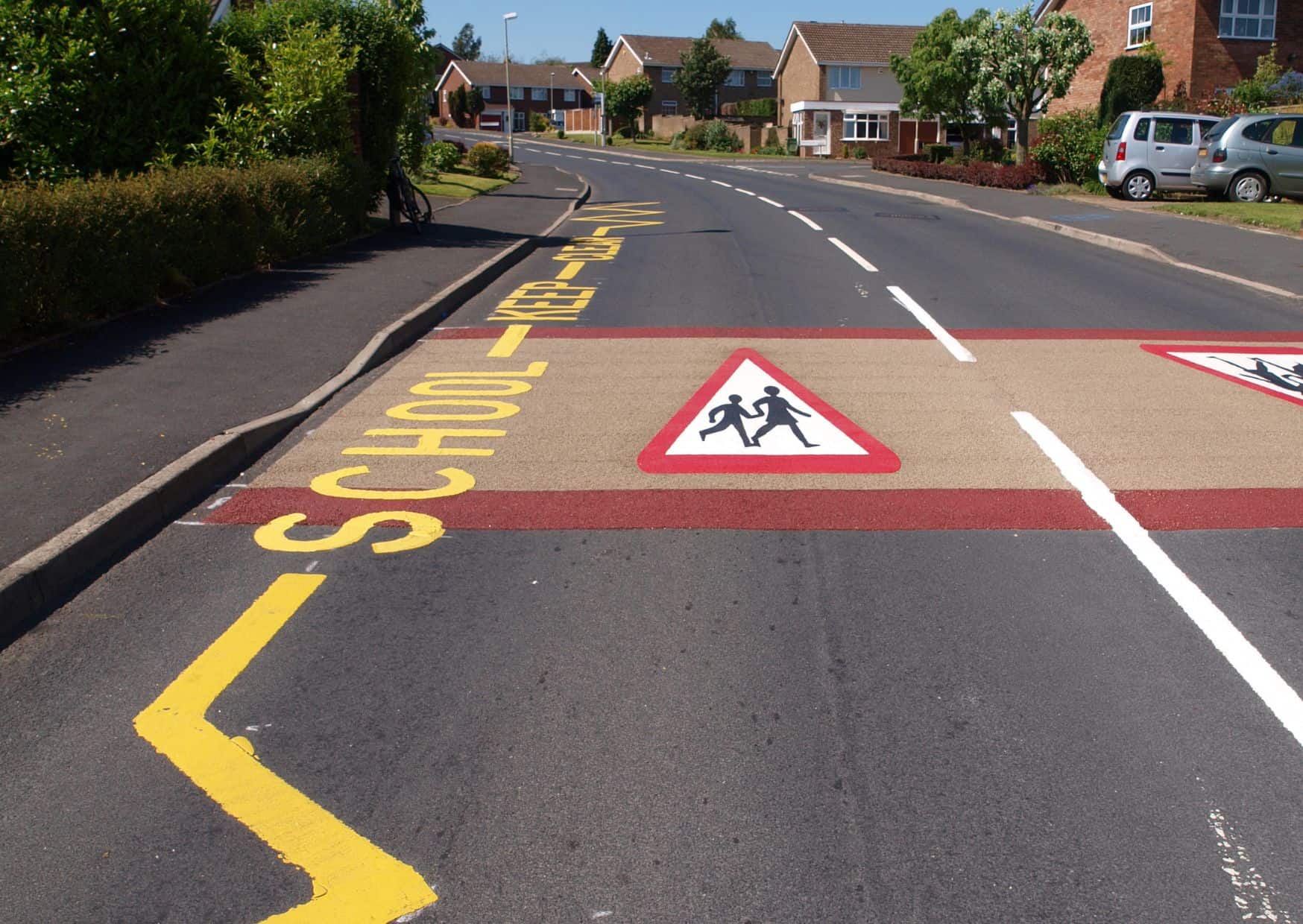
What to Know: Traffic in the UK drives on the left, which can confuse tourists used to right-hand traffic.
Tip: Always look both ways, but especially to your right before crossing, and use pedestrian crossings when available.
15. Don’t Skip the Queue at the Bus Stop
What to Know: British people wait in orderly lines at bus stops, even if there are no signs indicating a queue.
Tip: Wait your turn to board the bus and let others off before stepping on.
16. Punctuality Matters
What to Know: Being on time is seen as respectful, whether for social events or professional meetings.
Tip: If you’re running late, let your host know as soon as possible.
17. Regional Differences
What to Know: England, Scotland, Wales, and Northern Ireland each have distinct identities and customs. Don’t lump them all together as “England.”
Tip: Learn about the region you’re visiting, and avoid stereotypes when discussing local cultures.
18. Complaining Is a Subtle Art
What to Know: Brits often complain about small things like the weather or the commute but rarely in a confrontational manner.
Tip: Join in lighthearted grumbling, but avoid making overly negative or harsh comments.
19. Don’t Skip the “Round” at the Pub

What to Know: When drinking with a group, it’s customary to take turns buying a round of drinks for everyone.
Tip: If it’s your turn, buy a round for the group—you’ll earn respect for following the tradition.
20. Don’t Assume Every Accent Is the Same
What to Know: The UK is home to a variety of regional accents, and many locals take pride in theirs.
Tip: Avoid imitating accents unless you’re confident it won’t offend. If unsure, ask where someone is from to show interest.
Why You Should Learn British Politeness Rules Before Visiting
Understanding British politeness can significantly improve your experience in the UK. Many social norms are subtle, unspoken, and deeply ingrained, which means visitors often break them without realizing it. Learning these expectations helps you avoid awkward moments and unintended offense.
British culture places a high value on consideration for others, particularly in shared spaces. Simple behaviors such as queuing properly, keeping noise levels low, and respecting personal space are seen as basic signs of good character. Following these norms signals respect and awareness.
Knowing what not to do can also make daily interactions smoother. Whether ordering in a pub, riding public transport, or chatting with locals, understanding polite behavior often results in friendlier service and more relaxed conversations.
British politeness reflects deeper cultural values like fairness, restraint, and emotional control. Observing these norms offers insight into how British society functions beyond surface-level stereotypes of politeness or reserve.
Finally, learning etiquette shows cultural curiosity rather than judgment. Visitors who make the effort to adapt are often met with patience and goodwill, even if they occasionally make mistakes.
Why You Shouldn’t Obsess Over British Politeness Rules
While etiquette matters, perfection is not expected from visitors. Most British people understand that travelers come from different cultural backgrounds and are generally forgiving of honest mistakes.
Politeness norms also vary across regions, generations, and social settings. What applies in London may feel less strict in smaller towns or among younger people. Treating etiquette rules as universal can create unnecessary anxiety.
Over-focusing on politeness can make interactions feel stiff or unnatural. Genuine kindness and respect matter far more than memorizing every social rule or custom.
British people often use humor and understatement to smooth over social missteps. Even when mistakes happen, they are rarely treated as serious offenses unless paired with obvious rudeness.
Lastly, cultural exchange works both ways. While adapting is respectful, visitors do not need to suppress their personality. Authenticity combined with consideration creates better connections than rigid rule-following.
Final Thoughts
British life is full of traditions that don’t always make sense to outsiders, but that’s exactly what makes it fascinating. These unspoken rules may feel strict or puzzling at first, but they reflect a culture that values order, subtlety, and community.
For tourists, learning these customs can transform a trip from surface-level sightseeing to a richer experience of daily life. Instead of feeling like an outsider, you’ll find yourself navigating interactions with confidence and respect.
Ultimately, travel isn’t just about visiting new places it’s about adapting to new ways of being. By understanding and embracing Britain’s unspoken rules, tourists can gain more than memories; they can leave with a deeper appreciation for the culture and the people who live it every day.

About the Author: Ruben, co-founder of Gamintraveler.com since 2014, is a seasoned traveler from Spain who has explored over 100 countries since 2009. Known for his extensive travel adventures across South America, Europe, the US, Australia, New Zealand, Asia, and Africa, Ruben combines his passion for adventurous yet sustainable living with his love for cycling, highlighted by his remarkable 5-month bicycle journey from Spain to Norway. He currently resides in Spain, where he continues sharing his travel experiences with his partner, Rachel, and their son, Han.