
Not in a “welcome, friend” way. In a “here’s the policy, here’s the threshold, here’s the paperwork” way. As of February 2026, a handful of European countries still run systems designed to attract dollar-denominated wealth, but the easiest doors are not always where Americans assume.
On the Spanish coast, you can tell which newcomers arrived with a suitcase and which arrived with a strategy.
The second group talks in numbers. €250,000. €500,000. “Five-year permit.” “Renewable.” They’re not buying a house. They’re buying an outcome.
Here’s the part Americans don’t like hearing: Europe is not a charity and it’s not a dream sequence. When a country “wants American money,” it usually means it wants predictable foreign capital that doesn’t strain the labor market, and it wants it under rules that keep locals from feeling sold out.
Some countries still sell residency through investment. Some sell tax certainty to high earners. Some simply want self-funded retirees who rent, spend, and don’t need public support.
This piece breaks down the countries where the welcome mat is still basically made of invoices, and what that actually looks like in real life.
What “they want your money” really means in Europe
Americans often imagine a simple deal: bring money, get residency, relax.
In practice, Europe runs three different “money-friendly” lanes, and confusing them is how people waste a year.
Lane one is residency-by-investment, often nicknamed “golden visa.” This is the closest thing to buying optionality. You invest a qualifying amount and, if everything is clean, you get a residence permit that can usually be renewed if you keep the investment.
Lane two is tax regimes designed for wealthy newcomers. These are not feel-good programs. They are competition. Countries offering flat taxes or predictable lump-sum systems are saying, “Move your tax residency here and we’ll make it simple.”
Lane three is the quiet one: self-sufficiency visas. No investment required, but you must prove income, savings, and usually private health coverage. The country “wants your money” because you will live there and spend it, not because you’re wiring €500,000 into a fund.
Two truths can exist at the same time.
Europe can be welcoming in daily life, and still be ruthless about compliance.
And “money wanted” does not mean “problems tolerated.” Most of these systems are designed to attract low-drama applicants with transparent funds and patience for slow bureaucracy.
If an American retirement plan depends on a fast, friendly office and flexible rules, this is where the fantasy usually breaks.
Greece: still selling residency, just not the old bargain map

Greece is one of the clearest examples of a country that still wants foreign capital, but has moved the goalposts to reduce political backlash.
The Greek “golden visa” has long been associated with property. The problem is obvious: when a residency program leans on real estate, locals eventually notice. Housing gets tighter, prices climb, and the program becomes a headline.
So Greece raised thresholds in the areas everyone actually wants.
As of changes that took effect in 2024, €800,000 became the minimum for certain high-demand areas, while €400,000 applies in other parts of the country. There are still narrower pathways that keep €250,000 alive in specific situations, which is why the internet is full of confusing “it’s still €250k” claims that are true only under particular conditions.
This matters for Americans because Greece is emotionally compelling. Islands, sunlight, a slower rhythm. People assume the paperwork is an accessory.
It’s the main event.
Greece wants money that comes with minimal ongoing friction. A clean purchase, compliant documentation, health coverage, and renewals handled correctly. The country is not trying to “trap” anyone. It’s trying to avoid a messy program.
Who Greece fits best:
- Someone who wants Schengen-access flexibility and can invest at the current thresholds without touching essential retirement income.
- Someone who wants a base but does not need the cheapest “Athens deal” that existed years ago.
Who should hesitate:
- Anyone stretching to hit the minimum investment, then hoping the rental income will rescue the math.
- Anyone assuming “golden visa” equals instant citizenship. Residency and citizenship are separate lives.
Greece still wants foreign money. It just wants it in the right places, at higher prices, under tighter definitions.
Italy: the country that welcomes money in two different ways
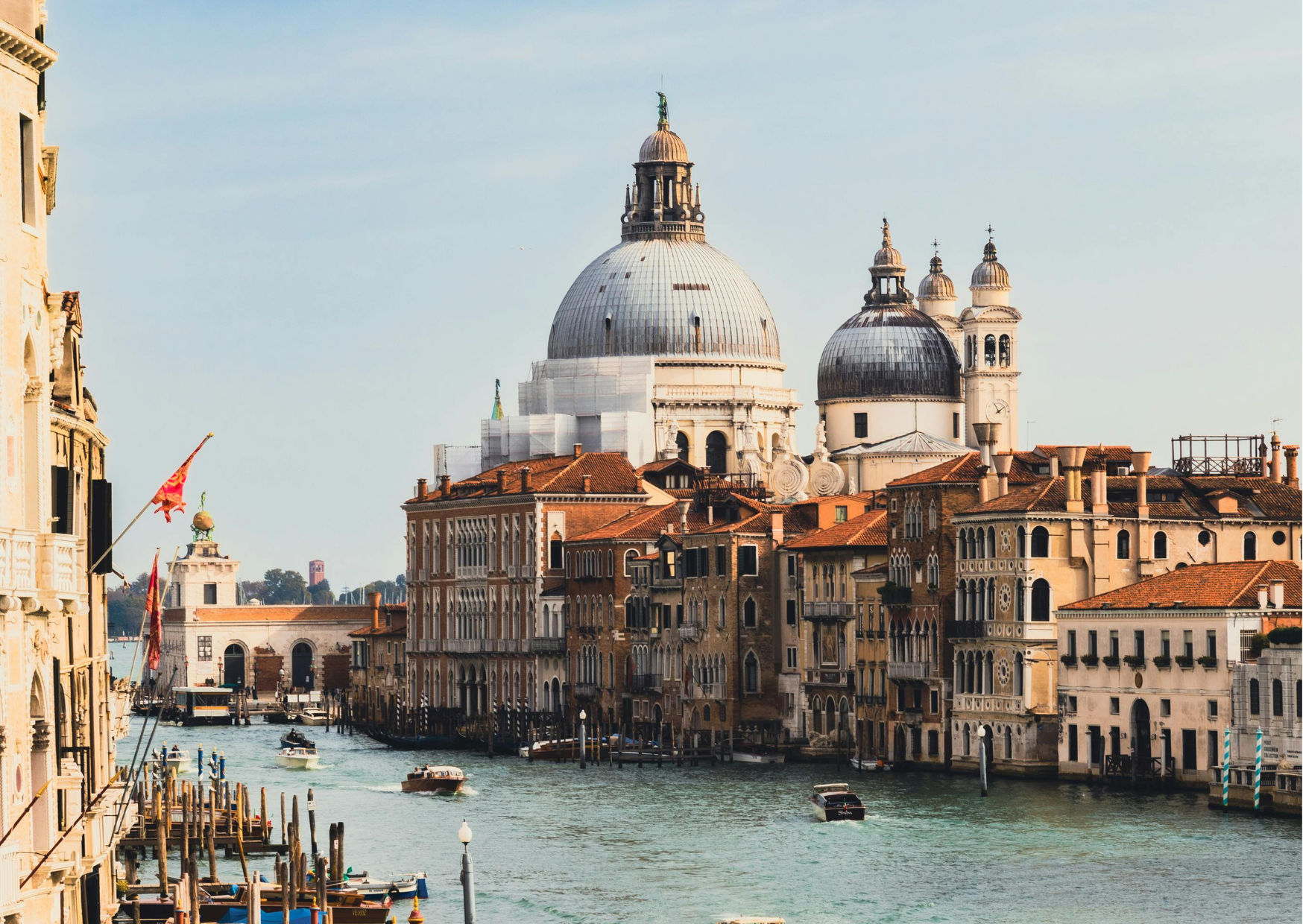
Italy is a masterclass in offering multiple doors for different kinds of wealth.
Door one is the Investor Visa for Italy. This is explicit and structured. The investment options include €250,000 in an innovative startup, €500,000 in an Italian company, €2 million in government bonds, or €1 million as a philanthropic donation.
That alone tells you what Italy wants.
It wants capital that supports companies, bonds, and national priorities, not just another foreign buyer competing with locals for apartments.
Door two is where Italy gets even more honest: tax predictability.
Italy’s “flat tax for new residents” has been one of Europe’s loudest signals to high-net-worth newcomers. It’s essentially a way to pay a fixed amount on foreign income, instead of living inside a complicated progressive system.
And as of changes tied to 2026, the annual lump-sum for new applicants has been discussed publicly as rising to €300,000. The trend is the point. Italy is saying, “Yes, we want wealthy tax residents. No, we are not discounting it anymore.”
This is not a retiree tool for most Americans reading this.
It’s for:
- people with large foreign investment income who want certainty
- people who can pay for certainty without resenting it
Italy also attracts plenty of non-millionaires through more traditional residence options, but those are not “Italy wants your money” programs in the investor sense. Those are “prove you can support yourself and don’t work illegally” systems.
Italy’s core message is consistent: if you bring real capital and play by the rules, you can find a path. But Italy is not doing it for your dream. It’s doing it because countries compete for mobile wealth now.
Malta: small island, big compliance, very clear price tag

Malta is one of the most straightforward “we want your money” cases in Europe because it’s so small and so administrative.
The Malta Permanent Residence Programme is essentially a checklist with a fee schedule. It’s not romantic. It’s precise.
At a high level, the program requires either:
- a property purchase at a minimum of €375,000, or
- a property lease with a minimum annual rent of €14,000 (held for a required period)
Then stack on the other required payments and proof-of-assets rules, and you start to see why Malta works for some people and feels ridiculous to others.
Malta is selling:
- an English-friendly environment
- a predictable administrative process
- access that makes life in Europe more navigable for non-EU residents
What Malta is not selling:
- space
- cheap living
- a low-attention lifestyle
Malta can be a smart play for someone who wants a stable base and doesn’t want to pretend they’re moving for “culture.” But Americans should understand the vibe before committing.
Small countries feel intimate until they feel claustrophobic.
And every program like this comes with a strong subtext: do not bring messy finances. Malta wants clean money, documented money, money that survives scrutiny.
Cyprus: simple permanent residency math, property-led, investor-friendly

Cyprus is often overlooked by Americans because it’s not the first country people picture when they imagine “Europe.”
That’s exactly why it shows up on lists of countries that still want foreign money. Less noise, less competition, more room to structure programs around property and residency.
Cyprus offers investor-focused pathways where the minimum property investment is typically €300,000 (plus VAT), and the government’s own migration information spells out the structure for investor permits.
To an American brain, Cyprus can feel refreshingly direct.
Buy qualifying new property. Prove the funds. Provide the documentation. Follow the process.
The tradeoff is that Cyprus requires more intentionality in lifestyle planning. It is not “live like a Parisian.” It is “live like someone who chose an island with its own political and geographic realities.”
Cyprus fits best for:
- retirees who want warmth and a slower daily rhythm
- buyers who prefer clear residency logic
- people who don’t need the cultural validation of living in a famous capital
Cyprus is not for:
- people who need constant big-city stimulation
- anyone ignoring the importance of local legal and tax advice
Cyprus wants foreign capital, and unlike some countries, it doesn’t pretend otherwise. The program design makes that obvious.
Hungary and Latvia: the quieter Schengen plays Americans rarely consider

Here’s where the conversation gets uncomfortable for the “sun and seaside” crowd.
Some of the most purely transactional residency options are not in the countries Americans daydream about. They’re in countries Americans overlook.
Hungary relaunched a Guest Investor style program structure that has been reported as involving €250,000 via approved real estate investment funds, offering long-duration residence permits. The details matter and the approved investment vehicles matter, which is why this is not a DIY project for someone wiring serious money.
Latvia has also been cited in residency-by-investment discussions with a real estate pathway around €250,000, plus an additional state fee that has been described as 5% of the purchase price.
These are not “buy a villa and drink wine forever” narratives.
They are tools.
Useful for:
- people who want EU mobility and a base, not necessarily a postcard life
- families who want an option for the future
- people who value lower headline thresholds compared to western European programs
Risk factors Americans underestimate:
- fund liquidity and restrictions
- resale realities in smaller markets
- language and bureaucracy friction
- the fact that “residency” is not “permission to ignore tax law”
This category is where Americans get tempted to be clever.
Clever is expensive in immigration.
If someone is choosing Hungary or Latvia primarily as a residency tool, the right approach is to treat it like a compliance project with professional support, not like a bargain hunt.
Iberia’s reality check: Spain and Portugal still want spending, not “golden headlines”

Living in Spain makes one thing obvious: the politics around housing are not a side issue. They’re the issue.
Spain’s investor visa, the one Americans associate with buying property to get residency, has been officially abolished effective 3 April 2025. That is not a rumor. Spanish government and consular information has stated it directly.
In plain English: Spain decided it no longer wants that specific kind of money.
Spain still welcomes retirees and self-funded residents through other legal routes, but the vibe is different. The country wants people who will live here, rent or buy normally, integrate enough to be low drama, and not inflame the housing conversation.
Portugal made a parallel shift earlier by eliminating direct real estate purchases as a qualifying “golden visa” route, pushing the program toward fund investments and other categories.
Portugal’s message is similar: foreign money is fine, but the old “buy property, get residency” storyline became politically toxic.
This is the part Americans need to absorb:
Southern Europe is not desperate. It’s selective, and it’s reacting to local pressure.
So if an American’s plan is “buy something cheap and use it as a legal shortcut,” the plan is outdated.
If the plan is “move slowly, rent first, prove income, build a real life,” Spain and Portugal can still be workable. But that is not the same as “these countries want your money.” That’s “these countries want you to be self-sufficient and not cause problems.”
It’s a different psychological contract.
And it’s healthier, honestly.
The decision framework and a 7-day plan that prevents expensive mistakes

There are three common profiles hiding inside the phrase “American money.”
Profile 1: The optionality buyer
This person wants flexibility, Schengen access, and an insurance policy. They can invest without touching core retirement stability. They are looking at programs like Greece, Malta, Cyprus, and certain Central and Eastern European options.
Profile 2: The sustainable retiree
This person has solid income, maybe a pension plus savings, and wants a life that costs less than the US. They’re not looking to “buy residency” so much as qualify legally and build a normal routine.
Profile 3: The anxious tester
This person is not ready to commit and shouldn’t. The goal is to test cities, seasons, bureaucracy, and medical access before making residency the centerpiece of life.
Now the 7-day plan. This is what prevents a year of flailing.
Day 1: Write the real goal.
Not “move to Europe.” Something blunt like “Schengen flexibility without moving full-time” or “full-time retirement in a warm city with reliable healthcare.”
Day 2: Pick the lane.
Residency-by-investment, tax-driven relocation, or self-sufficiency residency. Mixing lanes is how people waste money.
Day 3: Set the true budget, not the headline number.
If the investment is €250,000, the actual project might be €250,000 plus fees, taxes, legal work, renewals, translations, and time. Pretending otherwise is how retirees accidentally burn emergency cash.
Day 4: Decide what you can lock up.
Be honest about what money can be illiquid. Retirement money is not venture capital. If locking funds up makes sleep worse, it’s the wrong tool.
Day 5: Map your tax exposure before you apply.
Residency, tax residency, and where income is taxed are not the same. The plan should include a call with a cross-border tax professional, even if it’s just to avoid obvious mistakes.
Day 6: Build a document pack.
Passport, birth and marriage certificates if relevant, proof of income, bank statements, criminal background checks, health insurance proof. The process is slower when documents are gathered emotionally instead of systematically.
Day 7: Do a reality trip with admin goals.
Not a vacation. A scouting trip where the goal is to learn: neighborhoods, winter comfort, public transport, and how bureaucracy actually feels. The people who succeed treat Europe like a place to live, not a place to perform.
The bottom line is simple.
Europe “wants American money” when the money is clean, the applicant is compliant, and the program aligns with local politics. That’s it.
If an American expects gratitude, they’ll feel offended.
If they expect a contract, they’ll do fine.

About the Author: Ruben, co-founder of Gamintraveler.com since 2014, is a seasoned traveler from Spain who has explored over 100 countries since 2009. Known for his extensive travel adventures across South America, Europe, the US, Australia, New Zealand, Asia, and Africa, Ruben combines his passion for adventurous yet sustainable living with his love for cycling, highlighted by his remarkable 5-month bicycle journey from Spain to Norway. He currently resides in Spain, where he continues sharing his travel experiences with his partner, Rachel, and their son, Han.