
Europe looks small on a map. Then you land, pick up a rental car, and discover the real price of “small” is friction. Different rules, different paperwork habits, and a different kind of petty fee culture that quietly punishes anyone who treats a rental contract like a formality.
Most Americans lose money on European car rentals in three predictable ways. Not because they’re careless, but because they’re using an American mental model: the price online is roughly the price you pay, the counter is there to help, and “insurance” means you’re covered.
Europe is not built on that model.
Europe is built on fine print, deposits, fuel policies, and toll systems that assume you already know how locals do it.
Here are the three tricks that matter, the numbers that show up in real life, and how to stop paying the tourist tax in slow motion.
Trick 1: The fuel policy that turns “cheap” into expensive
The most common European rental trap is not damage. It’s fuel.
Americans book the cheapest option, see a line that says something like “full tank,” and assume it’s normal. Then they pick up the car and learn they’ve accepted full-to-empty or a prepaid fuel scheme where they buy an entire tank up front and get no refund for whatever fuel is left when they return the car.
European consumer guidance is blunt about it: with “collect full, return empty,” you typically do not get refunds for unused fuel, even if you paid for a full tank at pickup. It’s effectively designed so the customer loses money because returning a car truly empty is unrealistic.
This is why the cheapest rental online often becomes the most expensive rental at the end.
How the trap works in real life
You land in Málaga or Lisbon, you’re tired, and the counter hands you a contract that includes:
- a prepaid tank fee
- a “refueling service” charge
- a promise that you can return it “empty”
Two problems:
- Returning truly empty is practically impossible. You’re not going to run out of fuel on the ring road to save €18.
- If you return with any fuel left, you’ve donated it.
Even with a short rental, that “donated fuel” can be €20 to €60. On a longer rental, it can be more.
Then there’s the second version: “full-to-full,” but they still charge you because the gauge is not exactly full. Some consumer guidance warns that if the rental company thinks the tank isn’t fully topped up, they may charge extra for topping up.
The trick Europeans use is boring and consistent:
- book full-to-full
- refuel close to drop-off
- keep the receipt
- take a photo of the gauge at return
That’s it. No drama. Just evidence.
What to do instead
When you book, do not look for “fuel included.” Look for the exact phrase full-to-full and confirm it in the booking terms.
If the best price you see is full-to-empty, you can still choose it, but then treat fuel like a math problem, not a vibe.
Practical approach that saves money and stress:
- Pick up and immediately take a photo of the gauge.
- Find the nearest station to the return location on day one.
- Refuel within 5 to 10 km of drop-off.
- Keep the receipt, even if it feels silly.
One small habit Europeans have that helps: they aim for rentals where the fuel policy is clean even if the daily price is slightly higher, because it lowers the chance of an ugly surprise at the counter.
Trick 2: The insurance upsell that makes you pay twice
This is where Americans get furious, because it feels like a shakedown.
You book online. You show up. Then the counter says you need insurance. They use phrases that sound official and urgent. They point at a number that looks terrifying. They imply your credit card won’t be accepted. They imply you won’t get the car unless you upgrade.
The core concept Americans miss is excess.
In many European rentals, you can be “insured” and still have a large excess, meaning you pay up to that amount if there’s damage or theft. Excess amounts can be high enough that a minor scrape becomes expensive.
Then comes the second concept: the deposit.
Even if you buy additional coverage, the company can still place a pre-authorised deposit on your credit card. This hold exists because it covers things insurance does not: fuel discrepancies, key replacement, fines, cleaning fees, contract violations, and other items.
Americans hear “full insurance” and assume the deposit should disappear. It often doesn’t.
What actually happens at the counter
The counter agent usually has one goal: reduce the rental company’s risk and increase revenue.
So you get a menu of upgrades:
- “super” coverage that reduces excess
- glass and tire packages
- roadside assistance bundles
- extra driver fees
- “premium” fuel options
Some of these can be useful. Many are overpriced.
The biggest lever is the deposit and excess combination. It looks like this:
- Excess: €1,200 to €3,000 (varies heavily)
- Deposit hold: often equal to the excess plus a buffer
- Debit cards: frequently not accepted for deposits
Consumer and booking guidance commonly notes that rental companies usually require a credit card for the deposit hold, and many won’t accept debit or prepaid cards for this purpose.
So when an American arrives with a debit card or a credit card with a low limit, the counter isn’t just upselling. They’re cornering the customer into paying for a solution.
The European trick that actually works
Europeans tend to do one of two things:
- Use a credit card with enough available limit to cover the deposit, then decline the expensive counter insurance.
- Buy a standalone excess policy separately if they want protection, then still use a credit card for the deposit.
The key is understanding the trade:
- If you rely on standalone excess cover, you may still have to pay the rental company first for any damage up to the excess, then claim reimbursement from your insurer afterward. That’s normal. Plan for the cashflow.
If you want your trip to be calm, treat the deposit like a temporary cash requirement. Have the limit. Have the card. Don’t arrive hoping the counter will “work something out.”
The quick insurance decision tree
If you want a simple mental model that doesn’t require becoming a rental law nerd:
- If you are driving tight city streets or old villages where scratches are likely, reducing excess is often worth it.
- If you are comfortable taking photos, documenting everything, and driving conservatively, you may be fine with the standard package.
- If you cannot afford the deposit hold, the counter will control your choices.
The most important “trick” is not a hack. It’s preparation. Have one credit card with a comfortable limit dedicated to travel deposits so you don’t spend day one negotiating like it’s a hostage situation.
Trick 3: The toll device and admin fees that show up after you return home
This one gets Americans because it arrives late.
A month after the trip, there’s a charge you don’t recognize. It’s not huge, but it’s annoying. Or it’s a stack of charges, and now you’re trying to reconstruct a route you barely remember.
Europe has a lot of toll roads. Some countries have traditional toll booths, some have electronic tolling, and some have a mix. Portugal is the best example of how tourists get quietly drained.
Portugal has electronic toll systems and services like Via Verde designed to make toll payment automatic.
Rental companies often offer a transponder or toll management service. The trap is not the tolls themselves. The trap is the daily admin fee attached to the service, plus the surprise factor when charges arrive later.
One big brand example in Portugal: Hertz describes a mandatory e-toll service (Via Verde) and notes a daily fee of €2.21, capped at €22.14 per rental, plus the tolls used.
That is not inherently unfair. It’s just math most Americans don’t do.
How tourists lose money
Two common situations:
- You accept the toll device without thinking.
Now you pay tolls plus a daily service fee, even if you only used toll roads twice. - You decline the toll device without understanding the road network.
Then you accidentally drive onto a toll road that is electronic-only, and now you’ve created a payment and penalty headache.
Portugal’s toll system includes sections that are exclusively electronic.
The local method is to decide upfront, not improvise while driving:
- If you’re doing intercity routes, accept the transponder and treat the fee like part of the rental cost.
- If you’re staying local and can avoid toll roads, decline it and stick to that decision.
Also, understand what you’re agreeing to. Many rental companies and toll services provide statements and automatic debiting, but the contract matters.
A realistic example, in human numbers
If you take a Lisbon to Algarve trip on toll roads, it’s common to spend roughly €30 in tolls one way, depending on route and vehicle class. Some travel guidance uses that as a planning number and notes that avoiding toll roads can add significant travel time.
Now layer the admin fee:
- Tolls: €30
- Toll service fee: €2.21 per day, capped at €22.14 for longer rentals
If you rent for 3 days and do one toll route, your toll service fee is about €6.63, plus tolls. That’s fine. If you rent for 10 days and only use one toll road once, you might still pay €22.10 in service fees. That’s where people feel cheated.
Europeans don’t feel cheated because they decide in advance whether they are a toll-road household or a scenic-road household.
The hidden fourth trap that makes the other three worse
Once you understand fuel, insurance, and tolls, one more thing decides whether you win: documentation.
Americans often treat car pickup as a handoff and leave quickly. Europeans treat it like a transaction that needs evidence.
This is where the slow, annoying habits save you hundreds.
The two-minute inspection ritual
Do this every time, even if you feel awkward:
- Walk around and film the entire car in one continuous video.
- Zoom in on existing scratches, wheel rims, mirrors, windshield, and bumpers.
- Photograph the fuel gauge and odometer.
- Check the inside for seat stains, smells, or damage.
- Confirm the damage list matches what you see.
This is especially important for tight European parking and rural stone walls. Damage happens. The question is whether you end up paying for damage you didn’t cause.
Also, be careful with after-hours return. If you drop the car when nobody is there, you lose the chance to confirm the final condition and fuel status in person. If you can, return during business hours and get a confirmation that the car was accepted in good condition.
Europeans prioritize return receipts and proof because they’ve learned the hard way that post-trip charges are easier to fight when you have photos and paperwork.
The money math: how a €180 rental becomes €420

Here’s a realistic breakdown of how this goes wrong for Americans, in the simplest possible way.
A couple books a 7-day rental for €180.
Then:
- Fuel policy: prepaid tank + service fee, €90 up front, and they return the car with half a tank left, losing €40 of value.
- Insurance: counter upsell, €25 per day, adds €175.
- Toll device: €2.21 per day, adds €15.47, plus €25 in actual tolls.
- Extra driver: €7 per day, adds €49.
- “Convenience” charges: maybe €20 for fuel top-up because the gauge isn’t “full enough.”
Now the rental is:
- Base: €180
- Fuel scheme and losses: €90 + €40
- Insurance upsell: €175
- Tolls and device: €15.47 + €25
- Extra driver: €49
- Surprise fuel charge: €20
Total: €594.47
That’s not rare. It’s how the system is designed to work when you let the counter build the price instead of building it yourself.
Europeans avoid this by controlling three lines in advance:
- full-to-full fuel
- deposit-ready credit card and a clear excess decision
- toll device decision based on route, not panic
The 7-day plan that makes European car rentals easy
If you want to rent cars in Europe without feeling like the world is trying to nickel-and-dime you, treat it like a small preparation project.
This is the week plan that actually holds up.
Day 1: Decide if you are an “urban car” or “intercity car” traveler
If you plan to drive in old city centers, accept that scratches are more likely. Plan your excess strategy accordingly. If you’re mostly doing highways between towns, your risk profile is different.
Day 2: Book only with full-to-full fuel
If the cheapest offer is full-to-empty, skip it. European consumer guidance is clear that “collect full, return empty” often means no refunds for unused fuel.
Day 3: Prepare the deposit card
Use a credit card with enough available limit for a deposit hold. Expect that many companies require a credit card for the deposit and may not accept debit cards.
Day 4: Choose your excess strategy before the counter
Either:
- accept the standard excess and rely on documentation and careful driving, or
- choose a reduced excess option you can afford
Do not decide under fluorescent lights while jet-lagged.
Day 5: Make a toll plan for your route
If driving in Portugal, decide whether you want a transponder-based toll service. Understand the daily fee structure and caps used by major rental companies.
If you want to avoid toll roads, set your map preferences accordingly before you drive.
Day 6: Build your pickup checklist
On your phone, create a checklist:
- film the car
- photograph damage
- photo fuel gauge and odometer
- confirm contract fuel policy and return rules
- confirm toll device status
This takes 5 minutes. It saves hours.
Day 7: Schedule the return during staffed hours if you can
It’s not always possible, but it removes the “we found damage later” argument. Get a confirmation the car was returned in acceptable condition.
You don’t need to be paranoid. You just need to be systematic.
The choice that decides whether you keep renting cars in Europe
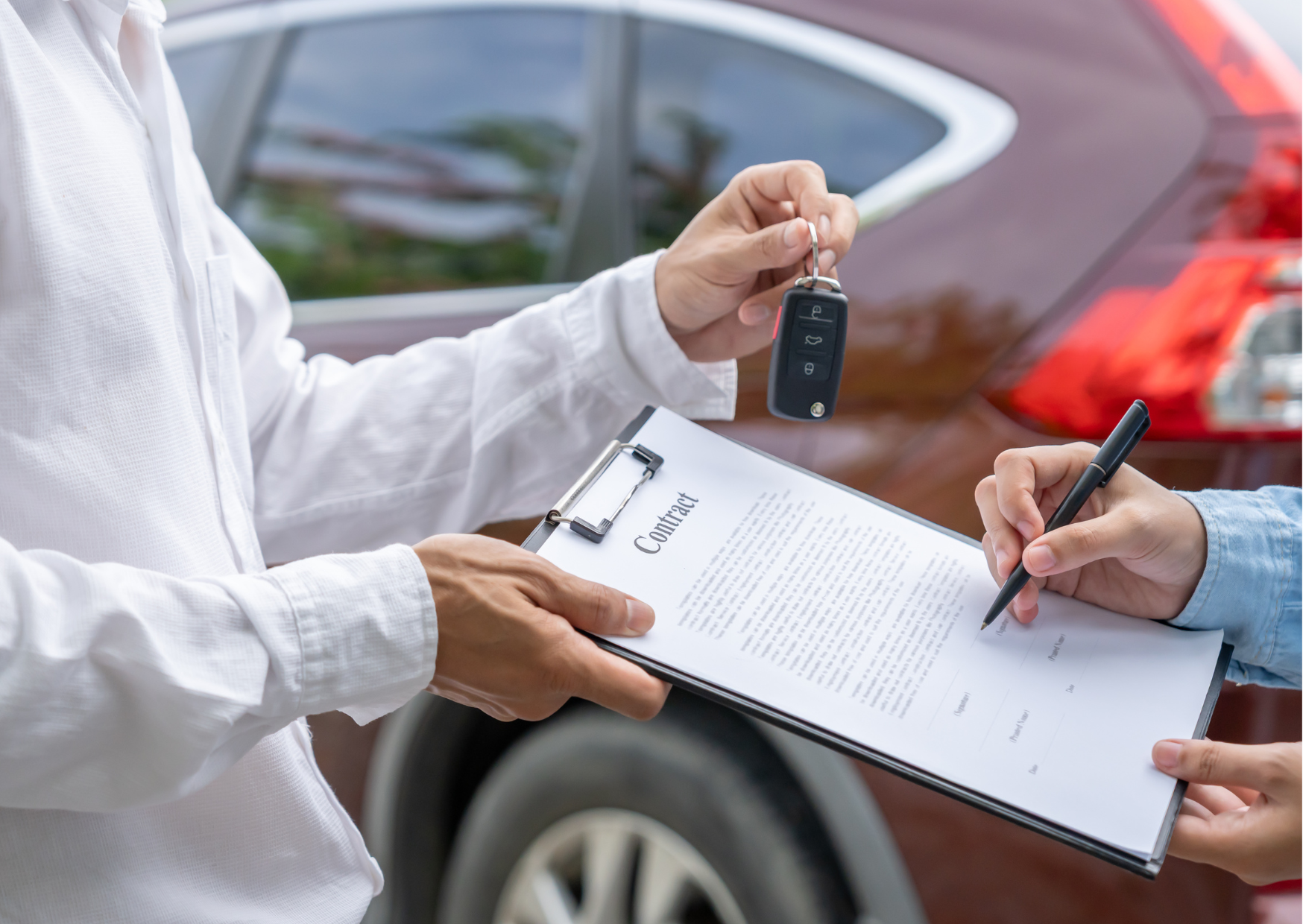
American travelers tend to have one of two outcomes:
- They get burned once, swear off rentals forever, and spend the rest of their European travel life overpaying for taxis and transfers.
- They learn the local method and discover renting a car can be easy, even pleasant.
The difference is not bravery. It’s whether you control the three lines that matter.
- Fuel policy
- Excess and deposit
- Tolls and admin fees
Do those right, document the car, and the rental becomes what it should be: a tool. Not a battle.
If you’re planning to spend real time in Europe, this is worth learning. Because the countryside is where Europe is at its best.
Just don’t fund your trip by donating money to the counter.

About the Author: Ruben, co-founder of Gamintraveler.com since 2014, is a seasoned traveler from Spain who has explored over 100 countries since 2009. Known for his extensive travel adventures across South America, Europe, the US, Australia, New Zealand, Asia, and Africa, Ruben combines his passion for adventurous yet sustainable living with his love for cycling, highlighted by his remarkable 5-month bicycle journey from Spain to Norway. He currently resides in Spain, where he continues sharing his travel experiences with his partner, Rachel, and their son, Han.