
You can love the jacarandas, the bakeries, the museums, the street life, and still realize, by week three, that living in a megacity is a different sport than visiting one.
Mexico City Is a Retirement Test, Not a Vacation
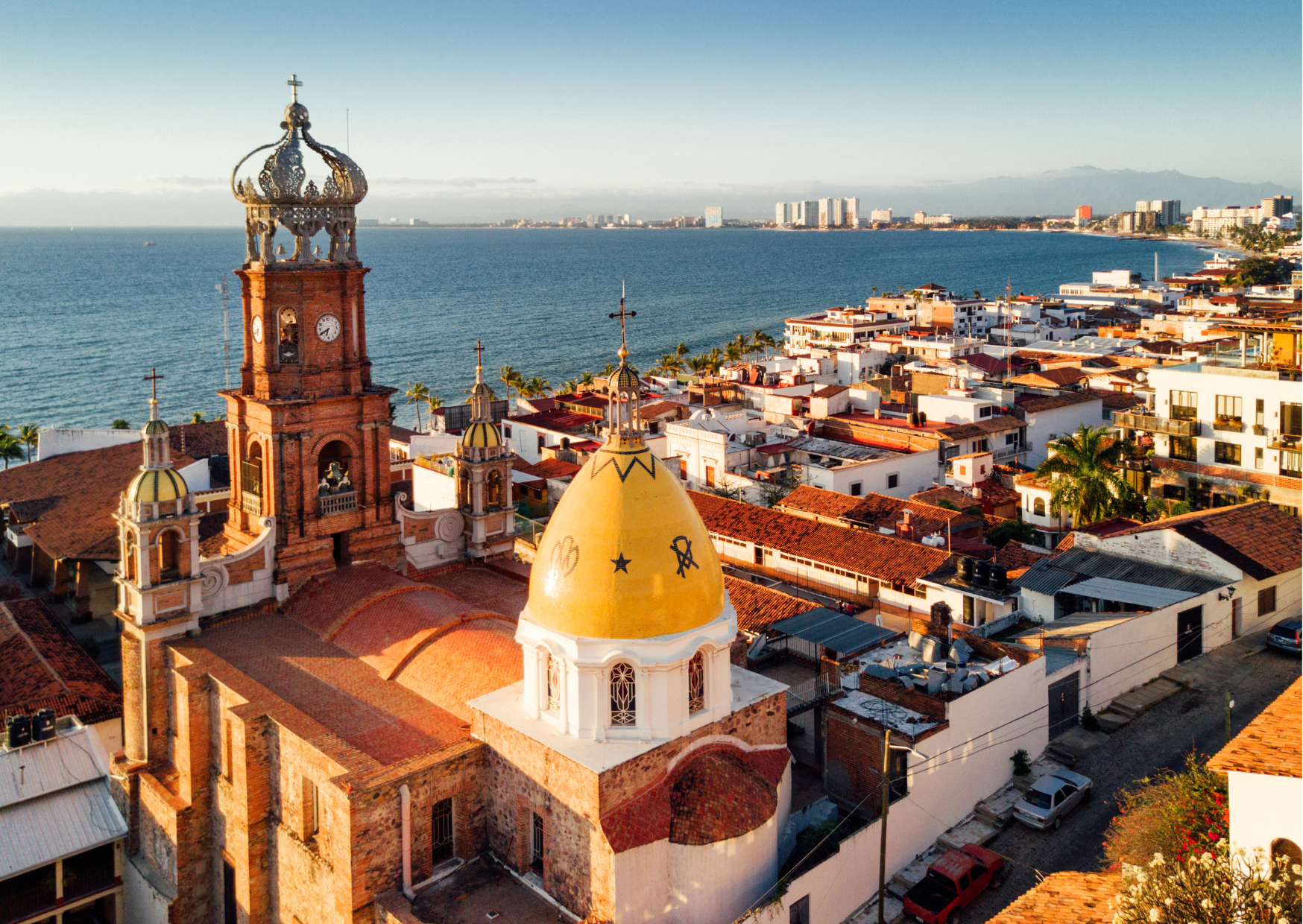
Mexico City is not “Mexico” in the way Americans often mean it.
It is a megacity with its own gravity, its own pace, its own rules. It will reward you fast if you show up curious, patient, and humble. It will punish you fast if you show up trying to recreate Scottsdale with better tacos.
Here’s the test nobody advertises: can you handle daily life when the novelty wears off, when you are tired, when your stomach is off, when the air feels heavy, when the traffic is loud, when the bureaucracy is slow, when you need a doctor, and when you do not have the psychological cushion of “this is just a trip.”
A month is long enough to see the real pattern:
- You learn what you do when you do not understand the cashier.
- You learn what your body does at 2,240 meters of altitude.
- You learn whether your idea of “walkable” survives cracked sidewalks, uneven curbs, and crossing culture.
- You learn whether you feel energized by density or sandblasted by it.
Mexico City is also not automatically cheap anymore, at least not in the neighborhoods Americans flock to first.
Both things are true: you can spend less than the U.S. and live very well, and you can also overpay badly if you rent the “expat-ready” version of the city and never leave it.
Retirement is not a weekend. This city will make you prove it.
The Daily Rhythm: Altitude, Air, Noise, and Walking
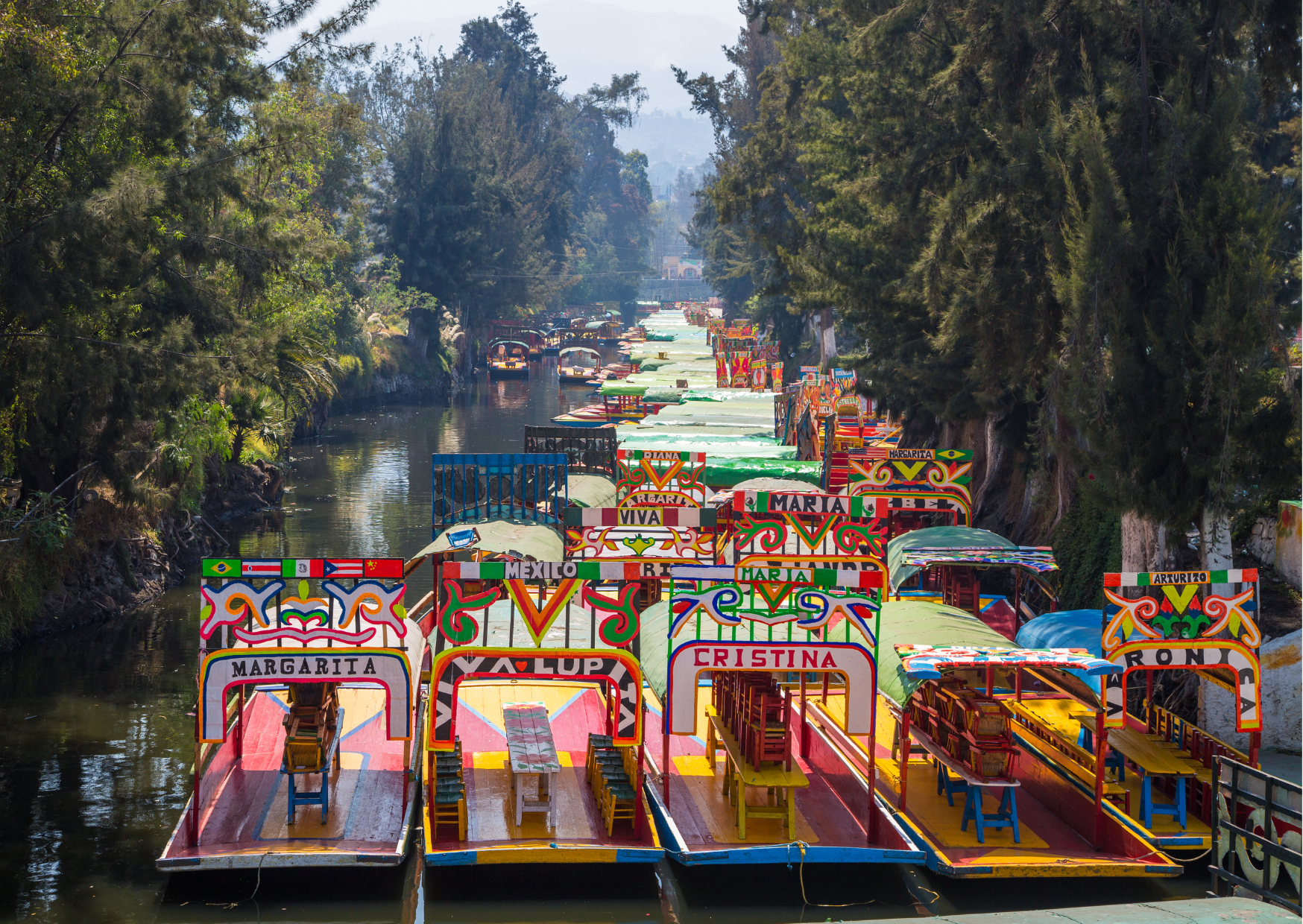
Mexico City sits high, and your body notices. Some people barely feel it. Others feel it like a low-grade hangover for the first week.
If you have been fantasizing about long, brisk walks and effortless weight loss, the altitude can help, but it can also humble you. Stairs feel steeper. Sleep can get weird. Your heart rate can run a little hotter.
Then comes air.
Mexico City’s air is not one static thing. It changes by neighborhood, traffic, wind, and season. In the dry, hot months, the city can trigger environmental alerts and driving restrictions. In 2025, authorities reported multiple ozone contingencies in the Mexico City metro area during the hot, dry season, with activation values in a range most people do not want to “exercise through.” That matters for retirees because your retirement plan is not “stay indoors for weeks every spring.” It is “live your life.”
Noise is the other surprise.
Mexico City is alive early. It is alive late. It is alive all day. If you are coming from a quiet U.S. suburb where the loudest thing is a leaf blower at 9 a.m., you need to take seriously what constant city stimulus does to your nervous system.
Walking is fantastic here, but it is not the manicured version. It is real sidewalks, uneven surfaces, surprise steps, and street vendors that reroute you into the street. If your knees are iffy, you feel it. If your balance is off, you feel it.
The month-long test is whether you adapt, or whether you slowly start staying inside.
Healthcare: Faster Than the U.S., But You Need a Plan
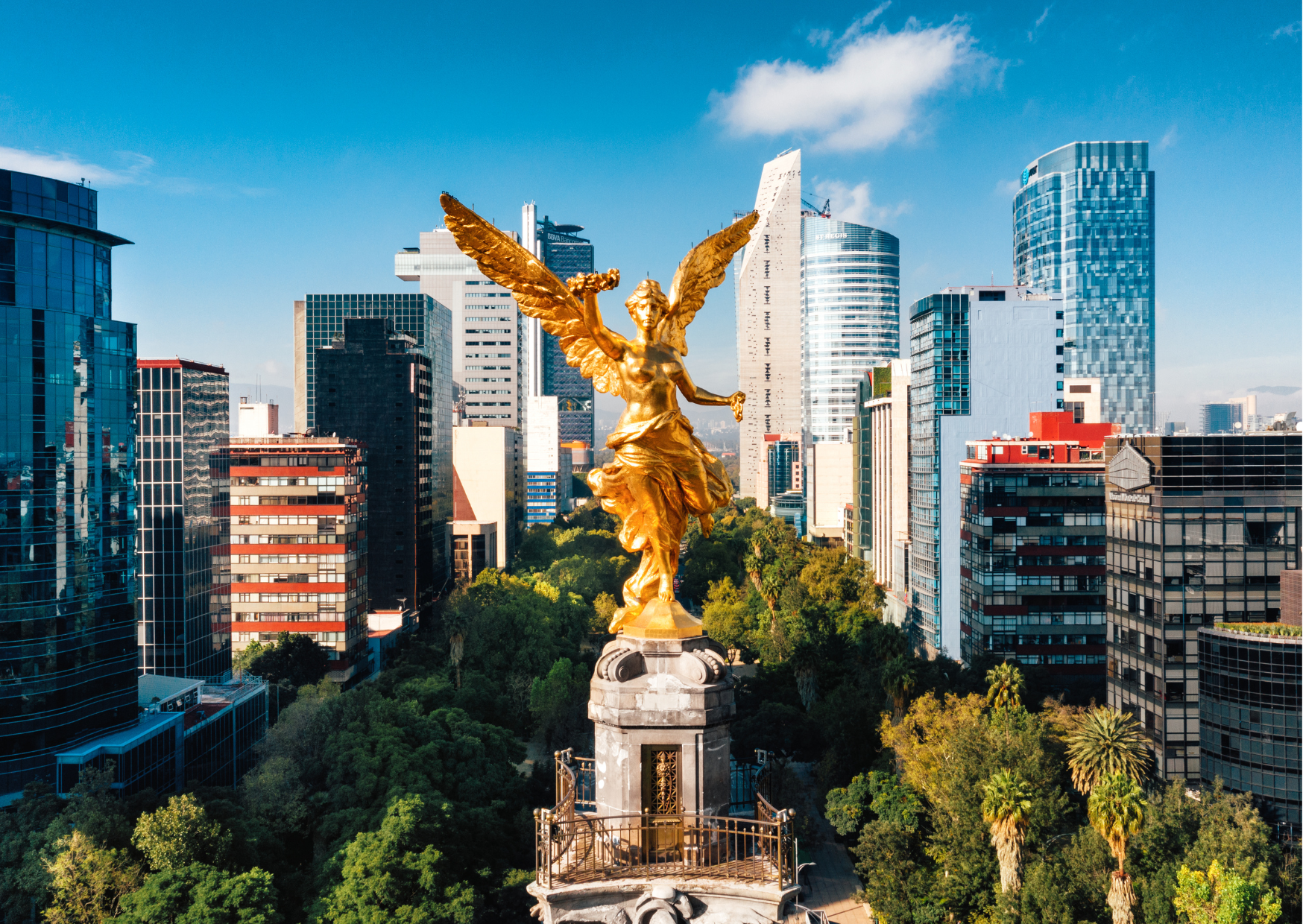
Mexico City has excellent private healthcare. That is not hype. It is one of the reasons people come.
The trap is thinking “good doctors exist” is the same thing as “I have a healthcare system.”
In practice, retirees do best here when they decide, before they need help:
- Who is your first-call clinic for non-emergency issues.
- Where you go for imaging and labs.
- What hospital you trust for emergencies.
- How you will handle ongoing prescriptions.
A lot of Americans love Mexico’s pricing because it feels sane again. You can often pay out of pocket for routine care without the spiritual injury of an American bill. But the real win is speed. Appointments can be fast, and you are not always trapped in weeks-long scheduling purgatory.
The other reality: you still need insurance logic.
Mexico has public options, and there is also voluntary enrollment (with age-banded annual fees). For example, the IMSS “Seguro de Salud para la Familia” lists annual fees by age, with a schedule effective March 1, 2025. The older you are, the higher the annual amount. For retirees, that puts a number on the table that can be far below many U.S. premiums, but it is still a decision, not a vibe.
Also, Mexico City is a pharmacy city. That can be a blessing. It can also create sloppy behavior, like self-medicating because it feels easy. Retirement is when small health decisions compound. Have a real plan, not just optimism and Google.
Safety: The Risk Is Mostly Predictable, If You Behave Like a Local
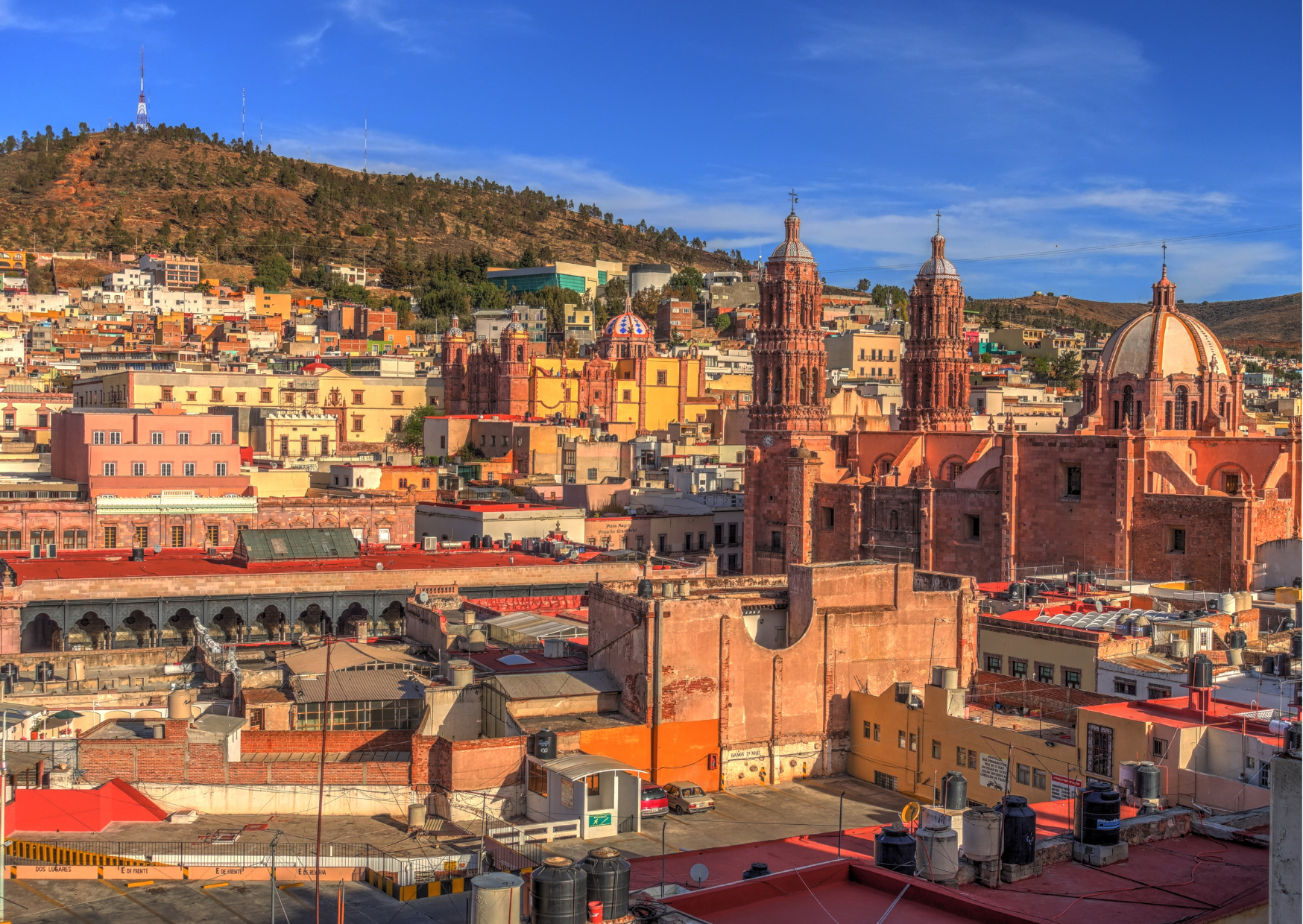
Mexico City is not a movie scene where danger jumps out of an alley at random.
Most of what catches foreigners is boring: pickpocketing, phone snatches, scams that rely on your distraction, and the fact that you are looking at your maps app like a tourist.
The city has both very safe-feeling areas and areas where your situational awareness should be fully on. The U.S. State Department’s Mexico Travel Advisory (as of February 2026) lists Mexico City as “exercise increased caution,” and notes both violent and non-violent crime occur throughout the city, with extra caution advised at night outside popular tourist areas. It also notes no specific restrictions for U.S. government employees in Mexico City.
That framing matters for retirees because it points to the real safety skill: you reduce risk by how you move.
Do not advertise wealth. Do not wear your attention on your face. Do not walk around holding a phone like you are presenting it to the street. Do not take shortcuts at night because you are trying to be “brave.” Do not drink like you are in Cancun.
This is a city where the “retirement test” is whether you can build simple routines that keep you safe without turning you paranoid.
If you cannot do that, you will not enjoy your life here, even if nothing ever happens.
Housing: The Month That Teaches You What You Can Tolerate
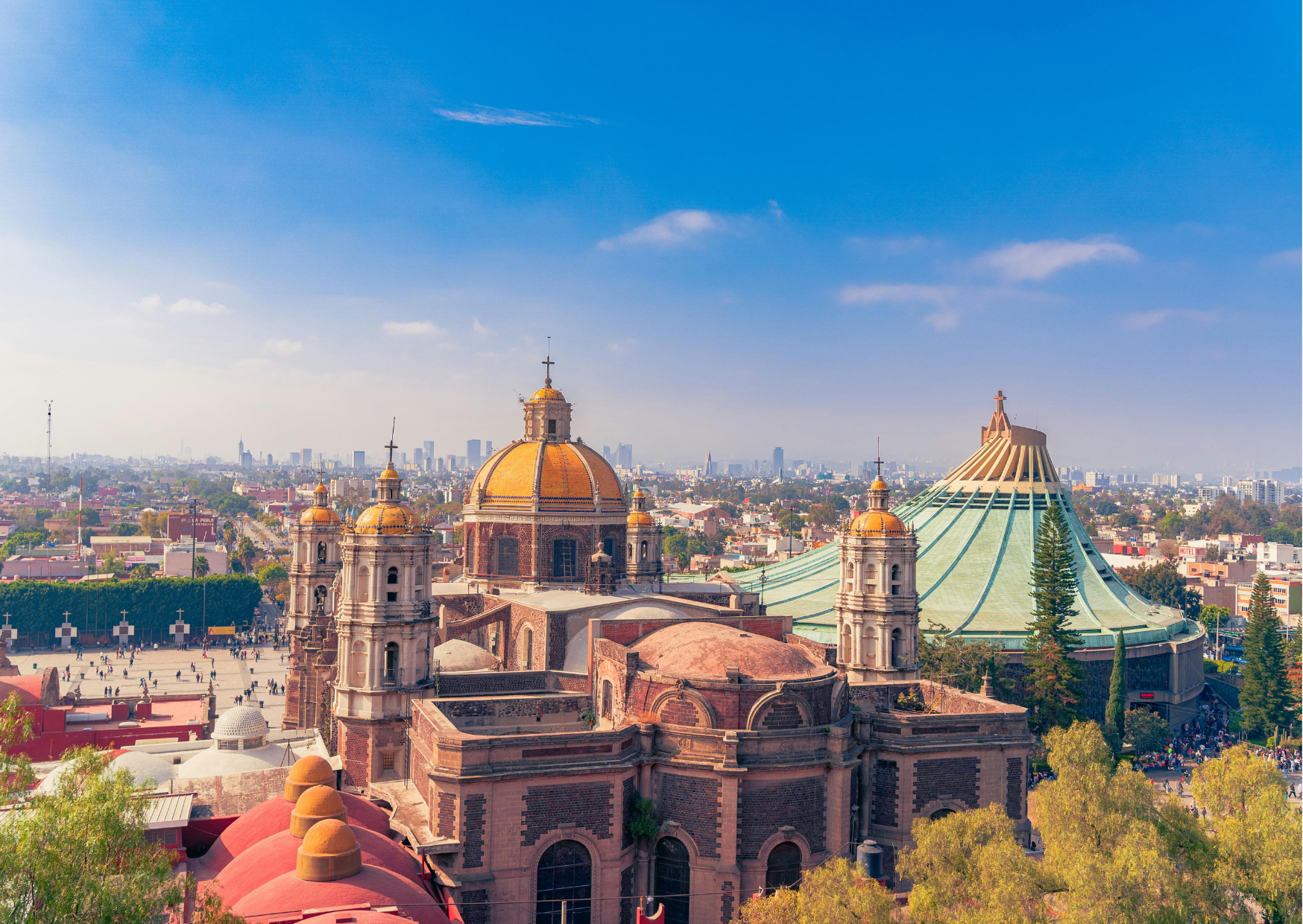
Housing is where Mexico City stops being theoretical.
A short stay can feel like a bargain. Then you price a month in the neighborhoods Americans want, and you realize the city has a two-track economy: the local track and the international track.
Roma, Condesa, and Juárez are popular for a reason. They are walkable, lively, and full of services. They are also where pricing has been dragged upward by international demand.
A Financial Times report published July 2025 cited AirDNA data putting the average nightly cost of the city’s short-term rentals around $85, and reported average monthly rents for one- and two-bedroom apartments around $1,336 in Roma and La Condesa, and $959 in Juárez.
Convert that to euros using the European Central Bank’s reference rates from February 6, 2026 (about €1 = $1.179), and you are roughly looking at about €1,130 a month for that $1,336 figure, and about €810 a month for the $959 figure, before you even argue about what “average” hides.
Now add the reality of retirement needs:
- You may need an elevator.
- You may need quiet.
- You may need a building with better security.
- You may need a walk that does not feel like parkour.
- You may need predictable water pressure and decent insulation.
Mexico City has great housing stock and also deeply annoying housing stock. The month test is where you learn whether you can handle:
- Street noise and late-night restaurants under your window.
- Paper-thin walls.
- A building that is charming but impractical.
- Maintenance standards that are not American-suburban.
This is why a month matters. A week will not show you the friction.
Money Reality: What a Real Month Costs, Line by Line
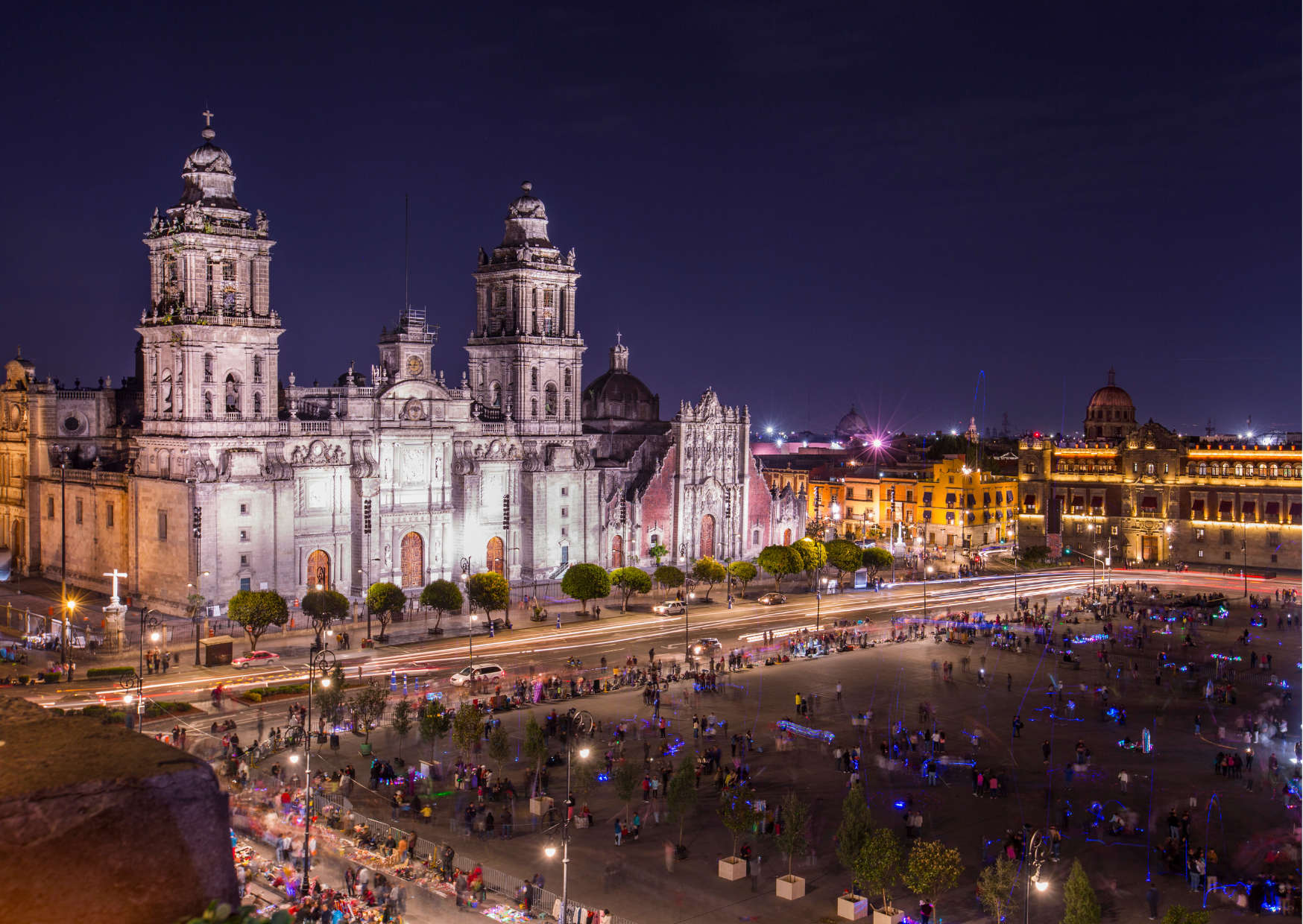
Let’s get concrete, because “Mexico is cheaper” is not a budget.
Below is a realistic, mid-comfort month for one or two retirees who are not living like backpackers and not living like luxury tourists. Prices vary by neighborhood and lifestyle, but this is the right scale.
For currency context, the ECB’s reference rates on February 6, 2026 were about €1 = MXN 20.48 and €1 = $1.179. That makes $1 roughly MXN 17.4 at that snapshot.
Housing (the big lever)
- A popular-neighborhood one- to two-bedroom “international market” rental can easily land around $959 to $1,336/month in Juárez vs Roma/Condesa averages reported in July 2025.
- In euros, that is roughly €810 to €1,130/month at early February 2026 rates.
Housing is where you win or lose. If you choose a less hyped neighborhood with good transit, you can cut this. If you insist on the postcard neighborhoods, you pay.
Transportation (shockingly cheap)
Mexico City public transit is one of the easiest ways to feel the city’s value, if you can handle crowds.
- Mexico City Metro: MXN 5 per ride.
- Metrobús: MXN 6 per ride (with special airport fare on certain routes).
Using the February 2026 exchange reference, MXN 5 is roughly €0.24 (about $0.29). MXN 6 is roughly €0.29 (about $0.35).
If you are retired and you can move off rush hour, transit can be your superpower.
Food (where retirees either thrive or quietly gain weight)
A month of groceries plus some eating out is where Americans either feel liberated or realize they are still eating like Americans, just with better salsa.
A sane, not-restrictive, enjoyable pattern looks like:
- Groceries: MXN 6,000 to 10,000 (€293 to €488)
- Eating out and coffee: MXN 6,000 to 12,000 (€293 to €586)
The number swings depending on whether your version of Mexico City is neighborhood fondas and mercados, or whether it is brunch culture and cocktails.
Healthcare (planned, not panic)
Even if you feel great, assume you will do something healthcare-related in a month: labs, a consultation, a prescription refill, a dental cleaning, something.
Mexico’s voluntary public coverage options publish age-banded annual fees. For example, IMSS lists an annual fee schedule effective March 1, 2025, with older age bands priced higher.
For a retiree in the 60–69 band, the annual fee shown is MXN 19,800, which is roughly €967/year (about $1,140/year) at early February 2026 reference rates.
If you are relying on private pay-as-you-go for some things, also note that Mexican outlets have published posted fee lists for services for non-insured patients. One January 2026 report cited an IMSS family medicine consultation price listed at MXN 1,298, roughly €63 (about $74) at early February 2026 reference rates.
The point is not the exact peso. The point is that the order of magnitude is different than the U.S.
A realistic monthly total
If you are living in the international track of central neighborhoods, a comfortable month for one or two retirees can land around:
- €1,900 to €3,200 for a couple
- €1,400 to €2,400 for a solo retiree
That is not “cheap tacos.” That is “real housing plus real life.” And it is still often lower than a comparable U.S. urban lifestyle, especially when you factor in healthcare friction.
Bureaucracy and Residency: Paperwork Is Part of the Deal
A month in Mexico City can make you fall in love. It can also make you realize you do not have the patience for residency processes, renewals, and documentation culture.
If you are serious about retirement, you need to think about legal stay, not vibes.
Mexico’s residency process is typically started through a Mexican consulate outside Mexico, and requirements are commonly tied to financial solvency. The catch is that requirements can vary by consulate and can be interpreted strictly.
For a concrete example, the Mexican Consulate in Tucson published temporary residency visa information dated December 31, 2025, listing an economic solvency option with monthly income over $4,393 (with documentation requirements).
Convert $4,393 at early February 2026 ECB reference rates, and you are in the neighborhood of about €3,700 per month.
Some Americans qualify easily. Some do not. Some qualify on savings instead of income. The main point is this: retirement abroad is a paperwork sport. If paperwork makes you angry, Mexico City will not magically make you calm.
Also, Mexico City itself runs on documents. Receipts matter. Copies matter. Stamps matter. If you are the type of person who refuses to keep a folder because “it should be digital,” you will have a bad time.
The First 7 Days in CDMX: A Reality-Check Sprint
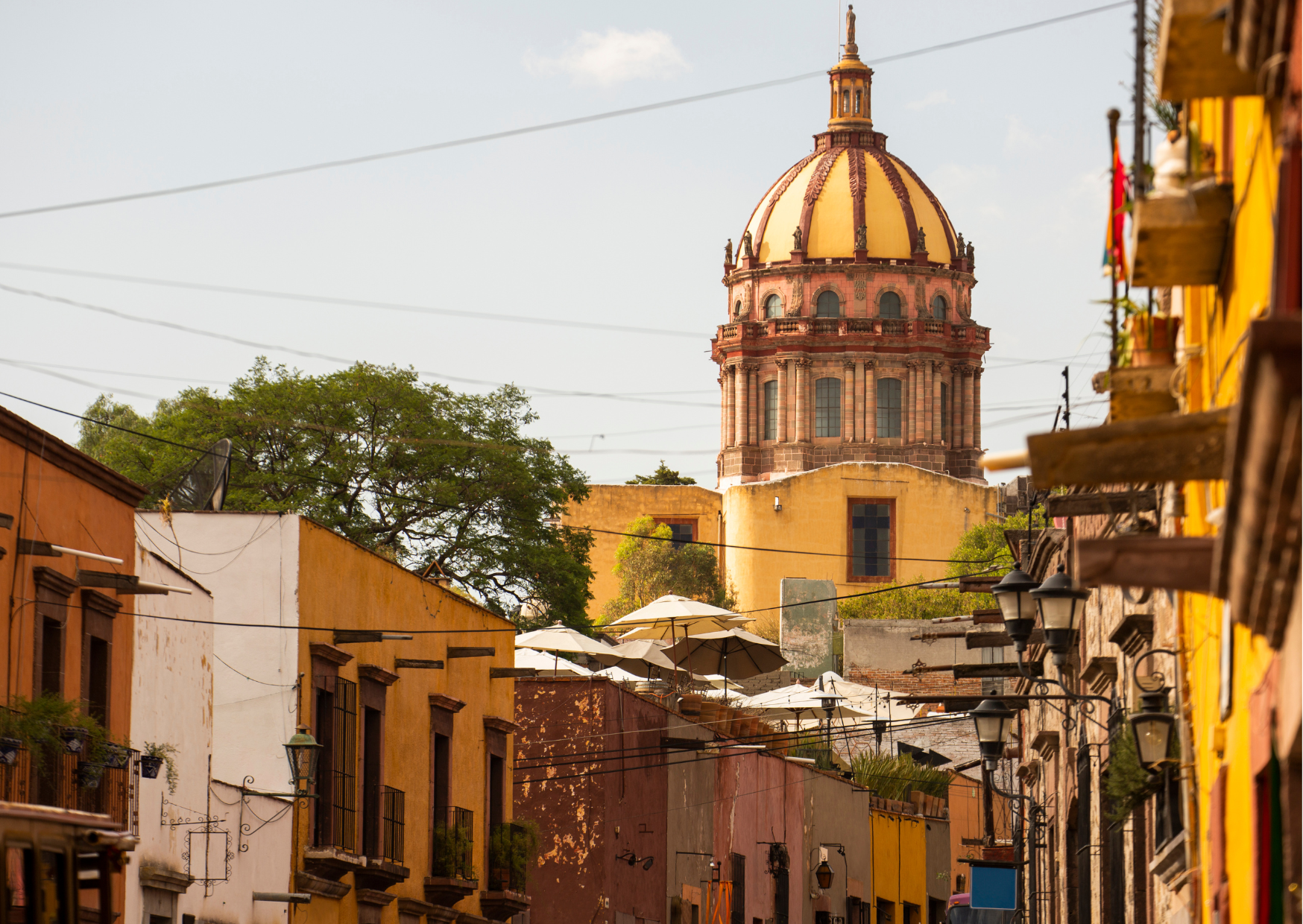
If you want a month in Mexico City to mean something, do not spend the first week sightseeing like you are trying to earn a badge.
Spend it like a retiree testing a real life.
Day 1: Set up your basics
Buy what locals buy: a big water jug delivery plan if needed, a simple first grocery run, a basic medicine kit. Walk your block in the morning and at night. Learn your noise level.
Day 2: Test transit and walking
Do two normal trips: Metro and Metrobús, not just Ubers. Note how your body feels after a long walk at altitude. Your knees do not lie.
Day 3: Do a healthcare dry run
Pick a reputable clinic near you and find out how appointments work, what payment looks like, and what documents they want. You are not sick, so you can do this calmly. Future-you will thank you.
Day 4: Price your real housing
Do not browse “dream apartments.” Browse what you would actually rent for a year, then ask yourself if the number still makes sense after you have eaten, commuted, and lived here for a week.
Day 5: Live like you would live
Cook at home. Do laundry. Go to a mercado. Buy boring things. Boring is the point.
Day 6: Test your safety habits
Walk with your phone put away. Learn the rhythm of crossings. Practice paying without confusion. Know where you do and do not want to be after dark. Confidence is a skill.
Day 7: Make a decision you can say out loud
Not “I love it.” Say something specific: “I could live here if I can get quiet housing,” or “I cannot handle the density,” or “I need a smaller city.” Clarity beats fantasy.
When Mexico City Works, and When It Doesn’t
Mexico City works for retirees who want:
- A real city, not a resort.
- Walkability and culture every day.
- Good private healthcare access.
- Variety, stimulation, and a life that feels active.
It works especially well if you are the kind of person who likes learning systems. The city rewards competence. If you enjoy figuring things out, you will feel powerful here.
Mexico City does not work for retirees who want:
- Quiet by default.
- Driving everywhere with zero stress.
- Predictable infrastructure that works the same way every day.
- A life where you never have to negotiate, adapt, or problem-solve.
It also does not work if you are chasing “cheap.” Mexico City can be a financial win, but the postcard neighborhoods are priced internationally now, and the city is aware of it.
A month here is not about romance.
A month here is about whether you can build a routine you still like on a Tuesday when you are tired.
If the answer is yes, Mexico City can be one of the most alive retirements on the planet.
If the answer is no, the best thing you can do is admit it early and pick a smaller place that fits your nervous system better.

About the Author: Ruben, co-founder of Gamintraveler.com since 2014, is a seasoned traveler from Spain who has explored over 100 countries since 2009. Known for his extensive travel adventures across South America, Europe, the US, Australia, New Zealand, Asia, and Africa, Ruben combines his passion for adventurous yet sustainable living with his love for cycling, highlighted by his remarkable 5-month bicycle journey from Spain to Norway. He currently resides in Spain, where he continues sharing his travel experiences with his partner, Rachel, and their son, Han.