

If you spend time in Italy in summer, the first thing you notice is not a landmark. It’s the baseline. People look put-together at 8 p.m. in 33°C heat, and they do not smell like a gym bag.
Living in Spain, it’s easy to spot the Mediterranean hygiene pattern because it shows up everywhere: cafés, metros, beaches, offices. It’s not about being fancy. It’s about a quiet social contract.
Americans often treat hygiene like a once-a-day checkbox. Shower, deodorant, done.
In Italy, hygiene is more like maintenance. Small resets. A few non-negotiables. Less tolerance for “I’ll deal with it later.”
Here are the nine habits that show up again and again, and why they matter.
- Bidet or a real water rinse after the toilet
- Quick “midday reset” before going out at night
- Underwear and undershirt changes without drama
- Deodorant as maintenance, not a one-time event
- Clothes aired out like they’re alive, not shoved in a hamper
- Towels and bath mats managed so they actually dry
- Shoes handled at the door, not tracked through the house
- Hands washed like you touched public reality (because you did)
- Mouth care after lunch so breath is not a group project
None of this is moral superiority. It’s just a different standard.
If you want to blend in, feel better, and stop getting surprised by how “fresh” people look at night, this is the playbook.
1) The Bidet Baseline: Water Is the Point
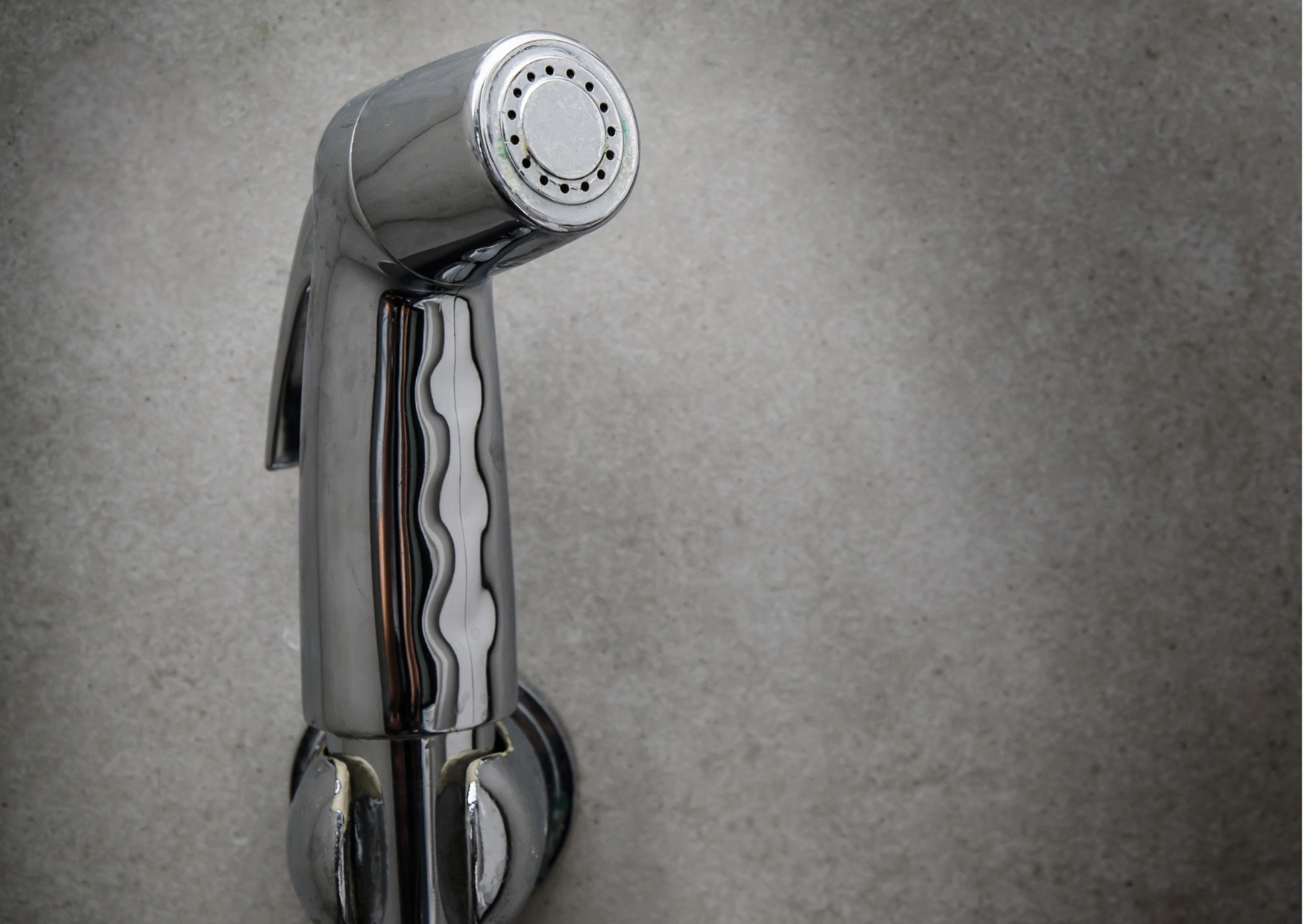
The easiest way to understand Italian hygiene is to start in the bathroom.
In Italy, water is not optional after the toilet. The idea that dry paper is “clean enough” is not the dominant belief.
A bidet turns hygiene into a two-minute reset instead of a compromise. It also changes what people consider normal after workouts, hot days, sex, or long travel days. It’s not a special ritual. It’s just the tool that’s there.
This is not just cultural. Italy’s building hygiene requirements have historically included the bidet as part of the minimum bathroom fixture set in at least one bathroom per dwelling. That is how it became standard, not a luxury add-on.
If you grew up American, this can feel like overkill. Then you try it for a week, and going back to dry-only feels like doing dishes without water.
There’s also a second layer Americans miss: the bidet is not only about “down there.” It’s the mindset that water is the clean finish line, not fragrance, not powder, not a wipe you feel guilty about.
If you live in the U.S. and you want the simplest version of this habit, you don’t need to remodel your bathroom. A bidet attachment is often €25 to €80, which is usually $30 to $90 in the U.S. market depending on features and sales.
The bigger change is mental. You stop treating hygiene like a once-a-day performance. You start treating it like upkeep.
2) The Midday Reset: Italians Don’t Try to “Power Through” Sweat
This one is where Americans get truly confused.
A lot of Americans think the day’s hygiene decision is made in the morning. If the morning shower happened, the day is “covered.”
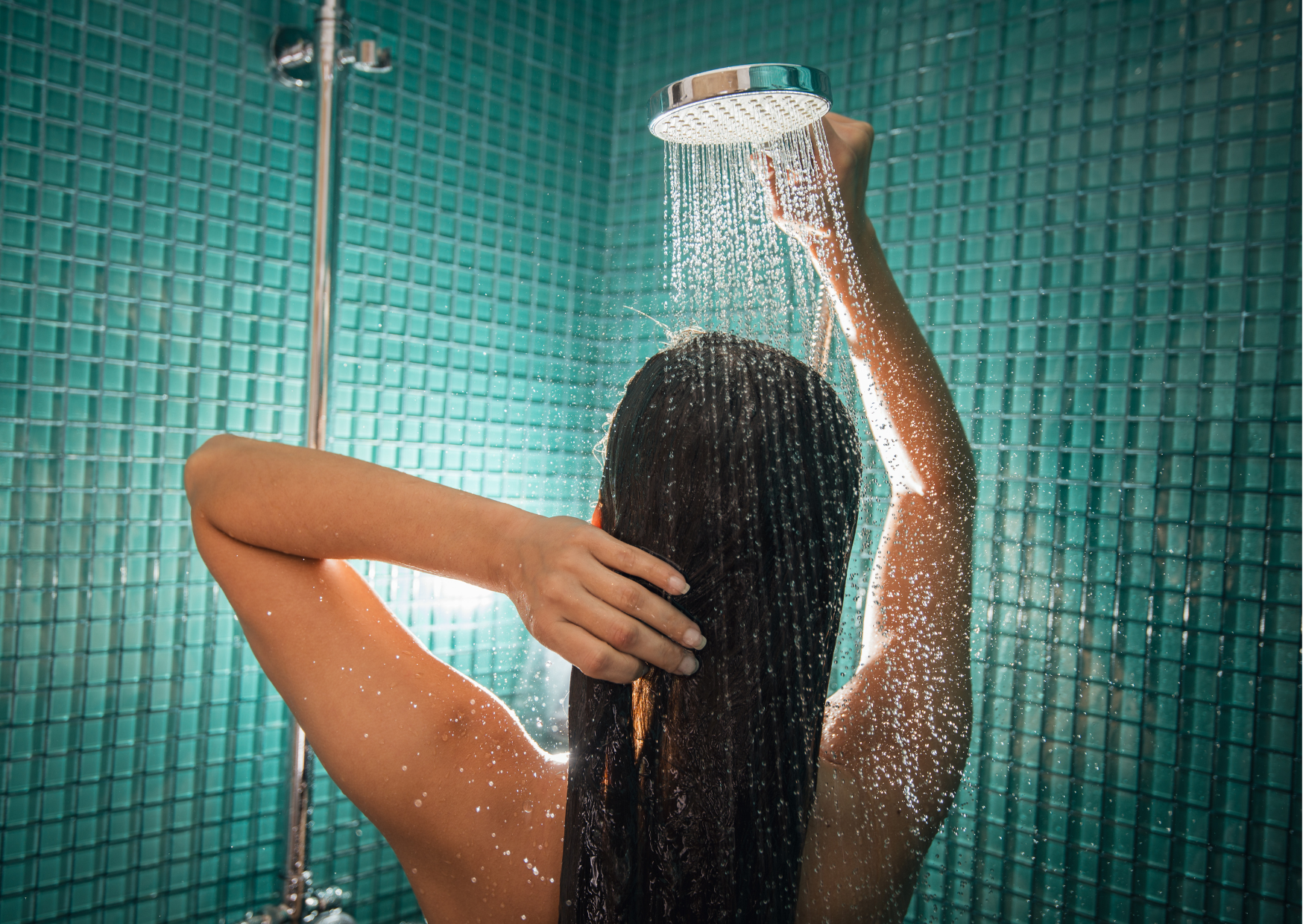
In Italy, especially in warm months, people tend to do a second, smaller reset before the evening. Not always a full shower. More like a targeted clean.
Think of it as a fresh start before you re-enter public life. Work is done. You’re going out. You don’t show up with the day still on you.
This can look like a quick shower. It can look like washing face, armpits, feet, and the essentials at the sink. It can look like a fast rinse and a clothing change.
Americans often skip this because it feels like “too much” or “wasteful.” Then they wonder why they feel sticky and irritable by dinner, especially in summer.
The practical point is not elegance. It’s comfort. Sweat dries into your clothes. Salt sits on your skin. Hair holds smells. You become less tolerant as the hours pile up.
A small reset also changes how you move through the evening. You sit closer to people. You feel confident. You are not doing constant body-check anxiety in your head.
If you want to test this habit, do it for a week in July or August. Keep it short. Five minutes.
You’ll feel the difference immediately, and you’ll start noticing how much of your “I’m exhausted” was just low-level physical discomfort.
3) Underwear and Undershirts: No Drama, No Debate

This is the habit that sounds obvious until you realize how many Americans treat it loosely.
In Italy, it’s common to treat underwear and base layers as single-day items, full stop. If it was a hot day, it might be a single-half-day item.
The undershirt matters because it absorbs sweat and protects your outer clothes. It’s a practical tool, not an old-fashioned thing.
A lot of Americans skip undershirts, then rely on stronger deodorant and fragrance to compensate. That often works until it doesn’t, especially in heat, on transit, or when stress sweat hits.
This habit is also about laundry reality. If you protect outer layers with a base layer, you can air out a sweater or jacket without washing it constantly. You wash what needs washing. You don’t trash your nicer clothes with over-laundering.
There’s a social angle too. Smell is treated as a shared environment problem, not a private issue. If you sit down at a small restaurant table, you are in other people’s space. That shapes behavior.
If you want the most efficient version of this habit, it’s simple:
Have enough underwear and undershirts to rotate comfortably. Stop rationing. Stop re-wearing because you’re trying to “save laundry.”
You can spend more time doing laundry, or you can spend more time feeling clean. Italy tends to choose clean.
4) Deodorant as Maintenance, Not a One-Time Event
This is where Americans misread the Mediterranean approach.
Americans often use heavy-duty deodorant and treat it like armor. Apply once and forget it exists.
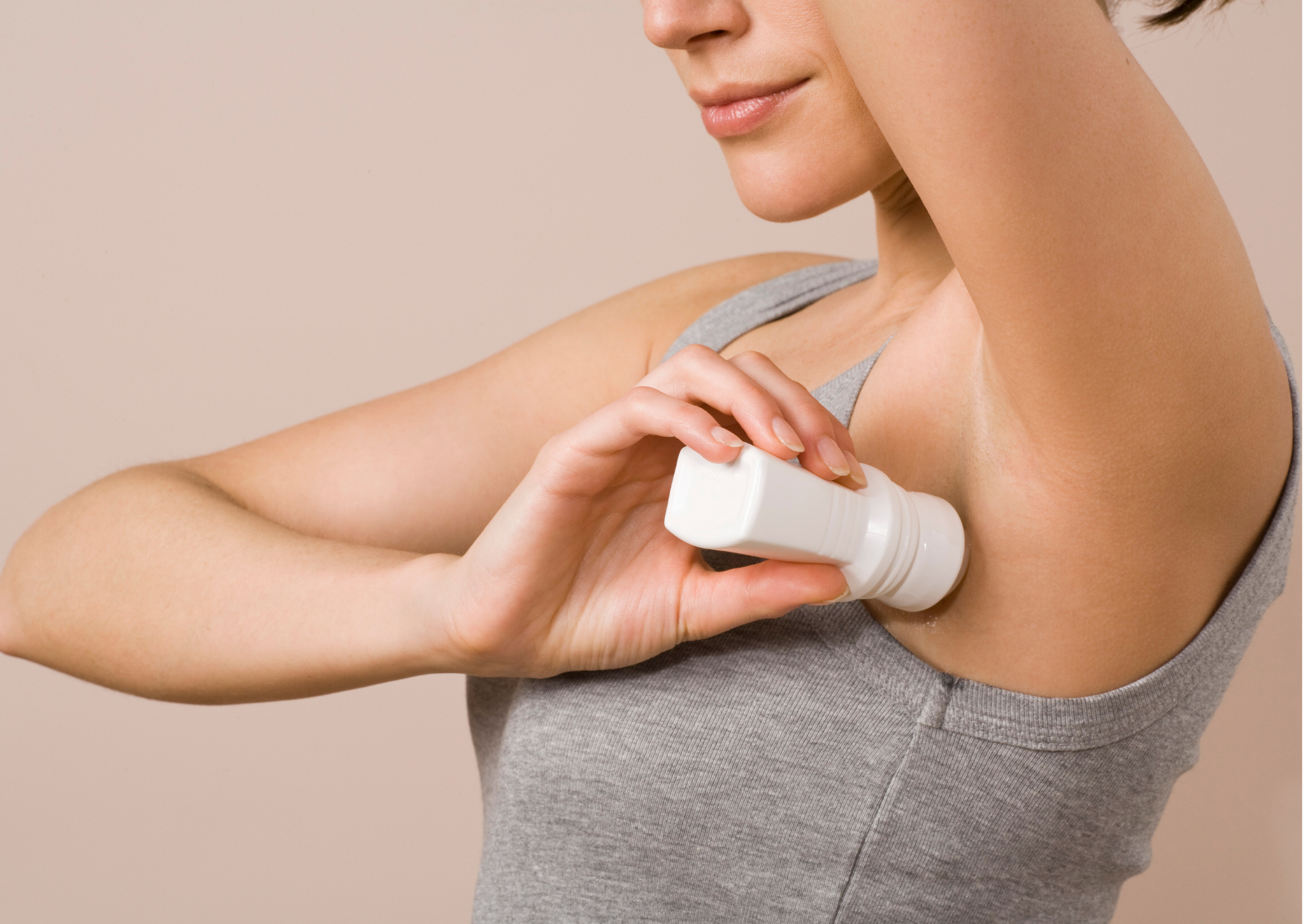
In Italy, you see more of a maintenance approach. People still use deodorant, but they act like it might need a touch-up, especially on hot days, after walking, or before an evening out.
That changes how the day feels. You are not hoping your morning product survives the afternoon. You are managing it.
It also reduces the need for extreme scents. If you’re fresh, fragrance can be light. If you’re trying to cover, fragrance gets louder, and that’s when it becomes unpleasant.
There’s a simple truth here: deodorant is not a shower. It doesn’t reset skin. It helps manage sweat and odor. If the base is already off, no stick or spray fixes that cleanly.
The “Italian” version of this habit is not a specific brand. It’s the sequence:
Clean skin first. Then deodorant. Then refresh when needed. Then change the base layer if the day is doing too much.
If you’re an American reader who hates the idea of carrying products, keep it minimal. One small deodorant in a bag or car. That’s it.
The goal is not to become high maintenance. It’s to stop pretending your body doesn’t change from 8 a.m. to 8 p.m.
5) Clothes Get Aired Out, Not Stuffed Away
Americans often move straight from wearing to washing, or wearing to stuffing clothes into a pile and calling it “later.”
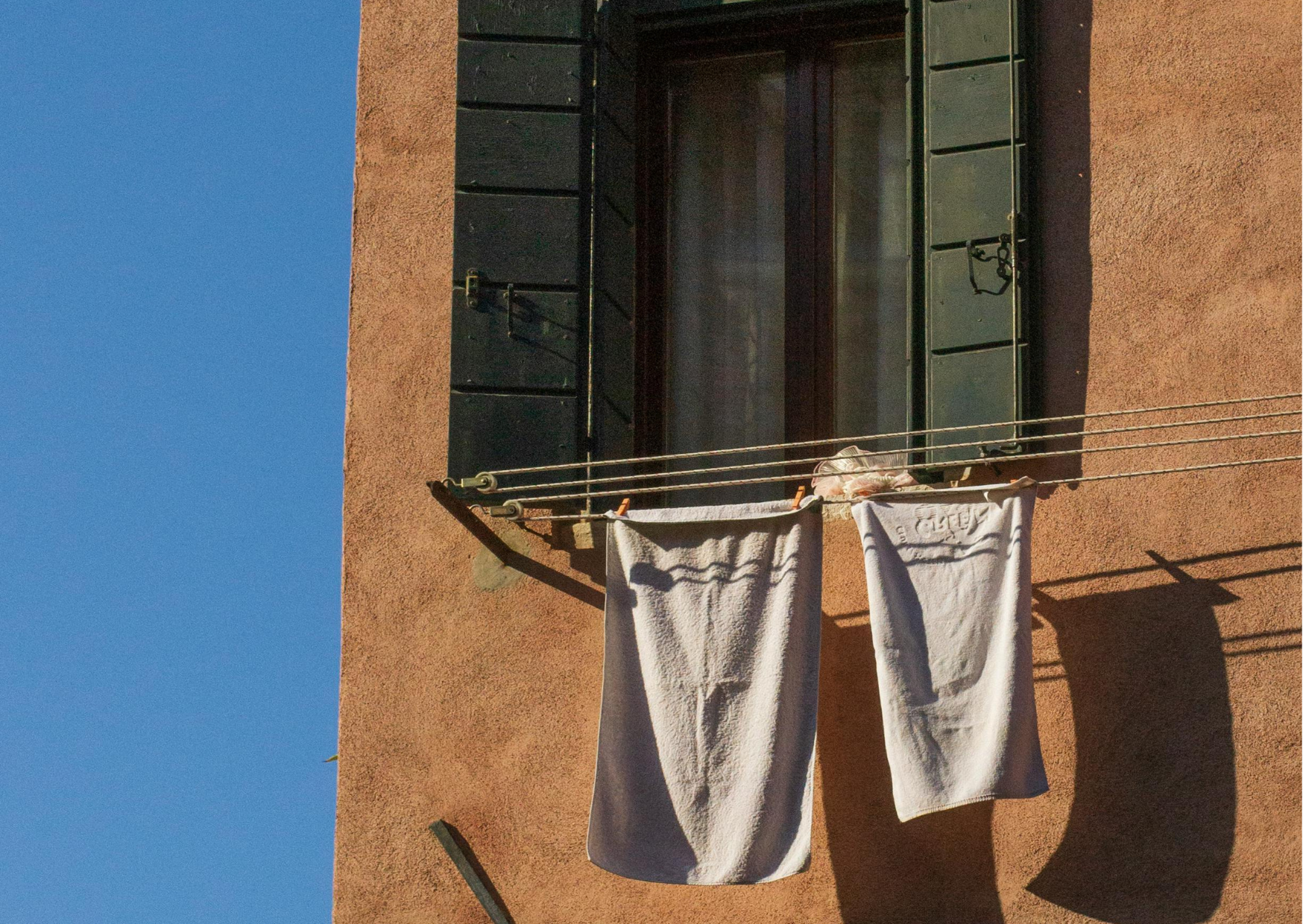
In Italy, you see a lot more airing-out behavior, even in small apartments. A chair near a window. A balcony rail. A hanger placed with intention. Clothes are treated like they need to breathe.
This is partly climate and architecture. It’s also habit.
Airing out does two important things. It reduces odor. It reduces moisture that feeds that stale, closed-in smell.
It also supports a less frantic laundry life. When you air out outer layers properly, you can wear them again without them feeling tired. You wash what sits against skin and sweat. You don’t over-wash everything because you’re nervous.
This shows up in small, practical choices:
Outer clothes are not automatically “dirty.” Base layers usually are. Sports clothes usually are. Everything else depends.
Americans sometimes treat laundry like a guilt cycle. Either you’re washing constantly, or you’re letting it pile up and feeling gross. The Italian approach is more like ongoing maintenance.
If you want the easiest version of this habit, buy two things:
A simple drying rack and a few good hangers. In Europe, this is normal. In the U.S., people act like it’s a sign of poverty. It’s not. It’s a sign you want clothes that don’t smell weird.
Your dryer is not a personality. Airing out is a skill.
6) Towels and Bath Mats Have One Rule: They Must Dry
This one is quietly huge.
Americans can be perfectly clean and still live in a bathroom that smells like damp fabric. That smell then attaches to towels, then attaches to skin and hair, and nobody talks about it.
In Italy, there tends to be less tolerance for damp-textile funk. The habit is not always “wash more.” The habit is “make sure it dries.”
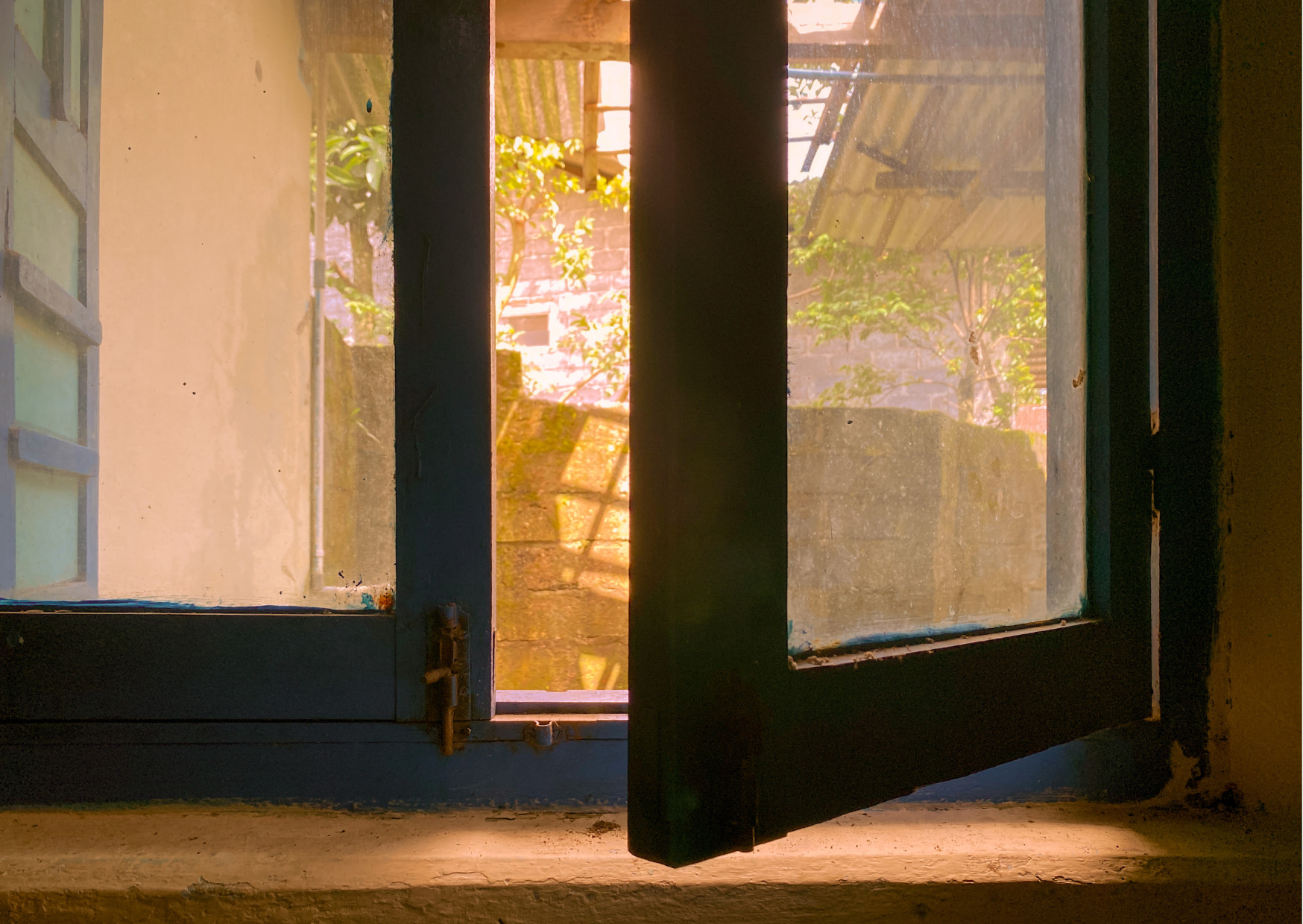
That means towels are hung spread out, not bunched. Bath mats are lifted and aired. Bathrooms are ventilated. Windows get opened when possible.
This is where hygiene becomes a home system, not just a body system.
A towel that never dries is not a towel. It’s a bacteria-friendly cloth you keep rubbing on yourself.
If your bathroom is small, this matters even more. You can’t rely on airflow that doesn’t exist.
The simplest upgrades are unglamorous:
Two towels per person so one can fully dry. A hook or bar that allows full spread. A bath mat that can be lifted and aired quickly.
If you want to get strict about it, have a weekly towel wash rhythm and a “replace damp now” rule. Italy doesn’t treat this as obsessive. It treats it as not wanting a bathroom that smells like wet cotton.
7) Shoes Are Managed at the Door, Even When They Stay On
Here’s the part Americans get wrong.
Italy is not Japan. Shoe removal is not always automatic, and guests often keep shoes on depending on the household.
But Italians still tend to manage shoes more intentionally than many Americans do.
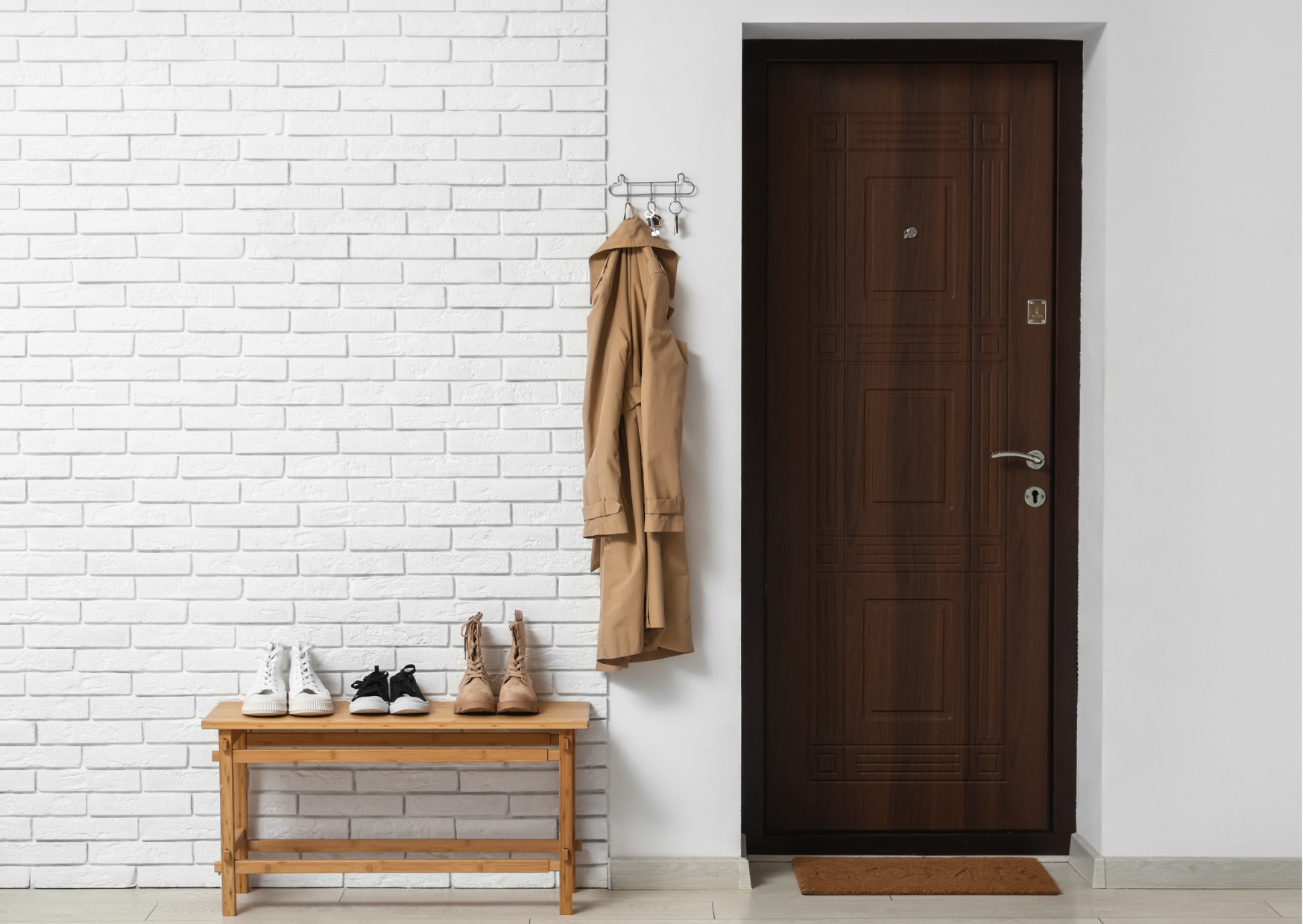
There’s often a shoe rack or entry habit. Shoes aren’t tossed on beds. Feet aren’t put up on sofas with outside soles. Indoor slippers are common, even if visitors keep shoes.
The difference is that floors and soft surfaces are treated as part of hygiene. Not sterile. Just not treated like a public street.
A lot of American homes have a “shoes everywhere” culture, then a separate “why is my floor always dirty” problem.
Italy tends to reduce the problem upstream.
If you want an easy version of this habit, don’t argue about etiquette. Just implement a system:
A place for shoes near the entrance. Indoor slippers for the household. A no-shoes-on-bed rule that is absolute.
It’s not about being precious. It’s about not tracking city dirt through the one place you’re supposed to recover.
8) Hands Get Washed Like You Actually Touched Things
This sounds too basic to include, which is why it belongs on the list.
Italy is full of shared surfaces: café counters, coins and cash, door handles, metro poles, elevator buttons, public bathrooms, communal snack bowls, and kisses on cheeks. It’s social. It’s physical. It’s not a sanitized bubble.
So the handwashing habit becomes practical, not performative.
Americans sometimes do a weird split. Either they are hyper-sanitizing constantly, or they are oddly casual about washing hands after public transit and public toilets, especially when they’re out.
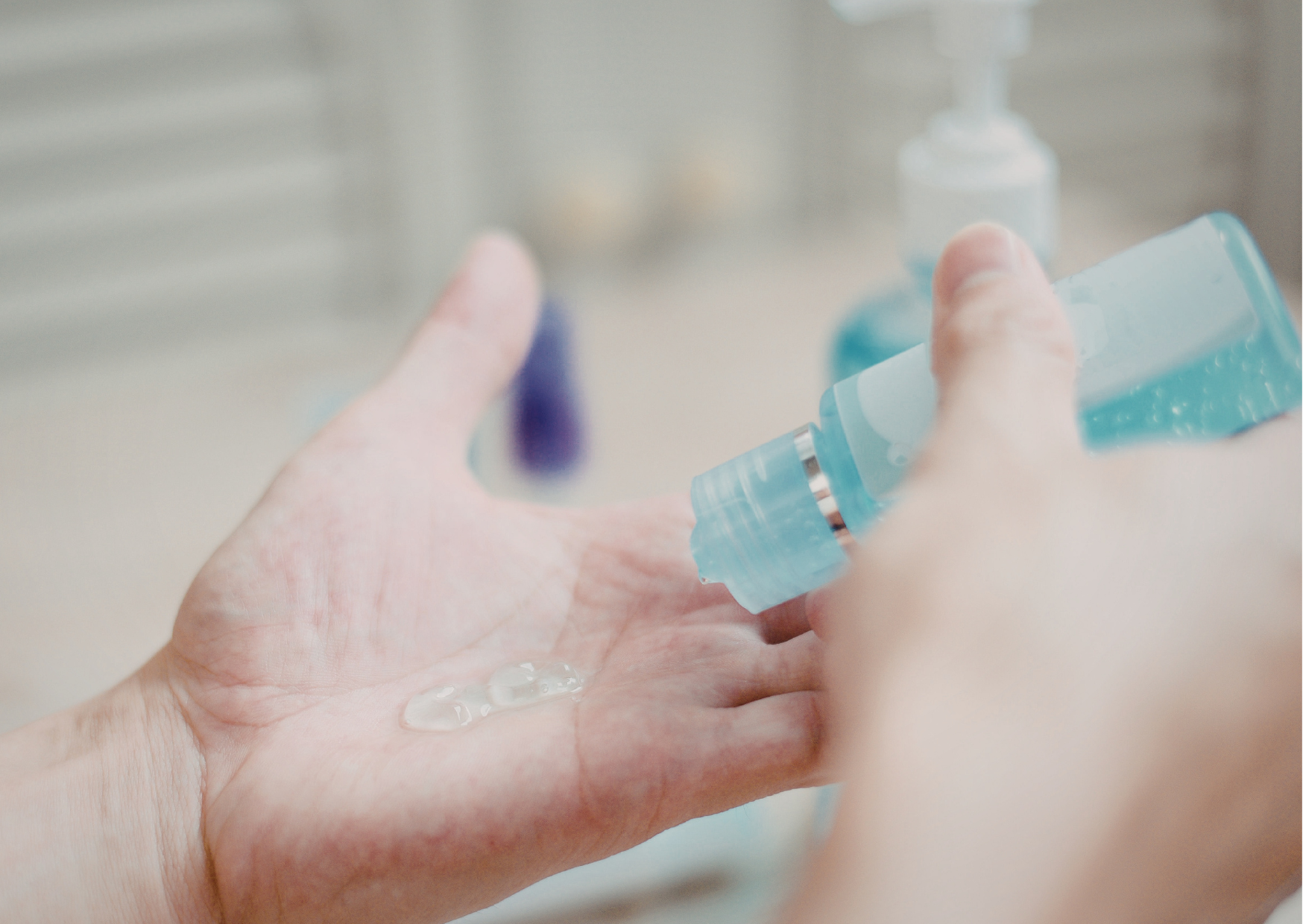
In Italy, the routine is often simple: wash hands when you come home, wash hands before food, wash hands after the bathroom, and don’t act like sanitizer is a personality.
One reason this matters is food culture. If you’re sharing appetizers, tearing bread, touching plates, or eating finger foods, hands become part of the meal.
A small habit that fits this style is carrying a tiny hand cream. Dry hands crack, and cracked hands make people avoid washing. Hand cream removes that excuse.
This is hygiene as continuity. You don’t do one heroic clean act. You do small resets that keep the baseline high.
9) Mouth Care After Lunch So Breath Doesn’t Lead the Conversation

This is the most under-discussed difference, and it’s one of the easiest to adopt.
In Italy, it’s not unusual to see people brush after lunch, or at least do some kind of mouth reset. Gum. Mouthwash. A quick brush in the office bathroom. Something.
It’s not vanity. It’s practical.
Coffee is everywhere. Smoking still exists. Lunch often includes garlic, onions, cured meats, cheese, and wine. Close conversation is common. People stand near each other. They talk with their hands and their faces.
So breath becomes a basic courtesy.
A European consumer survey published in early 2024 reported Italians were among the most frequent brushers in its sample, including a notable share who said they brush three times a day.
You don’t need to become extreme about it. The “Italian” habit can be as small as:
Brush in the morning. Brush at night. Do one midday reset, even if it’s just gum and water, especially if you had coffee and something garlicky.
Add one more micro habit: keep nails clean and trimmed. Hands are visible in Italian conversation. If you gesticulate like a Mediterranean, your nails get seen.
This is the theme of the whole post. Hygiene isn’t a private performance. It’s a shared environment standard.
Seven Days to Adopt the Italian Baseline Without Turning Into a New Person
You don’t need to overhaul your life. You need a one-week reset that makes these habits automatic.
Day 1: Fix the bathroom tool.
If you don’t have a bidet, install an attachment or buy a handheld sprayer. Make water the default.
Day 2: Add the midday reset.
Do a five-minute rinse or targeted wash before dinner plans. Treat it like changing from work mode to evening mode.
Day 3: Upgrade your base layers.
Buy enough underwear and undershirts to rotate without rationing. Set a simple rule: base layer is single day, no debate.
Day 4: Build an airing-out spot.
Pick one chair, hook, or rack where worn clothes can air out. Stop stuffing half-worn clothes into piles.
Day 5: Make towels dry properly.
Add a second towel per person if needed. Hang towels spread out. Lift bath mats to air. If it smells damp, it’s not done drying.
Day 6: Set the shoe system.
Put a shoe rack by the entrance. Add indoor slippers. Ban shoes on beds and sofas, full stop.
Day 7: Add the mouth reset.
Keep gum, a travel brush, or mouthwash in your day bag. Do a post-lunch reset and notice how much more confident you feel in close spaces.
That’s it.
You’re not becoming “Italian.” You’re adopting the parts that make daily life feel cleaner, calmer, and less gross.
The payoff is immediate. You feel fresher at night. Your home smells better. Your laundry stops feeling like chaos. You stop having that low-grade “I need a shower again” feeling all afternoon.
And if you ever visit Italy again, you’ll blend in a lot better than you expect.

About the Author: Ruben, co-founder of Gamintraveler.com since 2014, is a seasoned traveler from Spain who has explored over 100 countries since 2009. Known for his extensive travel adventures across South America, Europe, the US, Australia, New Zealand, Asia, and Africa, Ruben combines his passion for adventurous yet sustainable living with his love for cycling, highlighted by his remarkable 5-month bicycle journey from Spain to Norway. He currently resides in Spain, where he continues sharing his travel experiences with his partner, Rachel, and their son, Han.