
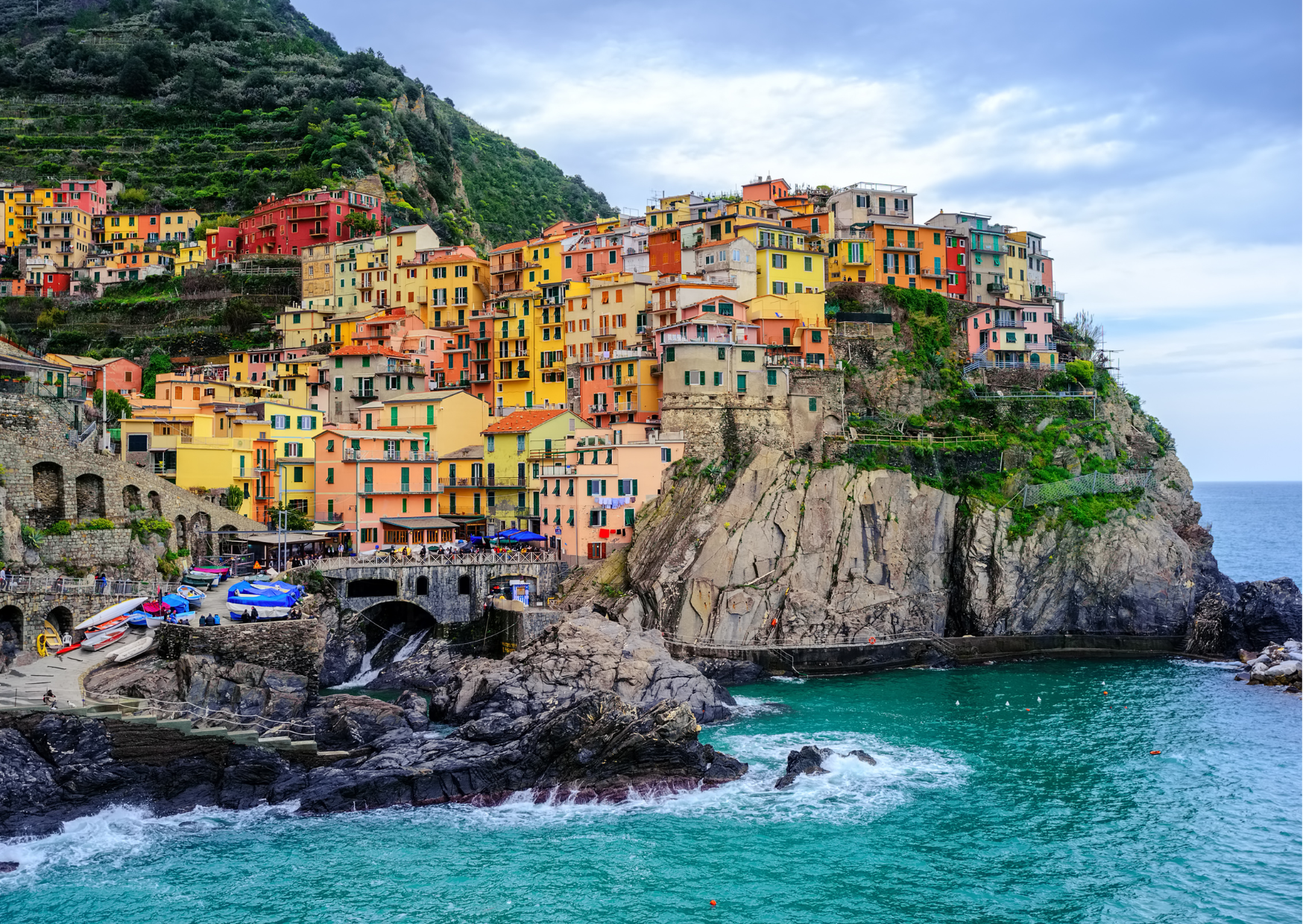
They photograph like a dream and live like a theme park. If you’re trying to test Europe for real, the “perfect town” is often the fastest way to feel lonely, overcharged, and weirdly stressed.
The first time I watched an American couple melt down in a postcard town, it wasn’t over money. It was over groceries.
They’d rented a gorgeous apartment with a terrace and a view. They were proud of themselves. “We did the smart thing,” they said, because it was cheaper than the U.S. and looked like a screensaver.
On day eight, they realized the nearest normal supermarket was a 25-minute walk uphill, the corner shop sold limp produce at triple prices, and the only convenient dinner options were tourist menus that all tasted the same. By day twelve, they were taking taxis out of their own neighborhood just to live like normal people. By day fifteen, they’d stopped leaving the apartment unless it was for the view and a coffee they didn’t even enjoy.
A lot of towns in Europe are beautiful. Some are livable. Those are not the same category.
Tourist trap towns aren’t “bad places.” They’re places optimized for short-term visitors, which means they’re often terrible for slow travel, and quietly brutal for retirees trying to build a real rhythm. The photos make you expect ease. The reality is friction.
Here’s how to spot the trap before you sign the lease, and what to pick instead if you actually want a life.
The lie in the photos is convenience
Online, the town looks walkable. In real life, it’s walkable in the way a museum is walkable: you can do it, but it’s not designed for daily errands.
Tourist towns are built around three assumptions that don’t match real living:
- You’ll eat out most meals.
- You won’t need services beyond the basics.
- You’ll leave soon, so small annoyances do not compound.
Slow travel is the opposite. You need a grocery loop, a pharmacy, a reliable café, and a week that repeats without drama. You need a place that doesn’t punish you for being tired on a Tuesday.
The first week in a postcard town feels amazing because you’re still running on novelty. The second week exposes the hidden taxes:
- Distance tax: the pretty part is far from the functional part.
- Noise tax: a charming street becomes a corridor of rolling suitcases at 1 a.m.
- Convenience tax: you pay more because the alternatives are inconvenient.
- Weather tax: a sea view in summer becomes a damp cave in winter.
- Churn tax: everyone is new, everyone leaves, and nobody builds anything.
This is why tourists love these towns and long-stayers often feel strangely unsettled. The town keeps asking you to spend money to solve problems that a normal neighborhood would never create.
A simple rule: if the town’s best feature is the view, it is probably not designed for your daily life.
Another rule: if the town feels like “vacation you,” it will eventually make “real you” cranky. Real you needs repeatable comfort, not constant stimulation.
Five kinds of towns that trick Americans
Most tourist traps fall into predictable categories. If you know the type, you can predict the problems before they show up.
1) Cruise stop towns that are quiet at night and chaotic by day

These places run on short bursts of demand. You get crowds, inflated prices, and a daytime economy that isn’t built for residents.
What it feels like at week two:
- mornings are loud, then the town empties suddenly
- shops cater to souvenirs, not household needs
- the “local” restaurant scene is thinner than you expected
Example vibes: a port old town like Dubrovnik when the day-trippers arrive.
2) Cliffside “Instagram towns” with hard geography
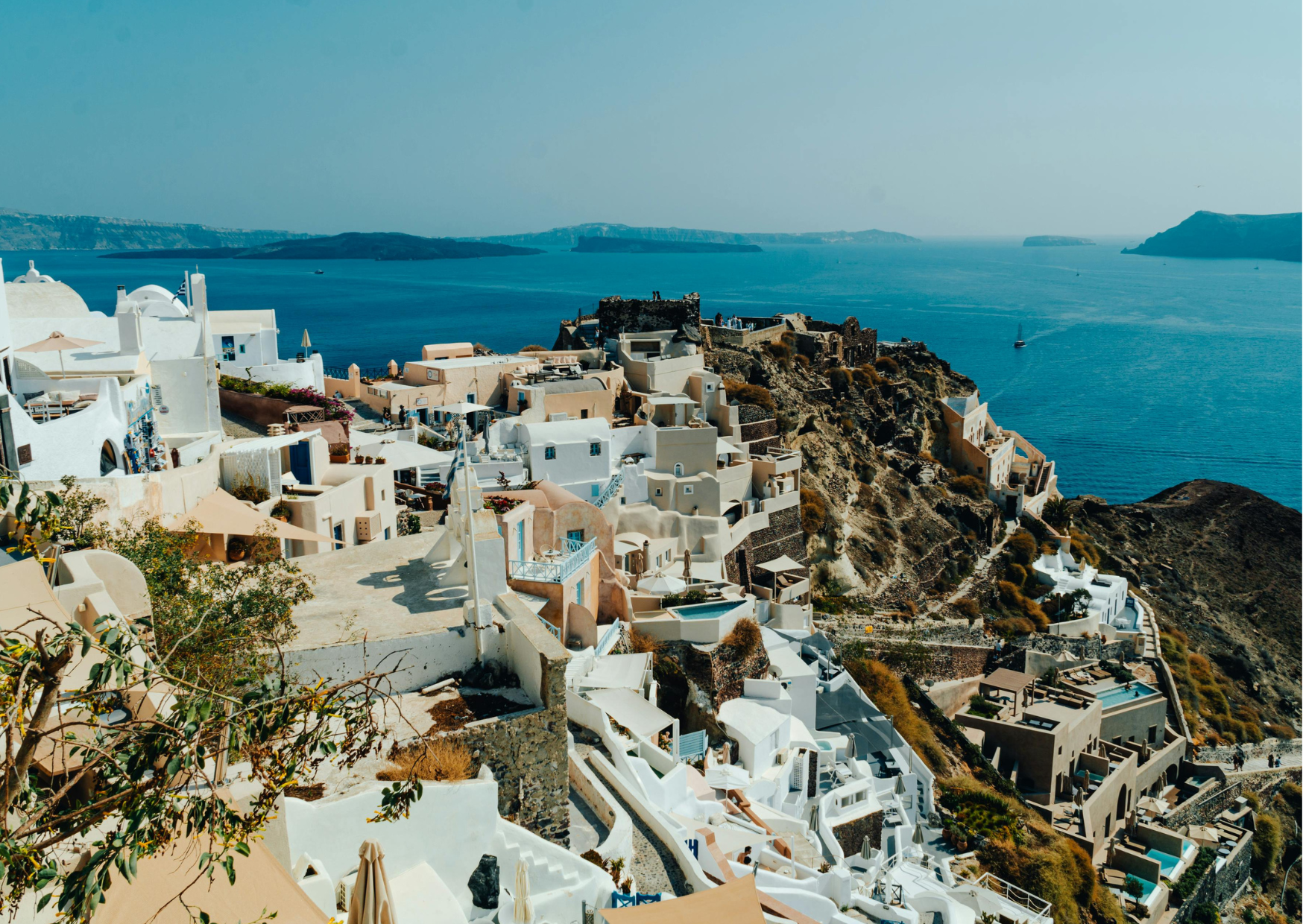
They’re stunning. They’re also stairs, hills, and “just a quick walk” that turns into a sweaty logistics situation.
What it feels like at week two:
- groceries become a workout
- taxis become your budget leak
- you stop exploring because leaving the house is effort
Example vibes: Amalfi Coast.
3) Islands that punish you for needing anything normal
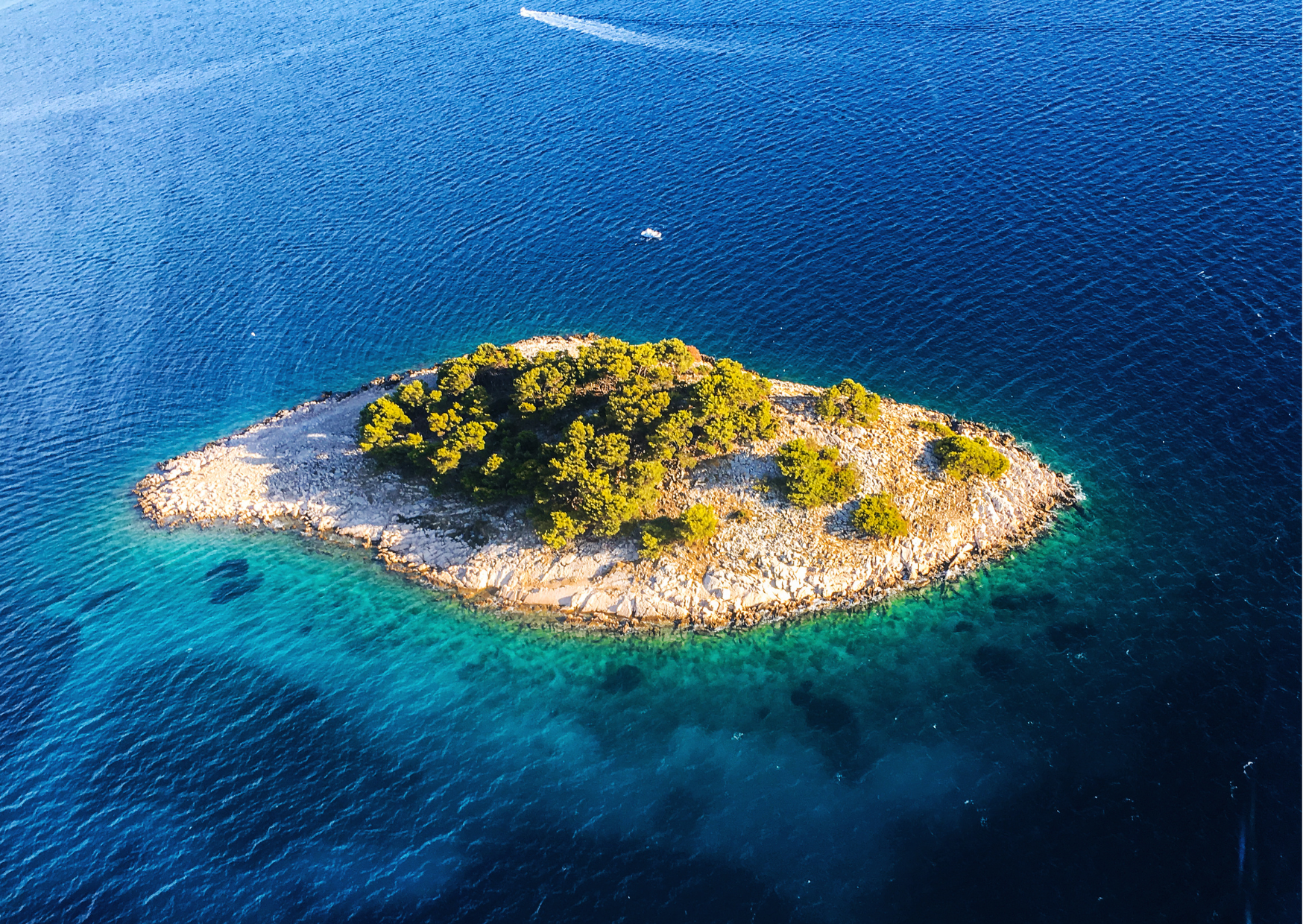
Islands can be dreamy, but they often come with seasonal pricing, limited services, and winter shutdown.
What it feels like at week two:
- you pay more for basics
- you schedule your life around ferries
- your world gets small fast if the weather turns
Example vibes: Santorini or Mykonos.
4) “Charming villages” that are actually second-home shells

They look full in August. In November, they can feel abandoned. You’re not imagining it. Many are genuinely under-occupied off-season.
What it feels like at week two:
- cafés and restaurants close on random days
- services are limited
- loneliness shows up because there is no stable community
Example vibes: Cinque Terre.
5) Resort strips where everything is priced as a holiday
These towns are convenient, but they’re designed to extract spending, not support a life.
What it feels like at week two:
- you spend more without realizing why
- local culture feels thin because it’s diluted by visitor demand
- you start traveling to escape the vibe
Example vibes: Costa del Sol or Algarve in peak season.
None of these places are “bad.” They’re simply optimized for a different customer. If you’re a retiree testing Europe, you are not that customer.
The money math that only shows up after you “save on rent”
Americans love the headline number. “Rent is cheaper than back home.” Then the month ends and the bank account tells a different story.
In tourist trap towns, your budget rarely explodes from one huge mistake. It leaks from constant small premiums.
Here’s what the leak often looks like for two people over 30 days:
- Coffee and small snacks: €4 to €9 per stop, and you do it more because you’re out all day
- Groceries in mini-markets: 20% to 60% higher than a normal supermarket basket
- Eating out because the kitchen is annoying: €30 to €70 for a basic dinner for two, more if you’re on a famous strip
- Taxis because “it’s just easier”: €10 to €25 each time, and suddenly it’s four times a week
- Day trips because the town feels cramped: €30 to €120 per outing depending on trains, tickets, and meals
- “One-time” home fixes: €80 to €250 for a heater, dehumidifier, kitchen basics, or bedding that doesn’t ruin your back
You can absolutely have a cheap month in a tourist town if you treat it like a retreat and cook at home. The problem is that most tourist town rentals are not designed for that. The kitchen is often minimal, the grocery loop is annoying, and the temptation to “just eat out” is constant.
The worst trap is psychological. You keep comparing prices to the U.S. and telling yourself it’s fine. But your budget is based on totals, not comparisons.
A practical way to judge affordability is a simple ratio: if housing is “cheap” but you’re spending €20 to €40 a day more on convenience than you would in a normal city neighborhood, your month is not cheap. It’s just disguised.
Also, remember the hidden retirement reality: a fixed income hates volatility. Tourist towns create volatility through seasonal pricing, visitor churn, and “special week” spikes. That makes retirees feel financially smaller than they planned, even when they’re technically fine.
The winter and weekday test that exposes everything
If you want to know whether a town is livable, you don’t visit on a sunny weekend.
You test it on a wet Tuesday in the off-season.
Ask these questions, and answer them honestly:
- Can you buy fresh produce within a 10-minute walk?
- Is there a pharmacy that feels competent and calm?
- Are there at least two cafés that look like locals actually use them?
- Do you see children, older residents, and people carrying groceries, not just tourists carrying backpacks?
- Do restaurants stay open on a random weeknight, or do they depend on visitor waves?
- Does the town have a functional rhythm, or is it all performance?
Winter matters even in “warm” places. Coastal humidity can make a home feel colder than the temperature suggests. Many tourist rentals are set up for summer, and in winter they become damp, chilly, and weirdly uncomfortable.
This is where Americans get confused. They moved for sun, then they spend January in sweaters indoors, wondering if Europe is secretly cold. Often it’s not Europe. It’s the building.
Weekday life matters too. A town can feel charming on Saturday and hollow on Monday. If you’re retired, Monday is most of your life.
Tourist towns often fail the weekday test because their economy is built around visitors. The grocery options shrink, the services are thinner, and your daily life becomes a series of small workarounds. Workarounds are exhausting. Exhaustion makes people spend money.
If you want the best of both worlds, use the tourist town as a destination, not a base. Visit for three days. Then go back to your normal life somewhere functional.
The social trap: why these towns can feel lonelier than big cities
Americans expect small towns to be friendlier and easier to integrate into. Sometimes that’s true. Tourist towns can be the opposite.
Here’s why:
- The town is full of visitors, so locals are tired of new faces.
- The visitor population churns, so you don’t build continuity.
- Many workers are seasonal, so they’re not investing socially either.
- Expat communities can be shallow because everyone is treating the town like a temporary fantasy.
Friendship in Spain and Portugal usually runs on repetition. Same places, same times, small interactions that stack. Tourist towns disrupt repetition because everyone is rotating in and out.
If you’re a retiree couple, this matters more than people admit. Without community, the relationship becomes the whole world. That can be sweet for six months. It can get suffocating by month eighteen, especially if one partner needs social contact more than the other.
A town that looks perfect online can still be socially dead for long-stayers. Not unfriendly. Just structurally difficult.
The easiest places to build a real social life are often not the prettiest. They’re mid-sized cities and lived-in neighborhoods where people are there year-round. A place like Valencia, for example, can offer enough international mix for easy entry and enough local stability for real relationships.
The lesson is uncomfortable: a pretty town does not automatically mean a warm life. Warmth comes from shared routines. Tourist towns are built to interrupt routines.
A 7-day scouting plan that prevents a two-year regret
If you’re considering a “perfect town” for a longer stay, don’t commit based on photos. Run a one-week test that forces reality to appear.
Day 1: Map your daily loop
Walk it. Don’t drive it. Grocery, pharmacy, café, transit, and a pleasant walking route. If the loop feels like work, that’s your answer.
Day 2: Do a full grocery shop
Buy what you normally eat. If you can’t find basic ingredients or you’re overpaying constantly, the town is a visitor economy.
Day 3: Cook two dinners at home
This reveals whether the kitchen is functional or decorative. If you hate cooking there, you will spend more all month, guaranteed.
Day 4: Test admin reality
Find a copy shop, ask a simple question at a pharmacy, figure out where the nearest clinic is. You’re testing confidence, not emergencies.
Day 5: Ride the local transport
Bus, metro, train, whatever exists. A retiree base needs mobility without relying on taxis.
Day 6: Sit somewhere boring and observe
Watch who is around at 10 a.m. on a weekday. Are there residents? Or is it all visitors and service staff?
Day 7: Ask yourself one honest question
Can you live a normal Tuesday here without spending extra money to feel okay?
If you do this seven-day test, a tourist trap town reveals itself quickly. The goal isn’t to judge it. The goal is to choose the right role for it in your life.
Use these towns for weekends, not for your whole personality.
The decision that saves most people: pick a base town, then visit the pretty one
If you’re an American retiree dreaming of Europe, the smartest move is not moving to the most beautiful place.
It’s choosing a functional base with:
- stable services
- real grocery options
- healthcare access you understand
- year-round community
- rent that doesn’t turn your budget into a constant negotiation
Then you use the postcard town the way Europeans do. You visit. You enjoy it. You leave.
That’s the difference between a life that lasts and a life that burns out in month 26.
Tourist towns feel like a reward. Sometimes they are. But rewards that require constant spending and constant adaptation stop feeling like rewards. They start feeling like work.
A calm European life is not found in the most photographed corner. It’s found in the place where you can repeat your week without resentment.
If you can do that, the pretty places become what they should have been all along: a treat, not a trap.

About the Author: Ruben, co-founder of Gamintraveler.com since 2014, is a seasoned traveler from Spain who has explored over 100 countries since 2009. Known for his extensive travel adventures across South America, Europe, the US, Australia, New Zealand, Asia, and Africa, Ruben combines his passion for adventurous yet sustainable living with his love for cycling, highlighted by his remarkable 5-month bicycle journey from Spain to Norway. He currently resides in Spain, where he continues sharing his travel experiences with his partner, Rachel, and their son, Han.