
Tagliatelle al Pesto is a classic Italian dish that proves simplicity is often the key to unforgettable flavor. Hailing from the Liguria region, this dish brings together fresh basil pesto with ribbons of tender tagliatelle pasta, creating a vibrant, herbaceous meal that tastes like a summer garden on a plate. It’s the kind of dish that highlights the beauty of fresh ingredients, expertly balanced in a way only Italian cuisine can deliver.
Unlike heavier pasta dishes drowned in cream or cheese, Tagliatelle al Pesto celebrates lightness and freshness. The sauce isn’t cooked but gently folded into the warm pasta, allowing the raw basil, garlic, pine nuts, and Parmesan to shine without losing their bright flavors. Making it at home is surprisingly straightforward and the difference between homemade and store-bought pesto is night and day.
In this recipe guide, you’ll learn how to make an authentic version of Tagliatelle al Pesto from scratch, including tips on pasta cooking, pesto preparation, and serving. Whether you’re preparing a quick weeknight dinner or a light summer meal, this dish brings a touch of Italian tradition to your table with minimal effort and maximum taste.
Read here best Italian food, vegetarian food in Italy, best drinks in Italy and best breakfast in Italy
Read Here Things to know before visiting Italy and how to buy a sim card in Italy
BOOK YOUR TRAVEL INSURANCE
Two of our favorite travel insurance: Heymondo Vs Safetwing cheapest travel Insurance. You can get for $135 USD your Heymondo Travel Insurance with Heymondo discount code valid for 90 days. Read our full comparison of Genki vs Safetywing Travel Insurance Review and the comparison Heymondo vs Genki
Best Time to Eat & How to Partner This Dish
Tagliatelle al Pesto is best enjoyed as a light lunch or a simple dinner, especially during warmer months when fresh basil is abundant. It’s perfect for alfresco dining, weekend family meals, or even as a first course at a casual Italian-themed dinner party.
Pair it with a crisp white wine like Vermentino or Pinot Grigio, both of which highlight the fresh herbs without overpowering them. A side of mixed green salad with a lemony vinaigrette or grilled vegetables complements the dish beautifully, keeping the meal light and balanced.
Because of its delicate flavors, avoid heavy sauces or rich sides. Serve with fresh bread and a drizzle of quality olive oil, and if you’re feeling indulgent, a small serving of burrata or fresh mozzarella on the side adds a luxurious touch without stealing the spotlight from the pesto.
One common misunderstanding is that all pesto pasta dishes are the same, regardless of pasta shape or preparation. In traditional Italian cooking, pairing the right sauce with the right pasta shape is essential. While tagliatelle isn’t the most traditional choice for pesto (which often pairs with trofie or trenette), its broad ribbons still hold the sauce beautifully and many Italian families make this exact pairing at home.
Another myth is that pesto should be cooked or heated in the pan with the pasta. In reality, heating pesto too much dulls its fresh flavors and changes its vibrant color. Authentic recipes recommend tossing pesto with warm (but not piping hot) pasta off the heat, preserving the aromatic oils and the basil’s natural brightness.
And perhaps most surprising: many people assume pesto requires exact measurements or rare ingredients. The truth is, pesto is a flexible, rustic sauce meant to be adapted based on taste and availability. While traditional recipes call for pine nuts, basil, Parmesan, and garlic, variations using walnuts, pecorino, or even different greens are all embraced in Italian kitchens proving that good cooking is about adapting with confidence.
How to Make Tagliatelle al Pesto
Tagliatelle al Pesto Recipe Ingredients
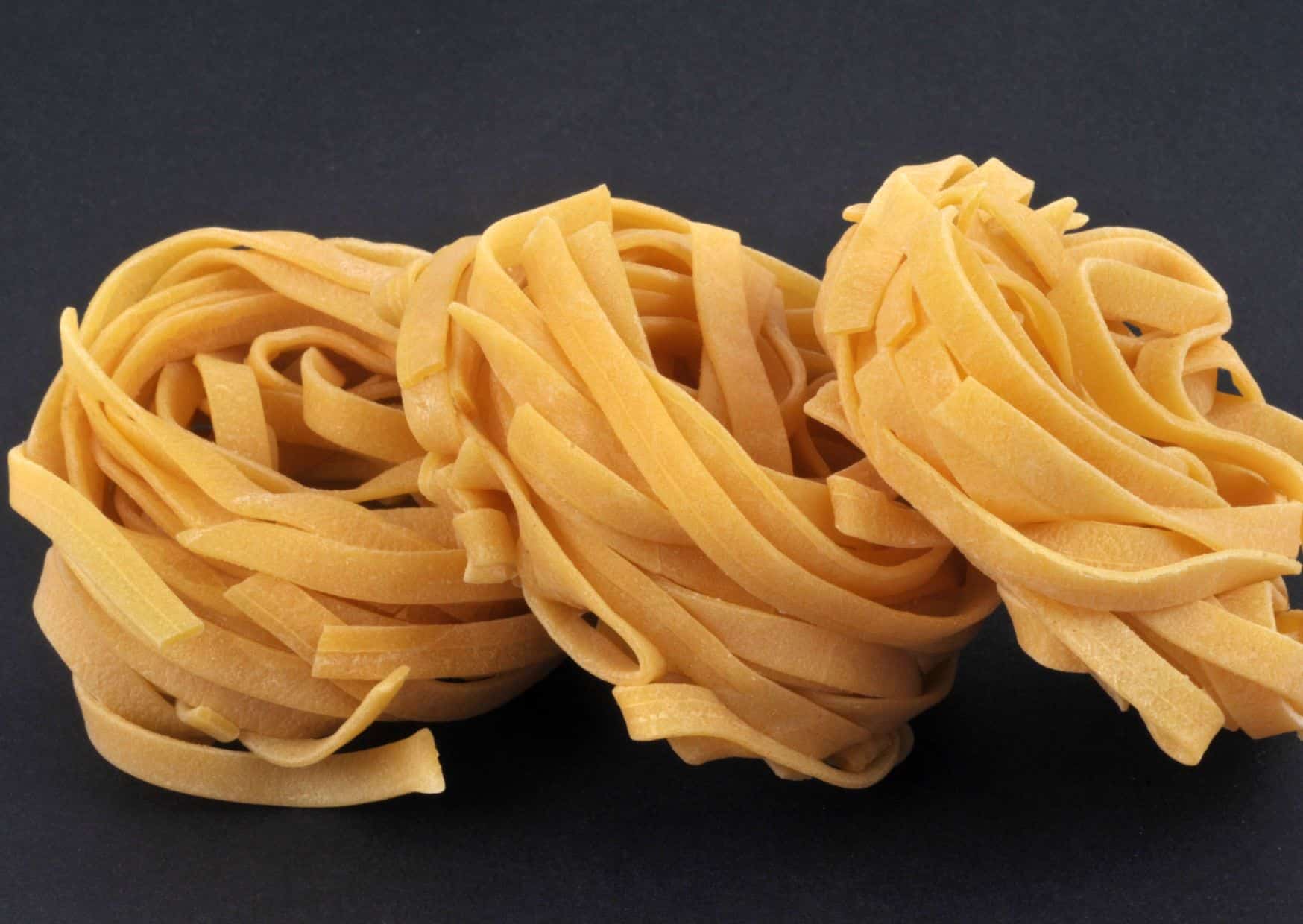
For the Tagliatelle:
400 g (14 oz) fresh or dried tagliatelle pasta
Salt for the pasta water
For the Pesto Sauce:
2 cups fresh basil leaves, packed
1/4 cup pine nuts (or walnuts as a substitute)
2 garlic cloves
1/2 cup extra virgin olive oil
1/2 cup grated Parmesan cheese
1/4 cup grated Pecorino Romano (optional, for added depth)
Salt and freshly ground black pepper, to taste
For Garnish:
Extra grated Parmesan cheese
Fresh basil leaves
Get the best deals for your home and kitchen needs
Step By Step How to Make Tagliatelle al Pesto
Cook the Pasta
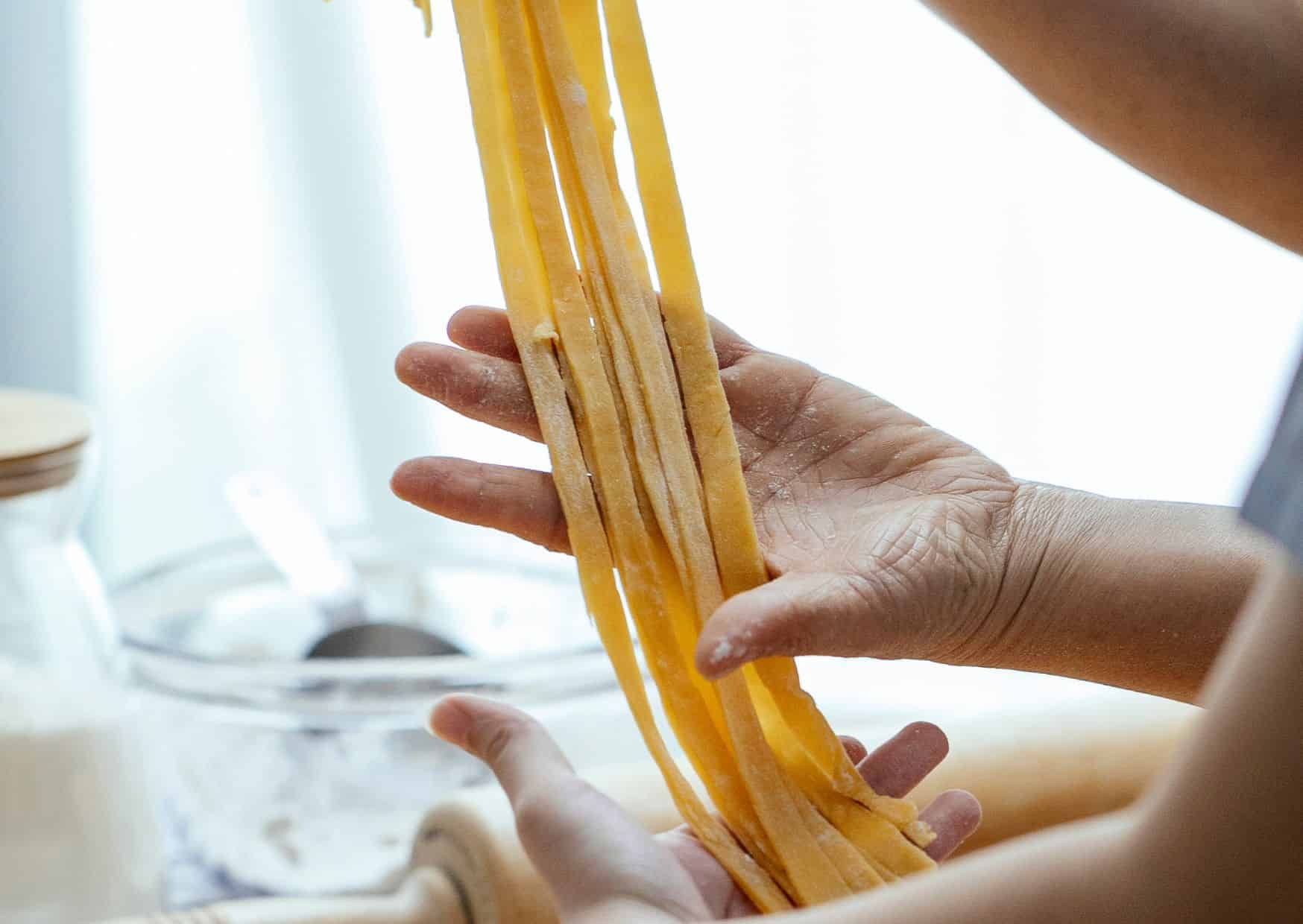
Bring a large pot of salted water to a boil. Add the tagliatelle and cook until al dente, following the package instructions. Reserve 1/4 cup of pasta water before draining the pasta.
Prepare the Pesto Sauce
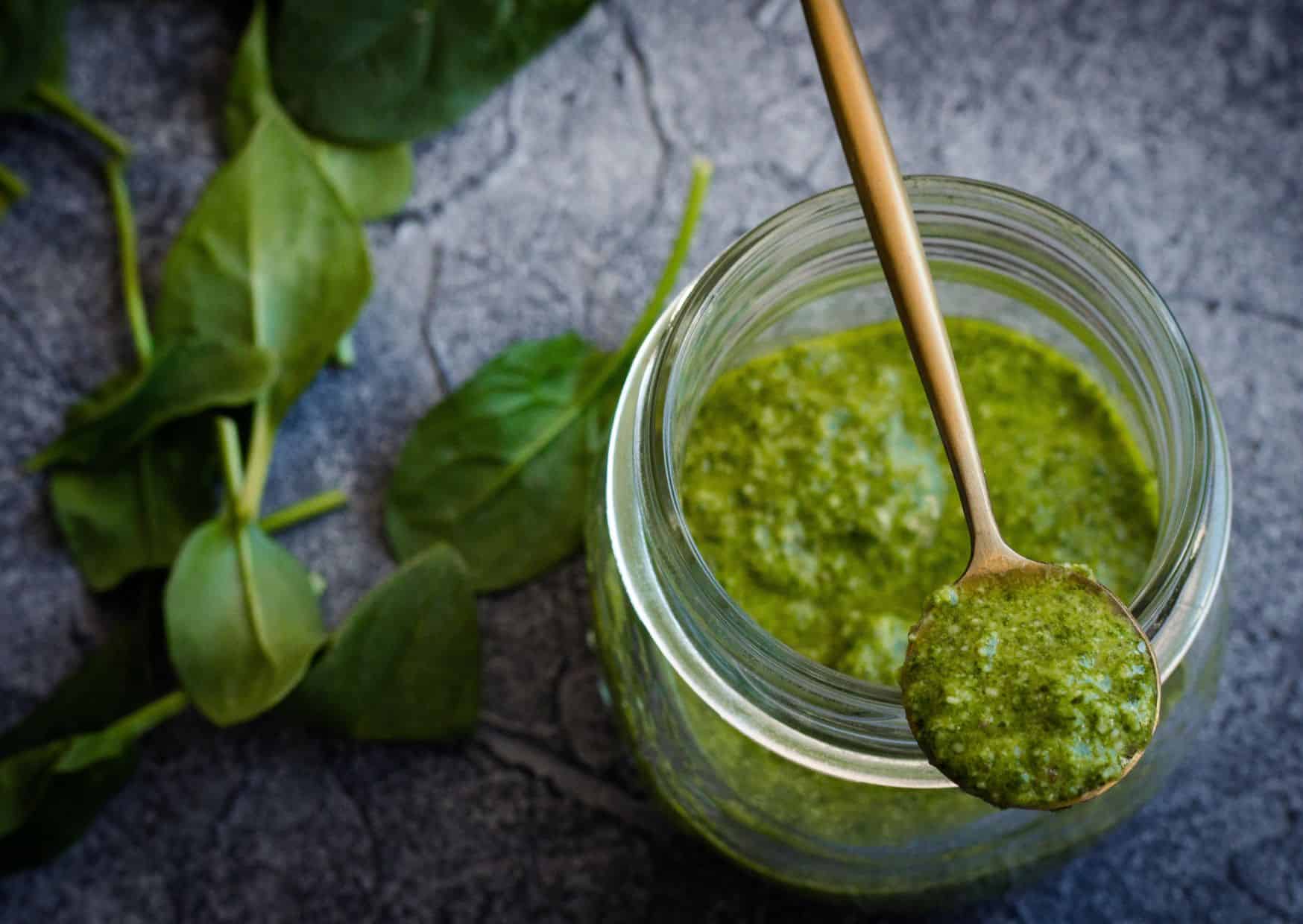
Lightly toast the pine nuts in a dry skillet over medium heat until golden and fragrant. Set aside to cool. In a food processor, combine basil leaves, toasted pine nuts, garlic, Parmesan cheese, and Pecorino Romano (if using).
With the food processor running, slowly drizzle in the olive oil until the mixture forms a smooth paste.
Add salt and freshly ground black pepper to taste. Adjust the consistency with a splash of water or olive oil if necessary.
Combine Pasta and Pesto
Transfer the cooked tagliatelle to a large mixing bowl or back into the pot. Add the pesto sauce and toss gently to coat the pasta evenly. If the sauce is too thick, add a splash of reserved pasta water to loosen it. Mix until the pasta is thoroughly coated and the pesto is evenly distributed.
Serve
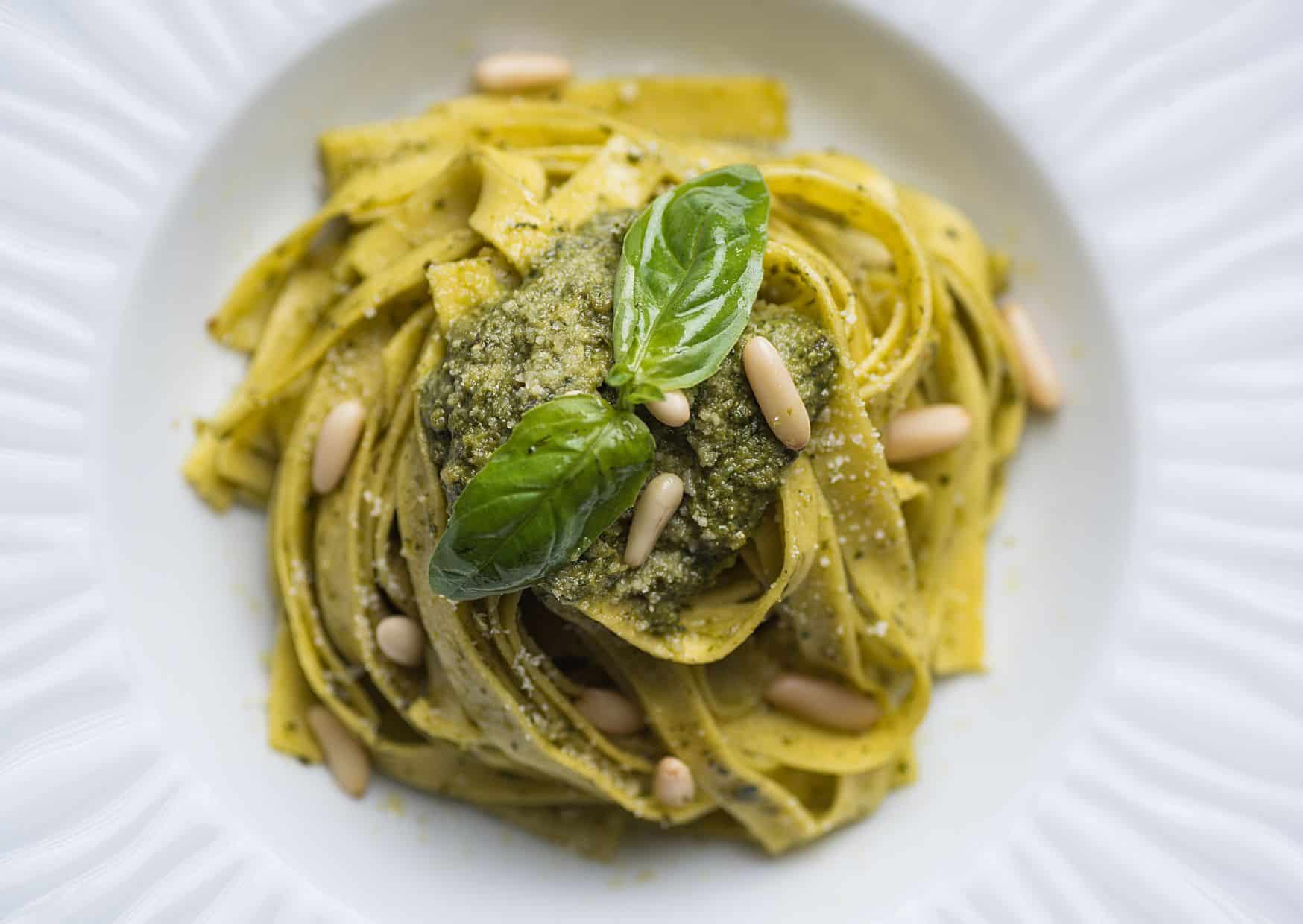
Divide the pasta among plates. Garnish with additional Parmesan cheese and a few fresh basil leaves. Serve immediately and enjoy the fresh flavors of homemade pesto.
Tips To Make Tagliatelle al Pesto
Fresh, vibrant basil leaves are essential for authentic pesto. Avoid using wilted or old leaves. Keeping the ingredients slightly cool helps preserve the bright green color of the pesto.
For a creamier pesto, stir in a spoonful of mascarpone or cream just before serving. Pine nuts are traditional, but walnuts or almonds work well for a different twist.
Serve with a crisp white wine like Vermentino or Pinot Grigio.
How Many Calories Have Tagliatelle al Pesto
Approximately 450–550 calories (based on ingredients and serving size)
Tagliatelle: ~200 calories
Pesto Sauce (Basil, Pine Nuts, Olive Oil, and Cheese): ~250–350 calories
Origin and History
Tagliatelle al pesto blends two of Italy’s most celebrated regional traditions. Pesto originated in Liguria, particularly Genoa, where basil grows abundantly along the Mediterranean coast. The earliest versions of pesto date back to Roman times, but the modern basil-based sauce emerged in the 19th century as a staple of Genoese home cooking. Traditionally, pestos were ground by hand using a mortar and pestle, producing a fragrant, silky sauce that captured the essence of the region’s herbs and olive oil.
Tagliatelle, meanwhile, comes from Emilia-Romagna, hundreds of miles away. This long, flat pasta was created as a homemade staple, rolled and cut by hand for Sunday family meals. Unlike linguine or spaghetti, tagliatelle has a soft, delicate texture that absorbs sauces beautifully. It was never designed for showiness; it was designed for nourishment and family gatherings.
When pesto met tagliatelle, it wasn’t through tradition but through Italy’s natural tendency to mix regional influences. Travelers, home cooks, and restaurants began pairing Ligurian pesto with fresh egg pasta from northern Italy. The combination became quietly beloved, and although not as globally recognized as pesto with trofie or linguine, tagliatelle al pesto has become one of the simplest and most satisfying ways to celebrate Italian flavor and craftsmanship at home.
One recurring debate is whether pesto must be made strictly with a mortar and pestle. Purists argue that food processors bruise the basil and heat the sauce, dulling its flavor. Others counter that modern kitchens need convenience, and that high-quality ingredients matter more than tools. While both sides make compelling points, Italians themselves often blend tradition with practicality, depending on the occasion.
Another controversy involves cheese selection. Traditional Genoese pesto uses a mix of Parmigiano-Reggiano and Pecorino, but many cooks simplify by using only parmesan. Some say Pecorino’s sharper taste is essential for authenticity. Others prefer the gentler flavor of parmesan alone. There’s also ongoing debate about pine nuts are they essential, or can walnuts substitute without sacrilege? Regional cooks disagree passionately.
The pasta pairing is also debated. Ligurians swear that trofie or trenette are the rightful companions to pesto. But many Italians outside Liguria embrace tagliatelle for its tender texture and ability to hold sauce. Some purists push back on this pairing, but home cooks across the country continue making tagliatelle al pesto because it simply tastes good. In Italian cuisine, tradition matters, but practicality and pleasure matter just as much.
How Long You Take to Prepare
Tagliatelle al pesto is fast and straightforward, typically taking 20 to 30 minutes from start to finish. Preparing the pesto itself takes 5 to 10 minutes, whether you use a mortar and pestle or a food processor. The key ingredients fresh basil, garlic, pine nuts, parmesan, Pecorino, and olive oil come together quickly once blended or crushed.
Cooking the tagliatelle takes another 8 to 12 minutes, depending on whether you’re using fresh or dried pasta. Fresh tagliatelle cooks in just a few minutes, while dried versions need slightly longer. Most of the cooking process overlaps with pesto preparation, making the dish incredibly efficient even on busy nights.
Assembling the dish takes only 2 to 3 minutes more. A small splash of pasta water helps emulsify the pesto, turning it into a velvety sauce that coats every ribbon of pasta. The final toss should be gentle to avoid bruising the basil further, preserving the sauce’s aroma. Once everything is combined, it’s ready to serve immediately.
Serving Suggestions
Tagliatelle al pesto shines when served simply, without heavy sides that distract from its freshness. A crisp green salad with lemon vinaigrette adds brightness and complements the herbal richness of the pesto. A few cherry tomatoes, sliced and lightly salted, also pair beautifully, providing color and acidity.
For a heartier plate, you can serve the pasta with grilled chicken, roasted zucchini, or sautéed mushrooms. These additions bring deeper, savory notes that match well with pesto’s herbal intensity. Italians avoid pairing pesto with red meat, but lighter proteins and vegetables fit naturally.
If you’re serving this dish for guests, accompany it with a chilled white wine like Vermentino or Pinot Grigio. A side of crusty bread or focaccia also works well, especially for scooping up any pesto remaining on the plate. The key is keeping everything simple and letting the pasta remain the star.
Final Thoughts
Tagliatelle al pesto may seem like a modern mash-up of Italian regions, but it perfectly embodies the country’s culinary philosophy: celebrate quality ingredients, keep technique simple, and let flavor take center stage. Once you taste how well fresh pasta and herb-packed pesto complement one another, it’s easy to understand why this dish has quietly won a place in Italian kitchens.
Making it at home connects you to Italian cooking as it’s truly practiced not restricted by strict rules, but guided by instinct and comfort. The dish is quick, approachable, and endlessly adaptable. You don’t need restaurant skills or elaborate tools, just fresh basil, good olive oil, and a little patience.
Once you master tagliatelle al pesto, it becomes a recipe you return to over and over. It’s humble, fragrant, and vibrant a dish that proves real Italian food isn’t about complexity, but about capturing flavor in its purest form.

About the Author: Ruben, co-founder of Gamintraveler.com since 2014, is a seasoned traveler from Spain who has explored over 100 countries since 2009. Known for his extensive travel adventures across South America, Europe, the US, Australia, New Zealand, Asia, and Africa, Ruben combines his passion for adventurous yet sustainable living with his love for cycling, highlighted by his remarkable 5-month bicycle journey from Spain to Norway. He currently resides in Spain, where he continues sharing his travel experiences with his partner, Rachel, and their son, Han.