
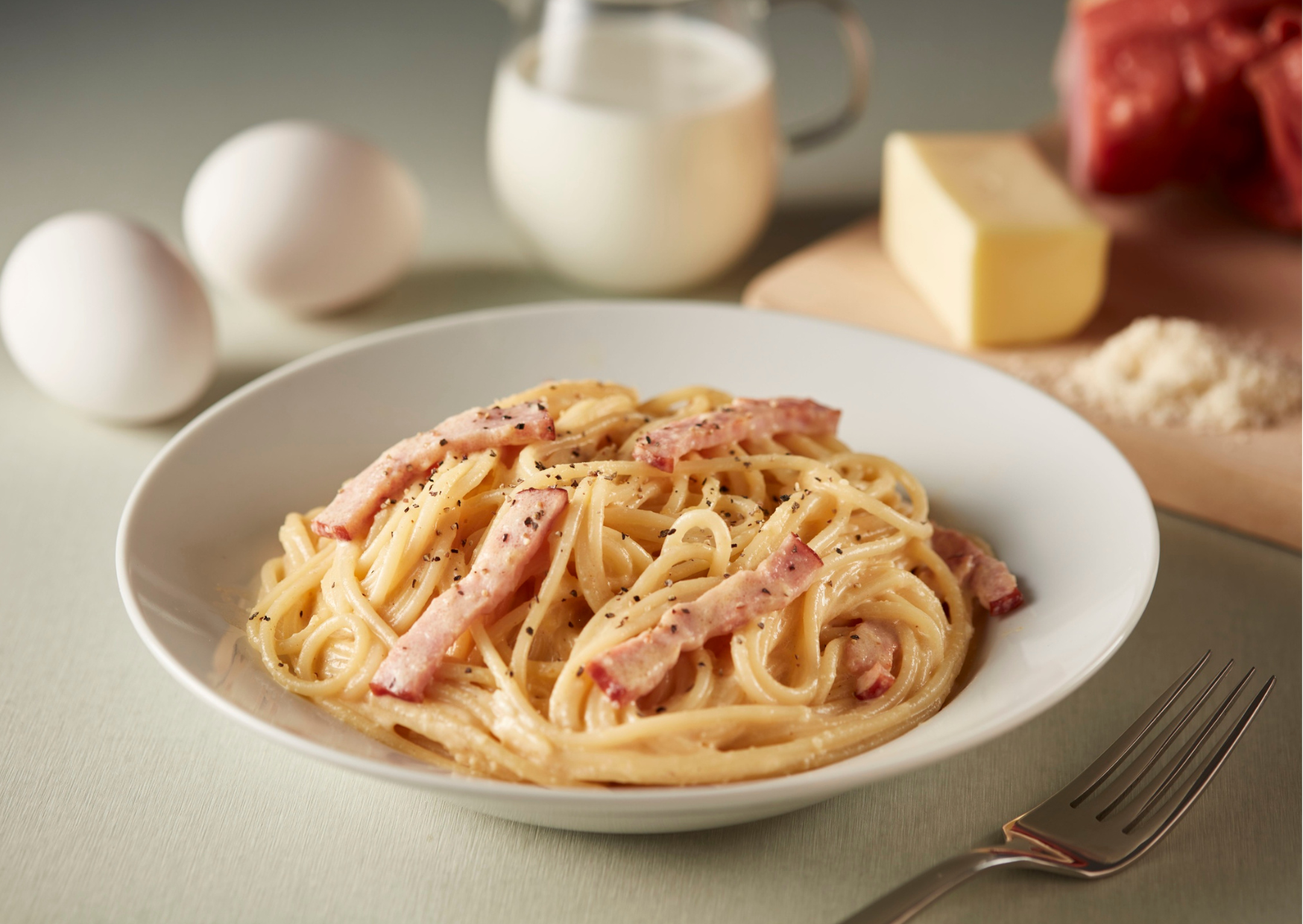
If your carbonara involves cream, garlic, peas, or a jar, you did not make carbonara. You made pasta with regrets. Here’s the Roman version that tastes like silk and takes less time than your dishwasher cycle.
Carbonara is one of those dishes Americans think they “upgraded” by making it richer.
Romans hear that and blink slowly, like they’re deciding whether to argue or just walk away.
Because the whole point of carbonara is restraint. It’s supposed to taste deep without tasting heavy. It’s supposed to cling to pasta without becoming soup. It’s supposed to feel like you pulled off something fancy even though you used four ingredients and a little nerve.
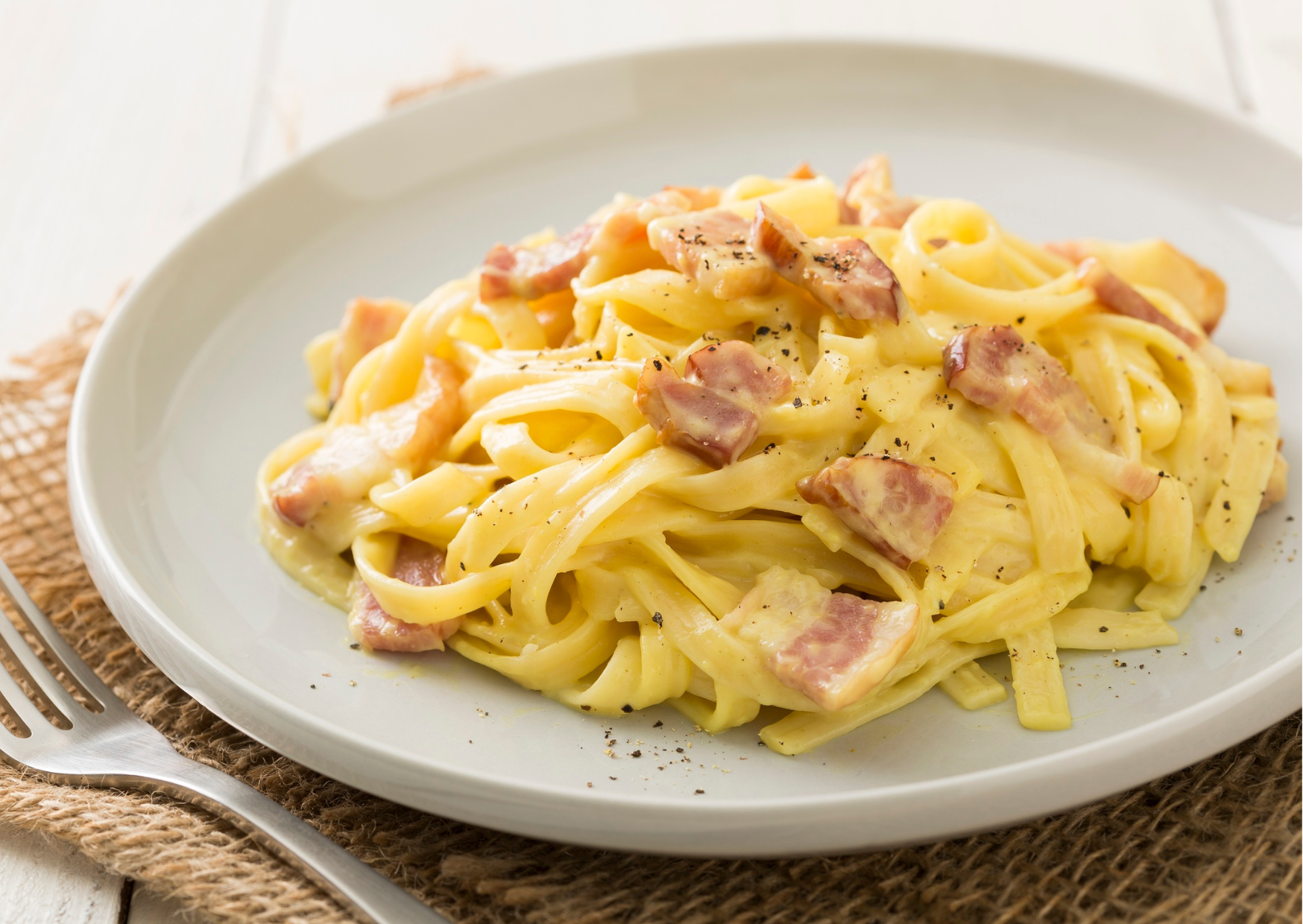
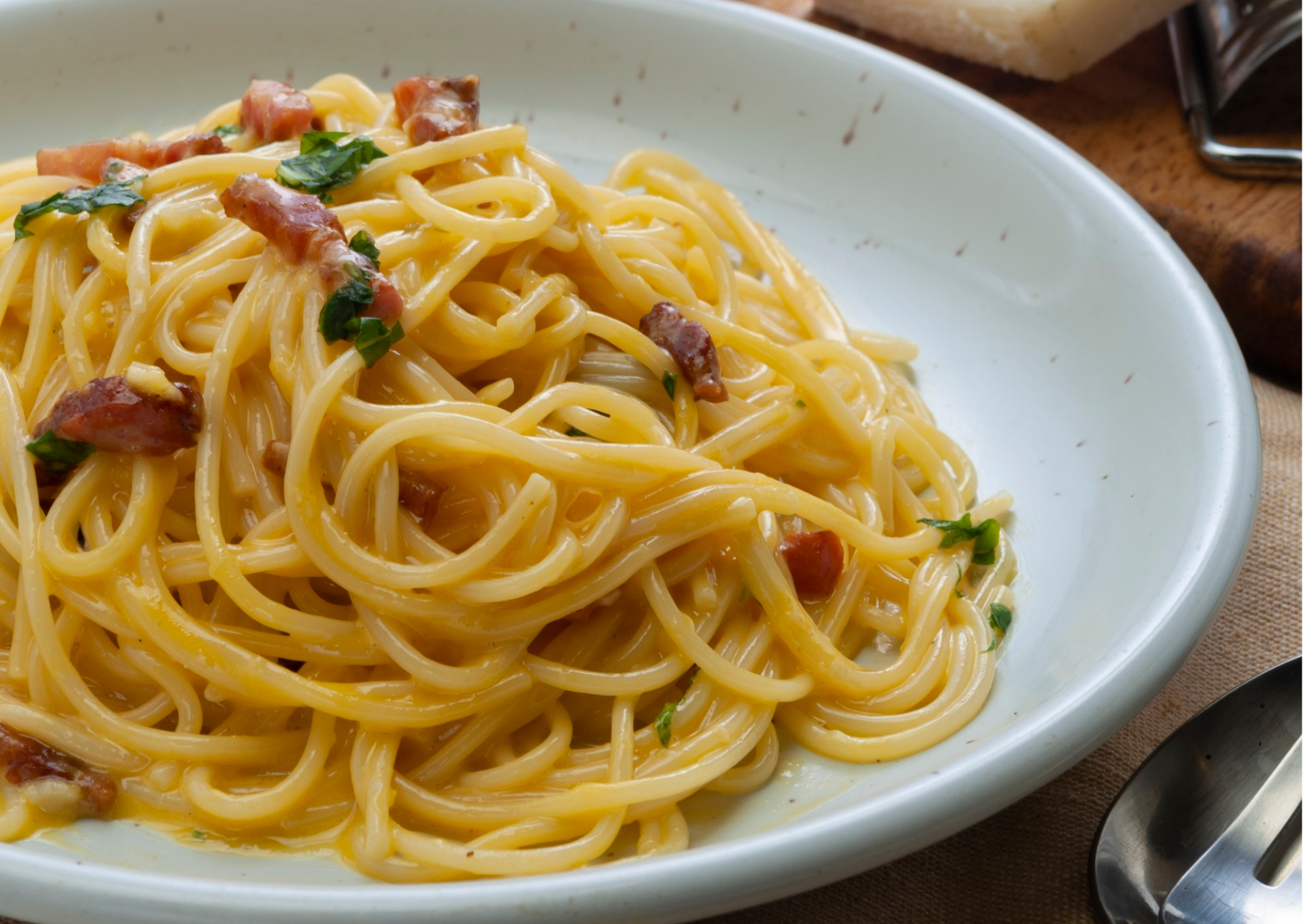
Done right, it’s not greasy. It’s not eggy. It’s not creamy in the dairy sense. It’s a glossy emulsion of egg, cheese, pork fat, and starchy pasta water that coats every strand and makes you wonder why anyone ever added cream in the first place.
You do need one thing Americans tend to skip: the right pork. And the second thing: control your heat so you don’t end up with scrambled eggs and sadness.
Carbonara is a tight recipe with one brutal rule
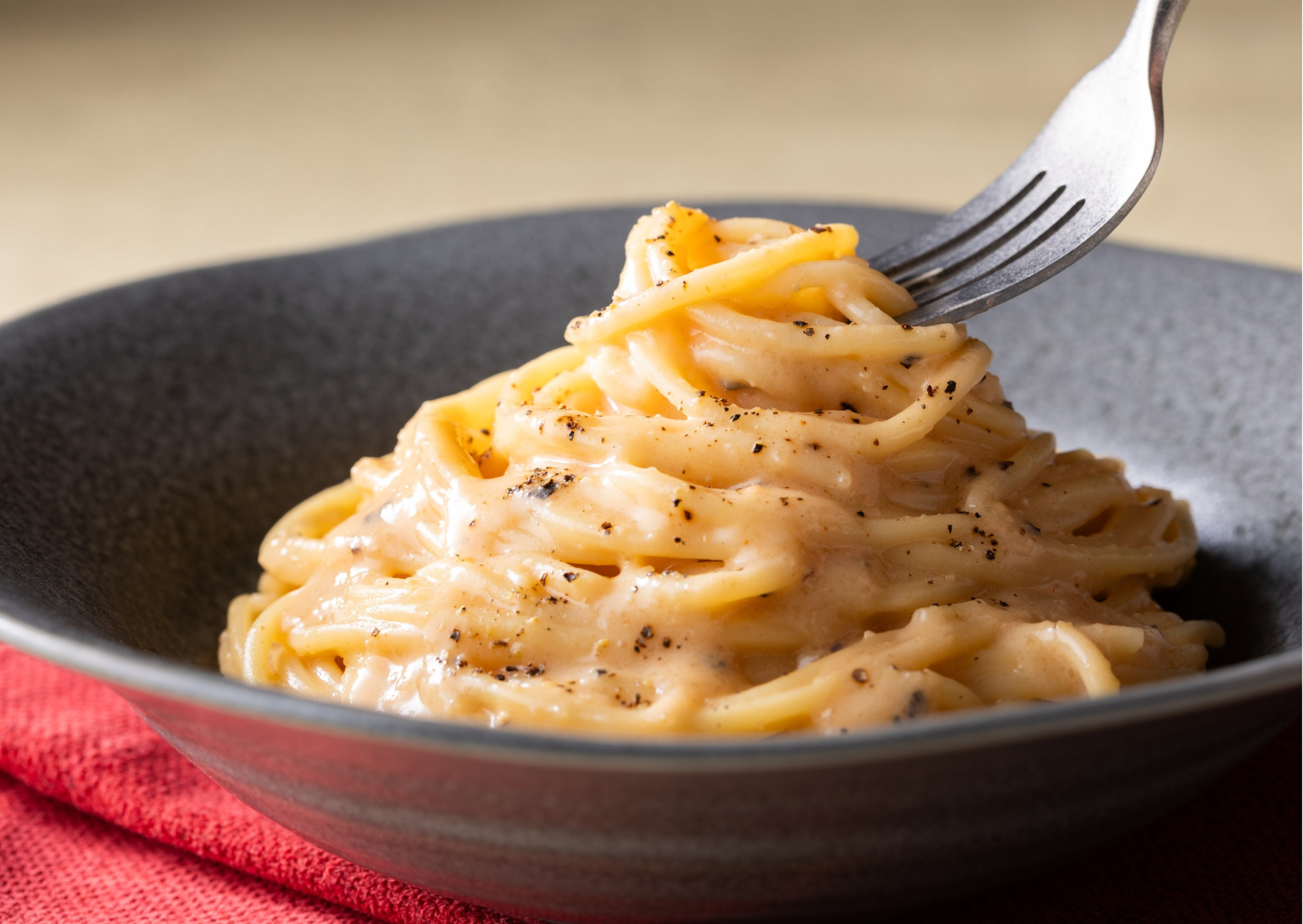
The Roman idea of carbonara is basically this: you are not making “a sauce.” You are building an emulsion. That’s why the ingredient list is short and why the technique matters more than the shopping.
A traditional Roman carbonara is built around guanciale, Pecorino Romano, egg yolks, and black pepper. Pasta is the vehicle, usually spaghetti, rigatoni, or tonnarelli. Salt goes in the water, not in the bowl.
That’s it.
If you add cream, you’re masking the emulsion. If you add garlic, you’re changing the profile. If you add smoked bacon, you’re turning it into a different dish with a different aroma. If you add peas, you’re making it look like a 1997 brunch menu.
The rule Romans care about is texture. Carbonara should be glossy, not runny. It should cling, not pool. It should feel rich, but not thick.
Two specific decisions make or break that texture:
- You need enough starchy pasta water to help the sauce bind.
- You need to keep the egg mixture below the point where it becomes an omelet.
This is why the “cream carbonara” version is so common in the U.S. Cream hides mistakes. Roman carbonara exposes them.
If you’re making this for the first time, accept that your first success isn’t about perfection. It’s about hitting the correct temperature window and moving fast at the end.
Ingredients Romans actually mean when they say “carbonara”
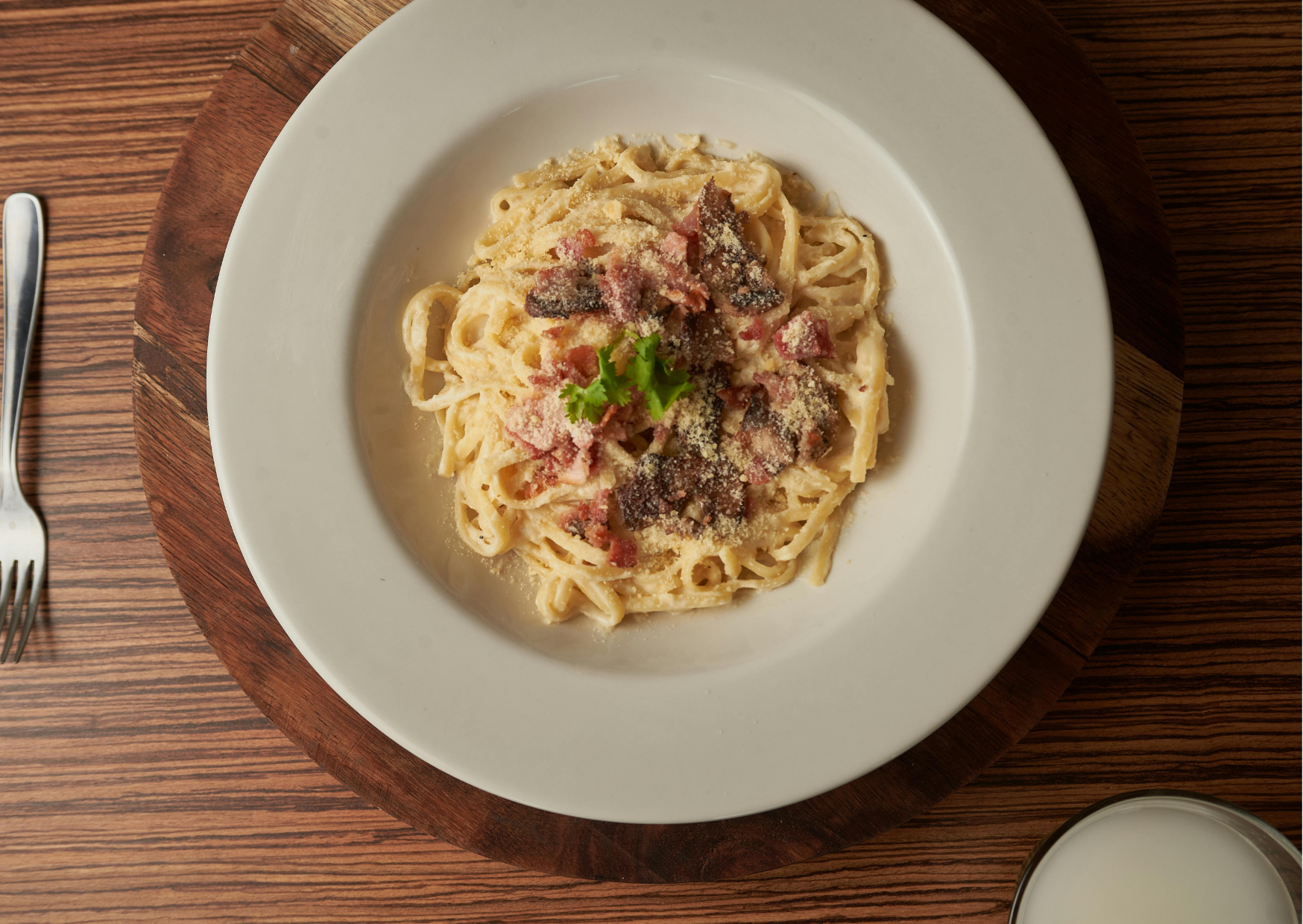
Let’s be blunt: you can make a tasty pasta dish with bacon and Parmesan. You just shouldn’t call it carbonara in front of anyone from Rome unless you enjoy being corrected.
Here’s what each ingredient does, and what happens when you swap it.
Guanciale (cured pork jowl) is the fat engine. It renders a clean, sweet pork fat that turns the egg and cheese into silk. Pancetta works in a pinch. Bacon changes the whole dish because smoke dominates and the fat behaves differently. If you’re stuck with bacon, use unsmoked if you can and reduce the amount, because it’s louder.
Pecorino Romano DOP is sharp, salty, and sheepy. It’s the bite. Parmesan is softer and nuttier. Many modern Roman cooks will blend cheeses, but if you want the classic profile, keep it mostly pecorino. The key is grating it very fine so it melts fast.
Egg yolks make the sauce. Whole eggs can work, but yolks give you that custardy mouthfeel without making the sauce watery. If you go too yolk-heavy without enough water and fat, it can feel thick. The balance matters.
Black pepper is not decoration. It’s part of the flavor structure. Use freshly cracked pepper, not dust.
And pasta matters more than people admit. Use a bronze-die spaghetti or rigatoni if you can because the surface texture helps the sauce cling. Not mandatory, but it helps.
One small, practical note for Spain: guanciale and pecorino are easy to find now, but the price swings by shop. In mainstream supermarkets you’ll often see grated Pecorino Romano around €2.99 for 60 g, which is convenient but pricier per kilo than a wedge. Specialty shops commonly sell pecorino wedges around €3.90 per 100 g and guanciale around €38.50 per kilo. That sounds expensive until you realize you’re using a small amount for four plates.
This is not a “cheap meal” if you buy fancy everything. It can still be a very reasonable meal per serving if you buy the right quantities and stop treating guanciale like it’s gold.
Shopping list, equipment, and the small choices that prevent failure
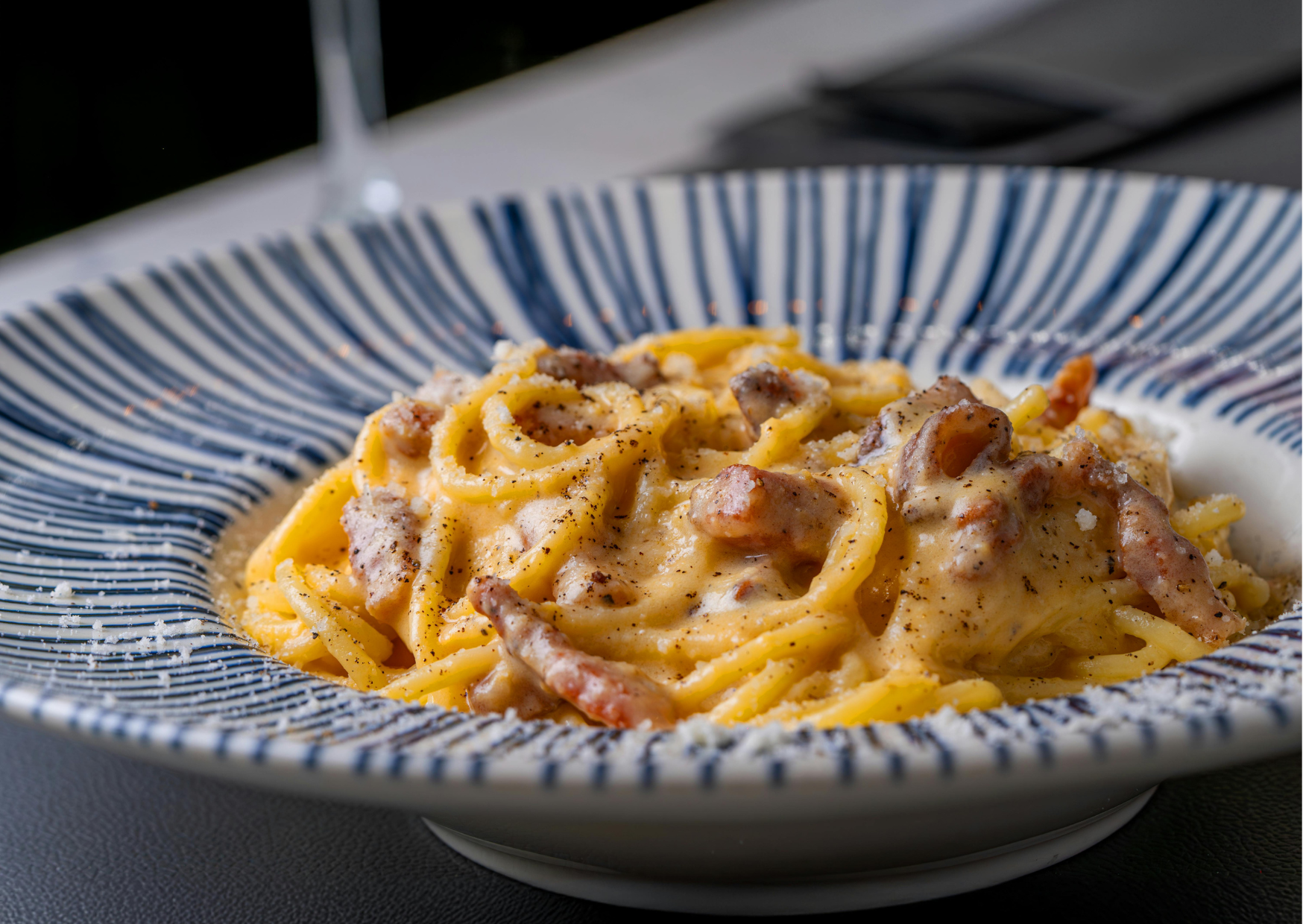
You don’t need a chef’s setup. You need the right bowl, the right pan, and the discipline to turn off the heat when it’s time.
Shopping list for 4 servings
- Spaghetti or rigatoni: 400 g (about 14 oz)
- Guanciale: 160 g (about 5.5 oz)
- Pecorino Romano, finely grated: 100 g (about 1 packed cup when finely grated)
- Egg yolks: 4 yolks (use the whites for something else)
- Black pepper: 2 tsp, freshly cracked, plus more for serving
- Salt for pasta water: 10 g (about 2 tsp) per 2 liters of water
Optional, but useful:
- Extra pecorino for finishing: 20 g
- A small splash of olive oil only if your guanciale is very lean, which is rare
Equipment
- Large pot for pasta
- Large skillet or sauté pan
- Tongs (or a pasta spider)
- Heatproof mixing bowl (metal or thick ceramic works well)
- Whisk or fork
- Microplane or fine grater
- Measuring cup for pasta water
- Optional: instant-read thermometer for confidence
The two equipment choices that matter most are the bowl and the pan. A thin plastic bowl makes the sauce harder to control. A heavy bowl helps you manage heat gently. A pan with a wide surface helps guanciale crisp evenly.
Also, make peace with this: the last two minutes require focus. Carbonara isn’t hard, it’s just fast.
The real Roman carbonara recipe
Servings
4
Time
- Prep time: 10 minutes
- Active time: 15 minutes
- Rest time: 2 minutes
- Total time: 27 minutes
Optional temperature step
If you like a warmer serving experience, warm your bowls at 80°C / 175°F for 5 minutes, then turn the oven off. Not required, but it helps the sauce stay silky longer.
Ingredients
- Pasta: 400 g spaghetti or rigatoni
- Guanciale: 160 g, cut into batons (about 1 cm thick)
- Pecorino Romano: 100 g, finely grated
- Egg yolks: 4
- Black pepper: 2 tsp freshly cracked
- Pasta water: 150 to 250 ml reserved (start small, add as needed)
- Salt: for pasta water
Method
- Start the water.
Bring a large pot of water to a full boil. Salt it. Keep it at a steady boil. - Cut and render the guanciale.
Put guanciale in a cold pan. Turn heat to medium-low. Let it render slowly for 6 to 8 minutes, stirring occasionally, until you have a pool of fat and the pieces are crisp on the edges but still a bit chewy. Turn off the heat. Leave guanciale and fat in the pan. - Build the egg and cheese base.
In a heatproof bowl, whisk egg yolks with grated pecorino and black pepper. It should look like a thick paste. If it looks dry, that’s fine. Pasta water will loosen it. - Cook the pasta.
Cook pasta until very al dente. If the box says 10 minutes, pull it at 8. You want it to finish in the sauce. - Reserve pasta water.
Before you drain, scoop out 250 ml of pasta water. You probably won’t use it all, but you want it ready. - Temper the sauce, not the eggs.
Add 2 to 3 tbsp of hot pasta water to the egg-cheese bowl and whisk fast. This loosens the paste and helps prevent scrambling. - Combine fast, off heat.
Add drained pasta to the guanciale pan (heat still off). Toss to coat in the rendered fat. Now add the pasta to the egg-cheese bowl (or pour the egg mixture over the pasta in a large bowl) and toss vigorously with tongs. Add pasta water a splash at a time until the sauce turns glossy and coats the pasta. - Rest briefly, then serve.
Let it sit 2 minutes so the sauce settles. Serve immediately with extra pepper and a little more pecorino.
The texture check
Your goal is silky and glossy, not thick. If it looks tight, add more pasta water. If it looks soupy, you added too much water too early, keep tossing and it will tighten slightly as it cools.
If you want a safety number: the sauce stays safe and silky when you keep it below roughly 70°C / 158°F while mixing. You don’t need a thermometer, but it’s helpful the first time.
Why this works, and why cream is the lazy shortcut
Cream-based “carbonara” works because dairy fat and starch make a stable, forgiving sauce. It also tastes like an entirely different dish.
Roman carbonara works because of three things that show up in the last minute:
- Rendered guanciale fat coats the pasta and carries flavor.
- Pecorino proteins melt and thicken when hydrated properly.
- Egg yolks emulsify with fat and water when the temperature is controlled.
Pasta water is the bridge. It contains starch, and starch helps bind fat and water into something that feels creamy without actual cream.
The only real enemy is overheating the eggs.
Americans often scramble the sauce because they keep the pan on the burner and pour in the egg mixture like it’s Alfredo. Then they panic and add cream to “fix it.” That doesn’t fix it. It just covers it.
The more Roman approach is boring and effective: you turn off the heat, you move quickly, and you use water as your control knob.
If you do it correctly once, you’ll notice something strange. The dish feels rich, but you don’t feel heavy afterward. That’s because the sauce is thin and glossy, not thickened with dairy.
Carbonara is not supposed to feel like a dairy blanket. It’s supposed to feel like a good coat.
The most common American carbonara mistakes and how to avoid them
Most carbonara failures come from the same handful of moves.
Mistake 1: adding cream because you don’t trust the emulsion.
Fix: trust pasta water. Add it gradually. Keep tossing until you see shine.
Mistake 2: cooking the eggs over direct heat.
Fix: turn the heat off before you introduce eggs. The pasta carries enough heat.
Mistake 3: using pre-grated cheese and expecting it to melt nicely.
Fix: grate fresh. Pre-grated cheese often contains anti-caking agents and melts differently.
Mistake 4: under-rendering the guanciale.
Fix: start cold, go slow. You want fat in the pan. Without it, the sauce feels dry.
Mistake 5: forgetting the pepper is part of the dish.
Fix: crack it fresh. Use more than you think. Carbonara without pepper tastes flat.
Mistake 6: over-salting because pecorino is already salty.
Fix: salt the pasta water moderately, then taste before adding any extra salt at the end.
Mistake 7: waiting too long to serve.
Fix: carbonara is a now-food. If you let it sit, it tightens and loses its shine. Serve immediately.
If you want one habit that makes everything easier, it’s this: have your bowl ready and your cheese grated before the pasta hits the water. Carbonara punishes chaos.
A 7-day plan for using the ingredients without wasting anything
Carbonara is a great dish for January and February cooking because it’s fast, satisfying, and built from pantry-ish ingredients. The trick is buying smart so you don’t end up with half a guanciale and no plan.
Here’s a simple week that uses everything.
Day 1: Carbonara night
Make the recipe above. Save the egg whites.
Day 2: Egg-white lunch
Make a quick tortilla-style omelet or add whites to a vegetable scramble. Use leftover pecorino as seasoning.
Day 3: Pasta alla gricia
Same guanciale, pecorino, and pepper, no egg. It’s carbonara’s simpler sibling and it uses the same shopping.
Day 4: Beans or greens with guanciale
Crisp a few guanciale cubes and toss them into white beans, lentils, or sautéed greens. You’re basically seasoning the whole dish with one loud ingredient.
Day 5: Market salad and pecorino
Shave pecorino over tomatoes, arugula, and olive oil. It’s not fancy. It’s correct.
Day 6: Pantry pasta
Use the remaining pecorino to elevate a basic pasta with olive oil, pepper, and a little lemon zest.
Day 7: Reset day
Decide if carbonara becomes your repeat meal. If it does, buy guanciale and pecorino in slightly larger quantities. The per-serving cost drops fast when you stop buying tiny packets.
If you’re cooking for two, the easiest adjustment is simple: use 200 g pasta, 2 yolks, 80 g guanciale, and 50 g pecorino, then scale pasta water as needed.

About the Author: Ruben, co-founder of Gamintraveler.com since 2014, is a seasoned traveler from Spain who has explored over 100 countries since 2009. Known for his extensive travel adventures across South America, Europe, the US, Australia, New Zealand, Asia, and Africa, Ruben combines his passion for adventurous yet sustainable living with his love for cycling, highlighted by his remarkable 5-month bicycle journey from Spain to Norway. He currently resides in Spain, where he continues sharing his travel experiences with his partner, Rachel, and their son, Han.