
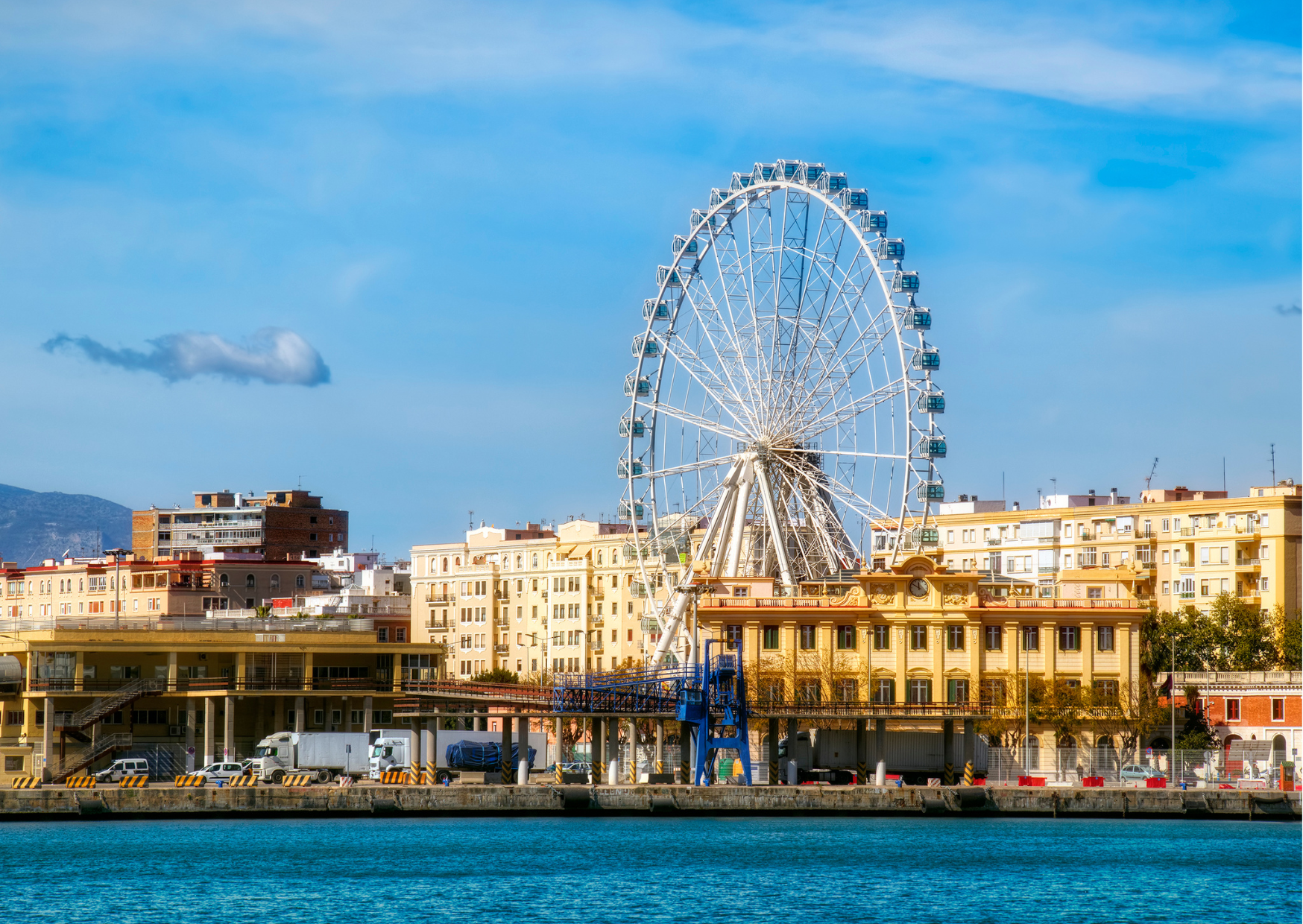
The first thing that surprises people is how quickly Malaga stops feeling like a trip.
Day 3, you already have a “my bakery” and a “my corner” at the café. Day 6, you stop checking maps. By week two, you have a preferred walk that loops past the water, cuts through a park, and ends at a market stall where someone recognizes you.
That is the whole point of a one-month test.
A lot of Americans do Spain by collecting cities. Malaga works best when you do the opposite. You pick a base, repeat your routes, and let the city reveal whether it can hold your ordinary life, not just your sightseeing appetite.
And yes, the weather helps. So does the airport. So does the fact that Malaga is a real working city that also happens to have a beach, which is a rare combination.
If you are deciding where to spend a month to test Europe at human speed, Malaga is the quiet overachiever. Not as hyped as Barcelona, not as curated as Lisbon, and that is why it works.
Malaga is a city you can live in immediately, even if you do not “do everything”
Malaga has the rare ability to meet you where you are.
If you want culture, you have it. If you want beach walks, you have them. If you want to do nothing but read and eat tomatoes that taste like tomatoes, it still holds.
The slow-travel advantage is how easy it is to build a week without a car:
- Morning walk, then coffee.
- One errand loop.
- Lunch that does not turn into a two-hour event unless you want it to.
- A late-afternoon stroll that feels like therapy because the light is doing half the work.
- Dinner at home because you are not trying to prove anything.
That last part matters. A month goes off the rails when you try to eat out like it is still week one.
A mistake Americans make in Spain is picking a “pretty” place that is functionally annoying. Malaga is forgiving. You can choose a practical neighborhood and still have a life that feels Mediterranean.
If you set up your base within reach of the water and daily services, you do not need hero energy. You need consistency.
And when you hear people say they “got bored” in Malaga, it is usually because they treated the city like a resort, then blamed it for not entertaining them.
The trade-off is simple: Malaga rewards repeat routines more than relentless day trips. If you want a month that feels like a lifestyle rehearsal, that is a feature, not a flaw.
Pick your 30-day base like you are choosing your Tuesday, not your vacation photo
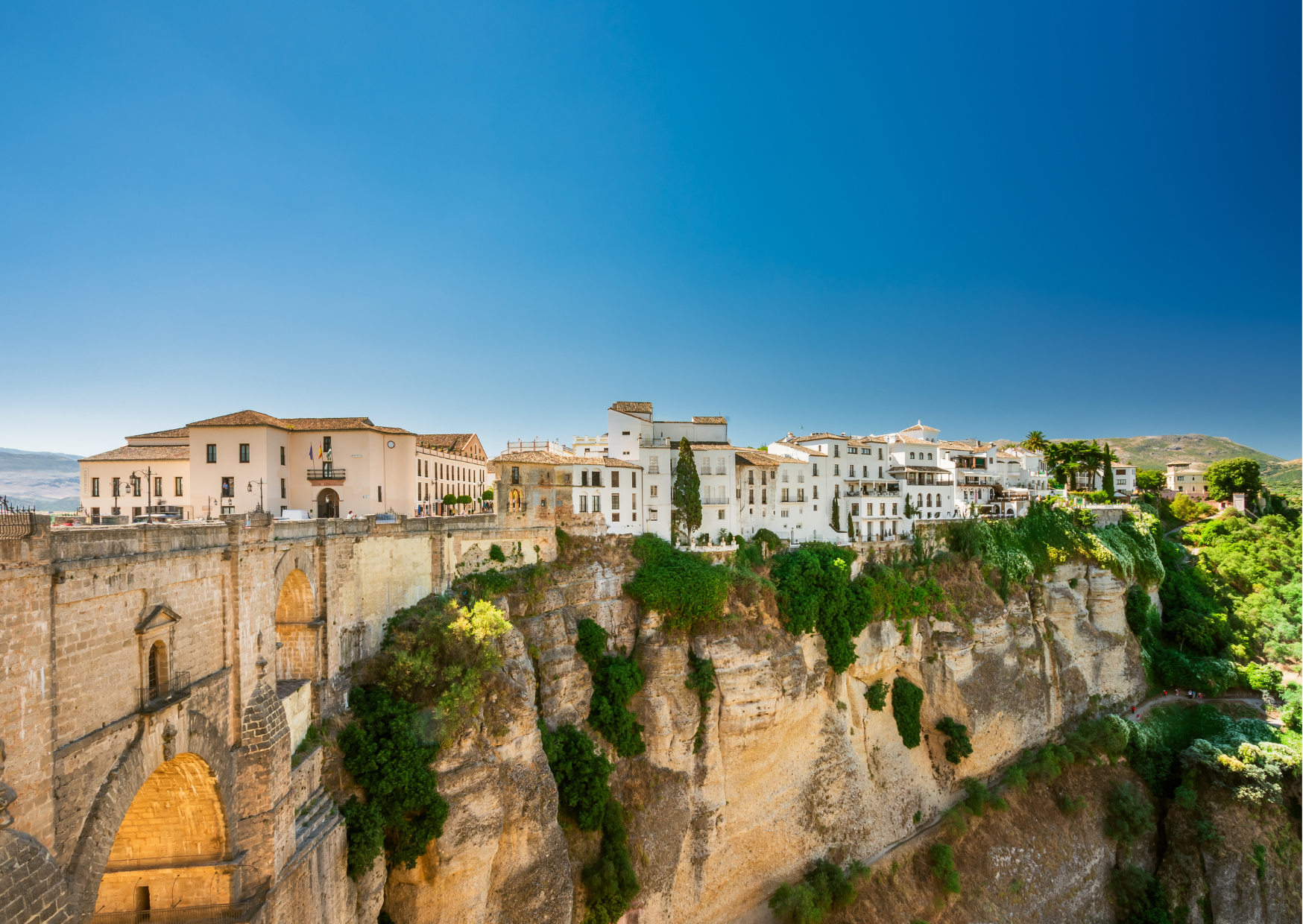
The fastest way to ruin a month is choosing an apartment that forces you to commute to your own life.
Malaga is built around neighborhood living. Your base should be close to the things you will do repeatedly: groceries, pharmacy, coffee, a walkable loop, and one reliable transit line.
Here are the bases that tend to work best for a one-month stay:
- Centro, if you want to be able to walk everywhere and you can tolerate noise and weekend energy.
- The stretch near the beach around Playa de la Malagueta, if you want the easiest sea access and do not mind paying for it.
- Huelin and parts of Carretera de Cádiz, if you want daily life, decent value, and easy transit.
- Pedregalejo and El Palo, if you want a calmer, local coastal feel and you are fine being a bit farther from the historic core.
- Teatinos, if you want newer buildings and a more residential vibe, with a student population that keeps services running.
Now the rent reality.
In December 2025, idealista reported Malaga’s average rental price at 15.8 €/m². That number is useful because it tells you the direction of travel, prices are not “cute” anymore.
For a one-month stay, you will usually pay more than a long-term lease, because furnished monthly rentals bake in flexibility and risk. If you are trying to keep the month from turning expensive, you have to make peace with “comfortable and functional” over “perfect.”
A realistic monthly rent range for a decent one-bedroom or compact two-bedroom can look like this, depending on location and season:
- Centro and beachfront zones: €1,300 to €2,200
- Residential but connected neighborhoods: €900 to €1,400
- Outer areas: €750 to €1,100, with more trade-offs
Your biggest hidden mistake is booking an apartment that looks bright in photos, then discovering it is cold and damp in real life. If your month includes winter or shoulder season, ask these questions before you book:
- What heating exists, and is it fixed or portable?
- Are the windows double-glazed?
- Is there obvious sun exposure, or is it shaded all day?
- What floor is it on, and does it get airflow?
Even one sentence in your host message can save you: you are staying a month, you want comfort, and you will pay for a place that does not make you miserable on day 19.
The trade-off here is emotional, not just financial. A slightly uglier apartment that is warm and quiet beats a beautiful one that makes you spend your afternoons “escaping” into cafés because you cannot stand being at home.
The 30-day money math for Malaga, line by line
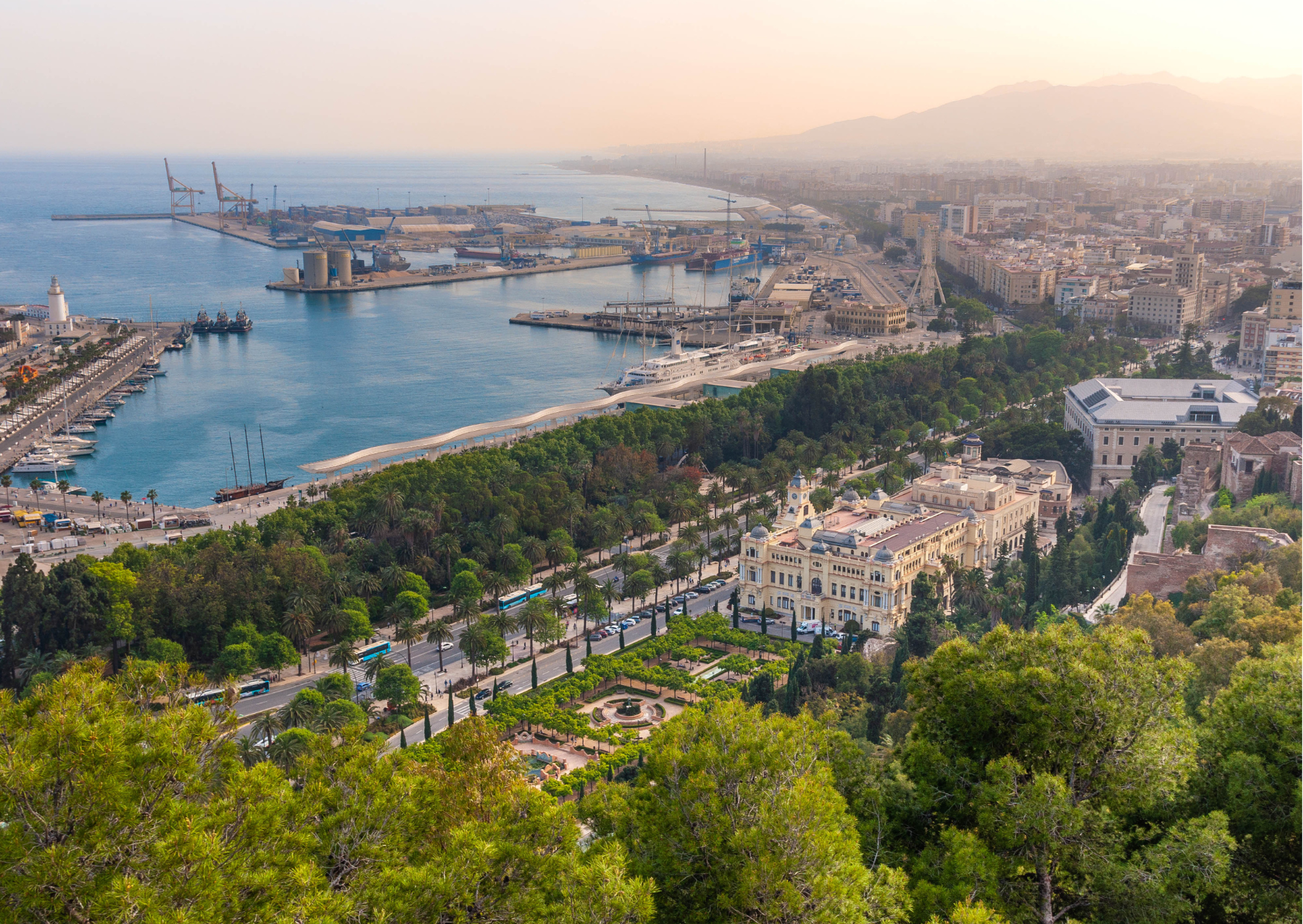
A month in Malaga can be affordable by US standards and still feel expensive if you let daily spending drift.
The goal is not to be cheap. The goal is to protect your margin so you feel relaxed.
Here is a realistic baseline for two adults doing a real-life month, not a vacation month. Assume you rent a decent apartment, you cook most dinners, and you take transit instead of taxis.
Monthly baseline for two adults: €2,900 to €4,100
- Rent: €1,050 to €1,850
- Utilities and internet: €140 to €220
- Groceries: €450 to €700
- Cafés and simple meals out: €250 to €500
- Local transport: €60 to €140
- Household and pharmacy: €180 to €350
- A buffer that saves your mood: €300
Now add the slow-travel extras that people pretend do not count:
- Two museum visits and a couple of paid attractions.
- One or two day trips.
- One “we should do something special” dinner.
That is where your month becomes €3,400, not €2,800.
If you want a tighter version of the month, your lever is simple: rent and eating out. You can be generous on groceries and still spend less than restaurants.
For reference, Numbeo estimates a single person’s monthly costs in Malaga at around 700.8€ excluding rent, and a family of four around 2,542.4€ excluding rent. Treat that as directional, not gospel, but it matches the lived reality that housing is the big variable, not groceries.
A common American mistake is anchoring on US rent and then mentally declaring everything else “basically free.” That is how you end up with a month that looks affordable on paper and still drains your savings faster than you expected.
One helpful habit for a 30-day test is tracking spending for just the first 10 days. Not forever, not like a punishment. Just long enough to catch your leak.
The trade-off is honesty. If you want the month to tell you whether Malaga fits your life, you have to live like you. Not like the “vacation version” of you.
Getting around without a car, and the tickets that actually matter
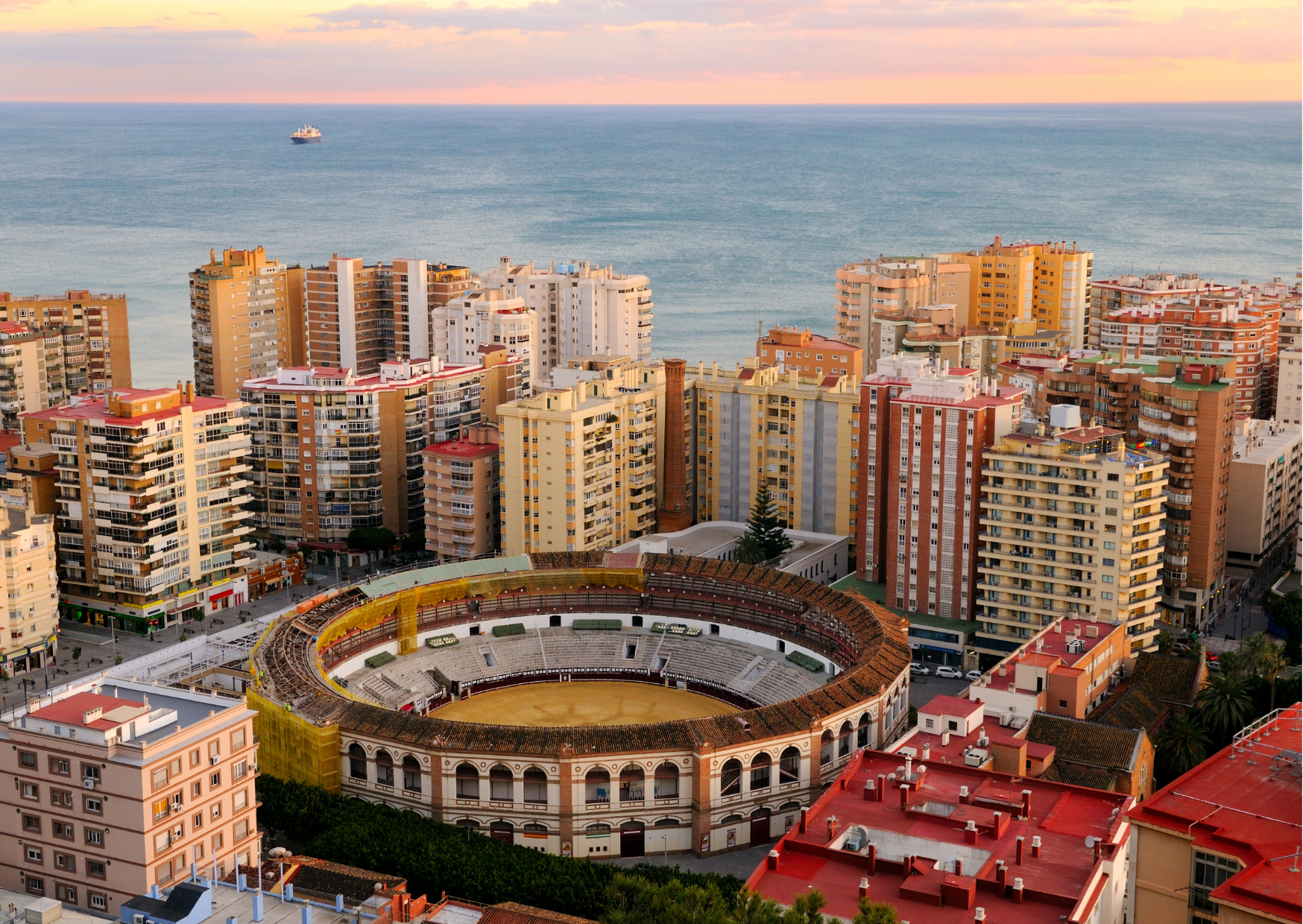
Malaga is one of the easiest coastal cities in Spain to live in without a car, if your base is chosen well.
Your movement options stack nicely:
- Walking, which covers more than you think.
- City buses, which are cheap and frequent.
- Metro, which helps in specific corridors.
- Cercanías trains for airport access and coastal hops.
Here are the prices you should know because they shape your week.
EMT city bus fares, with tariffs in effect since January 2025 and extended through 2026, list:
- Ordinary ticket €1.40
- Airport bus ticket €4.00
- 10-trip multi-ride recharge €5.00 (and it allows transfers within 1 hour)
- Monthly unlimited recharge €23.95
That €23.95 monthly option is one of those small European realities that changes how you plan your days. When your monthly pass is under 25 euros, you stop “saving transit” for special trips and start using it like a normal person.
Metro Malaga lists a fare of €0.49 for a trip, valid from 1 June 2025 to 31 December 2026, with special pricing around transfers.
For the month, you do not need to memorize maps. You need a simple weekly movement rhythm:
- Two days that are “Centro days,” where you walk and keep it local.
- Two days that are “errand days,” where you use buses or metro to do practical life fast.
- One coastal day where you ride out for a different beach or neighborhood.
- One day where you do nothing ambitious, just reset.
If you are arriving by plane, the commuter rail line to the airport is the sort of detail that makes Malaga feel easy. The Cercanías network connects the city center area with the airport and coastal towns, and it is the simplest way to avoid taxi pricing when you land tired and cranky.
The trade-off is reliability expectations. Spain is not Japan. Stuff can run late. If your personality requires everything to run to the minute, build slack into your day and do not schedule tight connections like a business traveler.
Food and café life, and how Americans accidentally make Malaga expensive
Food is where Americans either fall in love with Spain or burn their budget out of sheer enthusiasm.
Malaga makes it easy to spend money slowly. A coffee here, a pastry there, a “just tapas” dinner that turns into four rounds, and suddenly you are spending like you are in Manhattan, just with better light.
The antidote is not deprivation. It is structure.
A month works when you decide, in advance, what your “normal week” looks like.
Here is a pattern that keeps the month feeling generous without becoming sloppy:
- Groceries twice a week, bigger shops, not daily “just one thing” runs.
- Café spending most days, but keep it simple, coffee and one item, not a full brunch ritual.
- Eating out two to three times a week, and make one of them lunch, not dinner.
Lunch in Spain is often better value than dinner. Dinner is where places perform for tourists.
Also, make friends with one market. The obvious classic is Mercado Central de Atarazanas, because it anchors you to the real city. You do not have to become a food influencer. You just have to buy the ingredients that make cooking feel easy: tomatoes, fruit, eggs, a couple of fish days, and something you can throw together when you are tired.
The weekly rhythm that keeps your food life sane:
- Monday, simple pantry dinner.
- Two nights, cook something proper.
- One night, takeout or a casual neighborhood meal.
- One lunch out midweek, when the city feels less crowded.
- Weekend, pick one meal that feels like a treat.
A very common mistake is staying in a pretty apartment and then eating out constantly because the kitchen is annoying. If the kitchen makes you miserable, you will spend money to avoid it.
This is where your booking criteria matters: a decent stove, basic cookware, and a table you can actually sit at. It sounds small. It decides whether your month feels sustainable.
The trade-off is cultural. Americans often treat eating out as the main leisure activity. A month in Malaga goes better when your leisure is walking, sunlight, and conversation, and restaurants are a bonus, not the structure.
The weather is not the problem, the apartment can be
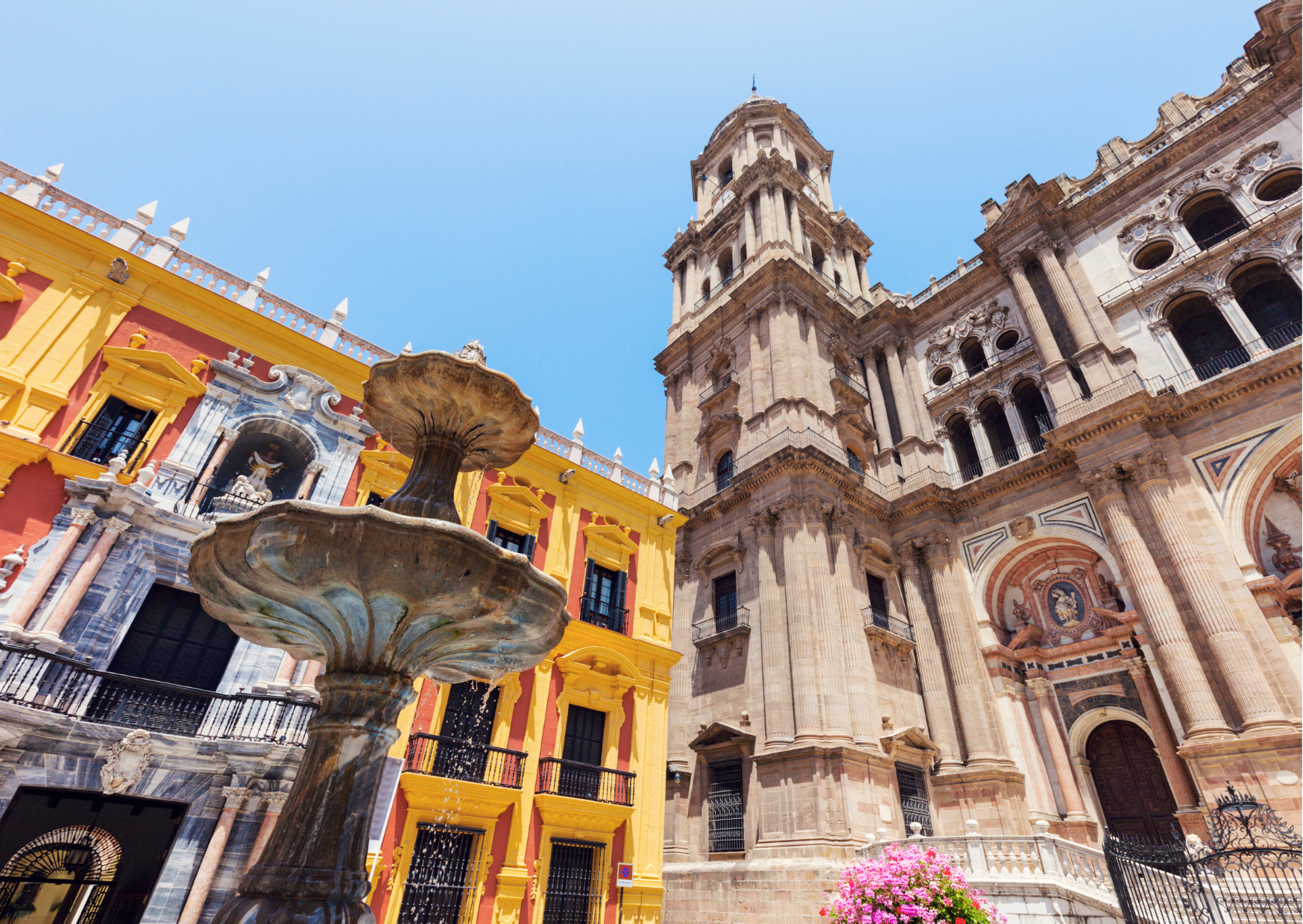
If you book Malaga for winter sun, you need to understand the difference between “pleasant outside” and “comfortable inside.”
WeatherSpark’s January averages for Malaga show daily highs around 62°F and lows around 46°F, with variation, and it rarely gets truly cold by northern standards.
But the indoor comfort can still surprise Americans.
Some apartments are built for summer. Tile floors, minimal insulation, and a casual relationship with heating. If you expect an American-style warm indoor bubble, you will spend your first week complaining, then your second week buying heaters, and your third week sitting in cafés longer than you planned just to feel warm.
A one-month stay is the perfect test for this because you will either adapt or you will resent it.
If you want the month to feel good, build this into your routine:
- Morning walk and sunlight exposure early, not just late afternoon.
- Keep the apartment aired out briefly, then closed up, so humidity does not settle.
- If you are sensitive to damp, choose a higher floor, and ask about airflow and heating.
Also, set your expectations about “warm.” Malaga can be sunny and still feel cool if you are near the sea wind. If you moved here for constant warmth and you define warmth as “shorts every day,” you will be disappointed. If you define warmth as “I can sit outside most days with a light layer,” you will be happy.
A mistake people make is planning an entire month outdoors, then getting irritated when a few rainy days show up. Your month needs an indoor life too: a book, a project, a gym, a language class, something that makes a rainy Tuesday feel normal.
The trade-off is honesty about comfort. If your body needs warm indoor temps to feel good, pick your apartment accordingly and budget for energy use. If you do not, you will turn a cheap month into an expensive coping month.
Your first 7 days in Malaga should be boring on purpose
A month is long enough that the first week sets your entire emotional tone.
If you spend week one sprinting through attractions, you will have no idea whether Malaga fits your real life. You will only know whether it was entertaining.
So the first week should be intentionally ordinary.
Day 1: walk your neighborhood loop, find your supermarket, your pharmacy, and your default café. If you cannot do that on foot, you picked the wrong base.
Day 2: do a real grocery run and cook dinner at home, even if it is basic. This is your baseline.
Day 3: take one bus route end to end, just to feel how the city works. It is different when you are inside it.
Day 4: go into the center, do one cultural thing, then leave. Do not stack three museums like it is a cruise stop. A month is not a checklist.
Day 5: set up your “repeat habit,” same café time, same walk time, same bench, whatever fits you. You are building familiarity.
Day 6: do one coastal neighborhood day. If you want the local beach rhythm, spend time near the promenade, then go home and live your evening normally.
Day 7: do nothing impressive. Laundry, long walk, early dinner, sleep.
Timing beats willpower, and if you do not build a repeatable week by day 7, you will spend the rest of the month chasing stimulation instead of testing lifestyle.
A very specific mistake to avoid: day trips in the first week. Wait until you have a base rhythm. Then the day trip feels like a treat, not an escape.
If you need one simple anchor for the week, make it a daily walk that passes something iconic, like Calle Marqués de Larios or the port promenade near Muelle Uno, and do it often enough that it stops being “tourist behavior” and becomes your route.
Day 30 comes down to one choice, and it is not about how pretty the city is

By the end of a month, you will have two Malagas in your head.
One is the highlight reel, the sea, the old stone, the easy airport, the feeling that life is lighter.
The other is the normal one: groceries, transit, your apartment, your routines, your tolerance for noise, your ability to make friends slowly, and whether you feel calm or restless.
The decision is not “Did I like Malaga?”
It is this:
Can you imagine living your average Tuesday here without paying extra money to make yourself feel better?
If the answer is yes, Malaga is a serious option for a longer test. You can come back in a different season. You can try a different neighborhood. You can stay longer and start doing the deeper life tasks that matter, healthcare routines, community, and admin.
If the answer is no, that is also useful. It means you learned something about your needs. Maybe you need a smaller town. Maybe you need more greenery. Maybe you need a quieter coastline. Maybe you need a city that feels more intense.
Malaga is not trying to be a fantasy. It is trying to be livable.
If you let it be what it is, it will give you a clear answer within 30 days, and that clarity is the real value of slow travel.

About the Author: Ruben, co-founder of Gamintraveler.com since 2014, is a seasoned traveler from Spain who has explored over 100 countries since 2009. Known for his extensive travel adventures across South America, Europe, the US, Australia, New Zealand, Asia, and Africa, Ruben combines his passion for adventurous yet sustainable living with his love for cycling, highlighted by his remarkable 5-month bicycle journey from Spain to Norway. He currently resides in Spain, where he continues sharing his travel experiences with his partner, Rachel, and their son, Han.