
You can do the Algarve “right” and still come home annoyed.
Not because it is a scam. Not because it is secretly expensive. Because Americans tend to test Europe like a vacation, then judge it like a lifestyle.
A 30-day Algarve stay works when you treat it like a field experiment with groceries, buses, damp apartments, and the same three cafés on repeat. The coastline will take care of itself.
The first decision that makes or breaks the month: pick a base, not a coastline
“The Algarve” is not one place. It is a long strip of towns with different weather feel, different crowd cycles, and wildly different daily convenience.
If you pick your base wrong, you will spend the month in ride-share purgatory, or you will rent something pretty that turns your life into a logistics hobby.
A simple way to choose:
- If you want walkable daily life and the easiest airport access, base near Faro. You trade beach postcard views for frictionless routines.
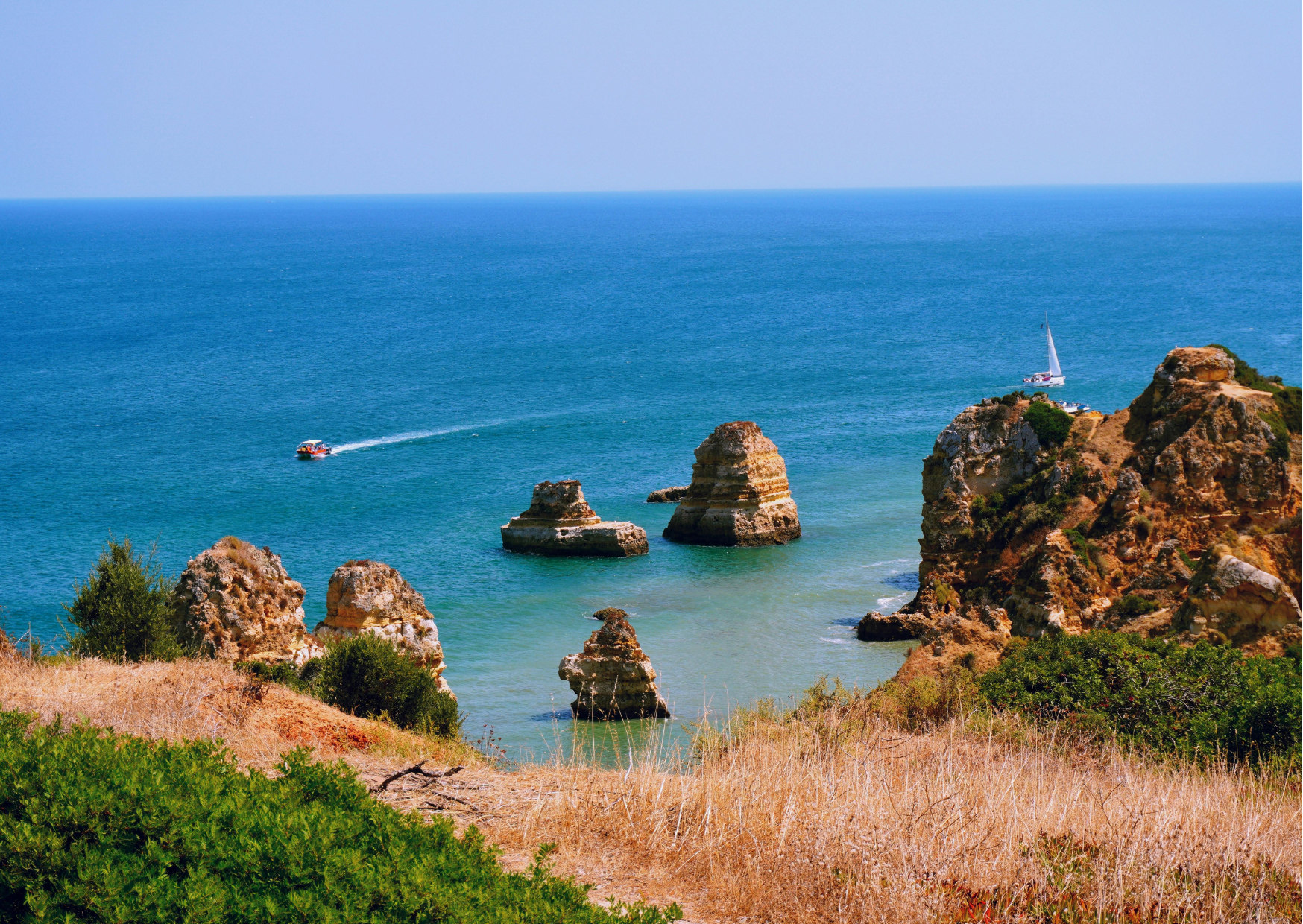
- If you want dramatic coastline and you do not mind driving, Lagos gives you the famous cliffs. You trade daily errands for beauty.
- If you want quieter, flatter, and a little more “normal Portuguese life,” Tavira tends to be kinder to long stays. You trade nightlife for calm.
- If you want an in-between with more year-round services, Portimão can feel more practical than the resort towns.
Now add the weekly rhythm test: can you picture your Monday grocery run, your Wednesday laundry loop, and your Sunday long walk without needing a car?
If the answer is no, it is not a base. It is a backdrop.
One more reality check Americans miss: the Algarve is split emotionally into “east” and “west.” The east can feel flatter and calmer. The west can feel wilder and more scenic. For a 30-day test, pick the side that matches how you actually live at home, not how you wish you lived.
The 30-day budget that feels good, and the one that quietly hurts
Most people under-budget for two things: housing (because they compare to US rent and feel instantly smug) and “one-off settling costs” (because they pretend they will live like minimalists for a month).
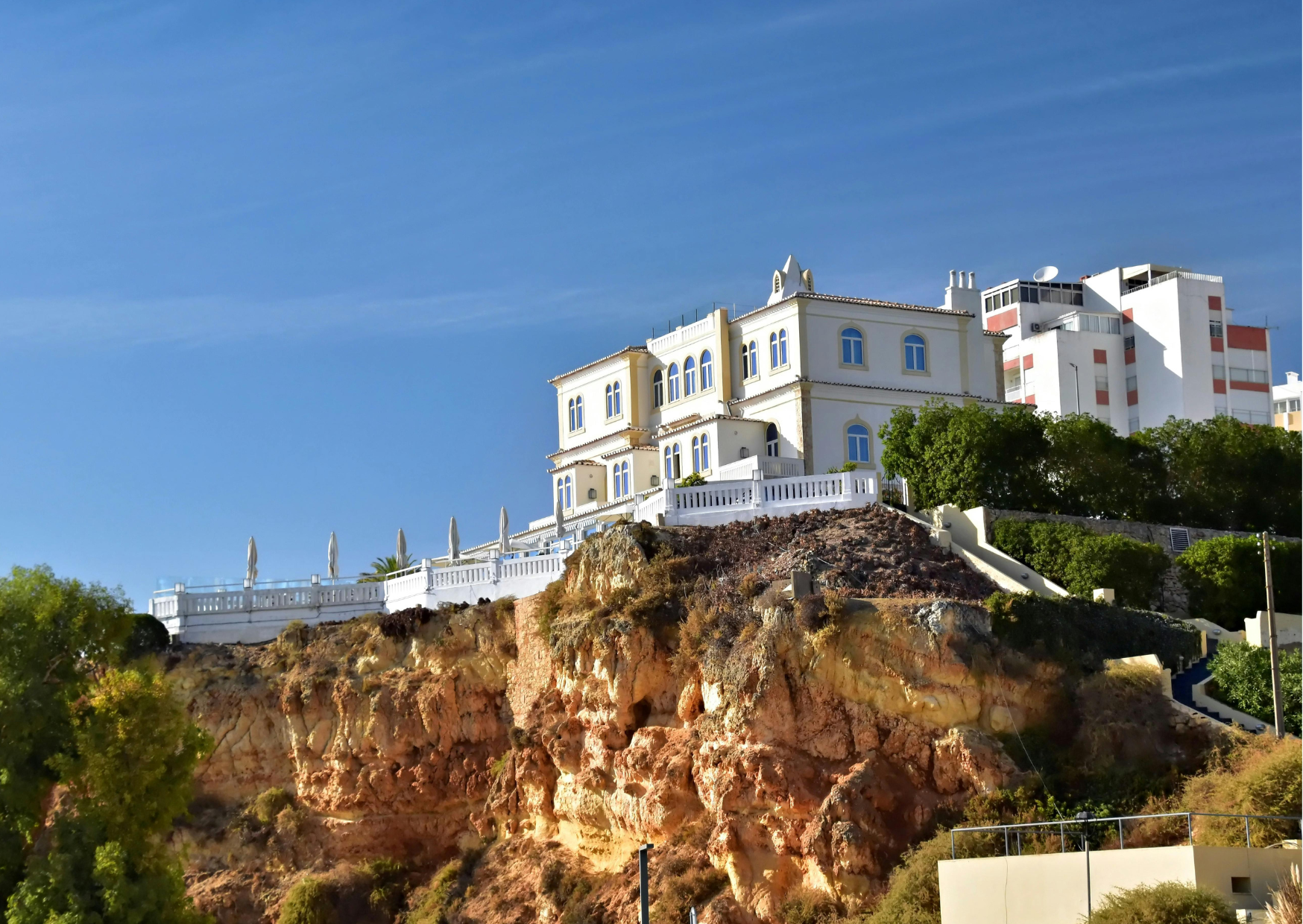
A realistic 30-day Algarve budget depends on season and how allergic you are to inconvenience. In winter shoulder months, long-term rents can start around €600 for a modest one-bedroom in a less expensive area, but coastal, furnished, “nice enough for an American” places climb fast. In peak summer, you are often paying a vacation premium even if you stay 30 days. (The gap is real enough that the same town can feel like two different economies.)
Here are two honest scenarios for two adults:
Scenario A: Comfortable, modest, no-car most days at €2,900 to €3,800 total (about $3,100 to $4,100, depending on exchange rate)
- Rent (furnished): €1,100 to €1,700
- Utilities + internet: €160 to €220
- Groceries: €450 to €650
- Cafés and simple meals out: €250 to €450
- Local transport: €40 to €120
- Health insurance travel coverage or short-term policy: €120 to €300
- Household, pharmacy, random life: €200 to €350
- Buffer for the annoying stuff: €300
Scenario B: “We want the view,” plus car at €4,200 to €5,800 total
- Rent (coastal, upgraded): €1,800 to €2,800
- Utilities + internet: €180 to €260
- Groceries: €500 to €700
- Eating out: €400 to €700
- Car rental + fuel + parking: €700 to €1,300
- Everything else: €400 to €700
The part Americans mess up is the weekly behavior. If you do three “special dinners” a week because you are in Portugal, the budget stops being European. It becomes coastal resort math.
If you want the month to feel like real life, make a boring rule: cook at home five nights a week, pick one lunch out, pick one dinner out, and keep the rest as café life. That is how locals keep the Algarve feeling affordable even when rents jump.
Transport reality: the Algarve is easy for day trips, harder for daily life
Americans often assume, “Europe has great public transport.” Sometimes yes. In the Algarve, it is more accurate to say, “You can make it work if you plan around it.”
You have three transport modes that matter:
- Regional trains for coast-to-coast hops
- Buses for gaps and inland towns
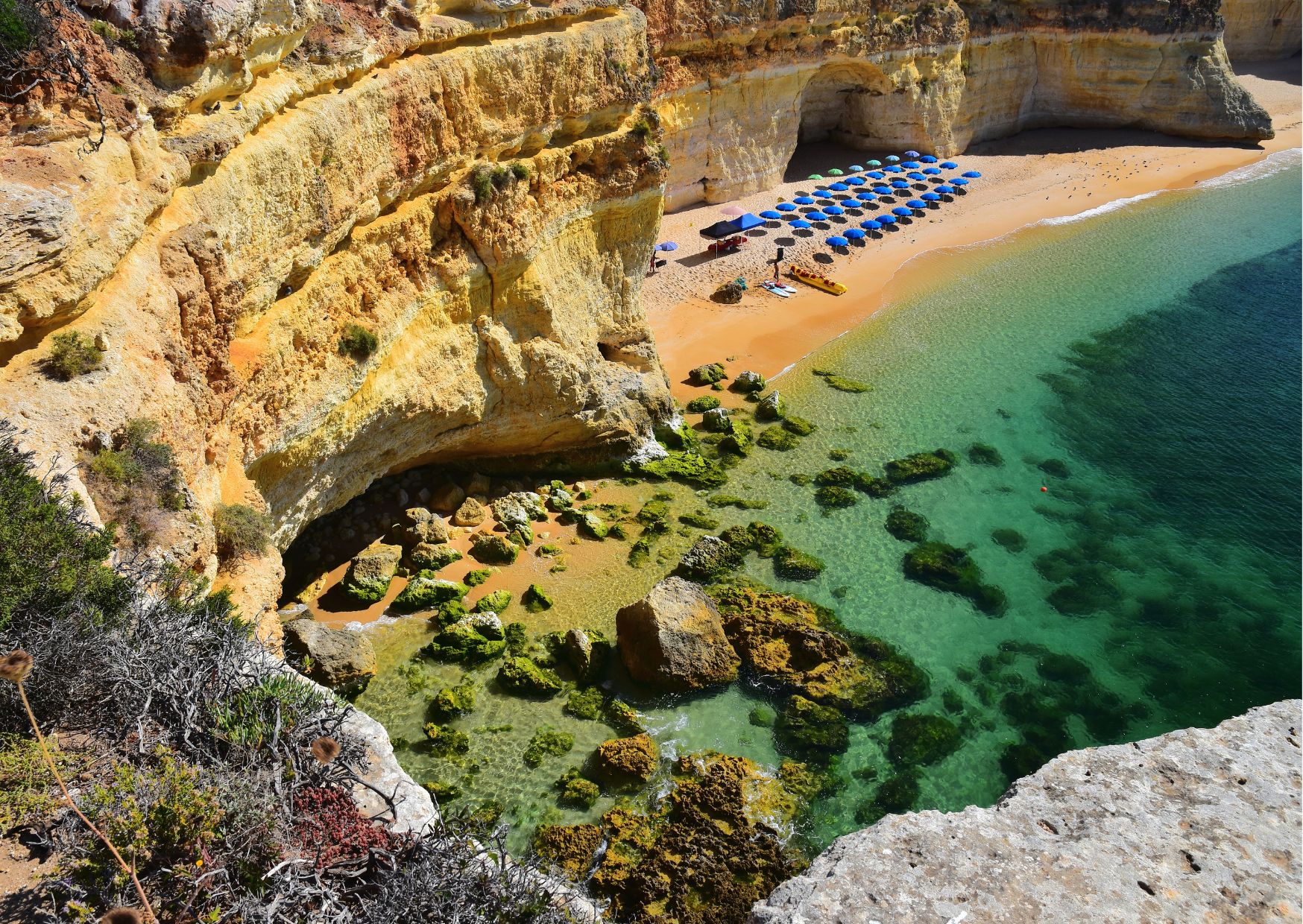
- A car for beaches, hikes, and anything off the main lines
Trains can be surprisingly cheap. For example, a regional ticket from Lagos to Faro is listed at €8.30 (adult) on the Lagos–Vila Real de Santo António regional fare table valid from January 2026. Shorter hops cost less, but you still need to match your lodging to a station you will actually use.
If you build your daily rhythm around a station, you can do a lot without a car: morning coffee near home, mid-day grocery run, then a train day twice a week for bigger errands or beach variety.
Buses fill in the rest, and the region introduced a monthly pass that costs €40 and is valid across the VAMUS network (excluding the AeroBus). That can be great value if you base yourself somewhere bus-friendly and you are actually riding several times a week.
Where Americans go wrong is renting a perfect apartment that is “15 minutes by car” from everything, then refusing to rent a car. Those 15 minutes become your daily tax.
A practical 30-day approach:
- Week 1: no car, learn your town’s loops.
- Week 2: rent a car for 3 to 5 days, do the scenic stuff, and test parking reality.
- Week 3: go back to no car, see if you still feel free.
- Week 4: decide whether a car is “nice” or non-negotiable for your personality.
That rhythm tells you more than any blog post.
The winter truth: it is mild outside, and sometimes damp inside
A lot of Americans book the Algarve to “escape winter” and then panic when they feel cold in their apartment.
Outside, the climate is gentle compared with much of Northern Europe. Faro’s 1991–2020 climate normals show January average temperature around 12.3°C, with average daily max around 16.3°C and average daily min around 8.3°C. Rain is not nonstop, but it is not a desert either, with January average precipitation around 49.3 mm.
Inside is the surprise.
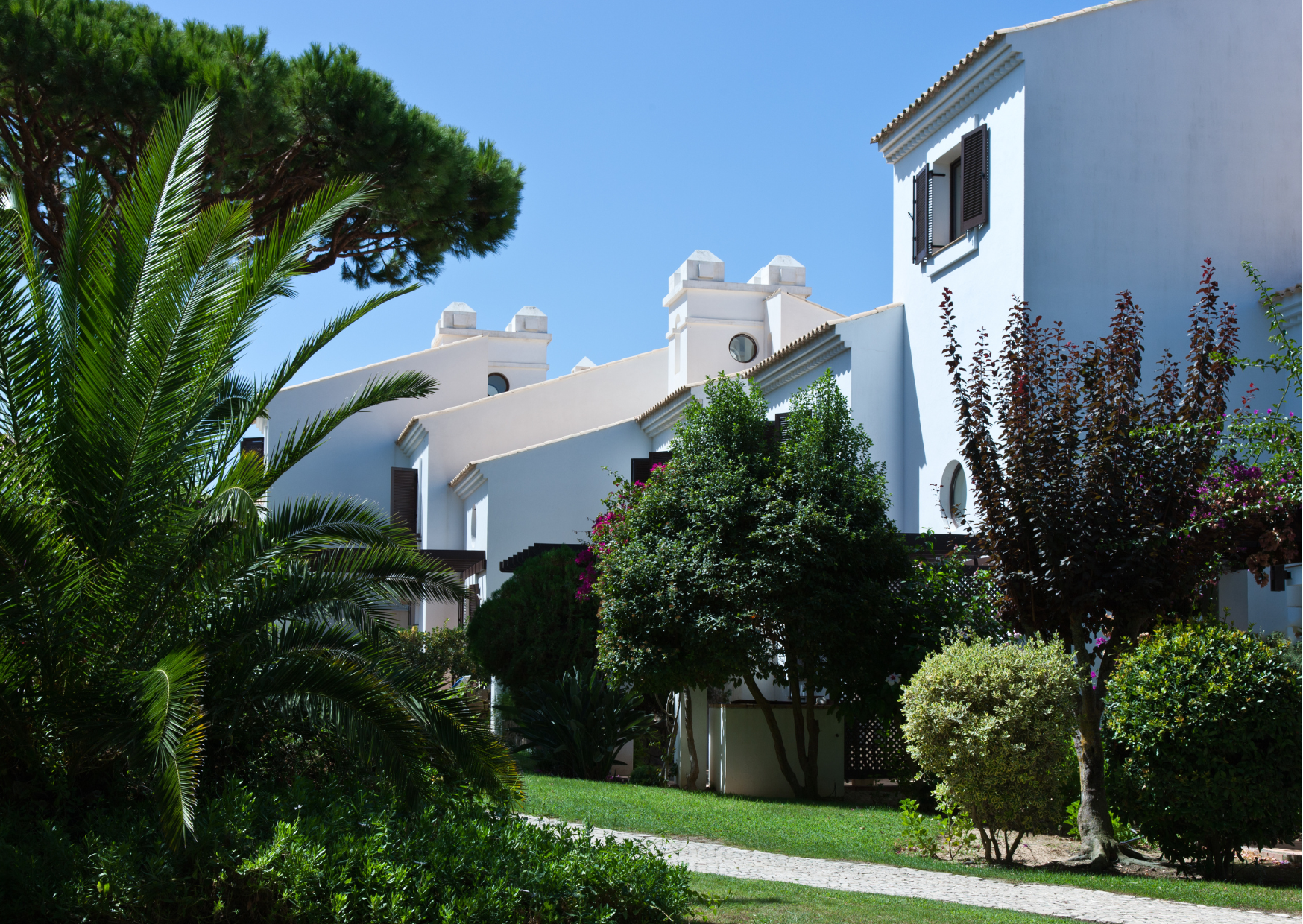
Many Algarve rentals, especially older ones and especially near the coast, are not built like an American house. You can get gorgeous tile, thick walls, and a sea view, and still feel chilled because humidity sits in the rooms. People then crank a small heater, watch the power meter climb, and decide Portugal is secretly expensive.
The 30-day fix is not heroic. It is specific:
- Ask if there is double glazing. If not, expect condensation.
- Ask what heating exists, and if it is only portable units, budget for it.
- Buy or borrow a dehumidifier if you are staying in the damp months. It changes everything, including how warm “16°C outside” feels indoors.
- Choose an apartment where you get sun on the windows for part of the day, not a charming cave.
Build a daily routine that fits the season: morning walk in a light jacket, lunch near a sunny terrace, then errands, then an early dinner at home. If you try to live on an American schedule, you will spend the dark hours indoors, feeling the damp, and wondering why you are not happier.
The Algarve is not cold. Some apartments are.
Food and daily spending: lunch is value, dinner is theater, and tourists pay for the stage
If you want to know whether the Algarve is “affordable,” stop looking at the seafront menus.
Your month will be decided by your grocery habits and your lunch habits. The local pattern is simple: buy fresh basics, cook most dinners, and use cafés for social life instead of restaurants for entertainment.
A practical grocery expectation for a cook-at-home lifestyle is roughly €50 to €70 per person per week, depending on how many convenience items you buy and how much wine is involved. If you lean into Portuguese staples, you can eat well without feeling deprived.
Eating out is where Americans accidentally turn a long stay into a recurring splurge. A simple main course at an inexpensive restaurant averages around €12 in common cost-of-living estimates, and a basic coffee can be around €2.25. Those numbers feel adorable compared with the US, which is exactly why people stop paying attention and start ordering like they are on a cruise.
The weekly rhythm that keeps spending sane:
- Two bigger grocery shops per week, not daily “just one thing” runs.
- One long lunch out per week, ideally midweek, when places are calmer.
- One dinner out per week, but pick a non-scenic street on purpose.
- Café spending as your daily joy, but cap it, for example one paid coffee and one water-and-walk.
Also, learn the difference between “tourist convenience” and “local routine.” If your apartment is not within a 10-minute walk of a regular supermarket, you will overspend on mini markets and small impulse buys. That is not Portugal being expensive. That is you paying for proximity.
Social life: why 30 days can feel lonely even in a friendly place
People imagine the Algarve as instant community, sun, and easy conversation.
Then they arrive, do day trips every other day, and wonder why they do not have friends by week three.
Friendship here, like in Spain, runs on repetition. If locals do not see you regularly, you stay a pleasant stranger. If expats do not see you regularly, you stay a WhatsApp contact.
The fastest way to build a social month is boring:
- Pick one morning café and go at the same time most days.
- Pick one market and become a recognizable face to the vendors.
- Pick one class or activity that repeats weekly, even if it is not your dream hobby.
If you do that, the Algarve starts feeling like a place you live, not a place you visit.
The trade-off Americans struggle with is pace. Social life is often slower and less performative. Invitations can take time. People do not “network” the way Americans do, and the Algarve has heavy seasonal churn. Some of the people you meet in week one will be gone by week four.
So make your social goal realistic: you are not building a soulmate circle in 30 days. You are building two things, familiarity and comfort. If you leave with three local faces who recognize you and one couple you can meet for a walk, that is a win.
A good weekly template:
- Two mornings at your café
- One market morning
- One activity slot
- One long walk you do at the same time each week
That is enough to tell you if you can build a real life here.
Healthcare and “grown-up logistics”: what to set up even for a 30-day test

For a short stay, you are not “joining the system” the way a resident does, but you still need a plan. Americans often arrive with vague travel insurance, then get rattled when they need anything beyond a bandage.
Here is the calm way to handle it:
- Have travel coverage that includes outpatient visits, not only emergencies.
- Know where the nearest private clinic is to your base.
- Know how you will handle prescriptions you take regularly.
If you are testing the Algarve as a future home, your 30 days should include one deliberate “logistics day.” Not because you want to spend your month in offices, but because the ability to handle admin without melting down is part of the real retirement test.
For people who do move to Portugal longer term, the public health system uses a unique national user number, the Número Nacional de Utente (NNU), and the national user registry explains that the number is requested in person at an SNS health unit, with identification and documentation that supports your address. That is long-stay territory, but it matters because it affects how secure you feel about aging here.
Even as a visitor, you can copy the local habit that makes healthcare feel less stressful: do not wait until something is urgent. If you have a recurring issue, book a check early in the month. The “I’ll deal with it later” mindset is how people spend week four stressed and googling.
A weekly rhythm that protects you:
- One day per week with no big plans, just errands and rest.
- One pharmacy stop early, stock basics you know you use.
- One clinic location saved in your phone, even if you never go.
It sounds paranoid. It is actually how relaxed people stay relaxed.
Mistakes Americans make in the Algarve, and what to do instead
Most Algarve “bad experiences” are not crimes. They are mismatched expectations.
Here are the common ones that blow up a 30-day test:
- Renting a beautiful place far from daily life, then hating the town. Fix: choose location first, aesthetics second, and keep the commute to groceries under 10 minutes on foot.
- Treating the month like constant sightseeing, then feeling exhausted. Fix: schedule two travel days per week, max, and make the rest routine.
- Booking the cheapest winter rental, then discovering the apartment is damp and cold. Fix: ask about windows, heating, and sun exposure, and budget for a dehumidifier.
- Overpaying for coastal restaurants because “it’s still cheaper than America.” Fix: make lunch your pleasure, keep dinner mostly at home, and avoid seafront dining as your default.
- Assuming English will carry every interaction, then feeling isolated. Fix: learn the handful of phrases that make daily life smoother and use them every day, even if you sound awkward.
- Trying to make friends through one-off meetups only. Fix: build repetition into your week, same café, same market, same walk loop.
- Underestimating how fast small costs add up. Fix: keep a simple daily note for spending, not forever, just for 30 days.
The biggest trade-off to accept: the Algarve rewards people who like a slightly smaller, slower life. If you need constant stimulation, you can still love it, but you will pay more to manufacture that pace.
Your 30-day goal is not “Did I have fun?” It is, “Can I live here without fighting the place?”
Seven days to find out if the Algarve is actually for you
If you only have 30 days, the first week should be structured. Not rigid, just intentional.
Here is a non-romantic, high-signal first week:
- Day 1: Walk your immediate radius for 60 minutes, find your supermarket, pharmacy, and one café you can tolerate daily.
- Day 2: Do your first grocery shop and cook dinner at home, even if you are tempted to celebrate. This sets your baseline.
- Day 3: Take one regional train ride, even a short one, and practice the station rhythm. If you cannot imagine doing it weekly, that matters.
- Day 4: Pick a morning café and go twice, same time, and tip lightly but consistently. Start becoming a familiar face.
- Day 5: Do one “admin rehearsal,” SIM card, transport card, clinic location, whatever applies to your situation. The point is to test your stress response.
- Day 6: Rent a car for one day and do the scenic loop you think you want long term. Then test parking near your apartment afterward.
- Day 7: Do nothing glamorous. Laundry, long walk, cook, early night. If that day feels good, you are onto something.
This first week is not about optimizing joy. It is about uncovering friction. The Algarve can handle your vacations easily. The real question is whether it can handle your Tuesday.
The decision at the end of 30 days: do you want a life, or do you want a backdrop?
A month in the Algarve will give you two versions of the place.
Version one is beaches, photos, and novelty. Version two is groceries, damp laundry, buses, and the quiet satisfaction of knowing where to buy decent tomatoes.
Americans who leave disappointed often chased version one while claiming they were testing version two.
If you finish 30 days and you have a routine that feels natural, even simple, you can come back and scale it. You can try a second town. You can test a different season. You can start looking at longer stays with a clear head.
If you finish 30 days and you feel constantly “managed by logistics,” take that seriously. It does not mean you failed. It means your preferred lifestyle might fit better in a city, or in a smaller inland Portuguese town, or even somewhere else in Europe.
The Algarve is generous, but it is not magic. It rewards people who can enjoy ordinary days in a beautiful place, not people who need beauty to substitute for structure.
If you can build structure here, you will not just like it. You will last.

About the Author: Ruben, co-founder of Gamintraveler.com since 2014, is a seasoned traveler from Spain who has explored over 100 countries since 2009. Known for his extensive travel adventures across South America, Europe, the US, Australia, New Zealand, Asia, and Africa, Ruben combines his passion for adventurous yet sustainable living with his love for cycling, highlighted by his remarkable 5-month bicycle journey from Spain to Norway. He currently resides in Spain, where he continues sharing his travel experiences with his partner, Rachel, and their son, Han.