
France gave us the postcard life for about six weeks. After that, it gave us the paperwork life. By year three, we were tired in a very specific way, the kind that comes from living inside systems that do not care how polite you are.
France is not a scam country. It’s also not the automatic upgrade Americans assume it is.
If you’re 45–65 and planning a serious move, here’s the truth from a Spain-based Filipino–Spanish family that lived in France for three years, did the registrations, paid the bills, learned the routines, and still left with zero drama and a lot of relief.
We didn’t run because France was “bad.”
We left because France was high-friction living disguised as elegance, and we didn’t want to spend the next decade negotiating with offices, forms, and social rules that never fully opened.
The France Americans Fall in Love With Is Not the France You Wake Up In
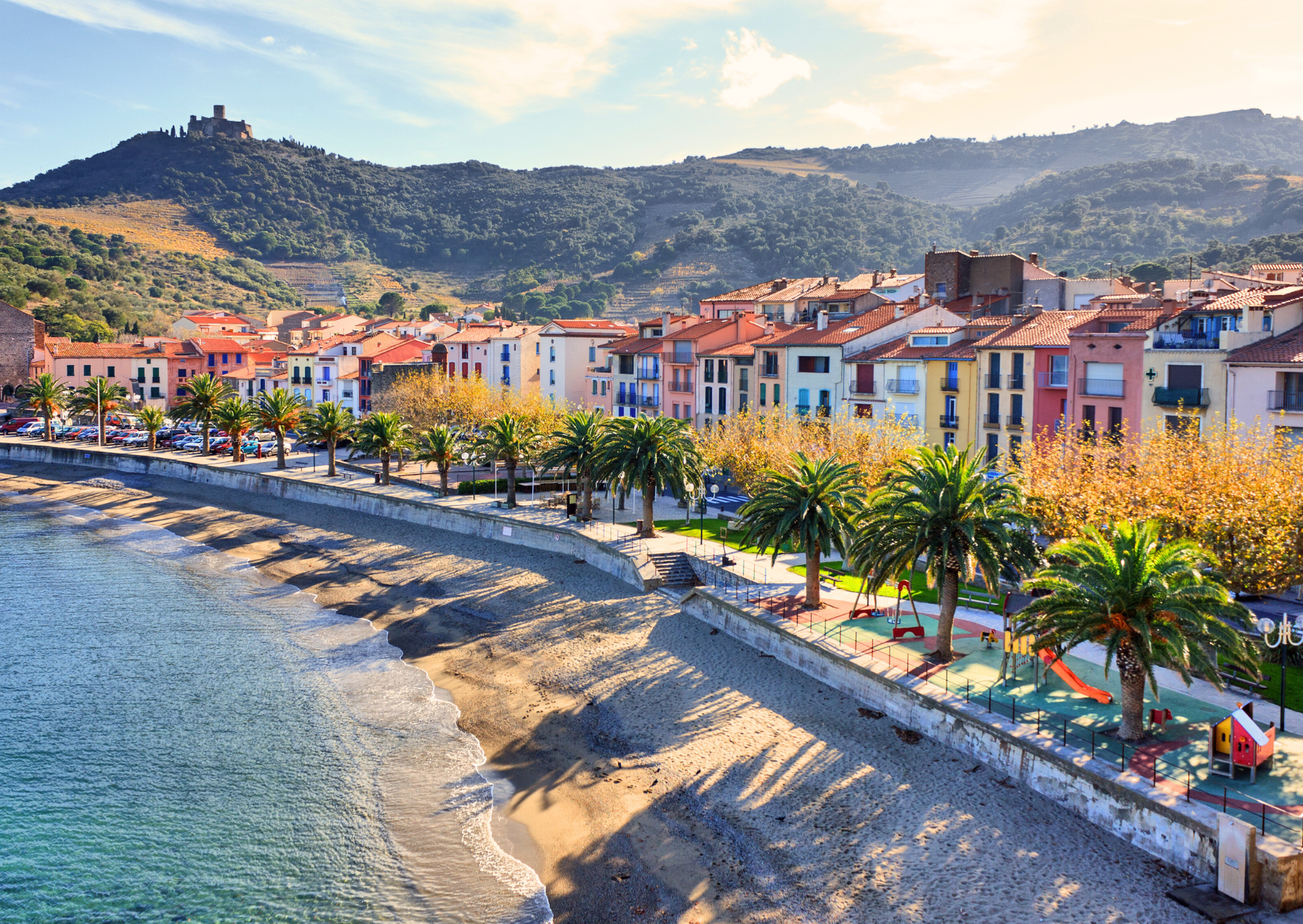
France is incredible at first.
The bread is absurdly good. The streets feel lived-in. Even a boring neighborhood looks like a film set. A normal Tuesday can include a market, a café terrace, and a walk that replaces a gym membership.
Then real life arrives.
You need a bank account. A lease. Internet. Health coverage. A phone plan. Proof of address. A tax number. A local doctor. School enrollment if you have kids. A way to show that you are not just visiting.
France asks for paper reality.
And the gap between the romantic France and the operating-system France is where Americans get blindsided.
What we didn’t expect was how often daily life required a perfect folder.
A dossier for the school. A dossier for the apartment. A dossier for the bank. A dossier for the health system. A dossier for the next thing you don’t know exists yet.
You can be organized and still lose weeks to it.
France rewards people who already know the rules, already speak the language, already have local references, and already understand which office actually has authority. If you don’t have those things, you spend time paying the “foreigner tax,” which is mostly time and stress, not euros.
By year three, we weren’t struggling. We were functioning.
We were also done.
Bureaucracy Wasn’t a Phase. It Was the Lifestyle.
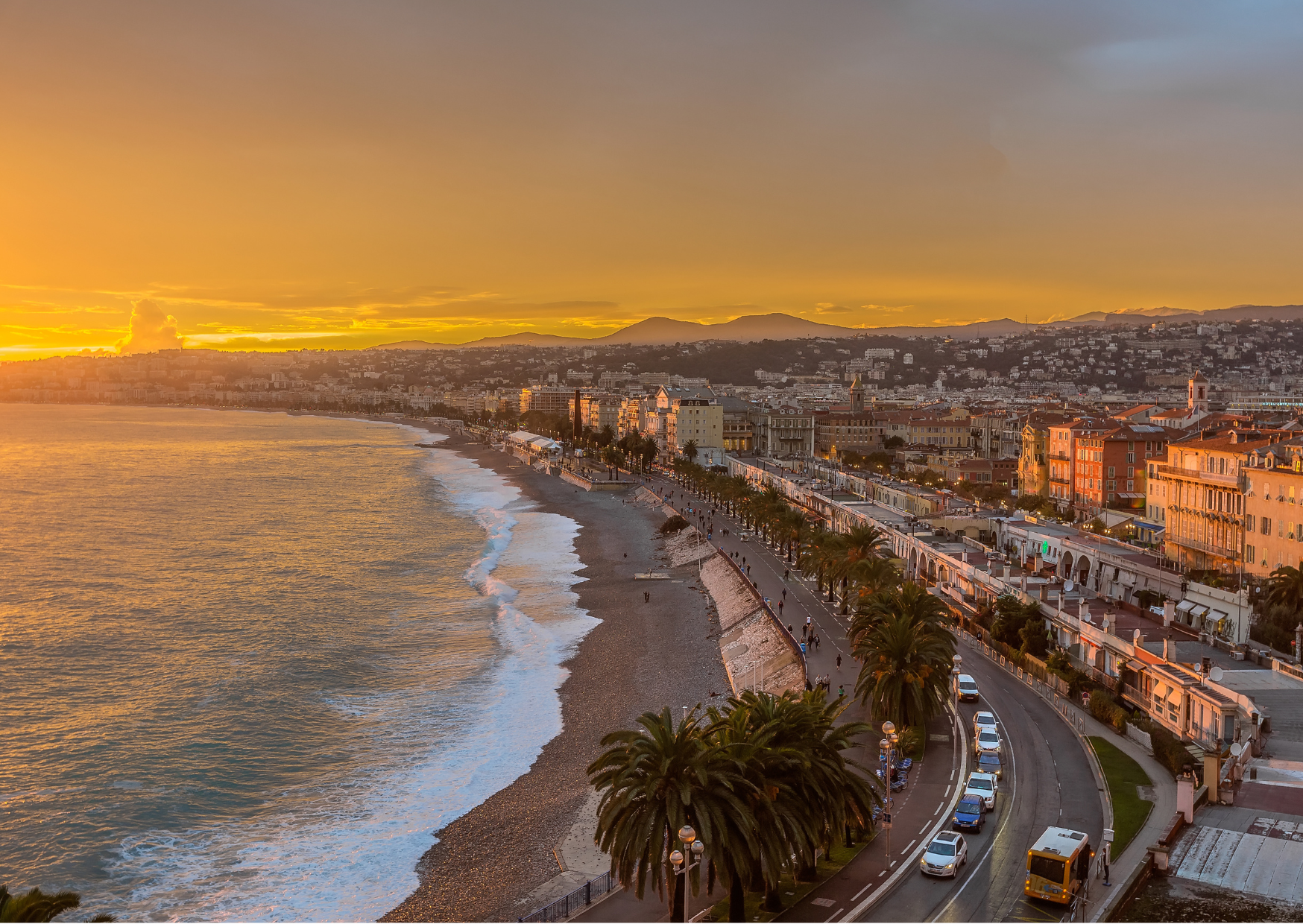
France has a reputation for bureaucracy, and it’s earned.
The problem is not that it’s complicated once.
The problem is that it’s complicated forever.
A lot of systems in France don’t feel like customer service. They feel like you are requesting permission to exist, and the default answer is “come back with one more document.”
The most exhausting part was the constant need for justificatif de domicile, the proof-of-address culture that threads through everything. It’s not one office that wants it. It’s every office, all the time.
You start learning little rules that sound ridiculous until they’re your life:
- The bank wants proof of address, but you need the bank to get the apartment.
- The landlord wants proof of income and a French guarantor, but you just arrived.
- The utility bill is proof of address, but you need an address to get the utility contract.
So you do workarounds. Temporary letters. Attestations. Extra deposits. A friend’s address in a pinch. You become someone who negotiates paperwork as a core skill.
Healthcare registration is a perfect example. Under France’s universal health protection rules, if you’re not working, there’s a three-month residence wait before rights typically open, with exceptions for certain categories. That is not moral judgment. It’s just how the system works.
In practical terms, it means the early months are where expats either burn money on private coverage or burn time stitching together temporary solutions.
And even when you’re in, you still live inside French admin culture: mail, forms, renewals, uploading documents, and trying to decode letters that arrive when you are already late.
Year three wasn’t chaos.
Year three was the realization that our life would always include a background hum of administration.
We wanted that hum gone.
Housing in France Is Gorgeous, and Then Winter Shows You the Bill
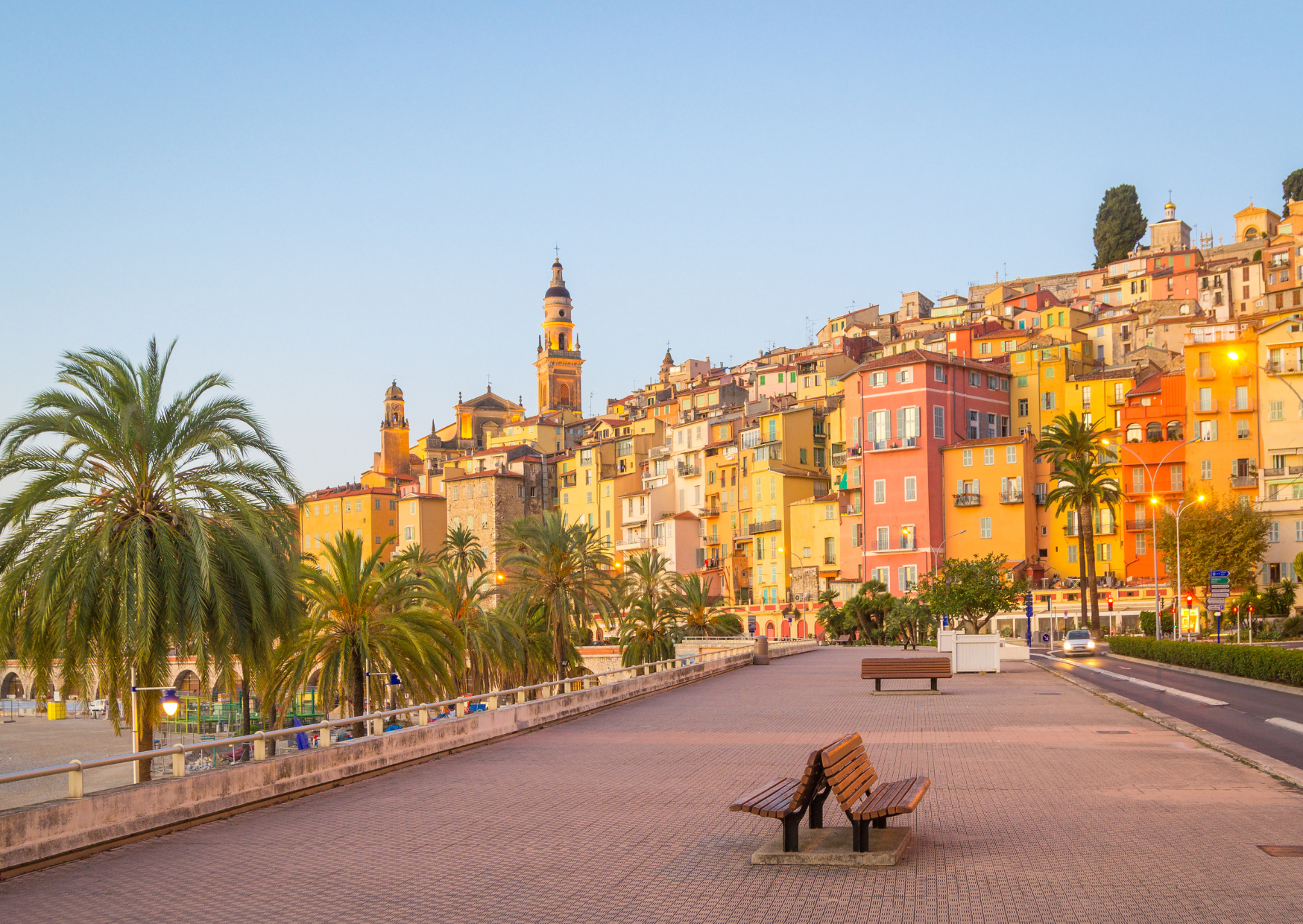
France can be a dream housing market if you land perfectly.
It can also be a slow-motion lesson in what old buildings cost to inhabit.
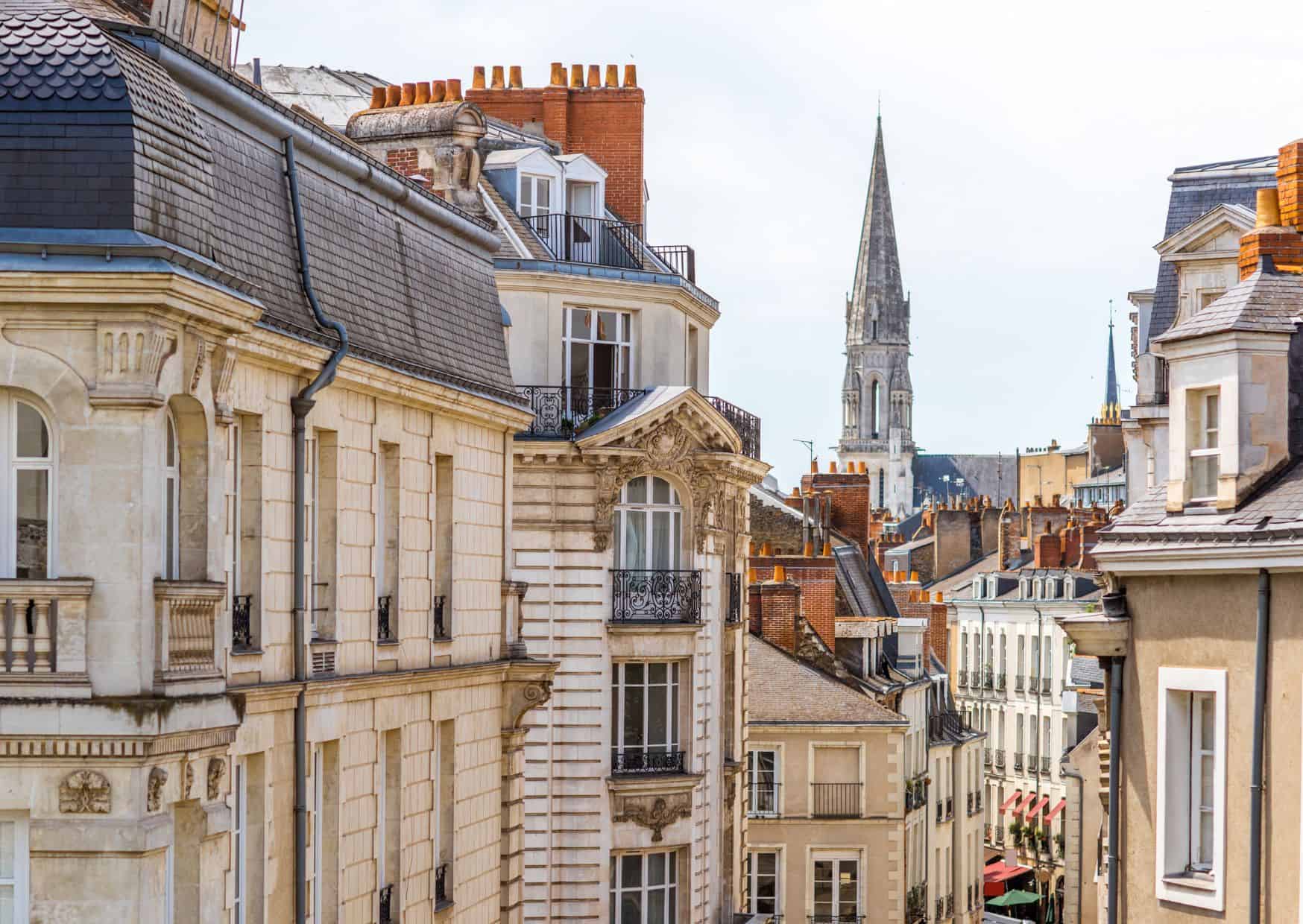
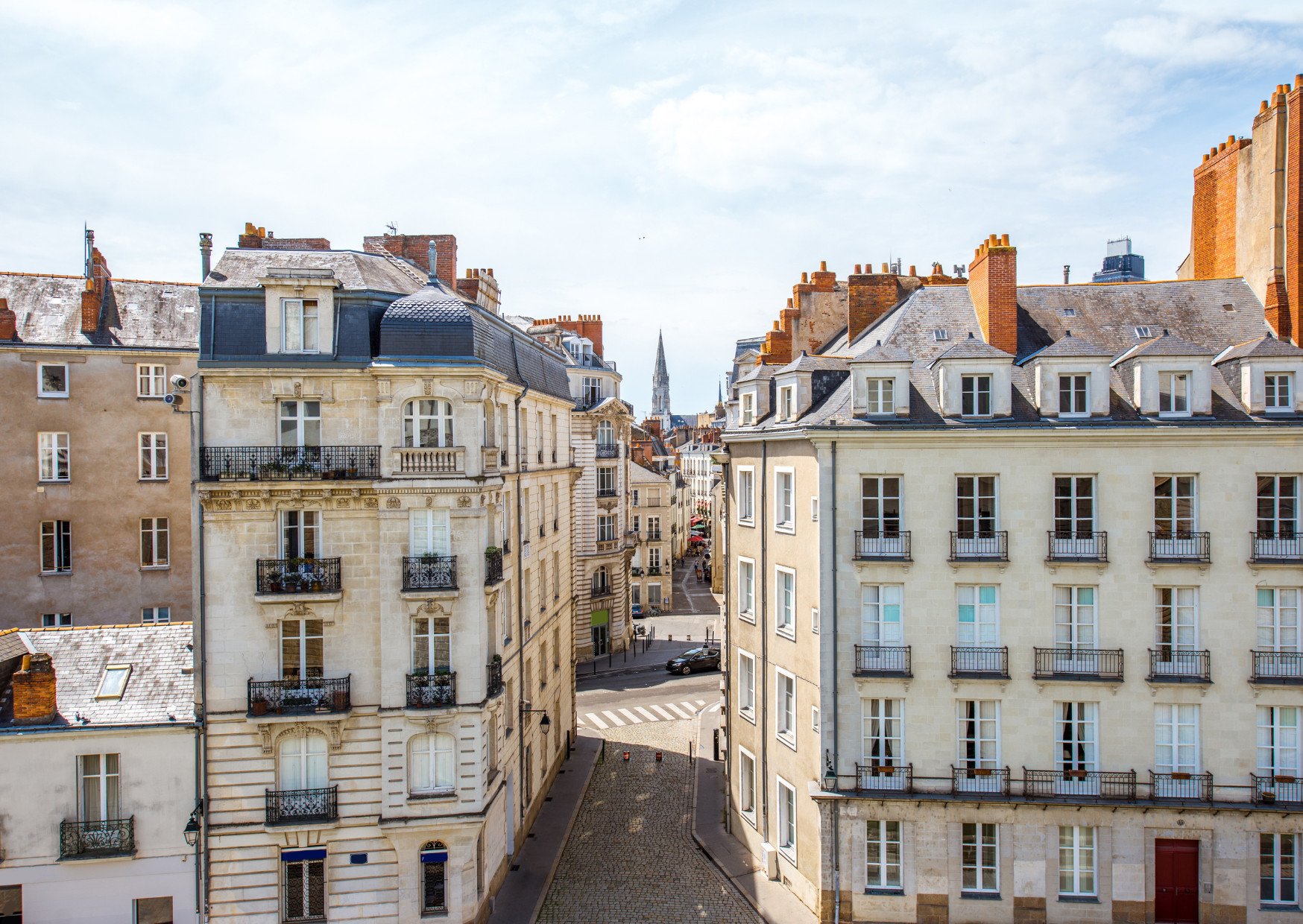
We loved the aesthetics. High ceilings. Tall windows. Real stone. The “this has been here forever” feeling.
Then winter arrived.
Many French apartments are charming and thermally rude. You learn quickly that beautiful buildings can be drafty, damp, and expensive to heat. You also learn that your tolerance for cold changes when you are living in it, not photographing it.
Rent itself is not the whole story. The real cost is rent plus the stuff attached to rent:
- heating and electricity
- building charges
- insurance
- deposits
- moving fees
- the never-ending small purchases that make an older apartment livable
France’s rent reference index has been rising gently, but consistently. In Q4 2025, the official housing rent reference index was up 0.79% year over year. That’s not a crisis number. It is still a signal: this is not a place where rent magically stays flat forever.
Here’s what a realistic monthly “year three” budget looked like for us in a mid-sized French city, not Paris, not a rural bargain town. This is not a universal template, it’s the kind of math you should expect to do.
- Rent: €1,250 to €1,550 depending on neighborhood and condition (roughly $1,350 to $1,675).
- Utilities: €160 to €260 in colder months, lower in shoulder season.
- Transport: €60 to €120 if you’re using public transport heavily.
- Groceries: €450 to €650 for a family depending on habits.
- Health top-up insurance: €70 to €160+ depending on age and coverage, higher for older adults.
This is the part Americans miss: France is not automatically cheaper than the U.S. in daily life. It’s cheaper in certain categories, and it can be expensive in others. Housing plus energy plus insurance can chew through your “European savings” fast.
And the housing stress isn’t just money.
It’s the feeling of being a permanent tenant in someone else’s rules. The inspections, the paperwork, the landlord culture, the “this is how it’s done” shrug.
By year three, we wanted a home that felt like ours, not a place we were renting from French admin.
Healthcare in France Is Protective, but It Isn’t Fast and It Isn’t Free-Free
France gets praised constantly for healthcare, and a lot of that praise is deserved.
The public system coverage is broad, and out-of-pocket spending is relatively low compared with many countries. France is genuinely good at preventing people from getting financially ruined by illness.
But Americans also need the reality layer.
France has a public system that reimburses care, and most people use a complementary plan, a mutuelle, to cover the part the state does not reimburse.
That means a lot of residents are paying something monthly even with a strong public system.
And the costs can climb with age. Reporting on 2025 mutuelle pricing put average retiree coverage around €136 per month, with higher averages for over-75s. In late 2025, the National Federation of French Mutuals announced average premium increases for 2026, around 4.3% for individual contracts.
If you are an American retiree thinking “France has free healthcare,” the correct mental model is: France has a strong public backbone, then you pay for comfort and completeness.
Now add the access reality.
France’s access is generally good, but not perfect. In 2024, about 4.5% of adults in France who reported medical needs reported unmet needs due to cost, distance, or waiting times. Dental unmet needs were higher, especially among people at risk of poverty.
That’s not a catastrophe. It’s a reminder that even strong systems have strain.
Emergency department waits have also been rising. French official statistics reported by national coverage showed median waits for non-admitted patients around 2.5 hours.
For Americans, the shock is not that the care is bad. The shock is that the system doesn’t prioritize your anxiety the way U.S. medicine sometimes does.
France is conservative about certain things. You may not get every test you want. You may be told to wait and observe symptoms. You may have to go through the médecin traitant pathway properly.
If you like rules and trust institutions, France can feel reassuring.
If you expect speed, immediate specialist access, and customer-service reassurance, France can feel like a polite wall.
By year three, we weren’t afraid of French healthcare.
We were tired of the administrative overlay on top of healthcare, the paperwork, the reimbursements, the constant need to know which form or card mattered today.
Spain later felt simpler.
The Social Life Trap: France Is Not Unfriendly, It’s Just Not Easy
This is the most sensitive part to write about, and it’s also the most honest.
France is not a country that performs friendliness for strangers. That can be refreshing. It can also be isolating.
Americans often expect warmth as a default social setting. France expects context. Friendship happens through school networks, family networks, long-term colleagues, and deep local familiarity.
If your French is not strong, you can live comfortably but still feel like you’re always slightly outside the glass.
You can have pleasant café interactions, and still not have a real support network when something goes wrong. You can know your neighbors’ names and still not know their lives.
Expat survey data captures some of this. In InterNations’ Expat Insider 2024 survey, France ranked 38th out of 53 overall, performing well on parts of quality of life, but ranking lower on things tied to settling in and administrative ease.
This doesn’t mean the survey is your destiny. It means your experience of “belonging” in France is not guaranteed.
For us, the social pattern was consistent:
- We had acquaintances quickly.
- Deeper friendships came slowly.
- Some social circles stayed closed, even after time.
And here is the hard truth nobody wants to admit: the older you are, the harder this becomes.
When you are 25, you can build a friend group by accident. When you are 55, you build community through intention, language competence, and repetition.
France can reward that. It also can make it exhausting.
By year three, we wanted to stop feeling like guests.
Work and Money: France Is a Great Place to Live, Until You Try to Live Like an American
France has many strengths: infrastructure, public services, and a strong social model.
But it is not built for American-style “pay more, get more, faster” thinking.
You feel this in little ways:
- Shops close. Lunch is real. Paperwork moves at human speed.
- Some services do not scale up just because you have money.
- The system does not care about your sense of urgency.
You also feel it in financial structure.
If you are earning outside France, you can enjoy France as a lifestyle purchase. If you are trying to earn inside France, you may collide with the realities of wages, taxes, and rigid systems.
We saw this clearly among expats around us. France is a fantastic place to be a salaried employee in the right job. It can be tough for entrepreneurs, remote workers, and anyone trying to replicate U.S. earning patterns without French institutional support.
And the myth Americans carry is that Europe is always cheaper.
The truth is more precise: Europe can be cheaper in healthcare catastrophe risk, childcare structure, and certain daily costs. It can be more expensive in housing in desirable areas, energy in older housing stock, and taxes depending on your setup.
The U.S. number still matters for comparison, though. In 2025, the average annual premium for employer-sponsored health insurance in the U.S. was $9,325 for single coverage and $26,993 for family coverage. That is one reason Americans tolerate so much nonsense to stay employed.
France can feel like relief in that category.
But it replaces the nonsense with a different kind of nonsense: slow systems and compliance culture.
At a certain point, we realized we didn’t want to spend our middle years optimizing around French structure.
We wanted less structure.
The Moment We Knew We Were Leaving
It wasn’t a dramatic event.
It was a Tuesday.
We had a normal list: one admin errand, one school item, one appointment.
By lunchtime, we were already behind, and not because we were disorganized. We were behind because one office needed one more document, and the person who could approve the thing was not available, and the next appointment was in weeks, and the letter we needed would arrive by post, eventually.
The day wasn’t a disaster. It was normal.
And that’s why it mattered.
We looked at each other and realized: this is the rhythm. This is the country.
France was not going to become easier. We were just going to become more resigned.
Some people call that adaptation. We called it a slow drain.
We wanted to feel light again.
Why Spain Felt Like Relief Instead of Another Problem
Moving from France to Spain was not moving from “hard” to “easy.” Spain has its own bureaucracy and its own waits.
But the day-to-day friction dropped.
Spain felt more flexible. More direct. More open socially. Less formal in the small interactions that make you feel human.
Expat survey rankings reflect this general pattern. In the same InterNations Expat Insider 2024 survey where France sat in the bottom third overall, Spain ranked 4th out of 53, with very high reported happiness.
Again, not destiny. But it matches what we felt.
We also found it easier to build a routine that didn’t require constant system negotiation.
We still deal with paperwork in Spain. We just don’t feel like our entire life is a dossier.
Spain wasn’t perfect.
It was simply a better fit for how we want to live.
And that is the real point Americans should take from our France story: leaving doesn’t mean failure. It means fit matters more than reputation.
The First-Week France Test Before You Commit to Year Two
If you’re in France right now and trying to decide whether it’s a forever move, don’t wait three years to learn what we learned.
Run this test in your first week of “real” living.
Day 1: Do one admin task with no help.
Not the fun stuff. Do something official. If you need five different documents, and two of them are unclear, note how you feel. The feeling is part of the cost.
Day 2: Find your healthcare pathway.
Learn what you actually need to get coverage, and what your bridge plan is during the three-month wait if you are not working. The early months reveal the truth.
Day 3: Price the full healthcare stack.
Assume you will want a mutuelle even if you love the public system. Price it for your age and needs, not for a 30-year-old. This is where budgets get real.
Day 4: Live a full day in French.
Not “I can order coffee.” A full day: calls, appointments, questions, corrections. If you can do this without feeling wrecked, France may be a good long-term fit.
Day 5: Test winter in your housing.
If you arrive in summer, you will lie to yourself. Ask about heating, insulation, damp, and energy costs. Look for thermal comfort, not charm.
Day 6: Try to build one social anchor.
A class, a volunteer group, a parent network, anything. If you don’t build this early, it gets harder later.
Day 7: Decide what you will tolerate for the next decade.
France offers beauty, stability, and a protective social model. It also asks for patience, language, and compliance. If that trade feels worth it, France can be a wonderful choice. If it feels draining already, listen to that.
We don’t regret France.
We’re also grateful we left before resentment set in.
That’s the difference between a chapter that made your life bigger and a chapter that made your life smaller.

About the Author: Ruben, co-founder of Gamintraveler.com since 2014, is a seasoned traveler from Spain who has explored over 100 countries since 2009. Known for his extensive travel adventures across South America, Europe, the US, Australia, New Zealand, Asia, and Africa, Ruben combines his passion for adventurous yet sustainable living with his love for cycling, highlighted by his remarkable 5-month bicycle journey from Spain to Norway. He currently resides in Spain, where he continues sharing his travel experiences with his partner, Rachel, and their son, Han.