
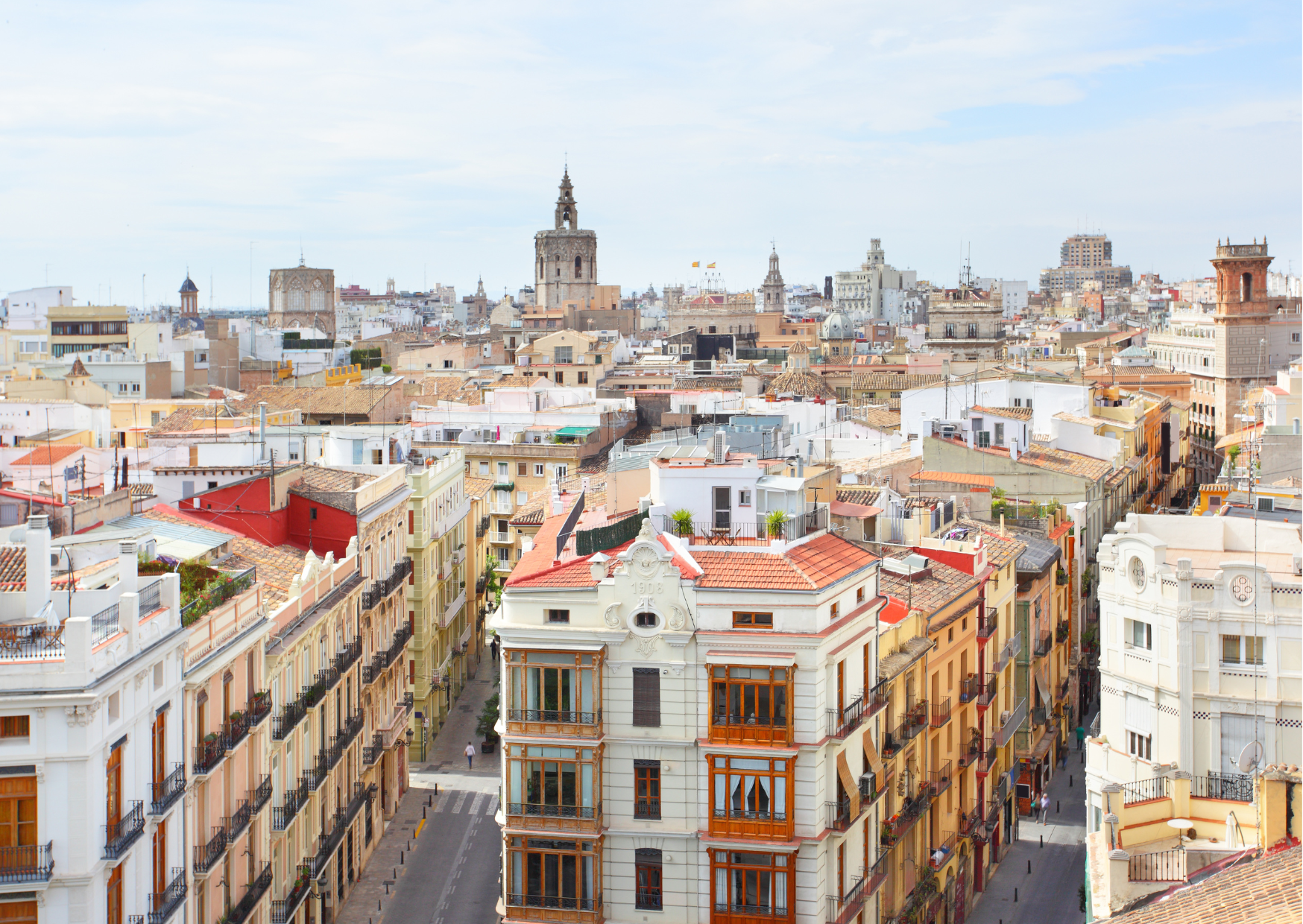
Valencia is the rare Mediterranean city where a normal Tuesday feels good. You can walk, eat well, and build a weekly rhythm without spending your way into a panic.
If you’re testing Spain for a month, Valencia quietly solves the problem most “perfect” places create: you get beauty without the constant tourist tax, and you get city services without feeling swallowed by a capital.
It’s the kind of place where you can live on a simple loop. Morning walk, market stop, a café you return to, and a long stretch of green that makes your body calm down without you having to perform wellness.
A month here is enough to answer the real question. Not “Did I like Spain?” but “Can I live like myself here without paying extra money to feel okay?”
Why Valencia works as a one-month base
Valencia feels like a big city in the ways that protect your life, and a smaller city in the ways that protect your mood.
You have real infrastructure. Hospitals, reliable public transport, neighborhoods with their own identity, and enough cultural life that you don’t burn through the highlights in five days. But you don’t have the constant pressure of a headline capital.
The daily advantages stack fast:
- The city is flat enough that walking becomes default, not an athletic event.
- The green spine of the city, the Turia park, gives you a built-in routine even when your motivation is low.
- The food culture is strong without being precious, which matters for long stays when you are not trying to impress anyone.
- Beach access exists, but it does not dominate everything, so you can choose your pace.
A month also exposes what Valencia is not. It’s not a curated expat bubble. It’s not a 24/7 nightlife city. It’s not a place that will entertain you if you refuse to build structure.
That’s why it works for slow travel. It rewards repetition. You become a familiar face quickly if you stop acting like a visitor.
Choose your neighborhood like you are choosing your Tuesday
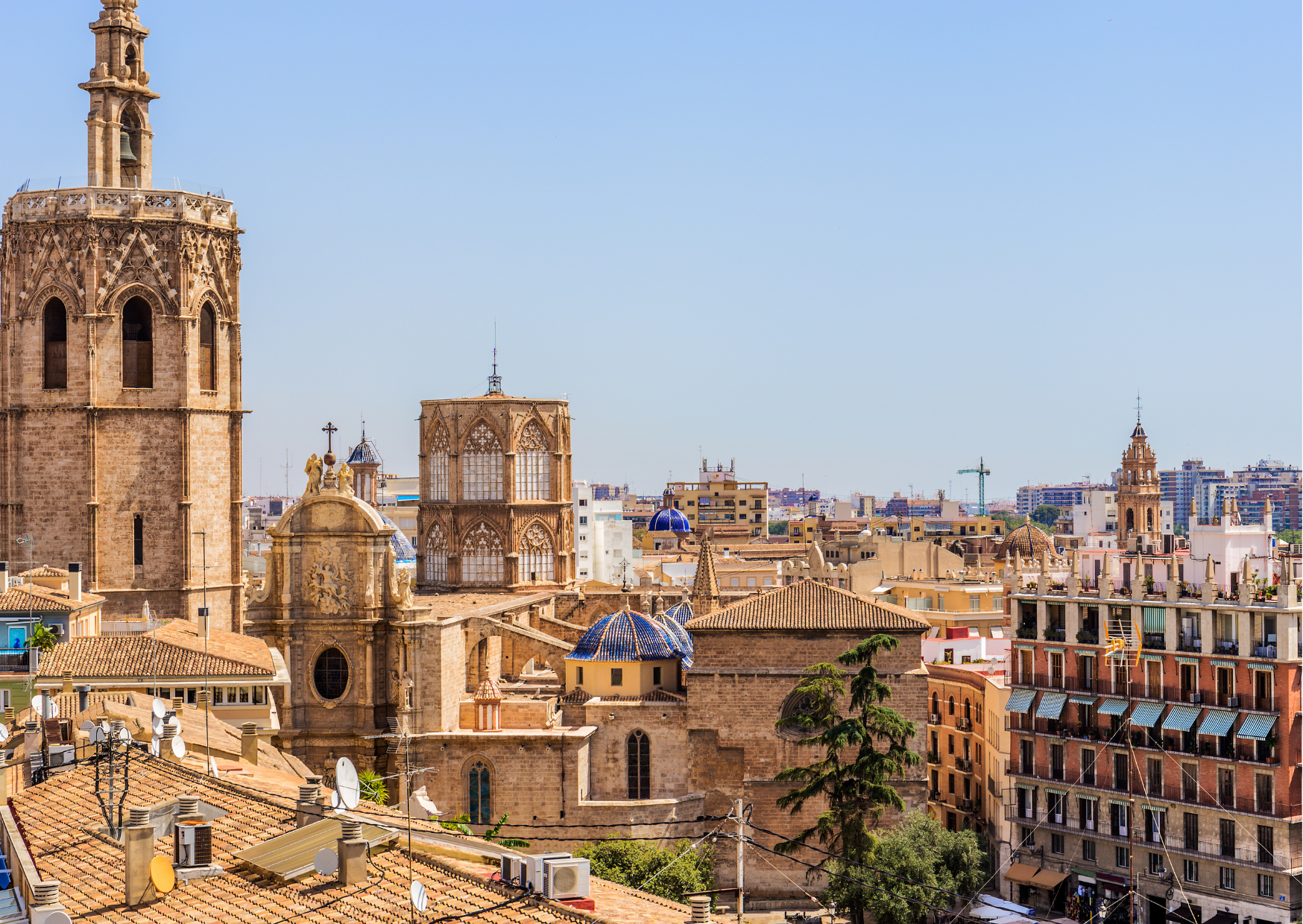
The biggest mistake Americans make in Valencia is treating the neighborhood like a vibe decision.
For a month, your neighborhood is your life. It decides your grocery loop, your sleep quality, your noise level, and whether you end up spending money to escape your own apartment.
Here are the neighborhoods most short-term renters end up considering, and what they actually feel like once the novelty wears off.
Ruzafa is the easy pick. It’s lively, walkable, and social. It also encourages spending because there is always another place to try, and it can be noisy. If you love energy and don’t mind paying a little extra for it, Ruzafa can make the month feel effortless.
El Carmen and parts of the old center are beautiful and atmospheric. They also come with trade-offs that are not cute after day 10: noise, older buildings, and the feeling that your “front door world” is built for visitors. El Carmen works if you accept the reality and choose your building carefully.
Benimaclet is the neighborhood that often surprises people in a good way. It’s more local, more student-influenced, and more normal day-to-day. It’s a strong choice if you want to cook, keep a steady routine, and still have cafés and life nearby. Benimaclet can feel less glossy, which is exactly why it works.
El Cabanyal and the coastal side give you beach proximity and a different rhythm. Some blocks are charming, some feel transitional, and the experience varies street by street. If you want morning sea walks and don’t mind being a little farther from the center’s cultural density, El Cabanyal can be a great month.
Patraix and other residential zones can be the calm bargain. Less tourist pressure, more real services, and often better value for the space. The trade is that you need to build your own fun instead of having it outside your door.
Pla del Real and the areas near the Turia can be the “quiet but central” sweet spot if your budget allows. You get green access, stability, and easier sleep.
Two practical rules that prevent regrets:
- Keep your daily essentials within a 10-minute walk, groceries, pharmacy, and a café you can tolerate regularly.
- If you care about sleep, prioritize building quality over location bragging rights, especially in the older center.
If you follow those two rules, your month costs less because you stop paying for friction.
The money math for 30 days, line by line
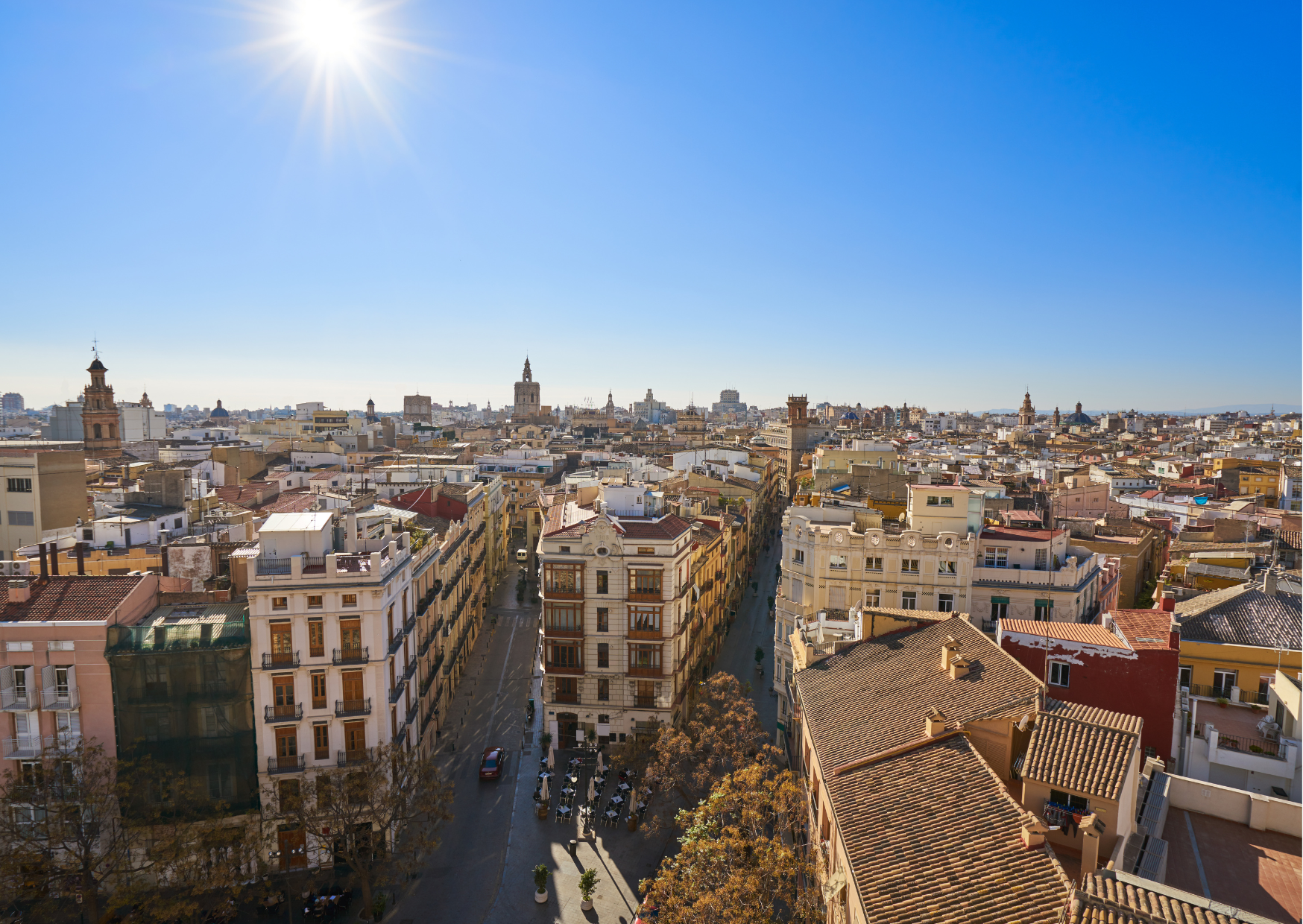
Valencia can feel like a deal compared with many U.S. cities, but the month only stays affordable if you make two decisions early: rent discipline and restaurant discipline.
A realistic one-month budget for two adults living normally, cooking most nights, and enjoying the city without turning every day into a paid activity is often €3,000 to €3,900 all-in.
Here’s a clean baseline.
Housing
Rent is the big lever. A decent furnished one-bedroom or compact two-bedroom will vary by neighborhood and season, but typical monthly numbers often land around €1,200 to €1,700 for comfortable, well-located short stays.
Utilities and connectivity:
- Electricity, water, gas: €120 to €180
- Internet and two mobile lines: €50 to €80
Housing subtotal: €1,370 to €1,960.
If you’re trying to understand the direction of rent pressure, idealista’s reported average rent for Valencia city was 13.6 €/m² in December 2025. That number is not your exact rent, but it tells you why “cheap Valencia” is getting harder in the most in-demand areas.
Food
Groceries are where Valencia shines if you shop like a resident.
- Groceries and household basics: €420 to €650
- Cafés and small daily spending: €80 to €160
- Eating out (6 to 10 meals, mixed lunch and dinner): €260 to €520
Food subtotal: €760 to €1,330.
If your month starts drifting financially, it’s usually because cafés and dinners quietly become daily. Valencia makes it easy to live outside, which is wonderful, and expensive if you don’t set limits.
Transport
Valencia is one of the easiest Spanish cities to live in without a car. Most people can keep transport costs low if the neighborhood choice is smart.
A typical transport month for two people:
- Public transport passes or multi-ride cards: €60 to €160
- Occasional taxi rides: €40 to €120
- One or two day trips by train: €40 to €180
Transport subtotal: €140 to €460.
If you want a concrete reference point, in January 2026 Metrovalencia listed monthly SUMA passes with zone pricing, including €35 for one zone on the public fare table. Depending on where you stay and what you ride, your personal number may be lower with multi-ride cards or higher if you need more zones.
Culture and “we’re here for a month” spending
This is where people either stay sane or accidentally turn slow travel into a vacation budget.
A realistic monthly allotment:
- Museums, occasional paid attractions: €30 to €120
- One “special” meal: €50 to €100
- Small shopping and household replacements: €60 to €180
Culture subtotal: €140 to €400.
Buffer
A month needs a buffer, even if you are convinced you are a disciplined person.
Buffer: €250.
That buffer absorbs the small surprises that otherwise become stress: a heater purchase, a dehumidifier, a pharmacy run, a last-minute train change, or a social moment you don’t want to say no to.
Realistic total
For two adults, a Valencia month typically lands around €3,000 to €3,900 depending on rent and how much you eat out.
If you want the month to feel calm, the goal is not the lowest number. The goal is margin.
The weekly rhythm that makes Valencia feel like home
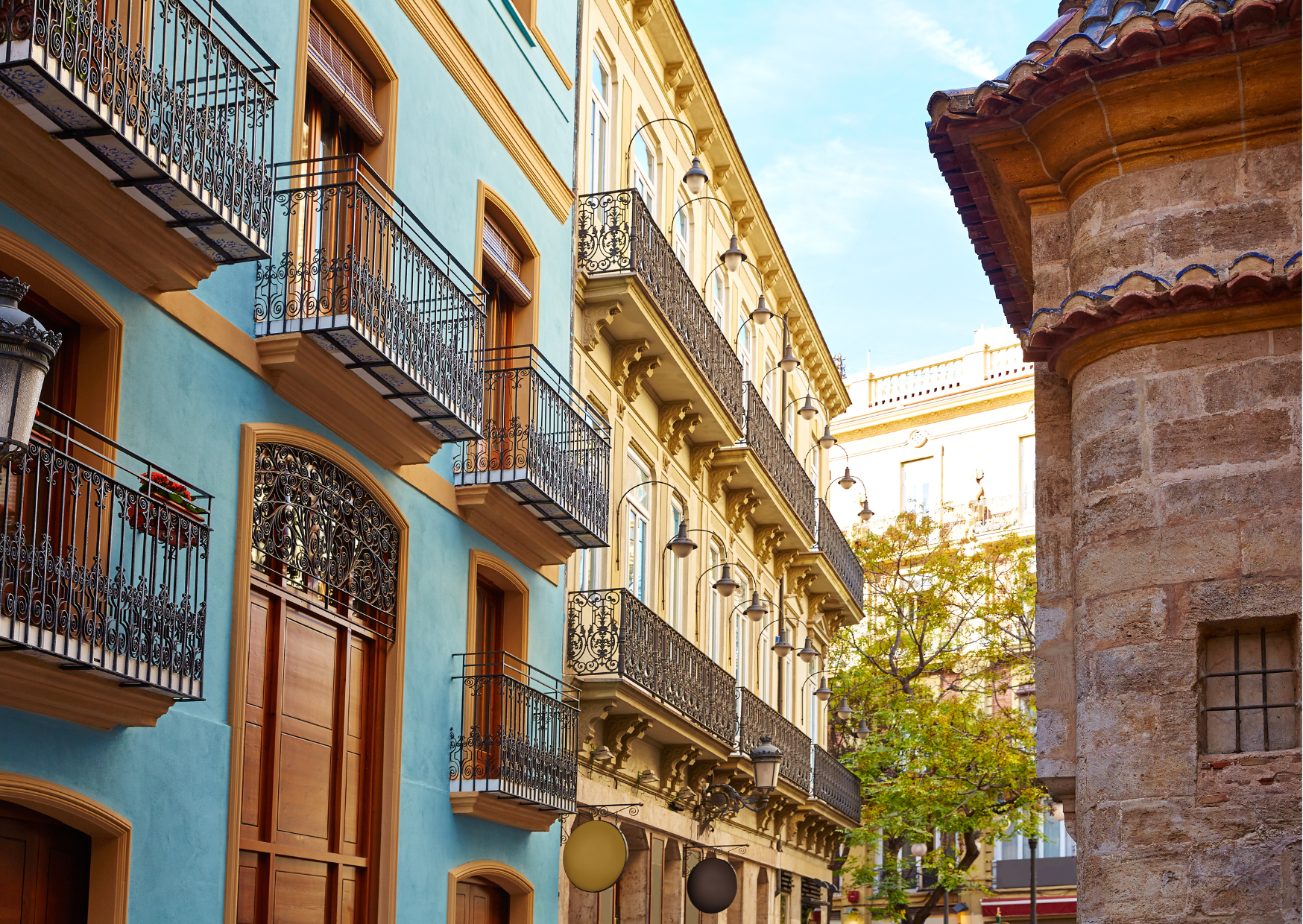
A month in Valencia is not won by a perfect itinerary. It’s won by a repeatable week.
This is the weekly pattern that makes the city click, especially for retirees or anyone testing a slower pace.
Monday: groceries and home reset
One big shop, then you stop browsing stores as entertainment. You cook something simple and make the apartment feel like a base, not a temporary crash pad.
Tuesday: your Turia loop
Pick a loop and repeat it. A 45-minute walk through the Turia becomes your anchor. It also quietly fixes jet lag, mood, and appetite without you thinking about it.
Wednesday: admin morning
Banking, SIM issues, appointment bookings, laundry, anything boring. Do it in one block so it doesn’t drip into every day. Timing beats willpower, and this is where it shows.
Thursday: neighborhood day
Keep spending low and do your local circuit. Same café, same bakery, same market stall. This is how you stop feeling like a stranger.
Friday: one cultural thing
A museum, a gallery, a long lunch, or a new neighborhood walk. One. Not five.
Weekend: one big day, one calm day
A day trip or beach day, then a day where you do almost nothing. If you stack big days, you get tired. When you get tired, you spend.
This rhythm is not about being strict. It’s about letting Valencia do what it’s good at: giving you a pleasant life without constant stimulation.
If you can enjoy the calm day, Valencia is a strong long-term candidate.
How locals do Valencia without paying the tourist tax
Valencia is full of obvious attractions, and you should see some of them. But the city’s real magic is the normal-life version.
Here’s how to get that version.
Build your food life around markets, not restaurants
Go to Mercado Central once early in the month, not as a sightseeing stop, but to buy actual food. Fruit, olives, eggs, fish if you cook it, and the staples that make home meals easy.
Then pick one smaller neighborhood option closer to your apartment for weekly top-ups. The pattern matters more than the specific market.
If you do this, your groceries stay good, your spending stays predictable, and you stop eating out just because you’re hungry and unprepared.
Use the Turia as your daily “third place”
The Turia is not a park you visit. It’s a place you live through.
Morning walks, evening strolls, sitting with a book, people watching, and the kind of casual movement that keeps bodies happy without gym drama. Your month feels healthier almost by accident.
Put the beach in its place
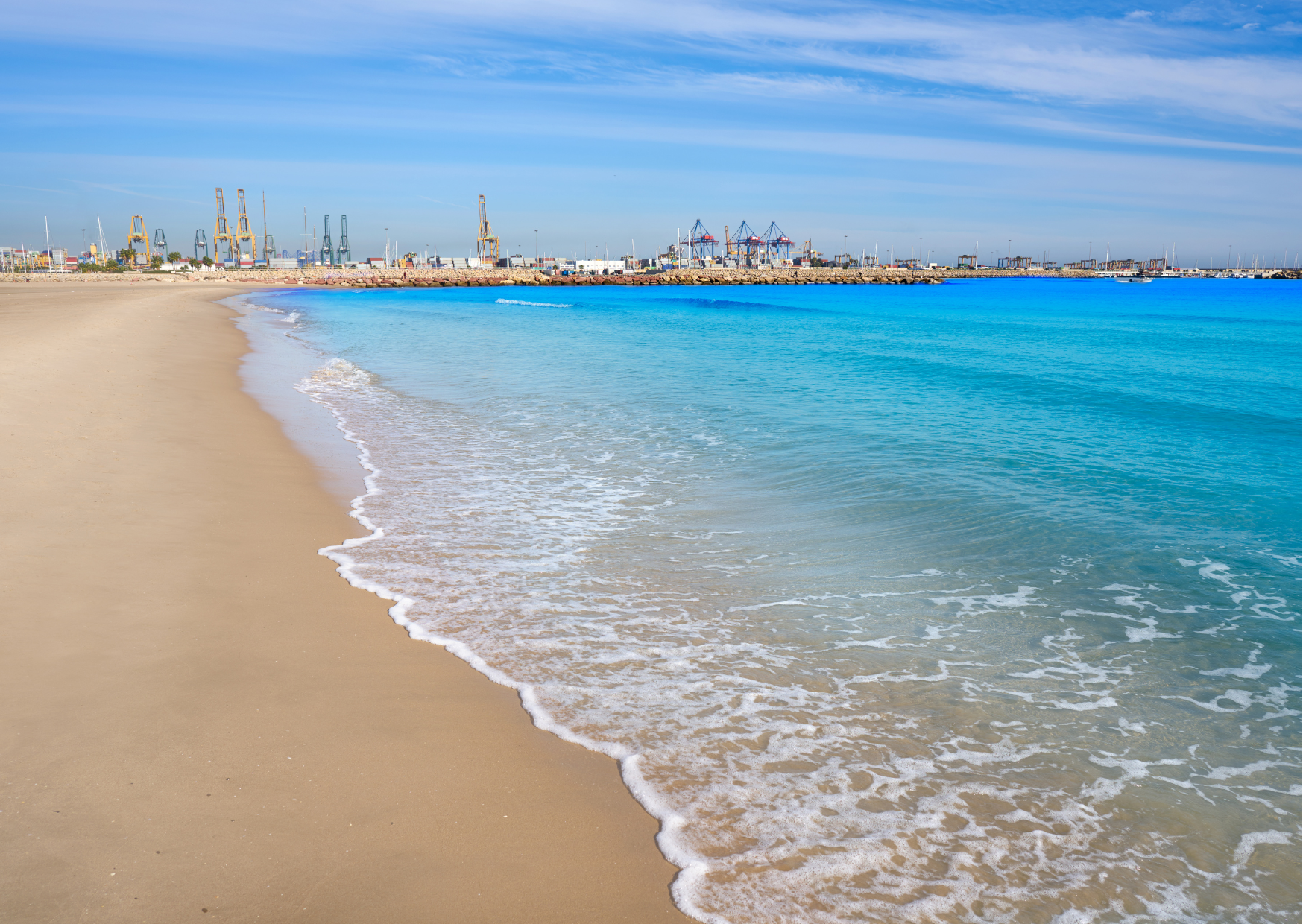
Valencia’s beach is good. The mistake is making it your entire identity.
Use it like locals often do:
- a long walk day
- a sunny lunch day
- a reset day after a busy week
If you go daily like it’s a resort, you often end up spending like it’s a resort.
The 72-hour Valencia plan that feels real, not frantic
If friends visit you mid-month, or you want a “mini-itinerary” without losing your routine, here’s a good three-day loop.
Day 1: old center walk, Mercado Central, and one museum
Spend money once, then end the day with a simple dinner at home.
Day 2: Turia morning, City of Arts and Sciences area for a few hours, then a long neighborhood dinner
Keep the paid attraction focus to one block of time so it doesn’t dominate your whole day.
Day 3: beach walk, a long lunch, then a quiet evening
The quiet evening matters. It keeps the month sustainable.
The point is not to see everything. The point is to enjoy the city while protecting your energy and budget.
The mistakes that wreck a Valencia month
Valencia is forgiving, but it has predictable failure modes for Americans doing a first long stay.
Mistake 1: renting for charm and paying for it every day
Older center apartments can be magical, and also noisy, chilly in winter, and inconsistent in comfort. If you end up escaping your own apartment, you will overspend.
Fix: choose a place that is comfortable first, and charming second. If you want charm, go outside. Valencia gives it to you for free.
Mistake 2: eating out like you’re still on a seven-day trip
Even inexpensive meals add up fast when they become daily. Also, constant eating out makes it harder to build community because your days become consumption-driven instead of routine-driven.
Fix: plan five home dinners a week, and treat lunch out as the main pleasure.
Mistake 3: choosing a base that forces transit for basics
If you need transport to reach groceries, pharmacy, and a decent café, your month will feel like logistics. And logistics fatigue pushes spending.
Fix: make walkability your first filter.
Mistake 4: doing too many day trips early
Day trips are great, but if you do them in week one you never become a familiar face locally. Your month stays socially shallow.
Fix: build your neighborhood loop first, then add travel later.
Mistake 5: expecting instant friendship
Valencia is friendly, but real relationships still run on repetition. If you bounce between new places daily, you stay a tourist socially even if you’re here a month.
Fix: return to the same spots at the same times. Consistency is the social accelerator.
If you avoid these mistakes, Valencia becomes the kind of city where your days get easier as the month goes on, not harder.
Seven days to know if Valencia is your base

If you’re arriving soon, this first-week plan will give you a high-signal answer without turning the month into a performance.
Day 1: walk your radius
Do a 60-minute walk that includes groceries, pharmacy, a café, and a calm route. If you can’t build a daily loop on foot, rethink the neighborhood.
Day 2: do a real grocery shop and cook dinner
Buy what you normally eat. Cook even if it’s basic. This sets your baseline and exposes kitchen problems immediately.
Day 3: learn your transport reality
Ride the bus and metro once each, even if you prefer walking. Save the routes you’ll actually use. Practical mobility is part of the retirement test.
Day 4: choose one repeating social anchor
A class, a language exchange, a gym, a walking group, anything weekly. Your goal is repetition, not instant intimacy.
Day 5: make the Turia your habit
Do the same Turia loop twice in the week. Watch how your energy changes. This is one of Valencia’s hidden advantages.
Day 6: do one cultural block, then stop
Pick one museum or attraction, then go home and live normally. Your month is not a checklist.
Day 7: enjoy a quiet day on purpose
Laundry, groceries, walk, cook, early night. If that day feels good, Valencia is a serious contender. If it feels like boredom you need to escape, you may want a different city energy level.
At the end of seven days, ask yourself one honest question: can you picture living your normal Tuesday here without spending extra money to feel okay?
If the answer is yes, a month in Valencia will not just be pleasant. It will be clarifying.

About the Author: Ruben, co-founder of Gamintraveler.com since 2014, is a seasoned traveler from Spain who has explored over 100 countries since 2009. Known for his extensive travel adventures across South America, Europe, the US, Australia, New Zealand, Asia, and Africa, Ruben combines his passion for adventurous yet sustainable living with his love for cycling, highlighted by his remarkable 5-month bicycle journey from Spain to Norway. He currently resides in Spain, where he continues sharing his travel experiences with his partner, Rachel, and their son, Han.