

If you’ve ever looked at a sunny European coast in August and thought, “This is the life,” you’ve also looked at the wrong month.
The month that makes Europe feel affordable is usually the month nobody brags about on social media. The light is softer. The beaches are empty. The cafés feel local again. And suddenly that same apartment that was impossible in summer is sitting there with a monthly price that looks like someone made a typo.
In the right markets, at the right time, monthly rentals can drop 30% to 40% compared with peak-season pricing. Not everywhere, not always, and not for long-term annual leases. But for the kind of “I want to test living here” stays that retirees and pre-retirees actually book, the discount is real.
The trick is understanding the calendar Europeans already follow. Because the biggest price moves are not about weather. They’re about school schedules, event weeks, and how many people are trying to be in the same place at the same time.
Where “40% off” is real and where it’s fantasy
Let’s clean up the misunderstanding first.
A 40% drop is most common in tourist-driven coastal markets where owners make most of their money in peak season, then try to salvage winter with longer stays. You see it in beach regions, not in cities with year-round demand.
You also see it in the pricing style of short-term rentals: nightly prices are built for weekend and week-long tourists, and then owners slap on 28-night discounts to avoid empty calendars. Some hosts advertise long-stay discounts outright, including examples of 40% reductions for minimum multi-week bookings in resort areas. This is not charity. It is math.
Where a 40% drop is unlikely:
- Annual leases in tight markets, they do not swing seasonally in the same way.
- Cities with constant demand, like the hottest capital neighborhoods.
- Winter-sun islands with strong winter tourism, where “off-season” barely exists.
Where it’s most realistic:
- Beach towns after the last summer flights leave.
- Places that shut down socially in winter, then wake up in spring.
- Regions that openly market winter long-stay offers, like Algarve, where official tourism channels promote long stays November to March.
A useful mindset: you’re not hunting for “cheap Europe.” You’re hunting for the empty month.
And that month varies by region.
The Europe discount calendar that actually matters
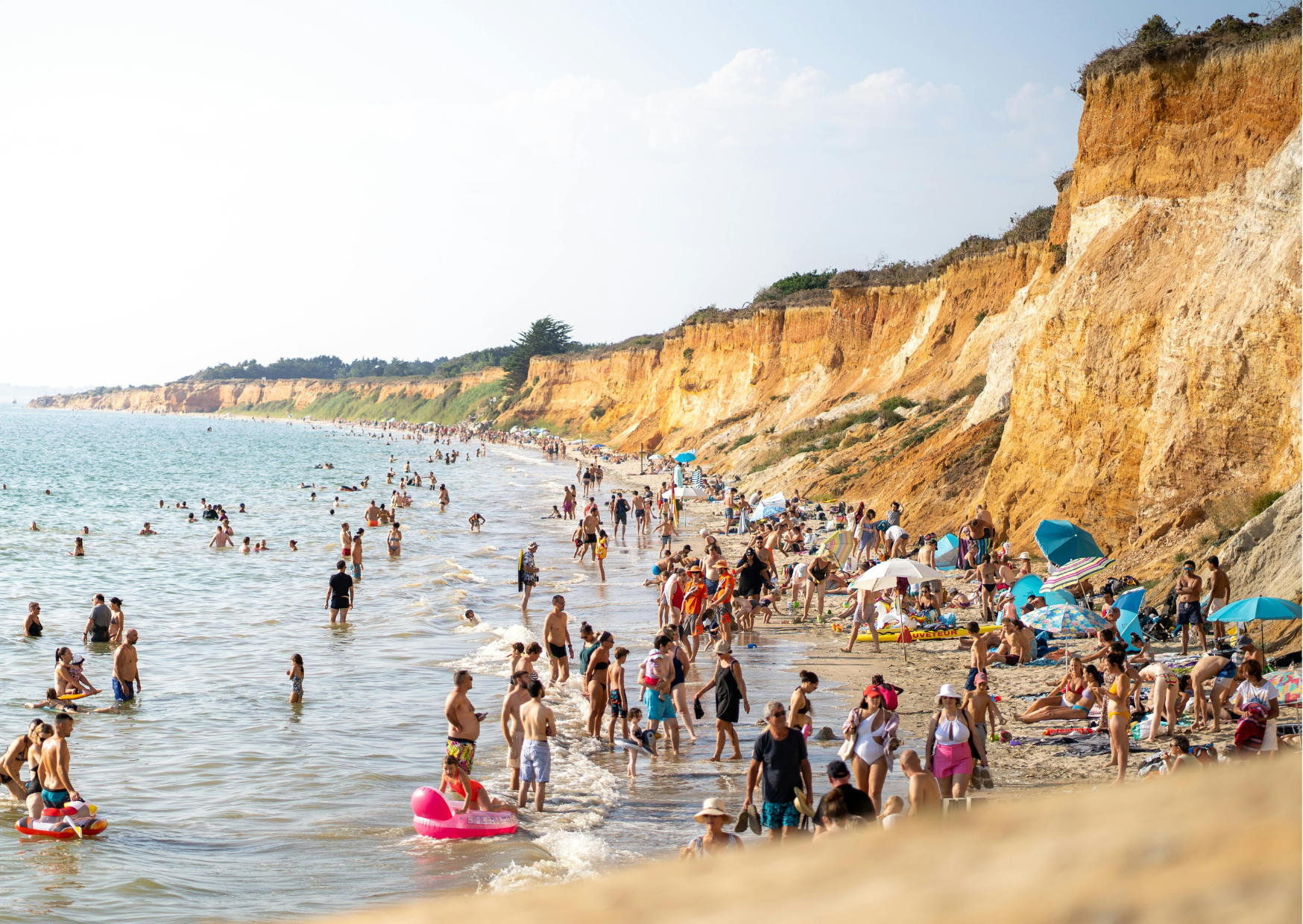
Europe is seasonal in a way Americans often underestimate.
In 2024, Eurostat reported that about one-third of EU residents’ annual tourism nights were spent in July or August, and nights in peak month August were several times higher than in the low month. That is why prices swing so hard. When demand is concentrated, discounts have room to exist.
Here’s the practical calendar you can actually use.
Deep discount months for Mediterranean beach markets
- Mid-November to early March is where monthly deals show up.
- The cheapest stretch is often January and February, with exceptions for holiday weeks.
Shoulder months that still help
- Late October and March can be meaningfully cheaper than summer, but you’ll share the place with other smart travelers.
Weeks that ruin the discount
- Christmas and New Year, always.
- Easter week (dates move), often brutal for pricing.
- Local festival weeks, the surprise spikes that catch newcomers.
- School holiday weeks, especially around late February and spring breaks.
This is why retirees often do well. Older travelers have a less extreme seasonal pattern than younger groups, and can travel when the calendar is empty. That flexibility is basically a money printer, if you use it.
One more reality: the discount does not just come from lower prices, it comes from better negotiation. In the quiet months, hosts answer messages faster, accept fewer minimum nights, and treat you like a long-stay solution, not a tourist.
That’s when your leverage appears.
Mediterranean beach towns: the best deals are November to March
If you want the classic “retiree test month” experience, this is where the savings live.
Beach towns in Spain, Portugal, and parts of southern France make their money in summer. When the season ends, owners would rather have one reliable couple for a month than an empty calendar and a humid apartment.
This is why long-stay winter offers exist, especially in regions that attract northern Europeans escaping winter.
In Algarve, official tourism promotion includes long-stay offers November to March, with published examples of monthly pricing aimed specifically at winter stays.
You’ll see similar patterns in southern Spain coastal zones, where winter long stays are marketed explicitly as a strategy around low winter occupancy.
What this means in your budget:
- If a summer coastal apartment is priced like a luxury good, the winter version often becomes a livable monthly number.
- Your grocery costs stay similar, but your housing cost drops, and housing is the big lever.
- Your days become quieter, which is either heaven or a surprise loneliness test.
The weekly rhythm that makes winter beach towns work:
- Two big walks a day, morning and late afternoon.
- One “errand morning” where you do all admin in one sweep.
- Two cafés a week, not every day, or your winter bargain becomes expensive.
- One day trip a week by regional train or bus, just enough novelty to stop the walls closing in.
Also, be honest about winter comfort. Coastal winter is not freezing, but damp can make a home feel colder than the thermometer suggests. If the apartment is not set up for winter, you’ll pay for it in coping behavior, extra cafés, more restaurants, more “let’s go away this weekend” spending.
The cheapest month in a beach town is only a bargain if you like your apartment on day 19.
Big cities have weird inversions that Americans miss
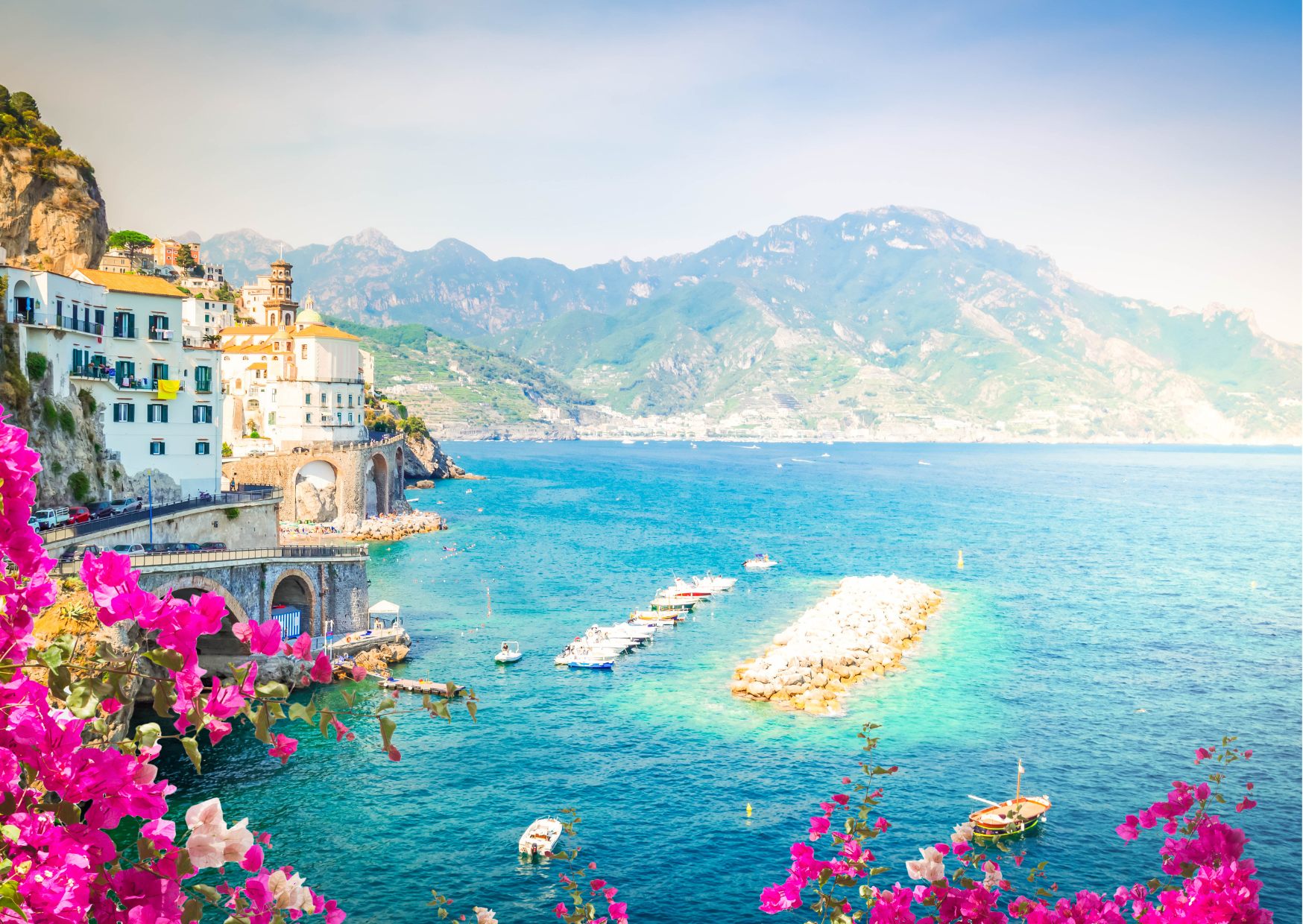
Here’s the counterintuitive part: some big cities have their own off-season patterns, and they don’t always match beach logic.
Two examples you see constantly in Spain:
- January and February are often calmer for city stays, after the holiday wave.
- August can be a discount month in certain cities because locals leave and the city empties in a different way.
The catch is that cities are not purely seasonal in the way beach towns are. There’s business travel, conferences, and constant demand. That reduces the chance of a true 40% drop.
But you can still find meaningful monthly softness if you avoid the weeks that act like magnets.
Cities have “price landmines”:
- Big conference weeks
- Major festivals
- Sporting events
- Holiday travel surges
For example, Barcelona remains heavily impacted by tourism demand and the short-term rental market is under strong regulatory pressure. You can still find quieter months, but you can also stumble into a pricing spike without realizing why.
The weekly rhythm that makes city off-season work:
- Choose a neighborhood where daily life is walkable, so you don’t spend on taxis.
- Do one “museum or cultural” day a week, not daily, or your budget turns into a slow leak.
- Lock in a repeating social anchor. Winter city life can feel isolating if you don’t build repetition.
Cities also reveal a personality truth. Some people need the energy of a city to feel alive, even if it costs more. Some people want quiet and will pay extra to escape noise.
Off-season is when you find out which one you are.
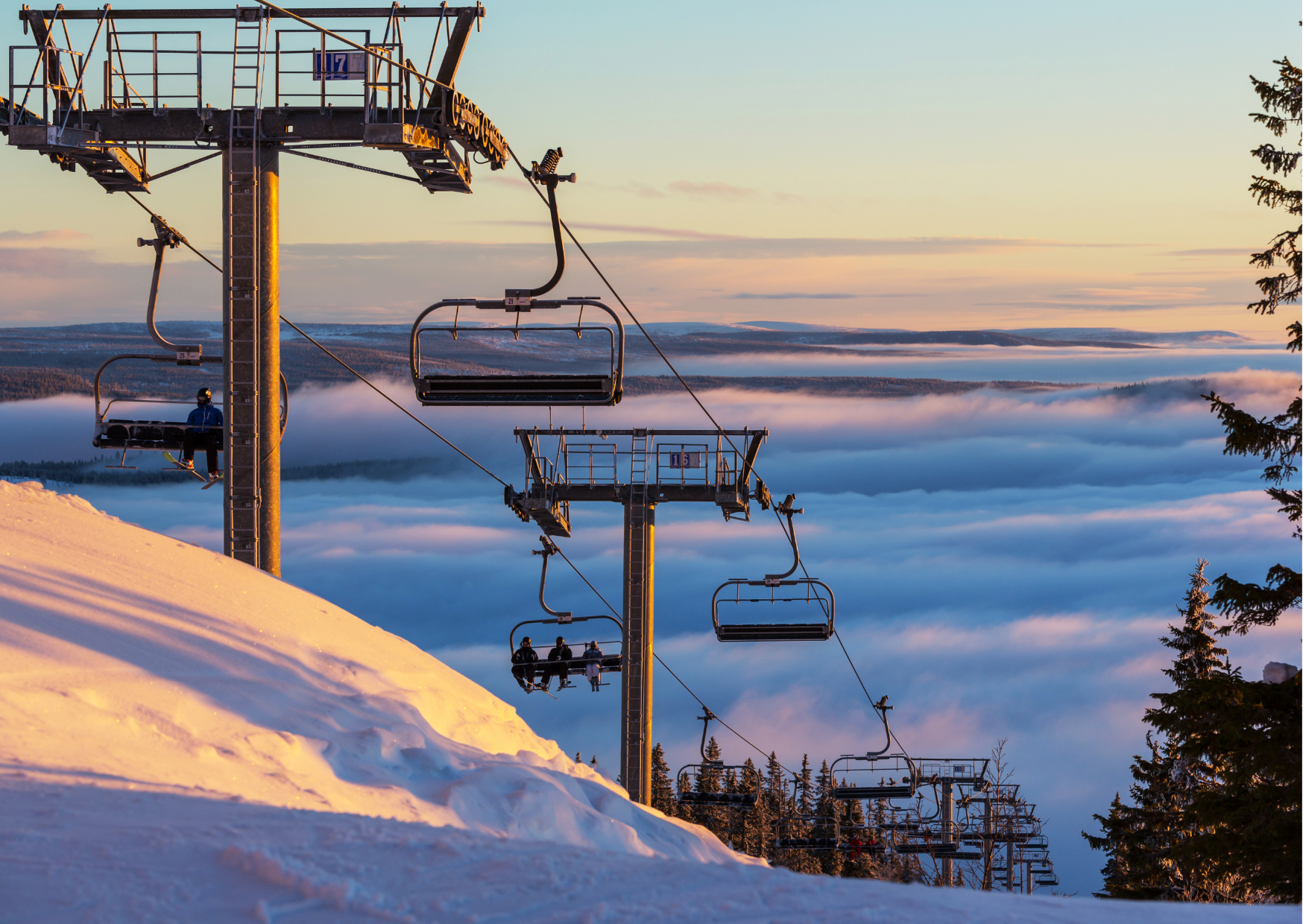
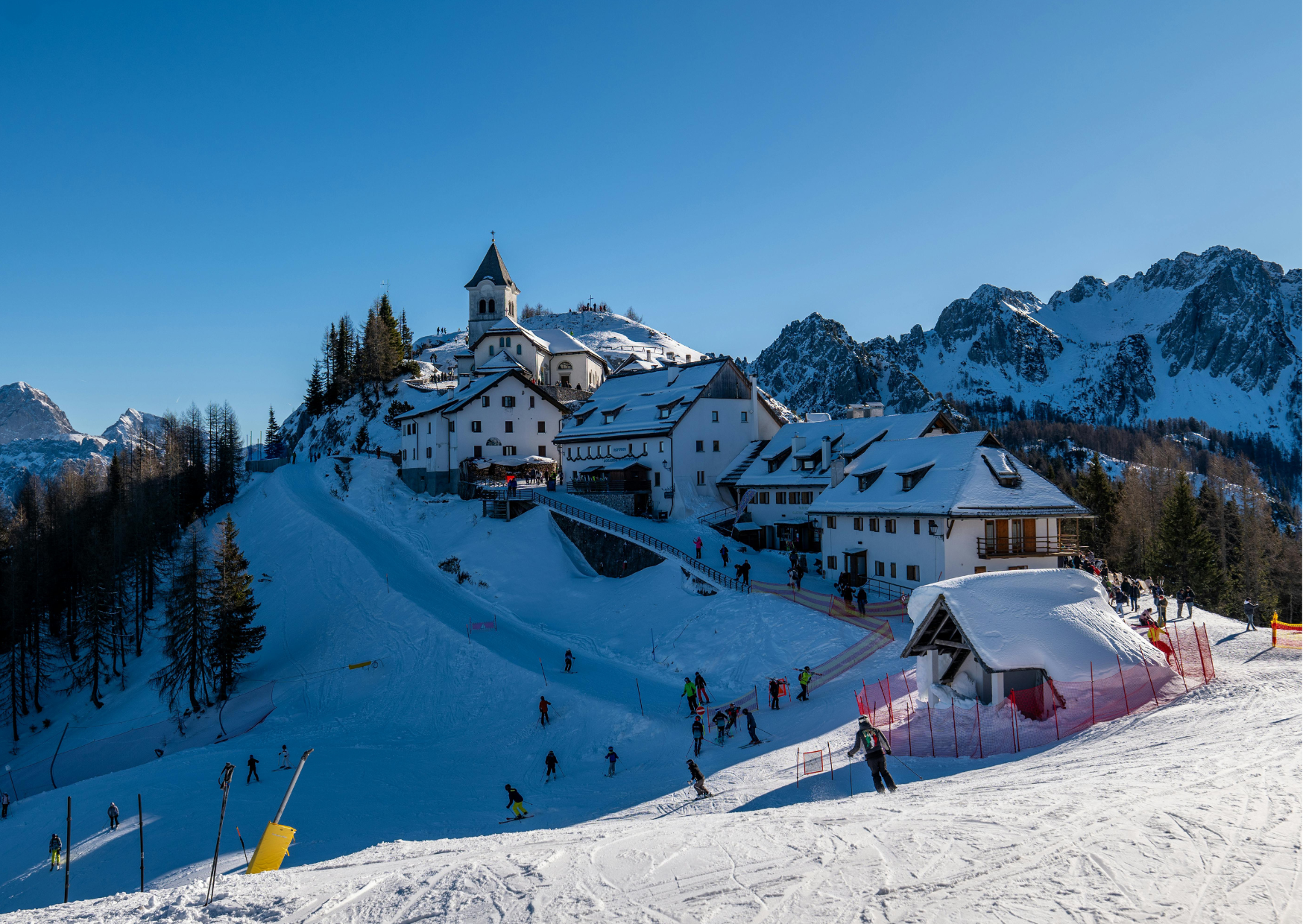
Mountains and ski regions have the opposite discount months
If your dream is mountain Europe, the discount calendar flips.
Ski regions and Alpine towns have two peaks:
- winter snow season
- summer hiking season
The emptiest stretches are usually:
- late April to mid-June
- mid-September to early December
That “dead zone” is where monthly rentals can get soft because owners are between earning seasons.
This matters for retirees because mountain living is often a health choice. People choose it for walking, breathing, and a slower pace.
But the weekly rhythm is different:
- Your life needs to be built around daylight and weather.
- You need a real plan for groceries and transport, because you cannot rely on constant services in the quiet months.
- Your social life will be smaller unless you build it intentionally.
Also, mountain “off-season” can feel emotionally intense. Towns can be sleepy, restaurants shut, and your day becomes very home-focused. If you like cooking, reading, and walking, it’s perfect. If you need constant stimulation, you’ll spend money traveling to escape, and the cheap rental becomes pointless.
A practical strategy: if you want mountains but fear the dead zone, choose a regional hub town rather than a pure resort village. The price drop will be smaller, but life stays functional.
The booking method that actually gets you the winter rate
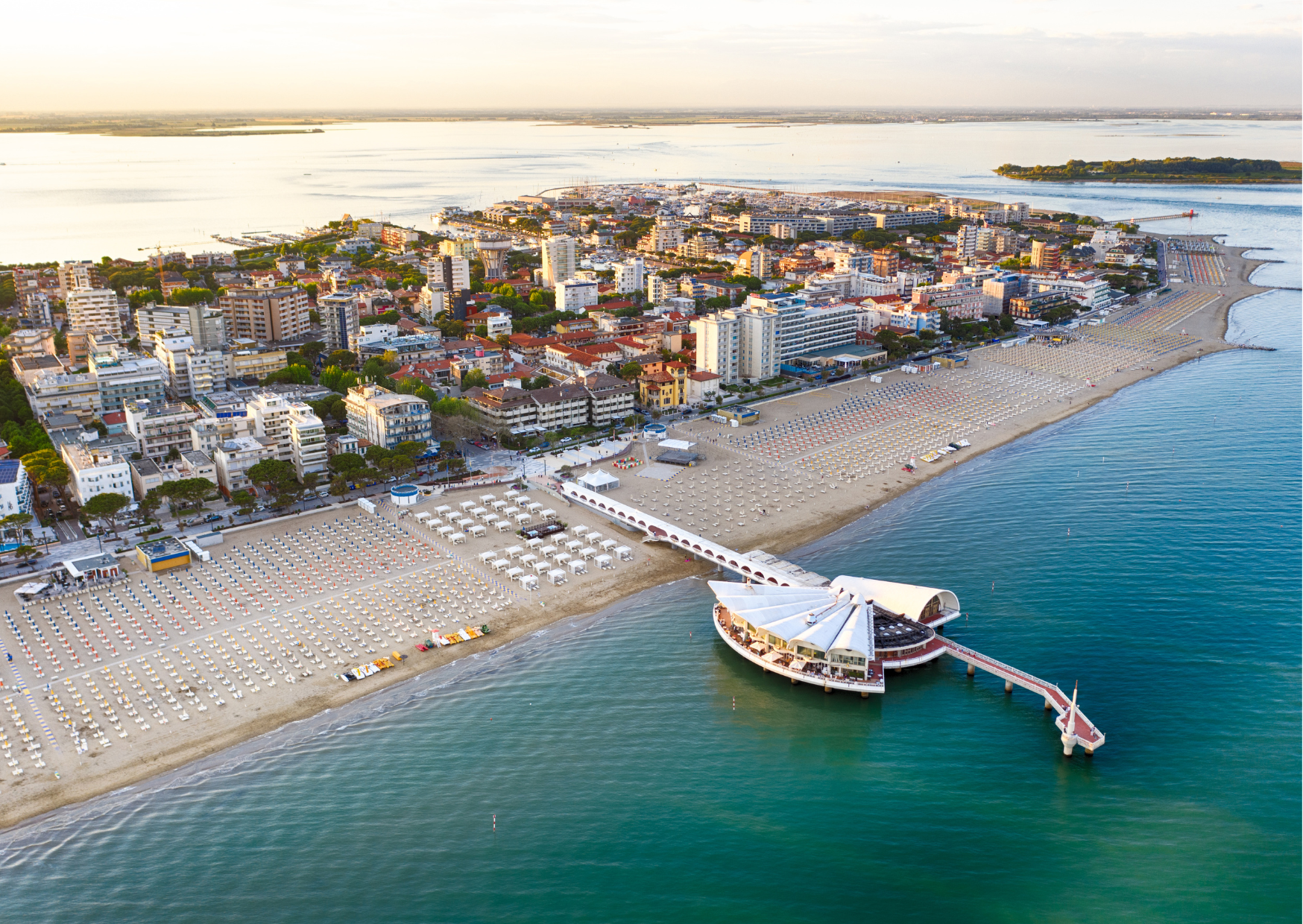
People think the discount is a secret trick.
It’s not. It’s a behavior pattern.
Winter discounts show up when you book like someone who is stable and easy.
Here’s what consistently works.
1) Search by month, not by destination
Pick the month first, then pick the place. If you pick the place first, you’ll talk yourself into paying peak prices because you got emotionally attached.
2) Filter for 28 nights, even if you only need 25
The algorithmic discounts are often triggered by 28-night pricing. If you search for 25 nights, you may miss the pricing tier entirely.
3) Message like a long-stay tenant, not a tourist
One short paragraph:
- dates
- who you are
- that you work quietly or you’re retired
- that you want stability
- one question about winter comfort, heating, and utilities
That’s it.
4) Ask about utilities early
Winter deals can be fake deals if utilities are excluded. Electricity and heating can turn into a nasty surprise, especially in older coastal apartments.
5) Always cross-check the calendar
If you’re trying for January deals but your dates overlap with a local festival or school holiday week, you’ll pay for it.
A blunt truth: owners give the best rates to people who sound easy and predictable. Winter is when they want their life to be simple too.
The mistakes that make people miss the discount
Most people don’t fail because they pick the wrong country. They fail because they pick the wrong week.
Common mistakes:
- Booking Christmas to early January and calling it off-season.
- Forgetting that Easter moves, and collides with spring pricing.
- Choosing a coastal town for winter but picking a damp, cold apartment, then spending money to cope.
- Overbooking activities because you fear boredom, then declaring the place “not cheap.”
- Treating relocation research like a vacation, hopping cities every few days, and paying tourist rates the whole time.
Another big one is misunderstanding the rental market.
In parts of Spain, the line between residential rentals and seasonal rentals has been shifting, with more “alquiler de temporada” inventory and more competition for long-term housing in some cities. That can affect availability and price patterns, especially in hot areas.
So if your plan is to arrive in a city and casually “find a long-term apartment later,” be careful. In some places, long-term stock is tight and seasonal stock is the thing that’s growing.
If you want a calm winter month, the best move is often to lock a monthly rental first, then house-hunt from a stable base.
Seven days to lock the off-season month you actually want
This is the method that saves money and prevents decision fatigue.
Day 1: Choose your empty month
Pick January or February for Mediterranean bargains, or late April for mountain bargains. Decide the month first.
Day 2: Pick three backup regions
One coastal, one city, one hybrid. You want optionality because a single market can get weird.
Day 3: Set a rent ceiling
Write a number you will not cross. If you cross it, you’re no longer doing off-season, you’re doing “expensive month with better weather.”
Day 4: Search only 28-night stays
Even if your trip is shorter, search 28 nights to surface the pricing tiers.
Day 5: Send five short messages
Be boring and stable. Ask one winter-comfort question. You’re trying to sound like the easiest booking they’ll get all month.
Day 6: Check the landmines
Look up the local festival week, school holidays, and big event dates for that region. Avoid the magnet weeks.
Day 7: Lock it, then stop browsing
Once you book a good winter rate, stop shopping. Shopping creates regret and regret creates expensive upgrades.
Timing beats willpower. If you try to do this with vibes and late-night browsing, you’ll end up paying spring prices while telling yourself it’s winter.
The decision you’re really making
Off-season Europe is not just cheaper. It’s more honest.
You get the real pace. You see whether you like quiet. You find out how your body feels in a different climate. You learn whether you can build routines without constant novelty.
If your goal is to test retirement or long-term living, pick the month that gives you leverage.
That month is often the one nobody posts.
And if you can make peace with that, you’ll unlock the version of Europe that actually feels like a good deal.

About the Author: Ruben, co-founder of Gamintraveler.com since 2014, is a seasoned traveler from Spain who has explored over 100 countries since 2009. Known for his extensive travel adventures across South America, Europe, the US, Australia, New Zealand, Asia, and Africa, Ruben combines his passion for adventurous yet sustainable living with his love for cycling, highlighted by his remarkable 5-month bicycle journey from Spain to Norway. He currently resides in Spain, where he continues sharing his travel experiences with his partner, Rachel, and their son, Han.