

The flight to Lisbon felt like the clean ending.
Two suitcases. A folder of documents. One of those calm smiles people wear when they’ve just done something terrifying on purpose.
She’d sold the house. Sold the furniture. Closed the chapter. Friends called it brave. Her family called it “finally.”
Portugal was supposed to be the gentler version of a reset. Lower costs. Walkable cities. A health system that didn’t feel like a hostage negotiation. The promise of a life where mornings start with sunlight and not a car commute.
Fourteen months later she was back in Ohio, buying a space heater, signing a one-year lease, and telling people Portugal was “beautiful, but complicated.”
That sentence is a shield. It hides the real reasons Americans return.
Because most people do not boomerang home because they hate Europe. They boomerang because year one becomes administrative limbo, housing becomes cash-heavy and unstable, and loneliness becomes physical. Then one trigger event happens, and leaving starts to feel like the only adult choice.
This story is not rare. It’s a pattern.
And if you’re an American thinking about Portugal, this is what to build around so you don’t burn 14 months proving a point to yourself.
The “sell everything” move creates the trap
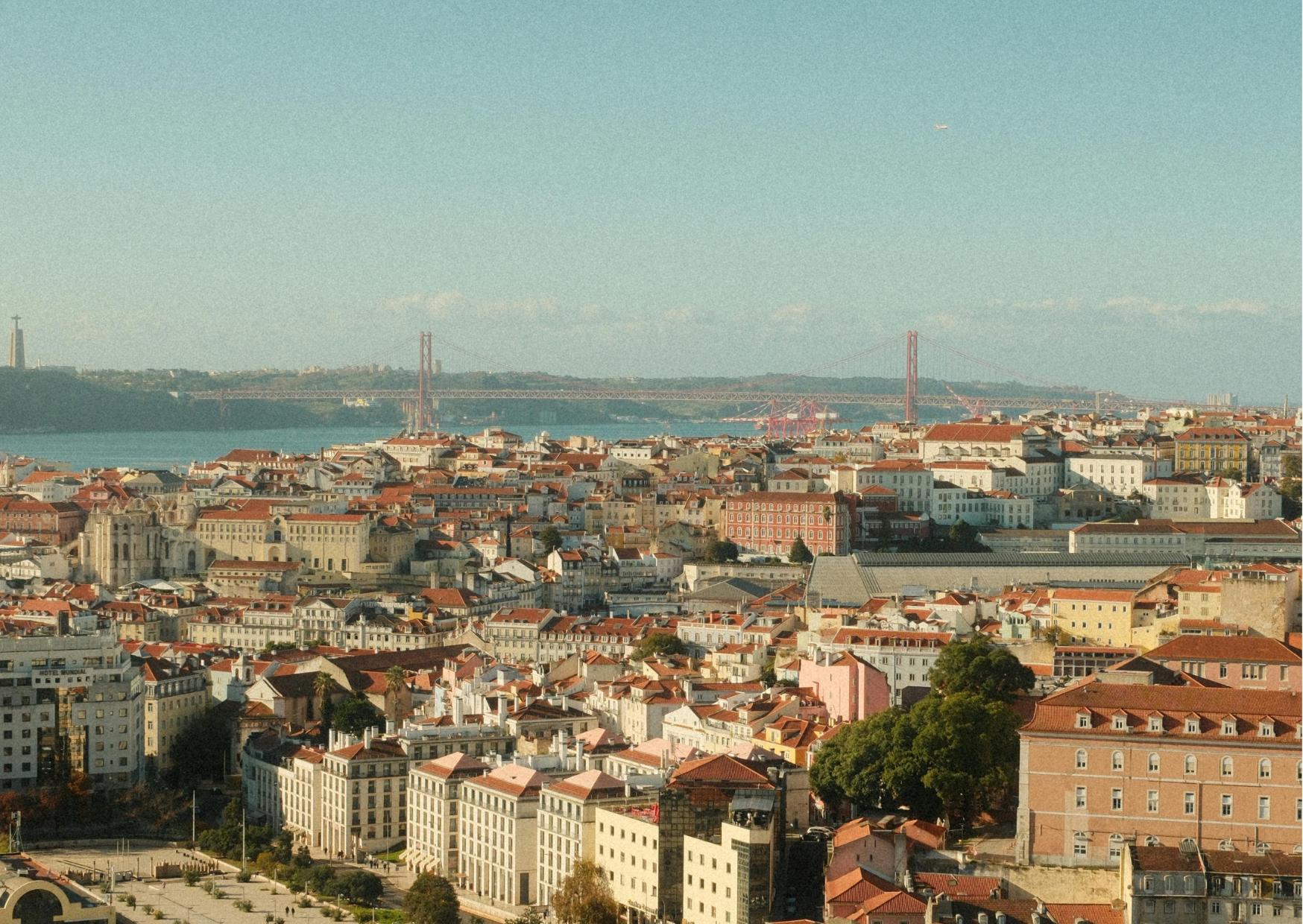
Selling everything feels clean. It also removes your safety rails.
Americans often do this because they want psychological relief, not just a new address. They want fewer obligations, fewer objects, fewer reminders of the life that stopped working.
But Portugal does not hand out stability on arrival. Stability is earned through slow systems. If the U.S. life is already gone, every delay in Portugal feels sharper. Every hiccup becomes existential.
This is the hidden trap: commitment without certainty.
When you still have a home base, even a modest one, your nervous system has an off-ramp. You can reset. You can go back for a month and return calmer. When everything is sold, your whole identity is pinned to the success of the move.
That creates a quiet pressure most people underestimate.
It also creates social pressure. Back home, people assume Europe means instant happiness. So when the first year is rough, people often hide it. They keep the photos upbeat. They keep the updates light. They don’t say the obvious sentence out loud: this is harder than expected.
By the time the truth catches up, they’re exhausted.
Portugal is friendly. The system is not fast.
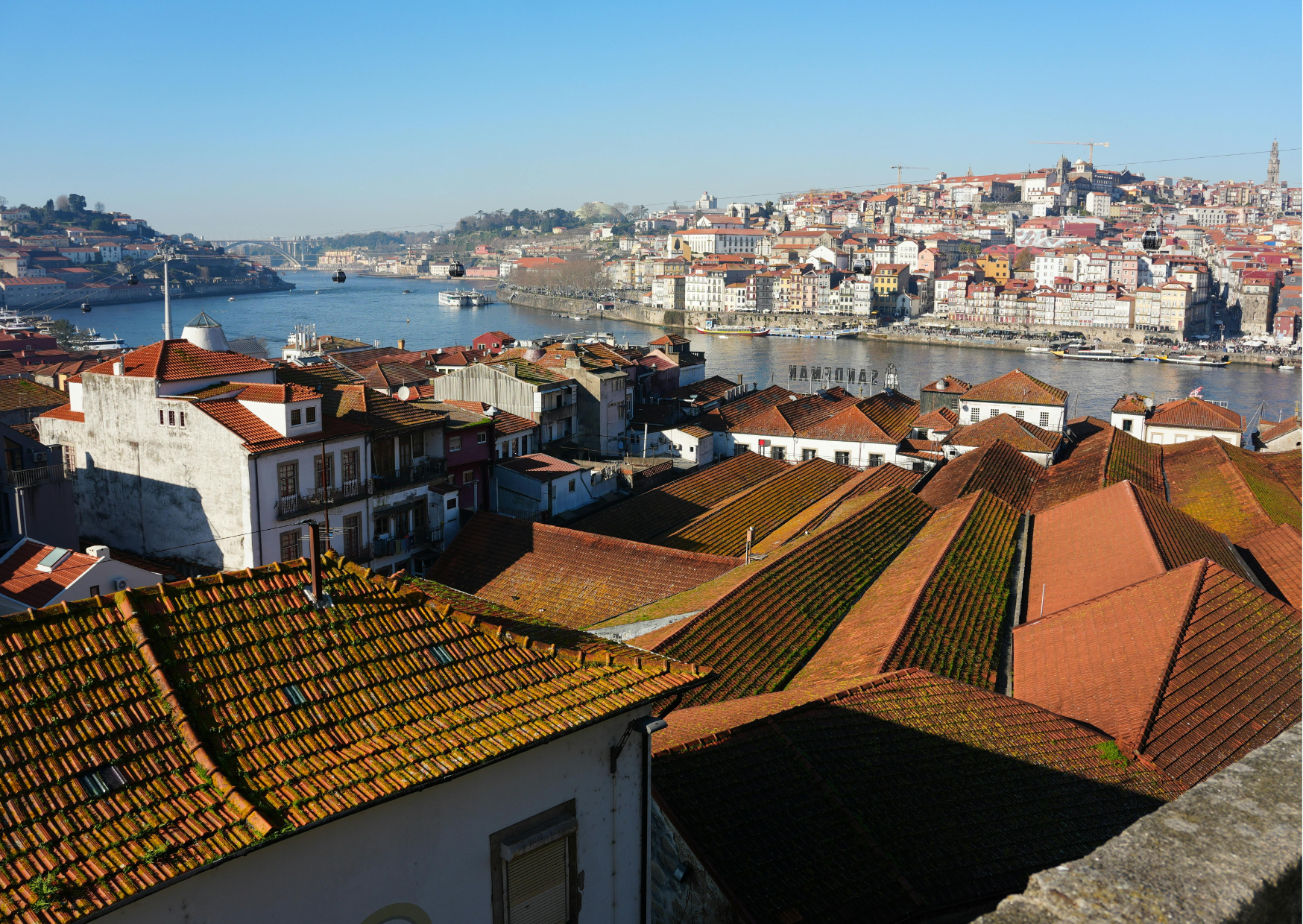
Portugal is welcoming in a very human way. Strangers help. People smile. Neighbors offer advice. Staff in cafés learn your order.
Then the administrative side shows up and reminds you that friendliness does not equal speed.
For many American retirees, the popular path is the D7 route. Portugal’s official visa portal explains that the means-of-subsistence benchmark is tied to the national minimum monthly salary, which is €920 in 2026. That number becomes the baseline reference point for many residency calculations and planning conversations.
The number is not what breaks people. The process is.
AIMA (the agency handling integration, migration, and asylum) has been dealing with appointment bottlenecks and backlog issues. Portugal’s own visa portal even published guidance about cases where a residence visa can be issued without an AIMA appointment when appointments are unavailable. That is an official way of saying what newcomers already feel in their bones: the pipeline is strained.
This is how bureaucracy fatigue happens:
- One document unlocks the next document.
- Appointments appear rarely and vanish quickly.
- Deadlines and waiting periods overlap in ways that make you feel irresponsible, even when you’re doing everything you can.
- You spend mental energy tracking the process, instead of building a life.
Most Americans have never lived inside a system where persistence matters more than urgency. In the U.S., you can often escalate, pay for speed, or “solve it today.” In Portugal, the system does not always respond to pressure the way Americans expect.
So people start saying things like “Portugal is disorganized,” when the more accurate statement is Portugal moves at a different tempo, and newcomers suffer most because they have no local shortcuts yet.
Housing is where the dream turns cash-heavy
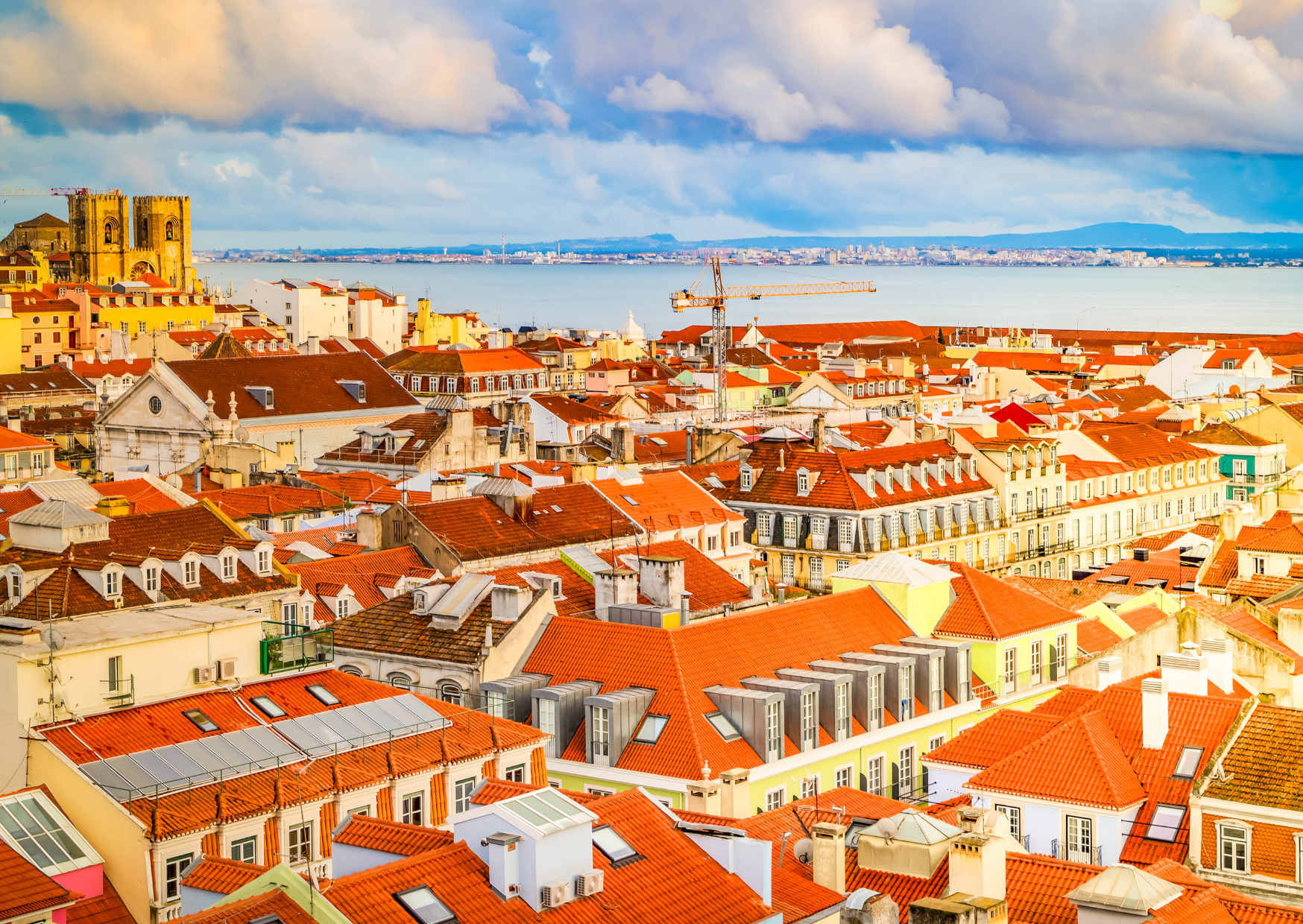
Housing is the first place the fantasy breaks, because it hits immediately and it costs real money fast.
Many Americans land in Lisbon, Porto, or nearby coastal zones because it feels easier. More English. More expat infrastructure. A sense that they can “figure it out” from there.
Then they discover the newcomer premium.
If you don’t have local income, local references, and a local track record, landlords often want extra reassurance. Sometimes that reassurance is paperwork. Sometimes it’s cash.
It’s also important to understand what the law says versus what the market asks for.
Since January 1, 2023, changes tied to Portugal’s state budget updated the Civil Code rules on rent advances, limiting advance payment to no more than two months with written agreement. In practice, market behavior can still be messy, especially for foreigners who are seen as higher risk or more temporary.
So the newcomer reality often looks like this:
- A deposit that can be significant.
- Rent asked in advance, sometimes within legal limits, sometimes not.
- A tight market where desirable apartments disappear quickly.
- A short-term rental fallback that is far more expensive per month.
This is where people panic-spend.
They take the first apartment that says yes. They accept a neighborhood that doesn’t fit their real lifestyle. They lock in a place that feels like vacation, not like daily life.
Then winter arrives. Or noise arrives. Or the commute to basic errands feels annoying. Or the building is damp. Or the apartment is beautiful but cold.
Housing is not just a budget line. It’s the container of your mental health.
A retiree who is cold at home, stressed about paperwork, and overpaying rent is not living the Portugal dream. They are living an expensive waiting room.
The loneliness curve hits around month four

The first months can feel like a honeymoon. Even lonely people feel entertained at first because novelty is a drug.
Then novelty wears off.
For single Americans, month four is when loneliness often becomes physical. Not dramatic. Just heavy. The small routines that kept life stable in the U.S. are gone, and nothing has replaced them yet.
Portugal is friendly, but friendliness is not the same as intimacy.
Portuguese social circles often have depth and history. People have family gravity. Friendships can be slower to form, especially if your Portuguese is limited. You can be warmly treated and still feel peripheral.
This is where the return story begins, because loneliness changes behavior.
People start making tiny coping choices that look harmless but stack up:
- They stop cooking because cooking for one feels bleak.
- They order delivery more often because it feels like control.
- They stay inside because “going out alone” starts to feel like work.
- They spend more time on U.S. news and U.S. social media because it feels familiar.
That’s how a move becomes smaller instead of bigger.
The mistake is thinking the solution is “be more social.” The real solution is build repetition.
Portugal rewards routine more than performance. The people who thrive usually have at least one repeating anchor in each category:
- a café where staff recognize them
- a weekly activity that forces contact with the same humans
- a neighbor relationship, even if it’s simple
- one “practical friend” who understands local norms
If none of that exists by month six, the move starts feeling like an extended solo trip with paperwork.
The competence hit is what most people never admit
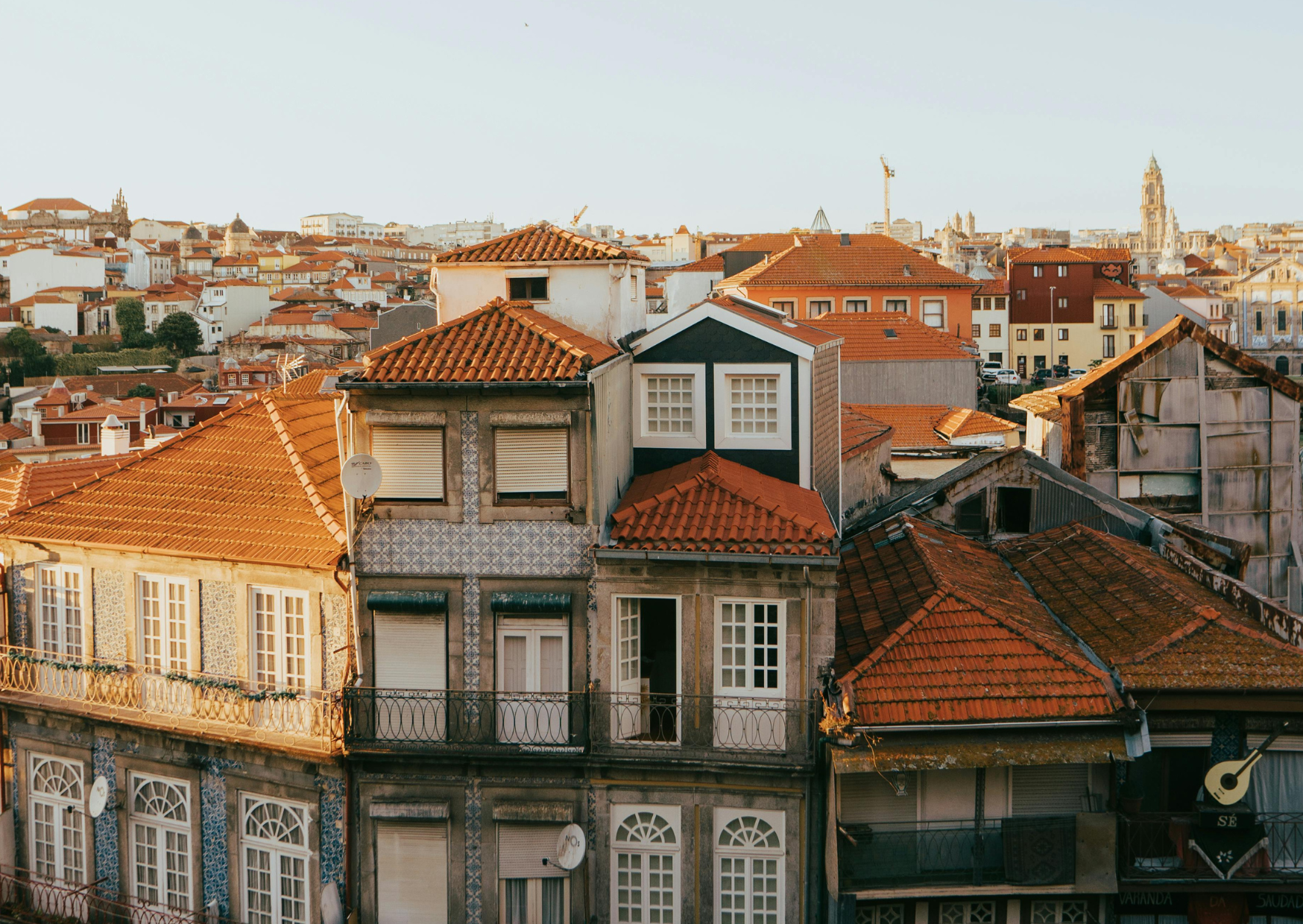
This is the part that sends people home quietly.
In the U.S., she knew how to be an adult. She could solve problems quickly. She could call, schedule, escalate, pay, and move on.
In Portugal, her competence did not transfer.
It’s not about intelligence. It’s about context. Every small task costs more energy when you’re translating language, tone, and cultural expectations at the same time.
This is what it looks like in real life:
- calling a utility company becomes a stress event
- banking feels like a maze
- an official letter in Portuguese feels like a threat
- a misunderstanding feels personal, even when it isn’t
And here’s the darker part: when people feel incompetent, they shrink their world. They choose the safest routes, the safest shops, the safest conversations. They stop exploring. They stop learning. They stop risking embarrassment.
Then they say Portugal is boring.
It’s not boring. Their life got small.
This is why “selling everything” is such a dangerous move. If you can’t tolerate the competence dip, you start craving the U.S. not because you love it, but because you miss being fluent in your own life.
Most returnees won’t say that out loud. They’ll say, “It wasn’t for me.”
But the honest version is often: I got tired of feeling behind.
The money reality is not just rent, it’s the two-life tax
Portugal can be cheaper than many parts of the U.S. It can also be more expensive than Americans expect in the first year because the cost structure is different.
Many Americans budget Portugal like a normal move. It’s not.
Year one often includes:
- short-term housing premiums
- document and translation costs
- private insurance while residency stabilizes
- upfront apartment costs
- cash tied up in deposits
- repeated travel back to the U.S. when life happens
Now add the two-life problem.
A surprising number of retirees try to keep two full lives running:
- a full home base back in the U.S., even if “temporary”
- a full new life in Portugal
That strategy quietly destroys budgets because it creates duplicate fixed costs.
It also creates a time problem. If you’re constantly leaving, you never build the depth that makes Portugal feel like home. You stay in newcomer mode. Newcomer mode is expensive.
A realistic first-year monthly budget for a single retiree in Lisbon or Porto can easily land in the €2,200 to €2,600 range once rent, utilities, groceries, transport, and private coverage are included, before flights and surprises. That can still be cheaper than a high-cost U.S. metro, but it does not feel “cheap” when you are also paying U.S. obligations.
This is where people start doing the math in their head:
“If I’m spending this much and I’m lonely, why am I doing this?”
That question does not get kinder over time. It gets louder.
Why 14 months is a predictable breaking point
Fourteen months is not random. It’s a common arc.
Month 1 to 3: honeymoon
Everything feels fresh. The small inconveniences are charming.
Month 4 to 6: friction and isolation
Paperwork drags. Social life is thin. The routine still isn’t stable.
Month 7 to 9: emotional accounting
The mind starts comparing everything to the U.S. The move starts feeling like work.
Month 10 to 12: trigger event
Something happens. A family member needs help. A health concern pops up. A residency step stalls. A landlord problem appears. A friendship fades. It doesn’t have to be dramatic. It just has to be the thing that tips a tired brain into “I can’t handle one more layer.”
Month 13 to 14: leaving becomes logical
Once leaving feels emotionally permissible, it becomes operationally simple. A flight. A lease ending. A storage plan. A return address. Suddenly everything moves quickly again because the return system is familiar.
People often tell the story as “Portugal didn’t work out.”
But the real story is that year one never became stable enough to create joy. Without stability, the move becomes a test of endurance. Most people don’t want their retirement to feel like endurance.
So they go home.
Not always because they failed. Because they chose relief.
The first 7 days in Portugal that prevent the Ohio ending
This is the part that actually changes outcomes. Not motivation. Design.
Here’s what the first week should look like if the goal is staying longer than a year.
Day 1: Choose convenience over charm.
Pick a neighborhood for daily life, not scenery. Walking distance to groceries, pharmacy, transit. Convenience is not weakness, it’s how you conserve energy for the hard parts.
Day 2: Build a paperwork system immediately.
Digital folder. Paper folder. Scan everything. Track expiry dates. Order beats optimism in Portugal.
Day 3: Set one repeating routine.
Same café every morning, same walk, same grocery run. The goal is making life feel predictable. Repetition creates safety in a new country.
Day 4: Solve your comfort basics without guilt.
Bedding, heating plan, humidity control if needed. If your home feels uncomfortable, your mood will collapse faster than your budget. Cold and damp erode resilience.
Day 5: Learn functional Portuguese, not perfect Portuguese.
Forget poetry. Learn pharmacy phrases, landlord phrases, bank phrases. Daily competence is the win, not fluency.
Day 6: Add one weekly social container.
Language exchange, volunteer shift, class, walking group. Not a one-off meetup. You need repetition with the same people. Frequency matters more than chemistry at first.
Day 7: Decide your exit policy while calm.
Write down what would truly trigger leaving, and what is simply discomfort you will ride out. This prevents panic decisions at month ten. Clarity protects the plan.
Portugal can be a beautiful retirement life. It can also be a beautiful 14-month detour.
The difference is not whether you love Lisbon sunsets. The difference is whether you design for stability before you chase happiness.
Go if you can tolerate slow admin, build routine, and budget for a higher-burn first year.
Reconsider if you need instant belonging, instant efficiency, and a low-friction life right away.
And if you still want to sell everything, do it later. Do it after Portugal has earned the right to be permanent.

About the Author: Ruben, co-founder of Gamintraveler.com since 2014, is a seasoned traveler from Spain who has explored over 100 countries since 2009. Known for his extensive travel adventures across South America, Europe, the US, Australia, New Zealand, Asia, and Africa, Ruben combines his passion for adventurous yet sustainable living with his love for cycling, highlighted by his remarkable 5-month bicycle journey from Spain to Norway. He currently resides in Spain, where he continues sharing his travel experiences with his partner, Rachel, and their son, Han.