
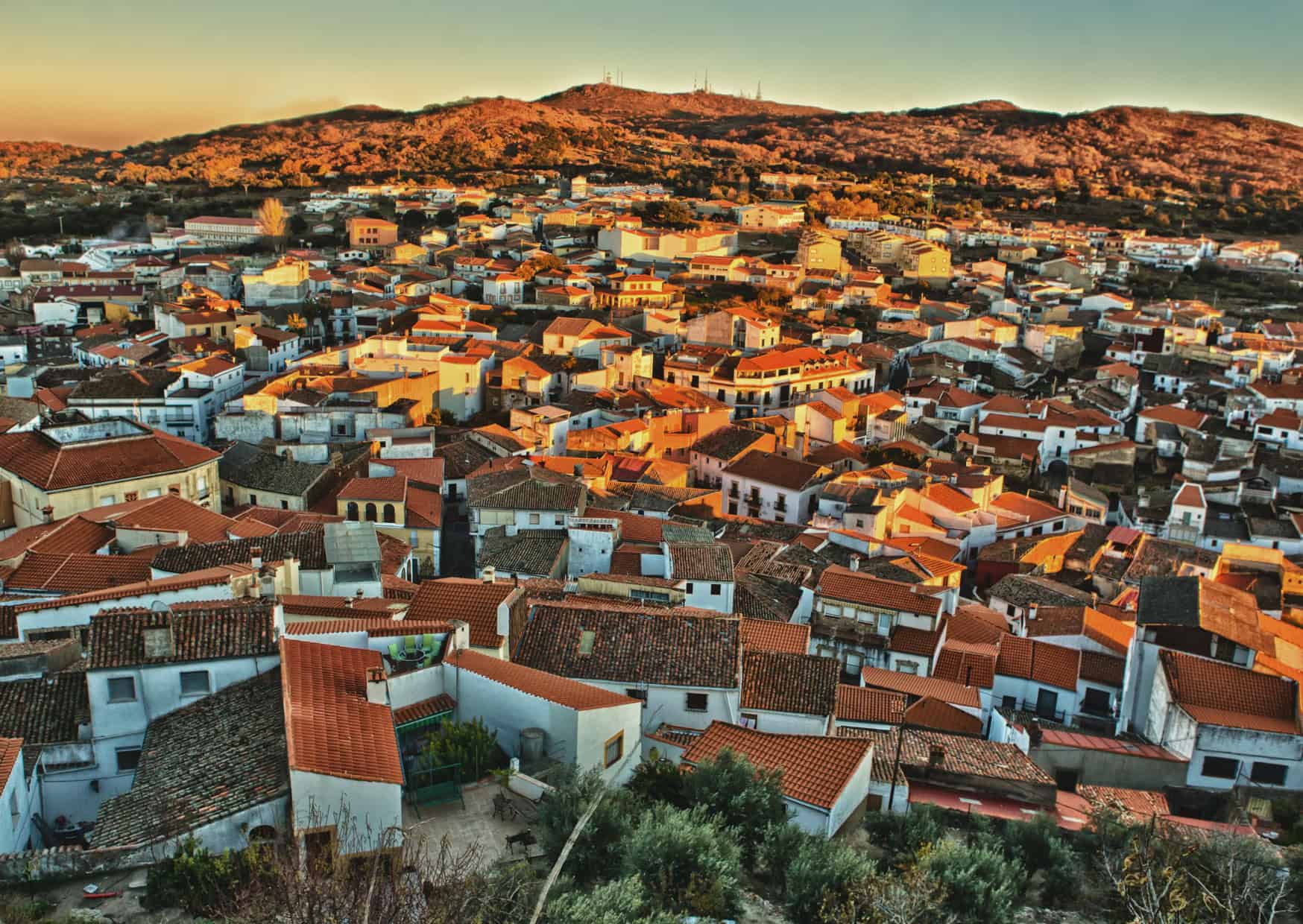
We arrived with spreadsheets, saved posts, and a neat story about “slower living.” Spain greeted us with wet towels that never dried, a pharmacy that solved a problem in five minutes, and a neighbor who knew our schedule before we did.
The research was not useless. It got us here.
But research is a liar in one very specific way: it gives you answers to questions you are not actually going to ask once you live the days.
A month is long enough for the country to stop performing for you. The novelty fades. The small frictions pile up. You either build a week that works or you start bleeding money and patience.
By day 30, we weren’t thinking about Spain as “Europe.” We were thinking about it as a system that rewards certain habits and punishes others.
Here’s what the first month taught us that the internet never managed to explain.
The “country” is your Monday morning, not your weekend
Most advice is written from a Saturday brain.
Saturday brain is all markets and sunshine. Monday brain is the reality check: the trash schedule, the bank app, the weird noise at 2 a.m., the fact that you cannot find the same exact product you used at home and it makes you irrationally angry.
In our first month, the biggest lesson was that Spain is built around routines, not hacks. If you try to force your American pattern onto it, everything feels slightly off.
The Spanish pattern that worked best for us looked like this:
- A tight walking radius, 20 minutes on foot to cover most life needs
- One main supermarket plus one market or frutería for better produce
- A fixed admin morning every week so paperwork never becomes a crisis
- A predictable “outside time,” even when we didn’t feel like it
The change was immediate. When we repeated the same routes, the city became easier. People recognized us. Shops got friendlier. Our spending got flatter. We stopped using cafés as entertainment and started using them as punctuation.
The part research misses is emotional: your brain relaxes when your week repeats.
A month in Spain is basically a test of whether you can tolerate repetition without calling it boring.
And if you can, Spain starts giving you something Americans forget exists: calm momentum.
Housing is not just rent, it’s comfort, noise, and winter inside

Americans obsess over rent numbers. Rent matters, obviously. But the part that determines whether you thrive is what your home feels like at 7 a.m. in February or at 11 p.m. when the street below decides tonight is the night.
Our first rental was not terrible. It was also not what we expected from the listing photos.
What we learned quickly:
- “Bright” can mean “faces a noisy street.”
- “Cozy” can mean “small and damp.”
- “Renovated” can mean “the furniture is new but the windows still leak sound.”
- “Fully equipped” can mean “one pan and a dull knife.”
The big surprise was indoor comfort. You can choose Spain for sun and still spend winter shivering at home if you pick the wrong building. The cold is not dramatic. It’s persistent. It makes towels stay wet. It makes bedrooms feel clammy. It makes you want to stay in bed longer, which sounds romantic until your mood drops.
So we did what locals do. We stopped treating home comfort as an optional expense.
In that first month we bought:
- A small dehumidifier
- A better blanket
- A basic drying rack that actually holds a load
- One space heater for the room we used most
None of it was expensive in isolation. Together, it was still a real line item. Around €180 in “settling in” purchases we didn’t plan for.
The second lesson was noise. Spain is social, and buildings are often older. You can either fight this every day or choose your setup around it.
Our working checklist by week two:
- Prioritize a quieter street over a prettier balcony.
- Ask about heating, not just air conditioning.
- Confirm the washer works and that drying is realistic, not magical.
- Accept that “good location” often means “more sound.”
This is also where Americans get trapped: they pick the “perfect neighborhood,” overspend on rent, and then spend the rest of the month compensating with cheap groceries and resentment.
It’s backwards. A comfortable base makes everything else cheaper because you stop coping with spending.
The practical rule we would use again is simple: keep rent under 35% of monthly spending if you want peace. If it’s half, you will feel broke no matter how “cheap Spain” is.
Groceries were cheaper than the U.S., but the real savings was the pattern
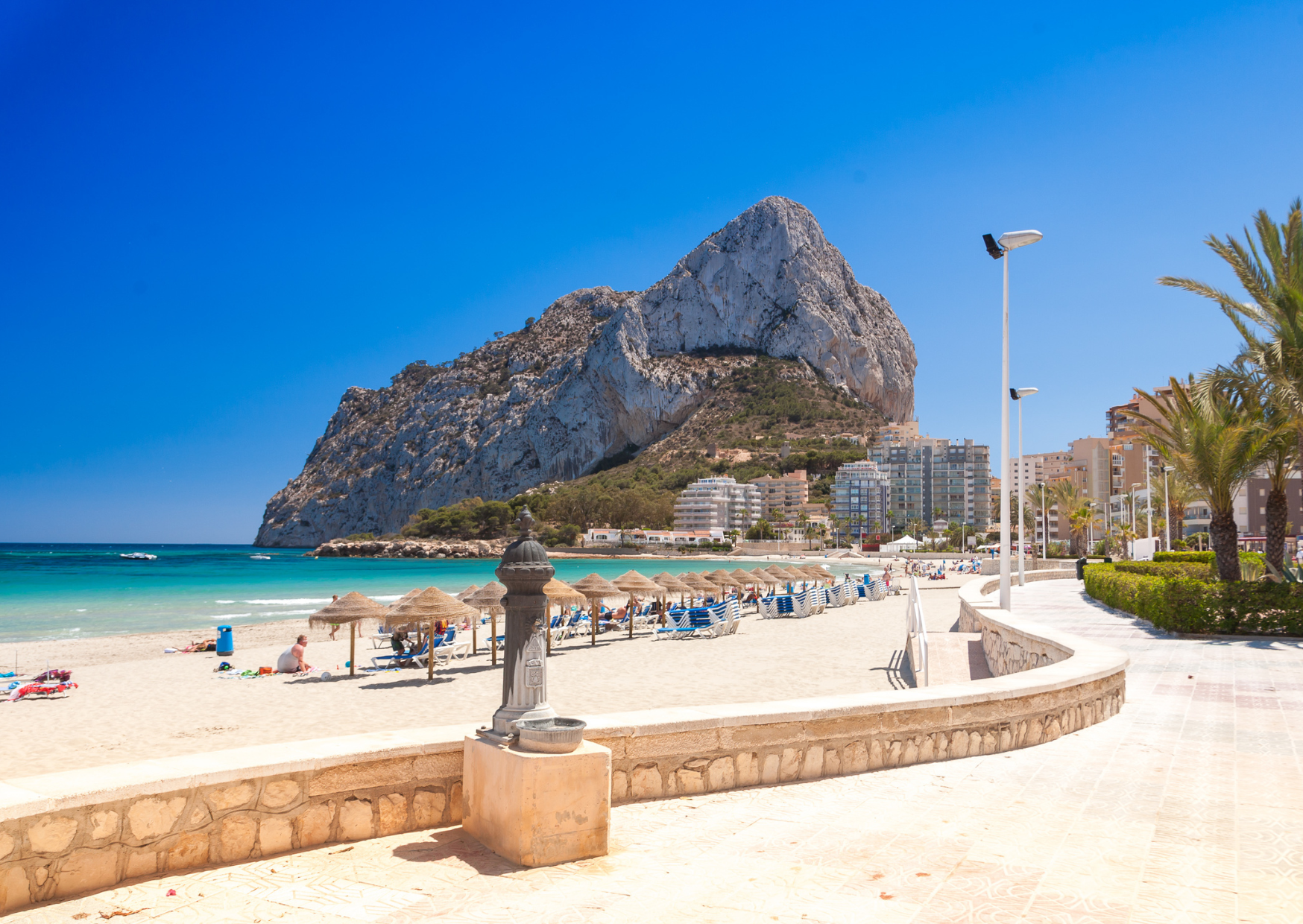
Spain can absolutely feel cheaper at the supermarket. But the more important difference is how the system nudges you to shop.
In the U.S., a lot of people shop once a week like they’re preparing for a blizzard. In Spain, life rewards smaller, more frequent loops. The produce is better when you buy it in rhythm. Bread is better the day you eat it. The “why is this peach perfect” moment happens because it’s normal to buy fruit often, not because you found a secret store.
Our first-month grocery pattern for two adults:
- One main shop per week: €55 to €75
- Two smaller top-ups: €12 to €18 each
- Market or fruit stop: €10 to €15 once or twice
All in, we landed around €420 for the month on groceries.
The surprising part was not price. It was waste. We threw away less because we stopped buying aspirational food for a fantasy version of ourselves.
Restaurants were where the research got people in trouble. Americans hear “cheap Spain” and start eating out like it’s a sport.
We made one rule: cafés and restaurants have to stay as a treat, not a coping mechanism.
Our month looked like:
- Coffee and pastry a few times a week: €2 to €4 each time
- Menú del día style lunches occasionally: €12 to €16 per person in our area
- Simple dinners out once or twice a week: €35 to €55 for two
Total eating out landed around €320 for the month.
That might sound low compared to vacation behavior. That’s the point. Vacation behavior is not sustainable, especially if you’re living on a fixed income.
The real lesson Spain taught us: when you align your meals with the local rhythm, it stops feeling like “budgeting.” It just feels normal.
Also, lunch is value and dinner is theater, and if you flip that, you will overspend.
Healthcare wasn’t the headline. The pharmacy was.
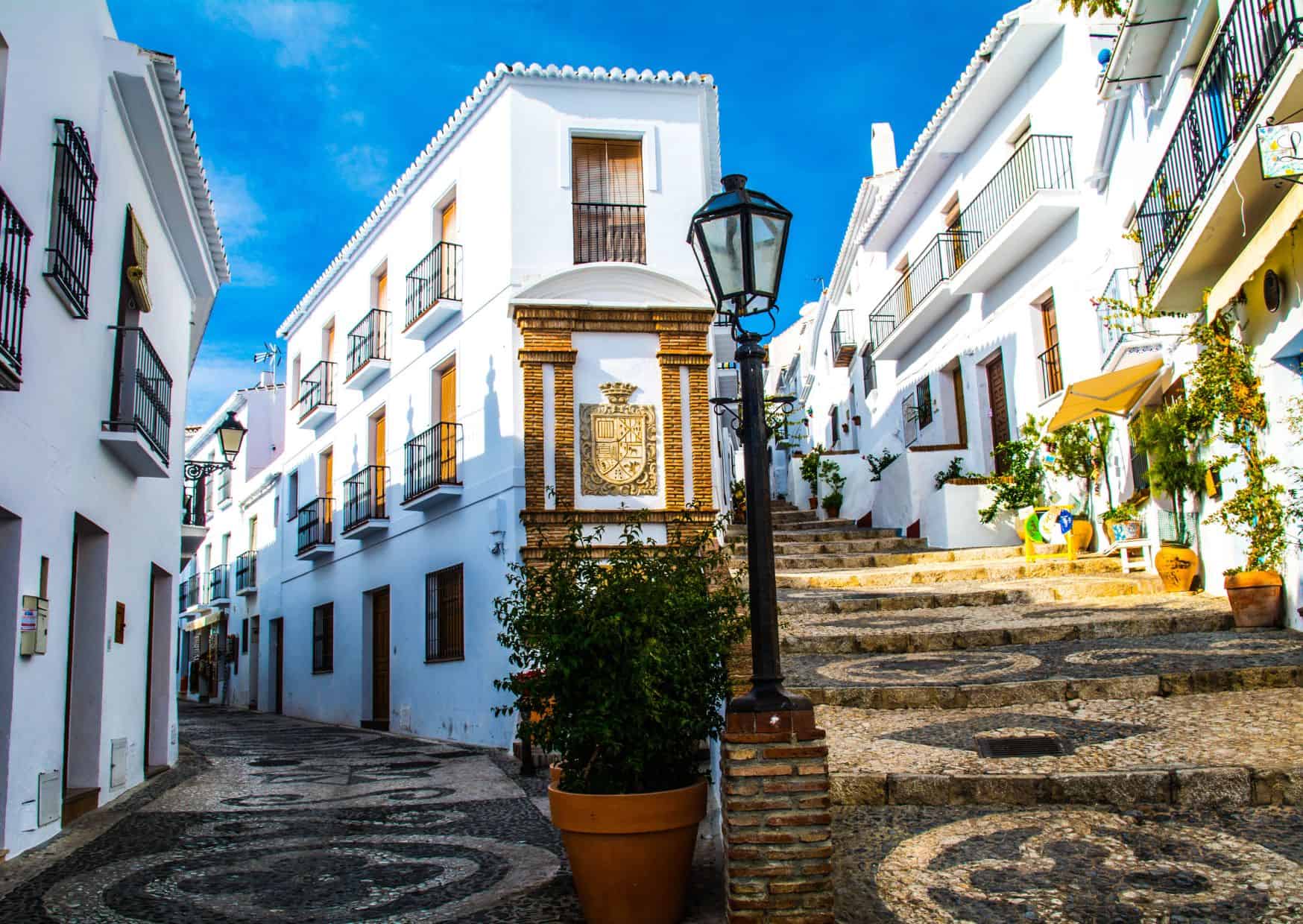
Most Americans arrive thinking healthcare is the big scary unknown.
The first month taught us something else. The pharmacy is the front door, and it changes how you handle your body.
In the U.S., you often delay small issues because the cost and hassle are annoying. In Spain, a pharmacy visit is a normal errand. You ask a question. You get a real answer. You leave with a solution that does not require a two-week appointment.
That doesn’t mean Spain is magic. It means the system has a different “first step.”
In our month, the pharmacy handled:
- A minor skin issue
- A stomach issue that needed a short course of treatment
- A recommendation for a simple OTC product we couldn’t find on our own
Total pharmacy spending was around €28.
The bigger value was psychological. We felt less alone with small problems, which matters more than people admit. When you’re new in a country, every tiny health issue can feel like a bigger threat because you don’t know the system yet.
We also learned how quickly your comfort depends on language, even if your Spanish is decent. Medical vocabulary is its own world.
By week three, we did something smart: we wrote down a short list of phrases and terms we kept needing, and we kept it on our phone. Not a full script, just 10 key words we could pull up when stressed.
This is the part research never really captures: confidence in healthcare is social. If you don’t know where to go first, everything feels harder. Once you know the pharmacy, a clinic, and the closest urgent care point, your stress drops.
And stress is expensive. It makes you over-insure, over-spend, and overthink.
Language didn’t determine whether we could live. It determined whether we could belong.
A lot of Americans assume language is the deciding factor. Either you speak Spanish and you’re fine, or you don’t and you’re doomed.
Spain taught us a more annoying truth: language is less about survival and more about belonging.
You can survive with basic Spanish in many places. You can order food, pay bills, and get through simple interactions. But belonging requires you to tolerate being slower and less funny than you are in English.
That’s the real hurdle for adults, especially older adults. It’s not “Can I communicate?” It’s “Can I tolerate feeling slightly stupid sometimes without withdrawing?”
In the first month, we saw how people get isolated:
- They can function in stores, but they avoid conversations.
- They can ask for directions, but they don’t build relationships.
- They stay in expat loops because it feels easier.
Spain is friendly, but it is not a “fast friend” culture the way many Americans expect. People don’t always invite you into their life because you arrived. You become familiar first.
Repetition makes you visible. That’s the mechanism.
So we built repetition on purpose:
- Same café at the same time twice a week
- Same walk loop most mornings
- Same fruit stall where we learned one name and used it every time
- One weekly activity that put us around the same people repeatedly
By the end of the month, we had a handful of small relationships that felt real, not performative. A greeting. A joke. A “see you tomorrow.”
That doesn’t sound like much. It is everything when you’re building a life.
The research tells you to “meet locals.” Spain taught us you meet locals by being there often enough to stop being a visitor.
This is also where couples get tested. If one person needs community and the other is happy inside the couple bubble, Spain can amplify the difference. The partner who needs community will either build it or start resenting the move.
We didn’t want that. So we treated social repetition as a task, not a hope.
Bureaucracy didn’t ruin the month. It shaped the mood.

The first month is when Americans usually discover their “patience gap.”
Spain’s paperwork is not impossible. It is also not designed to be emotionally soothing. You will have moments where you think, “How is this still the process?” and you will be tempted to take it personally.
The truth is simpler: Spain runs on systems that assume you will try again tomorrow.
This is where Americans burn out. They expect administrative tasks to be linear. Spain is often circular. You bring one document, you’re told you need another, you return, the person is different, the interpretation changes, and you learn to keep copies of everything.
The best decision we made was scheduling one weekly admin block. Same day, same time. It was only a few hours, but it prevented the spiral.
Because the real cost of bureaucracy is not fees. It’s how it invades your life.
Without a routine, you end up:
- checking appointment sites obsessively
- arguing about who is responsible
- feeling like the country is “rejecting” you
- spending money impulsively to feel in control
With a routine, it becomes background noise.
Timing beats willpower, especially when you are tired.
We also learned something practical about couples: shared access prevents resentment. Both partners should have the same folder, the same scans, the same logins, and the same calendar reminders. If one person becomes the operator and the other becomes the passenger, it works for a month. It becomes toxic later.
Our month didn’t “solve” bureaucracy. It taught us how to stop letting it take over the relationship.
The real “Spain lesson” was identity, not logistics
This is the part nobody writes about honestly because it sounds dramatic.
Spain forces a quieter identity. It asks you who you are when your day isn’t built around productivity and convenience.
In the U.S., it’s easy to fill your time with errands that feel urgent. In Spain, many of those errands become smaller. You walk. You wait. You eat. You repeat.
If you don’t have a structure, this can feel like emptiness. If you do, it can feel like sanity.
In our first month, the days that felt best were the days that looked boring:
- Morning walk
- Simple work block
- Groceries
- Lunch
- A slow afternoon
- A short social moment
- Home
The days that felt worst were the days we tried to recreate American stimulation. Too many plans, too much movement, too much “let’s make the most of it.” That’s vacation brain again. It’s not a life.
Spain taught us that “slow” is not a mood. It’s a calendar.
You either design it, or you drift into it and feel lost.
This is why research can’t prepare you. Research can tell you what Spain is like. It cannot tell you how you will feel when your identity is no longer reinforced by speed.
A month is enough to notice the truth: the move doesn’t just change your address. It changes what you use to feel like yourself.
If you like that change, Spain becomes addictive.
If you hate it, Spain becomes “boring,” and people leave.
Your first 7 days in Spain without the newbie mistakes
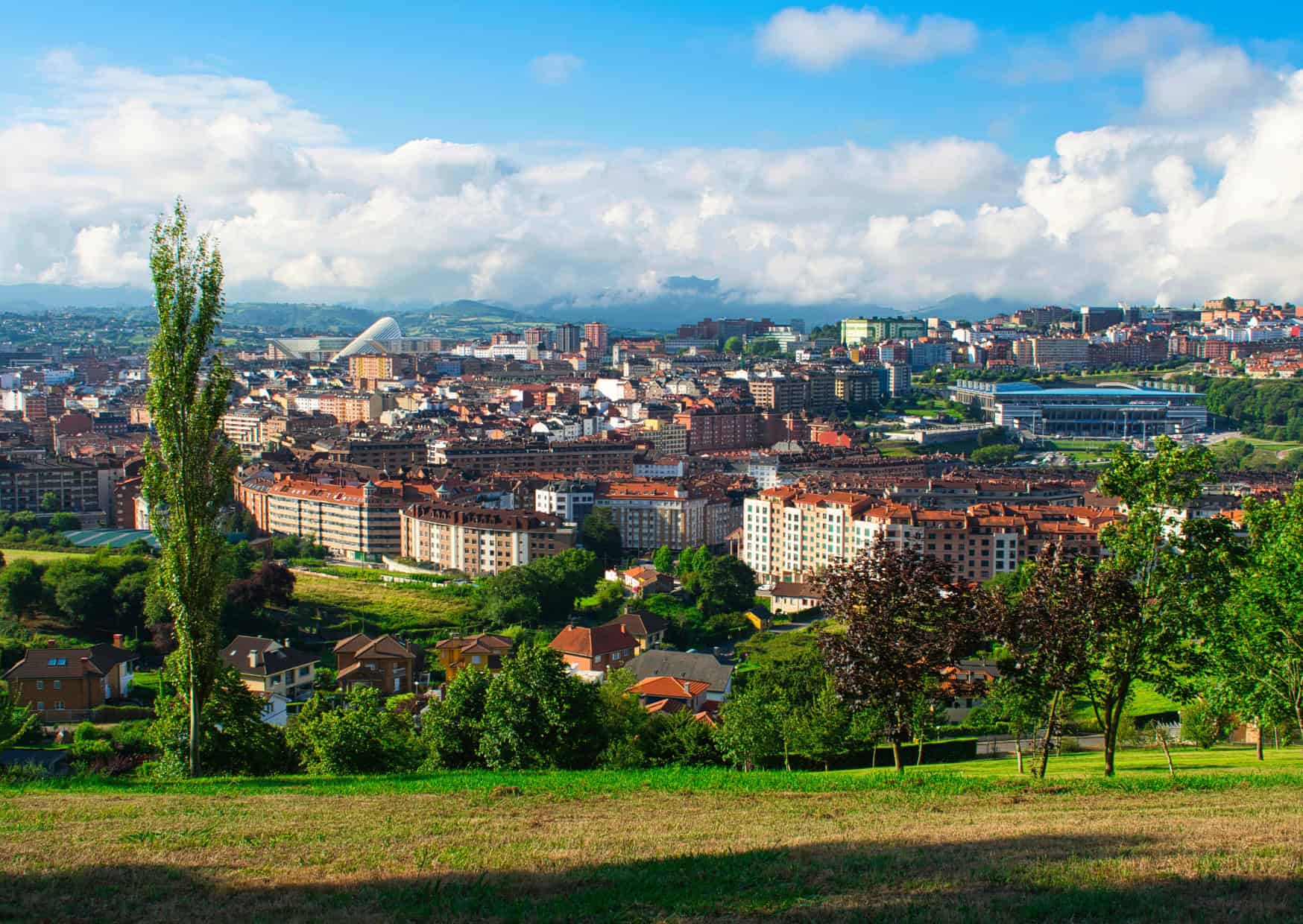
If you’re arriving soon, here’s the week plan that would have saved us time and money.
Day 1: Choose your radius
Pick a living radius you can repeat. Aim for 20 minutes on foot to cover groceries, pharmacy, transit, and one pleasant walking route. If you need a car for everything, you’ve chosen the wrong spot for the life you want.
Day 2: Build your two-store system
Choose one main supermarket and one produce source. Commit to them for the month. Stop shopping as entertainment.
Day 3: Fix your home comfort early
Buy the boring things you need to live well: drying rack, decent blanket, and if your home feels damp, a dehumidifier. Comfort is not indulgence. It prevents coping spending.
Day 4: Create your pharmacy relationship
Go in, ask one small question, learn one phrase you’ll reuse. Knowing where to go first lowers stress immediately.
Day 5: Lock your weekly admin block
Pick one morning a week and treat it as sacred. Banking, documents, appointments, anything official. Do not drip this across your whole week.
Day 6: Choose one repeating social anchor
Class, walking group, language exchange, anything. The goal is repetition, not instant friendship. Your month will feel radically different by day 30 if you do this.
Day 7: Set your “eating out” rule
Decide in advance. For example, two meals out per week, cafés as punctuation, not a daily habit. This protects your budget and forces you to build a real home rhythm.
If you do these seven things, Spain stops feeling like an overwhelming new country and starts feeling like a place you can inhabit.
That’s the difference between people who thrive and people who spend month two fantasizing about going home.

About the Author: Ruben, co-founder of Gamintraveler.com since 2014, is a seasoned traveler from Spain who has explored over 100 countries since 2009. Known for his extensive travel adventures across South America, Europe, the US, Australia, New Zealand, Asia, and Africa, Ruben combines his passion for adventurous yet sustainable living with his love for cycling, highlighted by his remarkable 5-month bicycle journey from Spain to Norway. He currently resides in Spain, where he continues sharing his travel experiences with his partner, Rachel, and their son, Han.