
So here is the part everyone skips. Nonna’s sauce is not complicated, it is timed. Heat, fat, and patience do the work. The recipe fits on one page. The results do not, because the smell gets into the hallway and your neighbors suddenly learn your name.
This is a true Sunday sauce built for a long simmer. Tomatoes, onions, garlic, good olive oil, and a small army of meat that gives the sauce backbone. You cannot speed flavor. You can only set the pot up correctly and let water leave at the right pace.
Right. The pot, the ingredients, the sequence, and a few strict rules that stop you from turning a noble sauce into red soup.
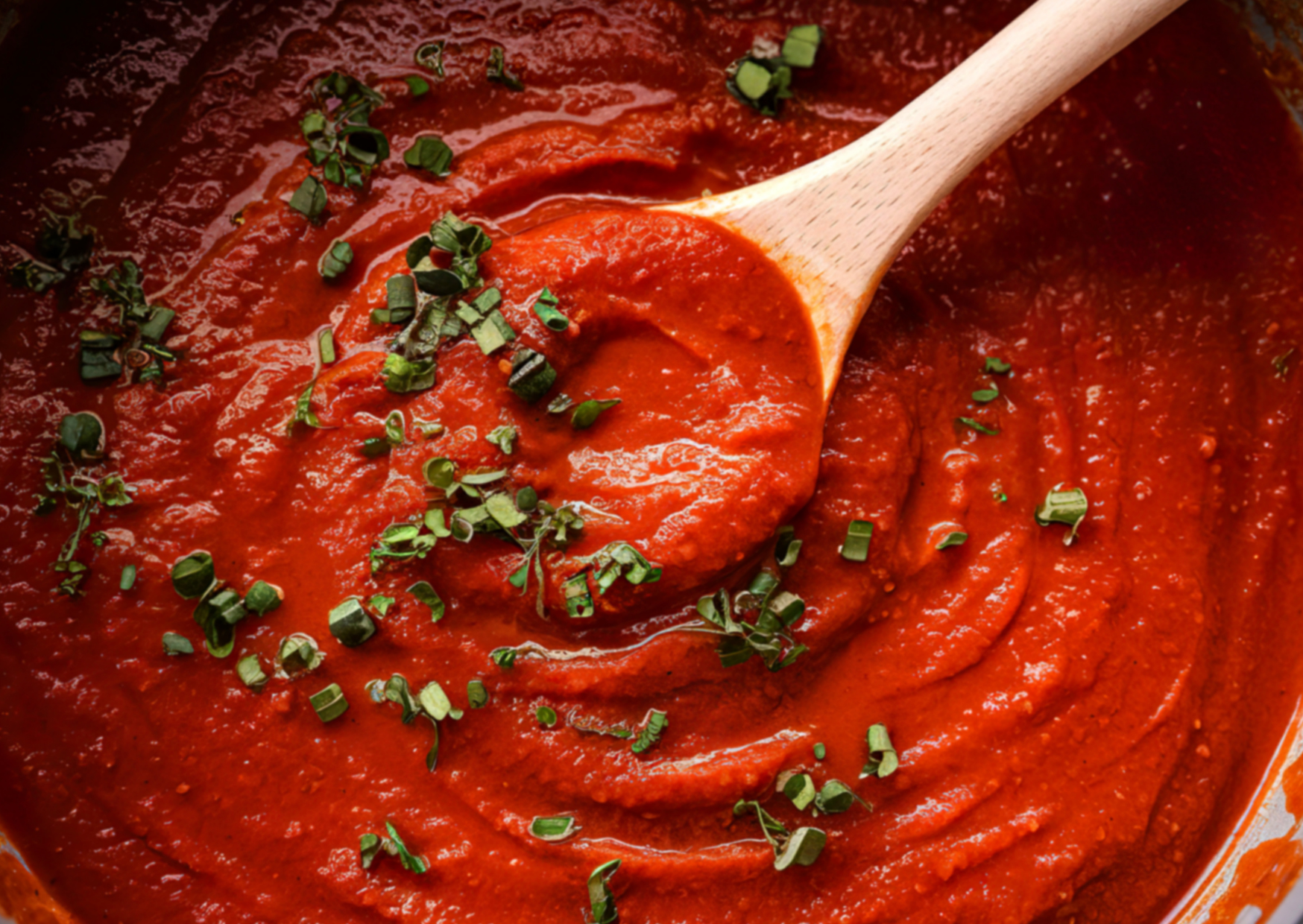
Servings, timing, and what you are actually making
- Servings: 6 to 8 people for a full Sunday table, or 10 to 12 pasta portions if you stretch
- Active time: 45 minutes
- Total time: about 4 hours
- Texture target: thick enough to cling to pasta, glossy from olive oil, meat tender enough to cut with a spoon
- Flavor profile: tomato forward, savory from bones and browned bits, herbs present but not loud
Remember: the sauce thickens in the last hour. If it tastes thin at hour two, you are on schedule.
Equipment you need and the one pan you should not skip
- Heavy 5 to 7 liter Dutch oven or similar heavy pot with lid
- Large sauté pan if your Dutch oven is crowded
- Wooden spoon and a ladle
- Fine mesh strainer for the end if you want elegance
- A small saucepan to warm the tomatoes
- Tongs and a slotted spoon
Key point: weight matters. A heavy pot holds heat and keeps sugars from scorching.
Ingredients that behave like a team
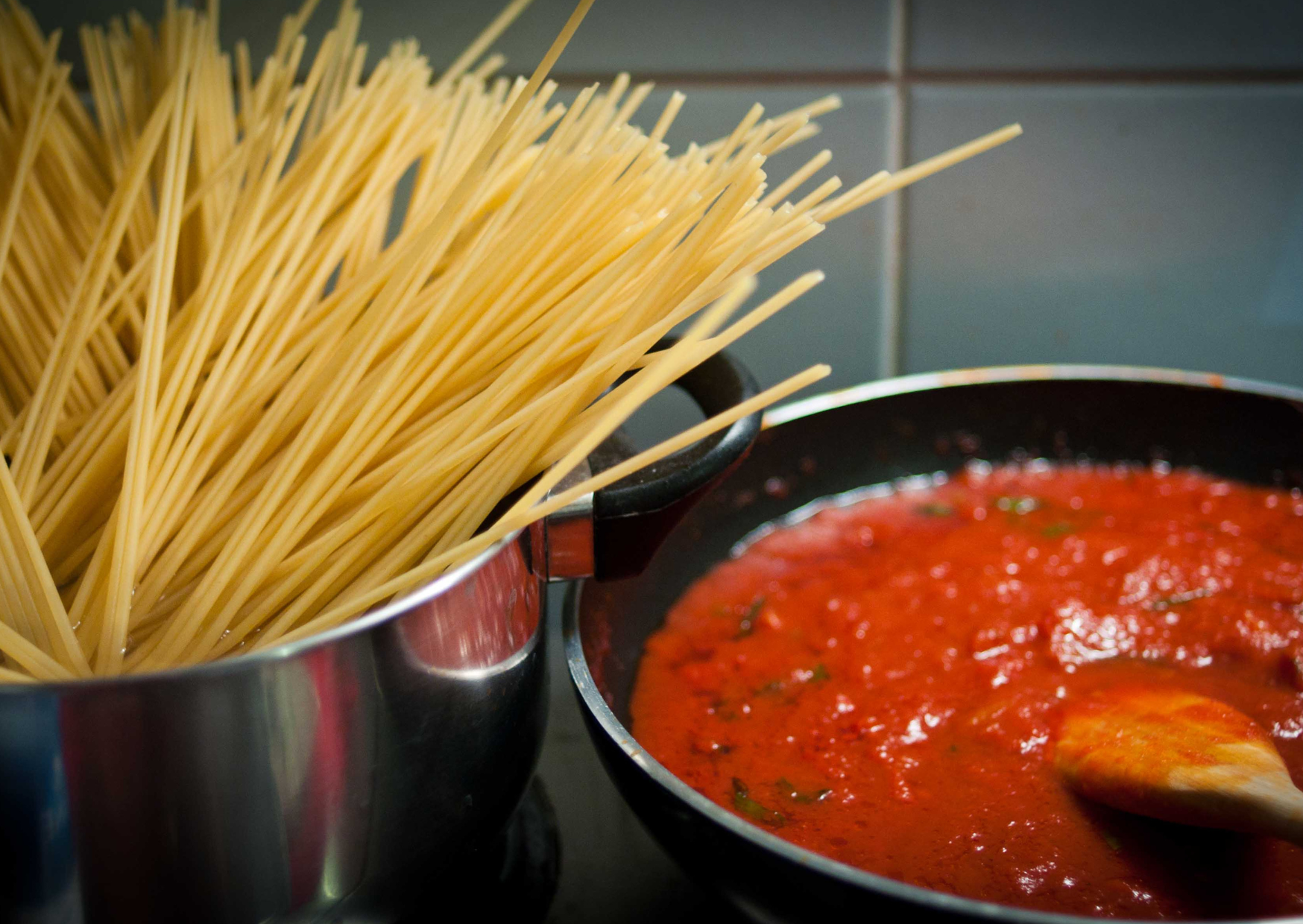
This is the classic mixed-meat approach. If you prefer a lighter sauce, see the variations below, but try the real thing once. It teaches you why Sunday tastes different from Tuesday.
Olive oil and base
- Extra virgin olive oil, 120 ml
- Yellow onions, 2 large, finely chopped
- Garlic, 6 cloves, sliced thin
- Tomato paste, 2 tablespoons
- Dry red wine, 250 ml
Tomatoes
- Whole peeled San Marzano or good quality plum tomatoes, 3 x 800 g cans, crushed by hand in a bowl
- Passata or sieved tomatoes, 500 ml
- Water, 500 ml, kept hot
Meat for depth
- Pork ribs, 600 g, cut into 2 or 3 rib sections
- Italian sausages, 4 links, sweet or mild, pricked with a fork
- Beef chuck or short rib, 400 g, cut into large pieces
- Meatballs, 8 to 10 small, optional but traditional
Herbs and seasoning
- Fresh basil, 1 small bunch
- Fresh parsley, 1 small bunch
- Dried oregano, 1 teaspoon
- Bay leaves, 2
- Sea salt and black pepper
For serving
- Rigatoni, ziti, or spaghetti, 500 to 700 g
- Pecorino Romano or Parmigiano Reggiano, grated
- A drizzle of good olive oil for the finish
Bones make sauce honest. Keep at least one rib or short rib in the pot for structure.
Shopping notes that save you from bland
- Tomatoes matter. Buy whole peeled in cans with only tomatoes and basil leaf or salt. Fewer ingredients on the label usually means better flavor.
- Olive oil should smell like fruit and grass when you open it. If it smells tired, it is tired.
- Ask the butcher for meaty ribs and a small piece of beef chuck. A little connective tissue gives you silk.
- If sausages are seasoned aggressively, reduce oregano. Herbs should support, not shout.
The sequence you must respect
There is a reason every nonna starts the same way. Build a base, brown the meat, deglaze, add tomatoes, simmer low.
1) Warm the tomatoes
Pour the canned tomatoes into a large bowl and crush by hand. Warm them gently in a saucepan. Keep the passata and the water hot too. Warm tomatoes integrate faster and protect your pot from temperature shocks.
2) Brown the meats in olive oil
In your heavy pot, heat half the olive oil over medium. Season ribs and beef with salt and pepper. Brown all sides until you see deep color. Remove to a tray. Brown the sausages. Do not rush. Color equals flavor.
If using meatballs, brown them last and keep them separate. They will join later so they do not fall apart.
3) Build the soffritto
Lower the heat slightly. Add the remaining olive oil if the pot looks dry. Add onions with a pinch of salt. Cook slowly until translucent and sweet, about 10 to 12 minutes. Add garlic for 60 seconds. Stir in tomato paste and let it darken for 2 minutes. You are painting the pot.
4) Deglaze with wine
Raise the heat, pour in the wine, and scrape every brown bit with the spoon. Reduce by half. The smell will change from sharp to round. If you skip this, you lose the basement of the flavor.
5) Tomatoes in, then herbs
Pour in the warm crushed tomatoes and passata. Add the bay leaves and oregano. Stir. Return ribs, beef, and sausages to the pot along with any juices. Add enough hot water to barely cover. Bring to a lazy simmer.
6) The simmer and the rule you cannot break
Partially cover and simmer gently for 3 to 3.5 hours. The surface should blink, not boil. Skim excess fat with a spoon in the first hour and keep it in a cup. You will add some back at the end for gloss. Low and slow is not a slogan, it is chemistry.
7) Add meatballs and basil
At hour 2.5, add meatballs if using. Tear in half the basil. Keep simmering uncovered for the last 30 to 45 minutes so the sauce thickens. Stir more frequently now to keep the bottom honest.
8) Season and finish
Fish out bay leaves. Taste for salt and acidity. If the tomatoes are very sharp, add a teaspoon of sugar or a splash of milk to round edges, not to sweeten. Stir in a tablespoon or two of the reserved fat for shine. Tear in the remaining basil and a handful of chopped parsley. Sauce should feel glossy, not oily.
Remember: season at the end when water has left. Early salt lies to you.
The meat service, the pasta service, and why you separate them
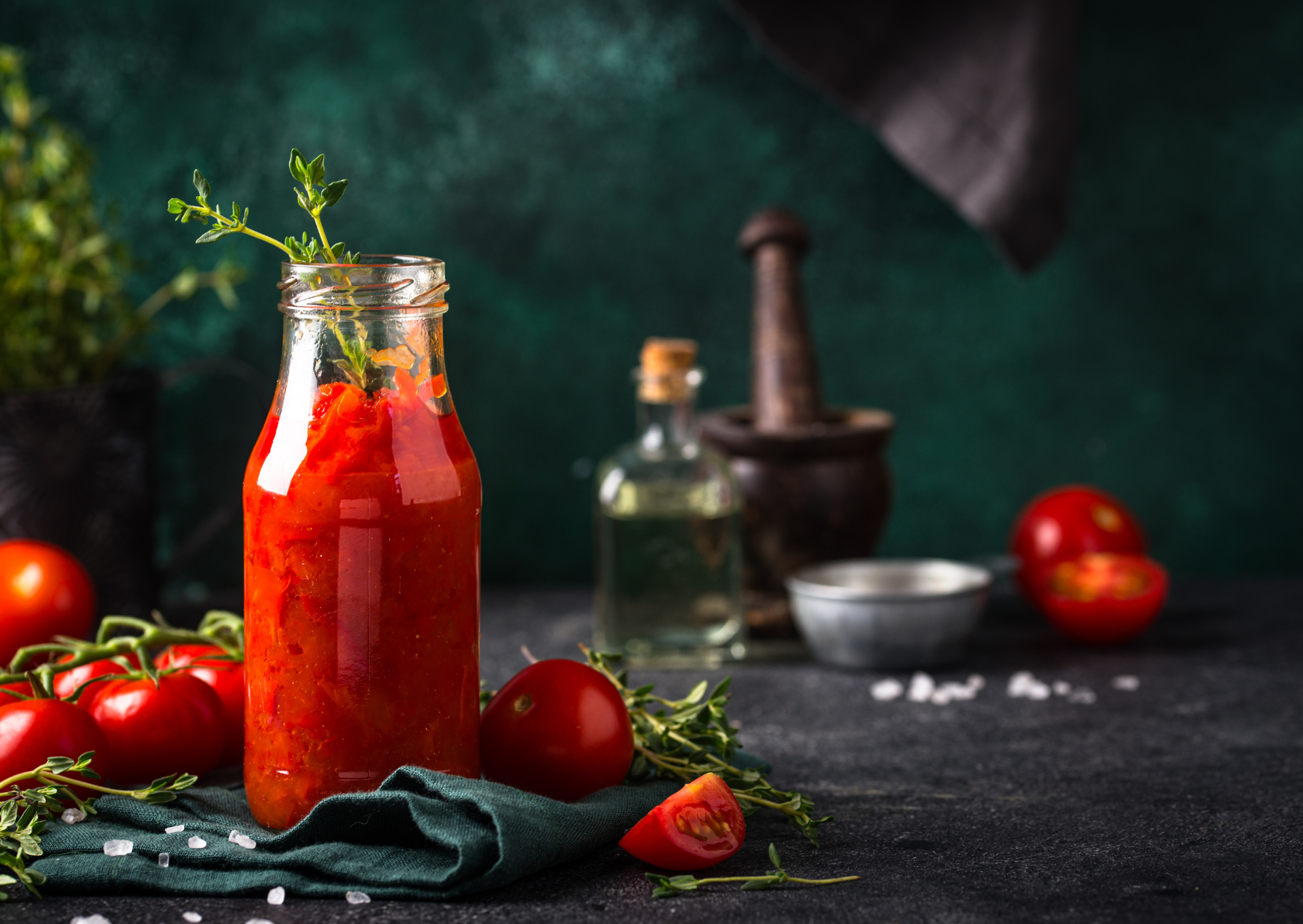
Nonna plates the sauce two ways. Meat as a second course, pasta as a first. The whole table calms when you stop wrestling with everything in one bowl.
- Lift out ribs, beef, sausages, and meatballs to a warm platter. Spoon a little sauce over and cover loosely.
- Cook pasta in salted water until shy of al dente. Reserve 300 ml pasta water.
- Move pasta to a wide pan. Add several ladles of sauce and a splash of pasta water. Toss over medium heat for 60 to 90 seconds. The sauce will cling.
- Serve pasta with grated Pecorino or Parmigiano. Olive oil on the table. Serve the meat after, with a green salad and bread.
Small line to keep: sauce on pasta, not pasta drowning in sauce.
The science in one paragraph
You are extracting soluble proteins, gelatin, and fat from meat while reducing water from tomatoes. Heat unlocks pectin in onion and tomato which thickens the liquid without starch. Wine lifts browned sugars and acids from the pot. Long time at low heat keeps muscle fibers from tightening. If you raise heat, fibers toughen and sugars burn. That is why patience tastes better.
What to do the day before and why it is better
Sunday sauce is better on Monday. If you can, cook to completion, cool quickly, and refrigerate overnight.
- Next day, lift off any solid fat. Warm gently, taste, adjust salt, add a fresh splash of olive oil if the surface looks dull.
- Meat becomes spoon tender and the sauce gets that calm, even flavor you remember. Resting is a hidden step.
Common mistakes and how to fix them
It is watery at hour two
Do not panic. Uncover for the last 45 minutes and keep the simmer lazy. Water needs time to leave.
It tastes flat
You likely skipped browning or went light on salt. Add a small splash of wine and simmer five minutes. Salt to taste. A teaspoon of good red wine vinegar can lift a dull pot.
It is too acidic
Add a teaspoon of sugar or a splash of whole milk. Simmer five minutes. Do not dump in baking soda. You want roundness, not chalk.
The bottom caught
Stop stirring the scorched spot into the sauce. Pour the good sauce off the top into a clean pot and continue there. Rescue the top, abandon the bottom.
Meatballs fell apart
Brown them well and add in the last hour. Or bake them on a sheet pan at 200°C for 12 minutes before they meet the pot. Meatballs need a crust to survive.
Variations that still respect Sunday
- Lighter version: Skip beef and ribs. Use only sausage and a few meatballs. Sauce will be brighter.
- All beef: Use chuck and short ribs only. Deeper and darker.
- With braciole: Thin beef slices rolled with parsley, garlic, and Pecorino, secured with twine. Brown and braise along with sausages. Gives you a showy second course.
- Herb shift: Use only basil if oregano bothers you. Add a sprig of rosemary for an hour then remove so it does not dominate.
- No wine: Deglaze with a ladle of hot tomato instead. Less depth, still delicious.
Remember: change one thing at a time so you learn cause and effect.
Cost reality for a European shop
Prices move, but a Spanish or Italian supermarket basket looks roughly like this.
- San Marzano style tomatoes, 3 cans: 6 to 9 €
- Passata: 1.50 to 2.50 €
- Pork ribs 600 g: 5 to 7 €
- Sausages, 4 links: 4 to 6 €
- Beef chuck 400 g: 6 to 8 €
- Onions, garlic, herbs: 3 to 5 €
- Olive oil portion used: 2 to 3 €
- Pasta and cheese: 3 to 6 €
Total for a feast: 30 to 46 € for 6 to 8 people. Good food is not the expensive part. Time is.
The pasta rule Americans skip
Cook less pasta than you think. The sauce is the meal. Pasta is a carrier, not a bulk ingredient. For eight generous plates, 700 g is plenty if you serve meat after. If pasta is the whole dinner, 500 to 600 g keeps plates balanced.
Salt the water until it tastes like the sea. Under salted water makes even perfect sauce taste shy.
Texture checkpoints every hour
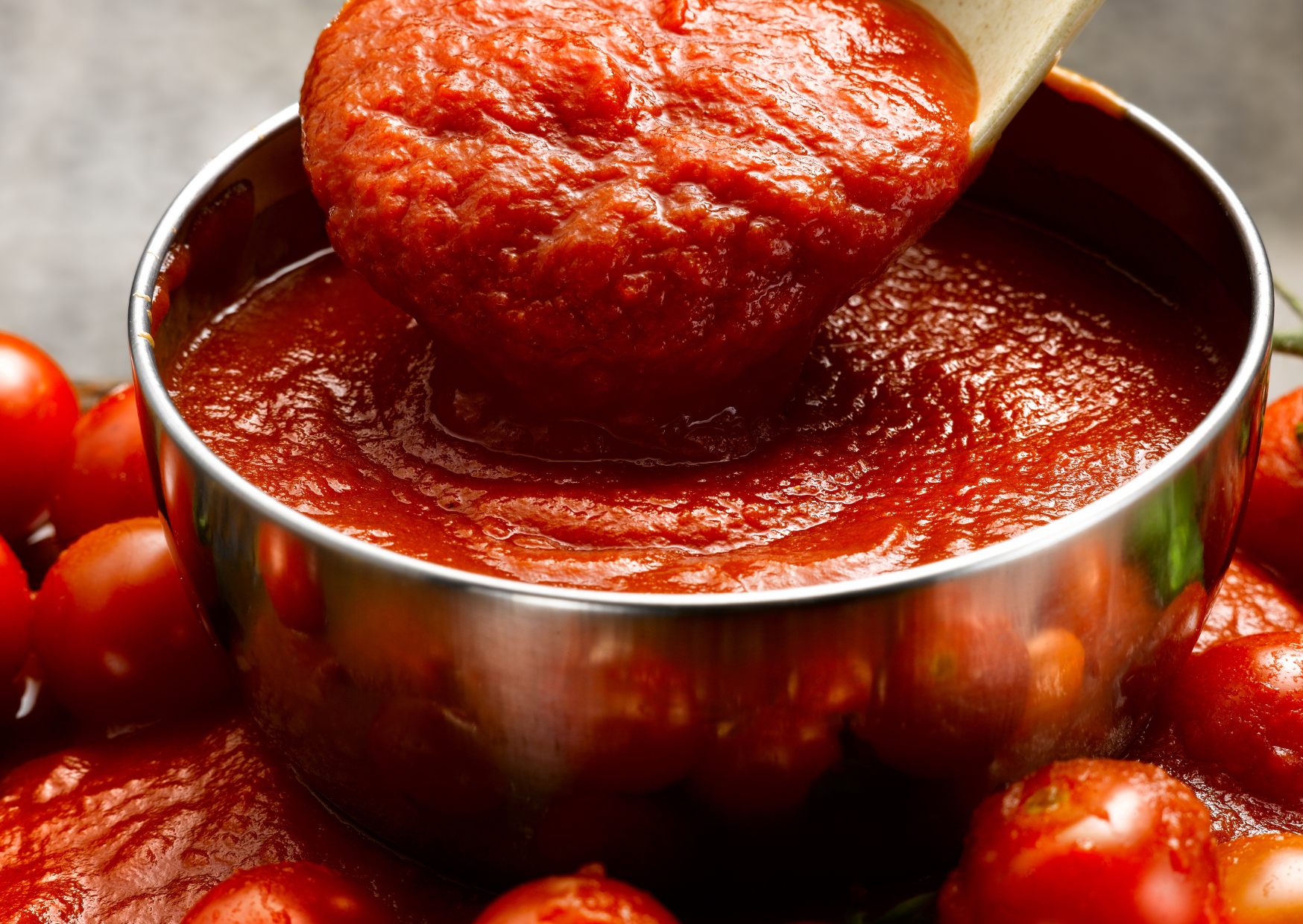
- Hour 1: Meat has colored the sauce. Fat beads on top. Smell is lively and a little sharp.
- Hour 2: Meat starts to relax. Sauce tastes integrated but thin. Do nothing.
- Hour 3: Sauce thickens. Meat is tender. Salt begins to make sense.
- Hour 4: Glossy surface, spoon leaves a trail, meat surrenders. You are done.
Key reminder: trust the last hour. That is where Sunday sauce becomes Sunday sauce.
Troubleshooting table you can glance at
- Too oily: ladle off fat, hold, and add back a spoon at the end for shine.
- Too salty: add 250 ml plain passata and simmer ten minutes.
- Too thick: add a splash of hot water and stir.
- Too thin: simmer uncovered, stir more often, be patient.
- Bitter: heat too high. A teaspoon of sugar and a lower flame will help.
- No depth: add a small spoon of tomato paste, cook it in the middle of the pot for two minutes, then stir in.
Small note: heat and water balance solve nine out of ten problems.
Storage, freezing, and what to do with leftovers
- Sauce keeps 4 days in the refrigerator.
- Freeze in 2 cup portions for up to 3 months. Add a fresh splash of olive oil when reheating.
- Leftover ideas: bake with shells and mozzarella, poach eggs in a shallow pan of sauce for breakfast, spread on toasted bread with a fried sausage coin for a late snack.
Tip: freeze meat separately from sauce if you want more flexibility later.
A real Sunday table plan
- First course: rigatoni or spaghetti dressed with sauce, grated Pecorino, a drizzle of olive oil
- Second course: platter of ribs, beef, sausages, and meatballs with sauce spooned over
- Side: bitter greens sautéed with garlic and olive oil, or a simple salad with red wine vinegar
- Bread: something crusty to chase the last sauce
- Wine: a modest red you would drink on a Tuesday, because Sunday sauce is about the pot, not the label
Quiet rule: eat at one table and talk. The sauce does half the job. Conversation does the rest.
What to prep while the pot works
- Make meatballs and chill them so they hold shape.
- Set the table during hour three. The kitchen looks calmer when the table is ready.
- Grate cheese into a bowl so no one stands in your way at the stove.
- Warm pasta bowls if you want restaurant drama without the bill.
Why this fails in American kitchens and how to stop that
- The pot is too thin. It scorches and you chase it for hours. Use heavy cookware or keep the heat lower than you think.
- Heat is too high. A boil is not a simmer. Surface should blink, not roll.
- The urge to shortcut hits at hour two. Let the water leave.
- Too many herbs or sugar. This is not dessert. Basil and oregano are accents.
- Pasta is drowned. The right amount of sauce clings, it does not pool.
Remember: restraint is the key ingredient.
If you only have two hours and you still want Sunday
You can fake it a bit. Use only sausages and meatballs. Brown heavily. Add one anchovy fillet with the garlic to deepen the base. Reduce uncovered more aggressively and watch the pot like a hawk. You will get a good sauce. It will not be Sunday. That is fine. Tuesday deserves respect.
A two day plan if you want perfect without stress
Saturday
Brown meats. Build soffritto. Deglaze. Add tomatoes. Simmer two hours. Cool and refrigerate.
Sunday
Bring to a simmer. Add meatballs. Simmer the last 90 minutes uncovered. Finish with basil and parsley. Toss pasta and serve.
Key advantage: all the mess happened yesterday. Today is just aroma and applause.
Clean up plan that saves your mood
- While pasta water heats, wash and dry the cutting board and knife.
- After you fish out the meat, wipe drips before they dry.
- Soak the ladle and tongs in hot soapy water during the last simmer.
- When the pot is empty, pour a little hot water in and scrape gently. The fond lifts easily now.
- Leave the kitchen looking like the person you want to be on Monday.
Tiny truth: clean kitchens make better cooks.
The recipe in a tight list you can stick on the cabinet
- Warm tomatoes.
- Brown ribs, beef, sausages. Reserve.
- Onions in olive oil until sweet. Garlic one minute. Tomato paste two minutes.
- Wine in, reduce by half, scrape fond.
- Add tomatoes, oregano, bay. Return meats. Add hot water to barely cover.
- Simmer gently 3 to 3.5 hours, partially covered then uncovered. Skim fat.
- Add meatballs and basil in the last hour.
- Finish with salt, pepper, a spoon of reserved fat, parsley, more basil.
- Sauce pasta with a splash of pasta water. Serve meat as second course.
Keep this: low heat, long time, light hand.
Quick Thoughts on This Recipe
Buy three good cans of tomatoes, a small pile of meat with bones, a bottle of decent wine, and a bunch of basil. Start earlier than you think. Let the apartment smell like you meant to live there. When someone asks what you did to make it taste like this, tell the truth. You cooked onions slowly, browned the meat well, left the lid askew, and did not panic when the clock took over. Sunday sauce forgives mistakes. The only thing it will not forgive is hurry.

About the Author: Ruben, co-founder of Gamintraveler.com since 2014, is a seasoned traveler from Spain who has explored over 100 countries since 2009. Known for his extensive travel adventures across South America, Europe, the US, Australia, New Zealand, Asia, and Africa, Ruben combines his passion for adventurous yet sustainable living with his love for cycling, highlighted by his remarkable 5-month bicycle journey from Spain to Norway. He currently resides in Spain, where he continues sharing his travel experiences with his partner, Rachel, and their son, Han.