
Most “best places to retire” lists are vibes with a price tag. If you are a non-EU American, a country “wanting” you is not a compliment, it’s a legal category with a checklist, a fee, and a renewal calendar.
Here’s the blunt part: in Europe, retirees are welcomed when they can prove stable non-work income, carry private health insurance, and won’t become a welfare problem. Some countries make that path straightforward. Others make it technically possible but practically miserable.
This is a practical, paperwork-first guide to eight places that have real lanes for retirees, plus the numbers, timing, and mistakes that send people back to the US convinced Europe “changed.”
The rule nobody puts in the Instagram caption

Retirement abroad is not one move. It’s a loop: entry visa, residence card, renewals, health coverage changes, tax residency questions, and the occasional “please bring the same document again, but newer.”
Americans often assume the hard part is choosing the country. The hard part is building a system that survives year two.
A retiree-friendly country usually has three traits:
- A long-stay route that allows no local work but permits residence.
- A clear definition of “enough money,” like 400% of IPREM in Spain or the minimum wage equivalent in Portugal.
- A predictable renewal pattern so you are not living in constant appointment panic.
Weekly reality: if you are doing this correctly, you have a standing “admin block” on your calendar. One morning a week for documents, banking, renewals, and appointments. People who skip that block end up doing paperwork at 10 p.m. while resentfully scrolling Zillow.
Trade-off to accept early: the countries that “want” retirees often want them on terms that feel controlling. Proofs, translations, notarizations, and “show me your money” updates are not personal. They are the system.
Spain and Portugal: the two most copied plans, and why they still break people
These are the two that show up in every group chat because the pitch is simple: sun, walkability, and lower monthly burn. The reality is still good, but only if you build the file like an adult.
Spain: Non-Lucrative Visa (NLV) is the retiree workhorse

Spain’s non-lucrative residence visa is basically: live here, don’t work here, prove resources.
The headline requirement is financial means equal to 400% of IPREM for the main applicant, plus additional amounts for dependents. In 2026, plenty of consulates and advisors reference IPREM figures, but the operational reality is this: consulates want to see a clean, stable story. Not a crypto screenshot, not a one-time windfall, not a nephew’s “gift” wired yesterday.
Weekly rhythm that keeps Spain easy: pick a fixed day to update your “Spain folder.” Every Monday: bank statements, private insurance proof, and your residency timeline. Spain punishes last-minute people.
Common mistake: arriving with “we’ll figure it out there” energy. The NLV is consulate-driven. If your documents are sloppy, you lose months, not days.
Costs to plan for (typical, varies by consulate and family size): medical certificate, FBI background check plus apostille, sworn translations, visa fees, copies, and courier costs. This is where the “cheap Europe” fantasy quietly gets its first bruise.
Portugal: the D7 is still a real lane, but the admin mood is different

Portugal’s D7 is the classic passive-income route. In 2026, the means-of-subsistence benchmark is tied to the Portuguese minimum wage, and official guidance references €920/month as a baseline in that framework. It scales with family members.
Portugal’s practical issue is not the concept. It’s the machinery. You can have a perfect file and still wait because backlogs, appointments, and agency transitions create friction.
Weekly rhythm that makes Portugal survivable: treat it like a project sprint. One day a week, same time, you handle Portuguese admin only. Banking, lease paperwork, document updates, appointment tracking. People who “check sometimes” get swallowed by delays.
Common mistake: assuming rent is the only housing proof that matters. Portugal cares about a stable address trail. Loose sublets and vague arrangements can make your file look temporary.
Trade-off: Portugal can feel forgiving socially and harsh administratively. Spain can feel harsh socially at first and more predictable administratively once you learn the pattern. Choose your poison based on your personality, not your Pinterest board.
France and Italy: slower, stricter, and quietly excellent if you like rules
These are for retirees who don’t need constant novelty and can tolerate paperwork that feels like it was designed in 1997 and never updated.
France: the long-stay “visitor” visa is boring, which is a compliment

France does not market a “retirement visa” in the way people want, but the long-stay visitor route is a known path: stay more than three months, no work, prove funds, prove accommodation, show health insurance, then validate after arrival.
The appeal is stability. The trap is underestimating French bureaucracy’s love language: complete documentation.
Weekly rhythm that keeps France calm: pick one “paperwork morning” and keep it sacred. France rewards consistency, not frantic heroics.
Common mistake: mixing travel behavior with residency behavior. If your plan is “we’ll bounce around for six months,” France is not the easiest fit. France likes a clear home base, a clear address, and a clear story.
Trade-off: France can be emotionally soothing for retirees who want quiet routines. The countryside lifestyle is real. So is the need to show you can support yourself without becoming a public charge.
Italy: Elective Residence visa is real, and it is not for budget retirees
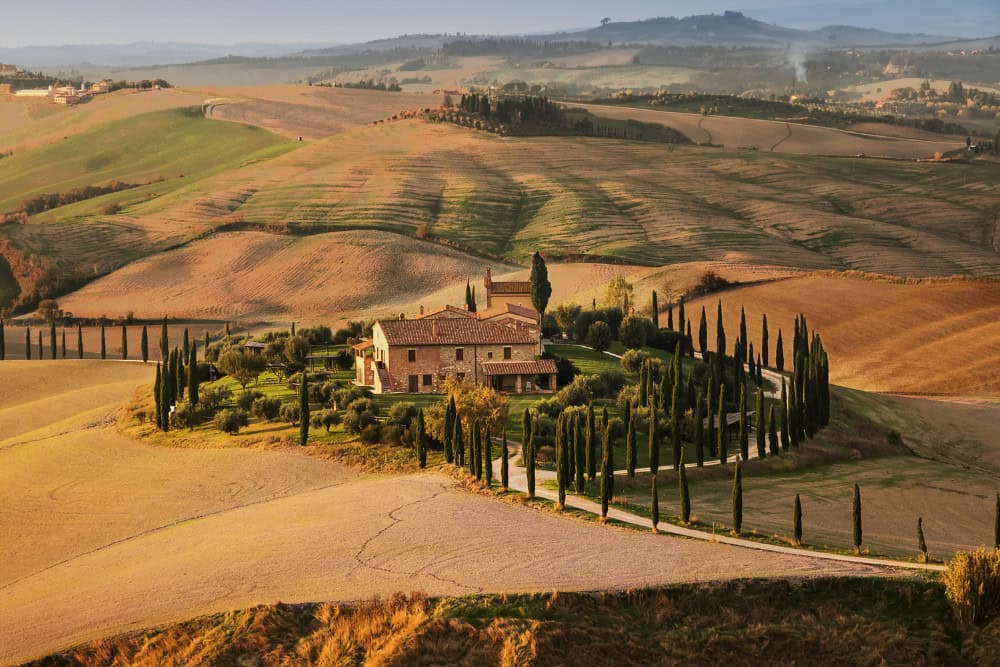
Italy’s elective residence visa is aimed at people with substantial resources who will not work locally. Various Italian consulates publish checklists, and some explicitly reference a minimum yearly income around €31,000 as a benchmark.
Italy’s trap is thinking you can charm your way through. Italian bureaucracy has a poetic surface and a very literal appetite for documents.
Weekly rhythm that matters in Italy: document hygiene. Italy is notorious for people discovering one missing document, then losing the appointment slot they fought for.
Common mistakes:
- Applying with income that looks active, like freelance work. Italy wants stable passive income.
- Underestimating the post-arrival steps. You are not “done” when you land. You still have local registrations and appointments.
Trade-off: Italy can be incredible for retirees who want a slow life with strong food culture and deep local identity. It can also crush people who expect frictionless services and fast answers.
Greece and Ireland: high thresholds, high clarity, and very different lifestyles
These are not “cheap retiree hacks.” These are lanes for people who can meet the numbers and want the specific lifestyle.
Greece: financially independent residence permit now has a serious income floor

Greece has a residence permit category for people with sufficient means. Under a published ministerial framework, the minimum is €3,500/month, and it increases by 20% for a spouse and 15% per child.
That number changes the entire conversation. Greece is not “Portugal but cheaper” for financially independent permits. It’s a different tier.
Weekly rhythm that matters: if you are aiming for Greece, your week needs a financial compliance habit. You track income sources, bank statements, and a clean proof trail. Greece is not where you want messy money.
Common mistake: assuming older blog advice is still valid. Greece is one of the places where thresholds and categories have shifted, and people get blindsided because they read a 2021 post.
Trade-off: Greece offers an incredible lifestyle, especially in places like Crete or the Peloponnese, but the financial gate is high. It selects for retirees with real monthly capacity, not just a lump sum.
Ireland: Stamp 0 is a real retirement track, but it is not a bargain

Ireland explicitly uses Stamp 0 for people who wish to retire or live as a person of independent means. It is a legitimate lane, but it is not designed for budget living, and it is not designed for people who want public services.
Weekly rhythm that matters: Ireland rewards organized applicants with clear verification. If you are the type who keeps clean financial records and can document independent means, you will feel less stress here than in countries that rely on informal systems.
Common mistake: thinking Ireland will feel “easy” because it is English-speaking. The language is easy. The cost-of-living is not. Dublin rent is not a retiree discount. Even outside Dublin, housing pressure is real.
Trade-off: Ireland can be socially warm and culturally familiar for Americans. But if your retirement model depends on low monthly costs, Ireland will fight you every month.
Malta and Cyprus: small islands, clear requirements, and “this is the deal” energy
These work well for retirees who like contained systems and can accept island constraints.
Malta: the Retirement Programme is a tax-and-compliance arrangement, not a casual move

Malta’s Retirement Programme guidance spells out a special tax status framework, with taxation rules and compliance requirements. This is not a “show up and vibe” destination. It’s structured.
Typical elements in published programme guidance include a 15% rate on certain qualifying foreign income received in Malta and a minimum annual tax figure referenced in programme materials, plus property requirements.
Weekly rhythm that matters: compliance. Malta is the kind of place where being casual gets expensive. You keep your documents updated and your status clean.
Common mistake: treating Malta as a cheaper Mediterranean base. Malta can be great, but it is not cheap in the way southern Spain can be cheap. Housing and imported goods can surprise people.
Trade-off: Malta is convenient, English is widely used, and the system is legible. The island is also small. Some retirees love that. Others get cabin fever by month eight.
Cyprus: Category F is the underrated lane for non-working residents
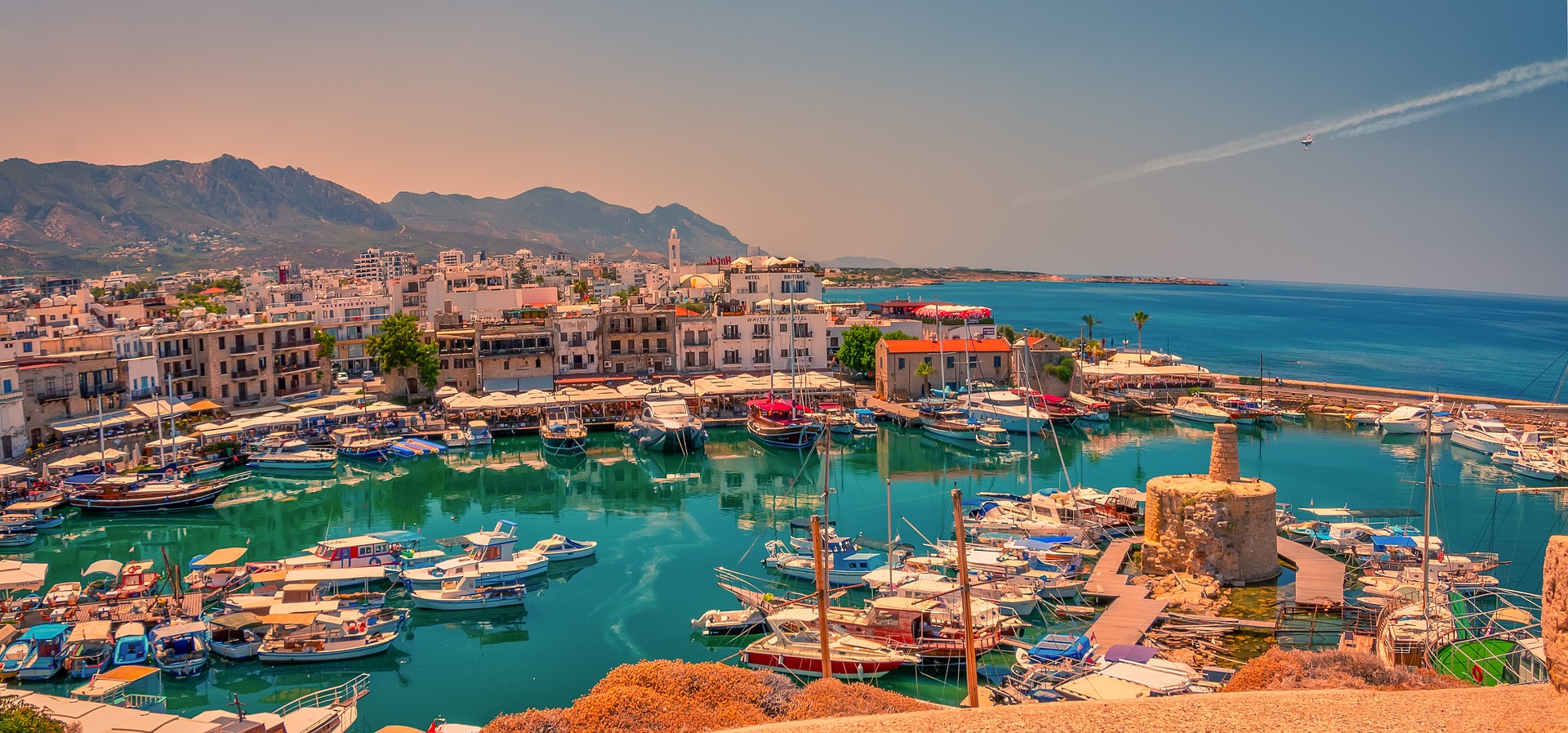
Cyprus has clear published categories, and Category F is designed for people with a secured annual income from abroad who can live without working locally. The published minimum annual income is €9,568 for the applicant, plus €4,613 per dependent.
Weekly rhythm that matters: banking and proof. Cyprus is document-driven. Your life is easier if you keep a clean trail and don’t improvise with finances.
Common mistake: assuming Cyprus is a Schengen-like experience. Cyprus has its own administrative realities. You want a local routine, a local address, and a clean compliance story.
Trade-off: Cyprus can be warm when mainland Europe is cold, and many retirees love that. It can also feel geographically distant from the “quick weekend Europe” fantasy people have.
What this really costs: a realistic paperwork budget, not a dream
People underestimate the cost of becoming legal because they are emotionally focused on rent and groceries. The admin costs hit in bursts, and bursts feel like betrayal.
A realistic range for a couple, depending on country and how much help they buy: €1,800 to €7,500 in the first year just to get legal and stable.
A ready-to-copy baseline budget that doesn’t pretend:
- Government fees and residence cards: €300 to €1,200
- Translations, notarizations, apostilles: €400 to €1,500
- Medical certificates and required exams: €150 to €500
- Courier, copies, photos, admin “junk fees”: €80 to €300
- Travel for consulate or in-country appointments: €200 to €1,200
- Private health insurance for year one: €1,200 to €6,000 depending on age and country
- Optional legal or relocation help: €800 to €4,000 if you outsource the hard parts
Weekly rhythm that keeps this from spiraling: you track it like a project cost. One spreadsheet tab. Every Friday, you log every visa-related spend. It sounds boring. It prevents denial.
Common mistake: spending all your energy optimizing rent while ignoring insurance and admin costs. Rent is a monthly leak. Admin is a surprise punch.
The calendar that makes approvals happen
This is where people either look competent or look chaotic.
A practical timeline, assuming you are not rushing and you want to minimize mistakes:
- Month 1: choose country, confirm the lane, start document collection.
- Months 2 to 3: background checks, apostilles, insurance quotes, housing plan.
- Months 3 to 6: consulate appointment, submission, waiting.
- Months 6 to 12: arrival, local registration steps, residence card process, renewals planning.
You do not “just move.” You build a rhythm that keeps you legal.
Here is the weekly cadence that works across most countries:
- One weekly admin block, same day, same time.
- One weekly finance check to keep your proof-of-means clean.
- One monthly document refresh, because some offices want documents issued within 90 days.
This is where the system punishes people who rely on motivation. Timing beats willpower, because motivation disappears the first time an appointment site crashes or a document expires one day before your appointment.
Trade-off: you lose spontaneity for a while. You get stability in return.
The mistakes that make retirees quit, even when the country is fine
These are the recurring “we’re going home” triggers, and most are avoidable.
- Applying with money that looks unstable. A big transfer yesterday is not a retirement plan. Your file should scream predictable monthly resources, not “we got creative.”
- Treating private health insurance like a checkbox. It is a central pillar. A weak policy creates constant stress and can break renewals.
- Not building a home base routine. People try to make friends while traveling constantly, then wonder why they feel invisible. If you want community, you need repetition in the same places, not endless weekend trips.
- One spouse becomes the admin mule. It works for six months. It becomes resentment later. Shared logins, shared folders, shared responsibility.
- Underestimating the year-two effect. Year one is adrenaline. Year two is reality. If your plan does not include renewals, healthcare navigation, and “what happens when something goes wrong,” you are not planning, you are fantasizing.
- Choosing a country for weather and ignoring winter housing reality. Warm countries can still mean cold homes. If you cannot tolerate indoor chill, you plan for better insulation, dehumidifiers, and heating costs, or you pick a different region.
Your first 7 days: pick the lane, build the file, stop guessing

If you do these steps in order, you reduce chaos and avoid the “we wasted six months” story.
- Choose your lane, not your dream. Spain NLV, Portugal D7, France visitor, Italy elective residence, Greece sufficient means, Ireland Stamp 0, Cyprus Category F, Malta programme. Commit to one primary option.
- Write your proof-of-means story in one paragraph. Income sources, monthly amounts, and why they are stable. If you cannot write it cleanly, your file will not be clean.
- Start the document list immediately: passport validity, background checks, apostilles, translations, insurance quotes. Create one folder called Residence 2026 and stop scattering files across email threads.
- Pick your “admin morning” and protect it. Put it on the calendar. This is not motivation, it is infrastructure.
- Price insurance early. For many retirees, insurance becomes the biggest surprise cost. Get real quotes before you emotionally commit.
- Map appointment reality. Consulates and offices run on calendars, not urgency. Find the appointment system, track how often slots open, and build around that.
- Build a realistic first-year budget with a buffer. If you cannot afford a 10% buffer, you are one family emergency away from a forced return.
- Decide your fallback plan now. Not as drama, as maturity. Where do you go if the visa stalls, or if health changes, or if the money math shifts?
The decision nobody wants to say out loud
Europe is not a prize you win for being tired of America. It is a trade. You exchange speed and familiarity for walkability, safety, and a daily life that can feel more human.
The countries that “want” American retirees are not doing it out of romance. They are saying: bring stable money, bring health coverage, follow the process, and you can stay.
If that sounds like a fair deal, pick a lane and build the file.
If that sounds like an insult, save yourself the stress and visit often, but do not move. A half-committed move is the most expensive kind.

About the Author: Ruben, co-founder of Gamintraveler.com since 2014, is a seasoned traveler from Spain who has explored over 100 countries since 2009. Known for his extensive travel adventures across South America, Europe, the US, Australia, New Zealand, Asia, and Africa, Ruben combines his passion for adventurous yet sustainable living with his love for cycling, highlighted by his remarkable 5-month bicycle journey from Spain to Norway. He currently resides in Spain, where he continues sharing his travel experiences with his partner, Rachel, and their son, Han.