

In the U.S., testosterone after 50 can look like a lifestyle upgrade. A clinic, a subscription, a new identity.
In Europe, it usually looks like a medical diagnosis, a referral, and a lot of “maybe, but first we rule things out.”
That’s the whole story in one sentence. The difference isn’t that European men have magically better hormones. The difference is that Europe treats testosterone like a controlled medicine for a specific condition, not a confidence product for a stressful decade.
From Spain, you can feel this in the everyday stuff. Nobody is casually chatting about their “T protocol” at the café. You do hear men talk about sleep, food, walking, back pain, and whether their knees can handle another flight of stairs. You do hear men talk about seeing a specialist. You just don’t see testosterone positioned as the default solution to feeling older.
So when Americans ask, “Why don’t European men take testosterone after 50?” the honest answer is: some do, but it’s far less culturally normal, far less commercially pushed, and far more tightly tied to confirmed hypogonadism rather than vague fatigue.
The difference isn’t biology, it’s the market

The U.S. built a consumer pathway for testosterone. Europe mostly didn’t.
In America, the demand engine has been loud for years: direct-to-consumer ads, “Low T” branding, clinics that exist primarily to treat “optimization,” and telehealth funnels that make it feel as easy as ordering vitamins.
In most of Europe, that particular machine is weaker for three boring reasons:
- Prescription medicine advertising to the general public is broadly restricted, so the average person is not being sold a hormone solution every night on TV. Fewer ads means fewer self-diagnoses.
- The healthcare system is built around gatekeeping, not retail. You start with a GP, you often need labs, and you may need a specialist. That friction blocks casual use.
- “Anti-aging” medicine exists, but it’s not the mainstream default. It’s niche, and it’s usually priced and perceived as niche.
This matters because testosterone is a perfect product for marketing. It touches anxiety, masculinity, sex, identity, and fear of decline. If you build a consumer story around it, people will buy it.
Europe tends to interrupt that story earlier. Instead of “you’re tired because you’re low,” the system leans toward “you’re tired, let’s check sleep, weight, depression, thyroid, meds, alcohol, and only then hormones.”
That doesn’t mean Europeans are more virtuous. It means the structure makes testosterone feel like a last-mile intervention, not a starting point.
What European doctors usually require before they even talk about TRT

Here’s the unsexy part Americans don’t expect.
European guidelines generally emphasize two things before treatment: symptoms that actually fit, and testosterone levels that are actually low, more than once. Not “my energy is down,” but symptoms consistent with hypogonadism, plus labs that confirm it.
In practice, the workup often looks like this:
- Measure total testosterone in the morning, usually fasting, because levels fluctuate through the day.
- Repeat the test on a different day if it’s low, before anyone calls it a diagnosis.
- Look at other labs depending on context, often including LH/FSH, prolactin, SHBG, and sometimes thyroid and iron studies.
- Check for reversible drivers: obesity, sleep apnea, heavy alcohol, certain medications, uncontrolled diabetes, depression, and chronic illness.
This is why a lot of men never end up on testosterone. Their first low result is borderline. Their second is normal. Or the symptoms are coming from something else.
It’s also why many European clinicians are cautious about “late-onset hypogonadism.” Aging is real, but it’s easy to confuse normal aging plus poor sleep plus weight gain with a hormone disorder.
So instead of a “yes,” men often get a sequence of “not yet” steps. That can feel slow, but it’s the point. Testosterone can help the right patient. It can also complicate the wrong one.
That’s also why you see less casual use after 50. It’s not a vibe. It’s a diagnosis pathway, and it’s designed to prevent one-testosterone-test decisions.
In Spain, testosterone feels like a prescription, not a personality
Spain is a good example because it’s not a high-drama system. It’s just procedural.
Testosterone products are prescription-only, and the common mainstream options look like what you’d expect in Europe: gels and long-acting injections used under medical supervision.
To make it concrete, a standard reference point in Spain is testosterone gel in sachets. The listed retail price for one common pack is around €52.92 for 30 sachets, and it’s presented as prescription-only and reimbursable under the public system in the product listings. Reimbursable does not mean free, and exact patient cost depends on the person and the context, but the cultural framing is still clear: this is pharmacy medicine, not an online upgrade.
Long-acting injectable testosterone exists too, and Spanish medicine listings show retail pricing for a branded 1000 mg injection product in the ballpark of €68 to €76 depending on the pricing update you’re looking at. Again, the exact out-of-pocket experience depends on coverage and setting, but you can see the difference in tone. It’s framed as a medicine, with warnings, dosing schedules, and monitoring, not a lifestyle subscription.
Now compare the U.S. consumer experience. Brand-name gel cash prices in the U.S. can land in the hundreds per month without insurance, and the ecosystem includes memberships, “optimization” language, and bundled lab packages. That commercial wrapper changes how men think about it. If it’s expensive and marketed, it feels valuable. If it’s routine and controlled, it feels medical.
So when Americans ask why European men don’t “do TRT,” a lot of the answer is simply that Europe never built the same retail story around it. In Spain, the vibe is clinic-first medicine, not “join now.”
A lot of “low T” after 50 is sleep, weight, and blood pressure in disguise

This is the part nobody wants to hear because it’s not sexy.
Testosterone is sensitive to basic physiology: sleep, caloric balance, visceral fat, alcohol, and stress. After 50, those variables get louder.
If you look at population-level context, the U.S. and Spain aren’t living in the same metabolic environment. OECD profiles put adult obesity prevalence far higher in the U.S. than Spain, with Spain around 14.9% and the U.S. around 42.8% in the OECD snapshots. That doesn’t mean every Spanish man is lean, or every American man is not. It means the baseline conditions that suppress testosterone are simply more widespread in the U.S.
Now add the practical medical caution. Testosterone therapy can raise hematocrit, and regulators have also focused on blood pressure changes. In February 2025, the U.S. FDA announced class-wide labeling changes after reviewing TRAVERSE and ambulatory blood pressure monitoring studies, including updated language on cardiovascular risk and stronger attention to blood pressure effects.
European clinicians have been conservative about this for a long time because the men asking for testosterone at 55 often also have the same three background issues:
- borderline hypertension
- sleep-disordered breathing
- higher abdominal fat than they admit
So many European doctors start with a blunt question: are we treating a hormone deficiency, or are we treating the downstream effects of modern life?
That’s why “European men don’t take testosterone” can be misleading. Some do, when appropriate. But the system tries hard not to use testosterone as a workaround for fixable drivers.
Mediterranean daily life reduces the demand more than people realize
The Mediterranean effect isn’t a magic diet. It’s an environment that accidentally supports better metabolic health, and that can preserve hormonal function for longer.
In Spain, the everyday defaults look different from many American routines:
- Walking is baked into errands. You might do 6,000 to 10,000 steps without thinking about it.
- Meals are more structured, and grazing is less constant.
- Social life is often daytime-forward, which can protect sleep, depending on the person.
- Portion expectations are less extreme, especially outside tourist zones.
- You can eat well without living in a hyper-processed food loop.
None of that guarantees high testosterone. But it can reduce the common causes of “I feel off” that get mislabeled as hormones.
There’s also a cultural difference that matters. In many European contexts, men are less likely to interpret normal aging as a crisis that must be pharmacologically corrected. They’ll complain about their back, their sleep, and their knees. They’ll adjust the routine. They’ll get checked medically when needed. But the identity story is often different. Less “optimize,” more “manage.”
That means fewer men show up saying, “I need testosterone,” and more men show up saying, “I’m tired, I’m heavier, my sleep is bad, help me figure out why.” Those lead to different outcomes.
And because Europe is less saturated with “Low T” language, men don’t get socially trained to see testosterone as the answer. They’re more likely to try boring solutions first, and boring solutions often work.
If you’re 50+ in Europe and you think you need testosterone, here’s the practical path

If you’re living in Spain or most of Europe and you’re genuinely concerned, the smartest move is to behave like the system behaves: treat it like a diagnostic question, not a product purchase.
A clean approach looks like this:
- Get the right testing setup
Ask for morning total testosterone, and expect it to be repeated if it’s low. If your first test is borderline, don’t let one number become your identity. Repeat testing is not bureaucracy, it’s accuracy. - Bring symptom detail, not vibes
Write down what changed and when. Libido, erectile function, mood, energy, strength, sleep quality, morning erections, and body composition changes matter. “I feel older” is not specific enough to guide treatment. - Screen the usual suspects first
Sleep apnea, depression, medication effects, thyroid issues, alcohol, and weight gain can all mimic the same complaint set. If you ignore these, testosterone becomes a mask, not a fix. - If TRT is appropriate, expect monitoring
European urology guidance emphasizes monitoring testosterone levels and hematocrit after initiation, commonly at 3, 6, and 12 months, then annually, with adjustments if hematocrit rises too high. That’s not overkill. It’s how you avoid turning therapy into a new problem. - Know the common forms
In Europe you’ll commonly see gels and long-acting injections as mainstream options. The trade-offs are practical: gels require daily consistency and care around transfer, injections require scheduled administration and follow-up.
If you do this through the local system, it won’t feel like a glossy journey. It will feel like medicine. That’s the point. You want the boring version, the monitored version, the indication-based version.
Your next 7 days: the European approach to feeling stronger without hormones
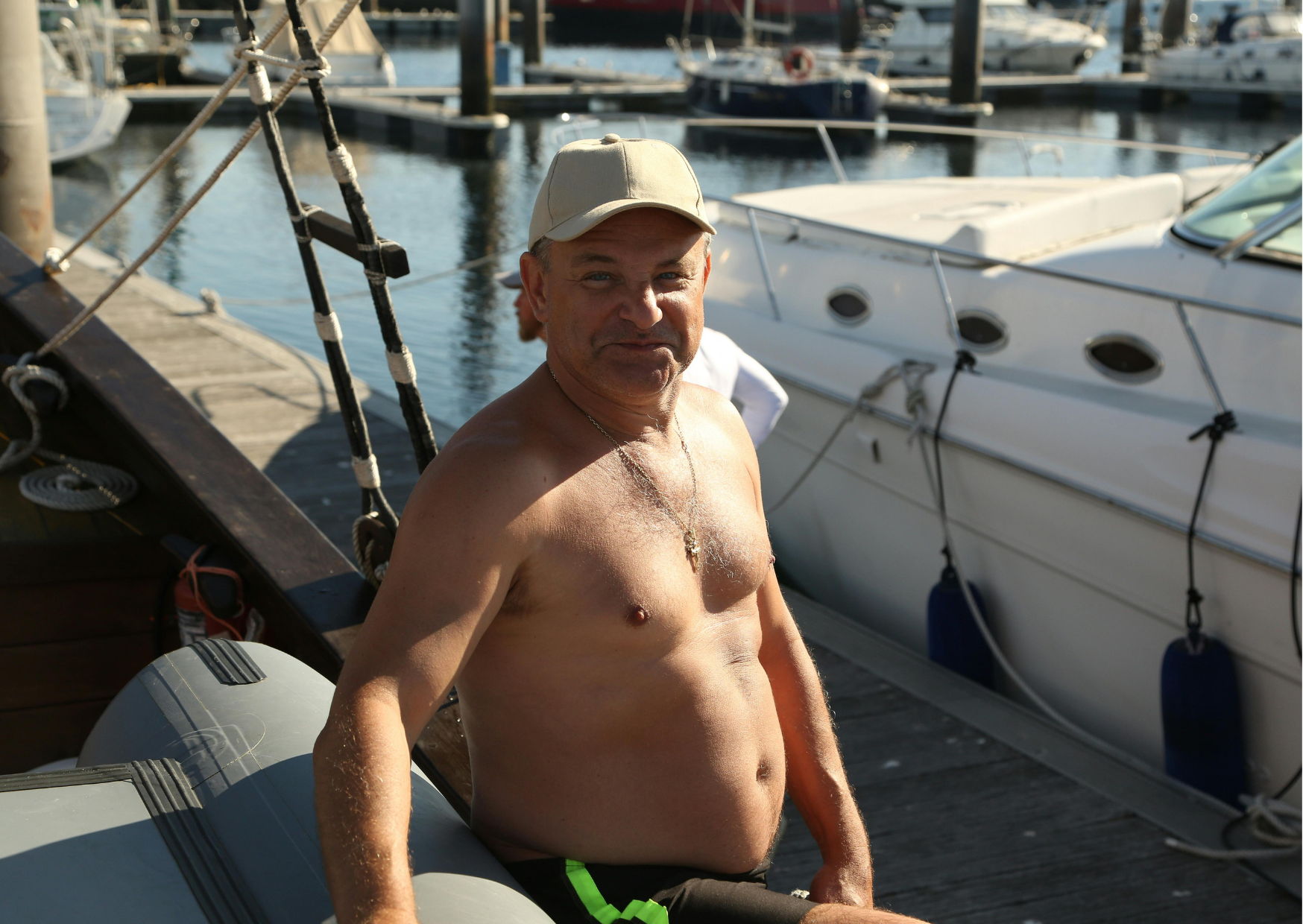
If you’re reading this because you feel flat, heavy, foggy, and less like yourself, it’s tempting to hunt for the cleanest lever. Testosterone feels like that lever.
But before you chase it, run a one-week experiment that changes the inputs most likely to be driving the symptoms. Timing beats willpower, so you want a schedule you can actually repeat, not a heroic reset.
Here’s a seven-day plan that matches how many men here quietly stay lean and functional without making it their personality.
Day 1: Fix sleep timing, not just sleep hours
Pick a consistent bedtime and wake time and hold it for seven days. Protect the last hour before bed from scrolling and late food. Sleep is the cheapest hormone support you have.
Day 2: Lift twice this week, short and simple
Two sessions, 30 to 45 minutes. Squat pattern, hinge pattern, push, pull, carry. Keep it boring. If you do nothing else, do two strength sessions.
Day 3: Walk daily, even if it’s broken into chunks
Two 20-minute walks beats one perfect workout you skip. Do it after lunch if you can. It stabilizes appetite, mood, and sleep.
Day 4: Protein at breakfast, not just dinner
Aim for a real serving early. Not a pastry and coffee. This is where Mediterranean structure quietly helps.
Day 5: Reduce alcohol for the week
Not forever, just seven days. Many men are shocked how much their sleep and mood lift when alcohol drops out.
Day 6: Sunlight in the morning
Even 10 to 15 minutes outside early helps circadian rhythm. It’s not mystical. It’s biology.
Day 7: Book the labs if symptoms persist
If you still feel off after a week of cleaner inputs, schedule the workup. You’re not “failing.” You’re moving from guessing to data.
If you do this and you feel meaningfully better, you just learned something important: your symptoms were not primarily a hormone problem, they were a lifestyle input problem. That’s good news.
If you do this and nothing changes, that’s also useful. It strengthens the case for deeper evaluation rather than chasing supplements and forum protocols.
Either way, you’re acting like a European health system acts: fix the basics, measure what matters, treat what’s confirmed.

About the Author: Ruben, co-founder of Gamintraveler.com since 2014, is a seasoned traveler from Spain who has explored over 100 countries since 2009. Known for his extensive travel adventures across South America, Europe, the US, Australia, New Zealand, Asia, and Africa, Ruben combines his passion for adventurous yet sustainable living with his love for cycling, highlighted by his remarkable 5-month bicycle journey from Spain to Norway. He currently resides in Spain, where he continues sharing his travel experiences with his partner, Rachel, and their son, Han.