
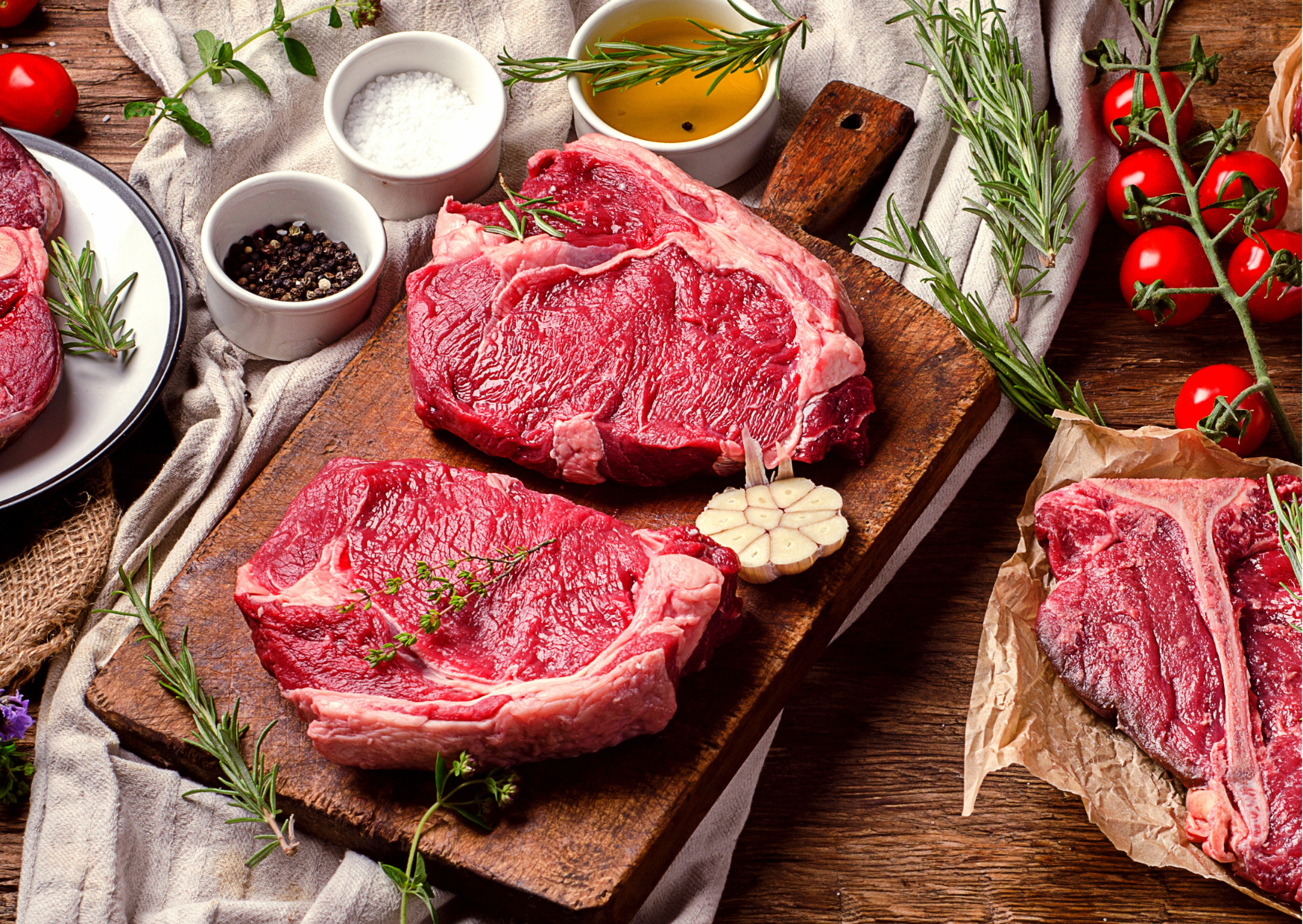
The phrase “meat additive” makes Americans think of something sprinkled into a product at a factory.
In this case, the “additives” are more upstream. They’re growth-promoting hormones used in cattle production, typically via implants or other administration, not something a consumer stirs into ground beef at home.
And yes, Europe drew a bright line on this decades ago.
In 1989, the European Communities (now the EU) effectively shut the door on imports of beef from cattle treated with six specific hormones for growth promotion. The ban became one of the longest-running, most emotionally charged food fights between the U.S. and Europe, because it wasn’t just about science. It was about trust, control, and what each side considers an acceptable level of uncertainty.
If you’re an American retiree living in Spain, or even just planning a few months a year here, this matters for one reason: it’s a clean example of how Europe’s food system often works.
Not perfect. Not magical. Just different.
The six hormones at the center of the ban
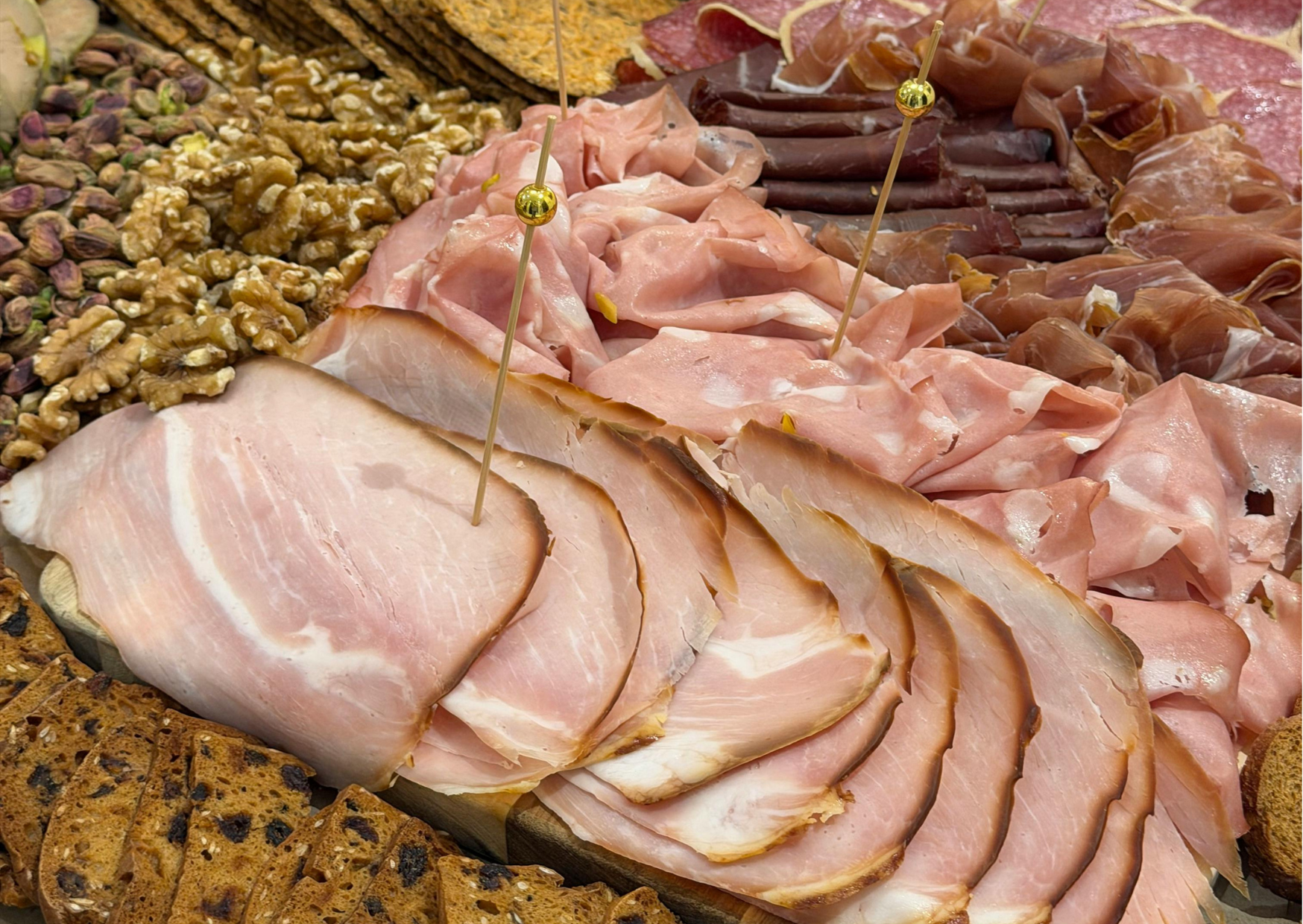
Here are the six substances that sit at the heart of the dispute and the EU restrictions:
- Oestradiol 17β (estradiol-17β)
- Testosterone
- Progesterone
- Trenbolone acetate
- Zeranol
- Melengestrol acetate (MGA)
Some of those names feel abstract because they’re not marketed to consumers. They’re not “ingredients” on a label. They’re part of industrial production choices.
A few key points that help Americans make sense of the list:
- Three are natural sex hormones that exist in animals and humans, but the issue is the way they’re used in cattle for growth promotion, not the fact they exist in nature.
- The other three are synthetic or semi-synthetic compounds, designed to create specific growth-promoting effects.
This is where Americans often get stuck.
They hear “hormones,” think “chemicals,” and the conversation turns into a morality play. That’s not useful.
The useful frame is this: Europe decided that using these substances for growth promotion creates a consumer protection problem it did not want to manage, so it chose prohibition as the management tool.
Not a gentle reduction. Not a labeling compromise. A ban.
1989 was the moment Europe stopped negotiating with the U.S. model
Americans often assume food rules evolve slowly. Europe’s hormone story did not.
By the late 1980s, European institutions were already moving toward a stricter approach on growth promotion hormones in livestock.
The key thing to understand is that Europe wasn’t only thinking about residue levels in meat. It was also thinking about control and enforcement.
If a system depends on perfect compliance and perfect inspection, Europe tends to get skeptical fast. When enforcement is difficult, Europe is more likely to prefer prohibition to “managed use.”
So by 1989, the dispute crystalized into a simple reality: Europe did not want hormone-treated beef on its market, and it structured its rules to keep it out.
That decision aged into decades of trade conflict, WTO rulings, retaliation, and negotiated side deals.
But the consumer-facing reality stayed stable:
A retiree buying beef in Spain is not buying beef produced under the U.S. growth hormone model as the default.
This is why the U.S. expat experience can feel oddly subtle. Nothing is announced. Nobody hands you a pamphlet. You just live inside a different set of defaults.
And those defaults show up in the food you eat without thinking about it.
Why Europe said no: the argument wasn’t just “health,” it was uncertainty and control

The public version of this story is usually told as “Europe thought it was unsafe.”
The more accurate version is that Europe did not accept the level of certainty required to authorize the practice broadly, especially given enforcement realities.
Europe’s stance evolved over time, but the core logic is recognizable:
- Growth promotion creates more exposure than therapeutic use, because it involves systematic, commercial-scale administration.
- Residue monitoring is hard to perfect across a large market.
- Risk assessment disputes became political fast, because the U.S. and EU were operating with different assumptions about what level of evidence is enough.
This is where Americans often misread Europeans.
Americans sometimes interpret Europe’s approach as fear-based. Europeans often see it as systems-based.
A systems-based regulator asks: “If something goes wrong, can we detect it and correct it quickly and consistently?”
If the honest answer is “not reliably,” Europe is more likely to remove the practice than to manage it.
That’s also why this particular fight became symbolic.
It wasn’t only about six substances. It was about whether the global food trade should default to permission unless proven harmful, or to prohibition until proven safe enough.
Both approaches have trade-offs. Both can be defended. The key point for expats is that these trade-offs show up in daily life.
Not as drama. As quiet differences in what is standard.
Why the U.S. said yes: a different baseline for “acceptable” and a different toolset
In the U.S., hormone use in cattle production has been treated as a normal productivity tool for decades. The system leans on:
- regulated use conditions
- residue limits and monitoring
- industry standards
- and, culturally, a higher tolerance for industrial optimization
Americans are also used to the idea that consumers can opt out.
They can buy “no hormones added,” “organic,” or “grass-fed” if they care. The market offers lanes. The baseline lane stays broad.
Europe chose a different baseline.
And this is one of the most important things an American retiree can understand before moving: Europe often regulates by setting the default lane narrower.
This is why some Americans feel relief in Europe. Not because every product is healthier, but because the system reduces the number of decisions a person has to make to avoid certain exposures.
At the same time, this is why some Americans feel annoyed. They don’t like being told the baseline lane has changed. They want the U.S. supermarket logic of infinite choice and a label for every preference.
Europe offers choice too, but it polices the underlying production models differently, especially when the issue involves cross-border enforcement and consumer trust.
So the American version is “let people choose.”
The European version is often “set a stricter default, then allow exceptions.”
Both things are true in different parts of the food system, but this hormone case is a clean example of where Europe chose the stricter default.
What this means for Americans retiring in Spain: you won’t “feel” the difference, but it’s there

Most American retirees in Spain will never talk about these hormones. They won’t need to.
They’ll buy beef at a supermarket, butcher, or local market, cook it, and move on with their day.
But the difference still matters in three practical ways:
1) The “health halo” isn’t the point, the predictability is
Americans sometimes treat Europe like a detox camp.
That’s not what’s happening.
What’s happening is that the baseline production model for some foods differs, and that can change what’s in your diet without you doing anything heroic.
You don’t have to become a perfect Mediterranean eater to benefit from different defaults. You benefit just by living inside them.
2) The label culture is different
Spain, like much of Europe, has a stronger tradition of category clarity. That doesn’t mean labels are always simple, but it does mean the system expects food categories to mean something.
American retirees who try to recreate U.S. shopping habits often get frustrated because they want the exact same branded signals.
Spain doesn’t always sell the same signals. It sells different signals. Once a newcomer learns those signals, shopping becomes calmer.
3) If you split time between Spain and the U.S., your diet will swing harder than you expect
This is the underrated reality.
A lot of Americans do three months in Spain, then back to the U.S., then longer stays later. That creates a whiplash effect. Not just in language and routines, but in food defaults.
Some people feel better in Europe and can’t explain why. They credit walking or olive oil. Sometimes that’s part of it. Sometimes it’s also the silent shift away from specific industrial practices that don’t exist in the same way here.
If an American is going to make claims about blood work or health, the smart move is to keep the conversation grounded: food patterns, activity patterns, stress levels, sleep. Not one ingredient as a magic key.
But it’s still worth knowing which practices differ, because it keeps people from making bad assumptions.
The trade war layer nobody wants to admit: this fight was never only about health
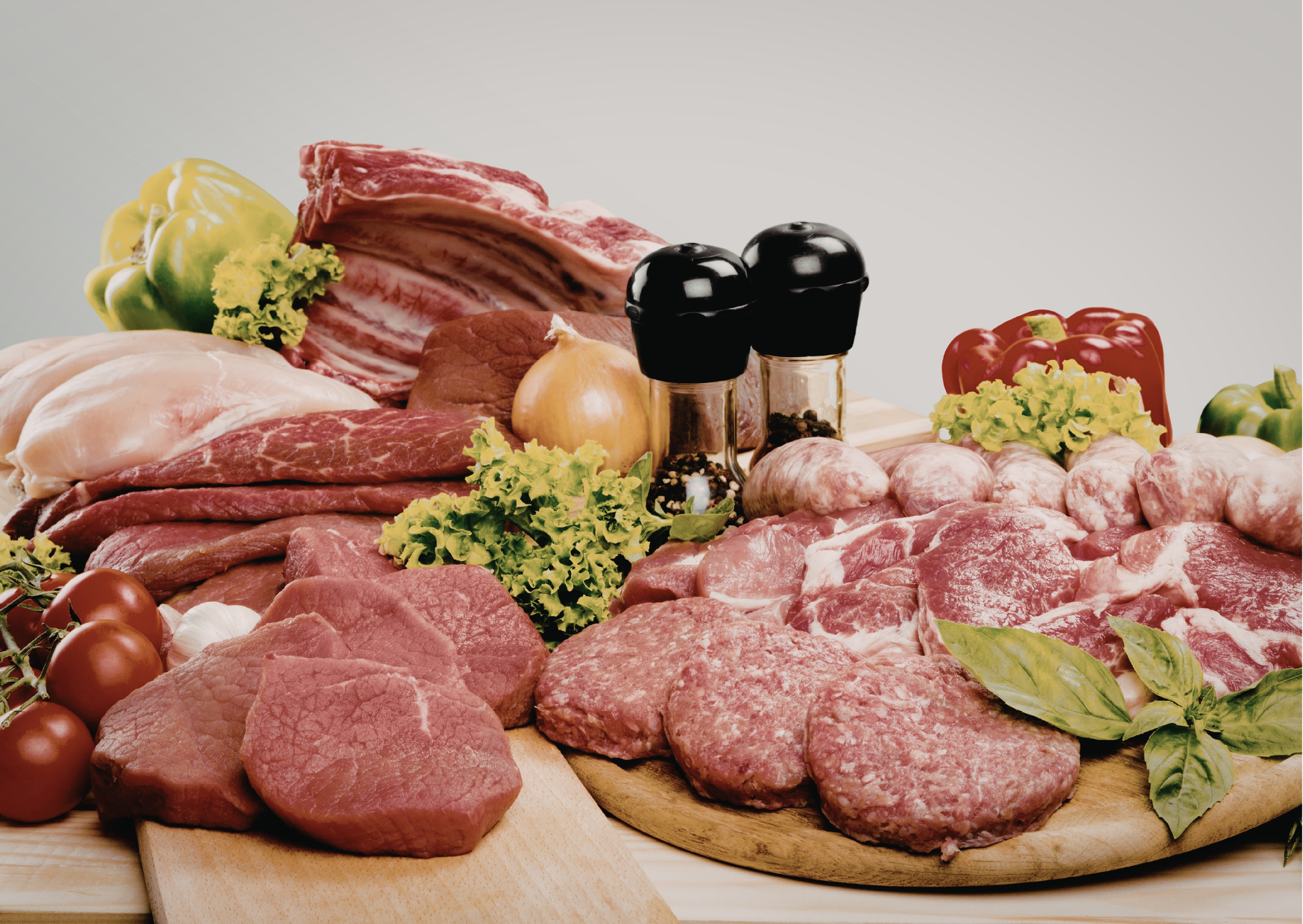
This hormone dispute turned into a defining trade conflict. It ran through WTO disputes and retaliation because the stakes were commercial as well as regulatory.
Here’s the practical takeaway, without turning this into a law seminar:
- The EU kept restrictions on hormone-treated beef.
- The U.S. and Canada challenged the restrictions at the WTO.
- The dispute did not resolve into “Europe admits it was wrong” or “America admits it was unsafe.”
- It resolved into ongoing friction plus negotiated workarounds, including market access arrangements for non-hormone-treated beef.
If this sounds political, it is. Food rules are political because food is money, identity, and power.
But for retirees, the usefulness is simpler: it explains why American products sometimes do not “transfer” cleanly into Europe.
It’s not because Europeans hate American food. It’s because the regulatory baseline is different, and sometimes the difference is entrenched enough that it becomes a permanent trade scar.
This is also why Americans should be careful with the phrase “banned ingredient.”
Sometimes the “ingredient” is not a literal ingredient. It’s a production input that sits behind the product.
The beef looks the same in a pan. The policy and production model behind it are what differs.
The part Americans get wrong: they treat this as a purity story instead of a decision story
A certain type of American expat content turns Europe into a moral hierarchy. Europe is pure. America is toxic. Move and you’ll be saved.
That’s not serious adult thinking.
Serious adult thinking looks like this:
- Europe restricts certain practices the U.S. allows.
- The U.S. allows certain practices Europe restricts.
- Both systems have trade-offs, blind spots, and political capture risks.
- The benefit of living in Europe is not purity, it’s a different set of defaults and a different relationship between consumer and regulator.
For Americans 45 to 65, this matters because retirement is not only a financial plan. It’s also a body plan. People become more sensitive to sleep, inflammation, digestion, and stress.
Europe won’t magically fix a body. But it can change the environment around a body. That’s worth taking seriously.
And it’s worth taking seriously without turning it into ideology.
A practical 7-day plan for Americans who want consistency across the U.S. and Europe
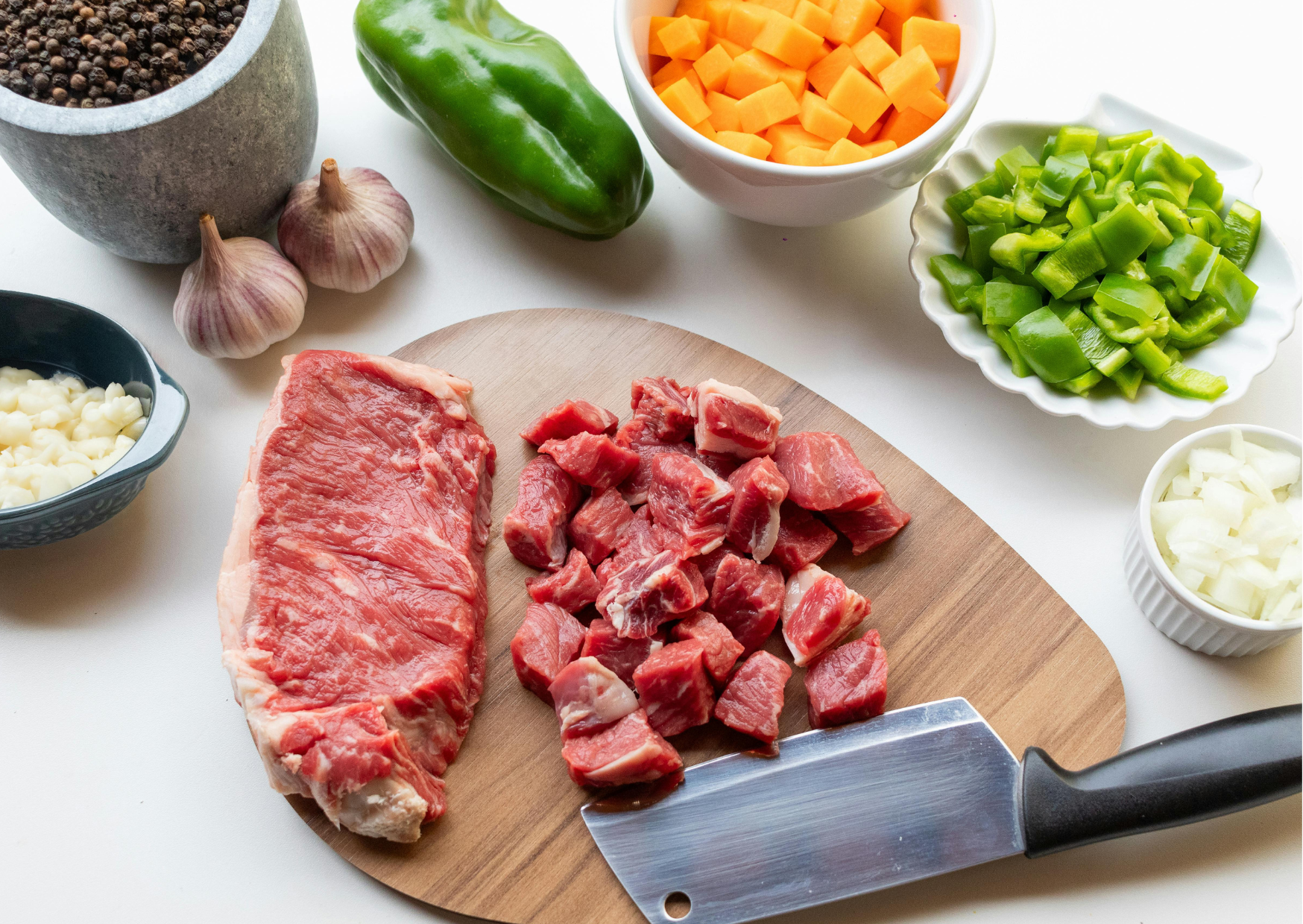
A lot of retirees don’t want a political education. They want to feel steady.
Here’s a simple week plan that keeps things grounded, especially for people splitting time between the U.S. and Spain.
Day 1: Decide what you want your beef standard to be
If you care about avoiding growth hormone use, choose a standard and stick to it. Don’t make it a mood.
In Spain, the default market structure often aligns better with that preference. In the U.S., you may need to seek it out.
Day 2: In the U.S., buy from a lane that matches your preference
American shoppers have options, but they have to choose them.
Look for credible standards that meet your comfort level, and then stop reinventing the decision every grocery trip. The point is repeatability, not perfection.
Day 3: In Spain, stop overcomplicating it
Buy beef from a reliable butcher or supermarket. Focus on freshness and cut. Don’t treat every purchase like an investigation.
The expat mistake is obsessing over what’s different instead of building routine. Routine is what makes a new country feel livable.
Day 4: Track what actually changes in your body
If you’re tempted to attribute health changes to one ingredient, pause.
Track:
- how much you walk
- how well you sleep
- how much alcohol you drink
- how stressed you feel
- whether you’re eating at consistent times
Those are usually bigger levers than one production input.
Day 5: If you’re doing blood work, control for the obvious variables
If someone wants to claim Europe improved their numbers, keep it honest.
The clean way is to keep diet patterns stable, keep activity stable, and note the differences. Most retirees don’t do that. They change everything at once.
A story can still be useful. It just shouldn’t pretend it’s a controlled experiment if it isn’t.
Day 6: Learn one language habit that saves you time in Spain
Don’t memorize food politics vocabulary. Memorize practical shopping language.
Know how to ask for cuts. Know how to ask for leaner or fattier. Know how to ask for a smaller portion. That reduces friction and makes you more likely to cook at home, which is one of the real drivers of better health outcomes in retirement.
Day 7: Decide whether this difference matters to you
This is the mature ending.
Some Americans will shrug and say “fine.” Others will feel strongly. Neither is wrong.
What matters is being intentional, not being confused.
Because confusion is what drives people back home. Not a single ingredient, but the feeling that nothing is legible anymore.
Europe becomes easier when you stop demanding it match the U.S., and start treating it like a different system with its own defaults.

About the Author: Ruben, co-founder of Gamintraveler.com since 2014, is a seasoned traveler from Spain who has explored over 100 countries since 2009. Known for his extensive travel adventures across South America, Europe, the US, Australia, New Zealand, Asia, and Africa, Ruben combines his passion for adventurous yet sustainable living with his love for cycling, highlighted by his remarkable 5-month bicycle journey from Spain to Norway. He currently resides in Spain, where he continues sharing his travel experiences with his partner, Rachel, and their son, Han.