
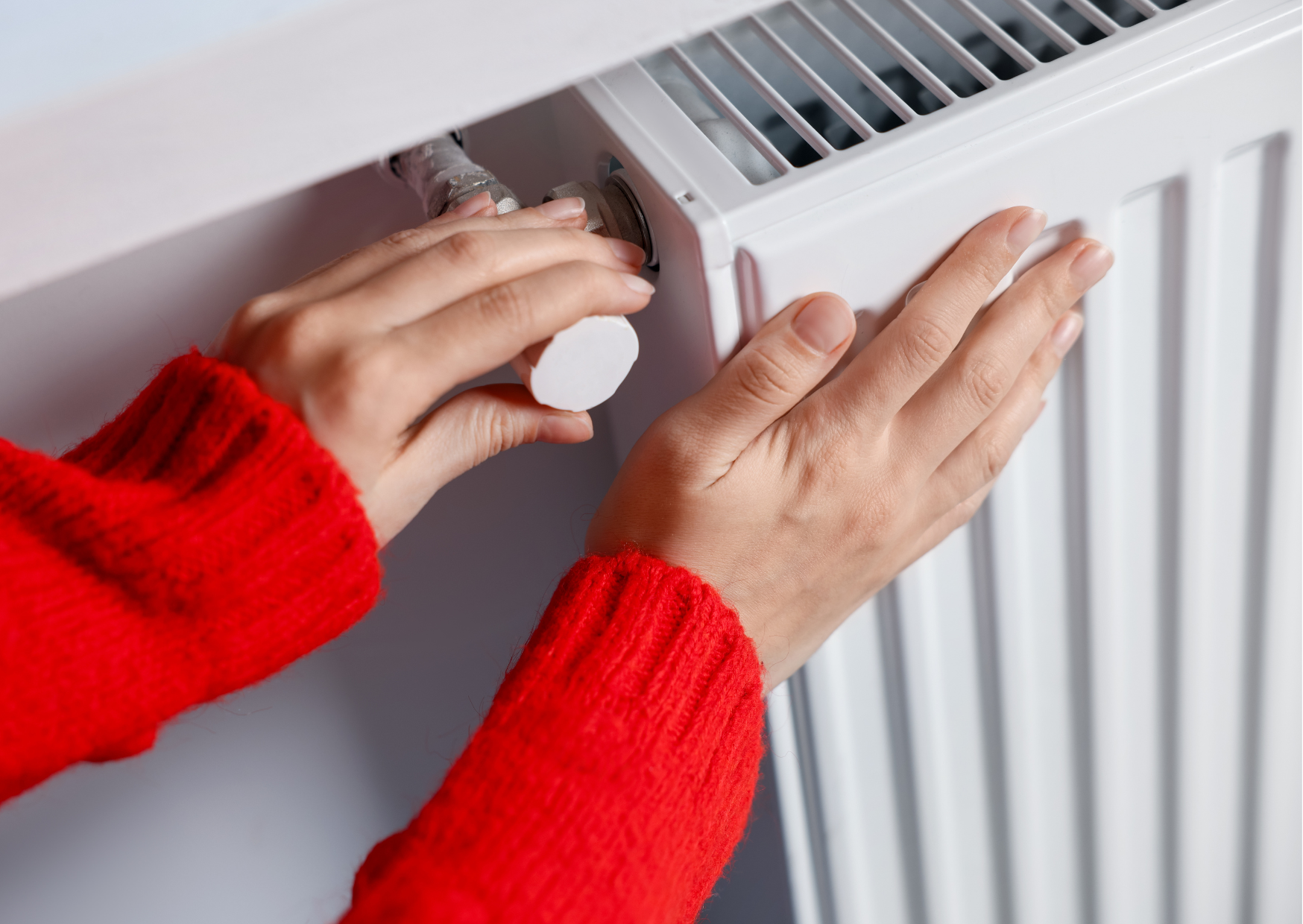
The first winter bill is rarely shocking because the apartment is huge or the weather is extreme. It’s shocking because Americans assume “heat” is a flat monthly utility. In much of Europe, heat is a math problem that changes by hour, room, building, and contract.
The first time it happens, it feels almost unfair.
An American retiree moves into a sunny European apartment, tells friends back home it’s “so much cheaper,” then opens a winter bill that’s €240, €310, sometimes more. Not for a house. For a modest flat. And the worst part is they still don’t feel warm.
From Spain, we see this pattern every year with new arrivals. The move starts with optimism, then winter arrives and the tone changes. Not because people can’t afford Europe. Because they didn’t budget for European-style heating reality.
This article is the practical explanation Americans wish they’d had before their first cold season: what’s different, what drives the bill, why “mild winters” can still cost money, and what to fix in the first seven days so the next bill doesn’t feel like a punishment.
The shock starts with the part of the bill that has nothing to do with heating
Americans tend to think, “If I use less, I pay less.” That’s broadly true, but European utility bills often include fixed and semi-fixed components that can feel like a rude surprise.
In Spain, the classic example is contracted power, potencia contratada, which affects the fixed part of your electricity bill even if you barely turn anything on. This exists because the grid is reserving capacity for you. The exact structure varies by tariff, but the experience is universal: you can have a small apartment, be conservative with usage, and still pay a baseline that feels high.
That baseline is where a lot of first-winter resentment comes from.
You turn the heating on for a few evenings, you think you’ve been careful, and yet the bill looks like you left the oven on all month. The bill is not only pricing energy. It’s pricing being connected.
This is also why two neighbors can describe completely different experiences. One person insists, “Heating is cheap here,” and the other is quietly furious. They might have the same square meters and the same weather. They don’t have the same contract, standing charges, or heating system.
The uncomfortable truth is that winter bills in Europe are not only about consumption. They are about the setup you inherited when you signed the lease.
In Europe, electricity can be roughly double the U.S. price, and many rentals heat with electricity
Here’s the part Americans need in plain numbers.
In the EU, household electricity prices in the second half of 2024 averaged about €0.287 per kWh. In the U.S., the residential average for 2024 was 16.48 cents per kWh.
Converted at the ECB reference rate published on January 26, 2026 (EUR 1 = USD 1.1836), 16.48 U.S. cents is about €0.139 per kWh. So the EU average is roughly 2 times the U.S. on unit price alone.
That ratio is the foundation of the shock.
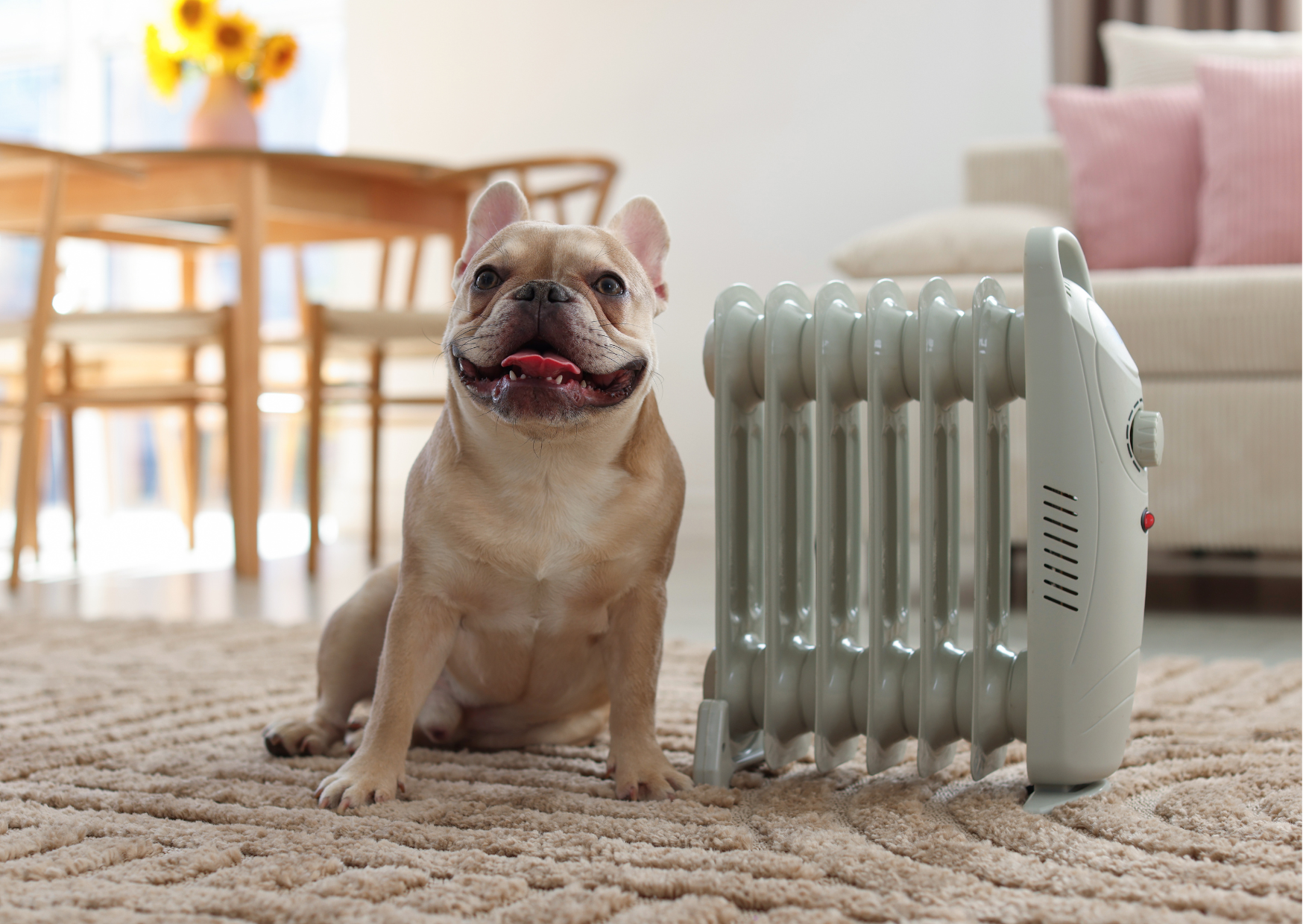
Now add the second piece Americans miss: many European rentals, especially in southern Europe, heat with electricity. Not always with heat pumps, sometimes with electric resistance heaters that turn electricity into heat at a 1:1 ratio. That is the most expensive way to heat a home when electricity prices are high.
So Americans arrive from places where:
- natural gas is common for space heating
- central systems heat the whole home efficiently
- electricity is priced lower on average
Then they land in an apartment with:
- electric radiators or portable heaters
- higher electricity unit pricing
- a building that leaks heat
And now they’re paying premium rates to run the least forgiving system.
This is why the first winter bill feels personal. It’s not just “energy is expensive.” It’s how the housing stock heats.
“Mild winter” can cost more when the building is built for summer, not for insulation
Southern Europe gets Americans twice. First with the weather expectations, then with the housing reality.
People hear “Spain” or “Portugal” and assume winter is easy. Outdoors, it often is. Indoors, it can be surprisingly uncomfortable, especially in older stock with tile floors and mediocre window seals.
So you end up in the weird situation where:
- the outside temperature is not terrifying
- you still feel cold at home
- you run heaters longer than you expected
- the bill climbs anyway
This is where Americans get stuck in the wrong comparison. They compare Spain to Minnesota and think, “It’s obviously warmer here, so heating should be cheaper.”
But a Minnesota home is often built to defeat winter. A southern European apartment is often built to survive summer. Those are different design goals.
If a building loses heat quickly, you pay to replace that heat constantly. That is thermal leak tax.
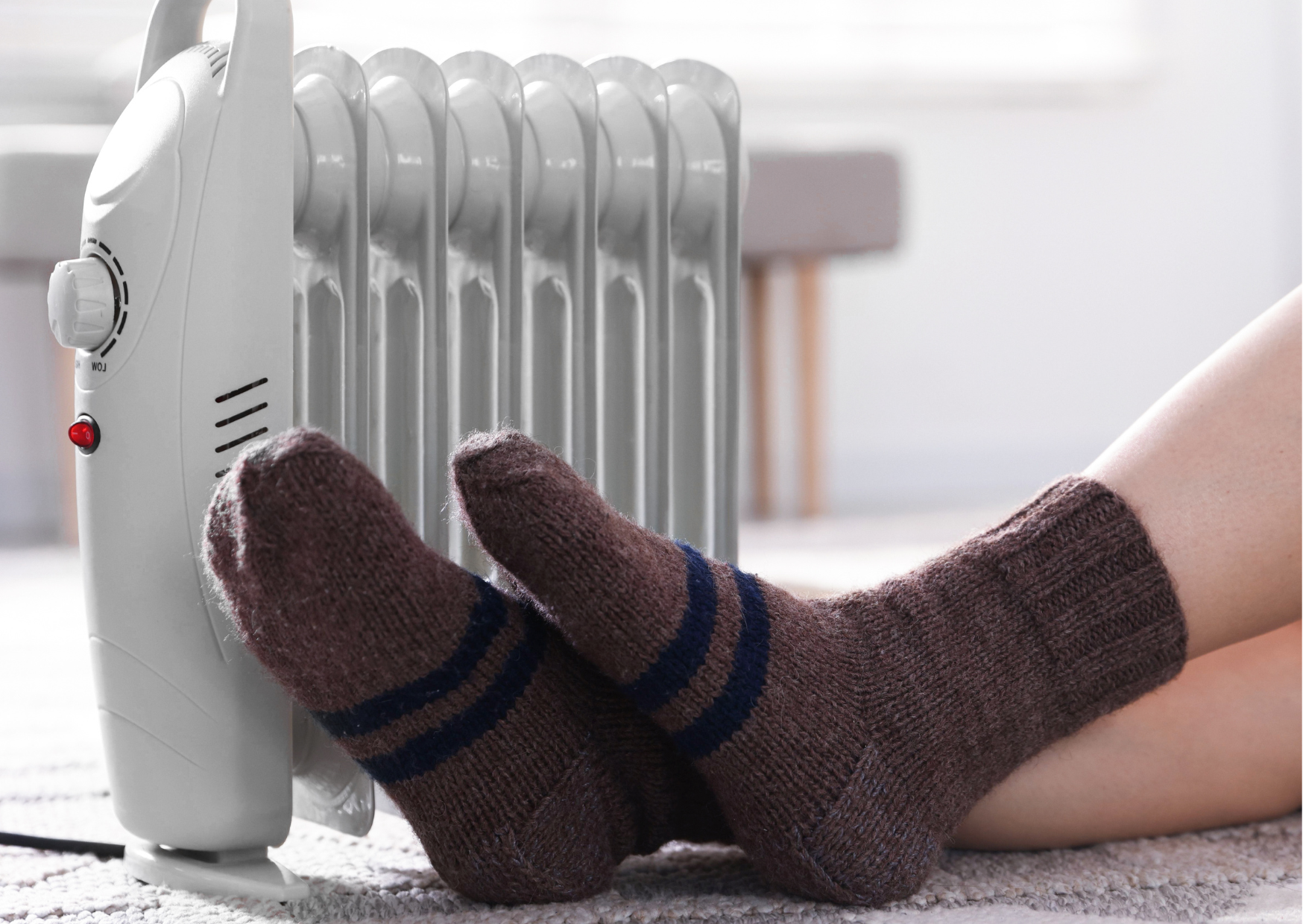
And this is why Americans in southern Europe often say, “I’m colder here than I was back home.” They don’t mean outdoor temperature. They mean the indoor experience: cold floors, cold walls, drafts near windows, rooms that never feel fully settled.
When you’re paying for heat that doesn’t stay, bills feel especially cruel.
Heating system roulette explains why your friend’s bill is half of yours
There are European winters where two households in the same city will have wildly different costs for the same comfort level, purely because of system type.
Here’s the fast breakdown that matters for retirees:
Heat pump (split AC)
Often the best outcome. A modern heat pump moves heat rather than generating it, which can deliver multiple units of heat per unit of electricity. If your flat has a decent unit and you use it wisely, you can keep bills more controlled.
Electric resistance (radiators, space heaters)
The bill-killer. Electricity in, heat out, no efficiency multiplier. In a leaky apartment, this becomes expensive fast. Many first-year expats are heating this way without realizing it.
Gas boiler + radiators
Common in some markets, can be comfortable, but the bill depends on gas pricing and contract structure. Also, you inherit the building’s radiator design. Some are excellent, some are uneven.
District heating
Can be stable or costly depending on region and provider. The key issue is that it can feel opaque to newcomers.
The frustrating part is that Americans often don’t know which system they have until the bill arrives.
A simple way to spot danger early is to look for the words that signal the fuel and method. If your “heating” is literally portable electric radiators and your electric kWh price is high, your first winter bill is not going to be gentle.
Also, don’t underestimate how much behavior interacts with system type.
A heat pump used steadily in one warm zone can be manageable. An electric radiator used to chase warmth across multiple rooms can spiral. Same person, same apartment, different strategy, different bill.
The bill isn’t just energy, it’s fixed charges, tariffs, and timing
European utility billing often feels overly complex to Americans. That complexity matters in winter because it’s where small mistakes become expensive.
Three common pain points:
Fixed charges and contracted capacity
You pay a baseline for access and capacity. This is why some people feel like they’re paying for electricity even when they’re barely home.
Time-of-use pricing and tariff structure
In some markets, timing matters a lot. If you run high-load heating during peak hours, you pay the premium for it. If you shift usage, the cost can drop without changing comfort.
Regulated versus market tariffs
In Spain, for example, the regulated PVPC tariff’s calculation methodology changed starting January 1, 2024, designed to reduce volatility by indexing part of the price to forward market components. That matters because some Americans arrive, get a contract quickly, and don’t understand what they signed. Winter is when that confusion becomes expensive.
If you’re thinking, “This is too much,” you’re not wrong. The point is not to become an energy expert. The point is to avoid the most common newcomer mistake: assuming a European electricity bill behaves like an American one.
In the U.S., the average price is the story. In Europe, the average price is only the start of the story.
The American heating habits that quietly blow up a European bill
This is where the frustration turns into control.
Many Americans have habits that are perfectly sensible in the U.S. and quietly expensive in Europe. Especially in the first year, when people are tired, disoriented, and just trying to feel comfortable.
Common bill-inflators:
You heat the entire home to one setpoint.
In many European homes, people heat zones, not the whole flat. Trying to keep every room equally warm can be expensive, and sometimes impossible.
You “blast heat” in short bursts.
With certain systems and leaky buildings, short bursts don’t build comfort. They build bills. A steadier approach in one zone is often cheaper and feels better.
You rely on portable electric heaters as the primary solution.
This is the fastest path to a bill shock. Portable electric heat is not inherently evil, but it is rarely the cheapest baseline.
You leave windows cracked for fresh air while heating.
Americans do this without thinking. In a drafty European flat, it’s like paying to heat the street. Vent quickly, then seal up.
You chase warmth instead of fixing heat loss.
If cold air is leaking in, heating is not the first fix. Draft sealing and heavy curtains can change comfort more than another heater.
A simple way to internalize the math is to look at a portable heater honestly.
A 2,000 watt heater running 8 hours a day uses 16 kWh per day. At €0.25 per kWh, that’s €4 per day. Over 30 days, that’s €120 for one heater, and that’s before fixed charges and before you heat anything else.
Now multiply by two heaters, or longer hours, or higher rates.
This is why newcomers think, “But I barely used it,” and the bill says otherwise. Heating devices are not like lights. They are high-load appliances that turn small habits into real money.
The first-week rescue plan after a bad winter bill
If your first winter bill has already landed and you feel that stomach drop, don’t panic. Fix the system. Most people can cut the next bill without freezing.
Here’s the seven-day plan we’ve seen work for American retirees.
Day 1: Learn what you’re actually paying per kWh
Find the unit price and your fixed charges. If you don’t know your unit price, you’re guessing in the dark. Winter is not the season for guessing.
Day 2: Identify your heating system and stop using the worst option as the default
If you have a heat pump, use it as the baseline and treat portable heaters as spot tools. If you only have electric resistance, you need to get disciplined fast.
Day 3: Choose one warm zone and heat it steadily
This is the single biggest shift Americans resist, and it’s often the most effective. Heat one living area well, not every room halfway. Comfort comes from stability, not constant chasing.
Day 4: Attack drafts and cold surfaces
Draft stoppers, thicker curtains, sealing obvious gaps, rugs on tile floors. These are boring fixes that reduce the amount of heat you have to buy.
Day 5: Use personal heat tools so you can lower air temperature
A heated throw, better slippers, a hot water bottle, heavier bedding. This is how Europeans keep costs down without feeling miserable. It’s not a cute cultural quirk, it’s practical economics.
Day 6: Check humidity if the home feels colder than the thermometer suggests
Damp air and condensation make indoor cold feel worse. In many coastal and older buildings, a dehumidifier can improve comfort at the same temperature, which lets you run less heat.
Day 7: Make one contract-level improvement
If your market allows it, this is when you look at tariff choice, time-of-use structure, and in places like Spain, whether your contracted power makes sense for your real life. Don’t do five changes at once. Pick one that reduces fixed pain.
The goal is not to optimize to perfection. The goal is to stop paying premium money for mediocre comfort.
Before you rent or buy, ask the winter questions Americans forget to ask
If you want to avoid the “first winter bill” story entirely, you have to shop for winter livability, not just sunshine.
Questions that matter more than the view:
What is the heating system, specifically. Heat pump, radiators, electric resistance, gas boiler, district. Don’t accept “it has heating” as an answer.
Are windows double-glazed, and do they seal well. Older windows can erase every heating advantage you think you have.
What is the energy performance rating or certificate, if available. It’s not a perfect predictor, but it’s better than guessing.
Is the living space designed to be zoned. Can you close doors and hold heat where you live, or is it an open plan that leaks warmth everywhere.
How does the home feel on a cold, rainy day. This matters more than a sunny afternoon showing.
And here’s the blunt truth: if you’re retiring in Europe, winter comfort is part of quality of life. If you choose a place that is miserable indoors for three months, you will spend those months paying more than you expected and questioning decisions you were confident about.
The heating bill shock is not inevitable. It’s predictable.
It usually comes from three things combined: higher unit prices, electric-based heating, and buildings that don’t hold warmth.
Fix one of those and your winter becomes manageable. Fix two and you stop thinking about it entirely.

About the Author: Ruben, co-founder of Gamintraveler.com since 2014, is a seasoned traveler from Spain who has explored over 100 countries since 2009. Known for his extensive travel adventures across South America, Europe, the US, Australia, New Zealand, Asia, and Africa, Ruben combines his passion for adventurous yet sustainable living with his love for cycling, highlighted by his remarkable 5-month bicycle journey from Spain to Norway. He currently resides in Spain, where he continues sharing his travel experiences with his partner, Rachel, and their son, Han.