
She moved to Spain for sun.
By October, she was still seeing blue skies, still taking photos of palm trees, still drinking coffee outside. But she hadn’t felt properly warm in weeks. Not “I need a coat at night” cool. More like a low, constant chill that lived in her shoulders.
The confusion is the whole story.
Americans tend to equate sun with warmth. In a lot of Spain, sun is light, not heat. It’s gorgeous brightness paired with air that stays crisp, shade that feels sharp, and apartments that don’t hold warmth the way a sealed, insulated American home does.
So she tells her friends back home, “It’s sunny,” and then she adds, quieter, “but I’m freezing.”
Both can be true.
This isn’t about being dramatic. It’s about learning a Mediterranean winter the way locals already have: you adjust your housing choices, your daily rhythm, and the way you measure comfort.
Sun is not the same thing as warm

Spain sells itself with light. It should. The light is real.
But warmth is a different variable, and it’s the one Americans don’t model correctly. They picture Florida. They get Barcelona, Valencia, Madrid, even Málaga on a wrong week, where the daytime looks friendly and the air never quite gets soft.
Here’s the everyday reality in many Spanish cities from October through March:
- The sun can be bright while the temperature stays modest. You feel great walking in direct sun, then you step into shade and your body tightens.
- The evenings cool fast, and indoor spaces can feel colder than outside because tile and stone steal heat.
- The wind matters. A breezy coastal day can feel colder than the number suggests, especially when you’re standing still at a terrace table.
- Humidity changes everything. Damp air makes mild temperatures feel clingy and chilly.
The biggest misconception is thinking “sunny” is the same as “T-shirt weather.”
If you’re planning a long stay, calibrate your expectations to this: Spain often gives you bright winter days, not tropical winter days.
That distinction is why someone can say, honestly, “It hasn’t been warm since October,” while still posting photos of blue skies.
The Mediterranean winter is an indoor problem pretending to be an outdoor problem

Most Americans blame the weather first. Then they realize the weather is not the main issue.
The main issue is the apartment.
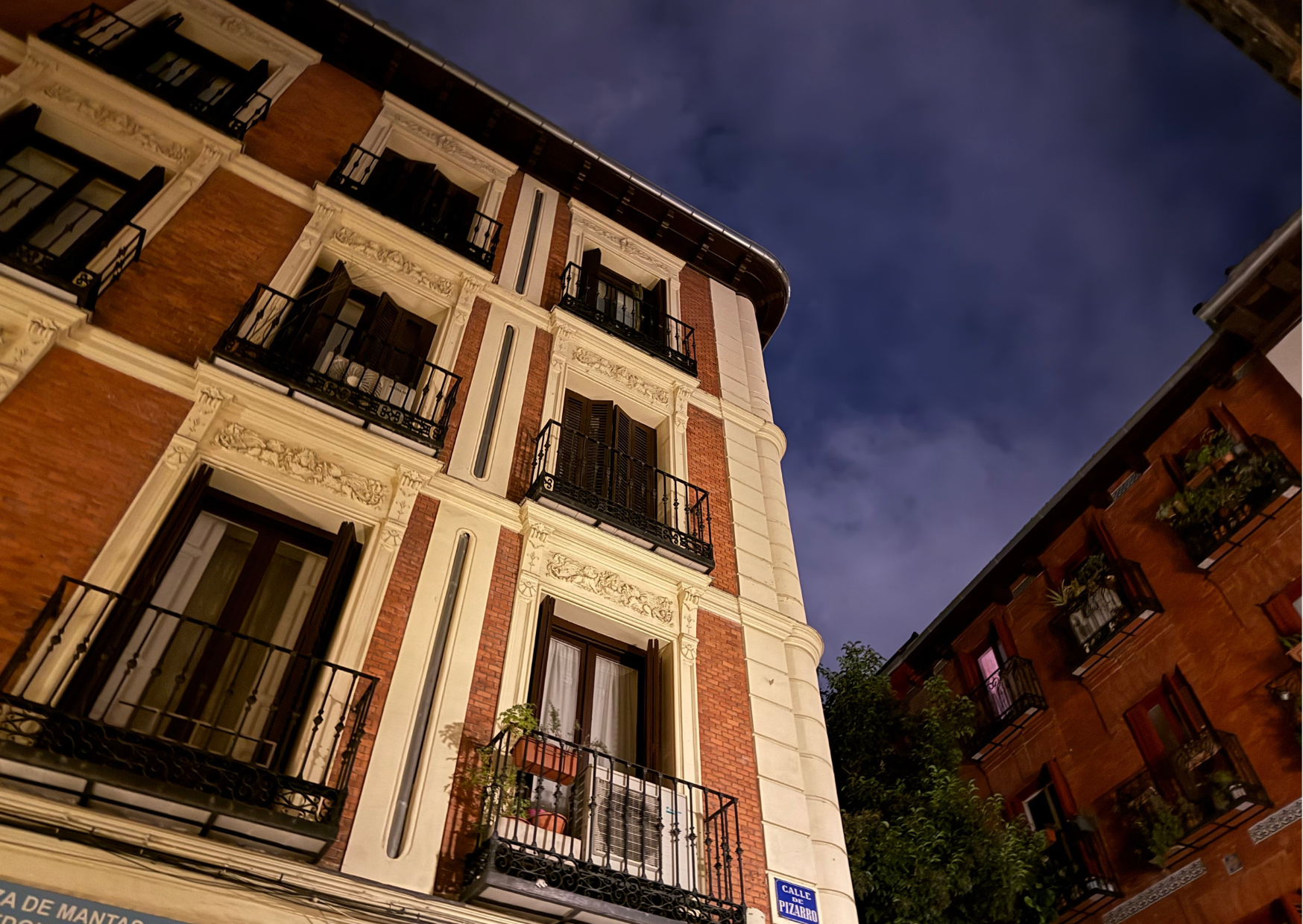
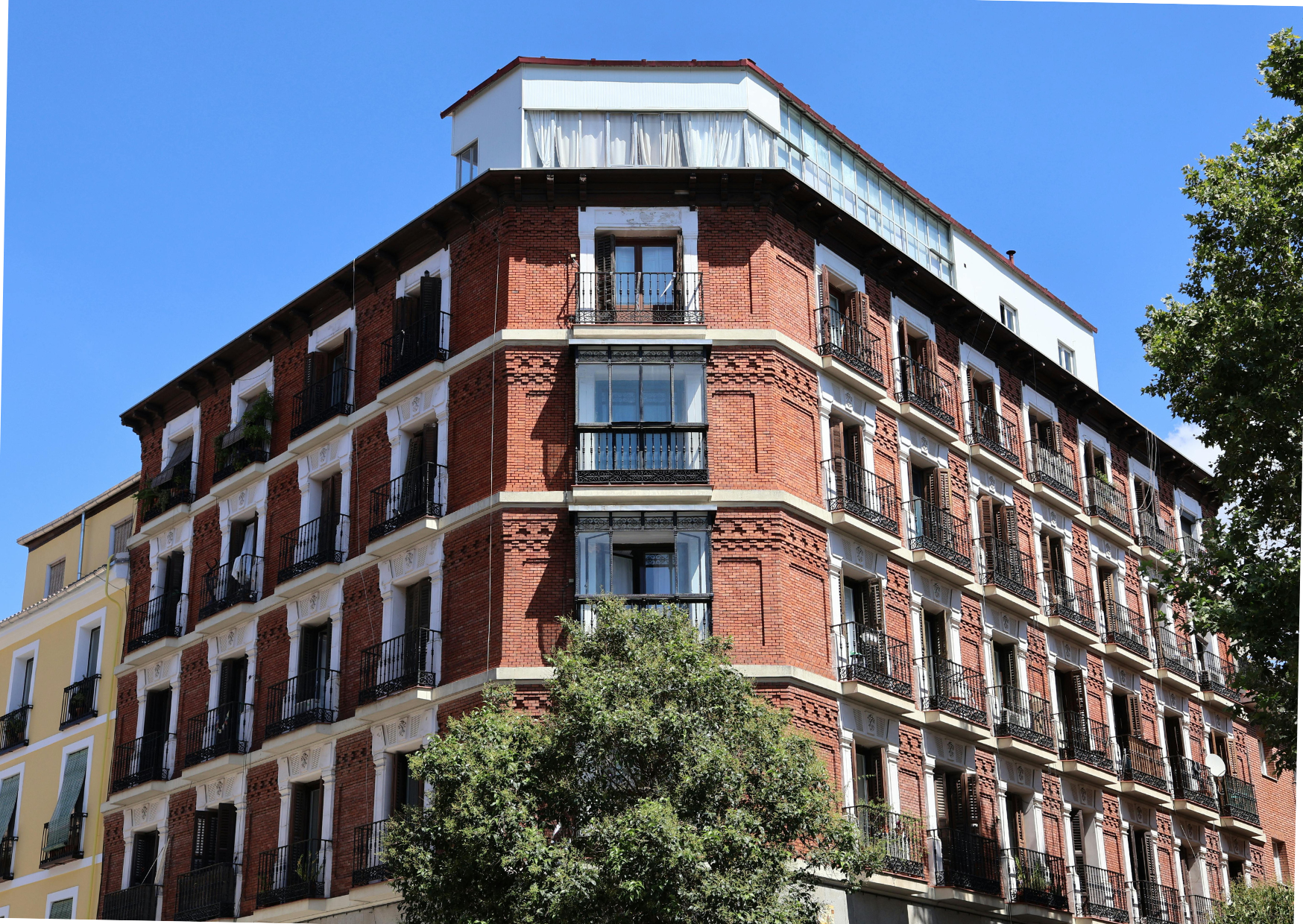
A lot of Spanish housing stock, especially older buildings, was built to survive heat. Thick walls, tile floors, high ceilings, shutters, and cross-ventilation. In summer, that can be a gift. In winter, it can feel like living inside a cool box.
And because outdoor temperatures aren’t extreme, people underestimate how much indoor comfort depends on the building. You don’t get the dramatic “it’s freezing outside” signal that forces everyone to insulate and heat aggressively. You just live in mild cold for months.
That’s why Americans who grew up with central heating and better insulation often feel shocked. They’re used to a home being a warm shell. In many Spanish rentals, the home is closer to “a place you sleep” than “a sealed comfort machine.”
Two common patterns show up immediately:
- A gorgeous apartment that looks perfect on listing photos, but has single-pane windows and drafts.
- A heating setup that technically exists, but only warms one room, or costs enough to make you hesitate every time you switch it on.
So the winter experience becomes a daily negotiation between comfort and cost, and that negotiation gets exhausting.
If you want the blunt version: she didn’t move to Spain and discover Spain is cold. She moved to Spain and discovered her apartment can’t hold warmth.
Why the cold feels personal in Spain
This is where people start spiraling, because it doesn’t feel like a normal “winter.”
In colder climates, winter is obvious. You dress for it. You heat for it. You accept it.
In much of Spain, winter is subtle. It’s not brutal, it’s persistent. That persistence is what drains you.
When you’re mildly cold every day, you start doing strange things:
- you stop sitting still, because stillness feels cold
- you avoid plans at home because your home is cold
- you spend more time at cafés and bars, not for social joy but for warmth
- you buy random heaters and blankets and still don’t feel comfortable
And then you start doubting your decision. Not because Spain is wrong for you, but because your nervous system hates long-term discomfort.
There’s also a psychological trap: you feel like you shouldn’t complain. You moved for “sun,” so complaining about being cold feels ungrateful or stupid. That internal shame makes it worse.
You end up telling yourself, “Maybe I’m just not cut out for Europe.”
No. You’re just living in a building that wasn’t selected with winter comfort in mind.
This is why locals look unfazed. They already know the trick: winter comfort is layers, humidity control, and a home that gets morning sun. They don’t expect a T-shirt winter. They expect a workable winter.
The money math that sneaks up on “cheap Spain”
Even if you’re not in Spain for cost savings, winter is where your budget can get quietly irritated.
Not because Spain suddenly becomes expensive. Because comfort costs show up in small, repeated ways.
A typical “I’m cold” shopping pattern looks like this:
- a space heater: €25 to €80
- a dehumidifier: €120 to €250 if the place feels damp
- extra bedding: €40 to €140
- a rug, because tile floors are brutal: €60 to €200
- heavier indoor clothing you didn’t bring: €80 to €250
Then there’s the utility bill. Even a modest increase of €40 to €120/month during winter adds up, especially if you’re using electric heat and the apartment never stabilizes.
The bigger cost is behavioral. When you’re cold at home, you spend money outside to avoid being cold. You go to cafés more. You eat out more. You “just do a drink” more often. That’s not a moral failing. It’s a heat strategy.
So the person who moved to “save money” ends up spending more than expected, and they don’t even feel like they’re enjoying it.
If you’re apartment hunting, here’s the trade-off most Americans miss:
A slightly higher rent for better windows and a real heating setup can be cheaper than a “cheap” rent where you pay for comfort in gadgets, bills, and constant café refuge.
This is why people say Spain is affordable and then still feel financially squeezed in winter. They’re paying the comfort tax.
The calendar that makes Spain feel warm again
Spain is a rhythm country. Winter gets easier when you stop fighting the rhythm and start using it.
Most newcomers do the opposite. They keep an American schedule, then wonder why they’re miserable.
Here’s a winter rhythm that works in a lot of Spanish cities:
- Do your outdoor time in the warmest window. That’s often late morning to mid-afternoon.
- Work or errands early, then take your long walk when the sun is doing its job.
- Keep evenings intentionally cozy. Winter evenings are for home, or for short outings, not for trying to recreate a summer terrace life in a jacket.
And this is where the phrase is actually true: Timing beats willpower. If you wait until you “feel warm enough” to go outside, you’ll stay inside and get gloomier. If you schedule your daily walk for the warm window, you’ll get sunlight, movement, and the feeling of life continuing.
The second rhythm trick is inside the home:
- Heat the apartment proactively, not reactively. The goal is a stable baseline, not a panic blast.
- Create a “warm core” zone. One room that stays comfortable beats trying to heat an entire leaky apartment.
The mistake is expecting the apartment to behave like a sealed American home. In many Spanish rentals, you’re managing a space, not simply living in it.
Once you accept that, you stop taking winter personally.
The most common mistakes Americans make, and the fixes that actually work
These are the errors that cause the “hasn’t been warm since October” spiral.
- Renting for charm, not comfort. High ceilings, old windows, and historic details are lovely until you live in them. Fix: prioritize double glazing, heating, and orientation before aesthetics.
- Picking a north-facing apartment because it looked quiet. Fix: choose morning sun when you can. Light isn’t just mood, it’s warmth.
- Treating heat pumps like emergency tools. Fix: run them consistently at a stable setting when you’re home, instead of short bursts that never warm the structure.
- Ignoring humidity. Fix: buy a cheap humidity monitor and keep indoor air reasonable. Damp air makes you feel colder.
- Drying laundry indoors with no plan. Fix: ventilate briefly, use extraction fans, and consider a dehumidifier if the place is chronically damp.
- Expecting outdoor cafés to be comfortable all winter. Fix: accept that some days are for quick coffees, not long sit-downs.
There’s also one social mistake: complaining in a way that implies Spain is a scam. Locals hear that as melodrama. A better framing is simple: “I didn’t realize indoor winter would feel like this.”
That sentence gets you practical advice instead of eye rolls.
What to do this week so you stop shivering

Here’s a tight seven-day reset that works even if you’re already mid-winter and annoyed.
Day 1: Find your warm window
Pick the daily time the sun feels best and protect it. 45 minutes outside in the warm window, every day, is more effective than one heroic weekend day.
Day 2: Build a warm core at home
Choose one room. Add a rug, a blanket, and a stable heat plan. If you can’t heat the whole apartment, don’t try. Heat your life zone.
Day 3: Fix drafts like a miser
Draft stoppers, door seals, a heavier curtain, whatever makes sense. Spending €20 to €50 on draft control can outperform a bigger heater.
Day 4: Make humidity visible
Buy a simple monitor. If your place is damp, you’ll feel cold no matter what you do. If you’re consistently high, consider a €120 to €250 dehumidifier as a sanity tool, not a luxury.
Day 5: Rebuild your winter wardrobe with intention
Stop improvising. Get indoor layers you actually like wearing. Wool socks, decent slippers, a warm hoodie. You’re not failing. You’re adapting.
Day 6: Decide your heating rule
Pick a rule you can stick to. For example: heat the core room to comfort every evening, and stop trying to heat the whole apartment. Consistency beats heroics.
Day 7: If you’re apartment hunting, rewrite your criteria
Add three non-negotiables: window quality, heating setup, and orientation. If an agent tries to distract you with decor, bring it back to physics.
If you do these seven days and you still feel miserable, that’s a signal too: your apartment might be the wrong apartment.
The decision you actually face

If you moved to Spain for sun and it hasn’t felt warm since October, you’re probably facing one of two choices:
- Adjust your expectations and your setup, and let Spain be what it is in winter: bright, cool, livable, and beautiful in motion.
- Keep expecting Florida, keep renting for charm, and spend the next four months annoyed, cold, and quietly disappointed.
Spain isn’t a scam. It’s just not the tropical fantasy people import into it.
The people who end up loving winter here don’t “tough it out.” They learn the rules: choose housing like a grown-up, build a daily rhythm around light, and make your home warm enough that life feels easy again.
If you can do that, the sun you moved for stops being a photo backdrop and starts doing what it’s supposed to do: make your days feel open.

About the Author: Ruben, co-founder of Gamintraveler.com since 2014, is a seasoned traveler from Spain who has explored over 100 countries since 2009. Known for his extensive travel adventures across South America, Europe, the US, Australia, New Zealand, Asia, and Africa, Ruben combines his passion for adventurous yet sustainable living with his love for cycling, highlighted by his remarkable 5-month bicycle journey from Spain to Norway. He currently resides in Spain, where he continues sharing his travel experiences with his partner, Rachel, and their son, Han.