

Leaving the U.S. for Europe is usually framed as a choice. An upgrade. An adventure with a plan.
Coming back often feels like a loss you are not allowed to grieve.
The airport is the first hit: the volume, the pace, the signage barking instructions, the endless retail. Then the rental car counter. Then the parking lot that assumes you own a vehicle by default. Then the drive, lanes on lanes, and the small moment that breaks people: you pull into a normal place for food and the total lands like a joke, plus a tip prompt that somehow feels personal.
Most people expect leaving to be hard. They budget emotional energy for homesickness, language mistakes, paperwork, missing family.
Very few budget emotional energy for returning.
Because returning is supposed to feel like relief. Familiar. Easy.
Instead it can feel like your body is rejecting a life you used to tolerate. And that mismatch is why coming back can feel worse than leaving.
The real shock is expectation, not geography

Leaving comes with permission to struggle. You are new, you are learning, you are allowed to be awkward. You tell yourself it will take time. Your friends back home expect you to be unsettled. You expect it too.
Returning comes with the opposite expectation: you should slide back into life like a puzzle piece. Same language, same cultural references, same stores, same systems. People assume you are “home,” so you should be fine.
That expectation is what makes it brutal.
The person returning is not returning to the same self. Living in Europe changes your daily operating system. Your body adapts to walking, to smaller spaces, to quieter nights, to less constant consumption pressure, to a rhythm where the day has pauses. You do not notice the change while it’s happening because it feels normal.
Then you land in the U.S. and realize the old version of normal is gone.
This is why the emotional profile is different:
- Leaving feels like loss plus novelty, a mix that can carry you for months.
- Returning feels like loss without novelty, and the loss is harder to name.
It is also socially confusing. When you left, people asked questions. When you return, people stop asking after the first week. They assume the Europe chapter is finished. But your brain is still living inside it.
That gap creates a specific kind of loneliness: you are surrounded by your language and your culture, and still feel foreign.
A weekly reality: most people can tolerate that feeling for 4 to 8 weeks before it turns into irritability, withdrawal, or the urge to make a drastic decision. That is the window where things either stabilize, or spiral.
Europe rewires your nervous system, then America overloads it
Europe is not calm everywhere. Some cities are intense. Some bureaucracy is maddening. But many people experience a net reduction in daily sensory load: fewer car trips, more walking, smaller stores, smaller homes, more time outside, and less pressure to constantly optimize.
Then they return to a car-first life and their nervous system reacts.
This is the part people underestimate. It is not just “culture.” It is embodied routine.
In much of the U.S., the day is structured around driving. You drive to groceries, drive to errands, drive to see people, drive to the gym, drive to dinner. Even if each drive is short, the mental posture is alertness and speed.
In many European routines, the day is structured around walking and short transit moves. Your body spends more time in low-stress motion. You see familiar faces. You have tiny repeated interactions, bakery, café, market, that quietly regulate your mood.
On return, those regulation loops disappear. You replace them with parking lots, traffic, and one big weekly grocery run that feels like a tactical operation.
You also lose the European “third place” density. In many U.S. suburbs, there is no plaza life. There is a house, a car, and a destination. That is why returnees often feel socially empty even when they are back near friends. The environment does not naturally generate casual connection.
A practical symptom list people report in the first month back:
- agitation and impatience
- sleep disruption
- a sense of being “on edge” all day
- decision fatigue
- a weird sadness that feels irrational
This is not weakness. It is a body that adapted to one tempo and is now being asked to run another.
If there is one stabilizing move, it is rebuilding repetition immediately. Not big social plans, not weekend trips, just the same walk at the same time, the same coffee spot, the same gym class, the same small routine that tells your brain life is predictable again.
The money whiplash is not about luxury, it’s about friction
A lot of people return expecting higher prices. They do not expect how many things in the U.S. are priced as subscriptions to basic life.
In Europe, many households experience a simpler stack: rent, utilities, groceries, transport, healthcare coverage, and a few predictable extras.
In the U.S., the stack expands and becomes jagged. The worst part is not one big bill. It’s the accumulation of monthly drag.
A realistic return-to-America monthly stack for a retired couple can include:
- Housing: wildly variable, but even a modest rental can be $2,000 to $3,500 in many metros.
- Car costs: payment, insurance, gas, maintenance. If a payment exists, it can easily be $500 to $900 per car. Even without a payment, insurance and running costs are real.
- Health insurance and out-of-pocket costs: some couples have Medicare plus supplements, some have employer retiree coverage, some have expensive gaps. This line item is where budgets get emotional fast.
- Groceries: the total is not just inflation, it’s package sizing and habit drift. Many returnees watch their cart total climb and start policing themselves.
- Tipping culture: restaurants, bars, services, it becomes a constant small tax on being outside.
- Home services: internet, phone, streaming, security systems, pest control, lawn care. Not required, but they show up quickly in “normal” American living.
What makes it feel worse than leaving is that you remember the U.S. as functional and familiar. You do not remember it as expensive in this specific way. So every bill feels like an insult.
The European comparison point is also skewed. People often return after a period of living in a place where daily life felt more efficient: fewer purchases, fewer conveniences sold back to you, fewer upsells. Back in the U.S., the economic model is more aggressively monetized.
If you want one concrete tactic that reduces panic: build a return budget with an explicit re-entry buffer for 90 days. Not a vague cushion. A line item, for example, $600 to $1,200/month for the first three months. Because the first months include setup costs and mistakes, and budgeting like you are already settled is how couples start fighting.
The social regression is real, and it is not just “missing Europe”

When people leave for Europe, they often imagine returning to the same friend network. Same easy dinners, same casual invitations, same familiar social roles.
But life moves. Friends change jobs, move cities, get into new routines, form tighter circles. The group chat that once buzzed can be quiet. The neighbor you used to talk to now has different rhythms. You return expecting to step back into a social slot that no longer exists.
This is the part that feels humiliating: you did not just leave, you were replaced, not maliciously, just naturally.
There is also an identity mismatch. In Europe, you were the interesting person with a new life. On return, you are often treated as the person who “tried a thing.” People will ask a few questions, then switch back to local concerns. The returnee wants to talk about the deeper shift, the rhythm, the health, the mindset. The audience wants a travel recap.
So the returnee shuts up.
And that silence becomes isolation.
The fix is not to demand more interest from people. It’s to rebuild friendship like an adult, which is annoying but true. Adults do not make friends through one dinner. They make friends through repeated proximity.
The fastest way to rebuild is to create two repeating social loops:
- one structured, a class, volunteering, a weekly group
- one casual, a recurring coffee, a regular walk with one person, a predictable meet
A weekly rhythm matters more than intensity. One meet every week beats three meets in one month and then nothing. Intensity creates the illusion of community. Repetition creates actual community.
Returning triggers a status and identity crash people do not name
In Europe, many Americans feel lighter. Not because life is perfect, but because the identity performance is quieter.
Back in the U.S., the social environment can feel more status-coded: bigger homes, bigger cars, bigger consumption as default. Even people who do not care about status can feel the pressure because it’s embedded in normal interactions.
Returnees often say things like:
- “Everything is a purchase.”
- “It’s all so loud.”
- “People seem stressed.”
- “I feel behind.”
What they often mean is: their identity recalibrated in Europe, and now the U.S. asks them to perform an older version of themselves.
This is why returning can feel worse than leaving. Leaving is a forward move. Returning can feel like regression.
It also forces uncomfortable questions:
- Was Europe a phase or a new baseline?
- Was the move about lifestyle or about escaping something?
- What parts of Europe were actually the point?
If you do not answer those questions, the U.S. becomes unbearable because it represents “giving up.” That narrative is poison.
The healthier narrative is more specific: you are not returning to abandon Europe, you are returning to rebuild stability, family closeness, healthcare certainty, or financial margin. You decide the reason and you name it. Otherwise every American annoyance becomes evidence that you failed.
The practical move: write down three European habits you are keeping no matter what. A daily walk. Late lunches. Fewer purchases. More public life. Less driving. Choose three and implement them immediately. This stops the identity crash from turning into self-contempt.
The logistical trap: re-entry is bureaucratic, but it’s hidden bureaucratic
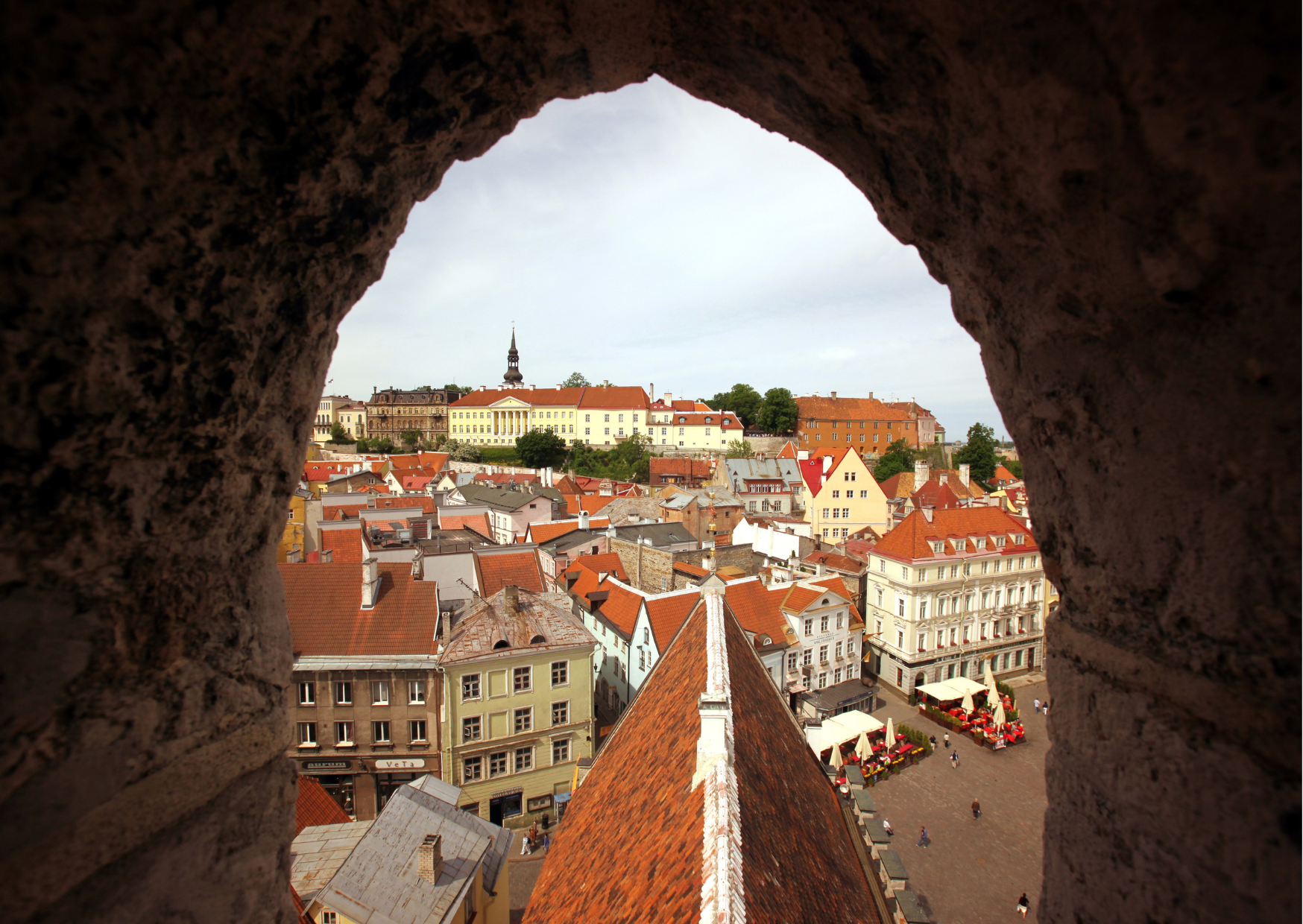
People expect European bureaucracy to be annoying. They do not expect American re-entry bureaucracy to be emotionally exhausting.
Because it is familiar, it hides inside normal life:
- reinstating insurance
- setting up healthcare coverage
- finding doctors with availability
- updating IDs and addresses
- reactivating banking and credit systems
- dealing with mail, bills, and accounts that assume you never left
- hunting for housing in a market that has moved on
The worst part is that re-entry tasks are not scheduled for you. In Europe, you often have a clear appointment culture. In the U.S., re-entry admin can become a messy pile of calls, portals, and waiting.
This is where couples break down. One spouse becomes the re-entry manager. The other spouse becomes the critic. The manager feels alone. The critic feels powerless. Powerlessness turns into complaints. Complaints turn into fights.
A simple operational rule prevents a lot of damage: split ownership by domain for 30 days.
- one person owns housing and utilities
- the other owns healthcare and insurance
- both have access to everything
Also, decide a daily admin limit, like 90 minutes. Re-entry admin can fill the whole day if you let it. If you let it fill the whole day, you will start hating the country by lunchtime.
The first seven days back, without spiraling
This is a short plan designed to stop the “I need to escape again” panic. It is not therapy. It is operational.
- Build one repeating anchor immediately
Pick one daily action that recreates Europe’s regulating rhythm. A 30-minute walk at the same time each day is the simplest. Do it before you do admin. - Create a real re-entry budget for 90 days
Add a buffer line, $600 to $1,200/month for the first three months. This covers setup costs, mistake costs, and emotional spending. - Decide your “Europe habit trio”
Pick three habits you keep. Write them down. Example: walk daily, cook five nights, one café ritual weekly. Small, repeatable, not aspirational. - Cap admin time daily
Pick a number and stop. 90 minutes is enough to move the ball without turning your day into paperwork. - Rebuild social life with repetition, not catch-ups
Schedule one recurring thing this week. One class, one volunteer slot, one weekly group. Not a reunion tour. - Make the U.S. less car-dependent where you can
If you can walk to anything, do it, even if it’s inconvenient. The goal is reducing driving overload while your nervous system readjusts. - Write a decision date about your long-term plan
Not “someday we’ll go back.” A date. “In six months we decide whether this is permanent, hybrid, or temporary.” A defined date turns rumination into planning.
The point is not to force yourself to love America again. The point is to stop the return period from becoming a freefall.
The real choice: treat the return as failure, or treat it as a redesign

Coming back feels worse than leaving because leaving is future-facing and returning is identity-facing.
Leaving asks, can you adapt?
Returning asks, who are you now, and what do you refuse to unlearn?
If you treat the return as failure, everything in the U.S. will feel like punishment.
If you treat the return as a redesign, the U.S. becomes a place where you implement the parts of Europe that actually improved your life, while regaining whatever you needed to regain, family proximity, healthcare confidence, language ease, or simply the relief of being understood.
Many people do not need to choose Europe or America forever. They need to stop pretending the only options are “stay and suffer” or “leave and restart.”
The return can be a phase. It can also be a permanent move that still keeps the best of Europe alive, daily walks, slower meals, fewer purchases, a smaller life that is not small-minded.
The uncomfortable truth is this: if Europe made you calmer, the goal is not to escape America again.
The goal is to protect the calm wherever you are.

About the Author: Ruben, co-founder of Gamintraveler.com since 2014, is a seasoned traveler from Spain who has explored over 100 countries since 2009. Known for his extensive travel adventures across South America, Europe, the US, Australia, New Zealand, Asia, and Africa, Ruben combines his passion for adventurous yet sustainable living with his love for cycling, highlighted by his remarkable 5-month bicycle journey from Spain to Norway. He currently resides in Spain, where he continues sharing his travel experiences with his partner, Rachel, and their son, Han.