
You can spot the American buyer in Spain from across the room. Not by the accent. By the spreadsheet.
They’re staring at a “deal” that looks normal back home, but feels like a prank here: a €210,000 apartment with a €1,050 rent target, and their brain keeps trying to force it into the same mental box as a $500,000 house with a $3,200 monthly payment.
That mismatch is the point.
In a lot of the U.S., “wealth-building real estate” has quietly turned into a high-carry-cost lifestyle product. You can still make money, but you need perfect timing, aggressive rent growth, and the stomach for surprise bills that land like a minor medical emergency.
In parts of Europe, the math is often boring in a way Americans are not used to. Not magical. Not guaranteed. Just structurally less violent. Lower annual drag, different leverage conditions, and in several countries, a price-to-rent relationship that still resembles adulthood.
If you want a clean lens for this, stop arguing about appreciation. Start tracking the three numbers that decide whether property builds wealth or builds anxiety: purchase friction, annual drag, and cost of leverage.
The American version of “building wealth” that quietly fails
Here’s what Americans tend to assume: buy a decent place, rent covers most of it, appreciation does the heavy lifting. The problem is the American “most of it” has become a financial sinkhole.
A very normal U.S. purchase looks like this:
- Purchase price: $500,000
- Down payment: $100,000
- Mortgage: $400,000 at 6.09% (30-year fixed, January 2026 data)
- Principal and interest: about $2,421 per month
Then the bills show up, the ones people casually call “escrow” like it’s a rounding error:
- Property tax, which can be quietly brutal in high-tax states and loudly brutal in places like Texas
- Insurance, increasingly not stable in many markets
- HOA, which ranges from annoying to predatory
- Maintenance, which does not care about your budgeting app
Now layer on the part Americans hate hearing: the cost to buy and sell also matters. If you buy, then need to sell inside five years because of a job move, parent care, a divorce, or a bad tenant situation, transaction costs can take a real bite. Even benchmark ranges show the U.S. commonly sitting around 0.65% to 4.10% on buying costs and 3.00% to 6.00% on selling costs.
That is why so many American “investment” properties only work in PowerPoint. The rent can look fine, but the annual drag is eating the engine. The deal becomes a bet on appreciation, and the bet has to be right on schedule.
Weekly reality check: if you spend every Sunday doing landlord admin just to stay cash-neutral, you are not building wealth. You are managing risk exposure.
The lever most Americans ignore: annual drag and the cost of leverage
In Spain, the most competent property people are not the loudest. They are the ones who talk about the boring line items first.
They ask questions like:
- What are the building fees, the comunidad?
- What’s the annual property tax, the IBI?
- How old are the windows and the water heater?
- Is the rental demand real in winter, or only in August?
This is not romance. It is the local method: treat real estate like a cash machine that must keep working on a normal Tuesday, not just in a good market.
The other lever is leverage itself. In the U.S., you’re often paying a premium for predictable long-term fixed rates. In the euro area, new mortgage borrowing costs have been materially lower than U.S. 30-year fixed rates in recent data. For example, euro area bank interest rate statistics published in January 2026 show rates in the mid-3% range for certain new housing loan categories.
That difference changes everything. If your borrowing cost is closer to 3.5% than 6%, you do not need heroic rent growth to avoid bleeding.
This is the wealth-building setup Europeans are used to:
- Smaller principal balances
- Lower interest burden
- Lower monthly volatility
- And a cultural preference for not over-leveraging into a “dream home” that becomes a prison
Weekly rhythm matters here, too. In Spain, people often run property admin like a routine: one weekday per week for invoices, receipts, and maintenance calls, and the rest of life stays intact. That sounds small until you compare it to the American pattern of constant micro-crises.
Spain: the mid-city bet that beats the fantasy purchase

If you want to build wealth in Spain, you need to stop trying to buy a postcard.
Barcelona is not the model. Neither is a sea-view apartment that only rents well when Europe is on vacation.
The model is a normal neighborhood in a normal city where demand is boring and constant. Think of places where people actually live year-round, where the tenant base includes local workers, students, and families, not only tourists.
The gross yield benchmarks are not insane, but they are workable. Country-level data puts Spain around 5.43% gross average rental yield.
Buying costs are not free, though. Spain’s buyer-side transaction cost benchmark is roughly 7.50% to 14.00%, depending on region and deal specifics.
So the Spanish play is not “flip and flex.” It is:
- Buy below the emotional zone
- Keep rehab light and functional
- Rent long-term or medium-term
- Keep vacancy low by being boring and fair
A simple Spain-style deal skeleton looks like this:
- Purchase: €180,000 to €240,000
- All-in acquisition: add 7.50% to 14.00% for taxes and fees, then stop pretending it’s optional
- Target gross rent: €900 to €1,200 depending on city and layout
- Strategy: stable tenant, stable paperwork, stable sleep
Weekly rhythm: one fixed weekday to handle the admin, because Spanish bureaucracy loves paper trails. The deal works when your calendar still has room for a normal life.
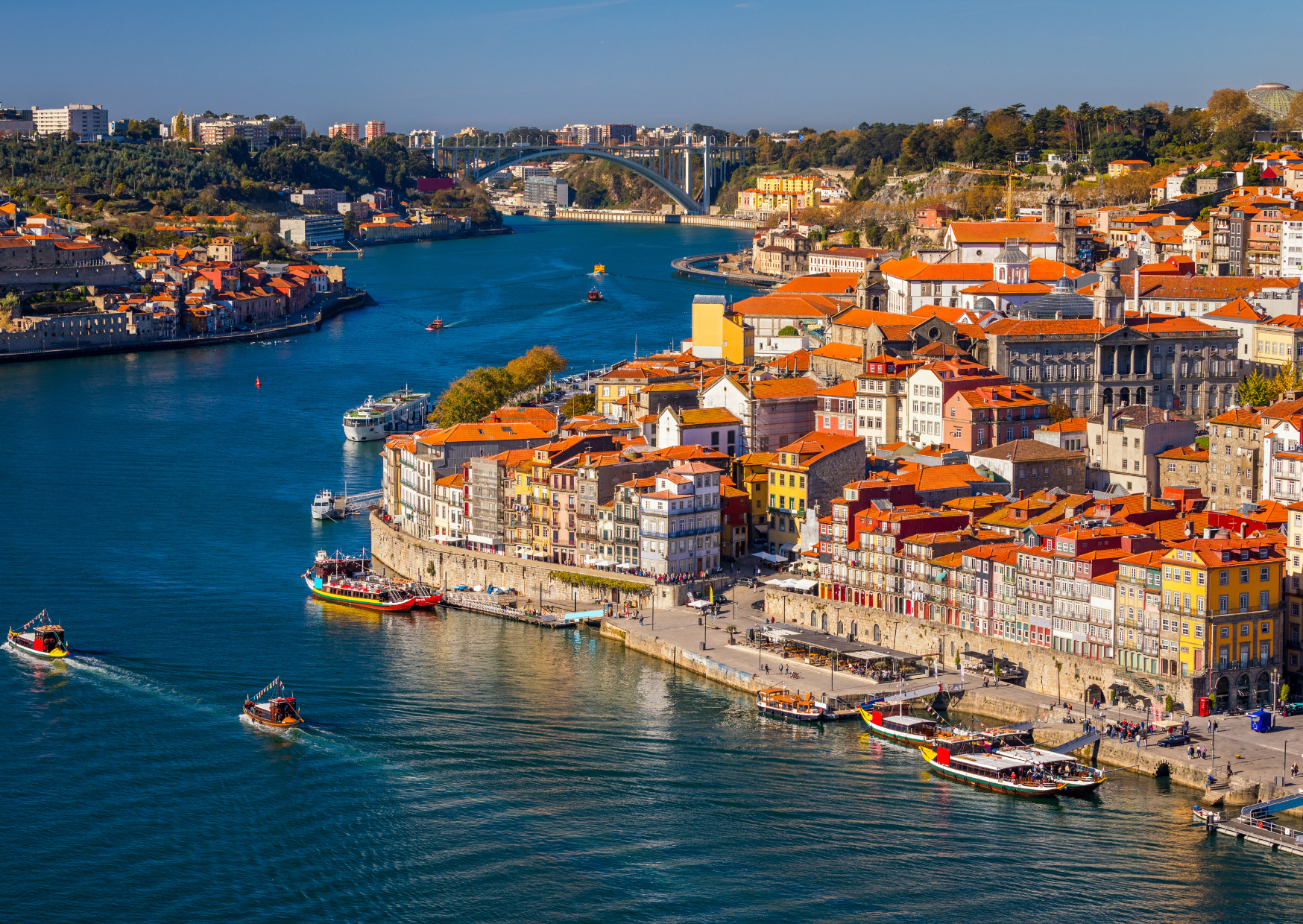
Portugal: expensive in the headlines, still workable in the right lane

Portugal has been marketed to Americans like a lifestyle product. That has consequences: prices in the “foreigner corridor” can be detached from local incomes, and buyers wander into deals where the yield is mostly hope.
Country-level gross yield benchmarks put Portugal around 4.33%.
Transaction costs have a wide benchmark range, roughly 2.15% to 11.20% on the buy side.
The Portugal move is not “Lisbon, obviously.” The move is to stop paying the tourism premium unless you have a real thesis for it.
Practical Portugal lanes that can still pencil out:
- Smaller cities where locals rent year-round
- Properties that do not require major structural rehab
- A rental strategy that does not depend on high-season pricing
A Portugal-style deal that behaves looks like:
- Purchase: €200,000 to €320,000 outside the hottest pockets
- Target rent: €900 to €1,400 depending on city and quality
- Assumption: your first-year return is driven more by low vacancy than by rent spikes
- Discipline: never buy a place that only “works” if everything goes right
Weekly rhythm: you need one admin block per week just for the basics, because utilities, condo fees, and property maintenance are not optional, and Portuguese systems reward consistency, not last-minute panic.
Italy: low entry price, high friction, surprisingly strong wealth potential

Italy is where Americans get hypnotized by price tags. The low purchase price is real in many areas. The friction is also real.
The reason Italy can build wealth fast is not because it is easy. It is because the entry ticket can be so much lower that the same savings buys you more asset base, and in many markets, rents are not as low as Americans assume.
Country-level gross yield benchmarks put Italy around 7.23%.
Buyer transaction costs benchmark roughly 7.00% to 15.00%.
The Italian version of “winning” usually looks like one of these:
- A small-city apartment near actual demand drivers (universities, hospitals, rail connections)
- A property that is livable immediately, with upgrades staged over time
- A rental plan that targets locals and longer stays, not only peak-season tourists
The biggest Italian mistake Americans make is trying to do a full renovation as a first project. That is how the “cheap” property turns into a two-year stress event.
Weekly rhythm: Italy rewards patience and follow-through. If you cannot handle slow procurement, fragmented contractors, and paperwork that moves at human speed, you will pay for it in both money and mood.
Greece: the numbers are tighter, the demand can be intense

Greece is not a universal bargain anymore, but it still offers something Americans understand: clear demand in certain cities and districts, and a rental market that can be strong when you are not buying purely on vibes.
Country-level gross yield benchmarks put Greece around 4.40%.
Buyer transaction costs benchmark roughly 6.37% to 8.77%.
Greece can build wealth fast when:
- You buy where year-round demand exists, not only summer demand
- You do not overpay for “Instagram proximity”
- You assume you will run the property like a business, not a holiday fantasy
A Greece-style deal that behaves usually has:
- A property that is easy to maintain
- A rental plan that balances seasonality
- A buffer for repairs, because older stock can surprise you
Weekly rhythm: think of Greece as a calendar market. You do not just manage tenants, you manage seasons. The wealth-building move is to structure your pricing and maintenance schedule around that reality instead of fighting it.
Poland and Ireland: one is yield, one is constraint, both can compound
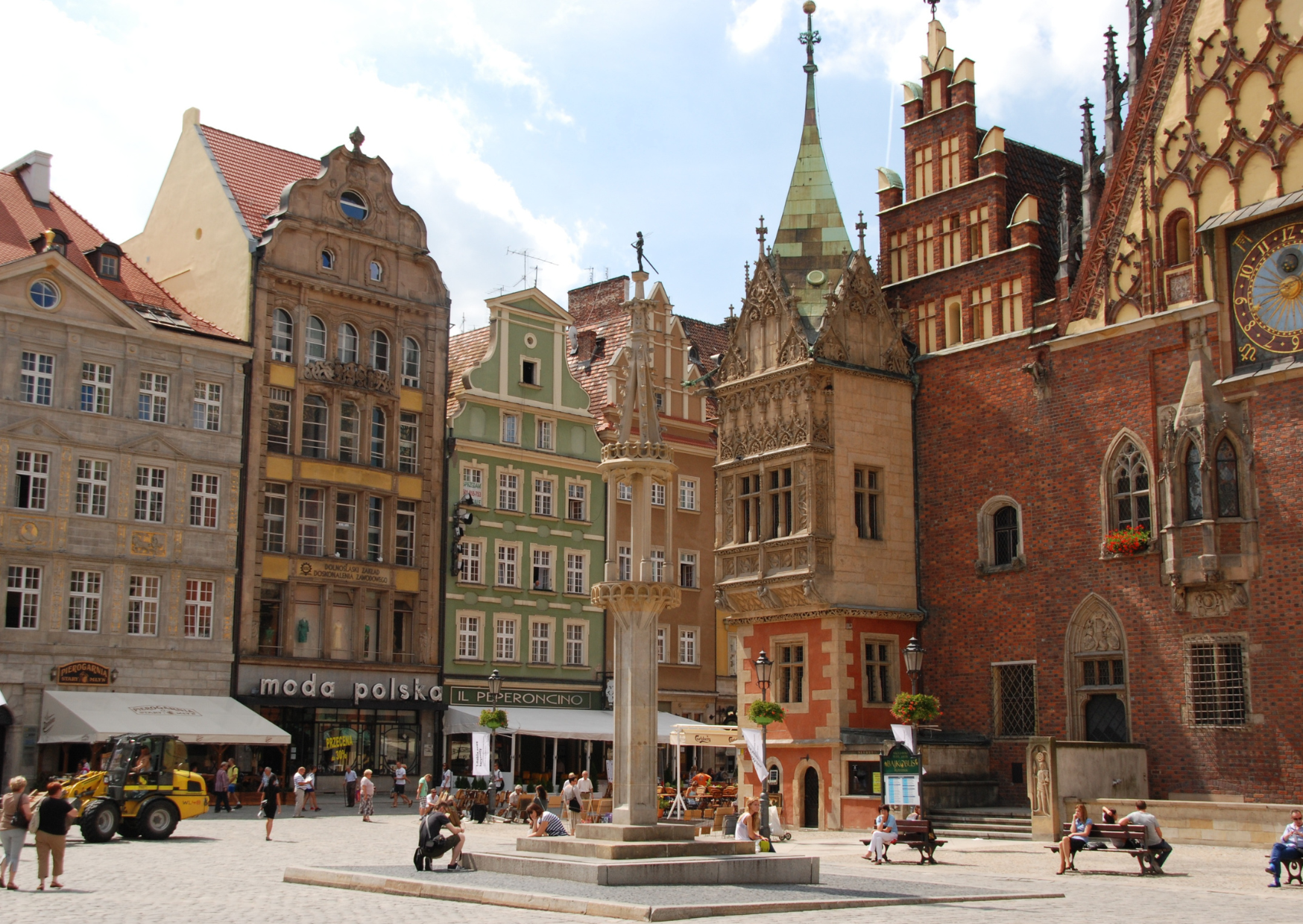
If you want wealth-building that looks more like “compound quietly,” these two countries are worth understanding, even if they are culturally different from the Mediterranean dream.
Poland:
- Country-level gross yield benchmark around 6.17%
- Buyer transaction costs benchmark around 3.25% to 3.40%, notably tighter than many markets
Poland’s advantage is that the deal has less friction on the way in, and rents can be relatively strong compared to purchase prices. The risk is not usually the math. It is execution: property selection, tenant selection, and not treating a foreign market like a weekend project.
Ireland:
- Country-level gross yield benchmark around 7.71%
- Buyer transaction costs benchmark around 2.10% to 7.70%
Ireland is often a supply story. When supply is constrained, prices and rents can behave in ways that feel aggressive, which can drive wealth-building quickly. The risk is that “hot market” psychology makes people overbid and accept thin margins.
Weekly rhythm for both: you need a standing weekly check-in with your property manager or your own admin system. If you are trying to run this off vibes and WhatsApp messages at midnight, you are not investing. You are improvising.
The mistakes that kill returns faster than the country choice

Most failures are not about the country. They are about Americans importing American assumptions.
The common self-sabotage patterns:
- Underestimating purchase friction, then acting shocked that closing costs are real
- Assuming gross yield equals profit, when the net is what pays you
- Buying in the “foreigner corridor,” where pricing has already absorbed the hype
- Ignoring building fees and ongoing costs until the first year feels like a slow leak
- Betting on short-term rental rules staying friendly forever
- Over-renovating, especially on the first deal
- Running everything yourself from another continent and calling it “passive”
The simple fix is operational, not emotional:
- Write down your “annual drag” number before you buy
- Decide whether you want cashflow or appreciation and admit you usually cannot optimize both
- Treat vacancy as a cost you budget, not a thing that happens to unlucky people
- Keep a repair buffer that is not theoretical, something like €1,500 to €3,000 per year for older units, scaled to the property
Weekly rhythm: pick one day per week that is “property day” and protect it. If you cannot protect one day, you cannot protect the investment.
A clean example that shows why this can compound faster
Forget the motivational stories. Here’s a plain example that shows why Europeans can compound faster with smaller numbers.
Scenario A: U.S. deal that looks normal but bleeds
- Purchase: $500,000
- Mortgage: $400,000 at 6.09%
- Payment (principal and interest): about $2,421 per month
- Add taxes, insurance, HOA, maintenance: easily another $700 to $1,300 per month depending on location
- Rent: $2,800 to $3,200 in many markets
That often produces thin cashflow or negative cashflow. So your “wealth-building” becomes dependent on appreciation, and on not having a major repair year.
Scenario B: Euro deal that looks boring but behaves
- Purchase: €200,000
- Down payment: €60,000
- Mortgage: €140,000 with a borrowing cost closer to the mid-3% range in euro area statistics
- Rent: €1,050 to €1,250
- Ongoing costs: lower than many U.S. markets, but still real
- Net cashflow: modest, but not imaginary
Now add the quiet European advantage: if you are not getting crushed by monthly carrying costs, you can keep buying. Wealth-building is not one perfect deal. It is the ability to repeat a decent deal.
Weekly rhythm: Europeans tend to think in repeatable systems. Americans tend to think in “one big move.” Real estate rewards the system.
The next 7 days: prove the deal before you fall in love
If you want to know whether buying abroad is real for you, do this in the next week. No heroics required.
Day 1: Pick one country and one city. Not three. Write down your ceiling price, like €220,000, and commit to it.
Day 2: Build a one-page deal sheet with only these fields:
- Purchase price
- Buyer transaction cost range
- Monthly rent estimate
- Vacancy assumption
- Annual drag line items (tax, building fees, insurance, maintenance, management)
Day 3: Price management before you price furniture. Decide if you are using a property manager, and budget for it, even if you think you are too smart to need one.
Day 4: Run three “bad weeks” scenarios. One repair month. One vacancy month. One tenant issue. If the deal collapses, it was never a deal.
Day 5: Call one local professional and ask a boring question about paperwork, not about “hot areas.” The quality of the answer will tell you more than any influencer video.
Day 6: Re-run the math with conservative rent. If you need perfect pricing to survive, walk away.
Day 7: Make a decision that feels adult:
- Are you buying for cashflow, for stability, or for lifestyle with a financial floor?
Weekly rhythm: if you cannot execute these steps in seven days, you are not ready to own property abroad. That is not an insult. It is a filter that saves money.
The real choice: a boring asset, or an expensive story
Buying property in Europe can build wealth faster than American real estate when you stop buying stories.
The story purchase is the sea view, the “I can always Airbnb it,” the trendy neighborhood, the fantasy that your retirement self will be calmer than your current self.
The wealth purchase is the one that works when nobody is watching:
- It cashflows modestly
- It does not depend on constant rent spikes
- It survives a repair year
- It is easy to rent to normal people
- It lets you sleep
In six countries, the benchmarks already hint at why this can compound faster:
- Gross yields range from 4.33% (Portugal) to 7.71% (Ireland) in country-level data
- Buying costs vary wildly, from Poland’s tight 3.25% to 3.40% to Spain’s heavier 7.50% to 14.00%
- The euro area borrowing cost environment has been materially lower than U.S. 30-year fixed rates in recent published data, and that changes what “repeatable” looks like
So the decision is not “Europe or America.” It is whether you want to keep buying high-carry-cost property that requires perfect outcomes, or whether you want a repeatable deal you can do twice, then three times, then not think about every day.
If you want wealth, pick the property that feels almost too normal, then run it like a system.

About the Author: Ruben, co-founder of Gamintraveler.com since 2014, is a seasoned traveler from Spain who has explored over 100 countries since 2009. Known for his extensive travel adventures across South America, Europe, the US, Australia, New Zealand, Asia, and Africa, Ruben combines his passion for adventurous yet sustainable living with his love for cycling, highlighted by his remarkable 5-month bicycle journey from Spain to Norway. He currently resides in Spain, where he continues sharing his travel experiences with his partner, Rachel, and their son, Han.