
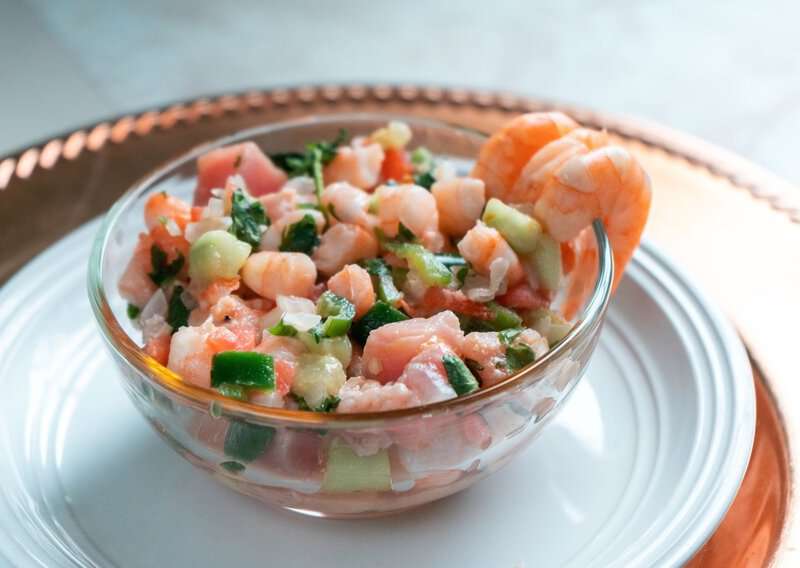
Ceviche might be one of the most refreshing, vibrant dishes you can serve but making it right requires more than just tossing raw fish in lime juice. Rooted in coastal traditions from countries like Peru, Ecuador, and Mexico, real ceviche is an art of balance: acidity, texture, and freshness, all coming together in a single chilled bowl.
While popular around the world, many versions of ceviche served outside Latin America lose the soul of the dish they’re either too citrusy, too fishy, or drowned in ingredients that don’t belong. Authentic ceviche respects simplicity and technique: it’s about letting the freshest ingredients shine and knowing exactly how long to marinate for that perfect “cooked-by-citrus” texture.
In this post, you’ll learn how to make true, classic ceviche, with variations from Peru and Mexico, tips on choosing the right fish, and how to avoid the common mistakes that ruin the dish. Whether you’re a seafood lover or planning your next dinner party, this recipe guide will help you master one of Latin America’s most iconic dishes.
Read here vegetarian food in Peru, Peruvian drinks and best breakfast in Peru
Read here Lima vs Cusco and 8 Days Peru Itinerary
BOOK YOUR TRAVEL INSURANCE
Two of our favorite travel insurance: Heymondo Vs Safetwing cheapest travel Insurance. You can get for $135 USD your Heymondo Travel Insurance with Heymondo discount code valid for 90 days. Read our full comparison of Genki vs Safetywing Travel Insurance Review and the comparison Heymondo vs Genki
Best Time to Eat & How to Partner It
Ceviche is traditionally enjoyed as a daytime dish, especially for lunch or as a starter in warm climates. It’s most popular during midday when the sun is high and your body craves something light, zesty, and hydrating. In coastal areas, it’s even eaten as a late-morning snack on the beach, often paired with cold beer or fresh coconut water.
When it comes to pairing, ceviche goes best with crisp, clean accompaniments: think ice-cold lagers, a dry white wine like Sauvignon Blanc, or a light Michelada. For sides, Peruvian-style ceviche is commonly served with boiled sweet potato and corn, while Mexican ceviche might come with tostadas, avocado, and a drizzle of hot sauce.
Pro tip: serve it chilled, not frozen, and make it fresh ceviche doesn’t age well. It’s a dish best made just before serving, with fish that’s as fresh as possible and citrus that hasn’t been sitting in a bottle for months.
Many people mistakenly believe that ceviche is just raw fish with lime juice but that’s only part of the story. Real ceviche is not about soaking the fish until it’s rubbery and overcooked in acid. In Peru, for example, the fish is typically marinated for just 5 to 15 minutes, preserving its delicate texture and flavor.
Another common misconception is using the wrong type of fish. Oily or strong-tasting fish like salmon or tuna are rarely used in traditional ceviche. White fish like sea bass, snapper, or halibut are preferred for their clean taste and firm texture. Throwing in shrimp or crab? Fine but that becomes a different regional variant, not the classic.
And finally, ceviche is not meant to be spicy or overly complex. While Mexican ceviche can carry heat, Peruvian versions are remarkably simple: lime juice, red onion, cilantro, salt, and maybe a dash of chili. When people start piling in mango, ketchup, or garlic aioli it becomes something else entirely.
How to Make Ceviche
Ceviche Recipe Ingredients
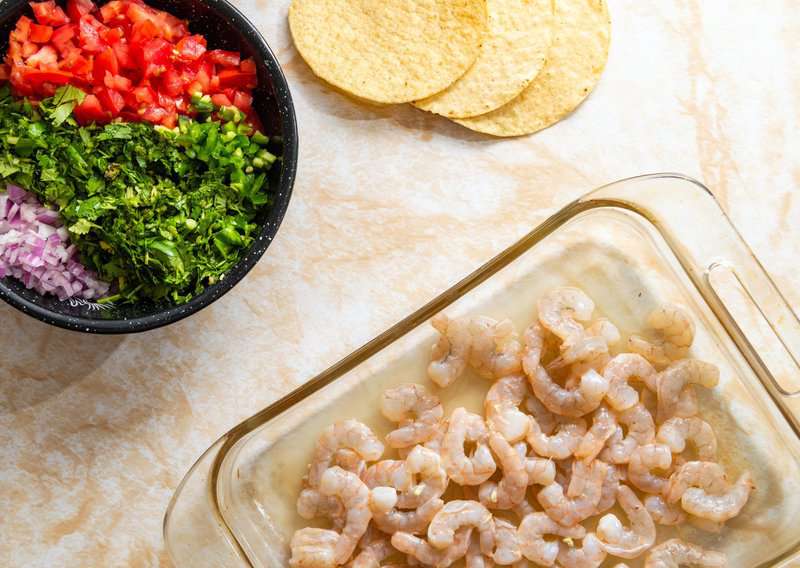
500g fresh fish fillets (such as sea bass, tilapia, or halibut), cut into small cubes
Shrimps
Juice of 8-10 limes
1 red onion
1-2 jalapeño peppers or other chili peppers
1 cup chopped fresh cilantro
Salt and pepper
Optional additions: diced tomatoes, diced avocado, chopped cucumber, sweet corn
Get the best deals for your home and kitchen needs
Step By Step How to Make Ceviche
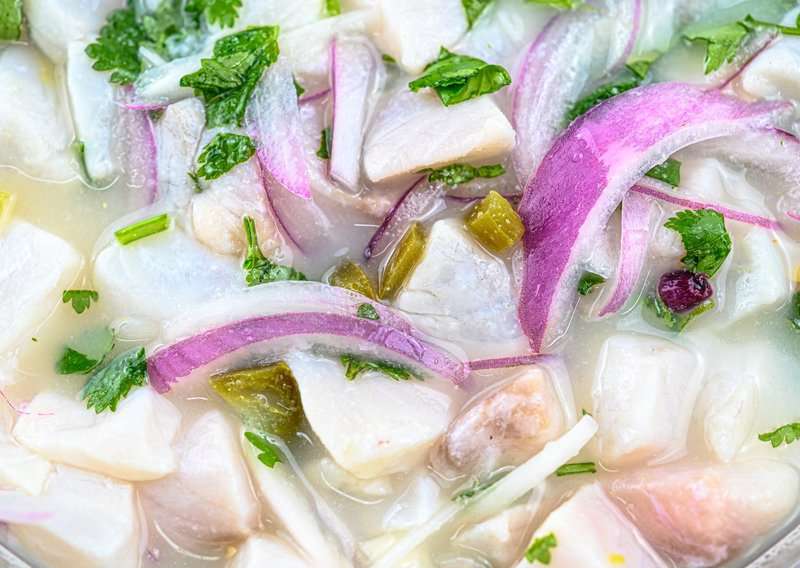
Step 1 – Prepare the Fish
Start by cutting the fish into small, bite-sized pieces. Ensure the fish is fresh and of good quality, as it will be eaten raw.
Step 2 – Cure the Fish
Place the fish pieces in a glass or ceramic bowl. Pour the freshly squeezed lime juice over the fish, ensuring the pieces are completely submerged.
Cover the bowl with plastic wrap and refrigerate for about 15-30 minutes. The exact time will depend on the size of the fish pieces. The fish is ready when it becomes opaque and firm.
Step 3 – Prepare Other Ingredients
While the fish is marinating, thinly slice the red onion and finely chop the jalapeño or chili peppers. You can also add other vegetables like tomatoes or cucumber.
Step 4 – Mix the Ceviche
After marinating, drain off some of the lime juice from the fish (you can keep a little to maintain moisture).
Add the sliced onions, chopped chili peppers, and other optional ingredients to the fish. Mix gently to combine. Add chopped cilantro, and salt and pepper to taste. Adjust the seasonings according to your preference.
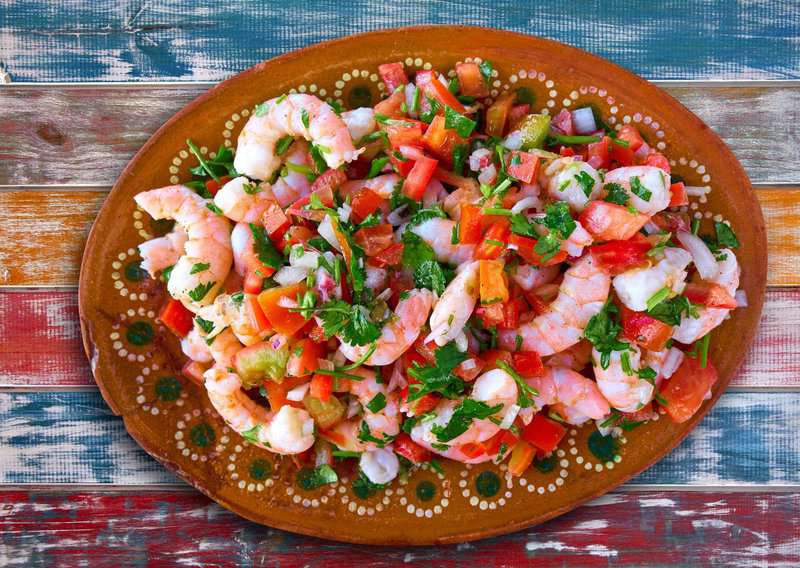
Step 5 – Serve
Let the ceviche chill in the refrigerator for at least 10 minutes before serving. Ceville is served chilled, often garnished with additional cilantro or slices of avocado.
Ceviche can be served in small bowls or glasses, accompanied by slices of cooked sweet potato, corn-on-the-cob, or plantain chips.
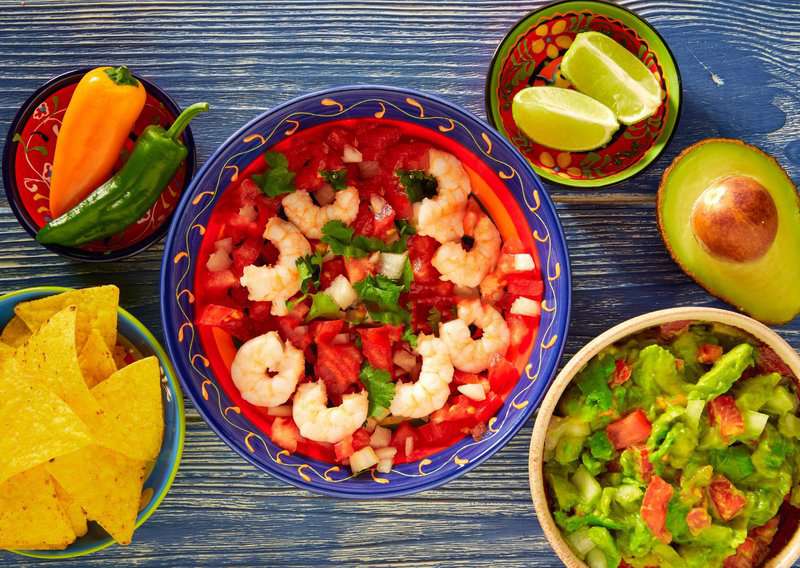
Tips To Make Ceviche
Make sure to use the freshest fish possible. The amount of lime juice needed can vary based on personal taste and the type of lime used. Taste as you go and adjust accordingly. Ceviche is perfect for hot weather and makes an ideal flavorful starter.
How Many Calories Has A Ceviche
Based on these ingredients, a typical serving of ceviche without avocado would generally range from 150 to 200 calories. With avocado, the calorie count will be higher depending on the amount used.
Here’s a rough breakdown of the calorie content for a typical serving of ceviche (about 1 cup or approximately 200 grams):
Fish or seafood: For example, 100 grams of raw fish (like sea bass, tilapia, or shrimp) typically contains between 100 and 120 calories.
Origin and History
Ceviche traces its roots along the Pacific coast of South America, where coastal communities relied on the day’s catch and simple preservation techniques. Long before modern refrigeration, fresh fish was cured using acidic fruits and seasoned with local ingredients. This method wasn’t about creating a refined dish, but about making seafood safe, flavorful, and immediately edible.
Over time, the practice evolved alongside regional agriculture. Indigenous cultures used native fruits and herbs, while later influences introduced citrus varieties that became central to the dish. What we now recognize as ceviche reflects centuries of adaptation rather than a single invention moment.
As trade and colonization reshaped food systems, ceviche absorbed new techniques without losing its core identity. It remained a dish defined by freshness, speed, and restraint. The emphasis was always on letting the fish speak, not masking it with heavy seasoning.
Eventually, ceviche moved from coastal necessity to cultural symbol. It became associated with identity, pride, and place. Despite its international popularity today, its origins are still grounded in local knowledge passed quietly from one kitchen to the next.
One of the biggest misunderstandings about ceviche is the idea that citrus juice “cooks” the fish. While acid changes the protein structure, it does not apply heat or kill bacteria in the same way. Locals understand that freshness, sourcing, and timing matter far more than marination length.
Another point of contention is how long ceviche should sit. Many recipes suggest extended soaking, which often results in tough, chalky fish. Traditional approaches favor brief curing, just enough to firm the exterior while preserving a tender center.
There is also disagreement over additions. In many modern interpretations, ceviche is overloaded with fruits, oils, and garnishes. While not inherently wrong, these versions stray from the minimalist philosophy locals follow, where every ingredient has a functional role rather than decorative intent.
Finally, the term “ceviche” itself is often used loosely. Locals tend to view it as a technique rather than a fixed recipe. When the method is misunderstood, the dish loses its balance and becomes something else entirely, even if the name remains.
How Long It Takes to Prepare
Ceviche is fast by design. Preparation begins with careful knife work, cutting fish cleanly and evenly to ensure consistent curing. This step usually takes ten to fifteen minutes and sets the tone for the entire dish.
Once the fish is ready, the curing process is brief. Citrus juice is added shortly before serving, not hours in advance. In many local kitchens, ceviche is assembled almost at the last moment to preserve texture and brightness.
Total active preparation time rarely exceeds twenty minutes. There is no simmering, chilling, or resting period required. The dish rewards decisiveness and attentiveness rather than patience.
This immediacy is intentional. Ceviche is meant to reflect the moment it’s made, not something prepared ahead of time. The short preparation window reinforces why technique matters more than shortcuts.
Serving Suggestions
Authentic ceviche is all about freshness. Serve it chilled and immediately after marinating—typically no more than 15–30 minutes depending on the fish cut and acidity level. Plate it in a chilled glass or bowl and accompany it with traditional sides like sweet potato, cancha (toasted corn), avocado slices, or crisp plantain chips. For a fuller experience, pair it with an ice-cold beer or a tangy pisco sour.
If you’re hosting, consider serving ceviche as a starter in small portions or even in shot glasses for a modern twist. Just make sure the seafood is high quality and sushi-grade it’s the most critical element of doing ceviche justice.
Final Thoughts
Ceviche isn’t just a dish it’s a cultural expression tied to coastlines, traditions, and a deep respect for fresh ingredients. While many outside Latin America take liberties with the recipe, true ceviche follows strict rules: fresh raw fish, citrus cure, and no over-marinating. When done right, it’s clean, punchy, and surprisingly complex in flavor.
Learning to make ceviche the way locals do means honoring centuries of culinary instinct and regional flair from Peru’s iconic version with leche de tigre to Mexico’s spicy and tomato-based variations. It’s about letting the ingredients shine without overwhelming them.
So next time you’re tempted to toss in mango or let it soak for hours pause. Respect the tradition, and you’ll taste the difference. Ceviche made right is bold, simple, and unforgettable.

About the Author: Ruben, co-founder of Gamintraveler.com since 2014, is a seasoned traveler from Spain who has explored over 100 countries since 2009. Known for his extensive travel adventures across South America, Europe, the US, Australia, New Zealand, Asia, and Africa, Ruben combines his passion for adventurous yet sustainable living with his love for cycling, highlighted by his remarkable 5-month bicycle journey from Spain to Norway. He currently resides in Spain, where he continues sharing his travel experiences with his partner, Rachel, and their son, Han.