
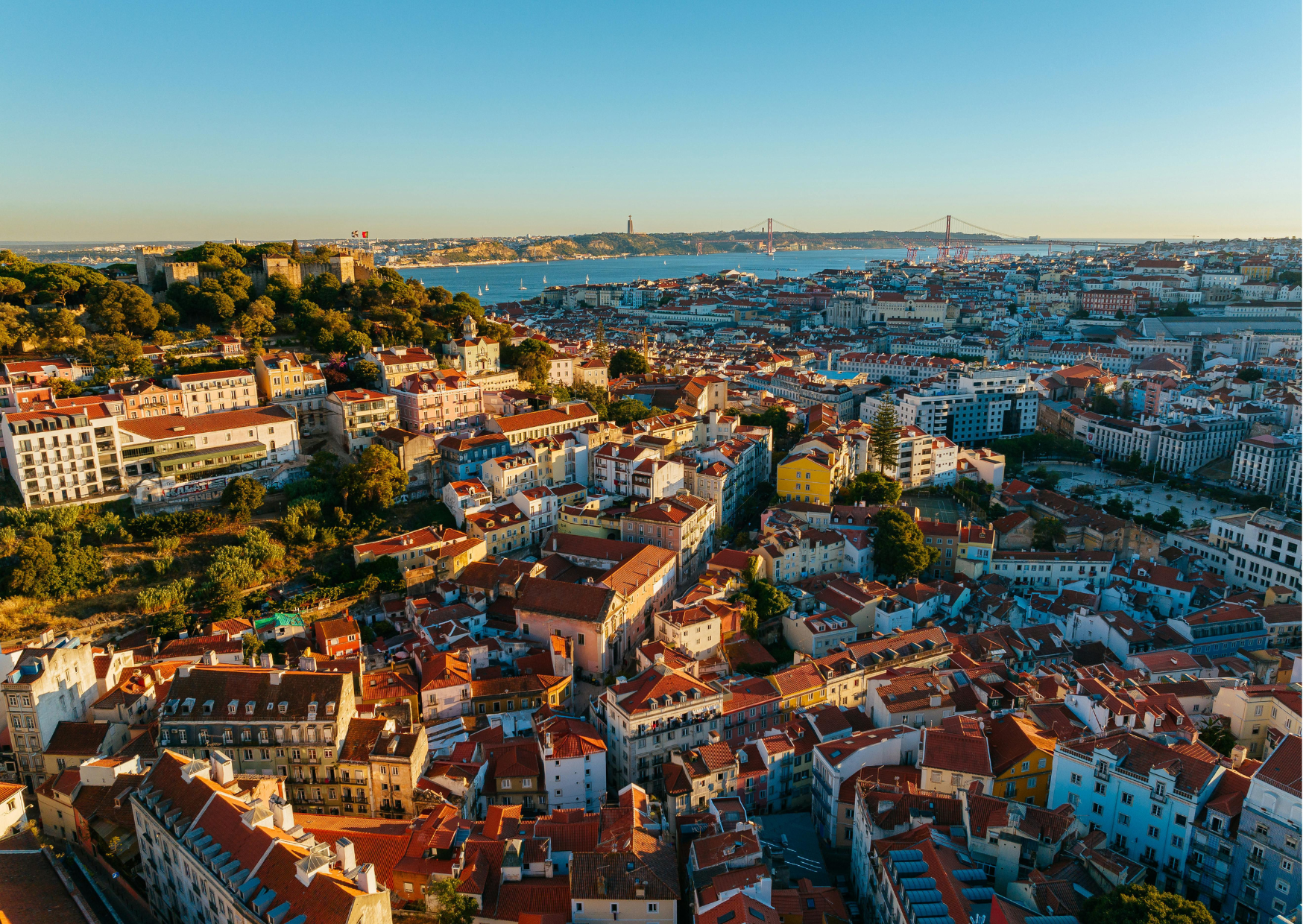
Portugal used to be the easy answer. Sunny, safe, “cheap,” friendly, and small enough that you could land, rent something, and feel like you’d made a big life upgrade without doing big life work.
That era is over in the places most Americans actually move to.
Portugal is still Portugal. The coast is still beautiful. The coffee is still strong. But the hype pipeline has been running for years, and it shows up in the only places that matter when you are trying to live, not visit: housing, appointments, and how long it takes to get your life administratively stable.
When Americans say Portugal feels “oversaturated,” they’re usually describing three things at once: too much demand for the same neighborhoods, too many new arrivals chasing the same services, and a bureaucracy that is trying to catch up while the rules keep shifting.
So yes, plenty of people are still moving to Portugal. The “smart” ones just aren’t romantic about it. They’re either choosing different parts of Portugal, or they’re choosing different countries that give them a cleaner path to a normal week.
Oversaturation is a paperwork and housing problem, not a vibes problem
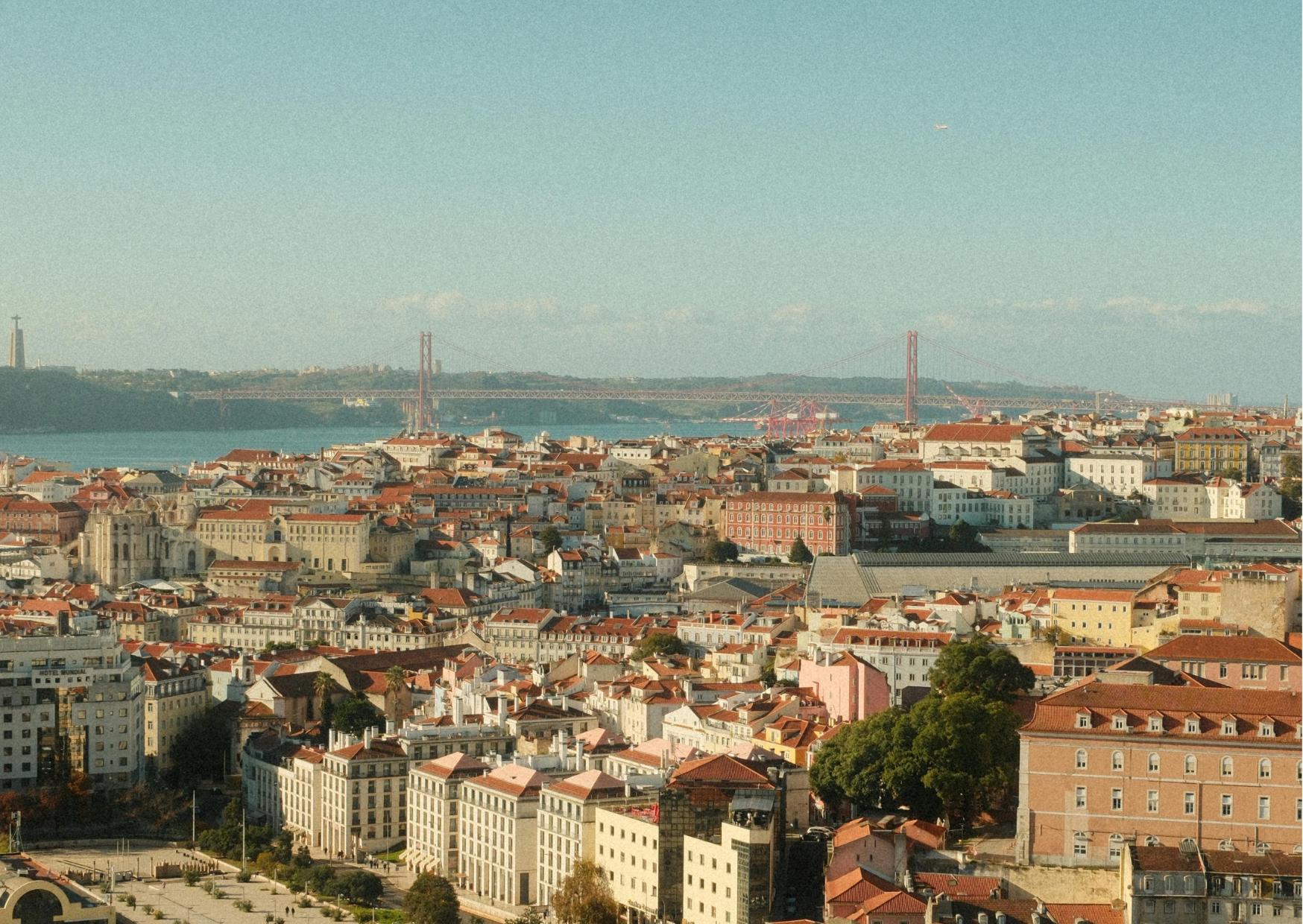
The headline version of oversaturation is Instagram: crowds, noise, tourists, and too many laptops at brunch.
The real version is boring: the number of foreign residents has surged, and the system strains under volume. Portugal’s migration agency has reported around 1.5 million foreign residents at the end of 2024. That is not inherently bad, but it changes the day-to-day reality for anyone arriving late to the party.
Oversaturation shows up when you try to do practical life:
- You need a rental that is not priced like a short-term investment product.
- You need an appointment system that works when thousands of people are trying to book the same slots.
- You need predictable timelines for renewals, family reunification, and status changes.
- You need rules that do not change mid-plan.
Portugal has also been in a political moment where immigration and citizenship rules have been debated and tightened. That matters because Americans often move with a five-year mental timeline, then wake up to a different timeline.
The trade-off is simple. Portugal still delivers on lifestyle, but it now asks more from you on logistics. If you’re a patient person who can run admin like a weekly chore, you’ll cope. If you need fast certainty, the friction will feel personal.
The daily rhythm that keeps you sane is not glamorous: one weekly admin block, one housing search block, and a rule that every document gets scanned and stored the same day. Paperwork discipline is what “oversaturation” demands from late arrivals.
The money math nobody budgets, the newcomer tax
Portugal can still be cheaper than many U.S. cities. The mistake is thinking cheaper means effortless.
When people arrive in an “affordable” country and end up spending more, it’s usually because of the newcomer tax: short-term rentals, eating out while you’re unsettled, ride shares because transit feels confusing, and paying for convenience every time you hit friction.
If you want a realistic view, start with an all-in monthly number that includes the hidden stuff, and annualize the one-offs. Here’s a clean template you can actually use.
All-in monthly baseline (annualized), couple in a popular Portuguese city
- Rent: €1,600 to €2,300
- Utilities + internet + mobile: €200 to €330
- Groceries: €420 to €650
- Dining and cafés: €250 to €500
- Local transport + taxis: €100 to €200
- Insurance or health buffer: €200 to €500
- Admin and paperwork average: €60 to €150
- Household and pharmacy: €90 to €180
- Flights home (annualized): €150 to €350
- Buffer, non-negotiable: €300 to €500
That lands around €3,370 to €5,660 depending on housing and how often you buy convenience.
Now compare it to what many Americans think they’ll spend, which is usually “rent plus groceries,” and you see why people feel tricked. They aren’t being tricked. They’re arriving in a new system and paying to reduce discomfort.
The fix is not deprivation. It’s structure. Choose housing that supports a 20-minute life and you cut taxis, impulse meals, and constant “treat yourself” spending. Run a weekly grocery rhythm and cook 4 nights, and you stop paying restaurant prices for emotional regulation.
Oversaturation doesn’t only raise rent. It raises the cost of living chaotically if you don’t install routines fast.
If you still want Portugal, do it without the Lisbon bubble
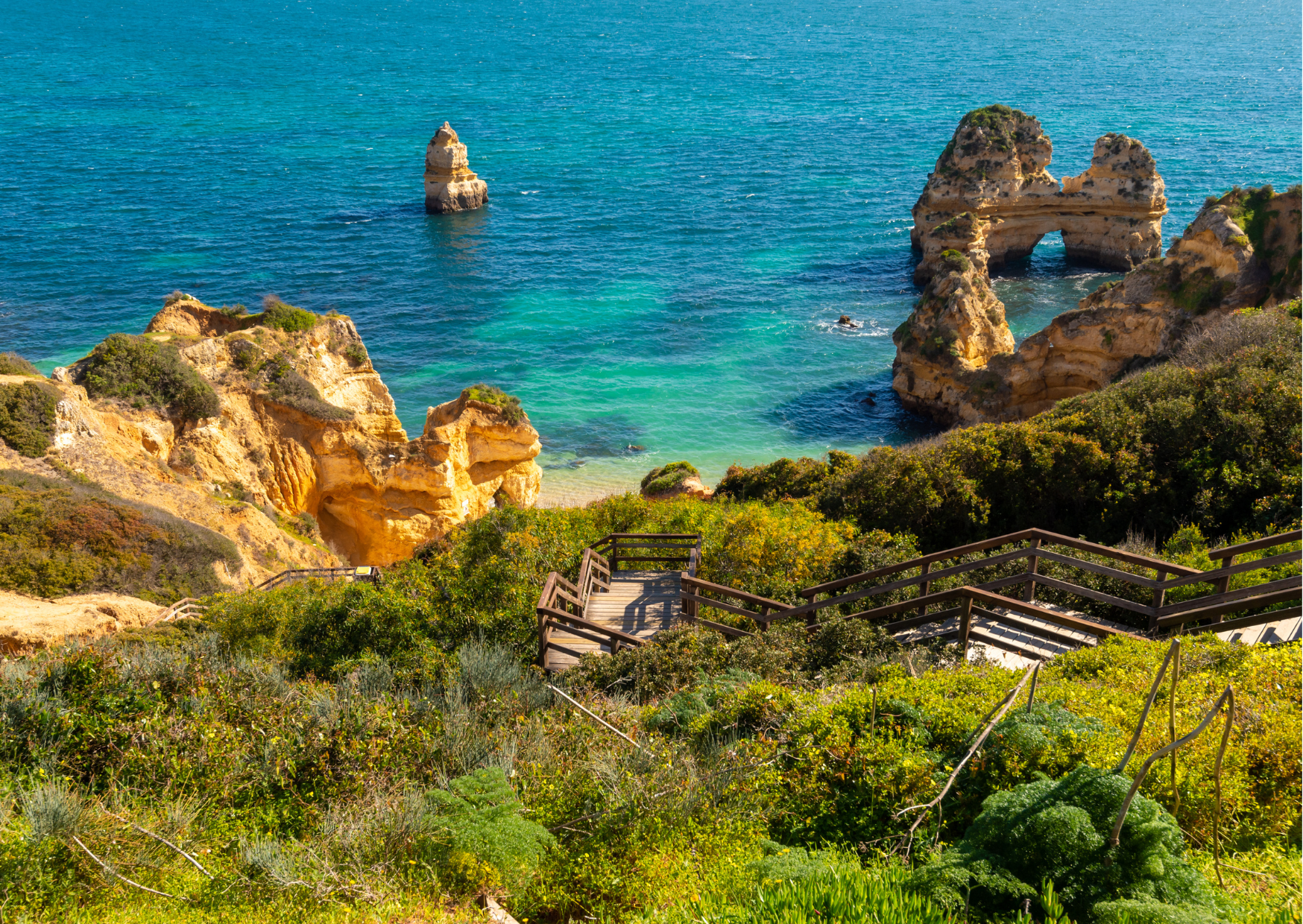
Plenty of Americans can still build a good life in Portugal. The smarter approach is not “Portugal or nothing.” It’s “Portugal, but not the default plan.”
The default plan is the same handful of neighborhoods and the same lifestyle script. It’s where housing is most distorted, and where you’re most likely to live inside an expat ecosystem that makes you feel social while keeping you unrooted.
A more durable Portugal plan looks like this:
- Choose a base for function, not aesthetics. You want groceries, pharmacy, a walkable loop, and access to healthcare without a long commute. Neighborhood function beats ocean views.
- Pick a housing strategy that forces you into resident pricing. That usually means committing to a longer lease after a short test period, rather than living in furnished short-term rentals for a year.
- Treat bureaucracy like a recurring task, not a one-time hurdle. If you put all admin off until something breaks, Portugal will feel hostile. If you give it two hours a week, it becomes manageable.
- Be realistic about the citizenship timeline conversation. If your long-term plan depends on a specific number of years, build your life so that changing rules don’t break you emotionally.
The trade-off of a non-bubble Portugal plan is that you lose instant expat convenience. You gain something better: a week that feels normal.
A good weekly rhythm if you want Portugal to work long-term:
- Monday: admin and paperwork
- Tuesday: groceries and batch cook
- Wednesday: one social anchor
- Thursday: errands on foot
- Friday: one dinner out
- Weekend: one day trip, one rest day
That kind of week is boring, and boredom is stability. If you can tolerate it, Portugal can still be a win.
Spain’s quieter winners, second cities that feel like real life

I live in Spain, and the pattern I see is simple. Americans still love Portugal, but more of them are now looking at Spain’s second cities because they want the same lifestyle benefits with a less compressed housing market and a more obvious “resident city” vibe.
Spain isn’t automatically easier. It’s just different friction. The bureaucracy is still bureaucracy. But the daily life can feel more grounded, especially if you choose a city that isn’t trying to be a global expat hub.
The practical draw is variety. Spain has multiple cities where you can build a strong routine without being swallowed by a tourism engine.
Americans are looking at places like:
- Valencia for a balance of city life and beach access
- Málaga for sun and a growing year-round resident base
- Alicante for affordability and simple daily rhythms
- Zaragoza for a real city at a lower price point
- Bilbao for people who want structure, transit, and cooler weather
And yes, the visa question comes up immediately. Spain has formal pathways that Americans commonly use, including non-lucrative residence and digital nomad routes, each with their own financial requirements and documentation expectations.
The trade-off in Spain is that you cannot freestyle. You need a clean paper trail, and you need to understand what counts as proof. The people who succeed treat the move like a file build, not a vibe check.
A Spain-first weekly rhythm that makes the system feel livable:
- One weekly admin block
- One weekly language block
- One repeating community activity
- A fixed market day
- A fixed health routine, pharmacy familiarity, and clinic knowledge
This is where Timing beats willpower becomes real. If you build the routine early, Spain feels easy. If you keep postponing, everything feels like an obstacle.
France for adults who want systems, not hype

France is not the hot new trend on American expat feeds, and that’s exactly why it stays attractive to people who are serious.
It’s not marketed as “easy.” It’s built as a system. And when you’re older, or you’re tired of chaos, a system is worth more than “friendly.”
France can work well for Americans who want:
- excellent infrastructure
- predictable public services
- strong rail connectivity
- cities that still feel local outside the tourist cores
The smartest France moves are rarely Paris and rarely the Riviera. They’re places where the week feels normal and prices are less distorted: parts of Occitanie, Nouvelle-Aquitaine, inland Provence rather than the coast, or mid-size cities that support routine.
The administrative reality is blunt: France expects documentation, insurance, and consistency. If you arrive with a “we’ll see” plan, it’s harder. If you arrive with a stable address, stable resources, and stable insurance coverage, you’re speaking the system’s language.
That is the core trade. France doesn’t give you instant warmth. It gives you long-term stability if you comply.
A France rhythm that works:
- Monday admin hour
- Tuesday market and cooking
- Wednesday language or community anchor
- Thursday healthcare and errands
- Friday social dinner or one cultural outing
- Weekend day trips by train, not constant flights
If you’re the type who likes reliable structure, France is quietly one of the strongest alternatives to “Portugal as the default.”
Italy for patient people with predictable income and a thick skin for admin
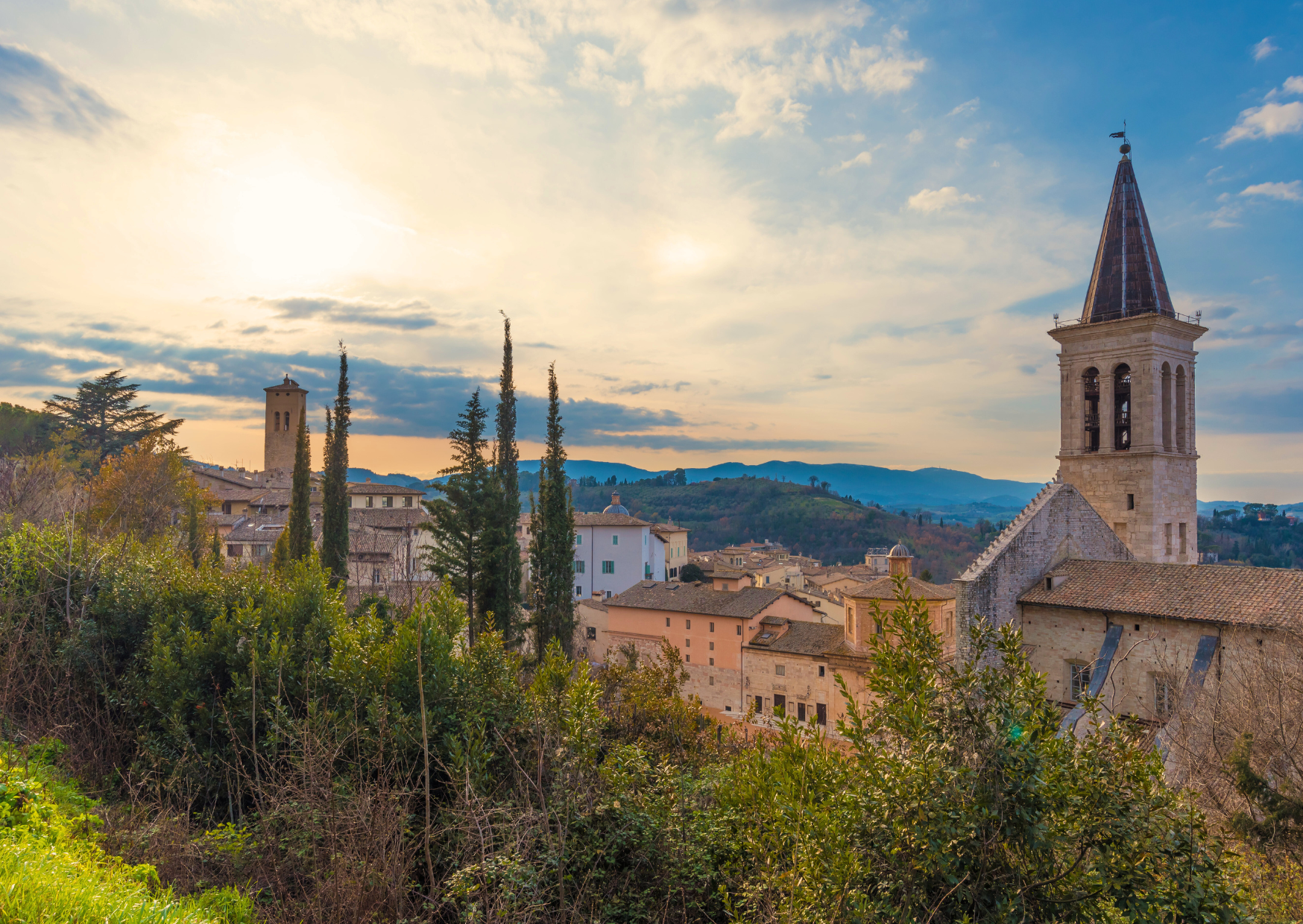
Italy is never going to be “undersaturated” in the places Americans dream about. But Italy is a big country, and most Americans are not actually looking at the parts where a calmer life is still possible.
The smarter Italy moves look less like Tuscany fantasy and more like practical living: smaller cities, southern regions, and places where you can build a routine without paying for constant spectacle.
For Americans who are not working locally, Italy has an elective residence route designed for people with self-sustaining income not derived from employment. The emphasis matters. Italy wants stability, not “I have savings and a dream.”
The trade-off is the consulate reality. Requirements can be strict, documentation expectations are high, and timelines can be slow. Italy rewards patience and punishes improvisation.
Italy also tends to work best for people who can tolerate a slower pace in services and admin. If you need fast responsiveness, you’ll feel constantly irritated. If you can build a relationship-based life, Italy can be deeply satisfying.
A realistic Italy weekly rhythm:
- One admin day, always the same day
- One market day
- One social anchor that repeats weekly
- One long walk habit that makes the place feel like yours
- Cooking at home most nights, with one meal out that’s local, not curated for tourists
Italy is not a “cheap country.” It is a lifestyle trade where the payoff is texture, and the cost is patience. If you can handle the cost, it’s one of the most durable long-term choices for people who want Europe without the Portugal hype cycle.
Croatia as a clean test year, if you want a defined lane
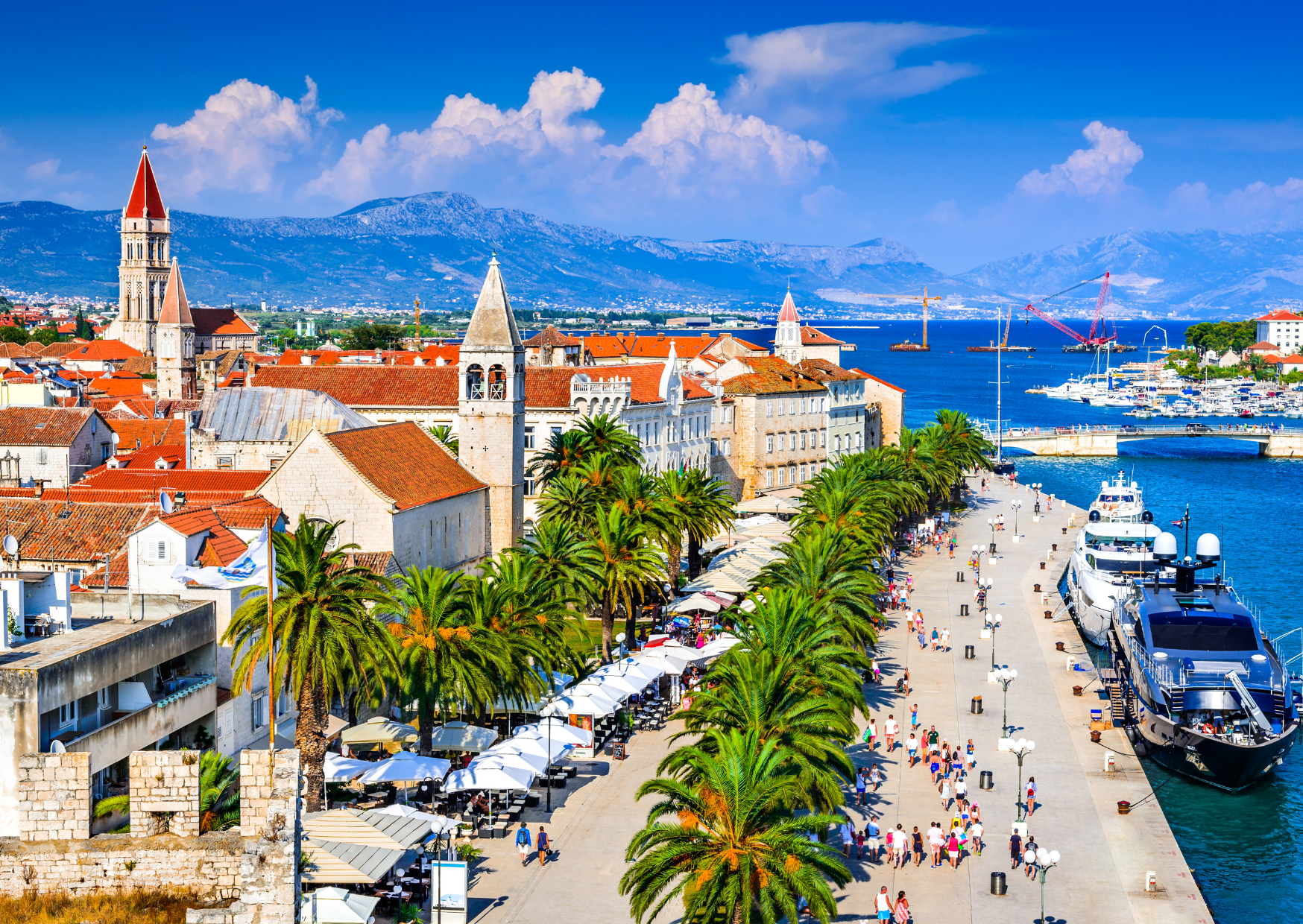
Some Americans aren’t looking for a forever move right away. They want a test year that is legal, defined, and not built around constant visa runs.
Croatia has become a practical option for that because it has a structured digital nomad temporary stay pathway with a published income requirement. It is not “cheap Europe” in every corner, especially in peak coastal season, but it can work well as a controlled experiment.
The key is treating it as a test drive with rules, not a fantasy relocation.
Croatia’s digital nomad framework includes a stated monthly income requirement of €3,295, with increases for additional family members. That number alone acts like a filter. It’s not for everyone, and it shouldn’t be.
The trade-off is clear:
- You get a defined legal lane to live there while working remotely for non-Croatian employers.
- You accept that popular coastal areas can be expensive in summer and calmer in shoulder season.
- You plan your year around seasonality, not around beach expectations.
A Croatia rhythm that keeps the test year honest:
- Live more inland or in a residential neighborhood
- Use the coast as a weekend or off-season reward
- Build your weekly routine like a resident
- Track spending for 90 days so you know if the “cheap country” story is real for you
If your goal is to stop spinning and start living somewhere legally while you decide what you want long-term, Croatia can be a cleaner experiment than Portugal in 2026.
The next 7 days, build a pivot file and make the call
If Portugal is feeling crowded or fragile, the worst move is drifting for six months. That’s how you burn money and energy without making progress.
Give yourself one week to build clarity.
Day 1: Write your non-negotiables.
Not “sun” and “culture.” Practical things like monthly budget, walkability, healthcare access, and whether you need to work locally.
Day 2: Build your all-in monthly number.
Include rent, insurance, flights annualized, and a buffer. Pick a target like €3,800 and see what cities can actually support it.
Day 3: Choose two alternative bases.
One in Spain, one in France or Italy, based on your temperament. Do you want a fast social scene, or a stable routine?
Day 4: Create your document stack.
Passport copies, bank statements, income letters, insurance research, proof of address, and a clean folder system. Document order is half the battle.
Day 5: Test the weekly rhythm, not the city.
Write what Monday to Sunday would look like in each place. If the week looks chaotic, the move will feel chaotic.
Day 6: Decide whether Portugal is a geography problem or a plan problem.
If it’s Lisbon and Porto pressure, try a non-bubble plan. If it’s rule anxiety and admin fatigue, pivot.
Day 7: Commit to one path for 90 days.
Either build the Portugal file with a non-default location plan, or start the alternative country file. No dabbling. No five open tabs. One plan.
Then make the decision that actually matters: are you moving for a new scenery, or for a new system?
Portugal’s system is under strain in the places Americans default to. That doesn’t mean “don’t go.” It means stop treating Portugal as the automatic answer, and start choosing based on how you want your week to feel when the honeymoon ends.

About the Author: Ruben, co-founder of Gamintraveler.com since 2014, is a seasoned traveler from Spain who has explored over 100 countries since 2009. Known for his extensive travel adventures across South America, Europe, the US, Australia, New Zealand, Asia, and Africa, Ruben combines his passion for adventurous yet sustainable living with his love for cycling, highlighted by his remarkable 5-month bicycle journey from Spain to Norway. He currently resides in Spain, where he continues sharing his travel experiences with his partner, Rachel, and their son, Han.