

The first week felt like a cheat code.
Sun on the buildings at 17:30. People walking slowly like they weren’t being chased by their inbox. A kid eating a merienda like it was a normal human right. I remember thinking, so this is what everyone means.
Then the second month arrived and the fantasy snapped.
The apartment was colder than the street. The “simple” errands took half a day. A neighbor who seemed friendly turned into a closed door. I missed stupid American conveniences I didn’t even like when I lived around them. The kind of stuff you only notice when it’s gone.
It wasn’t paradise. It was life. Just a different version, with different friction.
I stayed anyway, not because it was perfect, but because the trade was worth it once I learned how to live here like a resident, not like a long-term tourist.
The honeymoon lasted a month, then the real Europe showed up
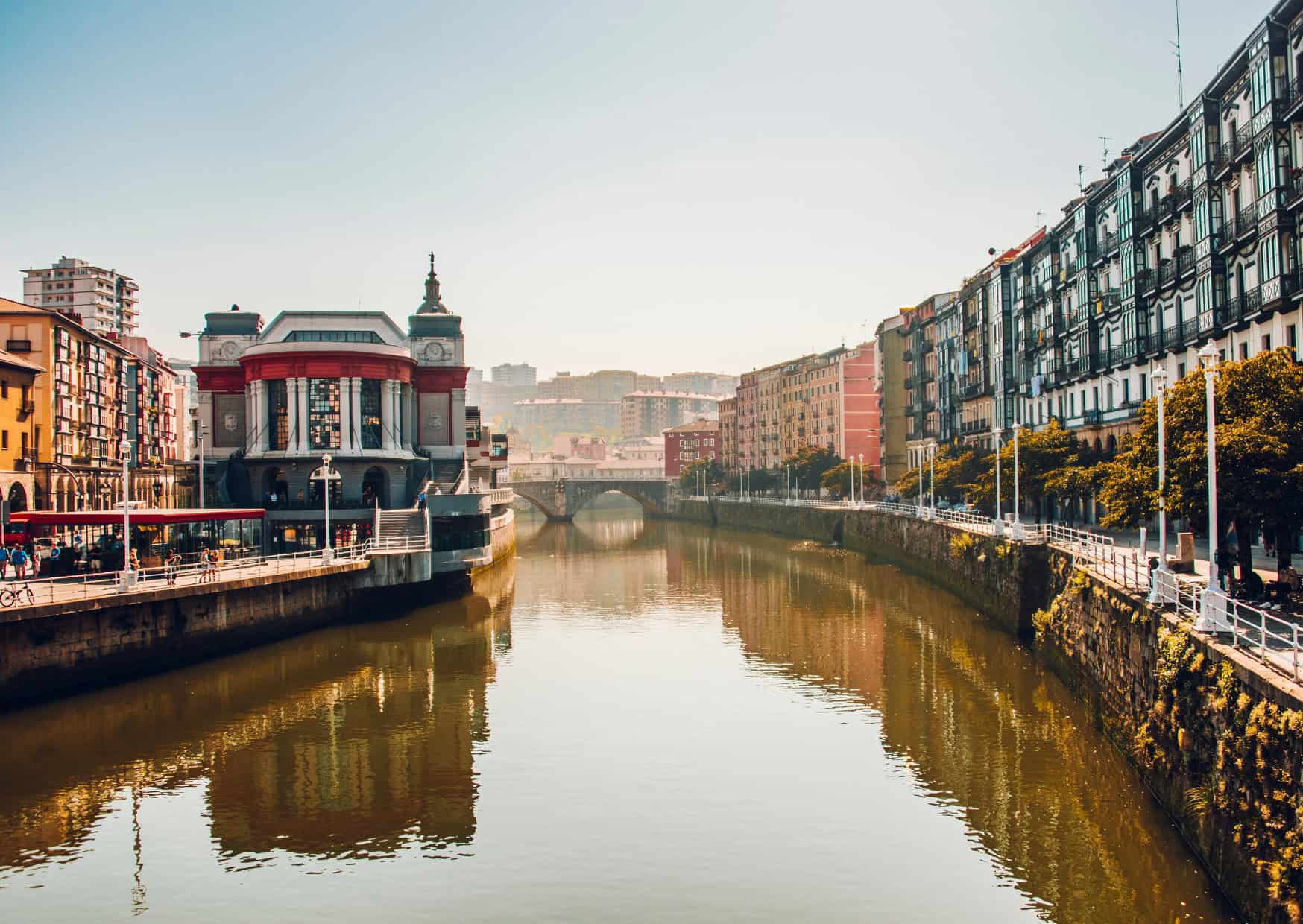
The biggest lie isn’t that Europe is perfect. It’s that the hard parts are “minor adjustments.”
They’re not minor when they hit daily.
The first hard part is housing. Not the cost, the feel. In older buildings, winter can be damp and weirdly cold, and summer can be a heat trap depending on orientation. You can love the neighborhood and still dread going home at night because the place never fully dries out. Comfort is a system, not a vibe.
The second hard part is pace. Everyone says they want slower living until they need something done. Then “slow” starts to feel like disrespect.
You wait for the appointment. You wait for the response. You wait for the office to open. You learn that a phone call is not a universal tool.
The third hard part is social. Europe is not automatically community. People have their networks. They have their cousins and school friends and childhood neighbors. You’re the new person. You can be pleasant and still be invisible.
This is the stage where a lot of Americans panic and interpret discomfort as failure. They start shopping for a different country like it’s a new pair of shoes.
I stayed by doing something less dramatic: I stopped expecting the country to carry me and started building the boring infrastructure that makes a foreign life feel stable.
The stuff nobody posts: paperwork, housing, and the slow grind
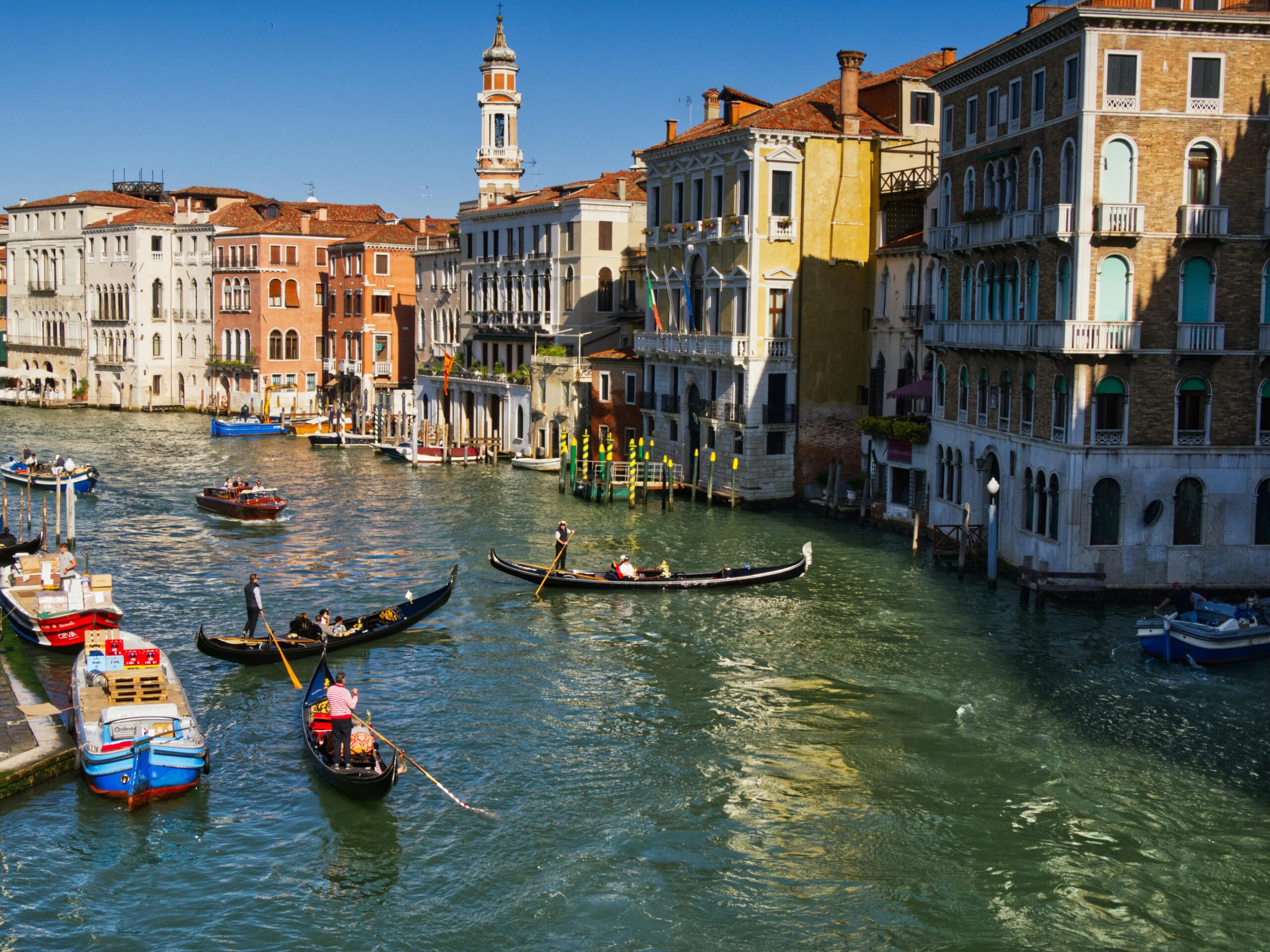
When people say “it wasn’t paradise,” they usually mean three practical problems that don’t photograph well.
One: paperwork is not a phase.
It’s a recurring feature. Even when you get your status sorted, you still have appointments, renewals, registrations, and little admin tasks that don’t exist in the same way back home.
You can’t solve this by “getting it all done.” You solve it by building a weekly rhythm where admin is normal. Two hours a week beats a quarterly panic.
Two: housing is harder than it looks.
Not just finding it, living in it. Drafts, noise, humidity, heating that doesn’t behave like U.S. central systems, landlords who are not emotionally invested in your comfort. In Spain, I’ve seen perfectly nice people spiral because their apartment was quietly making them miserable.
Housing is where you pay the newcomer tax: you rent short-term, furnished, overpriced, and central because you want safety and simplicity. Then you realize your “temporary” arrangement is eating your budget and your sleep.
Three: the grind is emotional, not dramatic.
It’s not one big crisis. It’s a thousand micro-frictions:
- you misread a form
- you go to the wrong office
- you miss a document requirement
- you discover a local holiday after you’ve already taken a morning off
- you feel stupid in a conversation you would have handled easily in English
None of that is life-ending. But it accumulates.
What helped was admitting a blunt truth: my mood tracked my systems. When paperwork and housing were stable, Europe felt good. When they were unstable, the whole experiment felt like a mistake.
The money math surprised me, and still made me stay
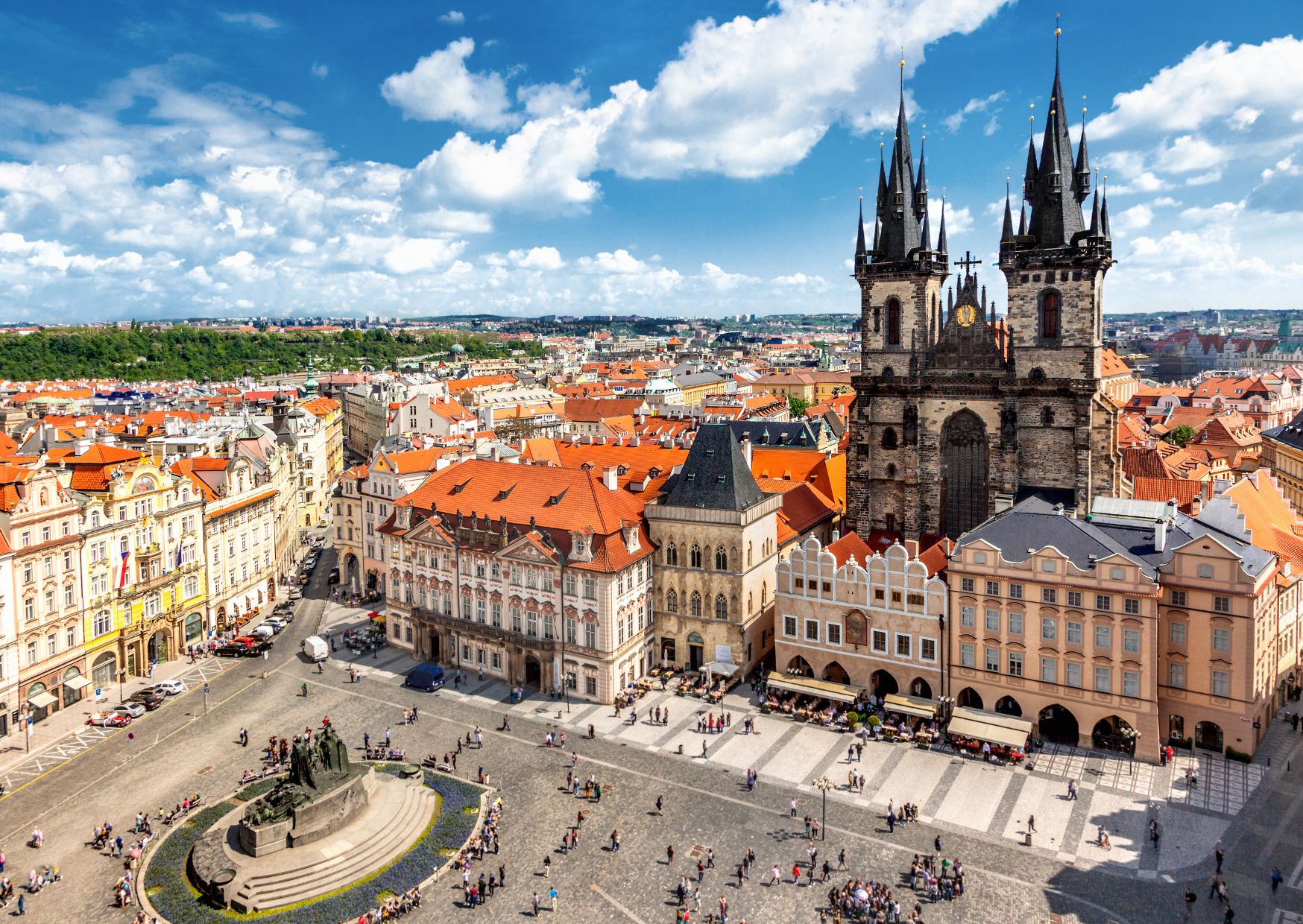
Europe doesn’t magically make life cheap. It changes what you pay for, and how often you feel forced to pay.
If you move here and keep buying American convenience, you can spend a lot. If you learn local methods, your baseline can drop in a way that feels like breathing.
Here’s a realistic monthly budget template for a couple in Spain, built to be copied and adjusted. It’s not “cheap living.” It’s normal life with a buffer.
Monthly baseline (couple, Spain, not luxury)
- Rent: €1,100 to €1,700
- Utilities and internet: €180 to €320
- Groceries: €420 to €650
- Dining and cafés: €220 to €450
- Transport: €60 to €140
- Health (private plan or buffer): €180 to €450
- Household and pharmacy: €90 to €180
- Admin and paperwork average: €50 to €140
- Buffer, non-negotiable: €300 to €500
That’s roughly €2,600 to €4,530.
Converted loosely into dollars, it depends on exchange rates, but think in the ballpark of $2,800 to $5,000. The exact conversion is less important than the structure: rent, food, transit, health, and a buffer you don’t touch.
The surprise for me wasn’t that Europe was always cheaper. It was that I could make my life less expensive by default without constant self-control.
Walkable neighborhoods are an invisible financial advantage. If daily life works on foot, you spend less on gas, parking, random errands, and that slow drip of convenience spending that turns into a leak.
The other surprise was that housing pressure is real even here. Across Europe, both house prices and rents have been rising. You feel that in competitive cities. So the “cheap Europe” story collapses if you insist on the most in-demand neighborhoods.
The move that made the money work was simple and unsexy: I stopped trying to replicate an American lifestyle and started living the local rhythm. The budget didn’t get smaller because I got stricter. It got smaller because the week got calmer.
The weekly rhythm that made it livable

This is where the whole thing flips.
You can have a great visa and a nice apartment and still feel miserable if your week is chaotic. Europe doesn’t reward chaos. It rewards repetition.
A Spanish week that supports sanity looks like this:
- One admin block, same day every week
- One market or grocery day
- One “home meal” batch cook
- One social anchor that repeats
- One long walk day
- One low-effort rest evening where you do nothing productive
That’s it. That’s the system.
The phrase that keeps proving itself is Timing beats willpower, because you don’t want to wake up daily deciding whether to do the hard local thing or the easy expensive thing. If the week is structured, the week carries you.
A practical example:
- Monday: admin hour plus a boring household task
- Tuesday: groceries and cooking
- Wednesday: class or activity, same time every week
- Thursday: errands on foot, pharmacy if needed
- Friday: one meal out, keep it local
- Weekend: one day out, one day genuinely off
This rhythm does two things Americans underestimate:
- It reduces decision fatigue, which reduces spending.
- It makes you visible, which reduces loneliness.
When I stopped treating weekdays as open-ended and started treating them like a repeating loop, the place stopped feeling foreign. Not because everything got easier, but because it got predictable.
Europe feels good when your life is predictable enough that you can relax into it.
The social reality: you don’t “make friends,” you become familiar
This is the part people avoid saying out loud.
Many Americans expect community to happen because they moved somewhere “friendly.” Then they feel rejected when it doesn’t.
European social life often runs on established networks. People are polite, but they’re busy. They have their routines. You’re not being punished. You’re just not part of the pattern yet.
The solution isn’t forcing deep friendship. It’s building familiarity through repetition.
Here’s what actually worked for us, living in Spain as a Filipino-Spanish family:
- A consistent café stop at the same time each week
- A repeating class, even if it wasn’t “my passion”
- A neighborhood walk loop where you see the same faces
- A practical relationship with a pharmacist and a local shopkeeper
- A few weak ties you can message without it feeling weird
That last one matters. You don’t need ten best friends. You need five people who recognize you and would respond to a message.
Loneliness after a move isn’t a personal flaw. It’s a predictable outcome of being new, plus the loss of your old network.
People who leave often do one of two things:
- they isolate and cope with travel and spending
- they only socialize in expat bubbles that churn constantly
People who stay build one small local loop and protect it.
It can feel awkward, especially if you are used to American friendliness where conversation is easy and quick. Here, conversation is often slower, more cautious, and more earned.
But once you become familiar, something shifts. You stop feeling like a visitor. And when you stop feeling like a visitor, you stop spending like one.
Healthcare and stress: what changed, and what didn’t
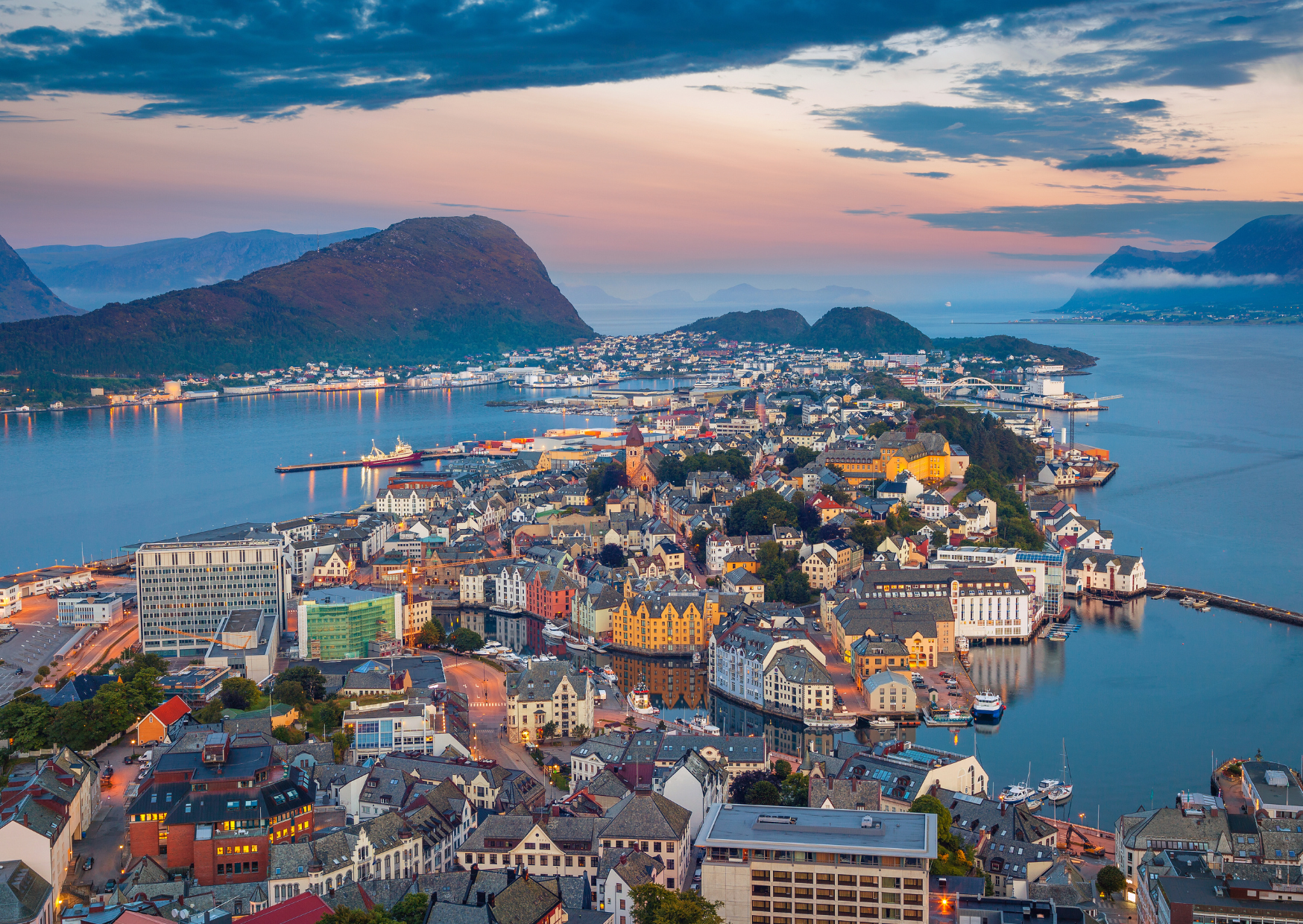
Europe doesn’t make you healthy. It makes a healthier week more likely, if you let it.
The change isn’t only medical access. It’s the lifestyle scaffolding around health:
- walking built into daily life
- less car dependency
- meals that are more structured
- a culture that doesn’t treat lunch like a moral failure
Work culture is part of it too. Across the EU, working time rules set minimum standards like daily rest and weekly limits. It doesn’t mean everyone is relaxed. It means the baseline legal framework supports rest in a way the U.S. often does not.
That said, don’t romanticize it. Stress still exists, and healthcare systems still have friction. You can still wait for appointments. You can still get bounced between offices.
The difference is how stress hits your body when your week isn’t built around constant urgency.
Two practical health habits that mattered more than any supplement:
- Daily walking without turning it into a fitness performance
- A weekly food rhythm that kept us from “snack dinner” living
There are also costs people should plan for. In Spain, even with public coverage, medication can involve co-pay structures depending on status and income. If you’re on a private plan for residency reasons, that’s a monthly line item too. You don’t need to panic about it, but you need to budget it.
The reason I stayed isn’t that healthcare was perfect. It’s that my stress baseline dropped once the week had structure. And that did more for health than any one system feature.
The first week I’d repeat, if I started over
If you move and you want to avoid the “this isn’t paradise” crash turning into a full retreat, your first week matters.
Not because it decides your whole life, but because it sets your default habits.
Here’s what I’d do in the first seven days, in this order:
- Choose one neighborhood anchor and use it daily for a week. A café, a market, a park. One repeating place beats ten tourist spots.
- Set up connectivity immediately. Local SIM, local banking plan if needed, and a folder where every document lives. Two copies of anything important, one physical and one scanned.
- Do the 20-minute test. Can you reach groceries, pharmacy, and transit within 20 minutes on foot? If not, your costs and frustration will be higher.
- Pick one social activity that repeats weekly. Not a networking event. Something boring and regular.
- Create an admin slot and treat it as normal. One hour, same day weekly.
- Run your first real budget week. Track what you actually spend, then set a weekly discretionary cap.
- Decide your travel rule for 90 days. If you want roots, you need a season of staying put.
That plan isn’t romantic. That’s why it works.
Most people who “hate Europe” are actually hating the chaos of an unstructured move. When you install structure early, you don’t eliminate problems, but you stop paying emotionally for every problem.
Why I stayed anyway
I stayed because the hard parts stopped being personal once I understood them as predictable.
The bureaucratic friction wasn’t a sign I didn’t belong. It was a sign I needed a system. The loneliness wasn’t evidence I’d made a mistake. It was evidence I needed repetition. The housing discomfort wasn’t “Europe is inferior.” It was a reminder that comfort is not automatic and needs to be chosen deliberately.
And the upside was real.
A calmer baseline. More walking without trying. Meals that didn’t require constant thought. A week that felt like it had room in it. Not every day. Not magically. But enough that I could feel it in my body.
If you move to Europe expecting paradise, you’ll be disappointed. If you move expecting a trade, you can build something that holds.
The decision isn’t “is Europe perfect.”
The decision is whether you’re willing to do the unglamorous work that turns a foreign place into a normal life.
For me, the answer ended up being yes.

About the Author: Ruben, co-founder of Gamintraveler.com since 2014, is a seasoned traveler from Spain who has explored over 100 countries since 2009. Known for his extensive travel adventures across South America, Europe, the US, Australia, New Zealand, Asia, and Africa, Ruben combines his passion for adventurous yet sustainable living with his love for cycling, highlighted by his remarkable 5-month bicycle journey from Spain to Norway. He currently resides in Spain, where he continues sharing his travel experiences with his partner, Rachel, and their son, Han.