

Six months is the sweet spot for reality.
Not a romantic two-week trip where everything feels charming because you are on holiday. Not a permanent move where every decision becomes heavy. Six months is long enough to learn what annoys you, what relaxes you, what you miss, and what you can actually afford.
From Spain, I’ve watched a lot of Americans get this backward. They either do a short trip and decide they are “moving to Europe,” or they leap into residency paperwork while still thinking like tourists.
A true test run is boring on purpose. You are not proving you can “do” a country. You are seeing if you can live a normal week there without constant friction.
These are six places where a real 6-month stay is possible for many Americans, using visitor status or a defined long-stay visa, and without needing to pretend you are already a resident.
Six months is for testing a life, not extending a vacation

If you want this to work, you need to treat six months like a structured pilot program.
What you can test well in six months:
- Housing quality, heating, noise, humidity, and whether your sleep collapses.
- A real grocery baseline, not tourist spending.
- Healthcare access and how long it takes to get basic appointments.
- Social rhythm, including loneliness and how hard it is to make friends.
- Transport reality, meaning walking, transit, and whether you miss driving.
- Weather fatigue, because a “nice week” can hide a brutal season.
What you cannot test well in six months:
- How residency renewals feel over years.
- How local taxes and long-term bureaucracy will treat you.
- Whether you will integrate deeply into a community that forms slowly.
Six months is long enough to get honest with yourself. It’s also long enough to make costly mistakes if you arrive with the wrong mindset.
The biggest mistake Americans make is trying to “win” the test run. The goal is to learn. So you need a plan that makes learning possible.
That starts with choosing the right kind of six-month permission.
The six-country menu and how the permission works

There are two basic ways these “test before you commit” stays happen:
- Visitor stays: you are admitted as a visitor for up to six months, often at border officer discretion, and you do not work locally.
- Long-stay visas: you apply in advance for a visa that explicitly allows a stay longer than 90 days, usually with resource requirements.
Here are the six options in this article, and why each is useful:
- France: a defined long-stay temporary visa can cover 4 to 6 months if you can support yourself.
- United Kingdom: visitor status allows stays of up to 6 months per visit.
- Canada: most visitors are allowed up to 6 months, with officer discretion.
- Mexico: the visitor permit can be granted for up to 180 days, and the exact number is at the officer’s discretion.
- Costa Rica: tourists from many countries can be granted up to 180 days, again discretionary at entry.
- Colombia: U.S. visitors are generally admitted for up to 90 days, with stays permitted up to 180 days per calendar year.
You’ll notice a theme: discretion. If you treat six months as an entitlement, you can get surprised. If you treat it as a permission you present responsibly, you usually have a smoother time.
France: the cleanest “real life in Europe” test, if you can finance it

France is one of the few places where the “test run” can look like a real European life without being permanent.
France has a long-stay temporary visa framework that can be issued for 4 to 6 months, and it can apply to a visitor who can live on their own resources. That is the key idea: you are not arriving to work. You are arriving to live quietly and support yourself.
Why France works as a test run:
- You can rent a normal apartment, shop like a resident, and build a weekly rhythm.
- You can see if you actually like European winter, not just European spring.
- You can test your tolerance for paperwork and administrative pace.
What tends to break people:
- They choose France like a fantasy and forget the practical layer: housing contracts, utilities, and the cost of being comfortable.
- They underestimate how much French administration rewards completeness and punishes vagueness.
A good six-month France test run is not Paris on a postcard budget. It’s a realistic base, then small trips:
- Lyon, Toulouse, Montpellier, Nantes, Strasbourg, and parts of Provence can be good “daily life” anchors.
- A base with walkability and grocery access beats a romantic rental that makes errands miserable.
Two practical rules make France work:
- Build a paper folder from day one, because you will need it for normal life admin.
- Do not treat the test run like a never-ending tour. Pick one base and live there.
This is where you learn the truth: do you enjoy the European tempo, or do you only enjoy the idea of it?
The UK: six months of “same language, different system,” and it teaches you fast
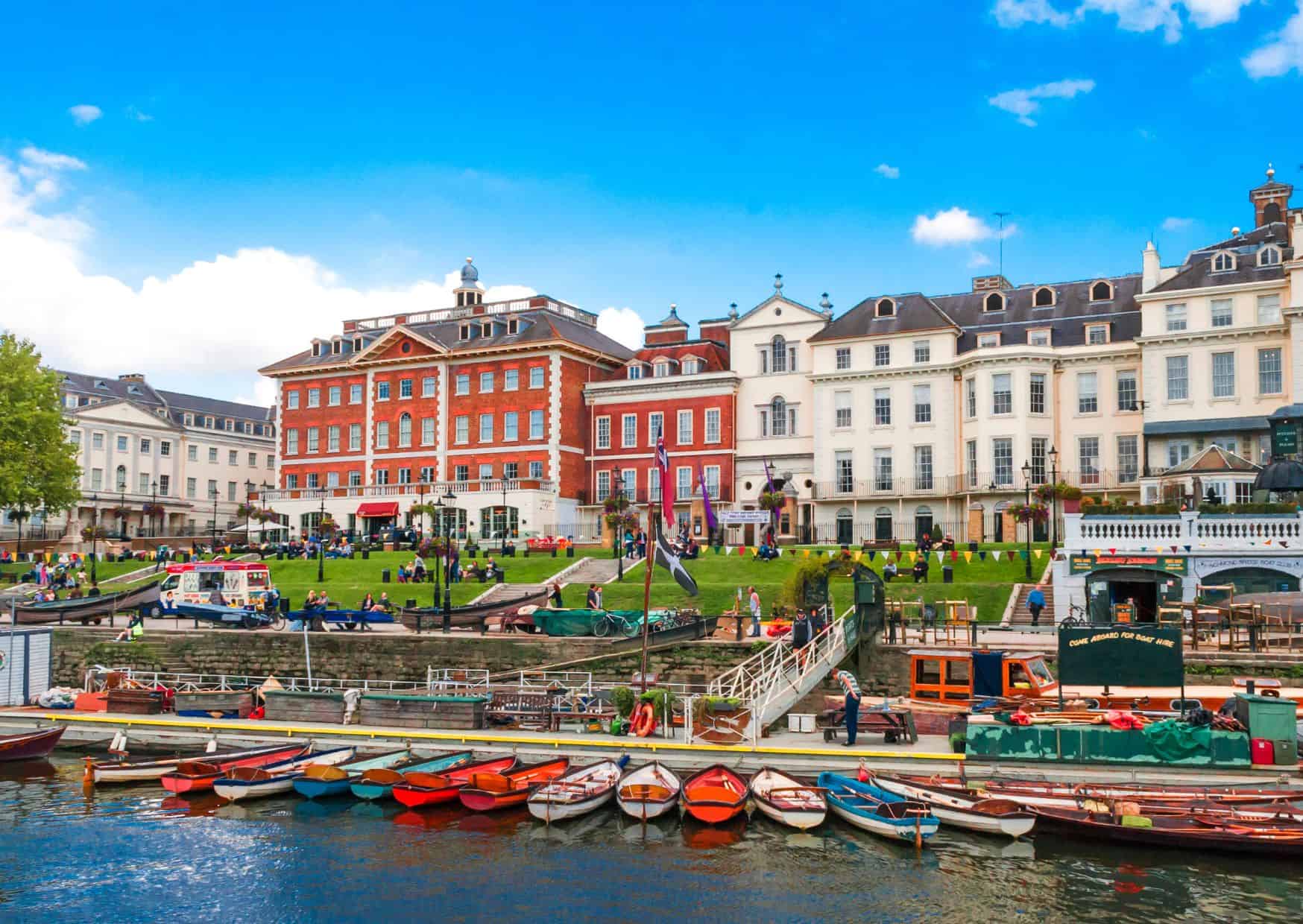
The UK is a sharp test run because it removes one common excuse. You can’t blame language.
A Standard Visitor stay allows a maximum of six months per visit, and the UK is blunt about what you can and cannot do as a visitor. It is not a residency pathway by itself. It is a test run, full stop.
Why the UK works:
- You can test whether you actually like dense, walkable life without needing to perform integration.
- You can evaluate healthcare access and how the system feels from the outside.
- You can see how much weather matters to your mood.
What breaks Americans:
- They arrive assuming UK systems work like U.S. systems because the surface feels familiar.
- They blow the budget on comfort spending, because London pricing can punish casual decisions.
If you want the UK as a real test, you do not build it around London unless your budget is honest. The better pilot bases often look like:
- Manchester, Leeds, Sheffield, Bristol, Edinburgh, Glasgow, Cardiff, and smaller university towns depending on your temperament.
Two habits make the UK test run useful:
- Track spending weekly. Make a simple spreadsheet with rent, groceries, transit, and “misc.”
- Build a local routine within a 20-minute radius. If your daily life requires constant transit, you will not learn what living there feels like.
If you can live six months in the UK and feel calmer than in the U.S., you’ve learned something real. If you feel constantly squeezed by cost and weather, you’ve also learned something real.
Both outcomes are wins, if you accept what you learn.
Canada: the calmest six-month soft landing, and it’s more powerful than it sounds

Canada is underrated as a “test before you commit” option because it’s not exotic. That is exactly why it works.
Most visitors can stay up to six months in Canada, and a border services officer can allow a shorter or longer period depending on circumstances.
Why Canada is a strong test run:
- It’s culturally legible for many Americans, which makes the learning curve gentler.
- You can test a healthcare-adjacent life without needing to solve European language and bureaucracy immediately.
- You can evaluate whether you actually want international life, or you just want relief from U.S. pressure.
What breaks people:
- They treat Canada like “basically the U.S.” and then get irritated by subtle differences, including housing markets and cost of living in certain cities.
- They do not plan a budget that respects local reality.
For a six-month pilot, choose the city like an adult:
- Vancouver and Toronto can be fantastic, and expensive.
- Montréal can be more affordable and culturally rich, but French changes the experience.
- Smaller cities can be calmer, but you need to like quieter life.
Two simple moves make Canada useful as a pilot:
- Choose housing that makes winter livable. A charming but cold rental will warp your whole experience.
- Plan a weekly rhythm that includes one social anchor, even if it’s just a class or a club. Otherwise, you are running a loneliness experiment without admitting it.
Canada is also a great place to test one hard question: do you like being a foreigner at all, even in a friendly environment? If the answer is no, Europe will not fix that.
Mexico: the classic 180-day test run, and you need to understand discretion

Mexico is one of the most common “six-month test” destinations for Americans, and it is also one of the easiest places to misunderstand.
Mexico’s visitor permit has a maximum validity of 180 calendar days, but the number of days granted is at the discretion of the immigration official when you enter.
In practical terms, that means:
- You can plan for a six-month test run.
- You should not assume you will automatically be granted the full 180 days.
Why Mexico works as a test run:
- You can get real daily life quickly: markets, neighborhood rhythms, and routine.
- Many places offer strong quality of life without European paperwork intensity.
- You can test whether you want warm-weather life without committing to a residency file immediately.
What breaks people:
- They arrive with a vague plan, no evidence of onward travel, and no proof of solvency, then act shocked when they receive fewer days.
- They choose the most tourist-saturated area and never learn what normal life feels like.
A useful Mexico pilot is built around one base and one backup base:
- A primary base where you live daily life.
- A backup base you test for two weeks to compare.
Also, do not run this as a “cheap living” flex. Mexico can be affordable, but you can also spend like a tourist and burn cash fast. Treat it like a pilot with boundaries:
- Set a weekly spending cap.
- Track groceries separately from eating out.
- Build a routine that doesn’t rely on paid entertainment.
Mexico is a great test run because it gives you a blunt feedback loop: your quality of life changes quickly based on where you live and how you behave.
Costa Rica: 180 days is possible, but the country is not a fantasy version of itself
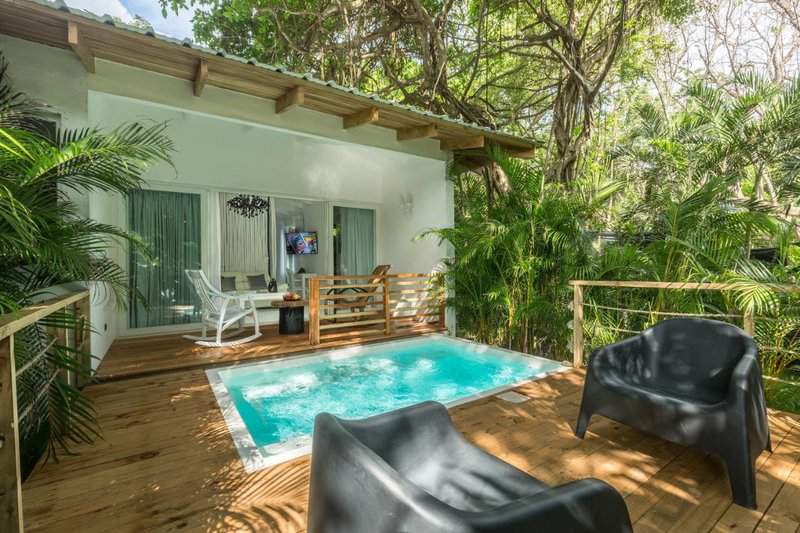
Costa Rica allows many tourists to be granted up to 180 days, and the immigration agent determines the legal stay at entry.
Costa Rica works well as a test run if your goals are:
- warm weather
- outdoor life
- a slower daily pace
- a smaller weekly radius
What breaks people:
- They arrive expecting “easy paradise” and discover real-world friction: cost of imports, housing quality differences, and the need to plan for safety and logistics like a normal adult.
- They do not build routine. They vacation for two months, then wonder why life feels shallow.
A real Costa Rica pilot looks like:
- one base, at least 10 to 12 weeks
- one second area tested for 2 to 3 weeks
- a weekly rhythm that includes shopping, cooking, movement, and a social anchor
If you want Costa Rica to feel good, you have to respect the lifestyle constraints. It’s not a place where you can outsource everything and still feel grounded.
Costa Rica also rewards planning: do not arrive with a “we’ll figure it out” mindset. Your best test run is built around predictable habits, not constant novelty.
Colombia: the 90-to-180 day structure, and it’s a great reality check
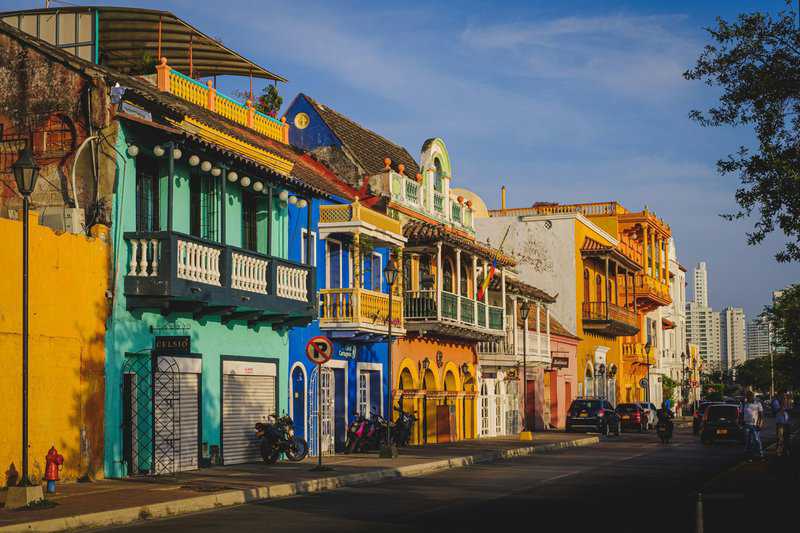
Colombia is a strong test run country because it’s intense in a way that teaches you quickly whether you like it.
U.S. citizens generally do not need a Colombian visa for tourism or business stays of 90 days or less, and cumulative stays can be allowed up to 180 days per calendar year.
This is not a “show up and stay forever” setup. It is a structured test run:
- come for up to 90 days
- extend if you want to keep going
- do not exceed the annual cap
Why Colombia works:
- You can learn daily life fast.
- Rent, food, and services can be very reasonable depending on city and lifestyle.
- Cities like Medellín, Bogotá, and Cartagena offer very different realities, which makes it easy to compare.
What breaks people:
- They treat Colombia like a cheap playground and ignore routine.
- They underestimate how much your neighborhood choice controls your experience.
A strong Colombia pilot is designed like a series of controlled tests:
- 6 weeks in one neighborhood, track spending and sleep quality.
- 3 weeks in a second city, compare mood and daily friction.
- A final 2 to 4 weeks back in the first base to see if it still feels right after novelty fades.
Colombia is also where you learn whether you actually like being outside your comfort zone. Some Americans thrive. Some burn out. Both outcomes are useful.
The money and health reality: six months is not cheap, it’s just cheaper than a mistake

Americans often choose a test run because they want to reduce risk. Good.
But they still under-budget the real costs of six months abroad:
- short-term rentals tend to be priced higher than long leases
- deposits and utility setups can be annoying
- comfort fixes cost money
- insurance can be required or simply wise
If you want the test run to be honest, build a budget that includes:
- housing
- groceries
- transport
- healthcare and insurance buffer
- admin and fees
- a “stupidity tax” buffer of 5% to 10% for mistakes
A realistic monthly range for a couple doing a modest, real-life pilot can look like:
- France: €3,000 to €5,500 depending on city and housing
- UK: £3,000 to £6,000 depending on location
- Canada: C$4,000 to C$7,000 depending on city and housing
- Mexico: $2,200 to $4,500 depending on area and lifestyle
- Costa Rica: $2,800 to $5,000 depending on area and housing
- Colombia: $2,000 to $4,200 depending on city and housing
You can do cheaper. You can also do much more expensive. The point is to stop lying to yourself about what “living” costs when you are not on a local lease.
Also, if you are testing Europe specifically, remember the biggest hidden cost: winter comfort. A cold, damp apartment will make you hate a country you might otherwise love.
Common mistakes and fixes
This is where test runs go wrong in predictable ways.
Mistake 1: treating six months like a long vacation
Fix: build a normal week by week two. Grocery routine, walking routine, one social anchor.
Mistake 2: choosing housing for romance, not function
Fix: prioritize sleep, heating or cooling, and walkability. Your life is where you sleep.
Mistake 3: not tracking spending until panic arrives
Fix: track weekly from day one, with a simple note: rent, groceries, transport, eating out, misc.
Mistake 4: ignoring the permission structure
Fix: know whether you have officer discretion or a defined long-stay visa. Bring proof of onward travel and solvency when discretion is in play.
Mistake 5: trying to test too many places
Fix: one base, one comparison base, that’s it. Otherwise you are testing transit fatigue.
Mistake 6: expecting community to happen without repetition
Fix: pick one repeated activity within the first two weeks. A gym class, language exchange, volunteer shift, anything. Repetition makes you visible.
Your next 7 days: how to set up a six-month pilot that actually teaches you something
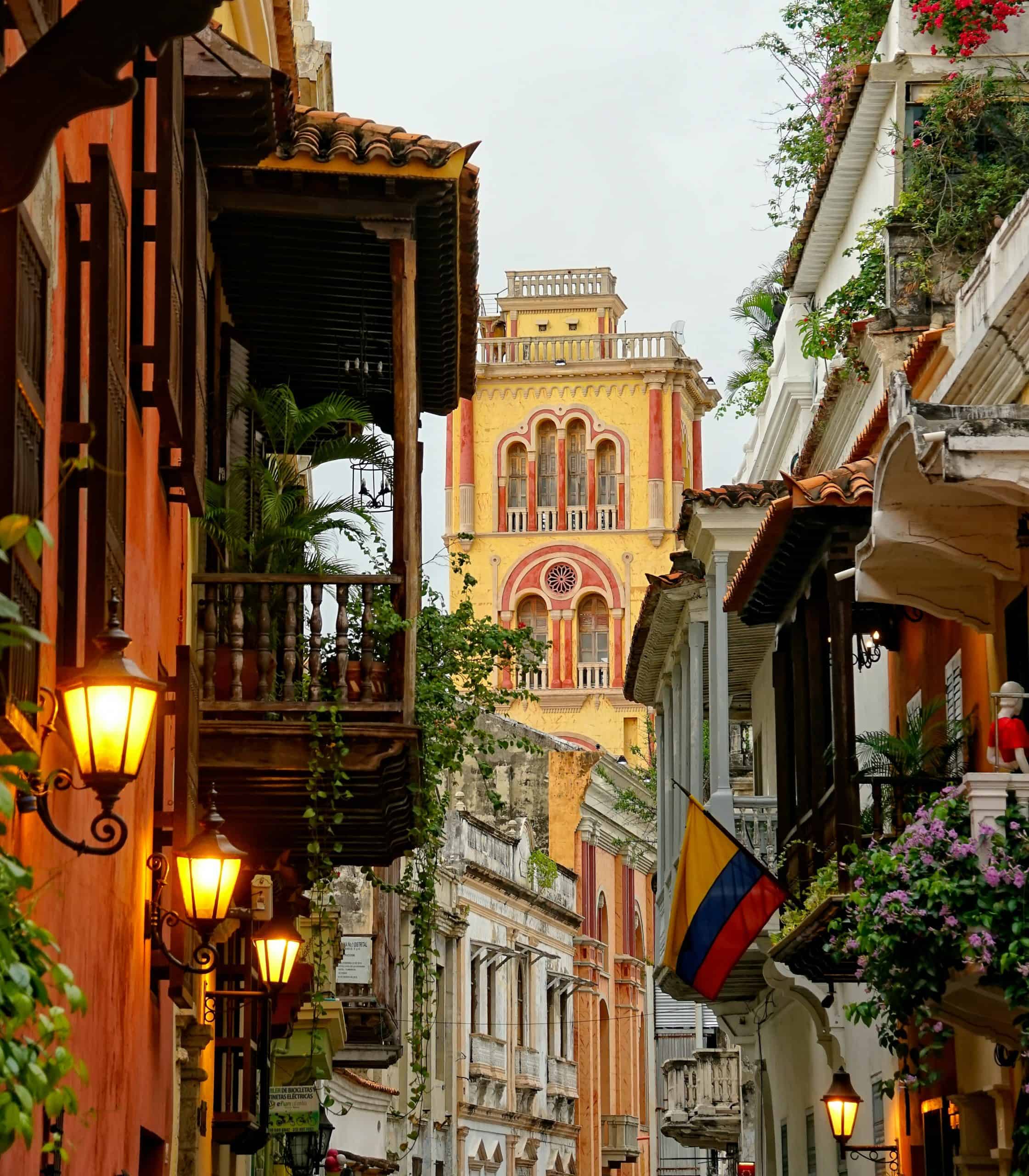
If you want the pilot to deliver clarity, do this in the next week.
Day 1: pick the country based on rules you can meet
Choose one from the six based on your tolerance for paperwork, climate, and cost. Keep it blunt.
Day 2: decide your base city and your “comparison city”
One base for 10 to 12 weeks, one second place for 2 to 3 weeks. That’s enough.
Day 3: build your monthly budget and your buffer
Set a ceiling and include 10% buffer. If you cannot afford the buffer, you cannot afford the pilot.
Day 4: choose housing that protects sleep
This is non-negotiable. Quiet matters. Temperature control matters. Walkability matters.
Day 5: plan your first two weeks like a resident
Groceries, walking routes, transit card setup, one social anchor.
Day 6: build your documentation kit
Passport copies, proof of onward travel, proof of funds, insurance proof if needed. Keep it in a folder you can show calmly.
Day 7: lock your weekly rhythm
Two admin blocks per week, one social anchor, one long walk, and one “nothing” block. If you do not schedule calm, you won’t get it.
Six months is enough time to learn the truth, but only if you stop treating it like a performance.
The goal is not to “love the country.” The goal is to learn whether you can live a normal Tuesday there and still feel like yourself.

About the Author: Ruben, co-founder of Gamintraveler.com since 2014, is a seasoned traveler from Spain who has explored over 100 countries since 2009. Known for his extensive travel adventures across South America, Europe, the US, Australia, New Zealand, Asia, and Africa, Ruben combines his passion for adventurous yet sustainable living with his love for cycling, highlighted by his remarkable 5-month bicycle journey from Spain to Norway. He currently resides in Spain, where he continues sharing his travel experiences with his partner, Rachel, and their son, Han.