
February is when Europe starts lying to you.
The skies are bright, the cafés look alive again, and then you walk outside in Madrid, Paris, Amsterdam, Berlin, or even Barcelona and remember your hands still hurt.
If you live in Spain, February is also when you realize something else: Morocco is not a “big trip.” It is the neighbor you keep forgetting you have.
From southern Spain, you can cross a strip of water, clear the border, and be eating grilled sardines and warm bread before your brain fully accepts you are on a different continent.
But “warm” in Morocco in February is not a single experience. It is a menu. Pick wrong and you spend your week buying extra layers and pretending you love wind. Pick right and you get the kind of winter reset that makes Europe feel like it is doing a bit too much.
Warm in February means different things, depending on where you land
Americans hear “Morocco” and imagine heat. Europeans hear “February” and assume coats. Both are half-right.
Morocco in February is mostly about sun plus contrast. The day can be pleasantly warm, the minute the sun drops it can feel like someone turned off the power.
Here’s the reality-check by region, because geography does not care about your mood board.
- Marrakech: Think about 19–20°C daytime highs, and then a sharp drop at night. You will see people in sunglasses at noon and puffer jackets at dinner. Those 8°C nights are real, especially if your riad has stone walls and a decorative fireplace that has never been used.
- Agadir and the Atlantic coast (including surf towns like Taghazout): Usually milder and more consistently comfortable, often around 21°C in the day with ocean breeze. Nights are cooler but less dramatic than inland. This is the closest thing to “February beach energy” without going long-haul.
- Tangier and the north: Beautiful, close, and more Mediterranean in feel, but cooler and more likely to be damp. Great for a cultural weekend, less great if you are chasing actual warmth.
- High Atlas and mountain towns: Gorgeous, and yes, cold. You can do snow and sun in the same trip, but do not pretend the mountains are your warmth plan.
So when someone says “Morocco in February is warm,” translate it as: warm in the sun, layered at night, and the coast is your best bet if you want fewer temperature mood swings.
The “3-hour” Morocco move from Europe, and what actually makes it fast
The reason Morocco works in February is not only the temperature. It is the logistics. You can get there without turning it into a major production.
If you are in Spain, the cleanest “this feels illegal” move is the Tarifa to Tangier Ville ferry. The crossing itself is typically around an hour, and it drops you into Tangier proper, not a distant industrial port you have to escape. That is the difference between “quick trip” and “why did we do this.”
If you are elsewhere in Europe, flights to Tangier, Marrakech, Agadir, and Casablanca can be short enough that Morocco still feels like a long lunch, not an expedition. Door-to-door time is what matters, and Morocco is unusually good at staying inside a normal travel day.
A few practical notes that keep it smooth:
- For Americans, entry is straightforward for typical tourist trips, but you still need to behave like a competent adult at the border. The baseline rules include a passport with sufficient validity and a clear entry stamp situation. If you are planning anything longer or complicated, do not improvise at the airport.
- Plan on having some cash early. Morocco is not “cash-only,” but it is also not “tap everywhere.” Bring a small buffer in euros and pull dirhams once you arrive. A dirham cash buffer saves you from the first-day scramble.
- Your first transport choice matters. In Moroccan cities, the difference between a clean start and a bad taste in your mouth is often one taxi negotiation. Decide upfront whether you are doing taxis, trains, or private transfers.
If you want the shortest possible February reset, do this: Spain to Tangier by ferry, spend two nights, and go home. No checked bags, no grand itinerary, no “we should really see the desert” pressure.
Where to base yourself, if you want warm and easy instead of complicated and performative
Morocco rewards people who pick one base and do small loops. The Americans who struggle tend to try to “see Morocco” in four days, then spend half the trip in transit and the other half arguing with Google Maps.
These are the bases that actually work in February, with the honest trade-offs.
Tangier: fast, atmospheric, and perfect for a first Morocco weekend
Tangier is the easiest Morocco entry point from Spain, and it feels culturally dense right away. You can spend a whole day just moving between the medina, cafés, and viewpoints.
Stay walking-distance to Grand Socco and Petit Socco if you want the classic medina rhythm without the full maze-life. If you want quieter nights and easier taxi pickup, the Ville Nouvelle can feel calmer.
The downside: Tangier is not the warmest option. It is a “Morocco taste” trip, not a “February beach” trip.
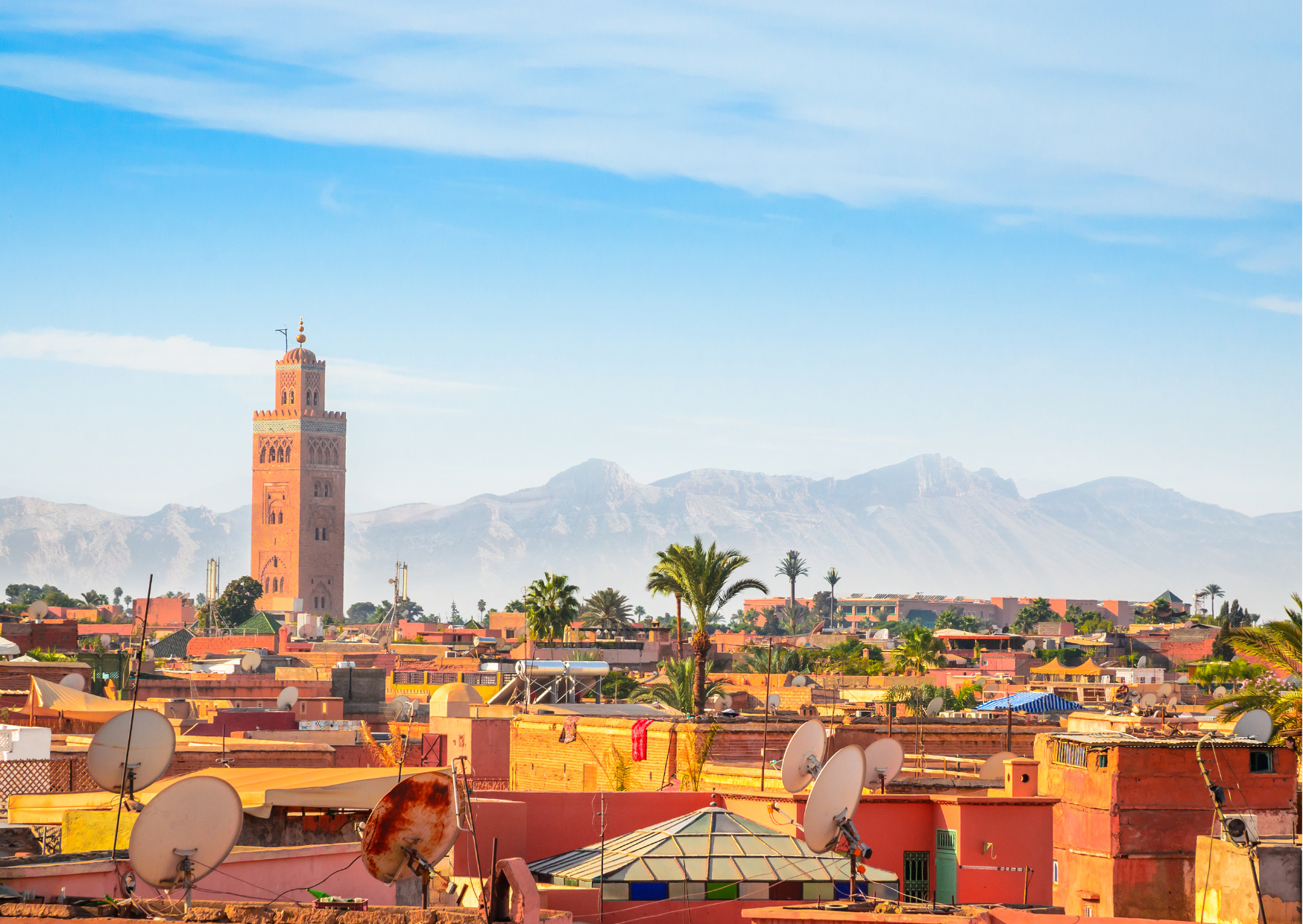
Marrakech: the February favorite, with real daytime warmth and sharp nighttime reality
Marrakech gives you the most reliable “it feels like a different season” experience. In February you can sit outside at lunch in the sun, and the city is not at peak summer intensity.
The best split for first-timers is simple:
- Medina for atmosphere and riads
- Gueliz for modern cafés, straightforward streets, and easier in-and-out
The downside: February nights can feel cold if your accommodation is not set up for heating.
Agadir: the easy-mode coast, if your goal is warmth and rest
Agadir is built for winter sun. It is less romantic than Marrakech, but if your priority is “I want to walk by the ocean in a light jacket,” this is your best bet.
Agadir is also a strong base for day trips to surf areas and valleys, and February is a solid time for that. If you want warm-plus-active without the medina intensity, this is the play.
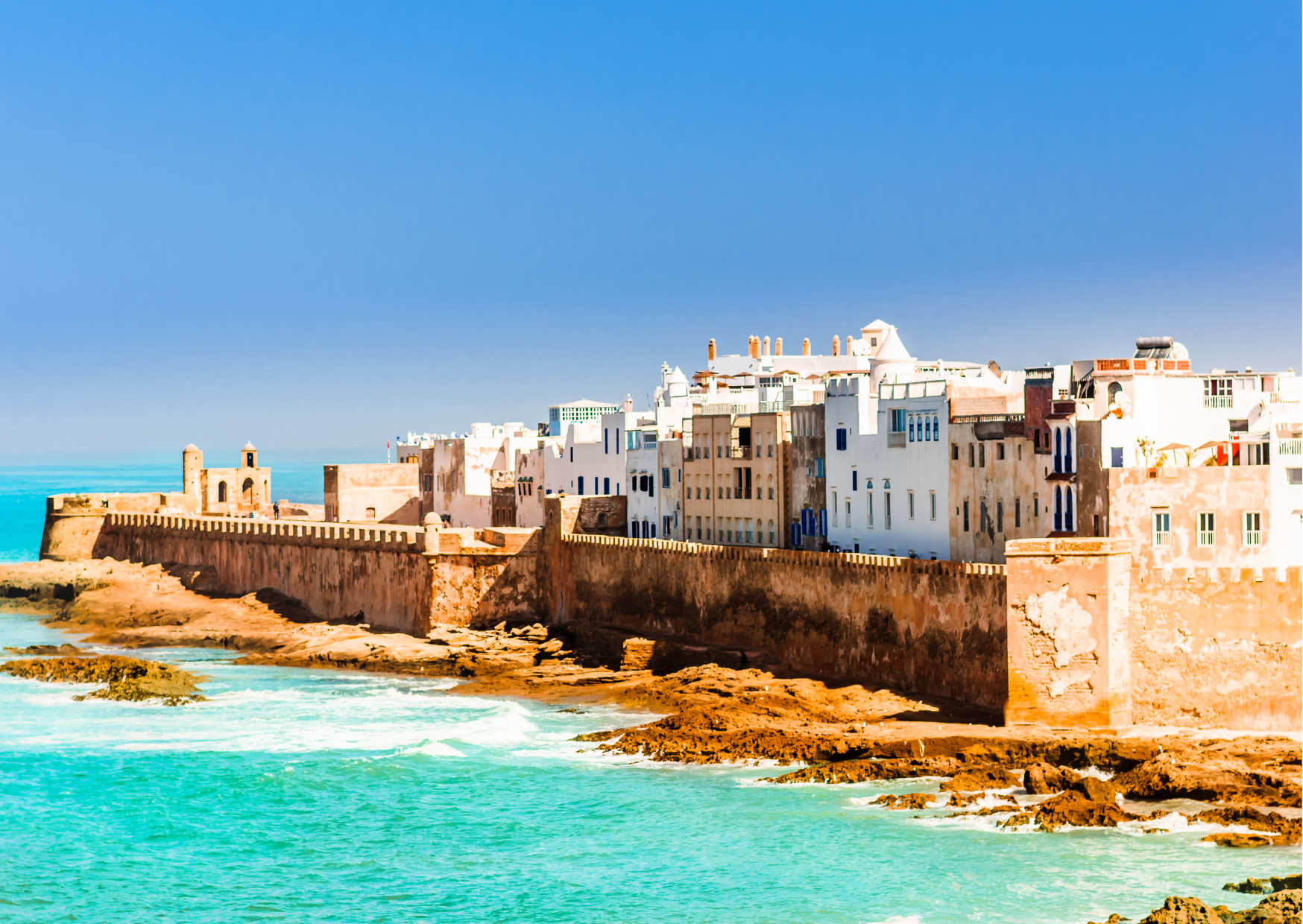
Essaouira: beautiful, moody, and windier than people admit
Essaouira in February is for people who love dramatic skies, seafood, and breezy walks. It is not for people who get angry when the wind messes up their hair.
If you choose it, choose it knowingly. You are buying vibe, not heat.
If you are torn, use this decision rule: Tangier for speed, Marrakech for winter sun plus city energy, Agadir for warmth plus rest.
The money math: what a February Morocco trip actually costs, and where Americans overspend
Morocco can be very affordable in February, but only if you avoid the two classic American habits:
- treating every ride like it must be private
- upgrading accommodation to “luxury” because the base price feels cheap
If you do that, your “affordable Morocco” trip becomes a pricey cosplay of affordability.
Here’s a realistic range for a short trip, using simple choices.
A 4-day Morocco reset, per person (midrange, not bargain-hunting)
- Transport into Morocco (flight or ferry): varies wildly by origin, so treat it as its own line item
- Accommodation: €55–€120 per night depending on city and comfort level
- Food: €18–€35 per day if you eat like a normal person, not like a reviewer
- Local transport: €5–€15 per day if you combine walking, taxis, and the occasional train or bus
- Extras (sites, small tours, shopping, tips): €30–€100 depending on personality
A lot of people land around €420–€650 all-in for four days once they stop trying to make it fancy. If you go very budget, it can be less. If you go “boutique riad, private driver, curated experiences,” it can jump fast.
The hidden cost that surprises Americans
Heating and comfort.
In February, a cheap riad with stone walls and no real heating can feel charming in photos and miserable at 1 a.m. The fix is not expensive, but you need to choose it.
Paying slightly more for a place that is actually comfortable, especially at night, is often the difference between “I love Morocco” and “this was exhausting.”
Also, taxis. Americans tend to outsource discomfort with rides. In Morocco, that habit turns into a leak. Walk more, plan your routes, and treat taxis as a tool, not a lifestyle.
February timing, the crowd reality, and the small calendar details that change your whole week
February is a sweet spot because it is not peak heat and not peak crowds. But it is also a month where timing details matter more than people expect.
A few calendar realities to know:
- February is a strong month for daytime exploring because the sun is comfortable, not punishing.
- The north can be wetter. If you do Tangier, pack for damp air and occasional rain, not for “desert warmth.”
- The coast is excellent for winter walking and surf culture, but the ocean is not “warm water vacation.” It is hoodie-and-sun territory.
- Almond blossom season is one of the quietly great February features. In some years, the second week of February lines up with local celebrations around the blossoms, especially in places like Tafraoute. Dates can shift year to year, but the general window is a real thing.
- Ramadan moves each year. Some Februaries will overlap with Ramadan, and that changes the daily rhythm in a very practical way. In 2026, Ramadan is expected to begin around February 18, which means late February travel can look and feel different than early February travel.
None of this is a problem. It just means you plan like someone who understands timing. Timing beats willpower, and Morocco rewards people who stop fighting the clock.
If you want the simplest version of February Morocco: go early in the month, choose one base, and build small day trips.
A 72-hour Morocco plan that feels like a real trip, not a rushed checklist
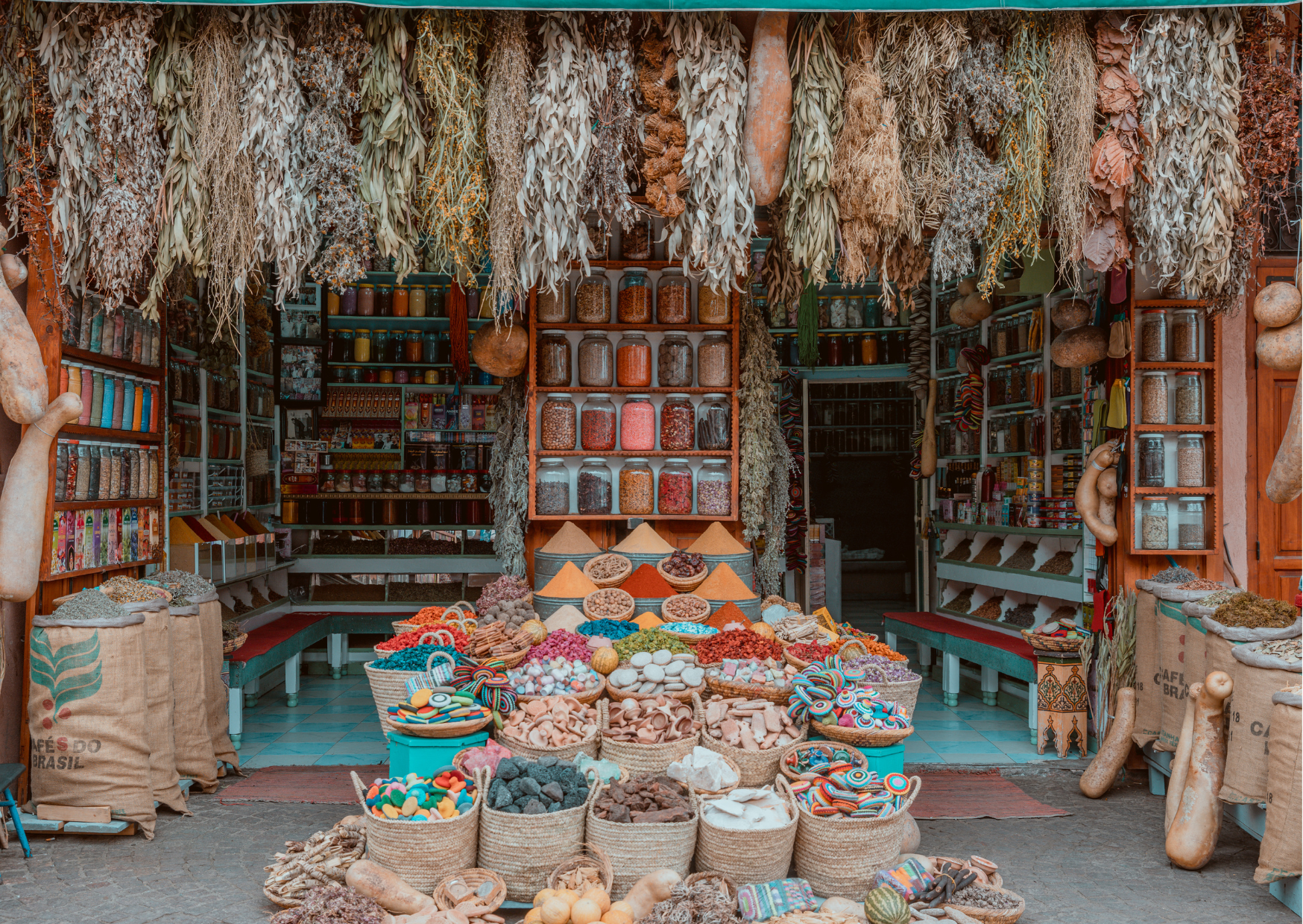
Here’s a tight 72-hour plan that works especially well from Spain. It is built to feel substantial without making you hate your own itinerary.
Option A: Tangier + Chefchaouen (best “fast Morocco” loop)
Day 1: Arrive Tangier, settle, and do the city properly
- Ferry into Tangier Ville, drop your bag, and walk.
- Do the medina slowly, then aim for a long café stop. Tangier rewards sitting.
- Sunset viewpoint near the Kasbah area, then dinner.
Budget guide for Day 1:
- Ferry ticket varies, but plan around the typical Tarifa to Tangier range
- Local taxis and small spending: modest unless you overuse rides
Day 2: Day trip to Chefchaouen
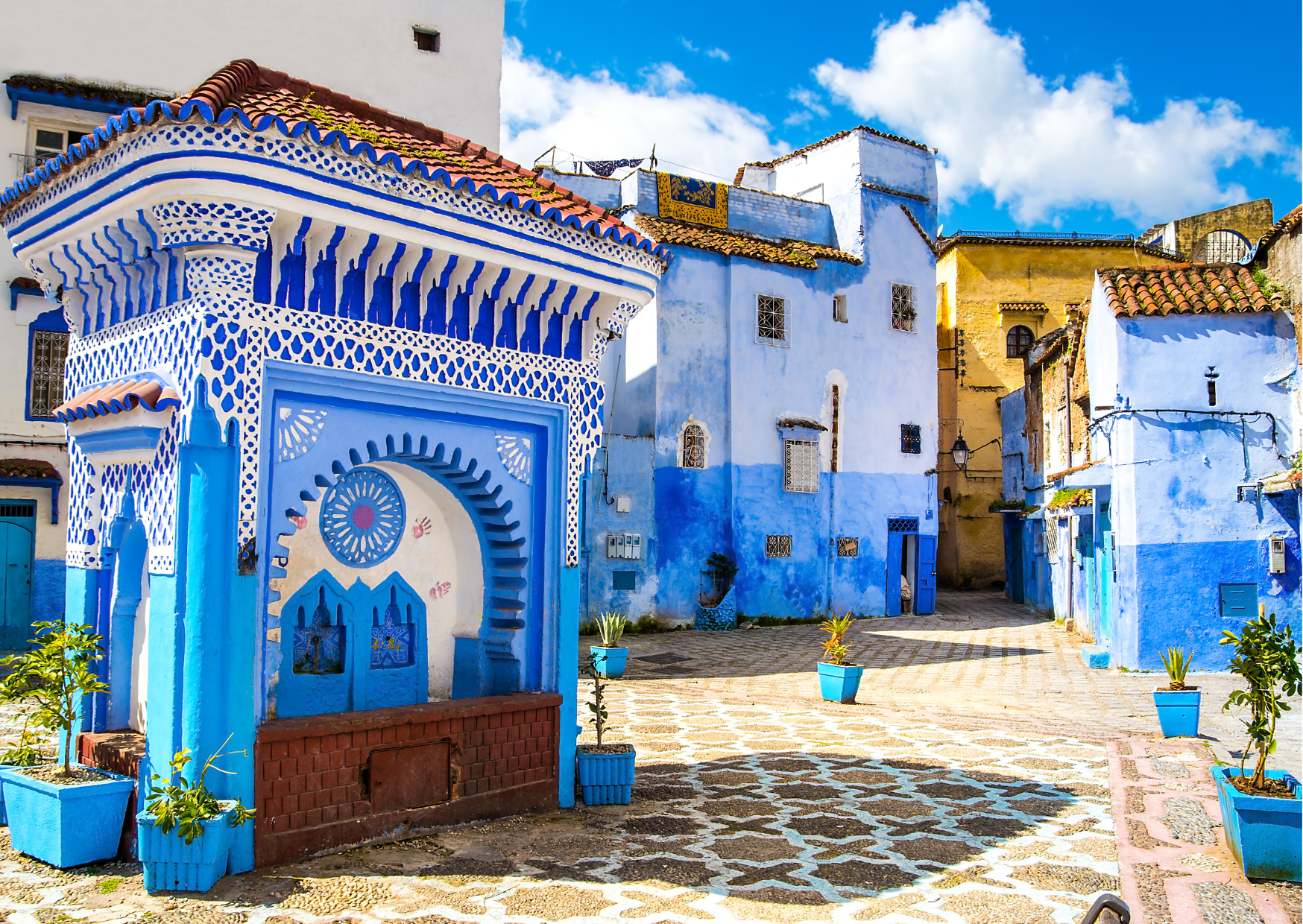
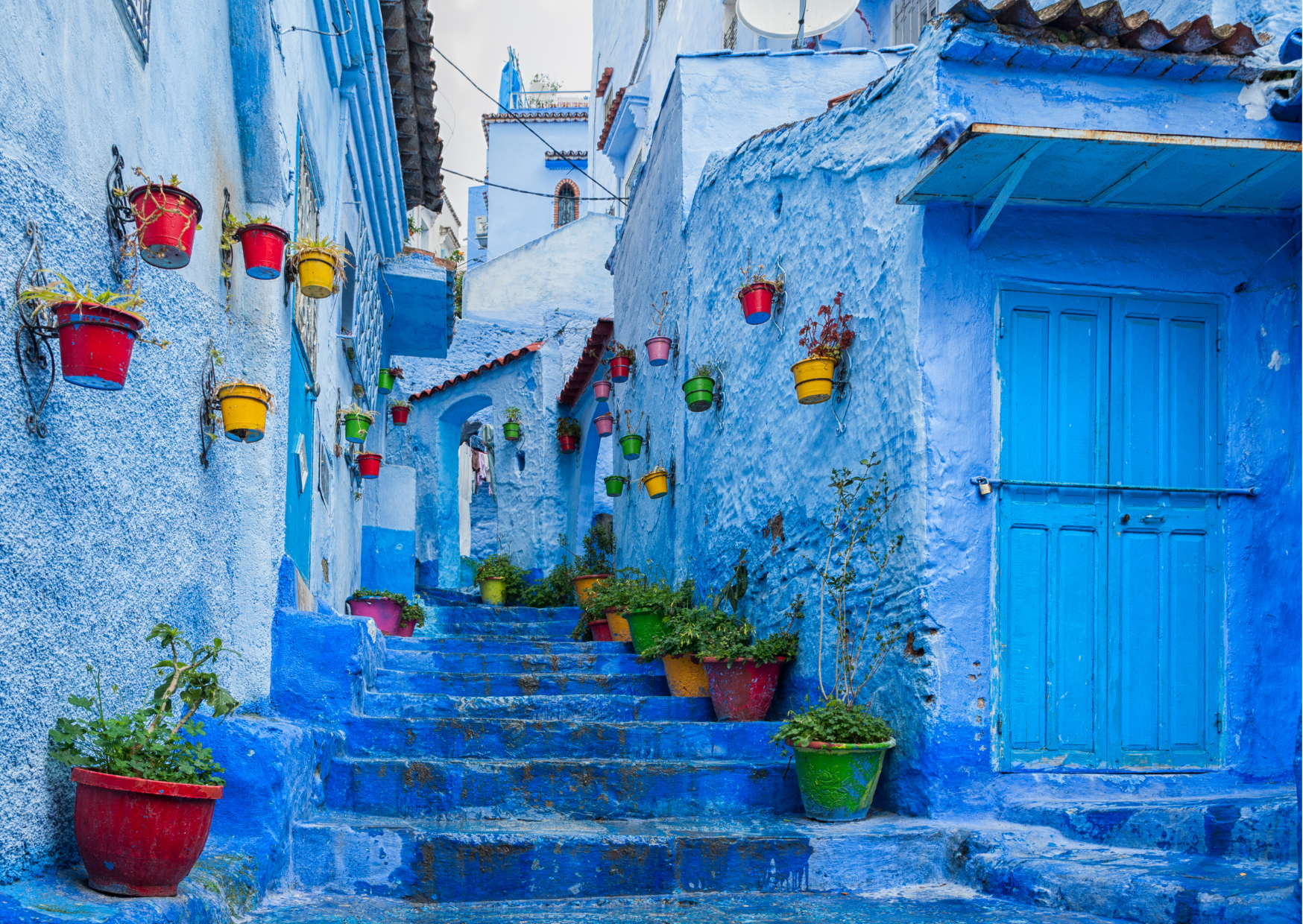
This is the day that makes the trip feel “worth it.” Chefchaouen is photogenic, yes, but it is also a totally different pace.
- Leave early, go by bus or hired transport depending on your tolerance for logistics. CTM bus is the standard choice for many travelers.
- Spend the day walking, eating, and doing nothing urgent.
- Return to Tangier for dinner.
Chefchaouen costs: meals and cafés are not expensive, the real cost is transport and your impulse shopping.
Day 3: Slow morning, one last walk, and return
- Breakfast, one final loop through the markets, buy the small things you actually use.
- Leave mid-day and go home before you turn it into a stressful departure.
This plan works because it keeps travel contained and gives you a real “two places, two moods” experience without trying to cover the whole country.
Option B: Marrakech for winter sun energy (best if you want warmth and intensity)
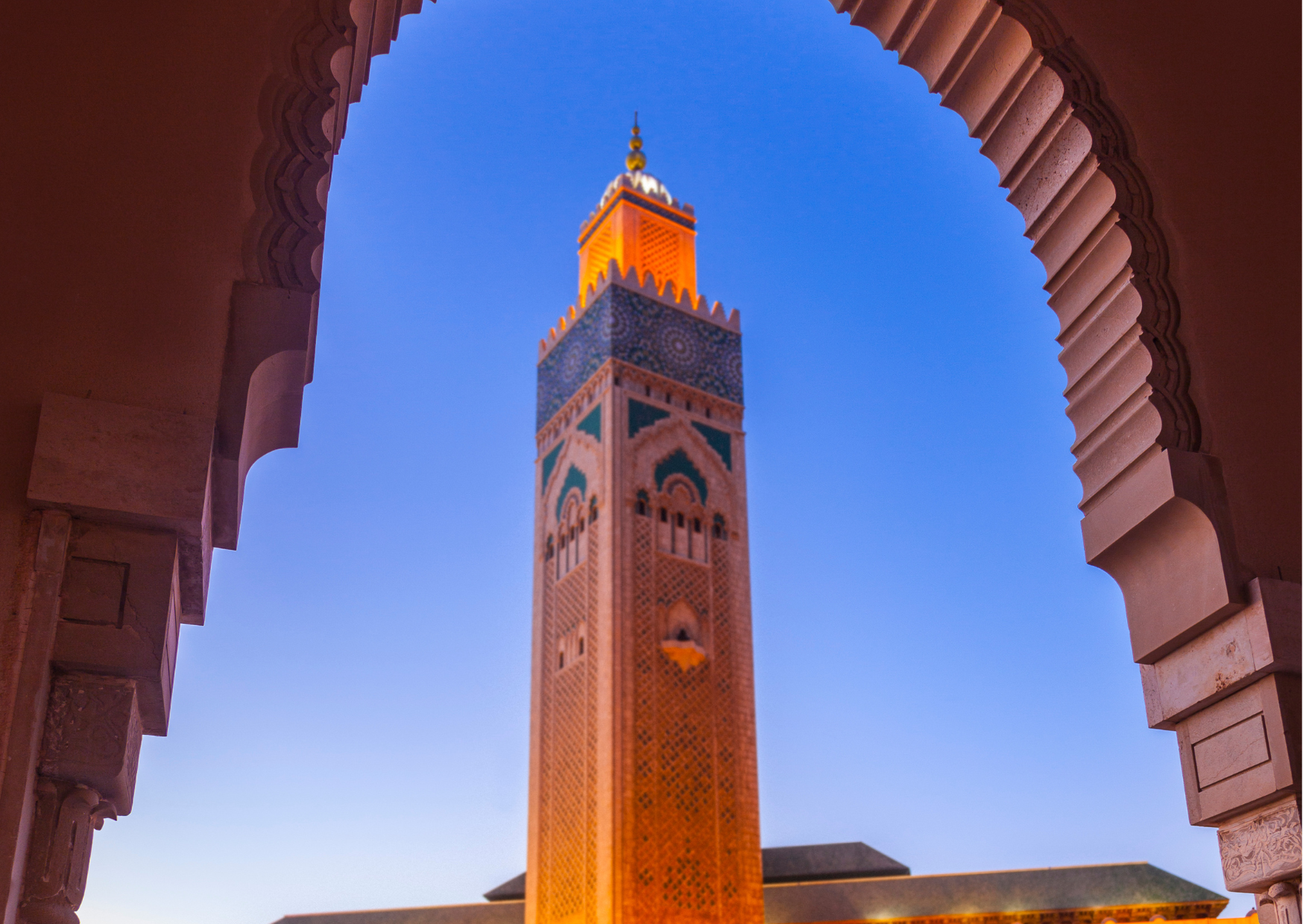
If your goal is “sun on my face at lunch,” Marrakech is the better base. The 72-hour version is:
- Day 1: Medina, souks, and the main square at dusk
- Day 2: One day trip (Atlas foothills or a nearby valley), back for dinner
- Day 3: Gueliz for a calmer morning, then depart
Do not stack day trips. Pick one. Marrakech is already a lot.
The February mistakes that make Morocco feel colder, pricier, and more stressful than it needs to be
Most bad Morocco February trips are not caused by Morocco. They are caused by planning habits.
Here are the frequent mistakes, with quick fixes.
- Booking a beautiful riad that is charming in photos and miserable at night because there is no heater worth the name. Fix: check for real heating, and bring sleep layers anyway.
- Packing like you are going to a hot country and then buying emergency clothing on day two. Fix: bring one warm layer and one wind layer. February is not your minimalist fashion moment.
- Treating every taxi like a fixed-price private car and getting annoyed when it is not. Fix: decide your taxi strategy before you arrive, and use walking for anything under 20 minutes.
- Trying to “do the desert” on a short February trip. Fix: save it for when you have a longer window. A short trip needs a tight loop, not a heroic itinerary.
- Letting small scams and hustles ruin the whole mood. You will get offers. You will get pressured. You do not need to fight, you just need to be boring. Polite no, keep moving, do not negotiate with people who are selling you drama.
Also, do not ignore the simple February truth: stone, tile, and older buildings can feel cold even when the day is sunny. That is not a Morocco problem, it is physics.
The next 7 days: how to book February Morocco without overpaying or overthinking
If you want to do this properly, you do not need months of planning. You need one focused week of decisions.
Day 1: Pick your Morocco goal
- Warmth and rest: Agadir
- Atmosphere and speed: Tangier
- Winter sun plus city intensity: Marrakech
Day 2: Choose your transport
- If you are in Spain, decide if you are ferry-first or flight-first.
- If you are elsewhere in Europe, focus on the easiest arrival city, not the most romantic one.
Day 3: Book accommodation with February comfort in mind
- Look for heating, hot water consistency, and location that reduces taxi dependence.
- Your best savings move is often book midweek, not “book cheaper.”
Day 4: Build one loop, not five
- Two major anchors per day is enough.
- Add one day trip max for a 3–4 day trip.
Day 5: Set your money system
- Plan on cash for small spend and tips.
- Bring a €100–€200 cash buffer so you are not solving everything at once on arrival.
Day 6: Pack like a person who has been cold before
- One warm layer, one wind layer, comfortable walking shoes.
- A small umbrella if you are going north.
Day 7: Decide what you are not doing
This is the step people skip. You need to actively cut things. It is what makes the trip feel good.
If you do these steps, Morocco stays what it is supposed to be in February: simple, fast, and restorative.
The decision, in numbers, not vibes
If February in Europe is draining you, Morocco is one of the cleanest “change the season without changing your life” moves available.
But you do have to decide what you want:
- If you want to test whether you even like Morocco, make it a €400–€650 experiment for a long weekend, pick one base, and go.
- If you want warmth specifically, stop pretending Tangier is a beach destination and choose the coast or Marrakech.
- If you want the easiest possible version from Spain, take the ferry, stay two nights, and keep it simple.
Morocco in February works when you treat it like what it is: close, intense, and surprisingly easy to repeat. If you like it, you will come back. If you do not, you still have a short trip and a return ticket, not a six-month fantasy that collapsed.

About the Author: Ruben, co-founder of Gamintraveler.com since 2014, is a seasoned traveler from Spain who has explored over 100 countries since 2009. Known for his extensive travel adventures across South America, Europe, the US, Australia, New Zealand, Asia, and Africa, Ruben combines his passion for adventurous yet sustainable living with his love for cycling, highlighted by his remarkable 5-month bicycle journey from Spain to Norway. He currently resides in Spain, where he continues sharing his travel experiences with his partner, Rachel, and their son, Han.