
It started with a boring moment in our kitchen in Spain.
I was standing there at 22:40, not hungry, not even craving something specific, just… prowling. Opening the fridge, closing it, opening the pantry, negotiating with myself like a tired lawyer.
That’s when it clicked: my reflux wasn’t only about what I ate. It was about the fact that I kept eating. Tiny things, all day, especially late.
So I ran a 45-day experiment based on a French pattern that’s almost aggressively unsexy: structured meals, no grazing, and no “little snacks” pretending to be harmless.
By the end, two things happened that I didn’t expect to happen together:
- I was off Prilosec (omeprazole), with my clinician guiding the taper.
- I’d lost 11 pounds (about 5 kg) without tracking calories.
The bigger change, honestly, was silence. The constant low-grade food noise dropped.
What “French rules” meant in real life, not in a magazine
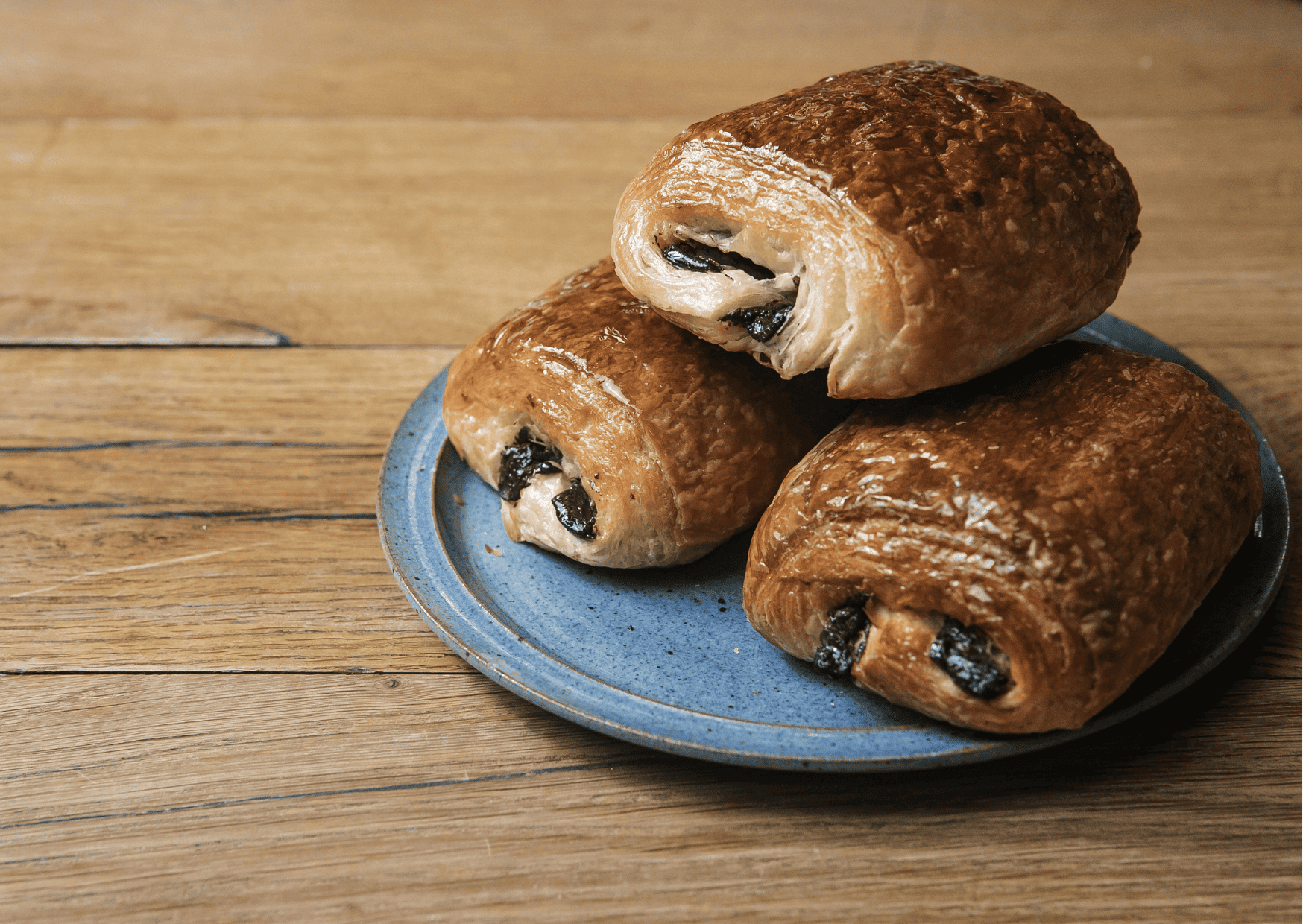
When Americans say “the French don’t snack,” it often gets treated like a personality trait.
In reality, it’s structure. France has a documented cultural pattern of three synchronized meals, and studies have described snacking between meals as relatively scarce compared with more “flattened” eating patterns elsewhere.
I wasn’t trying to cosplay as French. I was trying to stop feeding my reflux, my cravings, and my insomnia with the same habit.
My rules were simple enough to follow on a messy weekday:
- 3 meals. Breakfast, lunch, dinner. No extra eating windows.
- If I wanted something sweet, it had to be with a meal, not alone in the afternoon.
- Coffee was allowed, but it couldn’t drag snacks with it like a side quest.
- The kitchen closed after dinner. Not “mostly.” Closed.
Meal times in our house:
- Breakfast: 08:30 to 09:30
- Lunch: 14:00
- Dinner: 20:30, with the last bite by 21:00 most nights
Lunch being late is normal in Spain. That helped. The French model often has lunch earlier, but the point is the same: a real midday meal that keeps the afternoon stable.
The French piece I borrowed wasn’t the clock. It was the boundary. If eating is always an option, snacking becomes your default way to regulate stress.
And then reflux becomes your roommate.
The 45-day plan that didn’t require willpower
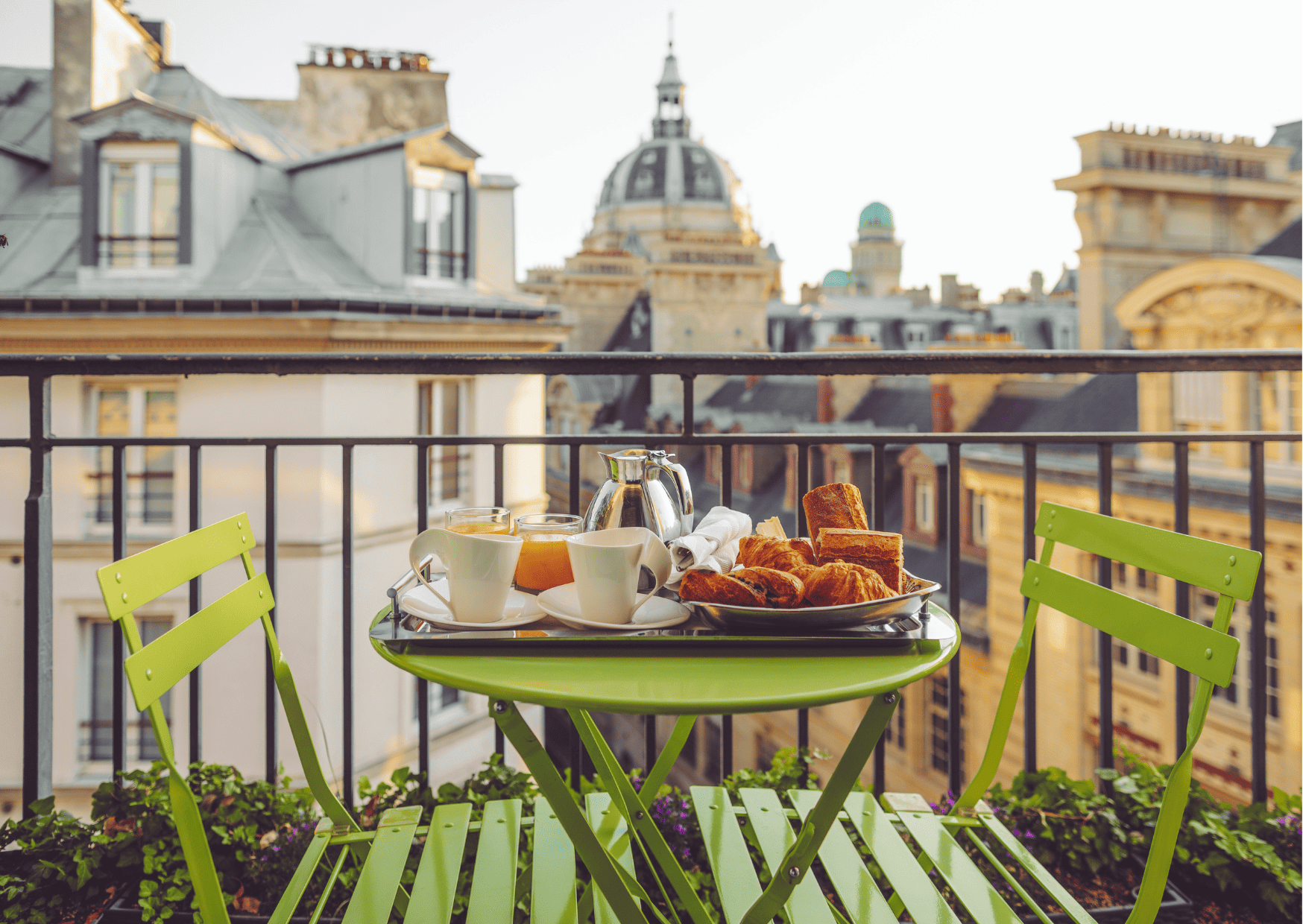
I didn’t start by banning foods. That always turns into a fight.
I started by shrinking the number of times I ate.
That matters for reflux because lifestyle guidance for GERD routinely includes things like avoiding meals close to bedtime and weight loss if needed, and not because doctors hate joy. It’s because late and frequent eating keeps acid and pressure in play.
So the plan looked like this:
Days 1 to 7: Build the rails
- Eat the same three times daily.
- No food after dinner.
- Lunch had to be substantial, so dinner didn’t turn into a hunger event.
Days 8 to 21: Lock the pattern
- Same meal schedule even on weekends, just shifted slightly.
- One sweet thing allowed, but only at lunch.
- If I wanted a snack, I had to convert it into a meal component. Fruit became breakfast fruit. Yogurt became dessert after lunch.
Days 22 to 45: Reduce reflux triggers by timing, not fear
- Dinner stayed light, and not late.
- I kept caffeine earlier.
- I kept the “after dinner” hours food-free, even when I wanted the comfort ritual.
A normal weekday menu looked like:
- Breakfast: yogurt + fruit + nuts, or eggs + toast with tomato and olive oil
- Lunch: lentils, rice with vegetables, fish and potatoes, or tortilla plus salad
- Dinner: soup and eggs, salad with tuna, or leftovers in a smaller portion
Nothing extreme. No dramatic “clean eating.” Just a rhythm.
And the rhythm was the whole trick.
The first 14 days: the cravings weren’t hunger, they were habit
The first week felt easy during the day and weird at night.
Because the hardest snacking window wasn’t 16:00. It was 22:00.
That’s when the brain wants a little reward for surviving the day. It’s also when reflux loves to show up, because you’re closer to lying down, and your stomach doesn’t get a clean “stop” signal.
The cravings came in predictable waves:
- Day 3: the “this is stupid, I deserve something” feeling
- Day 6: the “I’m not even hungry, I’m just restless” feeling
- Day 10: the “one bite won’t matter” bargaining phase
Here’s what surprised me: once I stopped snacking at night, I started waking up actually hungry in the morning.
Not ravenous. Just normal hungry. The kind of hunger that makes breakfast food taste like food, not a chore.
By the end of week two:
- nighttime reflux episodes were down sharply
- my sleep was less broken
- the late-night kitchen prowling dropped from daily to occasional
And my weight moved without drama. Not a huge drop, but enough to notice: about 4 pounds by day 14.
That matters because weight loss is one of the more strongly recommended lifestyle changes for GERD symptom improvement in guidelines.
I wasn’t trying to lose weight. I was trying to stop eating in ways that guaranteed reflux.
The weight loss showed up as a side effect of fewer eating windows, fewer late calories, and less sugar-as-comfort.
The reflux piece: how I got off Prilosec without white-knuckling

This is the part people get wrong because they treat PPIs like a light switch.
Long-term PPI use can be appropriate for certain conditions, and it can also be overused. Major gastro groups have published guidance on reviewing the ongoing need and considering deprescribing when the indication is no longer there, using a structured approach.
The reason stopping can feel awful is rebound acid hypersecretion. There’s evidence and reviews describing a rebound increase in acid production after discontinuation, especially after longer use.
So I didn’t do the internet macho thing of quitting overnight to prove a point.
My clinician had me taper.
My pattern looked like this:
- Weeks 1 to 2: keep my usual dose stable while the eating pattern settled
- Week 3: step down the dose
- Week 4: every other day
- Week 5 and 6: stop, with a short “bridge” plan if symptoms flared
What was the bridge? Not another PPI. Just basic symptom tools, used sparingly, like:
- alginate-based antacid after a trigger meal
- a simple antacid if needed
- earlier dinner and no late food, non-negotiable
The big win wasn’t a magical supplement. It was that the eating pattern made the taper tolerable.
If you eat late and you snack, stopping a PPI can feel like a punishment. If you stop feeding the reflux cycle, the taper has less to fight against.
Also, the “French rules” gave me a clean feedback loop. If I got symptoms, I could usually point to a cause:
- dinner too heavy
- dinner too late
- coffee too late
- a “just a few bites” snack that reopened the eating window
That clarity made the whole thing manageable.
The money side: Spain pharmacy reality versus the U.S.

This is where living in Spain changes how you think about medication.
In the U.S., Prilosec OTC is priced like a consumer product. In early 2026, a 14-count box was listed around $9.98 at a major retailer, and the brand’s own site lists MSRPs that can run higher depending on pack size.
In Spain, omeprazole is common and typically prescription-controlled. But the out-of-pocket price for generic packs can be low. Spanish online pharmacy listings in early 2026 showed 20 mg, 14 capsules around €3.50 to €3.80.
So yes, the same active ingredient can live in two very different economic realities:
- Spain: €3.59 for 14 capsules (out-of-pocket listing)
- U.S.: $9.98 for 14 OTC tablets (retail listing)
That difference matters, but it’s not the whole story. The bigger difference is behavior.
If you’re paying $20 to $30 a month for a product you take constantly, you normalize it. It becomes a subscription.
In Spain, because the pharmacy culture is different and the prices are lower, people can treat meds more like tools. Use when needed, stop when not needed, and talk about it openly with a clinician.
Also, Spanish pharmacies are used to practical symptom conversations. That doesn’t replace medical care. It does reduce the “I’ll just keep taking this forever because I don’t know what else to do” effect.
What I ate that helped, and what I stopped doing that mattered more
People always want the food list. Fine. Here’s the truth: the food mattered less than the timing.
But a few choices clearly helped reflux and cravings.
Things I leaned on:
- legumes 3x/week (lentils, chickpeas). They’re filling, steady, and they kill snack cravings.
- plain yogurt with short ingredients for breakfast or lunch dessert
- eggs for dinner when I wanted something comforting but not heavy
- fish a couple times a week, including cheap tins when life was busy
- bread, but not as an all-day snack. Bread stayed a meal thing.
Things I stopped doing:
- late-night “just a little something”
- sweet drinks entirely
- coffee after 17:00
- treating dinner as the emotional climax of the day
If you want one small trick: dinner got smaller, and lunch got real.
When lunch is real, dinner doesn’t need to rescue you. That’s the Mediterranean and French overlap that nobody sells properly.
And because this is about being useful, here’s the shopping list that kept the whole thing effortless.
Shopping list that made “no snacking” realistic
- Eggs
- Plain yogurt
- Lentils or chickpeas
- Soup ingredients (onion, carrots, stock base)
- Salad basics (greens, tomatoes)
- Tinned fish
- Fruit you actually like
- Nuts
- Bread you’ll eat with meals
Nothing fancy. Just food that prevents you from hitting 22:40 starving and annoyed.
The mistakes that make people quit by day 9
Most people fail this experiment because they try to do it with vibes instead of structure.
- They skip lunch, then act shocked when dinner explodes
If lunch is tiny, dinner becomes a hunger event, and snacking returns. Protect lunch as the anchor. - They replace snacks with “healthy snacks”
Snacking is still snacking. If you need food, make it part of a meal, not a fourth eating window. - They treat sugar like forbidden fruit
Then they binge. The French pattern is not sugar purity. It’s dessert with a meal, not floating around the day. - They keep eating after dinner because “it’s just fruit”
Fruit is still food. The whole benefit comes from a clean stop. If you keep reopening the window, the body never gets the memo. - They eat dinner too late and wonder why reflux persists
Avoiding meals close to bedtime is a common lifestyle recommendation for GERD.
This isn’t moral. It’s physics. - They try to fix reflux with supplements while keeping the same behavior
If the behavior is the trigger, the supplements are just expensive hope.
This only worked because I treated timing as the main lever and food quality as the support.
Try it for 7 days without making your life smaller

A lot of Americans hear “no snacking” and imagine misery.
The goal is not misery. The goal is fewer eating windows so your body can settle, and your reflux cycle can lose momentum.
Here’s the one-week test that mirrors what I did, without the drama.
Day 1: Set your three meal times
Write them down. Make dinner early enough that you can stop eating 2 to 3 hours before bed.
Day 2: Make lunch bigger than dinner
Not heavier, just bigger. Dinner becomes simpler automatically.
Day 3: Remove sweet drinks
This change alone usually quiets cravings fast.
Day 4: Dessert only with lunch
One portion. Make it good. No “little treats” all day.
Day 5: Close the kitchen after dinner
Water, tea, done.
Day 6: Build a boring evening ritual
The hardest part is not hunger. It’s the missing ritual. Replace it with something else: a walk, tea, shower, reading, anything that signals the day is over.
Day 7: Track two things
- reflux symptoms
- late-night cravings intensity
If those two shift, you’re on the right track. Weight will follow if the pattern sticks.
The decision at the end of this is simple, and slightly annoying
If you want reflux to calm down and weight to stop creeping, you don’t always need a new diet.
Sometimes you need fewer food negotiations.
The French rule set worked because it removed the constant grazing that kept my system irritated. It gave me a day with edges. And once the day had edges, tapering off Prilosec stopped feeling like a fight I had to win every night.
You can keep snacking and keep paying for the consequences, with meds or discomfort.
Or you can try 45 days of a structure that most Mediterranean and French households treat as normal: meals at set times, dessert contained, and the kitchen closed.
That’s the choice.
Not glamorous. Not trendy.
Just effective.

About the Author: Ruben, co-founder of Gamintraveler.com since 2014, is a seasoned traveler from Spain who has explored over 100 countries since 2009. Known for his extensive travel adventures across South America, Europe, the US, Australia, New Zealand, Asia, and Africa, Ruben combines his passion for adventurous yet sustainable living with his love for cycling, highlighted by his remarkable 5-month bicycle journey from Spain to Norway. He currently resides in Spain, where he continues sharing his travel experiences with his partner, Rachel, and their son, Han.