
If you grew up in the U.S., a lot of normal European life can look like poor time management. Then you live here for a while and realize it’s not laziness. It’s how the system stays breathable.
You can spot the American reflex fast: “Why are they sitting down to drink a coffee?” “Why is lunch taking an hour?” “Why is everyone walking like they have nowhere to be?” “Why is the cashier chatting?”
From Spain, it’s pretty obvious why. A lot of European daily habits are built to reduce friction, not maximize output. They trade a little speed for stability, social glue, and fewer “paid fixes” later.
Here are the 11 “wastes of time” Americans usually clock first, and what they’re actually doing.
- Sitting for a 10-minute café instead of grabbing coffee to-go
- Treating a mid-morning bite as normal, not “bad discipline”
- Taking a real lunch, often 60 to 90 minutes, without apologizing
- Linger-time after meals, the Spanish sobremesa thing
- Walking for errands instead of batching everything into one mega-trip
- Shopping in small quantities at multiple shops, on purpose
- Doing greetings properly, not drive-by hellos
- Talking with neighbors, shopkeepers, and coworkers in tiny bursts all day
- Waiting in lines without acting like it’s a personal insult
- Protecting rest, including quiet afternoons and earlier “winding down”
- Keeping evenings for people, not productivity theater
None of these are magic. They’re just daily choices that add up to a different nervous system.
The café pause is not a treat, it’s a timer
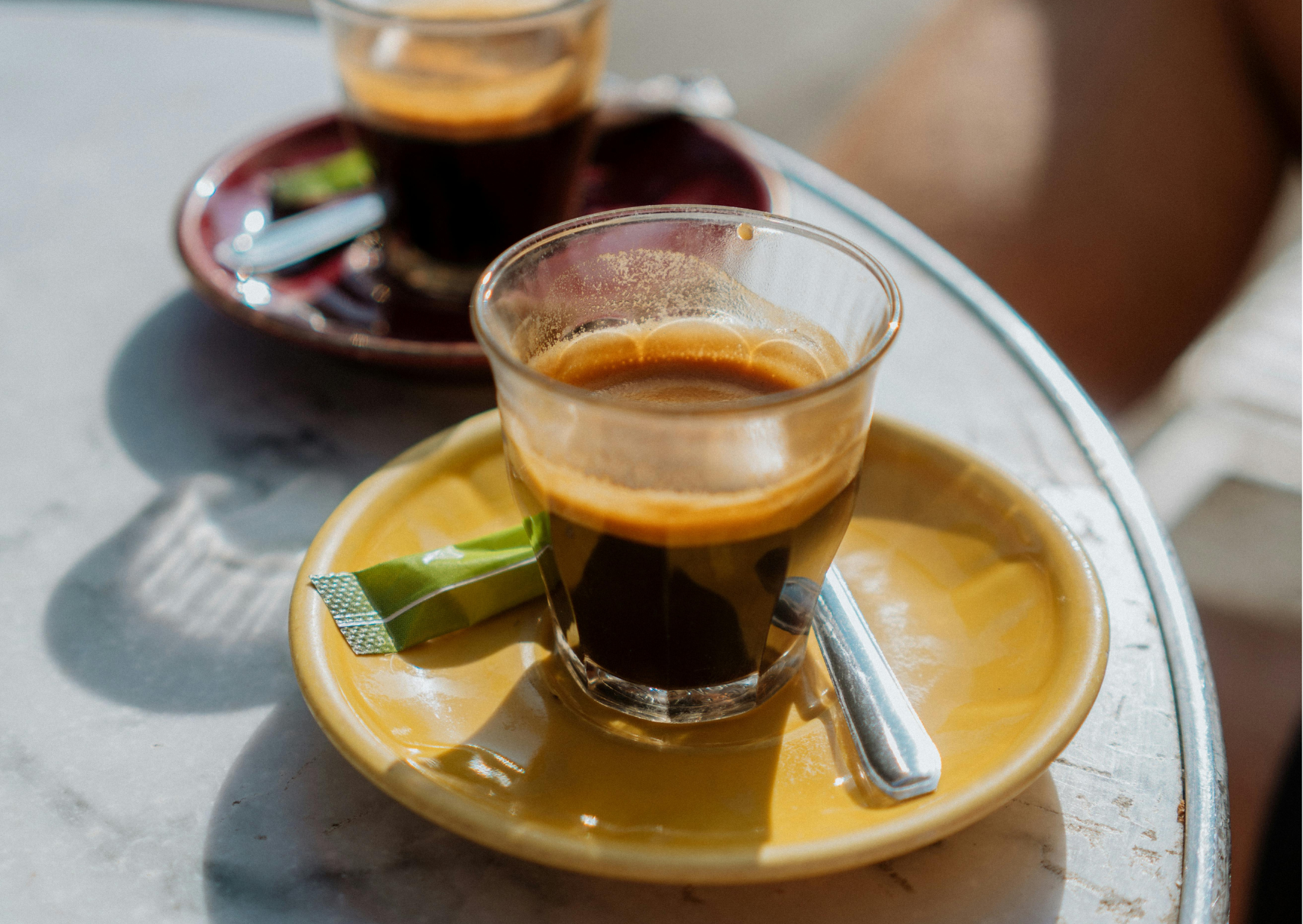
In Spain, you’ll see it everywhere: someone steps into a bar, orders a café con leche, sits down, drinks it slowly, and leaves. Ten minutes. Sometimes fifteen. Not two hours, not an all-day event.
To an American eye, it can look like procrastination.
But it’s closer to a reset button.
A sit-down coffee does three practical things:
- It marks a boundary between tasks, so the day doesn’t smear into one long work block.
- It turns “I need a break” into something social and public, which makes it easier to actually take.
- It keeps the snack spiral down, because a coffee becomes a moment, not a cue to graze all afternoon.
This is also why cafés here function like tiny community hubs. People use them the way Americans use a combination of office kitchen, therapist, and group chat. You show up, you’re seen, you exchange two sentences, you re-enter your life.
And yes, it slows you down. That’s the point.
If you want a concrete way to notice the difference: watch the ratio of “coffee plus phone doomscrolling” versus “coffee plus two minutes of actual conversation.” The European version tends to have more human contact baked into it.
Cost matters too. In many Spanish cities, a basic coffee still sits in the “small and normal” range. When the habit is affordable, it becomes daily infrastructure, not a luxury purchase.
A small trade-off: you lose a little speed. You gain day segmentation, which is a surprisingly powerful anti-burnout tool.
The long lunch is how the afternoon stays functional

Americans tend to treat lunch as a refueling stop. Eat fast, get back to work, prove you’re serious.
In Spain, lunch is often the opposite. It’s the meal that organizes the day.
Even if someone can’t take a long lunch every day, the cultural default still leans toward:
- a midday meal that’s real food
- time to eat it sitting down
- a slower return to the afternoon
This is one reason dinner can stay lighter. If lunch did its job, dinner doesn’t have to rescue you.
It also changes spending behavior. In the U.S., a lot of people “save time” at lunch, then spend money later fixing the hunger and mood crash: snacks, coffees, delivery, convenience food, random treats that add up.
In Spain, the long lunch prevents the late-afternoon collapse that drives that spending.
And then there’s sobremesa. If you’ve never experienced it, it feels like a glitch. The meal ends, the plates are cleared, and nobody moves. People talk. Someone orders coffee. Another person adds a small dessert. The table becomes a conversation zone.
Americans often interpret this as inefficiency.
Locally, it’s connection plus digestion plus a soft landing back into the day. It’s also a way to maintain relationships without scheduling “quality time” like a corporate initiative.
You don’t have to romanticize it. You just have to see what it prevents:
- constant rushing
- fragmented conversations
- friendships that only exist on calendars
- eating that feels like a task
The trade-off is obvious: you cannot pack your day wall-to-wall with meetings and still live like this. That’s why many Americans struggle at first. They want the European rhythm, but they keep the American calendar.
Walking is not exercise here, it’s transportation
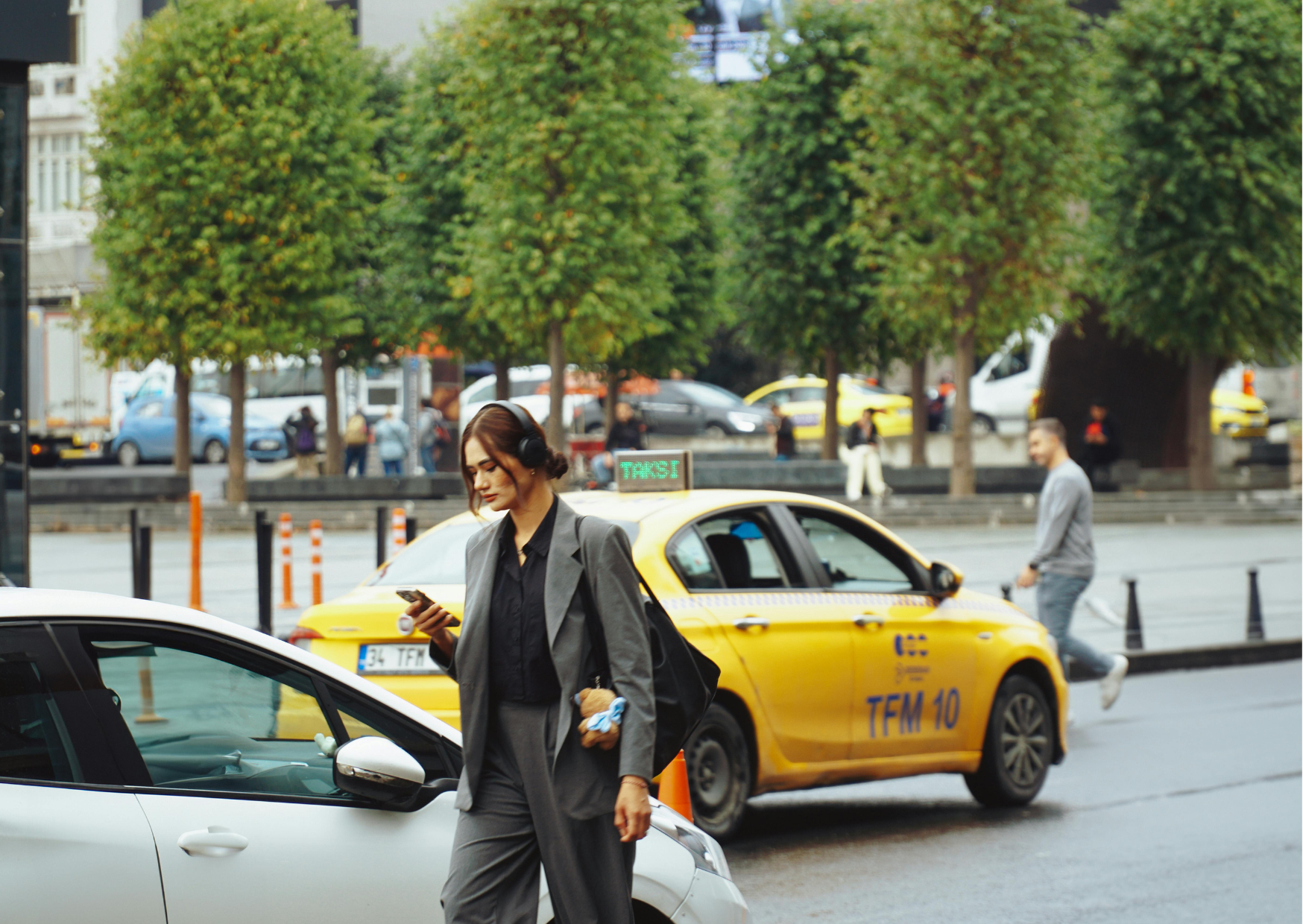
One of the biggest mental flips is realizing that walking isn’t “a workout.” It’s how life happens.
In many Spanish neighborhoods, you can run errands on foot:
- fruit shop
- bakery
- pharmacy
- supermarket
- hardware store
- a coffee stop that becomes a social stop
Americans often see this as wasted time because it’s slower than driving.
But walking builds something the U.S. system often lacks: a daily baseline of movement without motivation. You don’t need a gym membership to get steps. You don’t need a special outfit. You don’t need a “fitness plan.” You just live.
It also changes the grocery pattern.
Instead of one huge weekly stock-up, people do small top-ups. That looks inefficient until you realize it reduces waste and reduces panic buying. When a store is five minutes away, you don’t buy for your fantasy week. You buy for your actual next two days.
This is also where the “paseo” habit shows up. In the evening, especially in many Mediterranean places, people walk for no reason other than being outside. Families, older couples, teenagers, everyone moving slowly, talking, stopping, continuing.
To an American, it can look like aimless wandering.
In Spain, it’s public life maintenance. You see neighbors. You get air. Kids burn energy. Adults decompress without needing a paid activity. That’s the part Americans miss: a lot of European “wasting time” is simply replacing paid entertainment with low-cost social routines.
Small shopping trips are not a failure, they’re a system choice
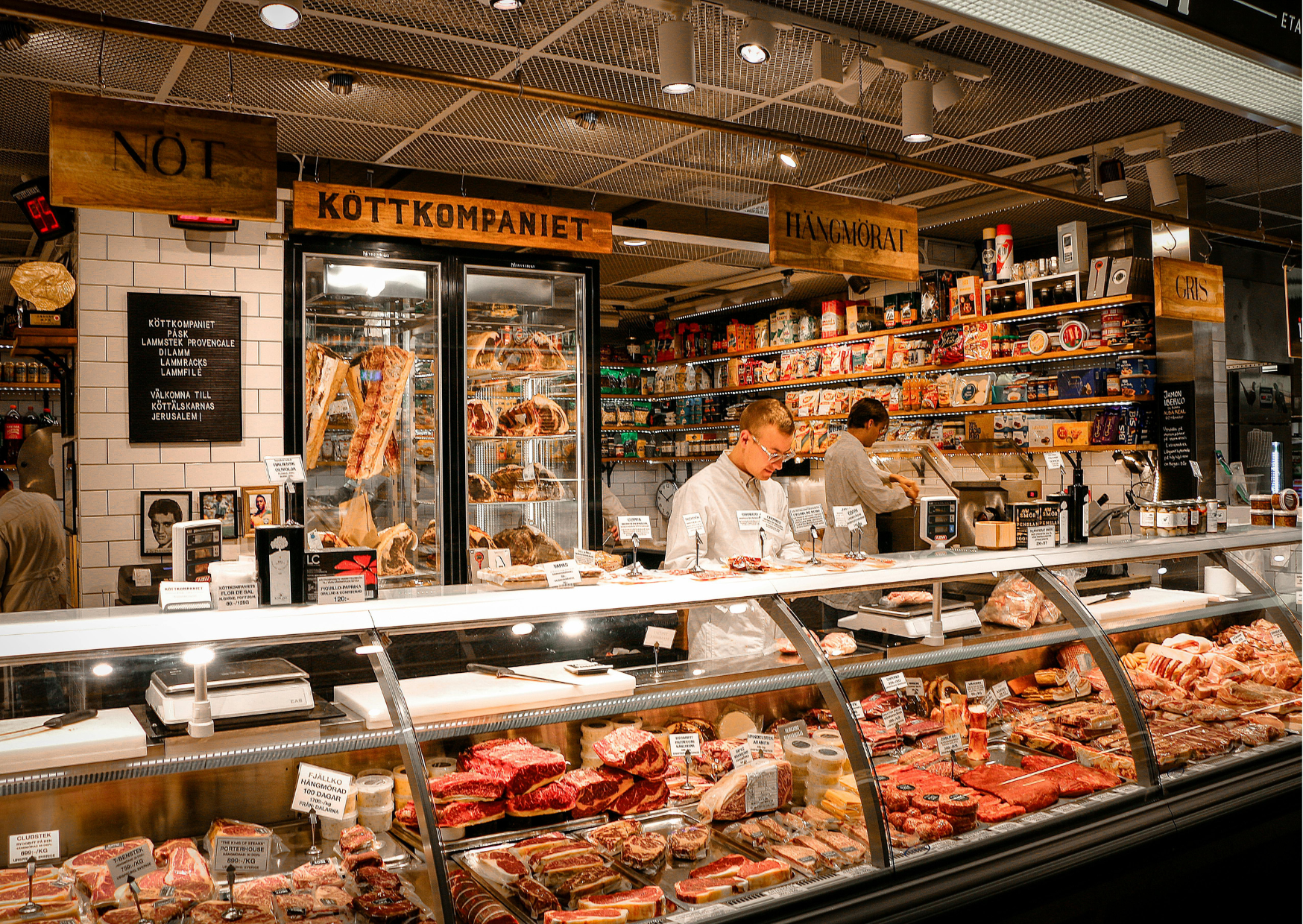
In the U.S., the efficient ideal is one big trip, one big cart, one big trunk load. Batch everything. Save time.
In Spain, the default leans smaller. Not because people are incapable of planning. Because the environment supports it.
Smaller trips do a few things:
- Food stays fresher, especially produce.
- The fridge doesn’t turn into a forgotten science project.
- You spend less on “just in case” purchases.
- You keep cooking more flexible, because you can adapt based on what looks good that day.
It also means people use specialized shops more often: frutería, panadería, carnicería, pescadería. Not always. Not everyone. But it’s normal.
Americans often label that as wasted time because it’s multiple stops.
In practice, those stops are quick, and they create a different kind of consumer experience. You ask for what you need. You get advice. You don’t have to navigate fifteen versions of the same product.
This is also where the “chatting with staff” piece fits in. In a neighborhood shop, a two-minute conversation is part of the transaction. It builds familiarity. It builds trust. It also makes it easier to solve small problems, like “which fish is best today” or “is this fruit sweet yet.”
A small trade-off: you lose the illusion of maximum efficiency. You gain food quality with less overbuying, and you build relationships that make daily life easier.
Greeting properly looks like wasted time until you need the social fabric

This one hits Americans hard.
In Spain, there’s often a full greeting ritual:
- say hello when you enter
- acknowledge people
- short small talk
- say goodbye when you leave
In many workplaces and social settings, you don’t just vanish. You close the interaction.
Americans can interpret that as pointless padding.
But it’s doing something quietly important: it keeps relationships warm without requiring deep effort. It lowers social tension. It reduces the “cold start” that happens when people only speak when they need something.
Also, the relationship between “polite greeting” and “getting help” is real. If you routinely greet people, you become familiar. When you have a problem, someone is more likely to help you solve it quickly.
This is why the “wasted time” label is misleading. It’s not time thrown away. It’s time invested in a system that pays out later.
A concrete example: the difference between walking into a pharmacy and barking a request, versus walking in, saying hola, waiting your turn, asking a question, and leaving with advice you actually trust.
The American efficiency model can be very productive. It can also be socially expensive. You save time in the moment, then spend it later dealing with isolation, stress, and constant self-reliance.
Europe tends to pay a tiny social tax daily so it doesn’t pay a huge loneliness bill later.
Waiting is built into the design, so people don’t fight it

This is one of the hardest adjustments for Americans: waiting without drama.
In Spain, you’ll wait for:
- your number at the deli counter
- a table, even if the place looks half empty because staffing and pacing matter
- a bureaucratic appointment
- a plumber who arrives when he arrives
Americans often interpret this as incompetence.
Sometimes it is, sure. But often it’s just a different relationship with time. People assume things take time, so they build “buffer” into the day, and emotionally they don’t treat every delay like a personal attack.
The practical trick is simple: you bring a little patience, and you bring a Plan B.
If you have to go to an office, you don’t schedule five other tasks right after like it’s a U.S. errand sprint. You treat it as its own block.
This is where Europeans look relaxed and Americans look furious. The relaxed person planned for the delay. The furious person planned as if the world exists to honor their calendar.
This isn’t moral. It’s just mismatched expectations.
A useful mindset shift: stop treating waiting as stolen time. Treat it as default time. You read. You message someone. You people-watch. You talk. You breathe.
If you try to run European systems with an American “every minute optimized” approach, you will be angry constantly. The system will not change to fit your expectations.
Rest is scheduled like a task, not earned like a reward

This is where Americans get confused, especially when they see older Europeans.
Rest here is not always a luxury. It’s closer to maintenance.
That can look like:
- a quieter mid-afternoon
- less late-night productivity culture
- evenings that belong to family, not errands
- slower weekends that actually reset you
In Spain, you’ll also notice that many people wind down early even if dinner is later. There’s a difference between “late dinner” and “late chaos.” People can eat at 21:00 and still treat the rest of the evening like calm time.
This is the part Americans often miss: the day has a rhythm. There are peaks and valleys. The valleys are not shameful.
If you grew up in a culture where rest is something you “deserve” only after you finish everything, you may find the European approach irritating at first.
But the body loves it.
A lot of Americans live in a constant background sprint. Even the leisure is active. Even the fun is scheduled. Even the weekend is tasks.
Here, there’s more permission for low-intensity time. Sitting. Talking. Wandering. Doing nothing in public without feeling like a failure.
And yes, this can be taken too far. You can absolutely waste your life anywhere. But the general cultural permission for rest is a major reason many people feel better in Europe even before any dramatic lifestyle changes.
Timing beats willpower, and the European day bakes that into the schedule.
The real “waste” is what these habits prevent
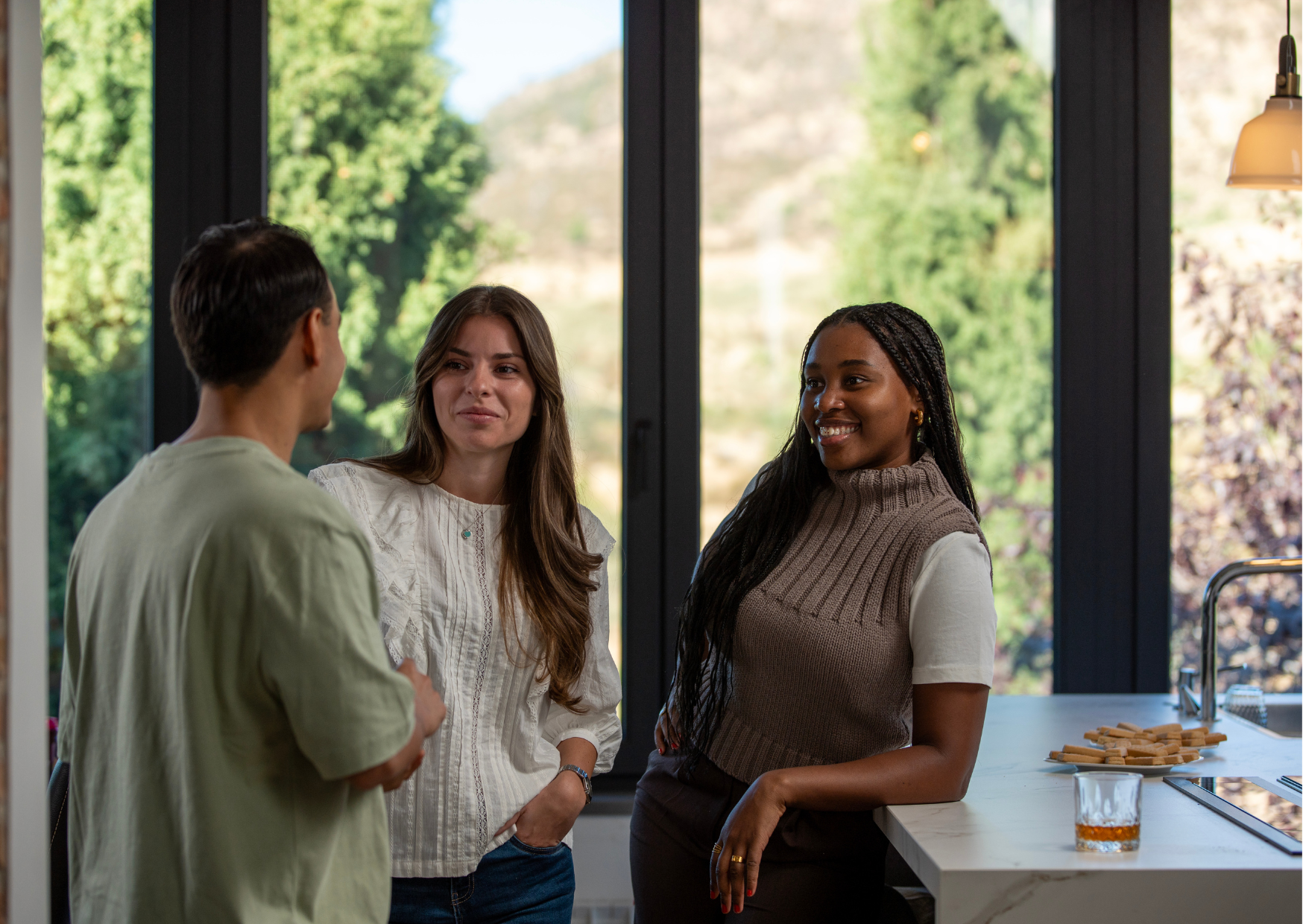
If you want to understand why these 11 habits matter, don’t look at the minutes. Look at what they replace.
They replace:
- paid entertainment with public life
- gym motivation with built-in walking
- snack chaos with real meals
- loneliness with micro-connections
- burnout with daily decompression
- constant decision-making with routines
Americans often assume the European way is “slower.”
It is. But it’s not empty slow. It’s slow with structure.
And that structure creates a strange advantage: daily life requires fewer expensive interventions.
In the U.S., a lot of people spend money to fix problems caused by the pace:
- stress eating
- convenience spending
- medical issues from chronic burnout
- therapy, which is valuable, but often compensating for lack of community
- expensive vacations just to feel normal again
In much of Europe, people try to keep normal life livable, so the “escape” doesn’t have to be as dramatic.
This is also why Americans can misread Europeans as unambitious. The ambition is often redirected. Less “I’m grinding” energy, more “I’m building a life I can repeat for 20 years.”
A 7-day experiment that shows you what’s real
If you want to test this without moving countries or reinventing your personality, do a small, structured week. No costumes. No fake accent. Just habits.
Day 1: Sit down for one coffee
Not in your car. Not at your desk. Sit for 10 minutes and do nothing productive.
Day 2: Eat lunch like it matters
One proper lunch, at a table. Phone away for the first 10 minutes.
Day 3: Add a post-meal linger
After dinner, stay at the table for 15 minutes and talk, even if it’s just two people.
Day 4: Do one errand on foot
Pick one errand you usually drive for. Walk it. Notice what changes in your mood.
Day 5: Buy food twice, smaller
Two smaller grocery trips instead of one big one. Less waste, less panic buying.
Day 6: Greet people properly
Say hello when you enter, goodbye when you leave. You’ll feel silly, then you’ll feel human.
Day 7: Protect one slow evening
No errands, no productivity. A walk, a bath, a book, a conversation. Something low-cost and calm.
If you do this for a week, you’ll learn something useful: which parts feel like relief, and which parts make you anxious because you’re addicted to speed.
That’s your answer. Not a philosophy. Not a debate.
Just evidence from your own nervous system.

About the Author: Ruben, co-founder of Gamintraveler.com since 2014, is a seasoned traveler from Spain who has explored over 100 countries since 2009. Known for his extensive travel adventures across South America, Europe, the US, Australia, New Zealand, Asia, and Africa, Ruben combines his passion for adventurous yet sustainable living with his love for cycling, highlighted by his remarkable 5-month bicycle journey from Spain to Norway. He currently resides in Spain, where he continues sharing his travel experiences with his partner, Rachel, and their son, Han.