
Copper jam basins are not decorative antiques. French confituriers still use them because copper conducts heat evenly and accelerates fruit pectin setting, shortening cooking time. As of January 2026, research confirms that this fast gelation means less free water, higher sugar concentration, and jams that resist mold. Stainless steel can make jam, but the batch cooks longer, tastes flatter, and often spoils faster. Here is the culture, the chemistry, and a recipe that proves the point.
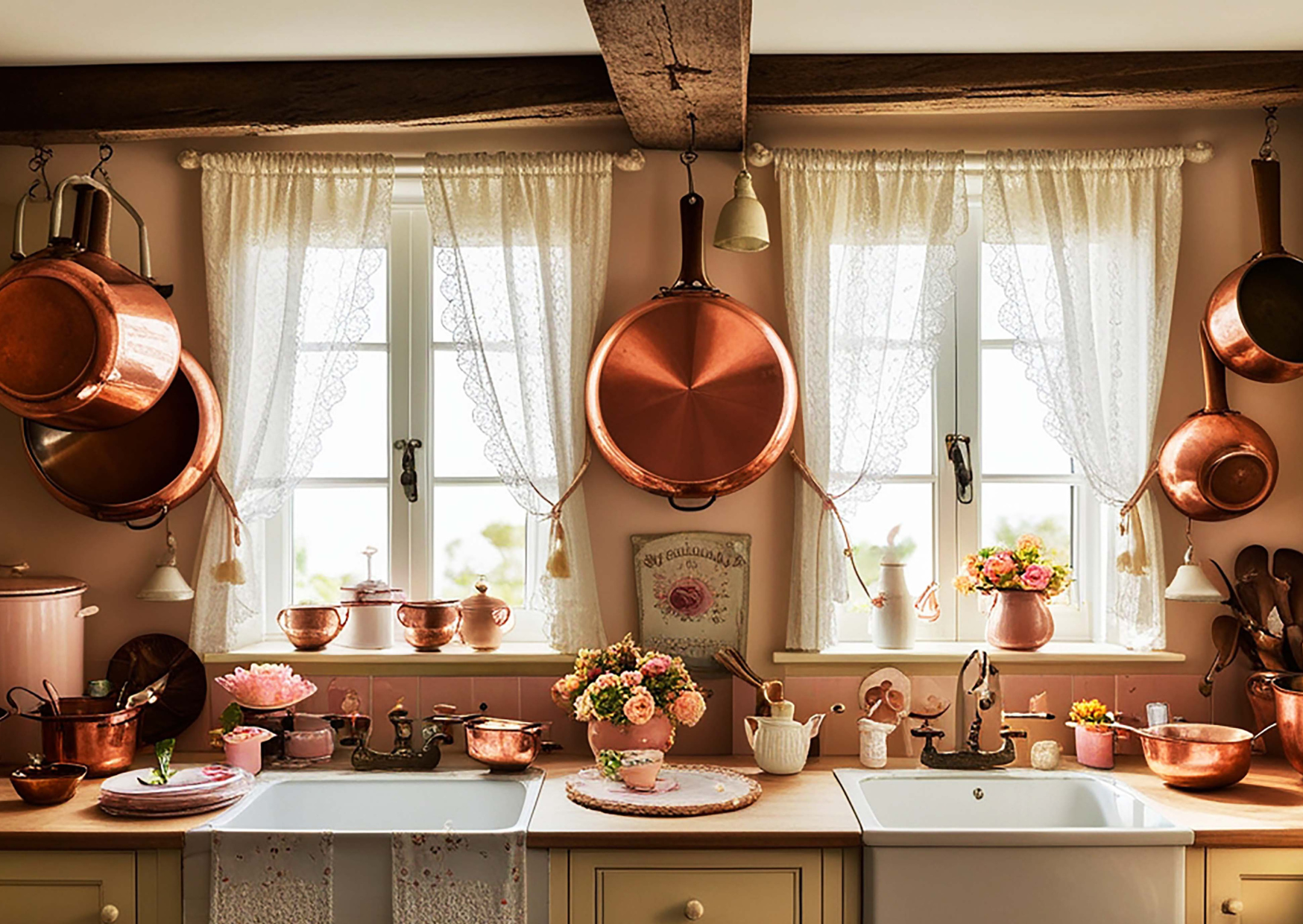
It is early summer in Provence. The market stalls sag with strawberries, apricots, cherries. Inside kitchens, something else glows: copper jam basins, wide and shallow, catching sunlight as fruit and sugar bubble inside.
For generations, French jam makers have sworn by copper. Not as decoration, not as nostalgia, but as a tool that works better. The pan is shallow to encourage evaporation. The copper wall is thin to spread heat evenly. And the fruit sets more quickly, holding brighter flavor and color.
Americans reach for stainless steel stockpots. They work, but slowly. Long boils mute fruit and leave more water in the jar, making mold more likely. Copper changes the equation.
The French Jam Tradition
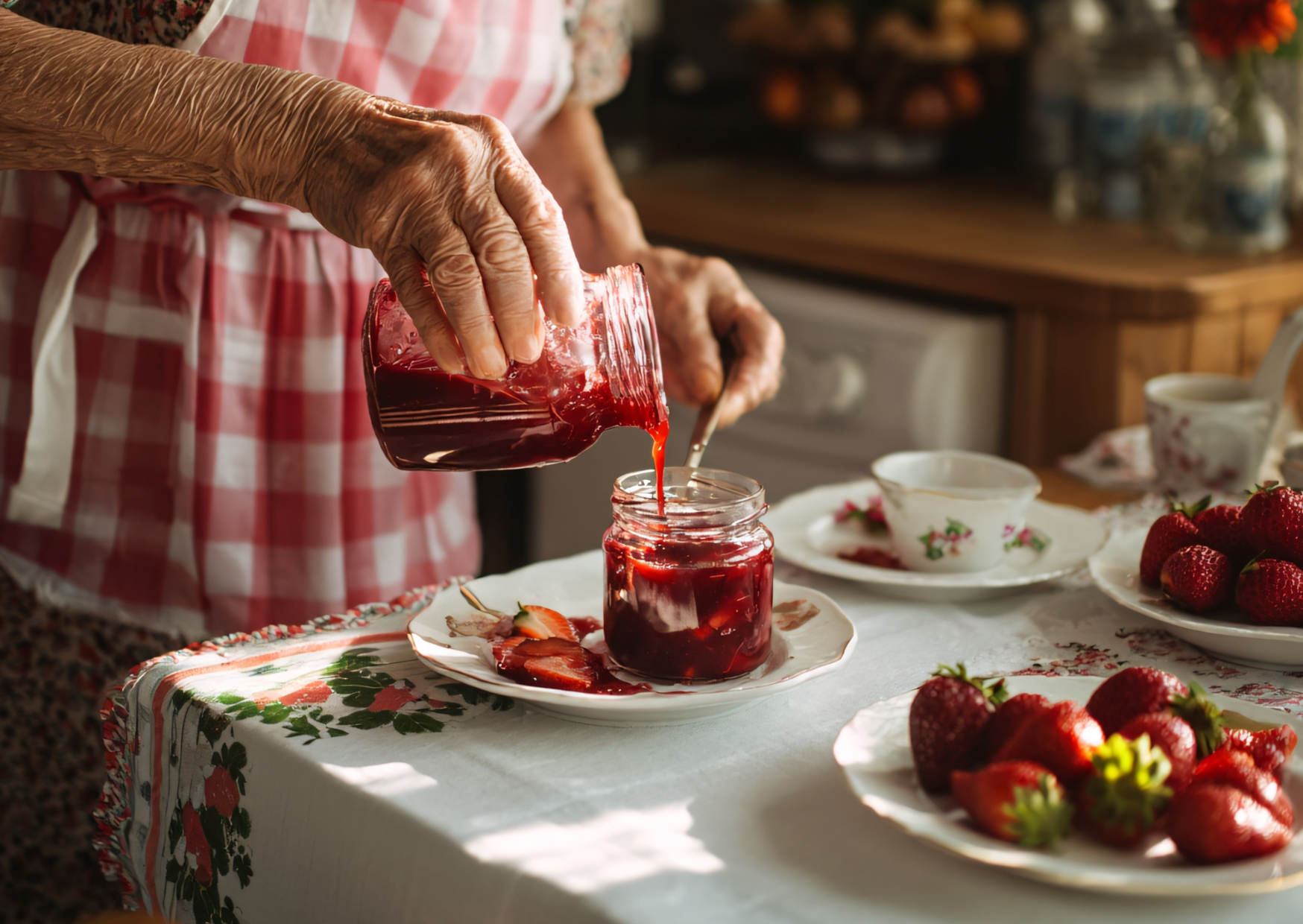
Jam-making in France is not hobbyist craft. It is cultural practice. Rural families preserve fruit harvests; urban confituriers turn summer into shelf-stable spreads. Recipes are handed down not in grams but in gestures: “fruit and sugar, half-half, a copper basin, and patience.”
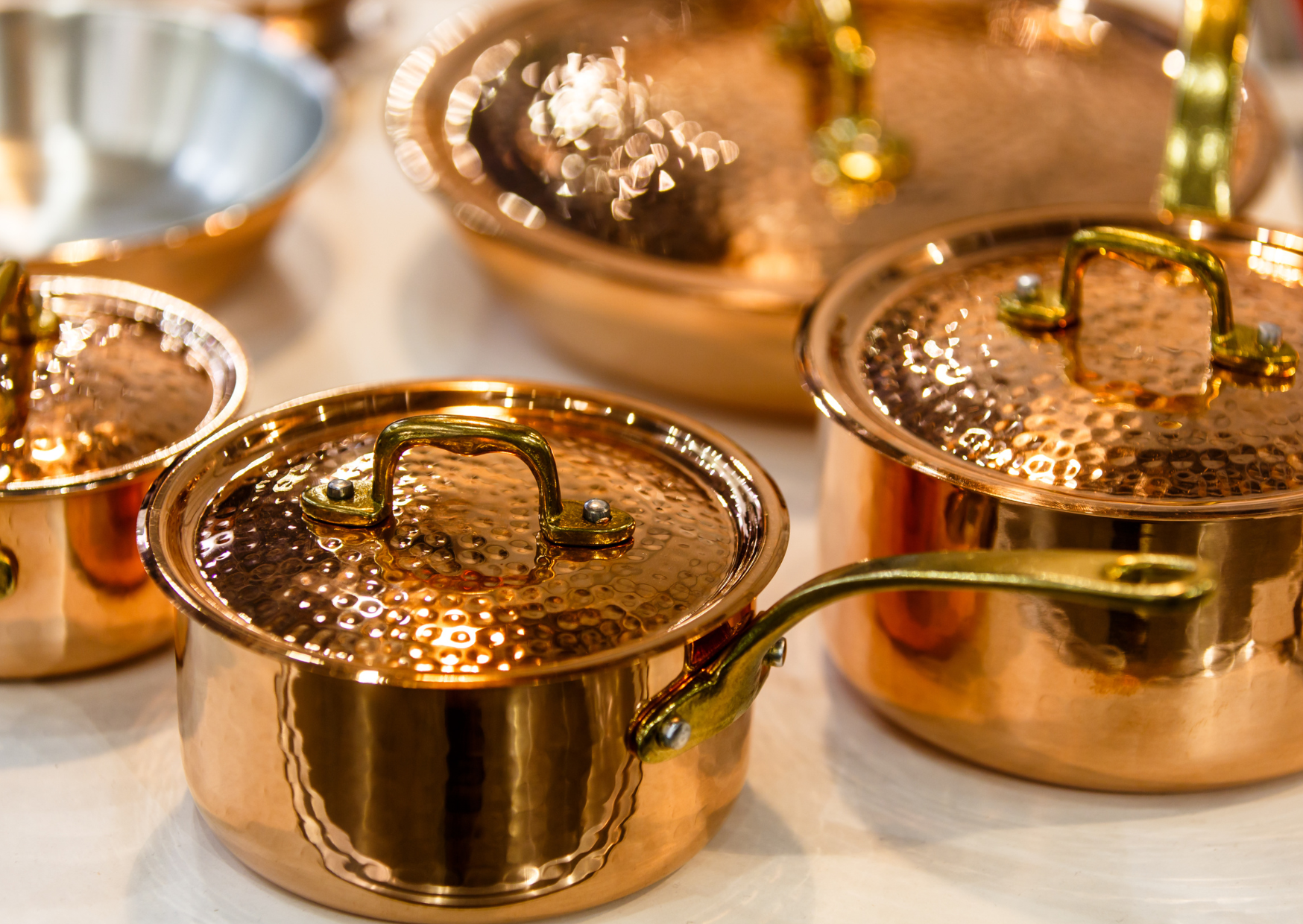
The bassine à confiture is central. It is wide, shallow, unlined copper with two brass handles. Professional kitchens and home cooks alike keep one. In French cookware shops, entire walls glow with hammered copper jam pans in July.
The reason is practical: copper makes better jam, faster. That truth is so entrenched that many French jam recipes simply assume copper, never naming the pot.
The Science: Why Copper Matters
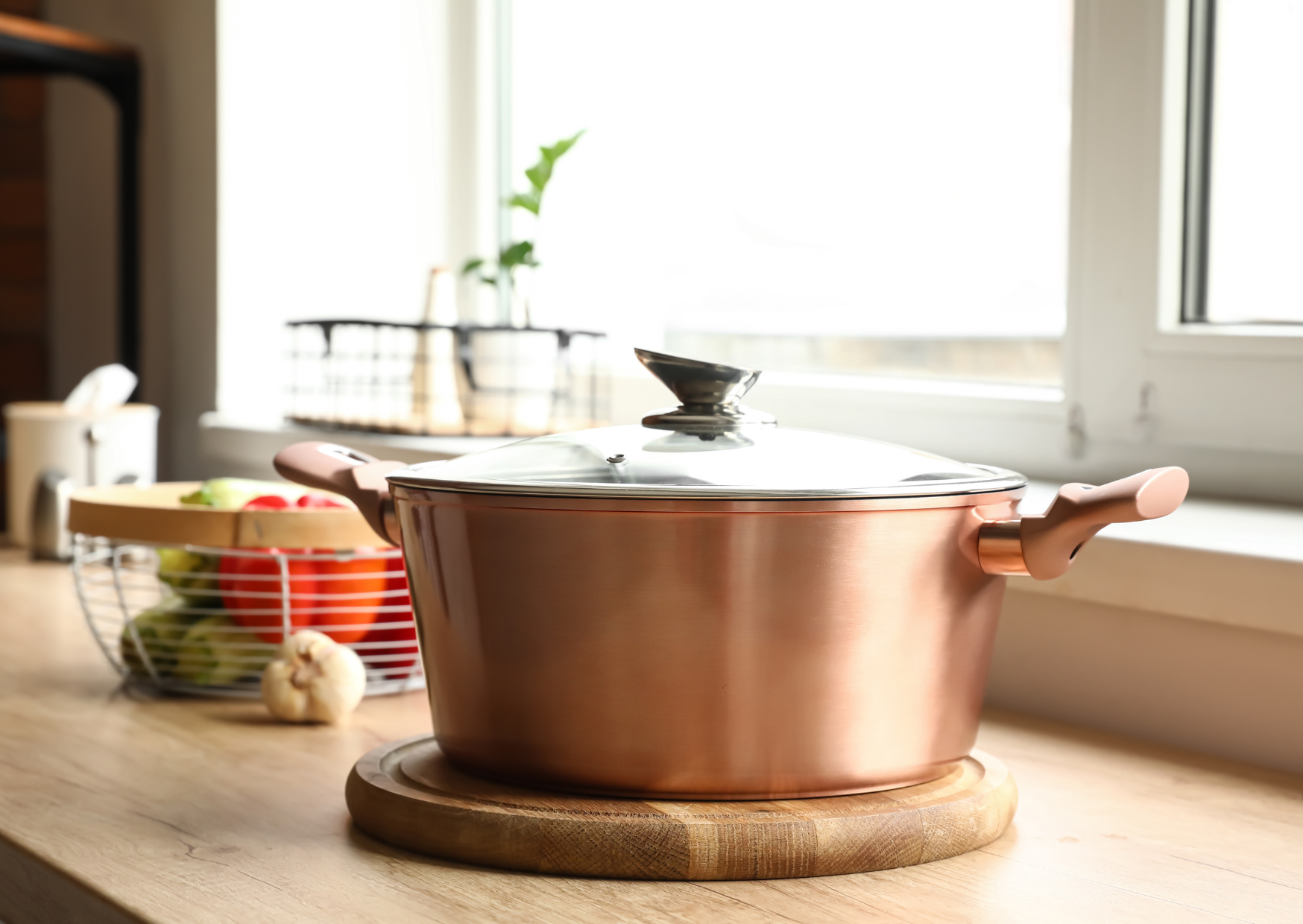
Copper conducts heat far more efficiently than stainless steel or enamel. That means:
- Even distribution. Fruit cooks uniformly, no scorching hotspots.
- Faster evaporation. Shallow copper pans spread liquid thin, copper pulls it off quickly.
- Pectin activation. Copper ions interact with fruit acids and pectin, stabilizing gel networks.
Food scientists note that copper shortens cooking time by 25–30 percent, which preserves fruit aroma and color. Less time on the boil means strawberries stay red instead of brown and apricots keep their tart snap.
Why this prevents mold:
- Faster gelation leaves less free water. Mold thrives on water activity.
- Shorter cooking means sugar concentration rises to the protective level without breaking down flavor.
- A firmer gel creates a physical barrier to microbial growth.
Bold takeaway: Copper is not just pretty. It is a functional antimicrobial partner in jam.
What Stainless Steel Gets Wrong
Stainless is durable and safe, but in jam it brings drawbacks:
- Slower heating. Longer cooking dulls fruit.
- Uneven evaporation. Tall pots trap steam, leaving more water in finished jars.
- Lower set reliability. Without copper’s ionic boost, low-pectin fruits struggle to gel unless you add commercial pectin.
The result: jams that may taste fine at first but risk looser texture and higher spoilage. Mold on a jar lid after two months is often about residual water activity, not about your canning seal. Copper minimizes that risk.
The Practical Playbook: Making Jam Like the French
If you want to capture the French result, follow these rules whether or not you own copper:
Rule 1: Go wide and shallow.
Surface area speeds evaporation. Use a basin, not a tall pot.
Rule 2: Cook hot and fast.
A rapid boil for 10–15 minutes sets pectin and preserves color.
Rule 3: Pair sugar to fruit 1:1 by weight.
Traditional French jam is equal parts. Sugar concentration is the preservative.
Rule 4: Add lemon.
Acid helps pectin set and brightens flavor.
Rule 5: Test set early.
Spoon a drop on a cold plate; if it wrinkles when pushed, it is ready.
Recipe: French Strawberry Jam in Copper
Yield: about 6 half-pint jars
Total time: ~40 minutes
Ingredients
- 1 kg strawberries, hulled
- 1 kg granulated sugar
- Juice of 1 lemon
Method
- Toss strawberries with sugar and lemon. Let sit 30 minutes to draw juice.
- Pour into wide copper jam basin.
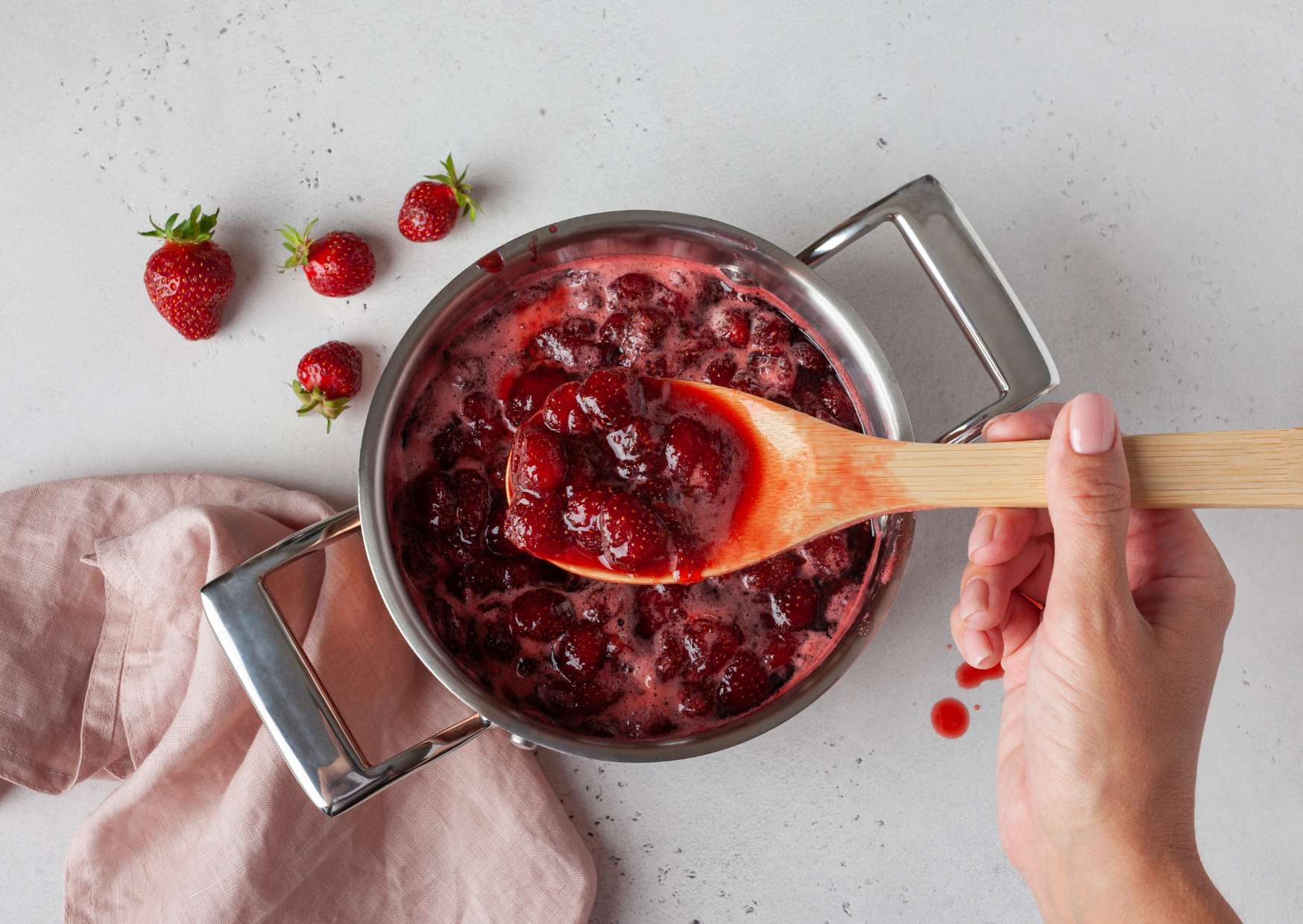
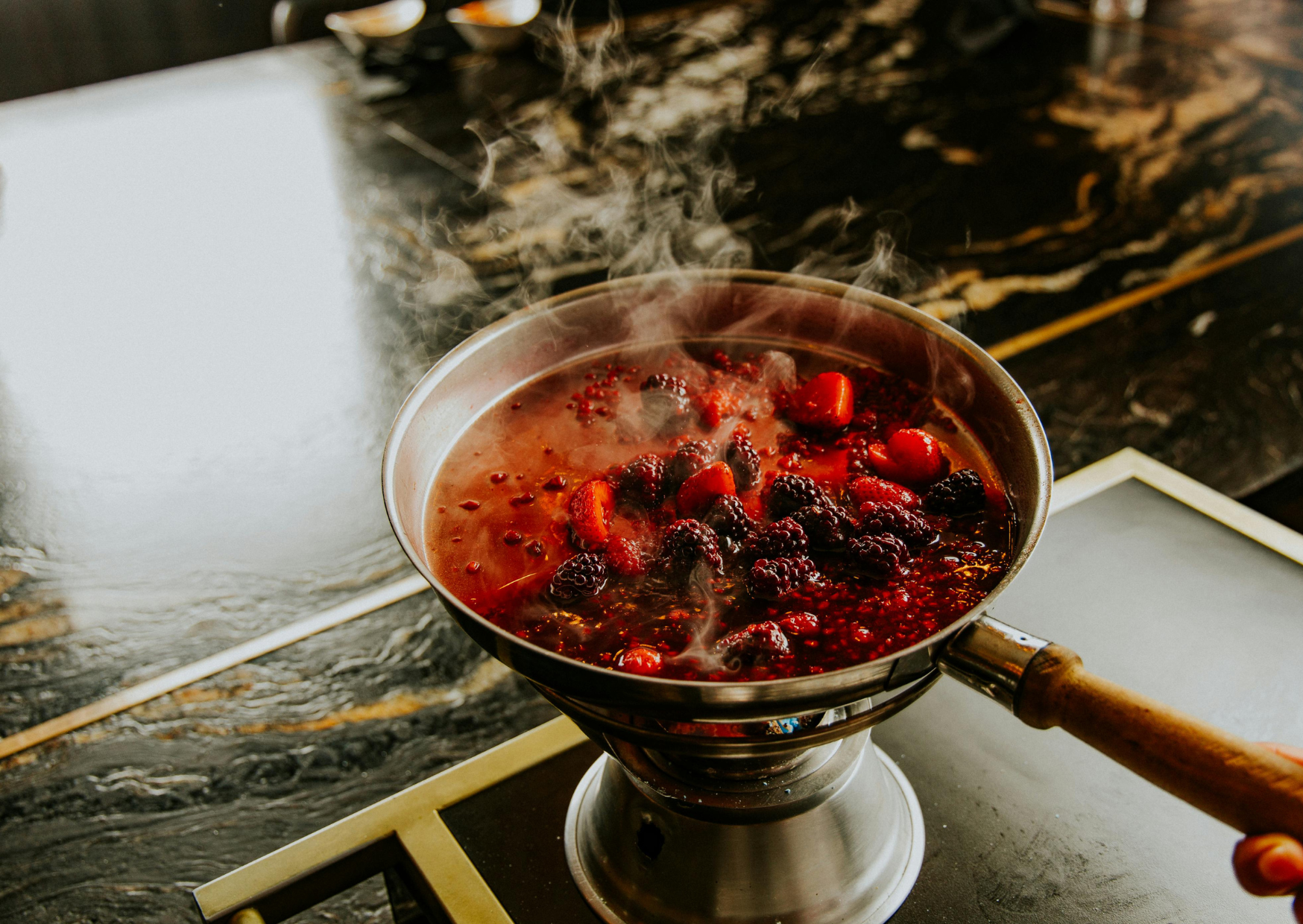
- Bring to a rolling boil, skimming foam. Cook 10–15 minutes, stirring.
- Test set on a chilled plate. When surface wrinkles, it’s done.
- Ladle into sterilized jars, seal.
Why copper works here: Heat spreads evenly, evaporation is quick, pectin sets fast, and strawberries keep bright flavor.
Adaptation: Stainless Steel With Hacks
No copper? You can still get close.
- Use the widest pot you own — a sauté pan is better than a stockpot.
- Boil a bit longer, but push heat high to offset slower conduction.
- Add a spoon of powdered pectin for insurance if fruit is low-pectin.
- Use a candy thermometer; finish around 104–105°C for proper gel.
You’ll get reliable jam, but expect slightly softer set and less vivid flavor compared with copper.
Troubleshooting Jams
Jam too runny: Cooked too short or pot too tall. Return to boil with lemon juice.
Jam too firm: Overcooked. Warm gently with a splash of water to loosen.
Mold on top: Jar not sealed, or jam too wet. Copper helps prevent this by reducing free water, but sugar ratio and sealing matter too.
Fruit flavor dull: Overcooked in a slow-heating pot. Aim for fast, hard boils.
When the Usual Rules Don’t Apply
- Induction stoves: Copper without a steel base won’t heat. Use stainless but apply wide, shallow shape and extra heat.
- Commercial pectin jams: If you use boxed pectin, stainless is fine. Copper shines in pectin-free, traditional jams.
- Copper safety: Cooking fruit and sugar in unlined copper is safe because the sugar syrup coats the metal. Never store acidic foods long-term in raw copper.
What This Means For You
That glowing copper basin in French kitchens is not nostalgia. It is a functional tool that shortens cooking, preserves fruit flavor, and reduces mold risk by setting jams fast and firm.
You don’t need a €250 pot to learn the lesson. Go wide, boil hard, and treat sugar and lemon as partners. If you ever do buy copper, you’ll taste the difference: jam that holds color, flavor, and months of shelf life.
The secret is not just fruit and sugar. It is the metal under the boil.
Origin and History
The tradition of making jam in copper pots is deeply rooted in rural kitchens across France. Long before refrigeration, jam was a preservation method essential for surviving winter months, and copper cookware became a trusted tool for doing it well. Families relied on what worked consistently, and copper proved itself over generations.
Copper pots, often called bassines à confiture, became standard not because they were decorative, but because they solved real problems. They allowed fruit to cook quickly and evenly, reducing spoilage while preserving color and flavor. Over time, these pots became heirlooms passed down alongside recipes.
As sugar became more widely available in the 18th and 19th centuries, jam-making spread beyond necessity into tradition. Copper remained central, not out of nostalgia, but because it produced superior results when precision mattered.
While modern cookware evolved elsewhere, many French households never abandoned copper for jam. The method endured because it worked, not because it resisted change.
One controversial reality is that copper isn’t just tradition—it’s chemistry. Copper conducts heat far more efficiently than steel, allowing jam to reach setting temperature faster. This reduces prolonged cooking that can break down fruit and create conditions favorable to mold later.
Another misunderstood point is safety. Many assume copper is dangerous, but traditional jam pots are unlined and safe because sugar and fruit acidity limit copper absorption during short cooking times. This nuance is often lost in modern cookware debates.
Steel pots, while convenient, heat unevenly and slowly. This can cause scorching in some areas and undercooking in others, leading to inconsistent sugar concentration. That inconsistency is one reason homemade jam sometimes molds prematurely.
The controversy isn’t that steel is “bad,” but that it’s treated as equivalent when it isn’t. For jam-making, precision matters more than durability or ease of maintenance, and copper simply performs differently.
How Long It Takes to Prepare
Jam made in a copper pot often cooks faster than jam made in steel. Because copper responds instantly to heat changes, fruit reaches a rolling boil quickly, shortening total cooking time.
Traditional French jams may cook in as little as 15 to 25 minutes once boiling begins. This speed helps preserve fresh flavor and color while achieving proper gel formation.
Steel pots typically require longer cooking to reach the same consistency. That extended time increases evaporation unpredictably and can dull flavor while stressing the fruit.
Ironically, copper doesn’t complicate the process it simplifies it. Less time on the stove often means fewer mistakes and more consistent results.
Serving Suggestions
French-style jam is typically served simply, where quality is meant to stand on its own. Spread thinly on bread, brioche, or yogurt, it’s not meant to overwhelm but to enhance.
Because copper-cooked jam retains brighter fruit notes, it pairs especially well with neutral bases like buttered toast or plain pastries. The balance feels intentional rather than sugary.
Jam made this way is also commonly used in baking, where consistent texture matters. Tarts, filled cakes, and pastries benefit from jam that sets cleanly without excess moisture.
Properly prepared and stored, copper-pot jam often keeps longer once opened, reinforcing its reputation as both flavorful and reliable.
Final Thoughts
The French use copper pots for jam because they solve problems most people don’t realize exist until something goes wrong. Mold, dull flavor, and inconsistent texture aren’t mysteries—they’re often the result of heat control.
This isn’t about romanticizing old tools or dismissing modern ones. It’s about understanding that certain foods demand precision, and copper delivers that precision naturally.
Steel cookware excels at many things, but jam-making exposes its limitations. When preservation depends on timing and concentration, material matters more than convenience.
The real lesson isn’t that everyone must switch to copper. It’s that traditional methods often survive because they work. In the case of French jam, copper isn’t nostalgia it’s practical knowledge refined over centuries.

About the Author: Ruben, co-founder of Gamintraveler.com since 2014, is a seasoned traveler from Spain who has explored over 100 countries since 2009. Known for his extensive travel adventures across South America, Europe, the US, Australia, New Zealand, Asia, and Africa, Ruben combines his passion for adventurous yet sustainable living with his love for cycling, highlighted by his remarkable 5-month bicycle journey from Spain to Norway. He currently resides in Spain, where he continues sharing his travel experiences with his partner, Rachel, and their son, Han.