
And what it reveals about ingredients, eating habits, and the quiet power of quality over quantity
(Recipe included below)
To Americans, chocolate is a temptation. A cheat day reward. A guilty pleasure. It’s associated with sugar highs, weight gain, crash diets, and childhood memories wrapped in foil and food coloring. It’s something you snack on secretly then swear off loudly.
But in Europe, chocolate is something else entirely.
Here, especially in countries like Spain, Belgium, France, Switzerland, and Italy, chocolate is a real food. It’s not a snack, not a treat, not a “fun-size” afterthought. It’s a crafted product, designed to be enjoyed slowly, with presence and intention.
And surprisingly despite the richness, the butterfat, and the full-fat milk it doesn’t make people fat the way American chocolate often does.
Here’s why European chocolate hits differently, and why it doesn’t carry the same weight literally or culturally as it does across the Atlantic. Plus, if you want to bring the experience home, you’ll find a simple European-style chocolate recipe at the end of the article.
Want More Deep Dives into Everyday European Culture?
– Why Europeans Walk Everywhere (And Americans Should Too)
– How Europeans Actually Afford Living in Cities Without Six-Figure Salaries
– 9 ‘Luxury’ Items in America That Europeans Consider Basic Necessities
Quick Easy Tips
Choose chocolate with higher cocoa content (70% or more) for richer flavor and fewer added sugars.
Practice portion control by savoring a few squares slowly instead of eating an entire bar.
When baking, use European-style chocolate for a smoother texture and more intense flavor.
Store chocolate properly to maintain its quality and avoid mindless snacking.
Pair chocolate with fruit or nuts for a more balanced, satisfying treat.
The real shock for many chocolate lovers is how different regulations and ingredient standards are between Europe and the United States. In Europe, chocolate must meet stricter cocoa content requirements, meaning bars generally contain less sugar and more cocoa butter. In the U.S., lower minimum cocoa percentages allow for more sweeteners, dairy powders, and emulsifiers often changing the way chocolate tastes and how the body processes it.
Another controversial factor is the use of additives. Many American chocolate brands use artificial flavorings and stabilizers to extend shelf life and reduce costs. European brands, on the other hand, typically rely on traditional recipes and fewer additives. This difference not only affects taste but can influence how full or satisfied people feel after eating.
Finally, there’s the cultural approach to chocolate. In Europe, it’s often viewed as an indulgence meant to be enjoyed slowly and occasionally. In the U.S., chocolate can lean more toward mass consumption and snacking. This difference in mindset plays a big role in how people experience chocolate and, for some, how it affects their weight over time.
1. It Contains More Cocoa — and Less Sugar
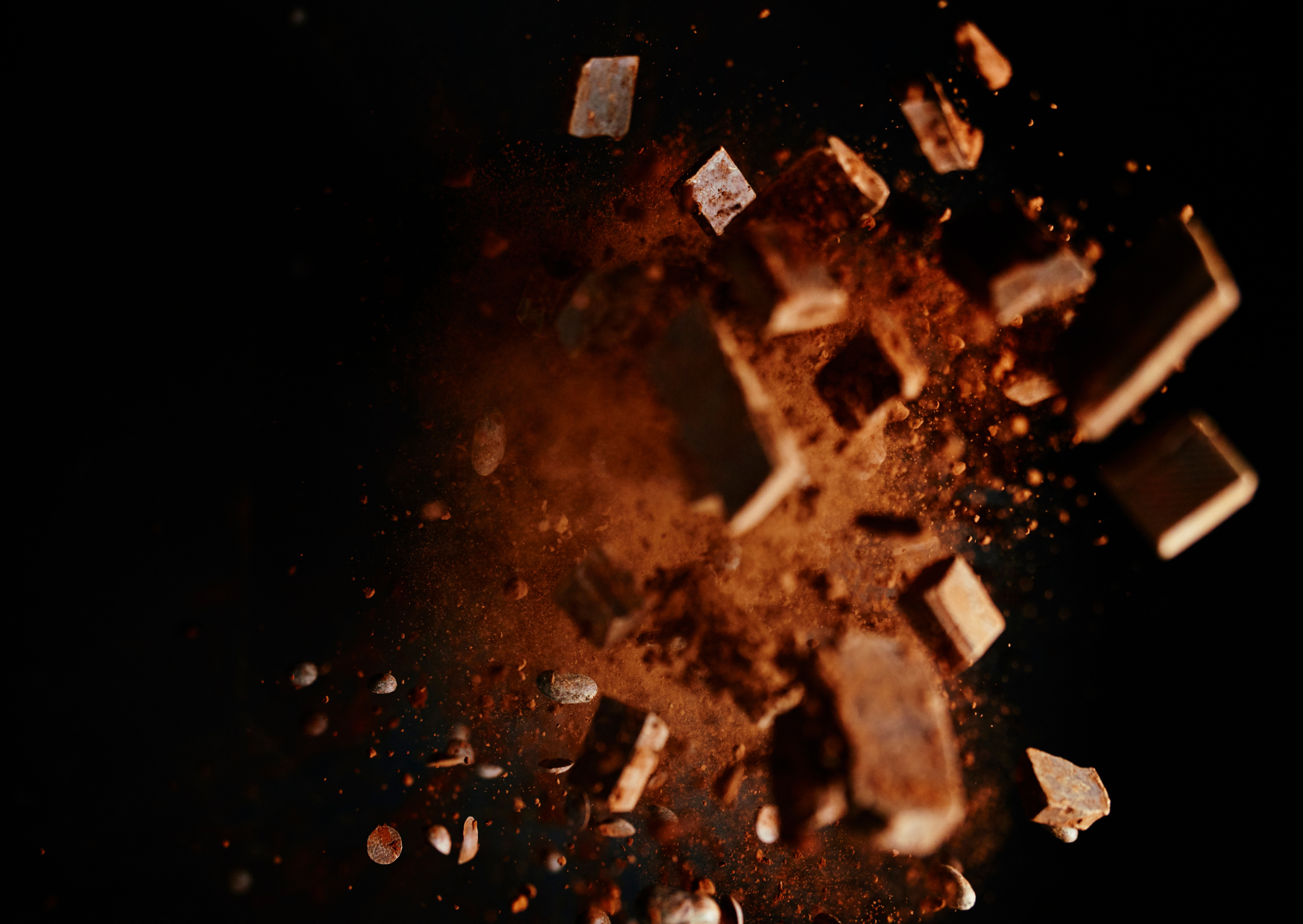
Let’s start with the ingredient list.
Most European chocolate starts at minimum 30% cocoa solids — even in basic milk chocolate. Dark chocolate regularly ranges from 50% to 85%, and cocoa butter (not palm oil or additives) is the primary fat.
American mass-market chocolate, by contrast, often contains less than 20% cocoa, with the rest made up of sugar, corn syrup, whey, and processed emulsifiers.
The result? A product that’s less sweet, more satisfying, and higher in real flavor — meaning you eat less and feel more.
Your brain gets the signal it’s craving: real chocolate. Not just sweetness.
2. It’s Eaten Slowly — Not Mindlessly
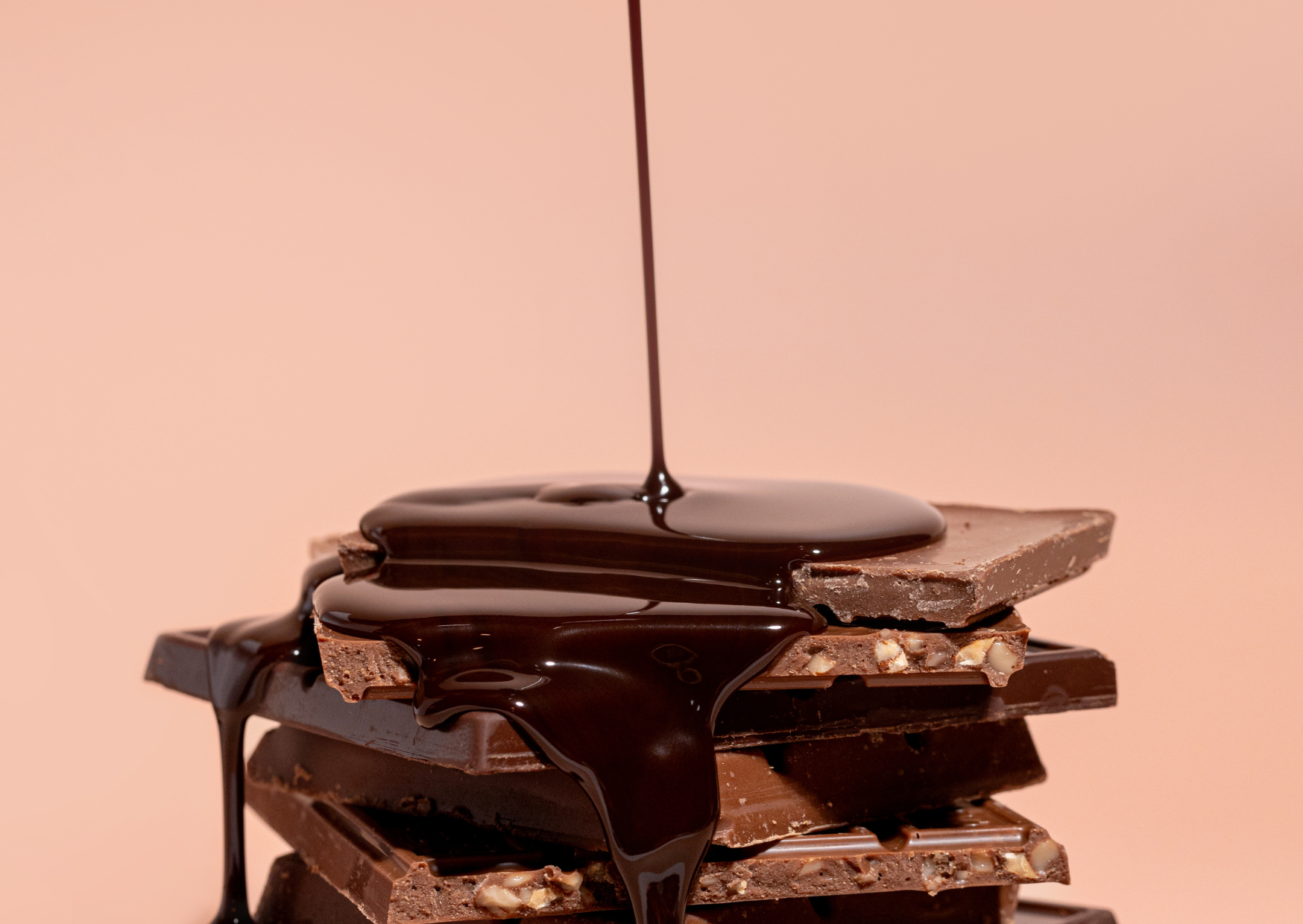
In Europe, chocolate is often consumed in small amounts, paired with an espresso, eaten after lunch, or shared after dinner.
It’s a square. A piece. A small bar. Unwrapped slowly. Eaten with intention. You let it melt. You close your eyes. You taste.
In the U.S., chocolate is frequently consumed absentmindedly — during TV, while working, between errands. Bars are larger. Bites are bigger. The act is mechanical.
Europeans aren’t counting calories. They’re savoring moments. And that shift in pacing changes how the body registers fullness and pleasure.
3. Portions Are Smaller — But Flavor Is Deeper
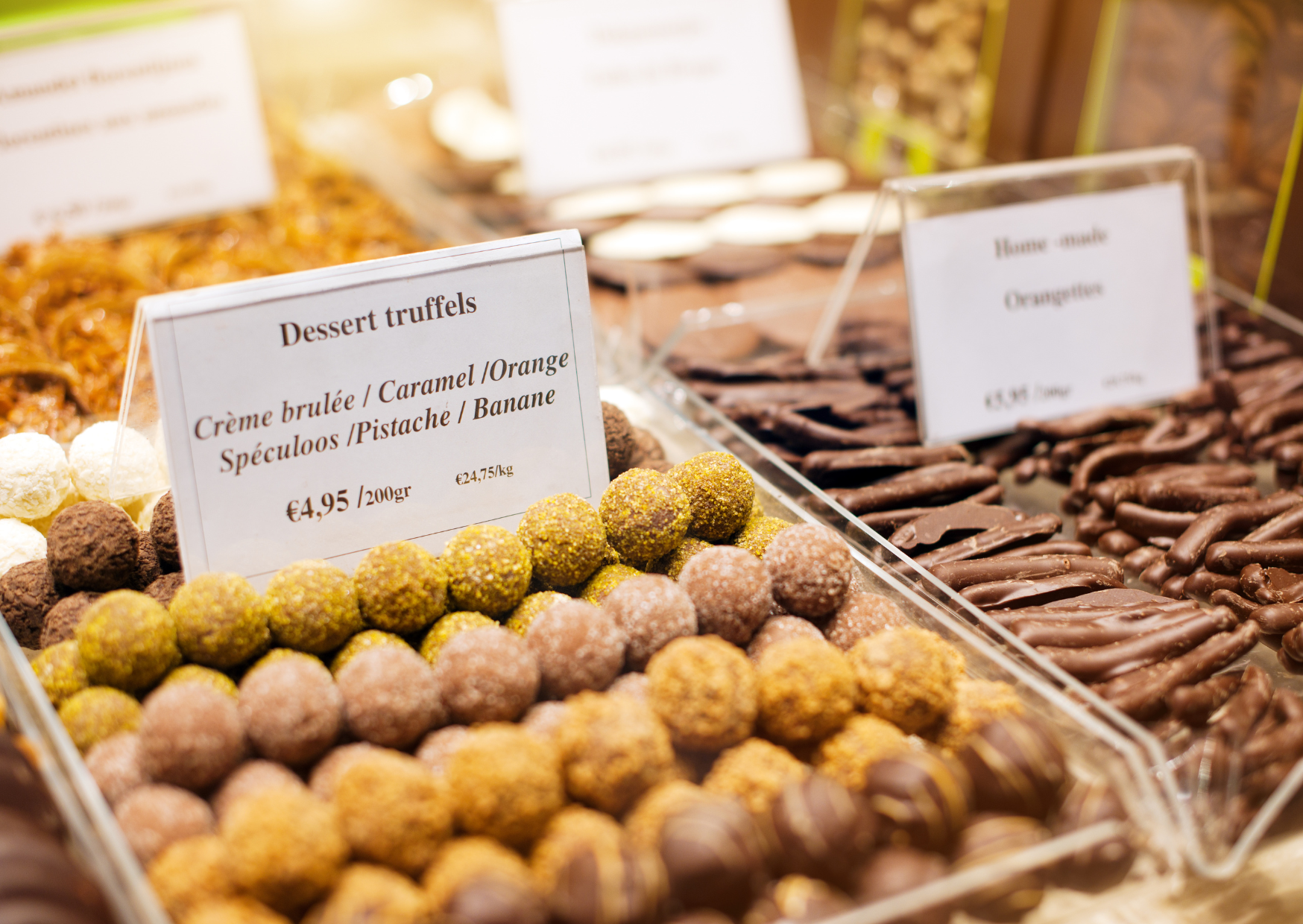
Walk into a chocolate shop in Brussels or Madrid and you’ll see rows of small, dense bars, each packed with real cocoa, often with single-origin labels or delicate flavor infusions.
The standard bar might be 40 to 60 grams — about half the size of a typical U.S. candy bar. But it lasts longer, hits harder, and satisfies fully.
You don’t need six pieces. You need one, maybe two.
This isn’t about willpower. It’s about design. European chocolate is meant to be eaten in moderation — not as an industrial product engineered for craving.
4. It’s Treated as a Food — Not a Vice
In the U.S., chocolate is moralized. Good vs bad. Clean vs guilty. “I was bad — I had chocolate.”
In Europe, chocolate is part of the food vocabulary. It’s not in the same category as potato chips or ultra-processed snacks. It’s aligned with cheese, coffee, wine, and other complex, cultural products that invite tasting — not shaming.
Children grow up eating dark chocolate without being told it’s “bad.” Adults enjoy it in public, not behind closed doors. There’s no cycle of restriction and binge.
The relationship is emotional, but not dramatic.
5. The Gut Reaction Is Different — Literally
Because European chocolate contains fewer processed ingredients, it’s less likely to cause digestive issues, inflammation, or blood sugar spikes.
There are fewer additives. Fewer preservatives. Less soy lecithin. No high-fructose corn syrup.
That means your body tolerates it better, absorbs it more slowly, and doesn’t suffer the crash that often follows American candy.
Chocolate isn’t an assault — it’s a calibrated food experience.
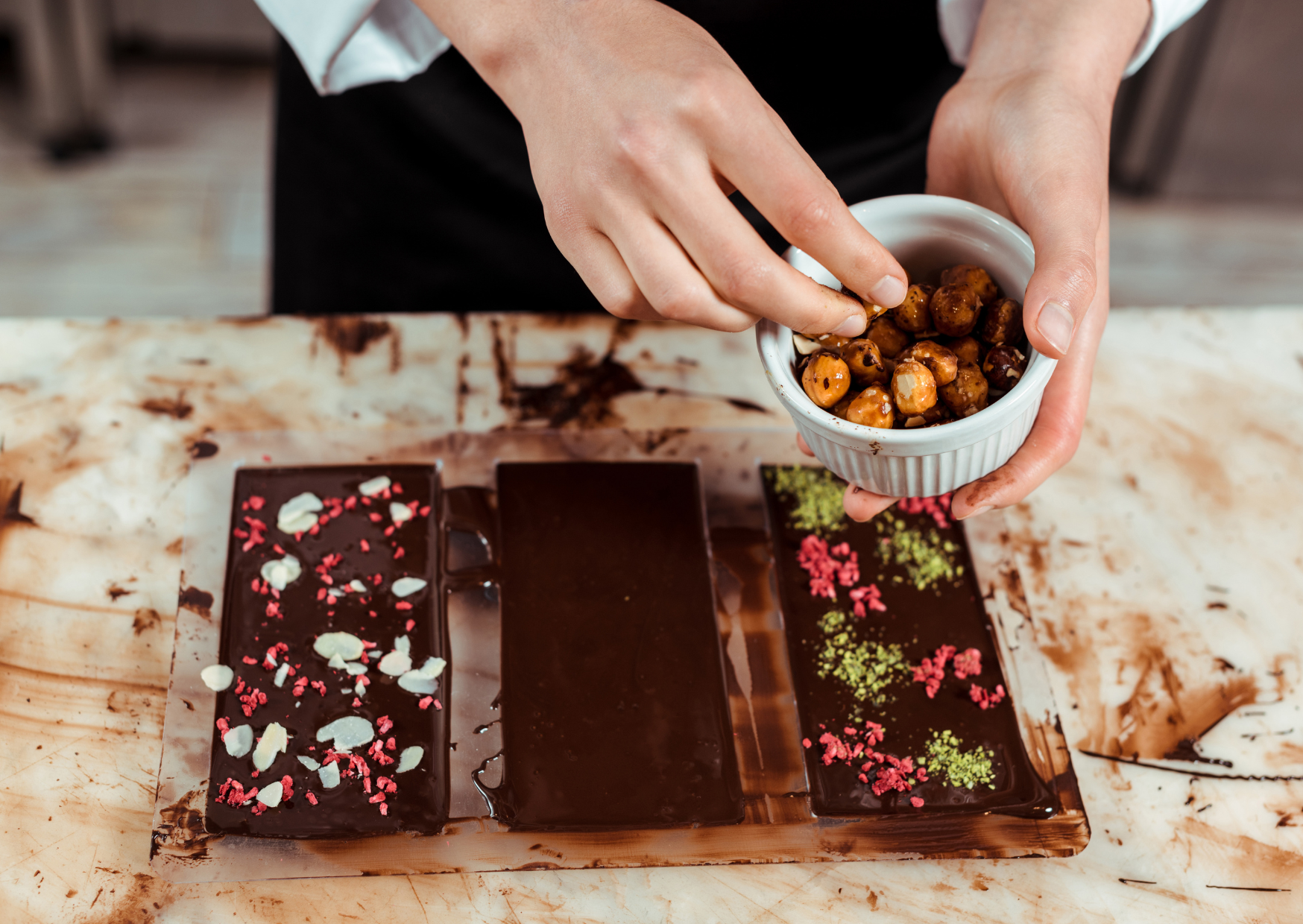
6. It’s Usually Made by Real People — Not Factories
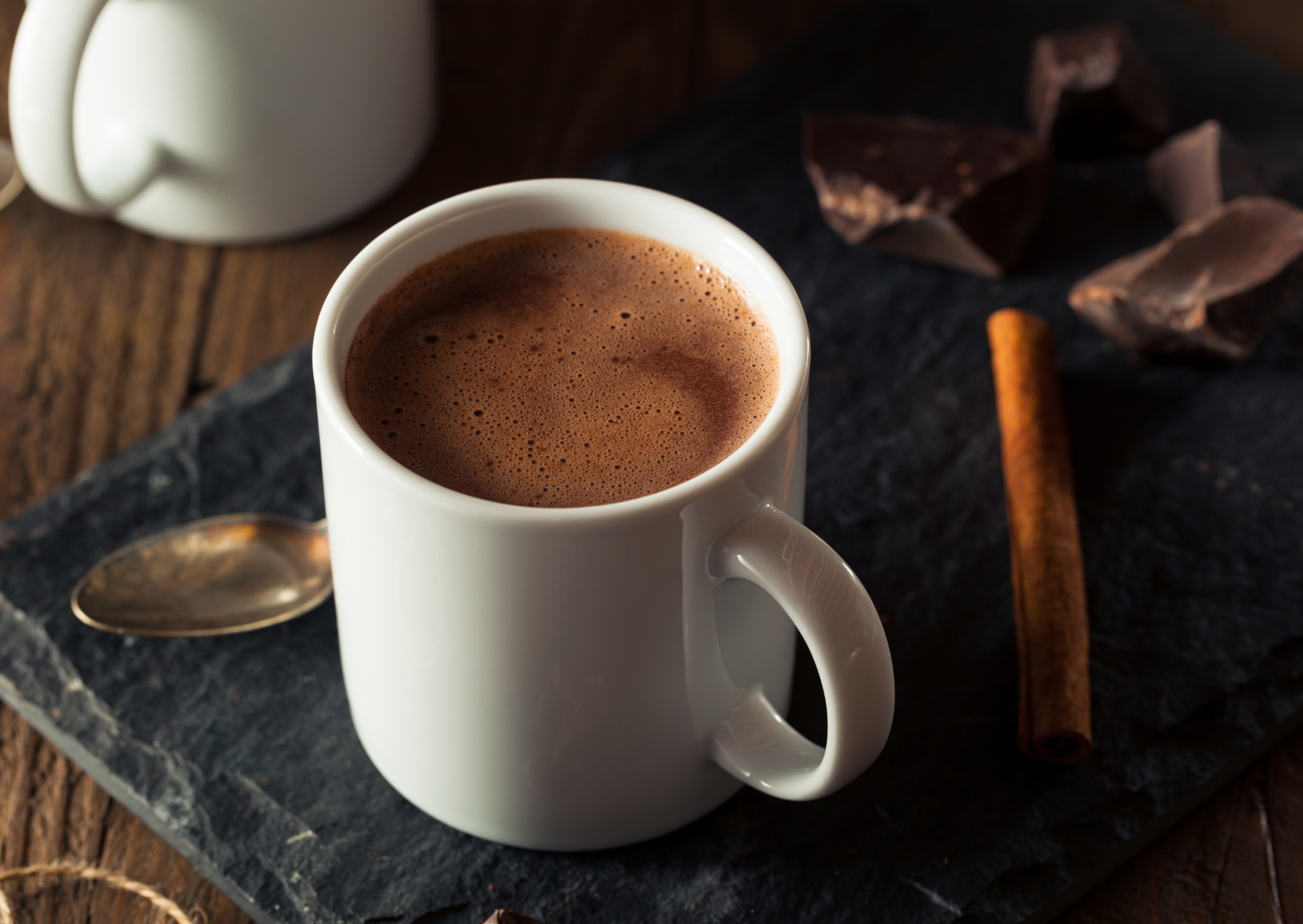
While Europe does have mass-produced chocolate, many families still buy from small-scale chocolatiers, even in supermarkets. Local brands. Regional specialties. Seasonal variations.
In places like Spain and France, chocolate is associated with craftsmanship, not just cost. That changes how it’s made, marketed, and consumed.
You’re less likely to binge on something when you’ve watched the person who made it wrap it by hand.
You don’t wolf it down. You respect it.
7. Chocolate Is Often Paired — Not Eaten Solo
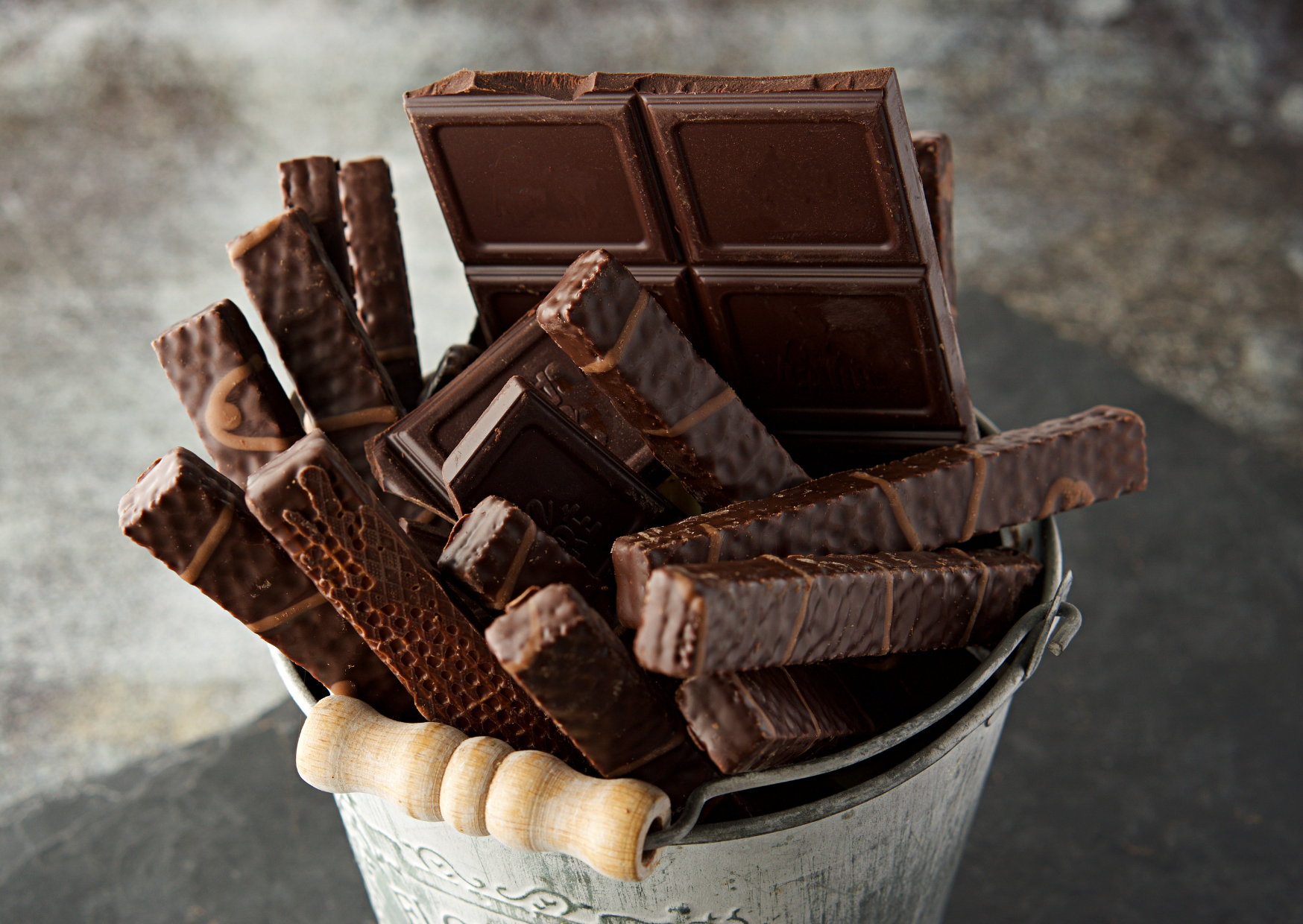
In Spain, chocolate is often consumed with bread, oil, or salt. In Italy, it’s part of a layered dessert. In Belgium, it’s paired with coffee. In France, it’s part of a tasting board.
Chocolate is rarely eaten alone and quickly. It’s part of a ritual. That pairing slows the experience, grounds it, and elevates it.
Compare that to grabbing a bar at a gas station and eating it in three bites on the way to a meeting. Same cocoa plant — very different result.
8. It’s Not Marketed to Children With Cartoons and Guilt
Most American chocolate brands are packaged like toys — bright colors, mascots, exaggerated fonts. The product is designed for speed and quantity, not quality.
In Europe, chocolate packaging tends to be minimalist, elegant, or rustic. The message isn’t “eat more” — it’s “taste better.”
Even children’s chocolates in Europe are made with better ingredients, and presented as food — not entertainment.
That shift in marketing translates into a more balanced relationship with sweets that carries into adulthood.
9. Chocolate Is Celebrated — Not Weaponized
In American wellness culture, chocolate is both demonized and fetishized. It’s labeled as addictive. Then it’s sold back to consumers as “guilt-free” or “keto-approved.”
In Europe, chocolate is allowed to be delicious and ordinary at the same time.
It’s neither the enemy nor the savior. It’s just… chocolate.
People celebrate it. They cook with it. They give it as gifts. They eat it without tracking macros. And somehow — they’re still able to walk past a pastry counter without spiraling.
RECIPE: Classic European-Style Dark Chocolate Squares
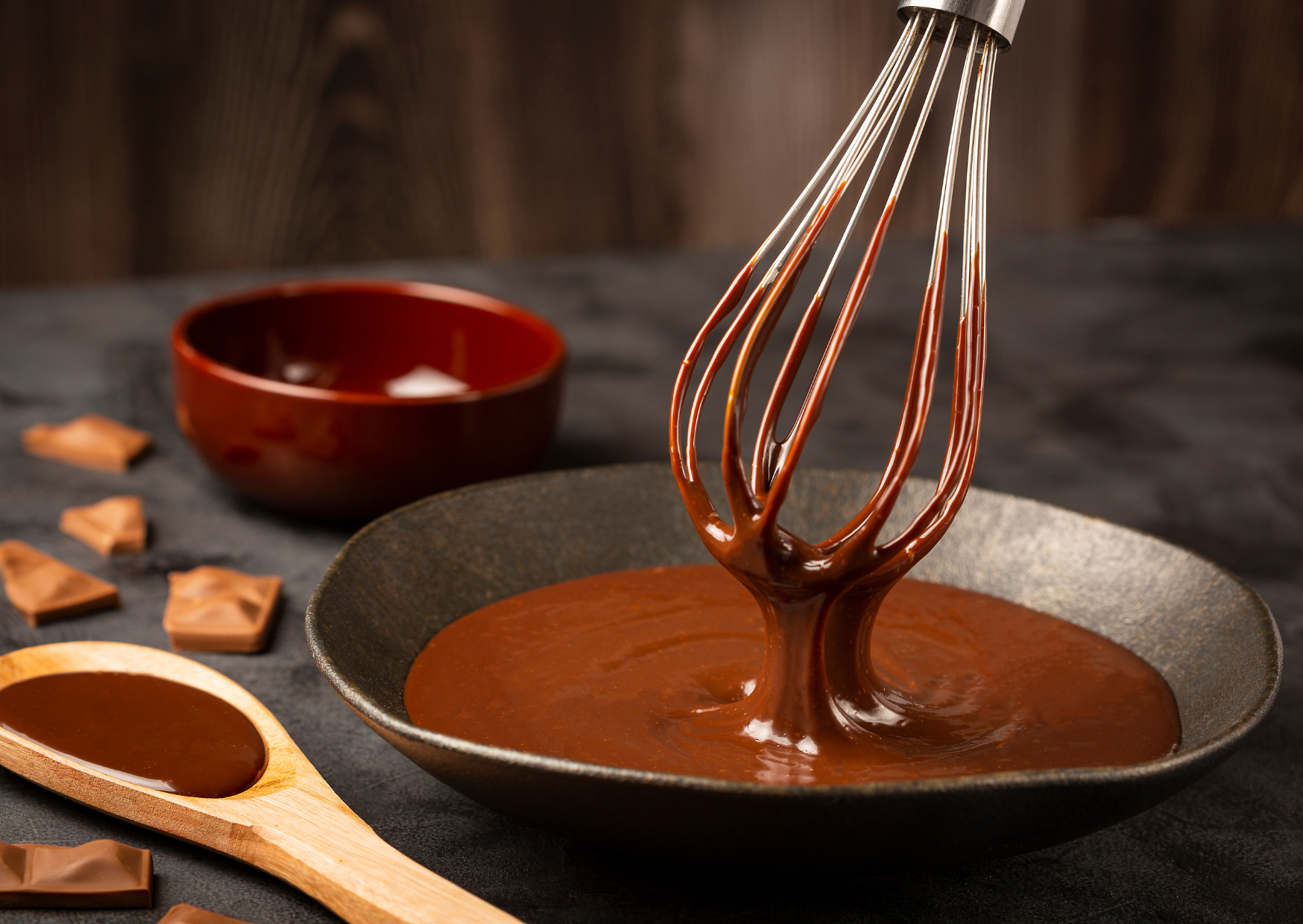
Simple. Rich. No additives.
Ingredients:
- 100g (3.5 oz) cocoa butter
- 50g (1.75 oz) unsweetened cocoa powder (Dutch process or raw)
- 2 to 3 tablespoons maple syrup or honey (to taste)
- 1/2 teaspoon vanilla extract
- Pinch of sea salt
Optional Add-ins:
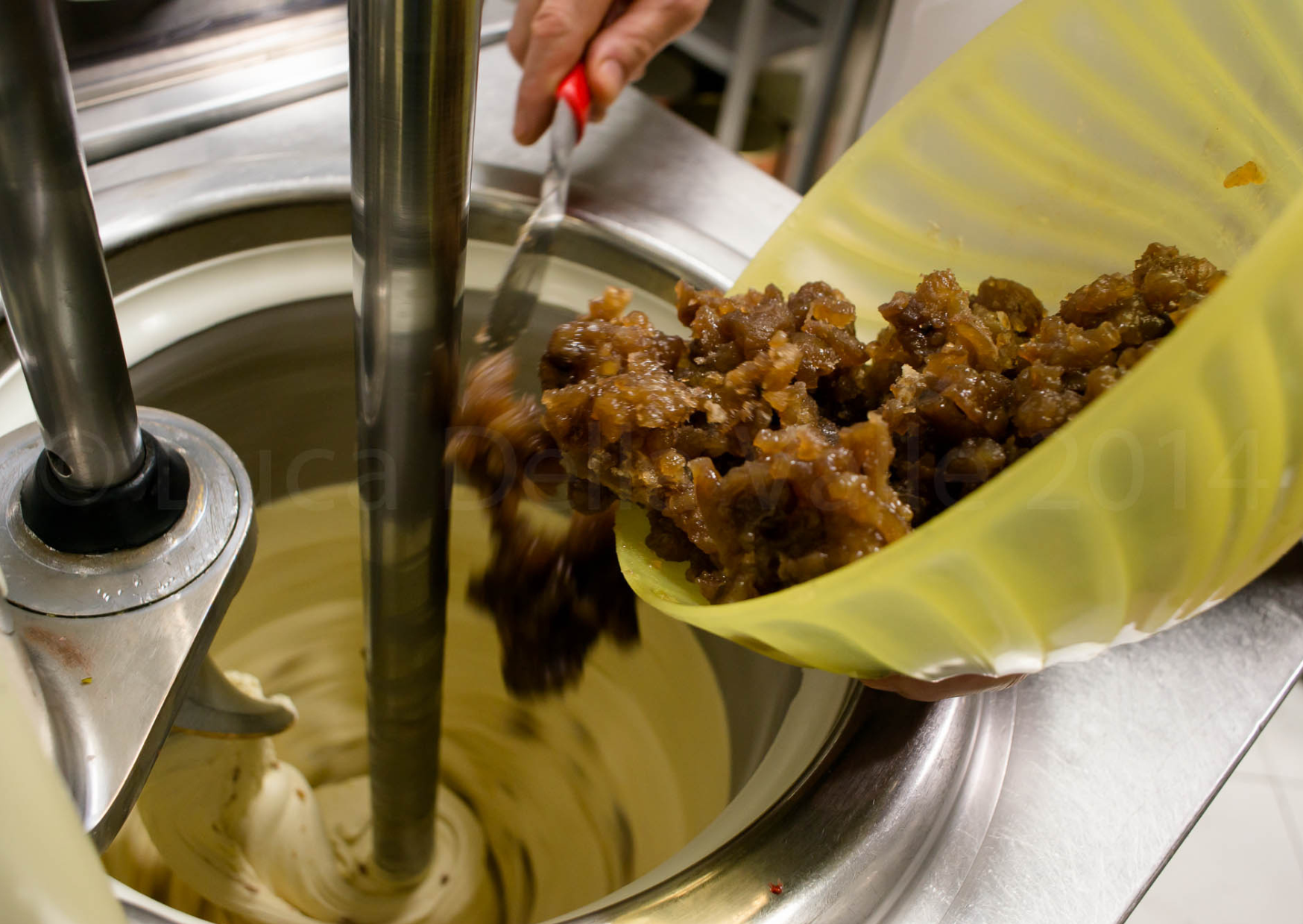
- Crushed roasted hazelnuts
- Dried orange peel
- Espresso powder
- Flaky salt on top
Method:
- Melt the cocoa butter slowly over a double boiler or in a saucepan on low heat.
- Once fully melted, whisk in the cocoa powder until smooth and glossy.
- Add your sweetener of choice, vanilla, and sea salt. Adjust sweetness to taste.
- Pour into silicone molds, a parchment-lined pan, or a small baking dish.
- Sprinkle with toppings if using.
- Refrigerate for at least one hour, or until firm.
- Cut into squares and store chilled. Enjoy in small bites.
Note:
This chocolate has a clean melt and rich flavor. Because it’s minimally processed, it may soften at room temperature — just like the kind you’d buy from a boutique chocolatier in Madrid.
Serving Suggestions
European-style chocolate is best served in small, elegant portions. Instead of oversized candy bars, think bite-sized truffles, thin squares, or delicate pralines. This not only elevates the experience but also helps control portion size naturally. A few rich pieces are far more satisfying than an entire bar of overly sweet chocolate.
Pairing also makes a big difference. Serve your chocolate with coffee, espresso, or even a glass of red wine for a traditional European touch. The balance of bitter and sweet, rich and acidic, creates a sensory experience that encourages slower eating.
Finally, think of presentation. Place your chocolate on a small plate, serve it alongside fresh fruit, or pair it with nuts for added texture. By treating chocolate as something special rather than a mindless snack, you align with the European approach one that makes indulgence feel balanced, not guilty.
One Ingredient, Two Cultures
To Americans, chocolate is something to moderate, control, or escape from.
To Europeans, chocolate is something to enjoy — on their terms.
It’s not the chocolate that makes you fat.
It’s the additives. The pacing. The mindset. The marketing.
And when you strip that away what you’re left with is a small square of something real, rich, and perfectly enough.
The divide between European and American chocolate goes beyond ingredients; it reflects two very different food philosophies. While American chocolate tends to be processed, sweetened heavily, and consumed in large amounts, European chocolate focuses on natural flavors, smaller portions, and a ritual of enjoyment. This cultural difference is why the same food can lead to very different outcomes.
For Americans, the lesson isn’t to give up chocolate but to change how it’s approached. By seeking out higher-quality chocolate, slowing down to savor it, and respecting portion sizes, chocolate can shift from being a guilty pleasure to a daily indulgence that doesn’t sabotage health.
Ultimately, chocolate doesn’t have to be the enemy of wellness. With the European mindset, it becomes a reminder that pleasure, balance, and quality are essential ingredients in both food and life.

About the Author: Ruben, co-founder of Gamintraveler.com since 2014, is a seasoned traveler from Spain who has explored over 100 countries since 2009. Known for his extensive travel adventures across South America, Europe, the US, Australia, New Zealand, Asia, and Africa, Ruben combines his passion for adventurous yet sustainable living with his love for cycling, highlighted by his remarkable 5-month bicycle journey from Spain to Norway. He currently resides in Spain, where he continues sharing his travel experiences with his partner, Rachel, and their son, Han.