
The retirement visa landscape shifted substantially in 2025. Portugal lowered thresholds. Greece streamlined processing. Italy opened new regional pathways. Spain clarified income requirements that had confused applicants for years.
These changes weren’t announced at press conferences or promoted through marketing campaigns. They appeared in administrative updates, regulatory amendments, and procedural memos that only immigration attorneys and dedicated researchers noticed.
For American retirees—particularly those with pension income, investment returns, or sufficient savings—the door to European residency is more open in 2026 than it has been in years. But the window may not stay open indefinitely. European housing pressures are mounting, and political winds are shifting toward stricter immigration controls in several countries.
What follows is the 2026 breakdown of every European retirement visa worth considering: the real income requirements, the actual processing times, the path to permanent residency, and the honest assessment of what life under each program looks like.
Portugal: The Benchmark That Got Better

Portugal’s D7 visa has long been the gold standard for European retirement visas, and 2025 improvements made it even more accessible.
The income requirement sits at approximately €870 per month—the Portuguese minimum wage—making it the lowest threshold in Western Europe. A retired American couple showing €1,300-1,500 in combined monthly income from Social Security, pensions, or investment returns typically exceeds the requirement comfortably.
What changed in 2025-2026: Processing has accelerated. The notorious backlog at AIMA (Portugal’s immigration authority) has begun clearing. New regional incentive programs encourage settlement outside Lisbon and Porto, offering tax reductions and faster residency processing for those willing to live in interior regions.
The path to citizenship runs through five years of legal residency, after which applicants can naturalize with an A2 Portuguese language certification—roughly equivalent to basic conversational ability. Portugal’s language requirement is among the lowest in Europe for citizenship.
Dual citizenship is permitted. Portugal does not require renunciation of American citizenship.
The physical presence requirement matters: D7 holders must spend at least six months per year in Portugal to maintain their residency. This isn’t a visa for those wanting to spend two weeks annually in Europe while maintaining American residency—it’s for actual relocation.
Cost of living reality: A comfortable retirement in Portugal costs €2,000-2,500 per month for a couple in smaller cities, €3,000-4,000 in Lisbon or Porto. Housing costs have risen significantly since 2020, but remain substantially below equivalent American cities.
Healthcare access: D7 holders can access Portugal’s national health service after registering as residents. Private health insurance is required initially and recommended long-term for faster specialist access.
Spain: The Non-Lucrative Visa Clarification
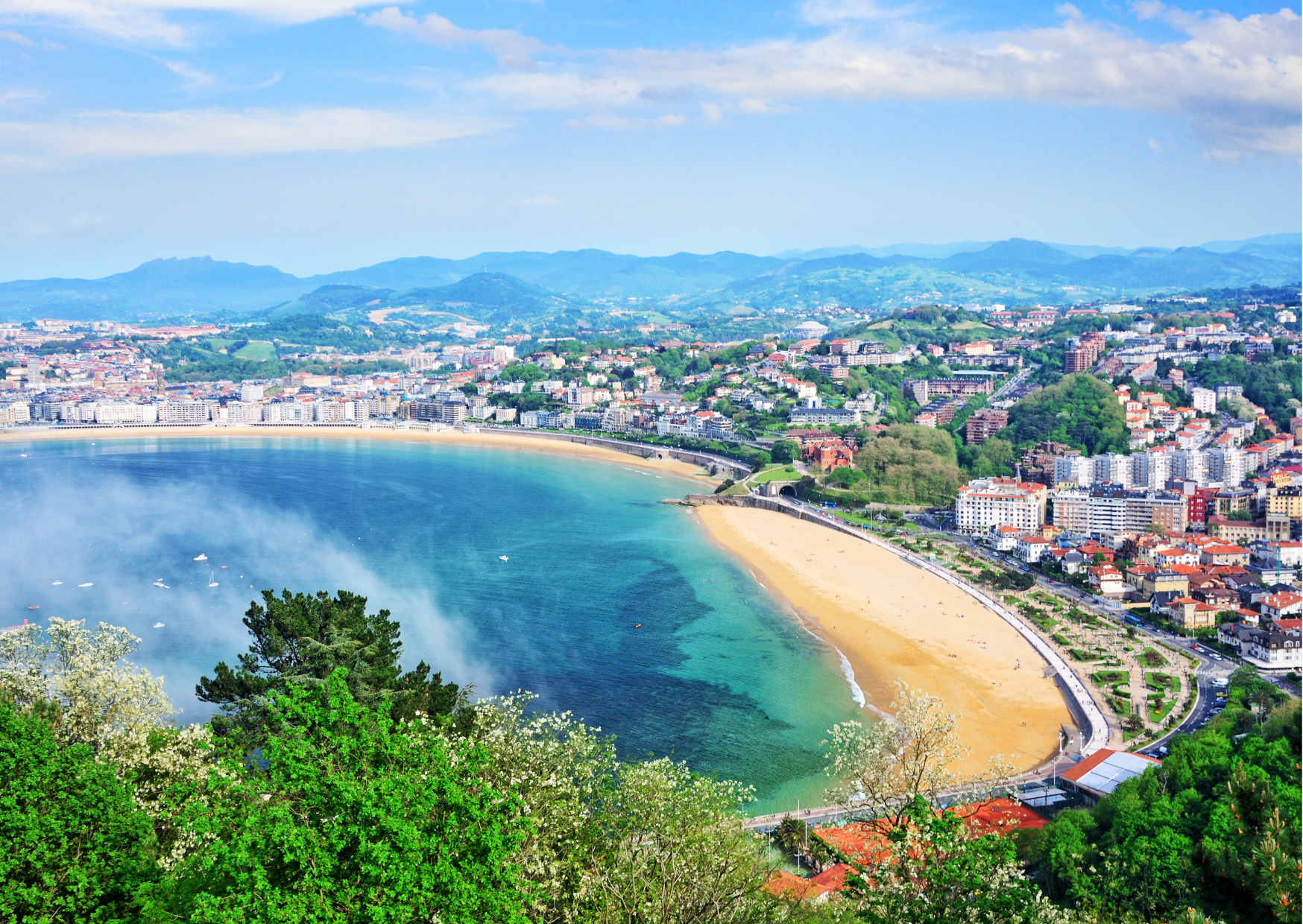
Spain’s Non-Lucrative Visa has long attracted American retirees, but confusing income requirements led to application rejections and frustration. The 2025 clarifications addressed these issues.
The current minimum: €2,150 per month for a single applicant, approximately €2,700 for a couple. This is significantly higher than Portugal but still accessible for retirees with moderate pension income.
What changed: Spanish consulates have clarified what counts as qualifying income. Pension payments qualify. Social Security qualifies. Investment income and rental income generally qualify. Remote work income does not—the Non-Lucrative Visa is specifically for those who will not work while in Spain.
Spain is notably stricter than Portugal about the no-work provision. Digital nomads and remote workers should look elsewhere; this visa is genuinely for retirees or those living entirely on passive income.
The path to permanent residency runs through five years of continuous residency. The path to citizenship requires ten years—double Portugal’s timeline—and Spain historically has not recognized dual citizenship with the United States, though enforcement varies and recent legal developments have created some ambiguity.
The physical presence requirement is six months per year, similar to Portugal.
Cost of living: Spain costs slightly more than Portugal overall—€2,200-2,800 monthly for a comfortable couple’s retirement in smaller cities, €3,500-5,000 in Madrid or Barcelona. Healthcare quality is excellent, with both public and private options available.
What makes Spain attractive: The infrastructure for English-speaking retirees is more developed than almost anywhere else in Europe. Decades of British and American expat settlement have created communities, services, and support systems specifically serving English speakers.
Greece: The Affordable Mediterranean

Greece’s retirement visa—officially the Residence Permit for Financially Independent Persons—offers Mediterranean living at prices that undercut Spain and Portugal significantly.
The income requirement: €24,000 per year, or €2,000 monthly. This is lower than Spain and comparable to Portugal when accounting for Greece’s lower cost of living.
What changed in 2025-2026: Greece streamlined its application process and began accepting in-country applications in certain circumstances. Previously, applicants had to apply only from their home country; the new flexibility allows tourists to transition to residency status under some conditions.
Greece also introduced a 50% income tax reduction for new residents who relocate with employment income—primarily targeting digital nomads and remote workers but creating tax advantages for some retirees with ongoing income sources.
The path to citizenship requires seven years of continuous residency and a B1 Greek language certification—more demanding than Portugal’s A2 requirement. Permanent residency is available after five years.
Physical presence requirement: Six months per year minimum.
Cost of living reality: Greece is genuinely affordable. A couple can live comfortably on €1,500-2,000 monthly outside Athens, €2,500-3,000 in the capital. Island living costs vary dramatically—tourist islands like Santorini and Mykonos cost as much as major cities, while less-discovered islands remain remarkably inexpensive.
Healthcare: The Greek public health system is functional but stressed. Most expats maintain private health insurance (€80-200 monthly) for faster access to care.
Italy: The Elective Residency Pathway
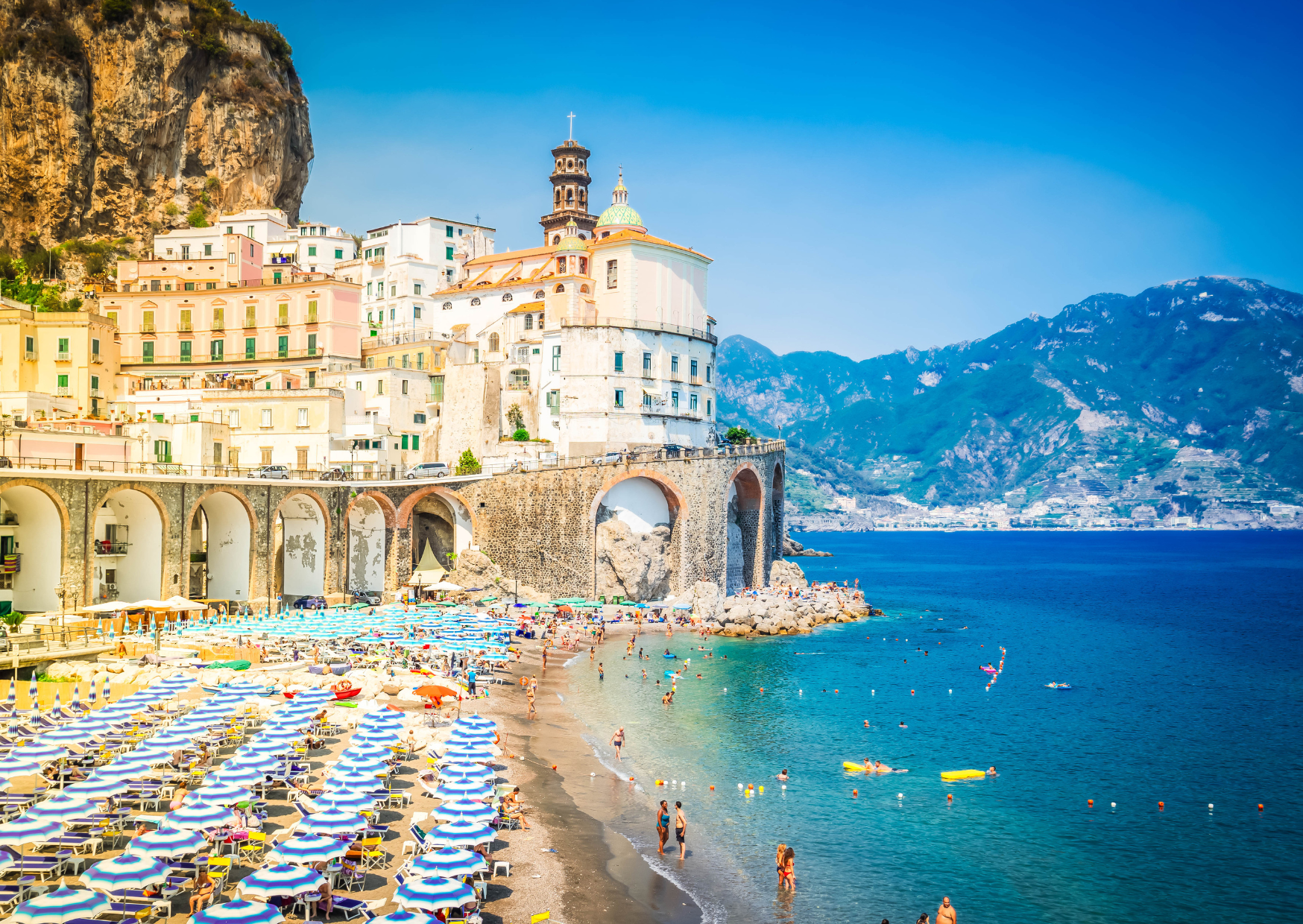
Italy’s Elective Residence Visa targets retirees with higher income levels, and recent regional initiatives have created fast-track options in depopulating southern areas.
The standard income requirement: €31,000 per year minimum. This is the highest threshold among the countries on this list, reflecting Italy’s positioning as a premium destination.
What changed in 2025-2026: Several southern Italian regions—including Calabria, Basilicata, and parts of Sicily—have implemented regional support programs for foreign retirees. These programs offer assistance with housing, integration, and in some cases expedited processing, specifically targeting retirees who commit to living in small towns facing depopulation.
These aren’t the €1 house programs that make headlines. They’re more substantive: assistance finding appropriate housing, support navigating Italian bureaucracy, and community integration services designed to help retirees actually settle successfully rather than abandoning their Italian dream after six months of paperwork frustration.
The work prohibition is absolute. Elective Residence Visa holders cannot work, period—not even remote work for foreign employers. This is Italy’s strictest limitation and eliminates the visa as an option for anyone with ongoing employment.
The path to citizenship runs through ten years of continuous residency plus a B1 Italian language certification. Italy does allow dual citizenship, but the timeline is among the longest in Europe.
Physical presence: The requirement is technically six months per year, but Italian immigration authorities have been known to scrutinize presence records more carefully than some other countries.
Cost of living: Highly variable. Northern Italy costs €2,500-4,000 monthly for a comfortable retirement. Southern Italy can be managed on €1,500-2,200. The small-town programs specifically target lower-cost areas.
France: The Long-Stay Visa Evolution

France’s Visitor Visa (Visa de Long Séjour – Visiteur) has always been available to retirees, but bureaucratic complexity discouraged many applicants. Recent procedural improvements have made the process more navigable.
The income requirement: No fixed minimum exists, but consulates typically want to see €1,500-2,000 monthly minimum for a single applicant, higher for couples. The evaluation is holistic—savings, assets, and income sources are considered together.
What changed: France launched its digital visa application platform, reducing paperwork and improving processing predictability. What previously required multiple consulate visits and months of back-and-forth can now be managed more efficiently.
The work prohibition applies, though France is somewhat flexible about passive income from investments, royalties, and similar sources.
Path to citizenship: Five years of residency plus a B1 French language certification and a civic integration assessment. France allows dual citizenship.
Physical presence: Minimum of six months per year, with French authorities paying closer attention to actual presence than some other countries.
Cost of living reality: France is expensive by European standards. Paris requires €4,000-6,000 monthly for comfortable retirement. Smaller cities and rural areas can be managed on €2,500-3,500, but the fantasy of cheap French village life has largely evaporated as housing costs have risen nationwide.
Why France attracts retirees despite the costs: The healthcare system is consistently ranked among the world’s best. The quality of life—food, culture, infrastructure—is exceptional. And for retirees who genuinely speak French or are committed to learning, the integration experience can be deeply rewarding.
Cyprus: The Category F Option
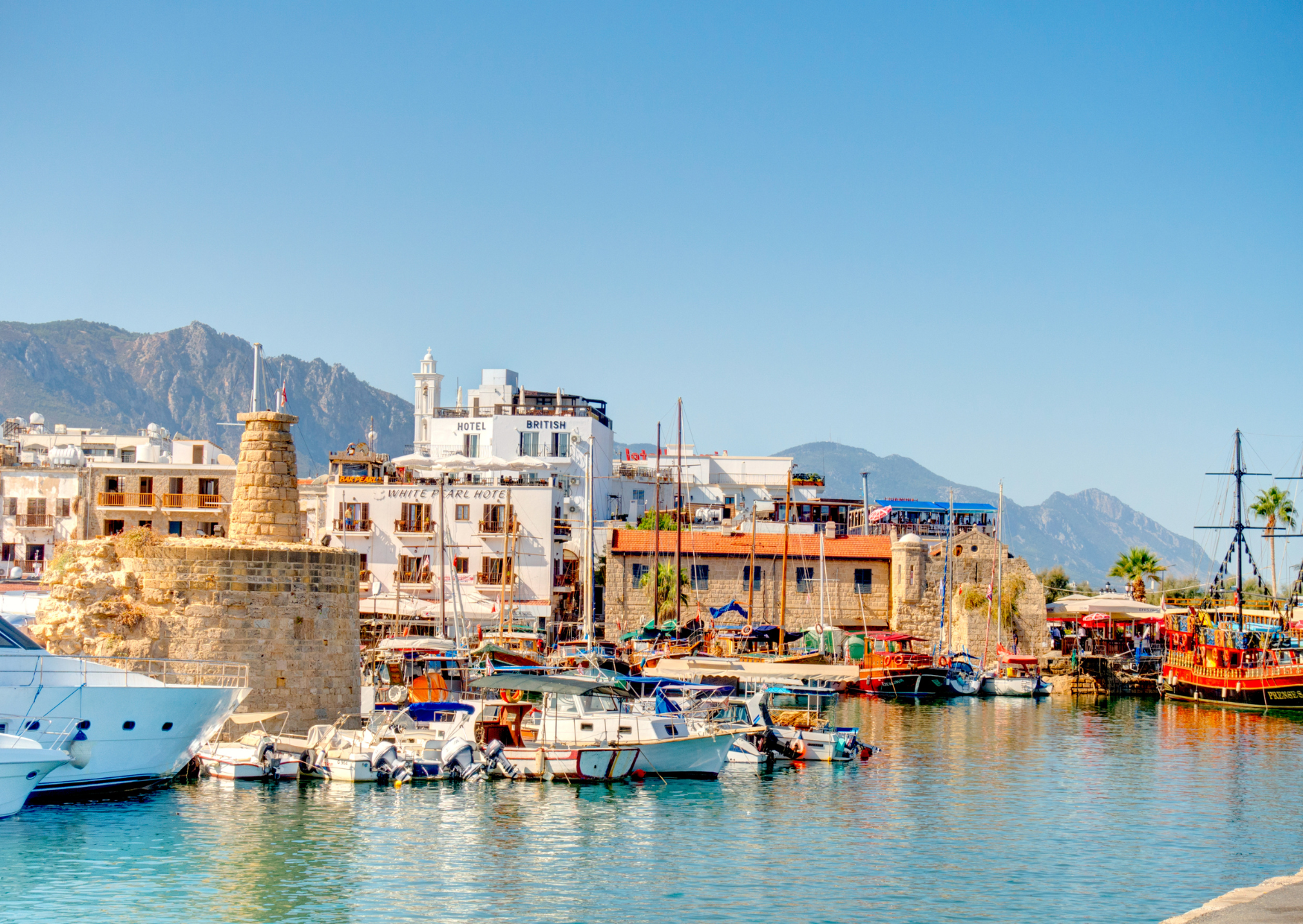
Cyprus offers the Category F Visa specifically for non-EU nationals who can demonstrate independent financial means. It has emerged as an attractive option for retirees seeking Mediterranean living with English widely spoken.
The income requirement: Approximately €9,568 per year from secure sources abroad, plus an additional €4,613 for a spouse and €2,562 per dependent child. This is among the lowest thresholds in Europe.
Processing is relatively fast—typically 2-3 months for straightforward applications.
The path to citizenship runs through seven years of residency. Cyprus does recognize dual citizenship.
Physical presence: The requirement is flexible. Cyprus does not impose strict minimum-stay requirements, making it attractive for those who want European residency without committing to full-time relocation.
Cost of living: €1,500-2,000 monthly for a comfortable couple’s retirement outside the major cities. Limassol and Nicosia cost more.
Tax considerations: Cyprus offers favorable tax treatment for retirees. Pension income from abroad may be taxed at reduced rates or exempted entirely depending on the source and applicable tax treaties.
The language situation is unique: While Greek is the official language, English is widely spoken throughout Cyprus due to its history as a British colony. Many retirees function entirely in English, which is both a practical advantage and a limitation on deep cultural integration.
Latvia: The Overlooked Nordic Option

Latvia’s retirement visa offers European residency with perhaps the lowest financial barrier on the continent: approximately €8,850 per year minimum income.
What attracts retirees: Latvia allows holders to work remotely for non-Latvian clients or employers, distinguishing it from the strict no-work visas in Spain and Italy. This creates options for semi-retired Americans who maintain some consulting work or business income.
Latvia is an EU and Schengen member, meaning residents can travel freely throughout Europe.
The path to citizenship requires five years of permanent residency (which itself requires five years of temporary residency) plus a Latvian language test. This is among the more demanding language requirements, and Latvian is not an easy language for English speakers.
Cost of living: Among the lowest in the EU. €1,200-1,800 monthly covers comfortable retirement in Riga; smaller towns cost less.
Climate reality: Latvia’s winters are cold and dark. This isn’t Mediterranean retirement. Retirees attracted by low costs and favorable financial requirements need to honestly assess whether they can handle Northern European winters.
Malta: The Global Residence Programme
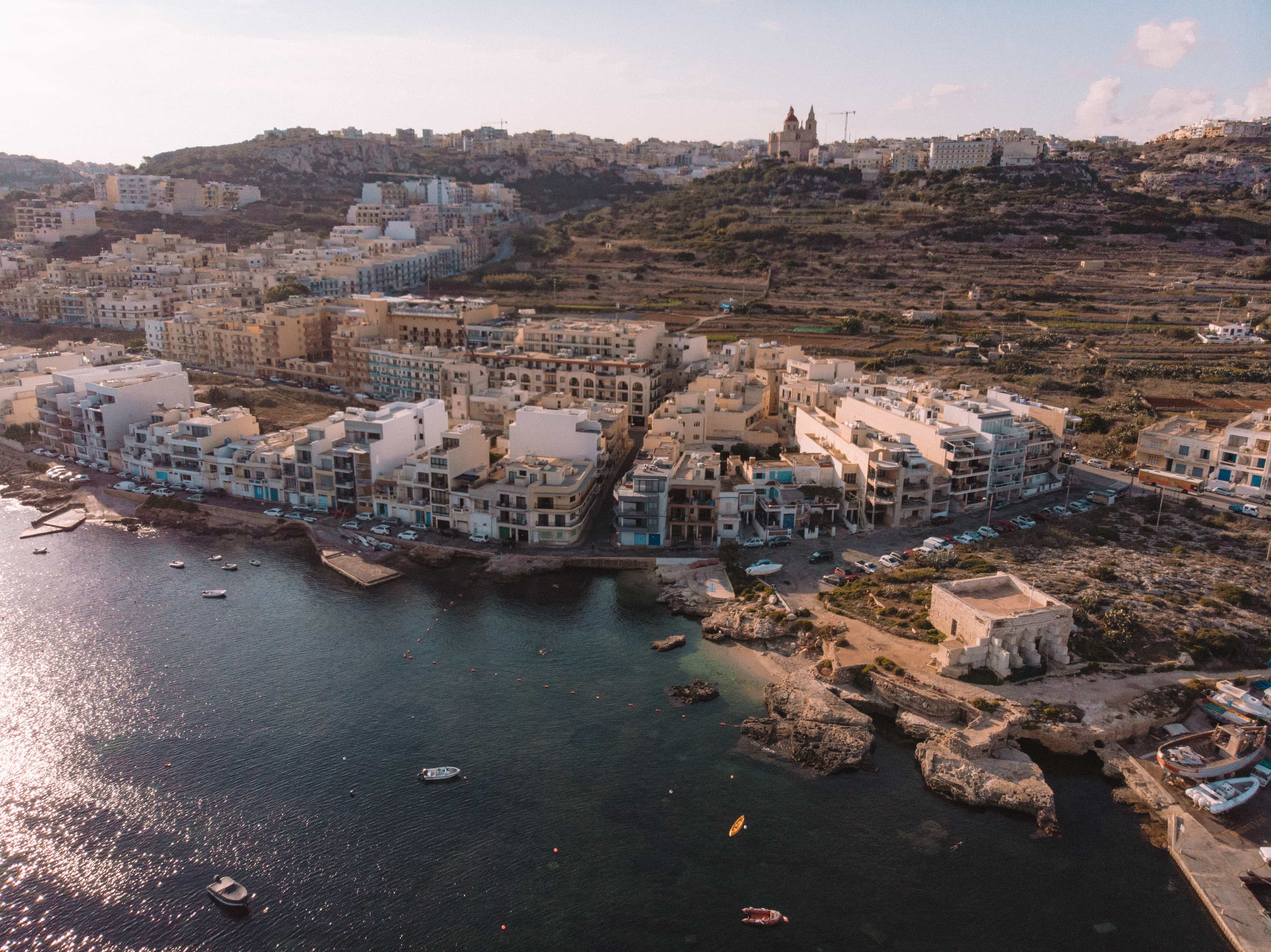
Malta’s Global Residence Programme targets retirees and independent means applicants with a different value proposition: favorable tax treatment combined with English as an official language.
The requirements: Purchase or rent property in Malta (minimum €275,000 purchase or €9,600 annual rent) plus demonstrate income of at least €100,000 per year or capital assets of €500,000.
These thresholds are significantly higher than other countries on this list, positioning Malta as an option for wealthier retirees rather than those on moderate fixed incomes.
The tax advantage: Malta taxes foreign-sourced income only when remitted to Malta, creating planning opportunities for retirees with investment income or assets abroad.
Physical presence: Minimum stay requirements are relatively flexible—Malta wants residents who contribute to the economy rather than strictly enforcing presence rules.
Path to citizenship: Naturalization requires at least five years of residency, with the final year as a resident before application. Malta does allow dual citizenship.
English fluency: As a former British colony, Malta operates extensively in English. Government services, healthcare, and daily life are all accessible to English speakers without learning Maltese.
Cost of living: Higher than most Mediterranean destinations—€2,500-3,500 monthly for a comfortable retirement. But for retirees prioritizing English accessibility and tax efficiency over absolute lowest cost, Malta offers a compelling package.
Austria: The Settlement Permit Exception

Austria’s independent means settlement permit is less discussed than Mediterranean options, but offers something distinctive: access to one of Europe’s highest-functioning societies with world-class healthcare, infrastructure, and quality of life.
The income requirements: Approximately €1,200 monthly for a single applicant, €1,800 for a couple, plus proof of sufficient savings or assets. These figures are lower than many assume.
What makes Austria different: The application process is more complex than Mediterranean countries, involving quota systems and extensive documentation. But for those who navigate it successfully, Austria offers German-language Europe’s benefits (similar quality of life to Germany or Switzerland) at lower cost of living than those countries.
The work prohibition applies—this is for genuine retirees living on passive income.
Path to citizenship: Ten years of continuous residency plus German language proficiency at B1 level and a citizenship test. Austria’s path is long but leads to one of Europe’s most valuable passports.
Cost of living: €2,000-2,800 monthly for comfortable retirement in smaller cities; Vienna requires €3,000-4,000. These are higher than Southern Europe but lower than Switzerland or major German cities.
Climate and culture: Central European winters with snow. Strong coffee culture. Exceptional classical music scene. A society that values order, punctuality, and quality—which either appeals strongly to certain personalities or drives others to distraction within months.
The Strategic Calculation
Each of these nine countries offers a path from retirement visa to permanent residency to potential citizenship. The right choice depends on individual priorities:
Lowest cost of entry: Latvia (€8,850/year income) and Portugal (€870/month) have the most accessible thresholds.
Fastest path to citizenship: Portugal (5 years with A2 language requirement) offers the shortest timeline with the easiest language requirement.
English accessibility: Malta and Cyprus allow retirees to function entirely in English indefinitely.
Highest quality of life (at premium cost): France and Austria offer exceptional infrastructure, healthcare, and services for those willing to pay more.
Best balance of cost and lifestyle: Portugal and Spain have the most developed infrastructure for English-speaking retirees while remaining affordable outside major cities.
Tax efficiency: Malta’s remittance-based taxation and Cyprus’s favorable treatment of foreign pension income create planning opportunities.
The Bureaucratic Reality
Every country on this list involves paperwork, waiting, and occasional frustration. The European countries that have streamlined their processes—Portugal, Greece, and to some extent Spain—still require patience and attention to detail.
Processing times range from 2-3 months (Cyprus, Malta) to 6-12 months (France, Austria, Italy). Document requirements include proof of income, health insurance, criminal background checks, and various certifications depending on the country.
Most applicants benefit from working with immigration attorneys or residency consultants, particularly for first-time applicants unfamiliar with European bureaucratic expectations. Costs for professional assistance range from €1,500-5,000 depending on complexity and country.
The 2026 Window
Several factors suggest that 2026 may represent a favorable moment for American retirees to pursue European residency:
Processing backlogs from the COVID period have largely cleared. Income requirements have been updated but remain accessible. Political pressure for stricter immigration controls has not yet translated into significant policy changes affecting retirement visas.
This window may not remain open indefinitely. Housing affordability concerns in Portugal, Spain, and Greece are generating political pressure. Some countries are considering higher financial thresholds or stricter physical presence requirements.
For retirees seriously considering European relocation, beginning the process in 2026 captures current favorable conditions while avoiding the risk of future restrictions.
The requirements just changed. They became easier. Whether that trend continues is anyone’s guess.

About the Author: Ruben, co-founder of Gamintraveler.com since 2014, is a seasoned traveler from Spain who has explored over 100 countries since 2009. Known for his extensive travel adventures across South America, Europe, the US, Australia, New Zealand, Asia, and Africa, Ruben combines his passion for adventurous yet sustainable living with his love for cycling, highlighted by his remarkable 5-month bicycle journey from Spain to Norway. He currently resides in Spain, where he continues sharing his travel experiences with his partner, Rachel, and their son, Han.