
Why Bother Knowing This?
French cuisine is famously rich rife with buttery sauces, delicate pastries, and refined presentation. Yet behind the elegant, tourist-facing facade of many French brasseries and bistros, there are lesser-known dishes and off-menu treats that locals order without batting an eyelash. From old-time regional specialties to hush-hush “astuce” (trick) plates, these items can be the key to truly tasting France beyond the standard tourist fare. If you’ve ever strolled into a French restaurant and felt intimidated by the menu (or frustrated by your limited options), fear not knowing the secret items might open doors to more authentic experiences. Below, we’ll dive into some hush-hush or rarely publicized plates that French locals (and savvy travelers) sometimes request.
Sure, many restaurants in France maintain classic menus that revolve around the day’s “formule” (fixed-price menu) or seasonal dishes. But savvy French diners often bend the rules, ordering items that aren’t explicitly listed but are widely known or easily prepared. You may need a bit of French language confidence, or at least the willingness to politely ask, “Est-ce possible de faire…?” (Is it possible to make…?). The payoff can be discovering a hidden side of French gastronomy like a customized tartine, a revived grandma’s recipe, or a quiet little dessert that’s off-menu yet legendary among locals.
Looking for More Travel & Culture Reads?
– They Don’t Work 24/7: 5 Vacation Customs in Europe That Drive Americans Crazy
– 7 Dress Code Shocks Americans Face in Italy
– 9 European Beach Habits That Shock First-Time Tourists
Quick Easy Tips
Ask what’s good today instead of what’s most popular.
Order courses simply and avoid heavy modifications.
Trust daily specials and market-driven dishes.
Match your pace to the room and let the meal unfold naturally.
The first uncomfortable truth is that many tourists over-order. In France, ordering fewer dishes signals confidence, not restraint. Locals know portions are generous and courses are meant to build gradually, not overwhelm the table.
Another controversial point is customization. In many French restaurants, heavy substitutions are seen as distrust in the kitchen. Locals rarely ask to change dishes; instead, they choose dishes that already make sense for them.
There’s also the myth that secret items are hidden out of exclusivity. In reality, many off-menu options exist because they’re assumed knowledge. Simple things like half-portions, shared plates, or ingredient-focused preparations are available if you know to ask.
Finally, tourists often misunderstand politeness. Being overly enthusiastic or apologetic can feel performative. Locals are polite but direct. Clear, calm ordering is interpreted as respect, not coldness and that difference shapes how you’re treated.
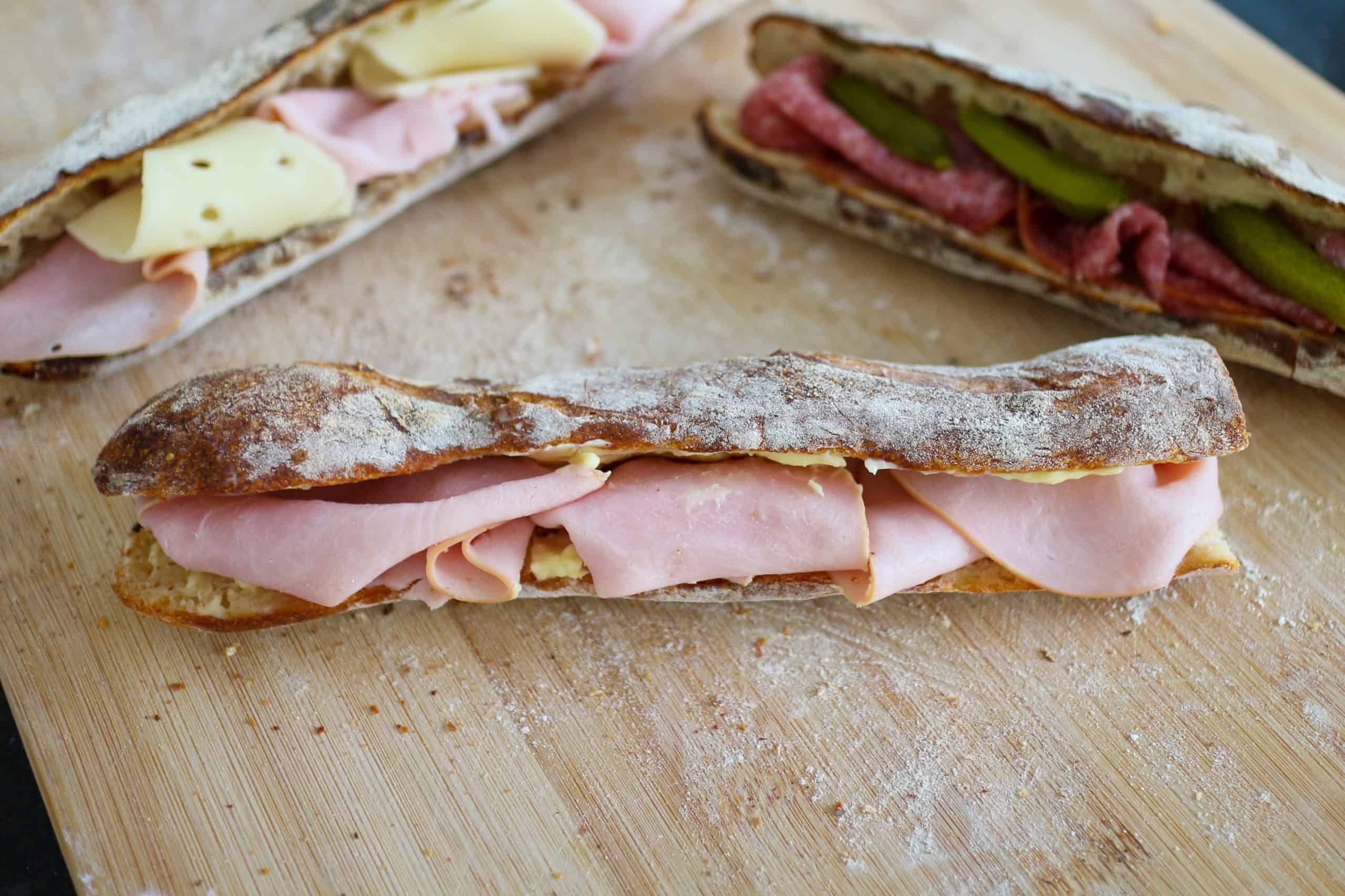
1. The Legendary “Tartine Beurrée-Jambon-Fromage” (When a Sandwich Isn’t on the Menu)
Why It’s “Secret”
Most cafés and brasseries list basic sandwiches—like “jambon-beurre” (ham and butter on a baguette) or “jambon-fromage” (ham and cheese). Yet in many local spots, tartines (open-faced sandwiches) might not be on the menu. Despite this, locals might ask for a “tartine beurrée-jambon-fromage,” basically an open-faced slice of baguette spread with butter, then layered with ham and cheese, sometimes lightly toasted or grilled.
- Flavor & Simplicity: The difference from a regular sandwich is that the bread can be toasted golden on the outside, the cheese melted just enough to be gooey, and the ham warmed—like a humble version of a croque without the béchamel sauce.
- Why It’s Hidden: Some restaurants no longer list it because they focus on more elaborate croque monsieur or large sandwiches. But the raw materials (baguette, butter, ham, cheese) are almost always on hand. Locals in the know simply request it, often with a side salad.
How to Order: Politely say, “Je pourrais avoir une tartine jambon-fromage, s’il vous plaît?” If they look puzzled, mention you’d like it “tiède” (warm) or “légèrement grillée” (lightly grilled). Sometimes they’ll ring it up as a variant of a croque or a sandwich, but you’ll get the simpler open-faced gem.
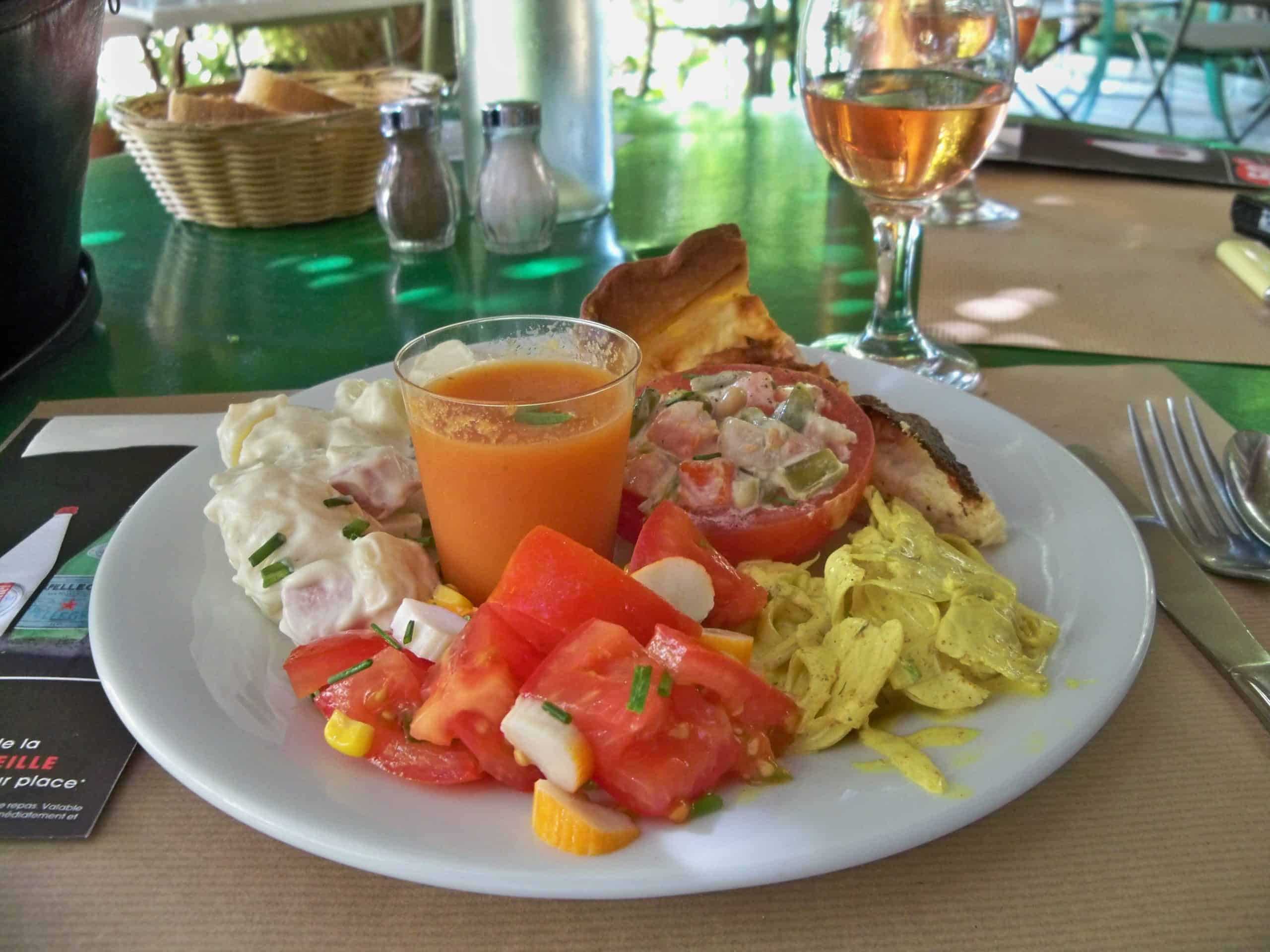
2. “L’Assiette de Crudités” Off the Chart
Why It’s “Secret”
A typical French bistro might list a formal appetizer like “salade verte” or “salade composée.” But in many smaller spots, locals occasionally request a custom “assiette de crudités” (plate of raw veggies) even if it’s not on the printed menu. Chefs often keep tomatoes, grated carrots, radishes, cucumbers, and vinaigrettes for side salads or garnish. By asking for a simple plate of crudités, you get a fresh, unadorned veggie fix.
- Why It Matters: After days of rich sauces, cheese-laden dishes, or heavy meats, some French diners (and in-the-know travelers) crave a light veggie break. Instead of a full meal, they’ll request a small plate that’s basically an assembly of the day’s raw vegetables with a drizzle of vinaigrette.
- Health & Simplicity: Perfect if you want a healthy side or a small appetizer that’s not too filling.
How to Order: Casually say, “Pourrais-je avoir une petite assiette de crudités variées?” (Could I have a small plate of mixed raw vegetables?). They might charge you as a side or a salad, but it’ll be a nice, refreshing break from heavier fare.
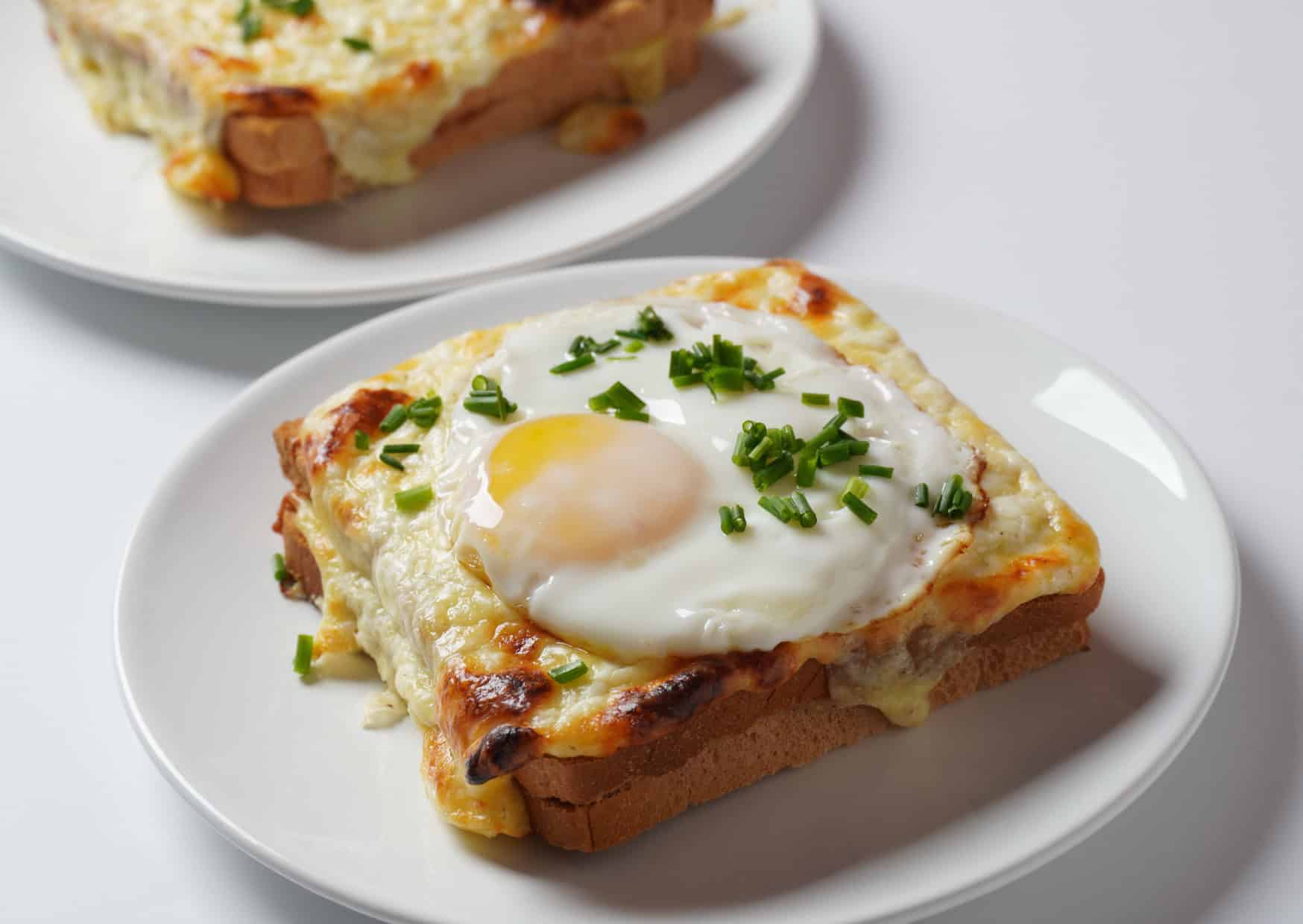
3. The Shadowy “Croque Madame” Variation
Why It’s “Secret”
A croque monsieur (grilled ham and cheese sandwich with béchamel sauce) is classic, and a croque madame adds an egg on top. But sometimes, especially outside lunch hours, you won’t see it on the dinner or all-day menu. Yet the ingredients for a croque are typically in every bistro’s kitchen (ham, cheese, bread, eggs). Locals sometimes quietly ask for “un croque madame” even if the menu only lists the monsieur version or if the entire croque category is absent.
- Why Locals Love It: The addition of a fried egg is a hearty twist. Locals who want a quick but satisfying meal at odd hours know the croque is an easy ask.
- Why It Might Be Hidden: Some restaurants relegate croques to daytime café fare. At night, they prefer pushing more formal dishes. But if the staff is friendly and not too busy, they may oblige.
How to Order: If you see croque monsieur on the menu but not madame, politely ask, “Pourriez-vous me faire un croque madame, s’il vous plaît?” If croques aren’t listed at all, you can ask if the kitchen can still prepare one. You might get a “non,” but more often than not, they’ll do it.
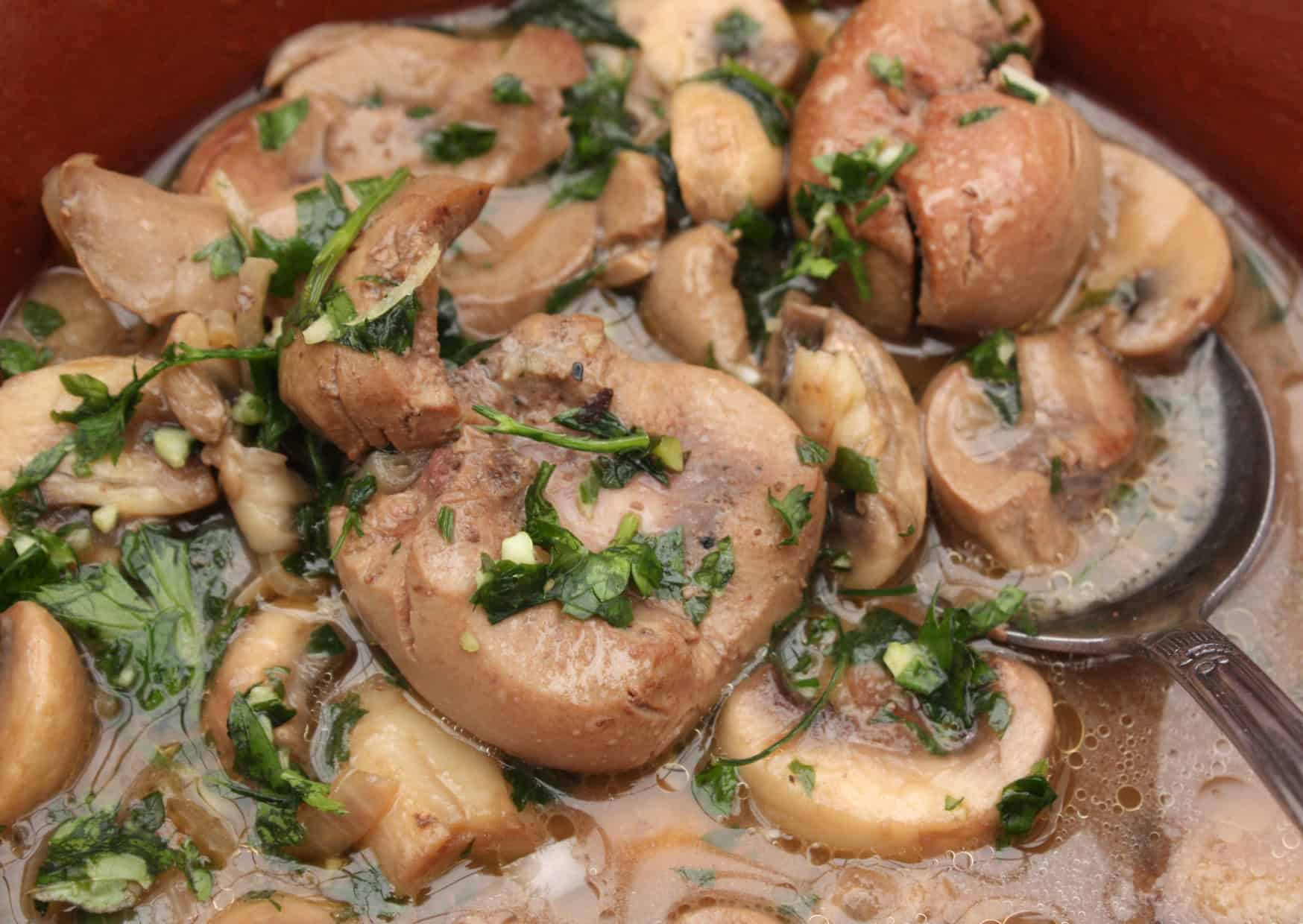
4. Baby Beef Livers and Kidneys: Offal for the Bold
Why It’s “Secret”
Offal (organ meats) remains a big part of traditional French cuisine, but many modern restaurants remove these from standard menus, seeing them as old-fashioned or less demanded by tourists. Yet older locals or offal enthusiasts sometimes request “foie de veau” (calf’s liver) or “rognons” (kidneys) if they suspect the kitchen can handle it.
- Regional Classics: In Lyon, “tablier de sapeur” (tripe) or “gras double” might be an off-menu item an insider requests. In more traditional bistros, the chef might have some in the back if they had a local request earlier that day.
- Why It’s Hidden: Offal is polarizing—some travelers recoil at the idea. Thus, restaurants might keep it off the official menu to avoid scaring off mainstream diners.
How to Order: Carefully. Ask if they have “foie de veau” or “rognons” available. If the chef says yes, you’re in luck. Expect it to come lightly cooked with a sauce (like a mustard cream sauce for kidneys). This is definitely for the more adventurous palate.
5. “Le Demi” Refill of Soup or Sauce
Why It’s “Secret”
Some brasseries serve onion soup, fish soup, or hearty potage in a bowl with bread and cheese on top, but it’s typically a single portion. Locals who love these soups might ask for “un demi de plus” (a half serving more) if they’re still hungry. This isn’t an official menu item, but staff might comply if the soup is made in large batches.
- Why Locals Do It: Instead of paying for a full second portion, the half portion is cheaper and avoids overstuffing.
- Why Tourists Miss It: Tourists rarely realize partial orders might be negotiable. Many assume they either buy a second full bowl or do without.
How to Order: Wait until you’ve nearly finished. Politely say, “Je pourrais avoir un demi de plus, s’il en reste?” (Could I have half more, if there’s any left?). They may charge half the price or a small supplement. This works best if the place isn’t slammed or about to run out of soup.
6. Cheese Plate “Sur Demande” with Specific Types
Why It’s “Secret”
A typical French menu might list a plateau de fromages or assiette de fromages as dessert. Usually it’s 3–4 cheeses chosen by the kitchen. But locals sometimes want a specific cheese or a different combination. They might ask for “un petit morceau de roquefort et un peu de comté, s’il vous plaît”, skipping the third cheese or requesting more bread.
- Why It’s Off-Menu: The standard cheese plate is universal. But the restaurant might stock a half-dozen cheeses. Locals aware of the daily selection occasionally customize.
- How It Plays Out: The server might bring the cheese trolley or say, “We have brie, camembert, goat cheese, roquefort, etc.” Then you pick. If you only want one type or a sliver of each, you can ask. They’ll often weigh or approximate the cost.
How to Order: Indicate politely: “Est-il possible d’avoir seulement du comté et un morceau de chèvre?” The server may mention a small upcharge. Locals do this to tailor the cheese experience exactly to their taste.
7. Salade “Sauté” Variation
Why It’s “Secret”
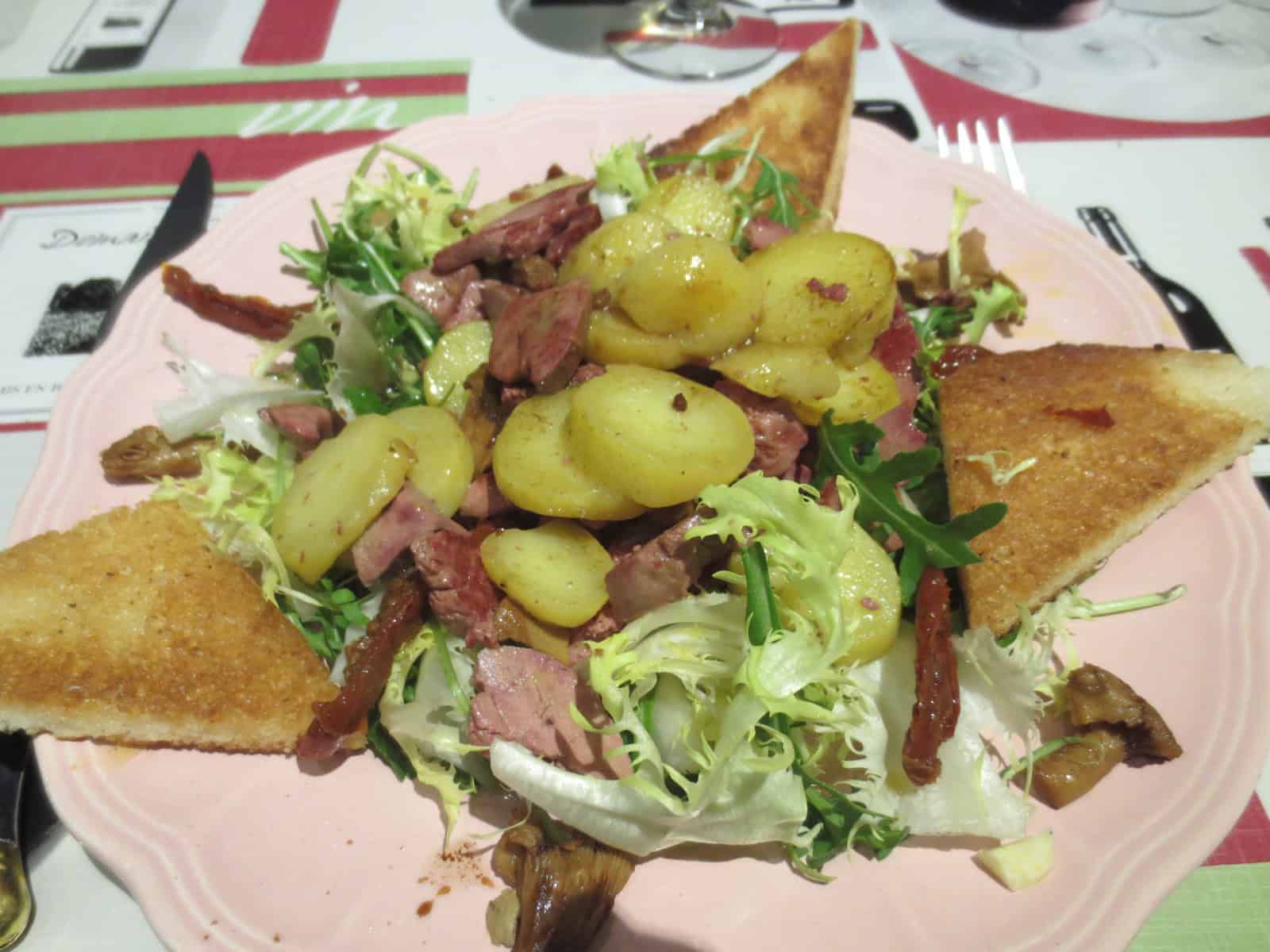
In some southwestern French bistros, you might find a “salade périgourdine” with duck gizzards, smoked duck, or foie gras. But if that’s not on the official menu, locals might ask for a “salade sauté”— essentially a hearty salad with warm duck confit pieces or lardons (bacon bits) quickly sautéed.
- Local Comfort Food: This ties back to French southwestern tradition, but it’s not always widely advertised if the place is focusing on standard brasserie dishes. The cook, however, might have confit or lardons on hand.
- How It Emerged: Over time, certain chefs cater to returning customers who want a simpler or off-menu version. They might keep the name “salade sauté” or “salade gourmande” hush-hush. Tourists who know the secret can get a luscious warm salad that’s not on the printed list.
How to Order: You can ask, “Auriez-vous de la salade avec un peu de confit de canard ou de lardons, tièdes?” If the chef is open, they might whip it up. Expect a slightly higher price than a basic salad, but it’s often worth it.
8. Coffee “Serré” (or “Ristretto”) Instead of Espresso
Why It’s “Secret”
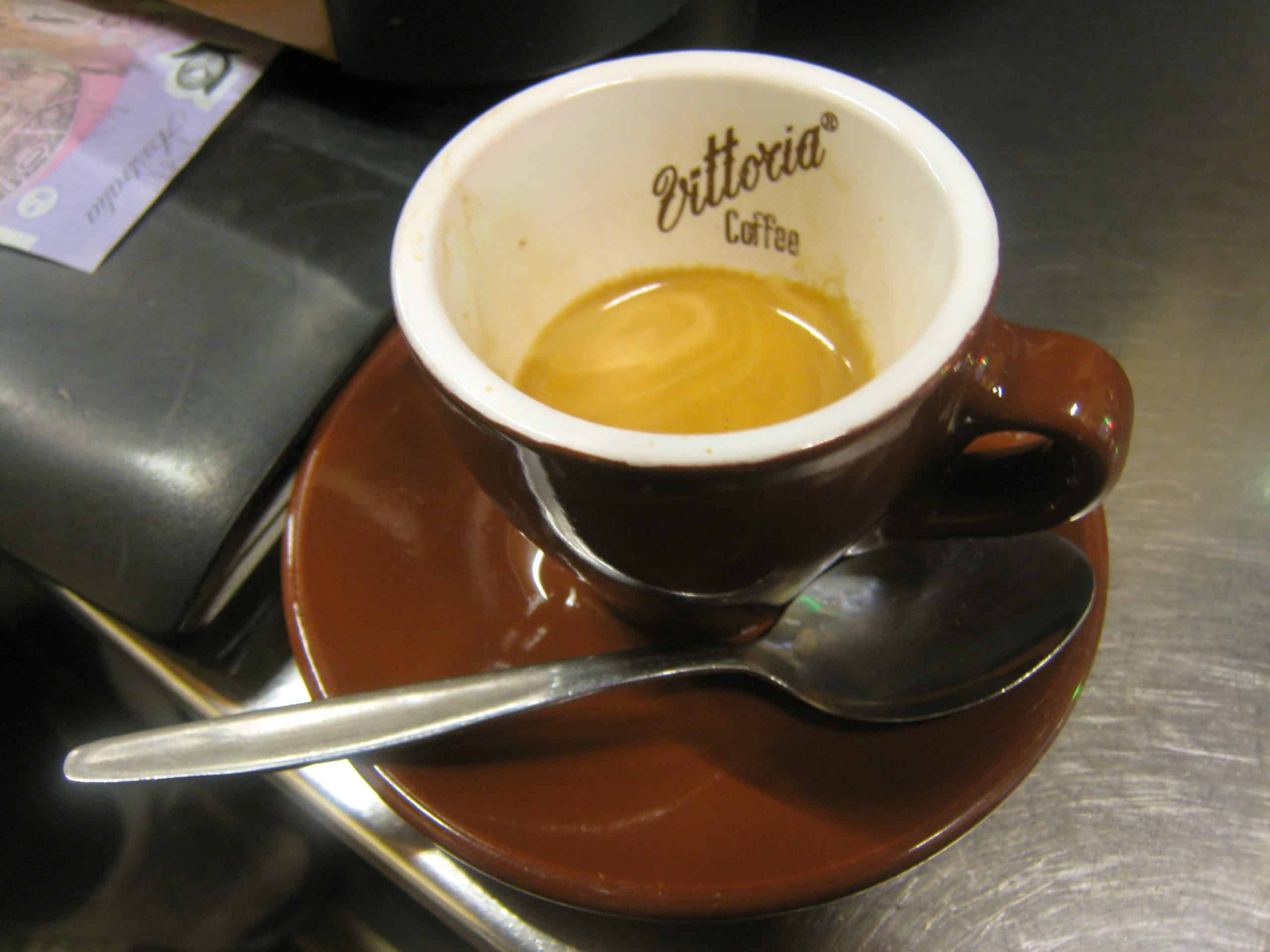
In France, a standard “espresso” is short and strong but not always quite as intense as an Italian ristretto. Locals who love super-concentrated coffee might request a “café serré” (literally “tight coffee”), which isn’t always on the menu.
- Why Locals Order It: They want a small, potent shot with minimal water—basically an intense espresso.
- Why It’s Off-Menu: Not all places bother listing it, assuming most people want a standard espresso or café crème. Yet the machine can typically produce it by adjusting water flow.
How to Order: Simply say, “Un café serré, s’il vous plaît,” or mention “très court” (very short). This signals to the barista you want minimal water. Locals do this for a quick jolt, sometimes rounding off their meal with a potent final note.
9. “Le Côté” Upgrades or Splits
Why It’s “Secret”
Some French restaurants, especially in bigger cities, might balk at customizing plates. But locals with a bit of assertiveness sometimes ask for extra sauce on the side, or half portion of a side dish. They might request that the “frites” (fries) be replaced with a simple salad, even if the menu doesn’t mention that substitution.
- Why It’s Not Standard: French dining culture tends to discourage excessive customization. Chefs see the dish as a complete creation. But a local might politely ask, “Pourrais-je avoir une petite salade au lieu des frites?” and get a yes.
- Hidden Sides: Some kitchens keep mashed potatoes or ratatouille for certain set menus. If you’re in the know, you can request those sides in place of the listed ones.
How to Order: Be polite: “Est-ce possible d’avoir [side dish] à la place de [listed side]?” or “Pourrais-je avoir un peu de sauce supplémentaire, s’il vous plaît?” So long as you’re respectful, many bistros accommodate.
Why These “Secrets” Matter
1. Tapping Into Real French Culinary Culture
Beyond the fancy or touristy showpieces, these off-menu items reflect how French people actually eat day-to-day. It’s about practicality, preference, and a certain casual freedom that emerges once you’re a “regular” or an insider.
2. Economic Advantages
Off-menu items can be cheaper (like a simple tartine) or let you skip a pricier dish you don’t want. Sometimes it’s about saving a few euros while still enjoying fresh bread, cheese, or local produce.
3. A Gateway to Conversation
Ordering a secret item fosters dialogue with the staff: you have to politely inquire, gauge if they’re open to it, and smile if they raise an eyebrow. This brief exchange can humanize your dining experience—transforming you from a faceless tourist to a curious guest.
4. Fresh, Seasonal Surprises
Some hidden items revolve around seasonal produce. A chef might have leftover mushrooms from the day’s special or a chunk of local cheese not on the official menu. Asking for something beyond the printed list might reveal unexpected treats.
Tips for Tourists Wanting to Try
- Learn Key Phrases: Basic French helps. “Est-ce possible de faire…?”, “Pouvez-vous me préparer…?”, “Auriez-vous…?” Being polite goes a long way.
- Observe the Pace: If the restaurant is slammed, they might say no. Don’t push. At quieter times, the chef or staff might be more flexible.
- Be Willing to Pay a Little Extra: Off-menu can sometimes lead to a negotiated price or a small supplement. That’s normal.
- Adapt to Cultural Norms: If the staff is reluctant, don’t take it personally. French dining culture sometimes values tradition and the set “carte.” Politely accept if they say it’s not possible.
- Choose the Right Venue: Small, family-run bistros or casual brasseries might be more open to special requests than high-end, Michelin-starred spots. High-end places typically have fixed courses and might disapprove of messing with the chef’s vision.
Conclusion: Finding Hidden Delights in the French Dining World
Next time you stroll into a French restaurant—whether in Paris, Lyon, or a tiny village in Provence—be aware that the printed menu might not be the entire story. Locals have their own ways to tailor or request “secret” items that reflect simpler times, nostalgic family recipes, or just personal taste. From a warm open-faced ham-and-cheese tartine to carefully curated cheese plates and grilled offal delicacies, these hush-hush orders remind us that French cuisine, for all its formality, remains deeply personal and flexible at its heart.
Embracing these local insider moves doesn’t just satisfy your curiosity it can yield distinctive flavors you won’t find in the usual “formule du jour.” It can spark meaningful mini-encounters with staff, forging a deeper connection than simply ordering a standard steak-frites. Ultimately, food is about people and these quiet menu items connect you to the living, breathing side of French dining culture. Bon appétit!
Pro Tip: Before going off-menu, subtly gauge the environment. If it’s a fancy gastronomic restaurant with an immaculately curated tasting menu, maybe don’t ask for a random “tartine.” If it’s a friendly neighborhood bistro, politely inquiring might open a world of lesser-known specialties. Happy hunting for those hidden gems vivez la France in a more playful, insider way!

About the Author: Ruben, co-founder of Gamintraveler.com since 2014, is a seasoned traveler from Spain who has explored over 100 countries since 2009. Known for his extensive travel adventures across South America, Europe, the US, Australia, New Zealand, Asia, and Africa, Ruben combines his passion for adventurous yet sustainable living with his love for cycling, highlighted by his remarkable 5-month bicycle journey from Spain to Norway. He currently resides in Spain, where he continues sharing his travel experiences with his partner, Rachel, and their son, Han.