
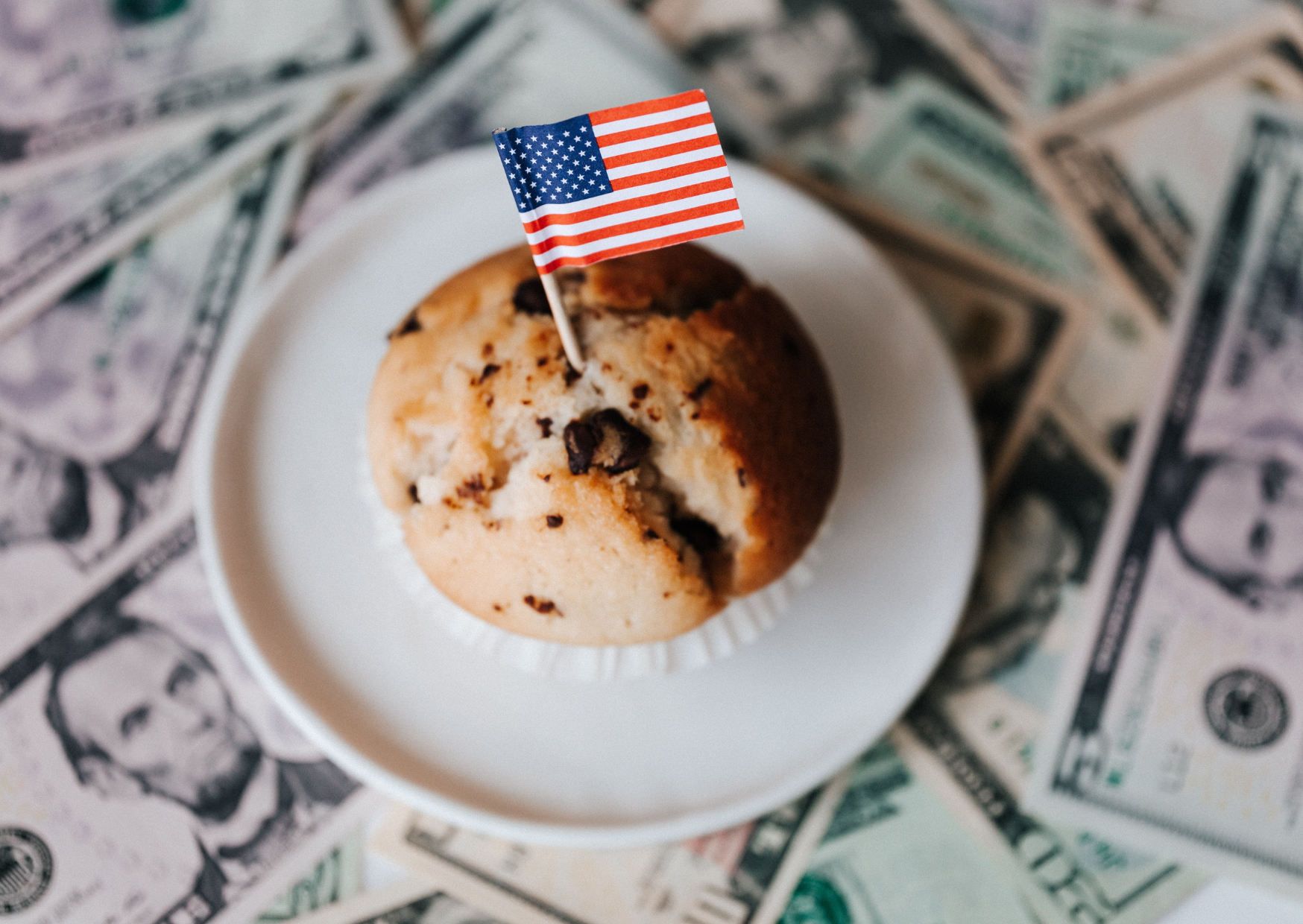
So here is the uncomfortable sentence. Most supermarket bread in the States eats like a chemistry set, and when you live in Europe long enough you forget that until a trip back reminds you. If you remove fast yeasts, emulsifiers, sweeteners, oils, and added gluten from a daily loaf and switch to long-fermented wheat or rye with two to four ingredients, IBS often calms down. Not for everyone. Often enough to test it properly.
Where was I. Right. This is a practical, European-style protocol you can copy even if you are reading this from Phoenix or Philadelphia. It is also what you notice in Spain, France, Italy, Germany when you actually look at labels and talk to bakers for two minutes. I will give you a 60 day plan, bakery phrases to get the right loaf without speeches, a home recipe for long-fermented sourdough that behaves, and what to do if you are truly wheat sensitive. I’ll also admit where I changed my mind, because I used to treat “artisan” as marketing and then watched fermentation time do the work.
Remember: IBS is a medical diagnosis; talk to your clinician if symptoms are severe. This is food hygiene, not treatment.
Why European daily bread behaves differently
You do not need romance, you need mechanisms.
- Fermentation time
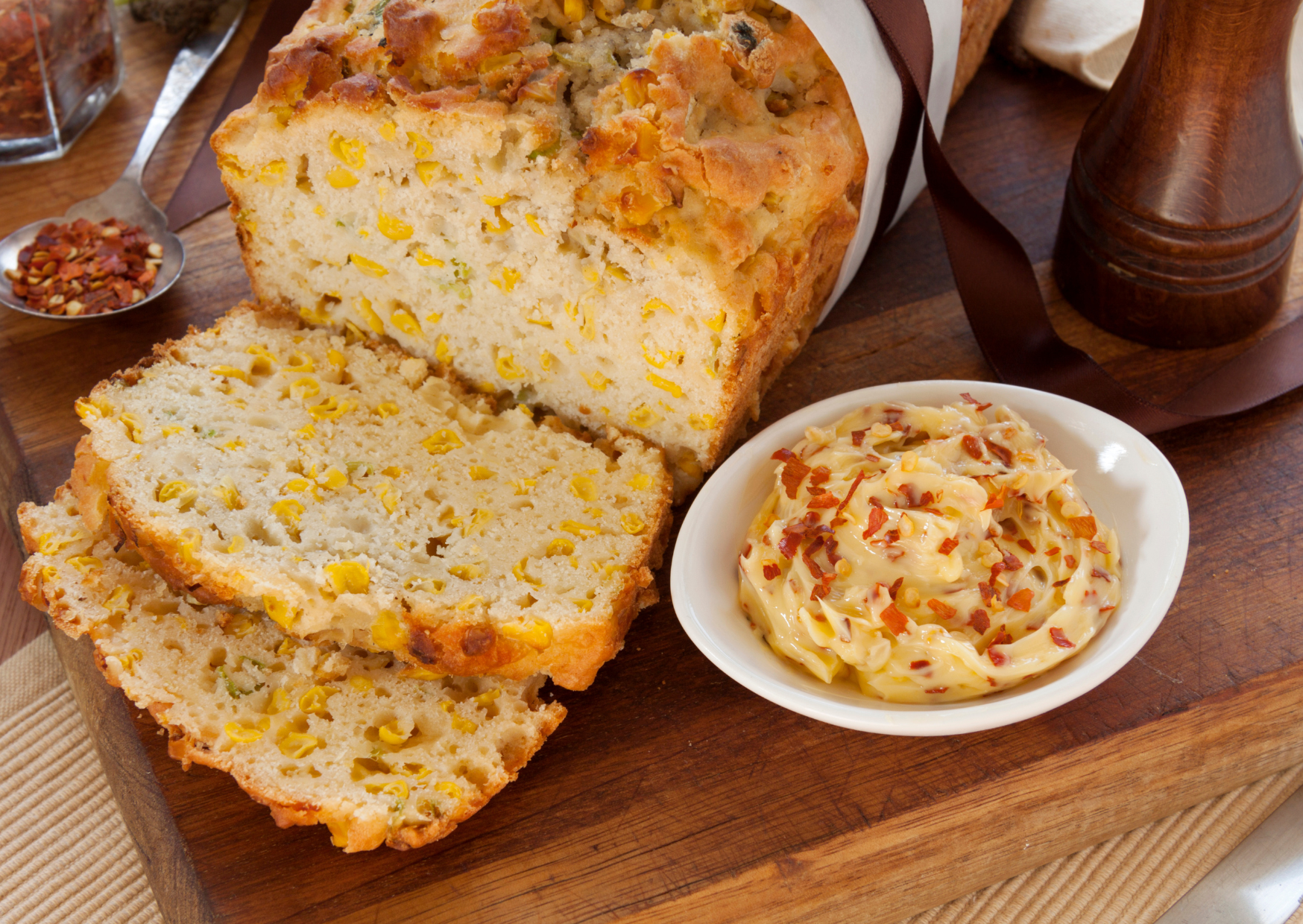
Many bakeries here run bulk fermentation of 12 to 24 hours at cool temperatures. That gives yeasts and bacteria time to reduce fermentable fructans that bother IBS. Watch for: “sourdough” on a label is useless unless time is there. Ask for hours. - Short ingredient lists
A typical village “pan de masa madre” or “pain de campagne” reads like flour, water, salt, sourdough. No oils, conditioners, sugars, or “vital wheat gluten” to fluff the loaf. Remember: fewer adjuncts means fewer gut surprises. - Flour type
Southern Europe leans to Type 0, Type 1, or Type 2 (Italy) and T65–T80 (France) and harina panificable in Spain, often less aggressive extraction and different protein behavior than strong American bread flours pushed for volume. Germany keeps rye in rotation, and rye sourdough sits oddly well with certain IBS profiles because acidity changes starch digestion. - Freshness rhythm
People buy today for today, not for a week. Starch retrogrades and additives creep in when a loaf is engineered to stay soft for days in plastic. That softness is not a virtue if your gut pays for it.
No halos. Just time, acid, salt, and honest flour. That is the “secret.”
The 60 day protocol that actually tests the theory
You cannot fix a stomach in three breakfasts. Give it eight weeks and treat the test like a lab.
Days 1–14: Eliminate the noise
- Cut all packaged sliced bread with more than flour, water, salt, culture or yeast.
- Skip bagels, buns, wraps with conditioners.
- Replace with bakery sourdough where you can confirm overnight fermentation. If none exists, eat boiled potatoes, rice, oats, or corn tortas as your starch while you look.
- Note symptoms daily (Remember: look for gas, pain, urgency, and bloating timing).
Days 15–30: Install the baseline loaf
- Buy one bakery loaf consistently. Choose country sourdough, pain de campagne, pan gallego, pagnotta, Bauernbrot, or 100 percent rye sourdough.
- Portion: 80 to 100 g per meal max while you test.
- Keep the rest of your diet boring and fiber-honest: vegetables, legumes tolerated, olive oil, fish, eggs.
- What to say at the counter: “¿Cuántas horas fermenta este pan.” or “Combien d’heures de fermentation.” or “Quante ore di lievitazione.” A calm bakery answers.
Days 31–45: Add variety carefully
- Try rye sourdough if you started with wheat, or a semi-integral wheat if you started with rye.
- Keep the two-slice rule. Add more only if the week stays calm.
- If symptoms return, step back to the previous loaf and avoid that flour for now.
Days 46–60: Re-check American-style products
- Test one commercial sliced loaf with additives if you want to confirm the suspicion. Two slices with breakfast, once. Note the day.
- If symptoms spike in 6–24 hours, your body gave you the only data you need. Remember: you are testing ingredients and fermentation, not your character.
Keep water normal, caffeine before 14:00, and dinner light. IBS is holistic whether we like it or not.
What to buy in real European bakeries
You do not need to sound clever. You need clear nouns.
- Spain: pan de masa madre, barra rústica, hogaza, pan gallego. Ask “masa madre natural” and “fermentación lenta, 16–24 horas.”
- France: pain de campagne, pain au levain, tourte de meule. Ask “au levain naturel” and “poussée lente.”
- Italy: pane di campagna, filone, pagnotta, pane cafone. Ask “lievitazione lunga, 16–24 ore.”
- Germany/Austria: Bauernbrot, Roggenmischbrot, 100% Roggen Sauerteig. Ask “lange Teigführung” and “Sauerteig, ohne Hefe zugesetzt.”
Watch for: baguettes marked “tradition” in France must follow stricter rules. In Spain, neighborhood obradores post ingredient lists; read them. In Italy, pane senza olio exists—good sign for a clean dough.
If you live in the U.S. and want the same result
Not everyone is near a European bakery, fine. You can still do this.
- Find a bakery that lists fermentation hours or uses a living starter. Many do.
- If labels say dough conditioners, mono- and diglycerides, azodicarbonamide, added gluten, high fructose, keep walking.
- Farmers markets often host micro-bakeries with 18–24 hour fermentation. Ask for the time; they like the question.
- If all else fails, cook the home loaf below. Two loaves a week covers a household.
Remember: you are buying time and absence, not just bread.
The home recipe that behaves: 24 hour sourdough country loaf
Outcome: open-crumb country bread with enough acidity to be kind to bellies that dislike quick yeast.
Makes 2 medium loaves
Time Day 1 morning to Day 2 midday
Formula
- Strong bread flour or T65 style: 700 g
- Whole grain flour (wheat or spelt): 300 g
- Water: 750 g total (75 percent hydration to start)
- Fine sea salt: 20 g
- Ripe 100 percent hydration starter: 100 g
Day 1, 08:00 Autolyse
Mix flours and 700 g water until shaggy. Rest 45 minutes.
Day 1, 08:45 Add starter and salt
Dissolve starter in 50 g water, add to dough with salt. Pinch and fold until combined.
Day 1, 09:00–12:00 Bulk fermentation, warm
Four sets of stretch-and-fold every 30 minutes. Then let the dough sit until it rises 50–70 percent. Room 24–25°C ideal.
Day 1, 12:00–12:30 Bench rest and shape
Divide into two, pre-shape, rest 20 minutes, final shape tight.
Day 1, 12:30 Cold proof
Into bannetons, cover, and refrigerate 16–20 hours.
Day 2, morning Bake
Preheat oven with Dutch ovens to 250°C. Bake covered 20 minutes, uncovered 20–25 minutes at 230°C. Cool completely before slicing.
Why this works
The long cold proof maintains acidity and time without overfermenting. Acid plus time reduces fermentable carbs, improves digestibility, and builds flavor so you eat less to feel satisfied. Heads up: if you are very sensitive, swap 30–40 percent of the wheat for whole rye and keep the same schedule. Many IBS stomachs prefer rye sour.
The IBS lens that keeps you honest
IBS has subtypes. This is not personalized medicine, but the pattern helps.
- If fiber is a trigger
Stay with white sourdough first, 24 hour fermented, then add 10–20 percent whole grain later if weeks are calm. - If you tend constipated
Rye sourdough may be your friend. Small slices, lots of water, and warm vegetables around it. - If gas is the main complaint
Strict on portion size and timing. Two slices with a warm meal, never with cold raw stacks of veggies at dinner.
Remember: bread is not the only lever. Coffee timing, stress, alcohol, and sleep smash your gut faster than one slice.
What to eat with bread to keep the day calm
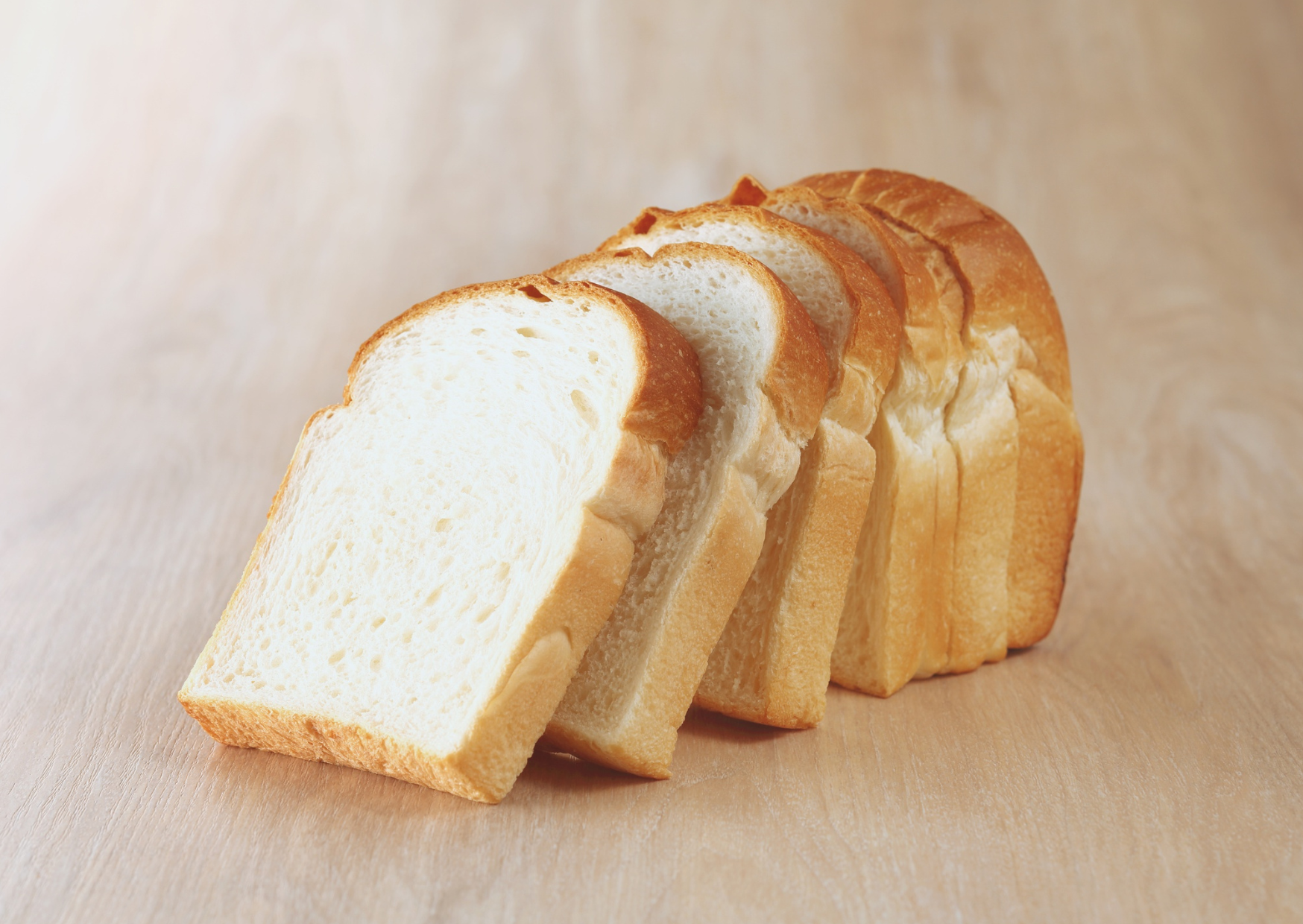
- At lunch: bread with olive oil, tinned fish, lentil soup, bitter salad. The oil and protein slow the starch.
- At dinner: bread is not the main act. Soup or cooked vegetables first, then a small slice.
- Morning: if you must, keep it to one slice with egg and tomatoes or yogurt. Jam is for Sundays.
Heads up: honey or high-fructose jam plus bread is a classic IBS bomb. Save sweets for midday, not night.
The label rule that saved more stomachs than any supplement
If sugar, oil, or “gluten” is listed before salt, do not buy it. Bread is flour, water, salt, and a culture. Everything else needs a reason. A few seeds are a reason. Added gluten to force volume is not.
What to say in a shop when the label is vague: “Ingredientes exactos y horas de fermentación, por favor.” Most counter staff have a sheet. If they do not, that is an answer too.
Travel and restaurant strategy for the 60 days
- Breakfast buffets: choose brown sourdough slices or rye if present, skip the soft industrial toast by the toaster tunnel.
- Sandwiches: ask for pan de masa madre or pain au levain; many places have it but use default white unless you speak up.
- Pizzerias: if you test pizza, pick 72 hour dough pizzerias. Ask “impasto 72 ore” in Italy, “fermentación larga” in Spain.
- Flights: carry two slices of your bread with tinned fish or cheese and fruit. Airplane buns are built for softness, not peace.
Remember: the point is consistency, not heroism.
If wheat is a real problem for you
If long fermentation still hurts, switch to gluten-minimized, low-fructan options for a month.
- 100 percent rye sourdough (traditional German style) in thin slices.
- Corn tortillas with clean labels.
- Buckwheat galettes (true buckwheat, not blends), filled with eggs and spinach.
- Rice cakes if you must, stacked with hummus or tinned fish to slow the hit.
Then re-test one slice of long-fermented wheat after 30 days. Your gut may tolerate it in small amounts when the rest of your diet is not chaos.
What changed my mind
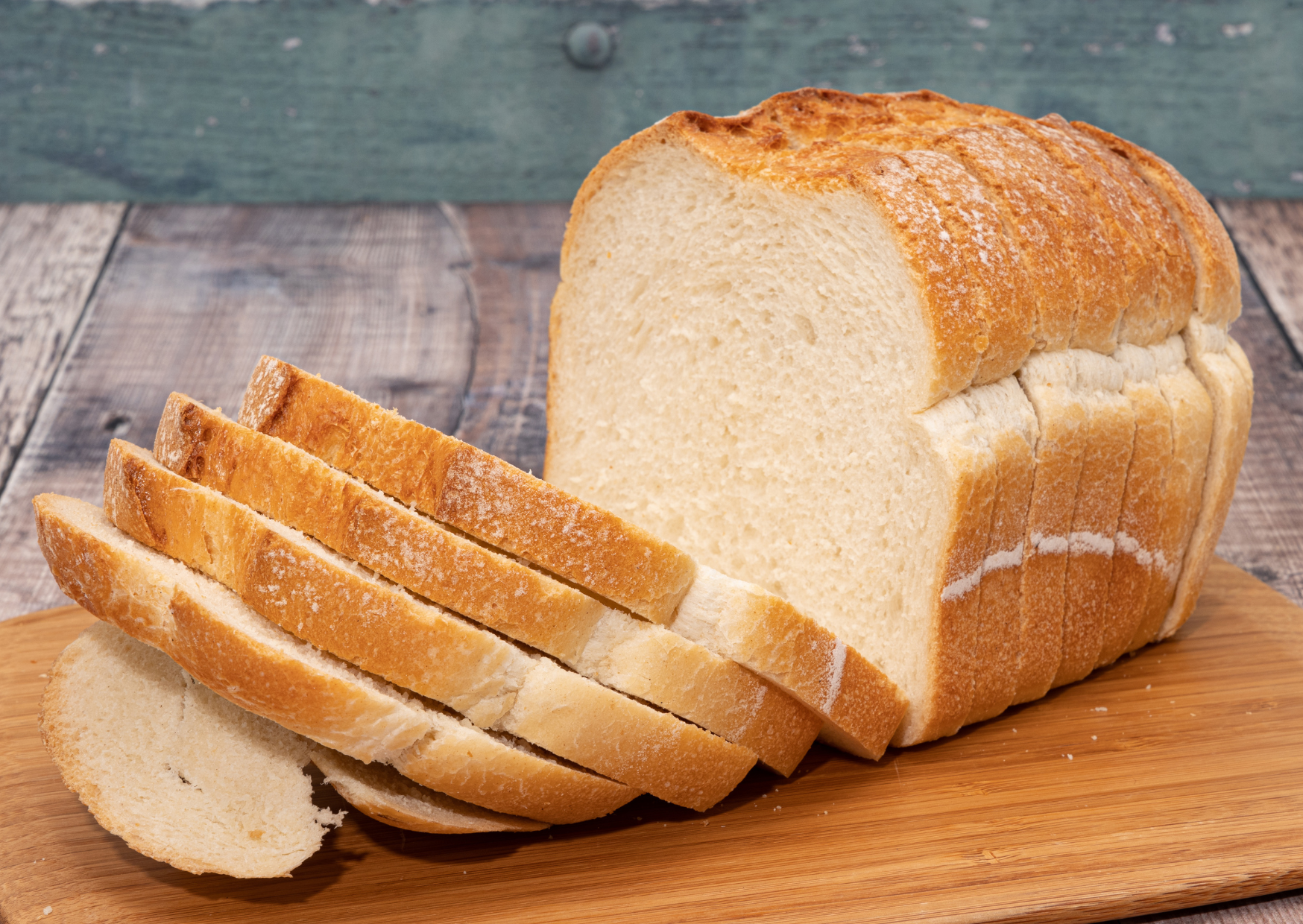
Update: I used to say “if it says sourdough, you are fine.” After two months of asking for hours at the counter, I stopped trusting the word alone. Now I only buy bread when ferment time is printed or spoken, or I stick to bakeries with obvious overnight schedules. Symptoms track time more than marketing.
Tiny troubleshooting you will actually need
- I feel bloated on day two
You probably ate too much too late. Keep bread at lunch for three days. Add a walk after. - The home loaf is gummy
Bake longer. Sourdough needs a deep bake to finish moisture. Cool fully before slicing. - I miss sandwiches
Make open-faced versions on your bread with sardines or roast peppers. One slice satisfies the brain as much as two. - The bakery rolls eyes at my questions
Go to a different bakery. Remember: honest shops enjoy explaining their process.
What to expect by week
- Week 1: less gas if bread was a trigger, appetite steadier.
- Week 2: morning belly feels flatter, urgency fades.
- Week 3–4: sleep improves if dinner is lighter and caffeine earlier. Bread becomes a food, not the meal.
- Week 5–6: you know exactly which loaf your stomach trusts. Keep that one and stop experimenting for sport.
Not a miracle. A routine.
Open your notes app and write three lines: “Ask hours. Four ingredients. Lunch, not late.” Pick one bakery loaf with a known fermentation, eat it for 30 days, and keep dinners light while you test. If your IBS calms, you just learned the difference between bread that performs for a shelf and bread that performs for a body. If you want the printable 60 day checklist with the bakery phrases in Spanish, French, Italian, and German, say the word and I will compress it for your wallet.

About the Author: Ruben, co-founder of Gamintraveler.com since 2014, is a seasoned traveler from Spain who has explored over 100 countries since 2009. Known for his extensive travel adventures across South America, Europe, the US, Australia, New Zealand, Asia, and Africa, Ruben combines his passion for adventurous yet sustainable living with his love for cycling, highlighted by his remarkable 5-month bicycle journey from Spain to Norway. He currently resides in Spain, where he continues sharing his travel experiences with his partner, Rachel, and their son, Han.