
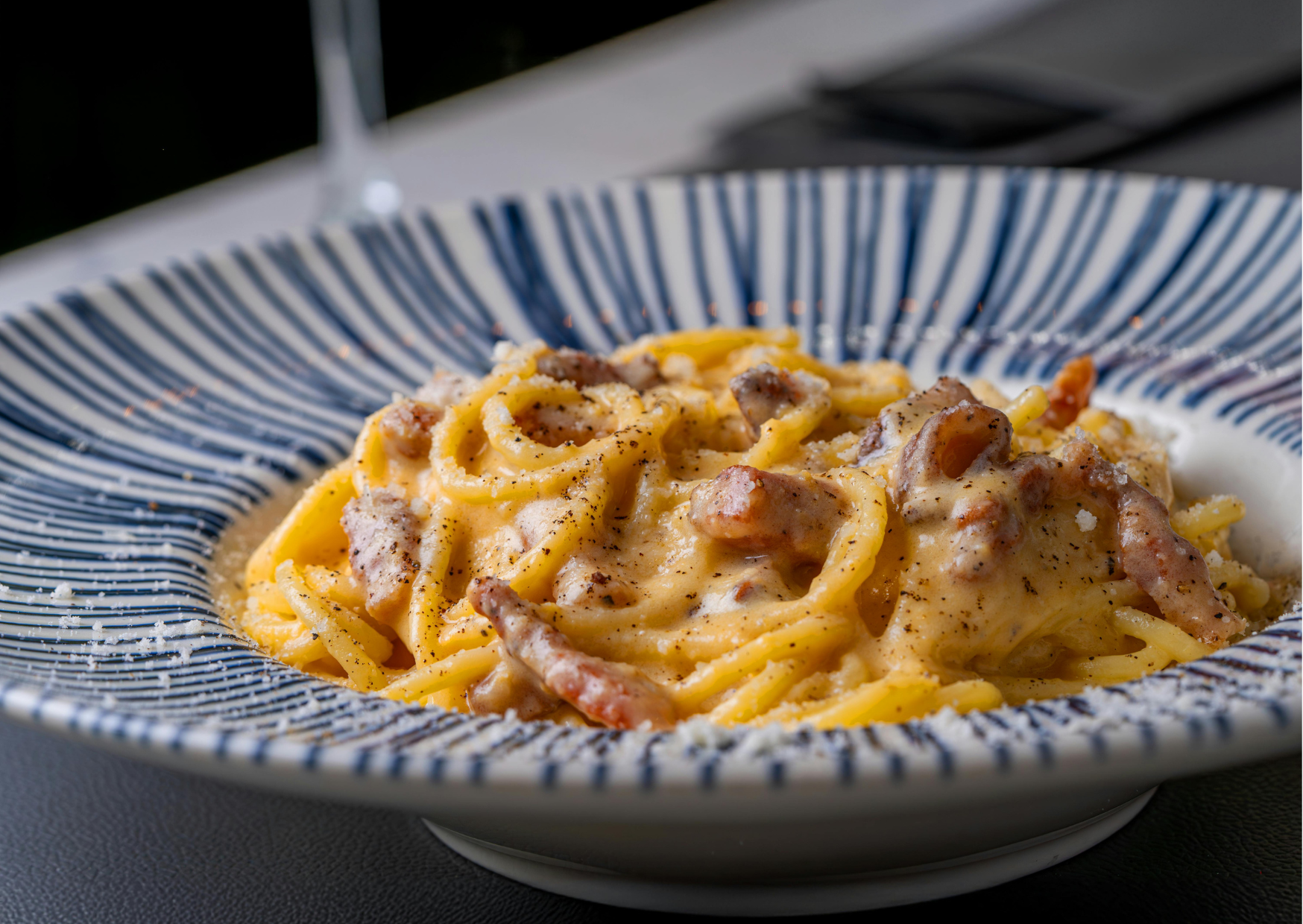
If your carbonara needs cream, garlic, onion, peas, or “a splash of milk,” you made a different pasta. This is the Roman one: pork, eggs, cheese, pepper, pasta water, and a little bit of attitude.
The first time you eat carbonara in Rome at a serious spot, you notice two things.
One, it’s not heavy. It’s rich, but it doesn’t sit on you like a wet sweater. The sauce is glossy, not gluey. You taste pork and pepper first, not dairy.
Two, nobody acts like it’s a “recipe.” It’s dinner. It’s Tuesday. They’re not explaining it. They’re just doing it.
That’s the cultural gap Americans fall into. In the US, carbonara became a vibe. A creamy pasta concept that can absorb anything from cream to chicken to garlic butter.
In Rome, carbonara is a specific thing. The rules are not there because Italians enjoy policing strangers. The rules exist because if you mess with one element, the whole structure collapses.
This is the version Romans expect: cured pork cheek, egg, Pecorino Romano, black pepper, pasta, and the starchy water that turns it into a sauce.
Not because it’s “authentic” in a museum way. Because it tastes better.
Rome’s carbonara rules are strict because the sauce is fragile
Roman carbonara is basically a controlled accident. You’re asking eggs and cheese to become a silky sauce without turning into scrambled eggs, and you want it to happen fast.
That’s why Rome is so harsh about extra ingredients. Cream doesn’t “improve” it, it makes it lazy. Garlic doesn’t “add flavor,” it bulldozes the pepper and the pork. Onion turns it sweet. Butter changes the texture.
And once you add a bunch of stuff, you stop tasting what carbonara is actually built on: guanciale fat, Pecorino bite, and black pepper heat.
In Rome, carbonara is also part of a larger family of pastas that use the same logic. Simple ingredients, no hiding, technique matters.
So when someone tells you “no exceptions,” what they really mean is: if you want the Roman result, you can’t keep changing the equation.
Also, the rules are a social signal. In Italy, ordering says something about you. If you ask for garlic in carbonara, you are basically announcing you don’t trust the dish. If you ask for cream, you’re telling on yourself.
This is not about shame. It’s about understanding the local language. Carbonara is one of those foods where confidence beats creativity.
If you want to experiment, do it on a different pasta. Carbonara is the one you learn properly first.
The only ingredients that count, and how to buy them outside Rome
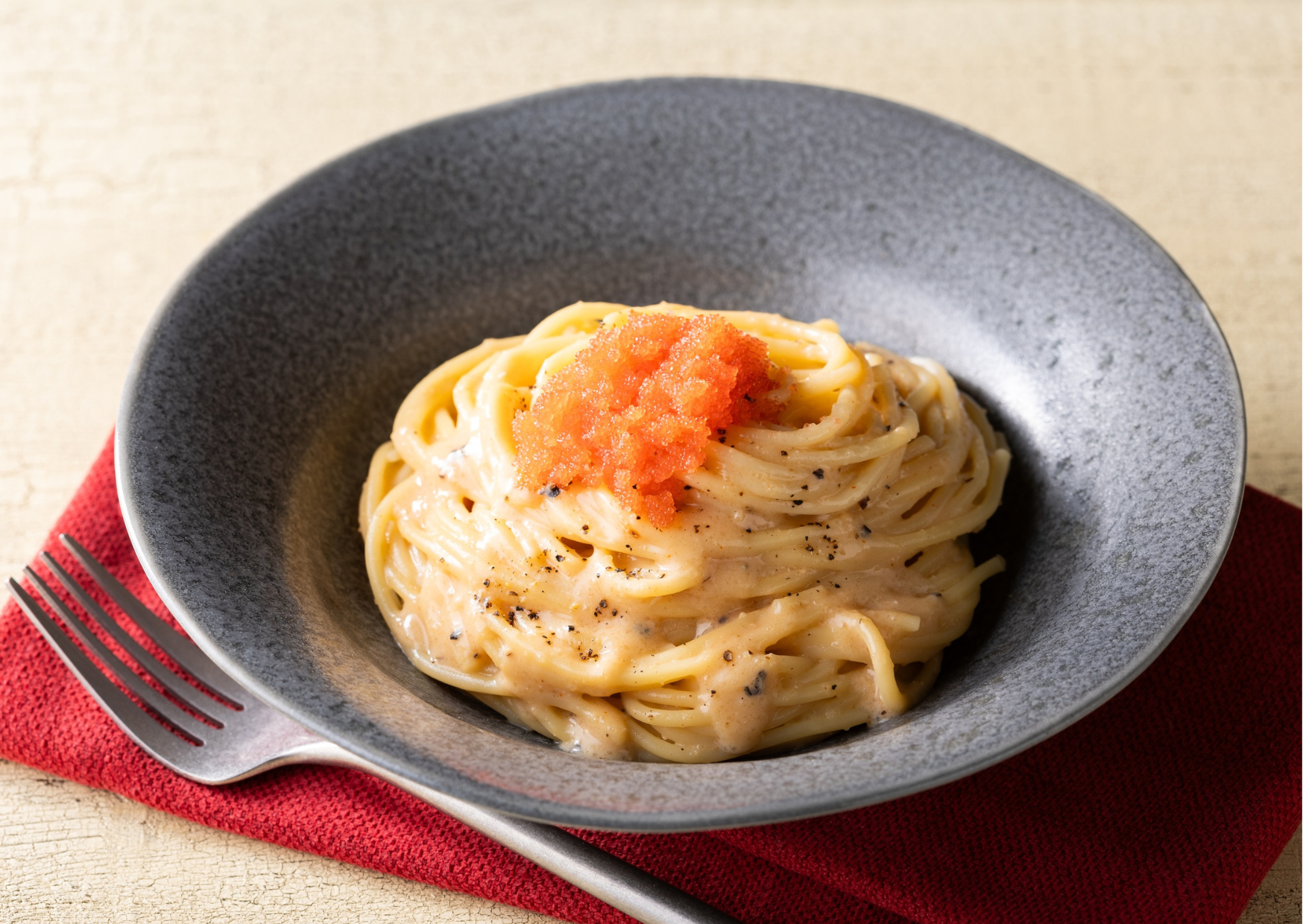
You need five things: pasta, guanciale, eggs, Pecorino Romano, black pepper.
That’s it. Everything else is optional in the same way a fifth wheel is optional on a bicycle.
Let’s talk about what matters, especially if you’re cooking from Spain, the US, or anywhere outside Italy.
Guanciale: This is cured pork cheek. It has a different fat-to-meat ratio than pancetta, and that fat is the engine of the sauce. If you can find it, buy it. If you can’t, use unsmoked pancetta. If your only option is bacon, use the least smoky one you can get and accept that it will taste more like breakfast than Rome.
In Spain in late 2025 and early 2026, guanciale prices swing wildly depending on where you buy. Some online import shops list it around €18.84/kg, while gourmet butchers can list it closer to €38.50/kg. That range matters because guanciale is your biggest cost line.
Pecorino Romano: Sheep’s milk cheese, salty, sharp, and built for these pastas. If you use parmesan only, it will taste polite and a little flat. You can do a blend if that’s what your family likes, but the Roman version leans hard on Pecorino.
Eggs: This is not the place for “one sad egg.” Carbonara is an egg sauce. You want enough yolk to emulsify and enough structure that it clings to the pasta. Yolks make it creamy. A little whole egg helps it bind.
Black pepper: Freshly ground, and don’t be shy. Pepper is not garnish here. It’s part of the sauce.
Pasta: Romans love tonnarelli, rigatoni, mezze maniche, and spaghetti. Use a sturdy shape that can handle a thick sauce. In Spain, a basic 1 kg bag of spaghetti at a major supermarket can be priced around €2.29/kg during promotions, and you don’t need fancy pasta to get a great result.
One more thing: buy a wedge of cheese and grate it yourself. Pre-grated cheese behaves like sadness.
This dish rewards good ingredients, but it doesn’t require luxury. It requires the right stuff.
The recipe, measured for normal kitchens
Here’s the version that consistently works in a Spanish home kitchen without drama.
Serves: 4 (or 3 hungry adults who “just want a small bowl”)
Prep time: 10 minutes
Active time: 12 to 15 minutes
Rest time: 2 minutes off heat before you sauce
Storage: best eaten immediately, leftovers keep 1 day in the fridge
Equipment: large pot, colander or tongs, large skillet, heatproof bowl, whisk or fork, microplane or grater, pepper grinder
Take-to-store shopping list (for 4 servings)
- Pasta, 400 g
- Guanciale, 150 to 180 g
- Pecorino Romano, 120 g (buy extra if you want to grate generously)
- Eggs, 5 large
- Whole black peppercorns
Ingredients
- Pasta (spaghetti, rigatoni, or tonnarelli): 400 g (about 14 oz)
- Guanciale: 160 g (about 5.6 oz, roughly 1 heaped cup once cut into thick sticks)
- Pecorino Romano, finely grated: 120 g (about 1½ packed cups)
- Egg yolks: 4
- Whole egg: 1
- Freshly ground black pepper: 1 to 2 tsp, plus more to finish
- Salt: for pasta water only
Substitutions that still respect the dish
- No guanciale: use unsmoked pancetta (same weight).
- No Pecorino: use 70 g Pecorino + 50 g parmesan. It’s not Roman-pure, but it’s better than pretending parmesan is the same.
- No spaghetti: use rigatoni and thank yourself later.
And yes, I’m saying it plainly: no cream, no garlic. If that feels restrictive, good. Restrictions are what make this taste like Rome and not like “creamy pasta night.”
The method, step by step, so you don’t scramble the eggs
- Start the guanciale first.
Cut it into thick matchsticks, not paper-thin shards. Put it in a cold skillet and set the heat to medium. Let it slowly render. You want crisp edges and a pool of fat. Stir occasionally. - Boil the pasta water.
Big pot, plenty of water. Salt it, but don’t go crazy because Pecorino is salty and guanciale is salty. Cook pasta until al dente. Save at least 1 cup of pasta water before draining. - Mix the sauce base in a bowl.
Whisk together the 4 yolks + 1 whole egg, then add the grated Pecorino and a generous amount of black pepper. It should look like thick yellow paste. That’s correct. - Cool the pan slightly.
When the guanciale is crisp, turn off the heat. Let the skillet sit for 2 minutes. This is where Americans sabotage themselves by rushing. Your goal is off the heat saucing, not frying eggs. - Combine pasta + guanciale.
Add the drained pasta to the skillet with the guanciale. Toss to coat in the fat. - Make it creamy with pasta water, not dairy.
Add a small splash of pasta water and toss again. Now add the egg-cheese mixture. Toss aggressively. Add more pasta water a tablespoon at a time until it turns glossy and clings.
If you want a number: the sauce wants to stay around 60 to 65°C (140 to 149°F). Hot enough to thicken, not hot enough to scramble. If you don’t have a thermometer, trust the method: heat off, pasta hot, work fast.
- Serve immediately.
Finish with pepper. If you want extra cheese, grate it on top, and accept that Romans will respect you more for that than for any cream-based shortcut.
Why this works
Carbonara is an emulsion. You’re using starchy pasta water and rendered guanciale fat to help egg yolk and cheese turn into a sauce. The cheese thickens, the yolk smooths, the water loosens, and the pepper cuts through. When it goes wrong, it’s almost always because the pan was too hot or the pasta water was forgotten.
The money side, because this is a luxury dish that isn’t actually expensive
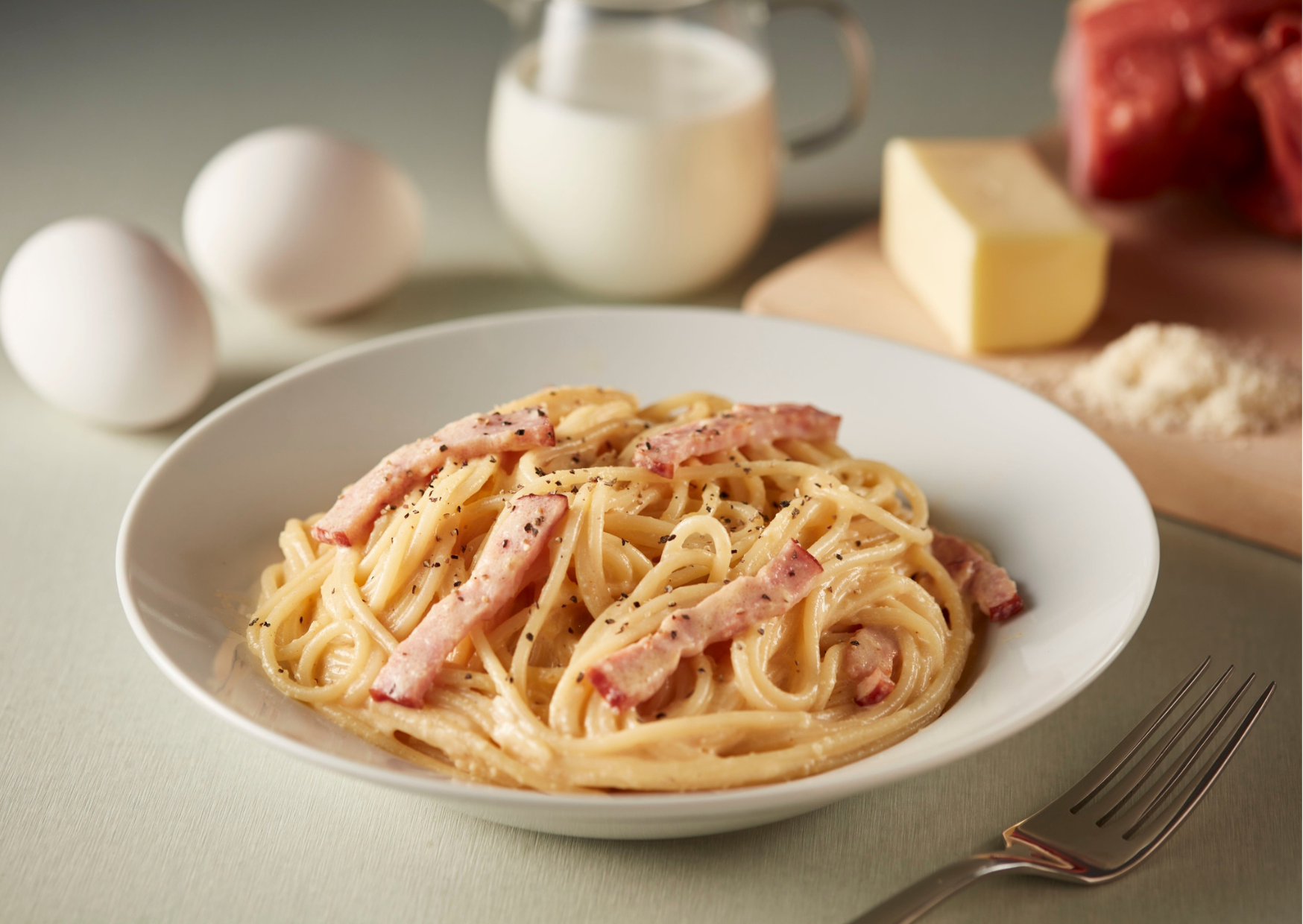
Carbonara feels fancy because it’s rich, not because it’s costly.
If you price it like a normal household in Spain, the math is surprisingly kind.
Using real-world Spanish grocery anchors from late 2025 and early 2026:
- Pasta can be found around €2.29 per kg during promotions, so 400 g is about €0.92.
- Eggs at a major supermarket chain were reported around €3.30 per dozen for size L, so 5 eggs are about €1.38.
- Guanciale is the wild card. If you get it around €18.84/kg, 160 g is about €3.01. If you pay a gourmet price closer to €38.50/kg, that same portion becomes about €6.16.
- Pecorino Romano can show up around €31.83/kg for bulk pricing online, so 120 g is about €3.82.
So your total can land roughly between €9 and €12+ depending on guanciale pricing. That’s €2.25 to €3 per serving for something that tastes like restaurant food.
This is also why Romans are so stubborn about ingredients. If you pay for guanciale and Pecorino, then drown it in cream, you didn’t upgrade anything. You just added cost and removed the point.
If you want one smart move: buy guanciale and Pecorino once, then use the leftovers for the other Roman classics. Carbonara is not a one-night ingredient trap. It’s a doorway.
The mistakes that turn carbonara into a sad, lumpy pan of regret
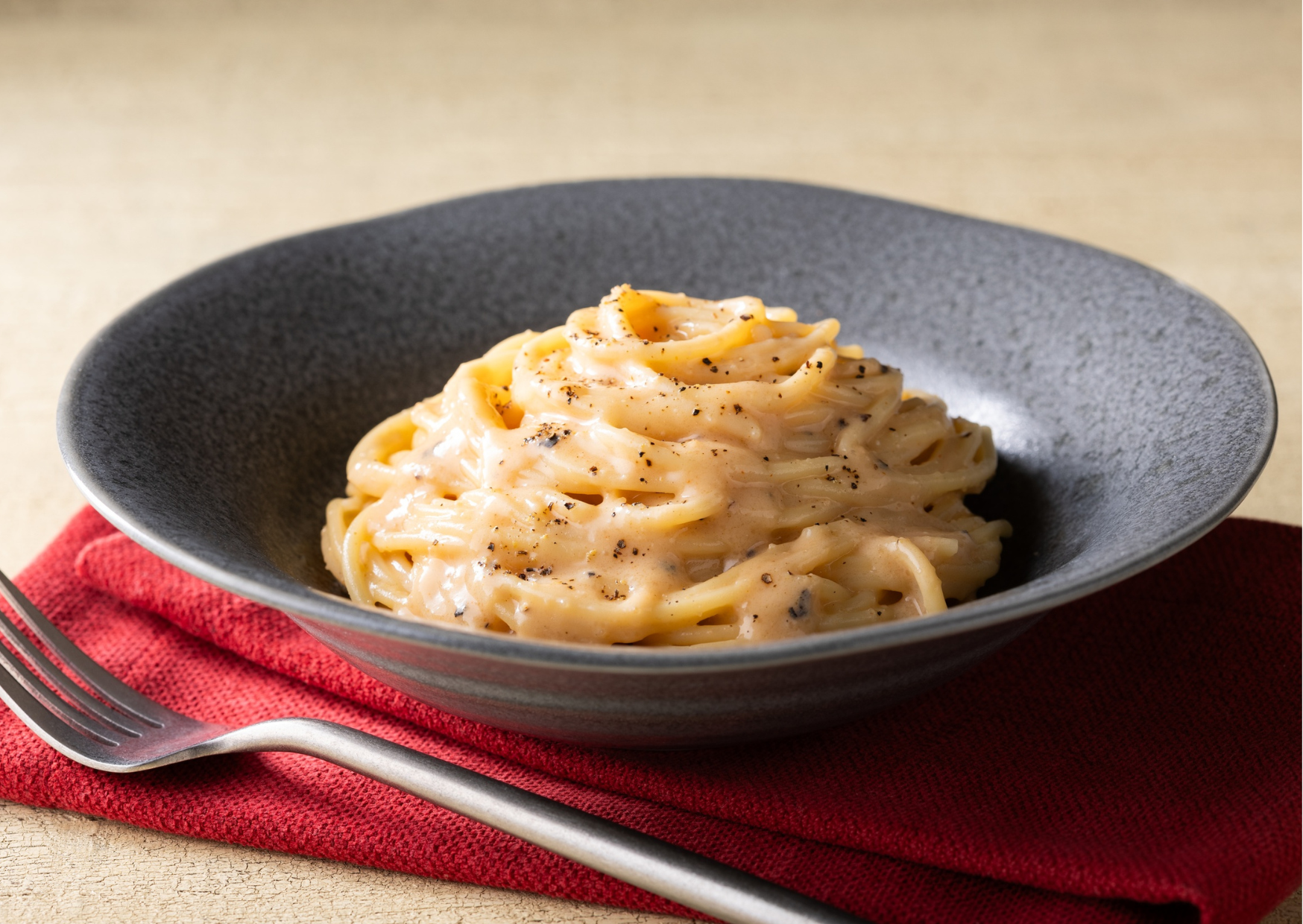
Most carbonara failures are not moral failures. They’re heat failures.
Here are the biggest ones, and the fixes.
Mistake 1: adding the eggs over active heat.
Fix: heat off, always. If you need warmth, use the residual heat of the pasta and pan.
Mistake 2: not saving pasta water.
Fix: save more than you think you need. Carbonara is made with pasta water as the lever, not cream.
Mistake 3: salting like it’s a blank sauce.
Fix: salt the water moderately and don’t add salt to the sauce. Taste at the end. Pecorino and guanciale already brought plenty.
Mistake 4: using pre-grated cheese.
Fix: grate it fresh. Pre-grated cheese can be coated to prevent clumping, and it won’t melt the same way.
Mistake 5: cutting guanciale too thin.
Fix: thicker sticks render better and stay meaty. Thin slices can go brittle and taste bitter.
Mistake 6: trying to “stretch” it with extra liquid.
Fix: the only liquid should be pasta water. If you make it soupy, it won’t coat.
Mistake 7: being timid with pepper.
Fix: pepper is a core flavor. If your carbonara tastes flat, it’s often missing real pepper heat, not more cheese.
Also, a blunt truth: if you insist on garlic, you’ll end up chasing garlic flavor and losing carbonara flavor. Make a garlic pasta another night. Let this one be what it is.
How to make carbonara work for a whole week, not just one dinner
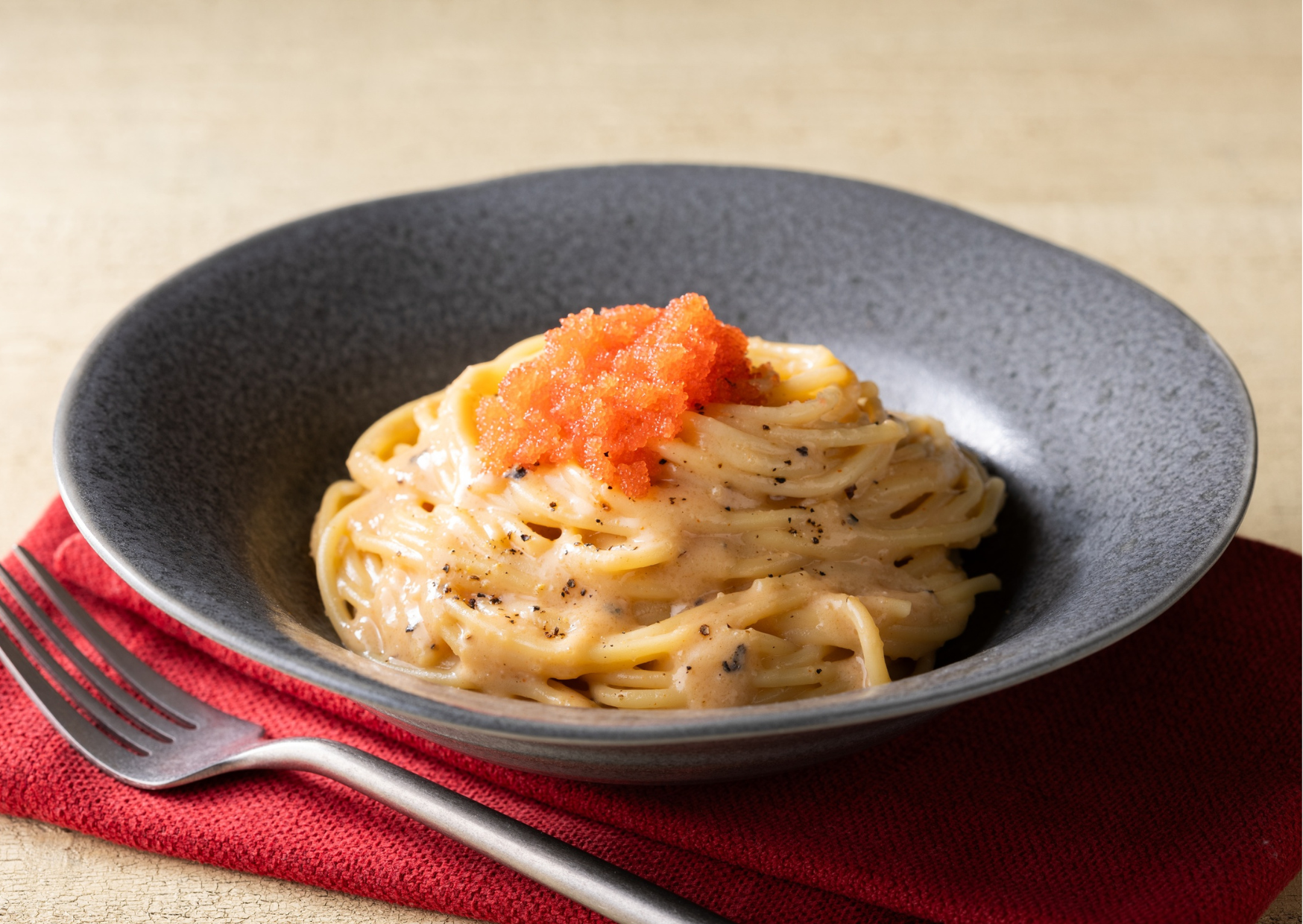
Carbonara is best the minute it’s made. The sauce is at its peak when it’s glossy and alive, not after it’s been refrigerated and reheated into something paste-like.
But the ingredients are incredibly reusable, and that’s the grown-up move.
Here’s a simple 7-day rhythm that uses what you bought without forcing “leftover carbonara” on anyone.
Day 1: Carbonara night. Eat it hot. No heroics.
Day 2: Use leftover guanciale to make a fast egg scramble with pepper and grated Pecorino. Same flavor family, zero stress. It’s also a very Spanish morning if you add toast and tomatoes.
Day 3: Make pasta alla gricia (guanciale, Pecorino, pepper, pasta water). It’s basically carbonara’s sibling without eggs, and it teaches you the same emulsification trick.
Day 4: Use Pecorino to level up vegetables. Roast cauliflower or zucchini, then finish with grated Pecorino and pepper. Salt and sharpness make vegetables taste expensive.
Day 5: Make a simple lentil soup, then add a shower of Pecorino at the table. Not traditional Roman, but very “European winter kitchen.”
Day 6: If you have leftover cooked pasta from any night, turn it into a frittata-style omelet with a little guanciale and Pecorino. This is the best rescue plan for leftover pasta, and it doesn’t pretend it’s fresh carbonara.
Day 7: If there’s still guanciale, freeze it in small portions. It freezes well. Slice it first so you can grab exactly what you need.
Storage note: leftover carbonara pasta can be kept 1 day, but if you reheat, do it gently with a splash of water and low heat, and don’t expect the original silkiness. The smarter move is transformation, not imitation.
The win here is not perfect leftovers. The win is repeatable ingredients that make normal food taste like a trattoria.

About the Author: Ruben, co-founder of Gamintraveler.com since 2014, is a seasoned traveler from Spain who has explored over 100 countries since 2009. Known for his extensive travel adventures across South America, Europe, the US, Australia, New Zealand, Asia, and Africa, Ruben combines his passion for adventurous yet sustainable living with his love for cycling, highlighted by his remarkable 5-month bicycle journey from Spain to Norway. He currently resides in Spain, where he continues sharing his travel experiences with his partner, Rachel, and their son, Han.