
And Why the Most Treasured Dishes in Spain Can’t Be Found in Cookbooks — Only in Memory
In Spain, some recipes aren’t taught they’re absorbed.
Not written in ink, but passed between generations through rhythm, scent, and timing. You don’t measure with cups. You listen to the sizzle. You don’t time the stirring. You feel when it’s ready.
Here are nine beloved Spanish dishes that rarely exist on paper now captured with enough structure to help you cook them, but still wrapped in the storytelling tradition they were born from.
One controversy around unwritten family recipes is the fear of cultural loss. As generations modernize and rely less on oral tradition, many Spaniards worry these authentic recipes will vanish. Critics argue that keeping them secret prevents preservation, while families defend the intimacy of passing recipes down only within trusted circles.
Another debate is about authenticity versus innovation. Some say these recipes should remain untouched, preserved exactly as grandmothers made them, while others believe cooking evolves with time and ingredients. This tension often leads to heated arguments over what counts as “real” Spanish food.
Finally, there’s the question of exclusivity. Tourists and even some Spaniards outside certain regions feel excluded from culinary traditions that remain hidden. Supporters argue that this secrecy protects cultural identity, while opponents see it as a barrier to cultural exchange.
Looking for More Travel & Culture Reads?
– They Don’t Work 24/7: 5 Vacation Customs in Europe That Drive Americans Crazy
– 7 Dress Code Shocks Americans Face in Italy
– 9 European Beach Habits That Shock First-Time Tourists
1. Cocido Madrileño
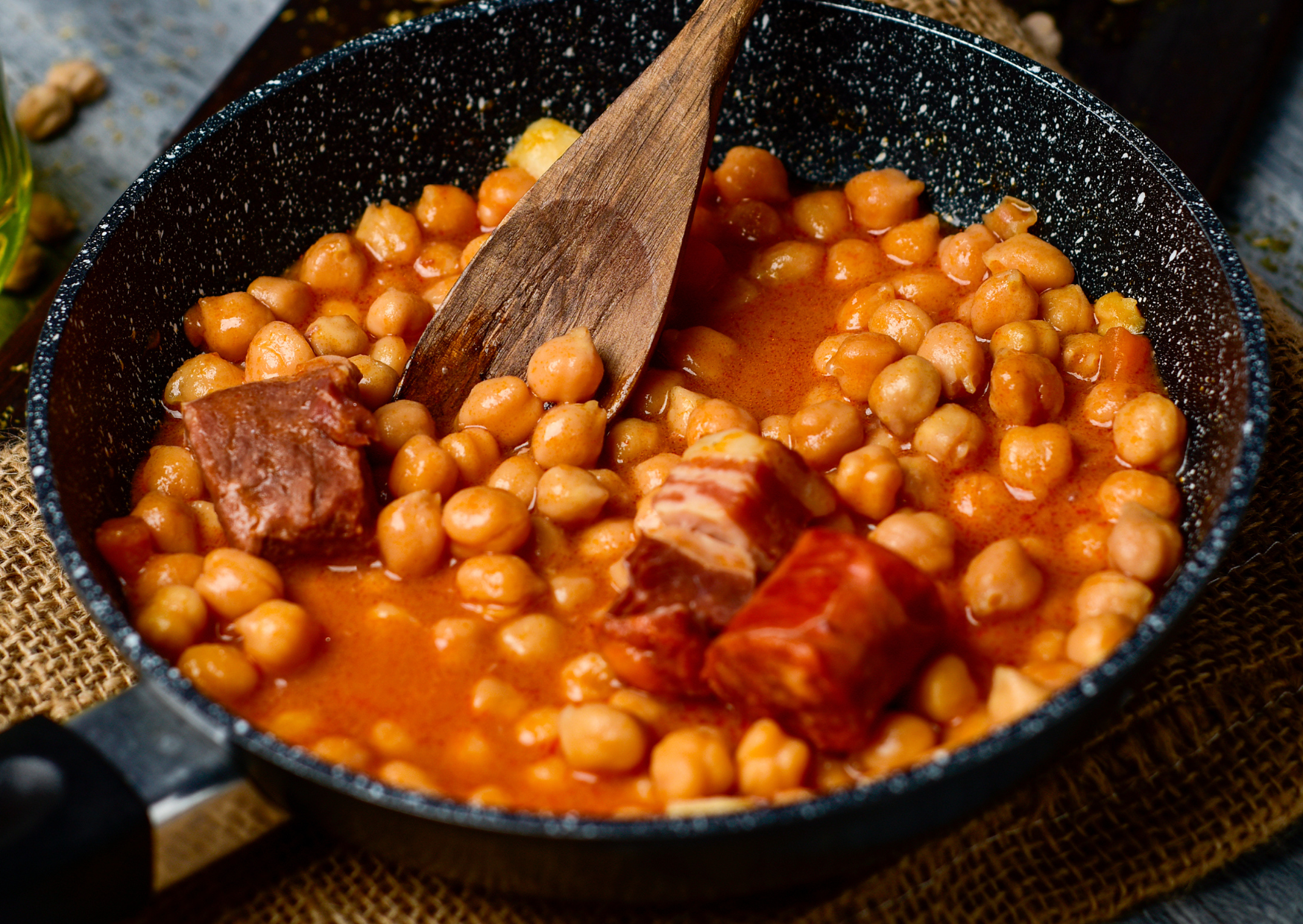
The family stew that unfolds in stages
Prep Time: 30 minutes
Cook Time: 3.5–4 hours
Serves: 6–8
Ingredients:
- 500 g dried chickpeas (soaked overnight)
- 1 marrow bone
- 500 g stewing beef
- 1 ham bone or chunk of jamón serrano
- 1 morcilla (blood sausage)
- 1 chorizo
- 2 carrots, cut into chunks
- 1 large potato, peeled and quartered
- ½ cabbage
- Salt to taste
- Fideos (thin noodles) for soup
Method:
- In a large pot, cover soaked chickpeas with cold water. Add bones and meat. Bring to a boil, skimming foam.
- Simmer on low for 2 hours. Add carrots, potato, cabbage, chorizo, and morcilla. Continue cooking for 1–1.5 hours.
- Remove solids. Strain broth and use it to cook the noodles separately.
- Serve in three “vuelcos”: First, the soup. Second, the vegetables and chickpeas. Third, the meats.
Whispered tip: Always serve with crusty bread and a glass of red wine — cocido isn’t rushed.
2. Tortilla de Patatas
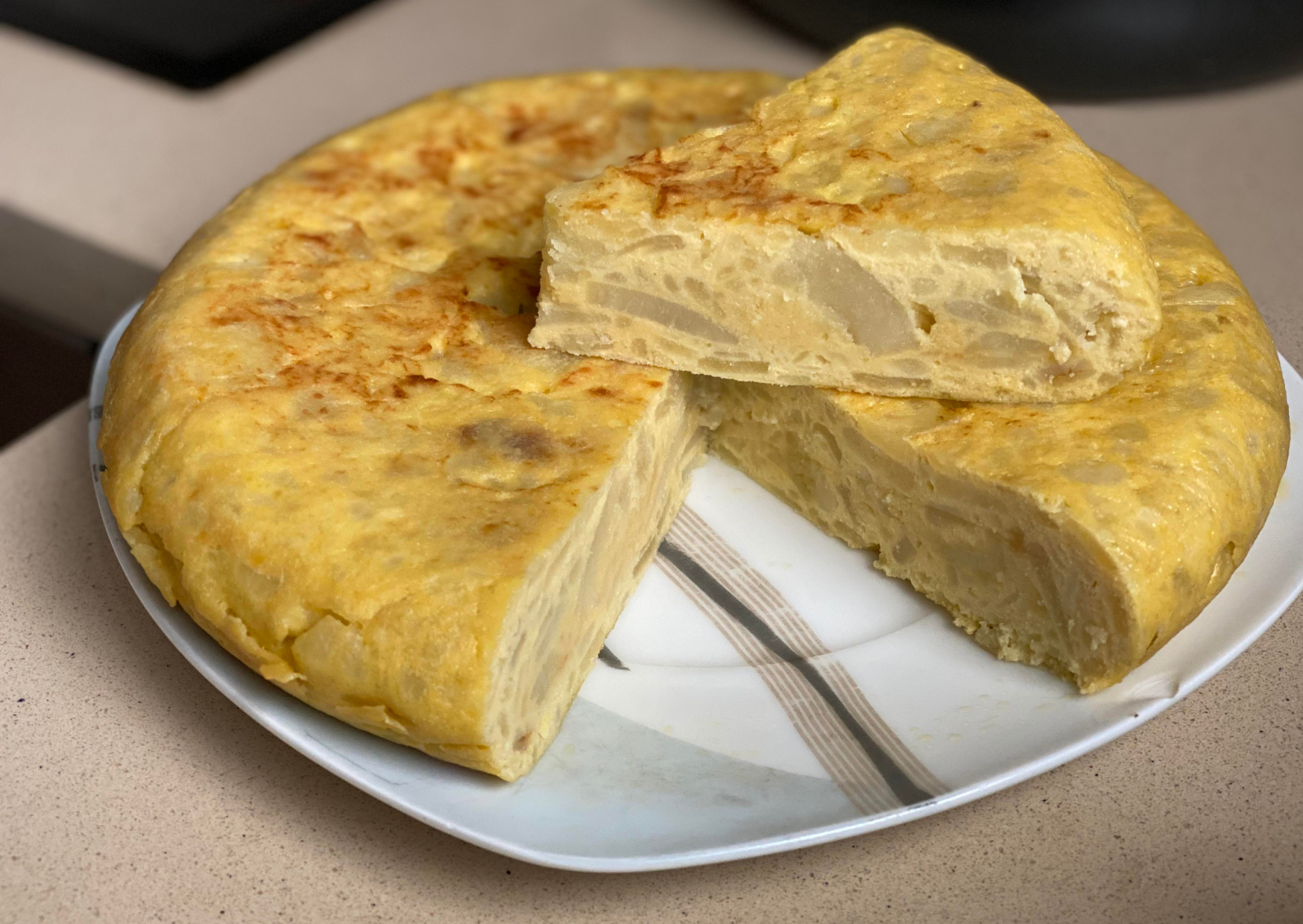
Every family’s rules. Always debated.
Prep Time: 15 minutes
Cook Time: 25 minutes
Serves: 4
Ingredients:
- 5 medium potatoes, peeled and thinly sliced
- 1 onion, finely sliced (optional but passionately defended)
- 6 eggs
- Olive oil
- Salt
Method:
- Heat generous olive oil in a pan. Slowly fry potatoes (and onion) on medium-low until soft, not crisp. Drain.
- Beat eggs in a large bowl with salt. Mix in warm potatoes. Let rest 5–10 minutes.
- Pour mixture into a hot, oiled skillet. Cook until golden underneath. Flip carefully and cook other side.
Whispered tip: The best tortillas are slightly runny in the center — not dry.
3. Pisto Manchego
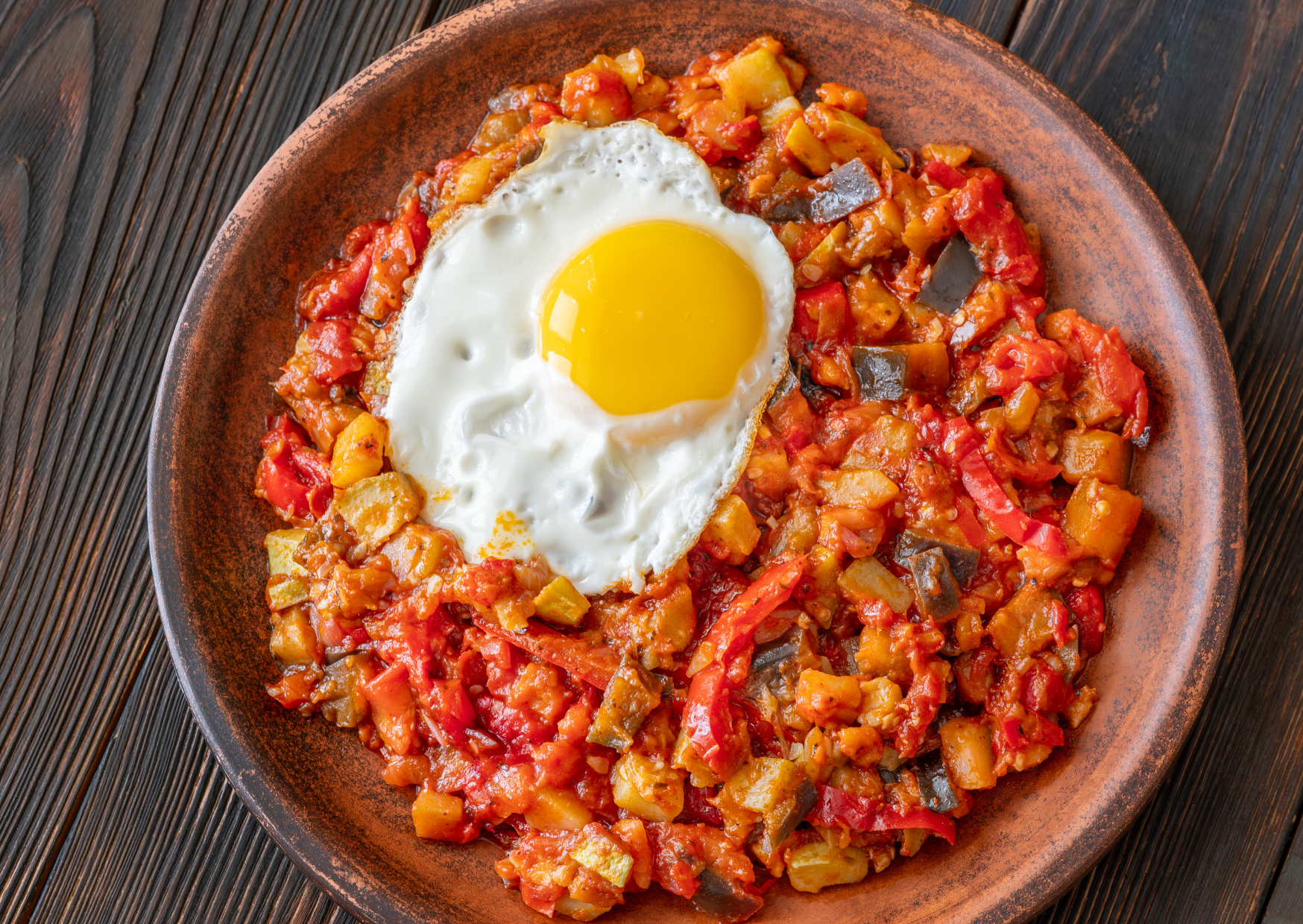
Humble, slow, and deeply satisfying
Prep Time: 15 minutes
Cook Time: 60–90 minutes
Serves: 4
Ingredients:
- 1 eggplant, diced
- 1 zucchini, diced
- 1 red pepper, diced
- 1 green pepper, diced
- 1 onion, chopped
- 3 ripe tomatoes, grated
- Olive oil
- Salt and a pinch of sugar
- 1 egg (optional, for serving)
Method:
- Fry vegetables separately in olive oil, beginning with the eggplant. Drain excess oil.
- Combine all vegetables and add grated tomato. Cook uncovered on low until thick and jammy.
- Adjust salt and a tiny pinch of sugar. Serve warm or room temp, optionally topped with a fried egg.
Whispered tip: Cook it longer than you think. When it smells like a summer evening, it’s ready.
4. Lentejas Estofadas
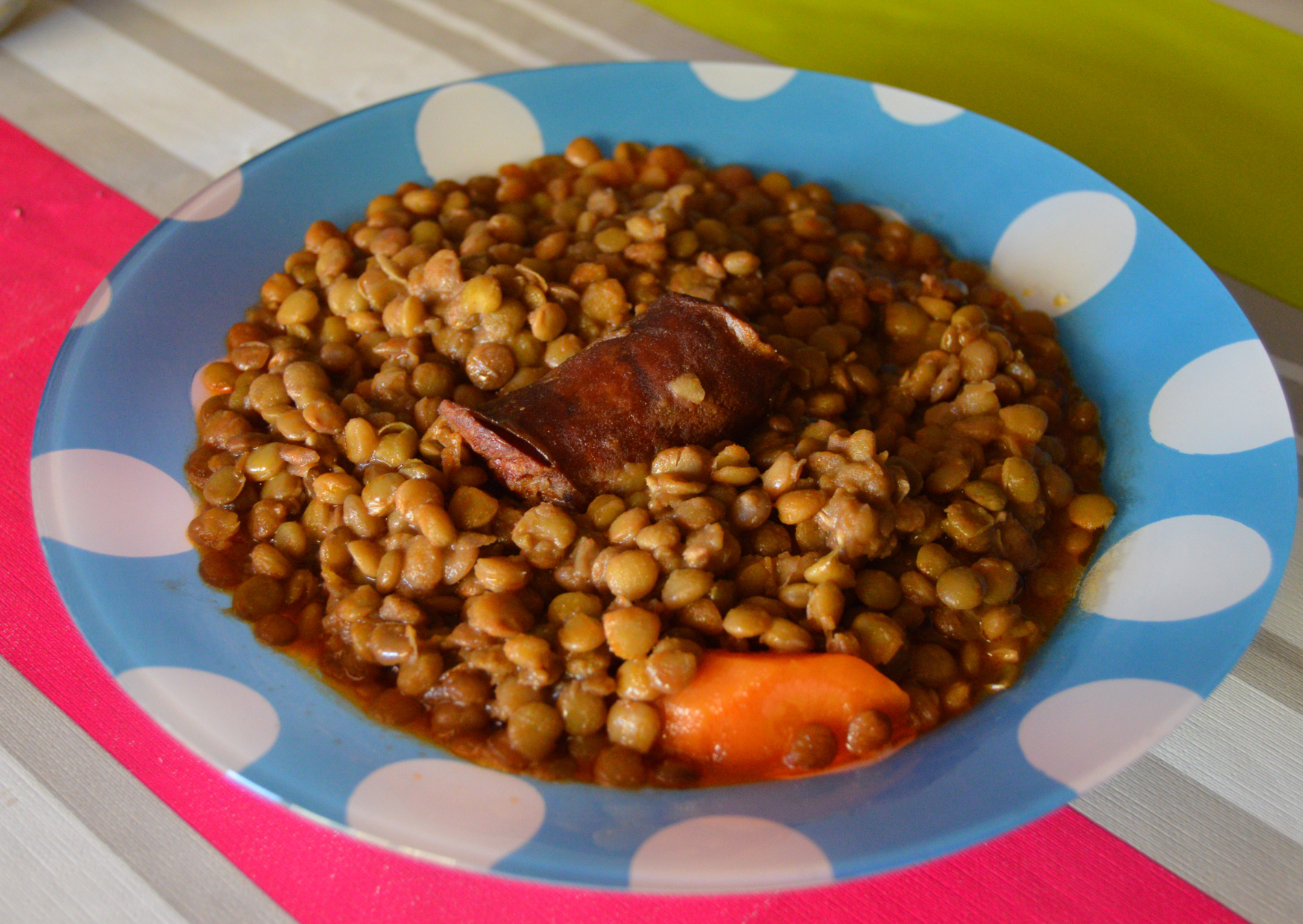
“If you don’t want them, leave them” — but no one ever does
Prep Time: 15 minutes
Cook Time: 1.5 hours
Serves: 4–6
Ingredients:
- 300 g brown lentils (pardina), rinsed
- 1 chorizo, sliced
- 1 small piece of jamón or bacon
- 1 onion
- 1 carrot
- 1 garlic clove
- 1 bay leaf
- 1 tsp sweet paprika
- Olive oil, salt
Method:
- Sauté onion, garlic, and carrot in olive oil. Add paprika.
- Add lentils, meats, bay leaf, and cover with water. Bring to a boil, then simmer covered for 60–75 minutes.
- Check salt and add more water if needed. Lentils should be tender, not mushy.
Whispered tip: Let them rest 15 minutes before serving. They’re always better with a little patience.
5. Arroz al Horno (Oven-Baked Rice)
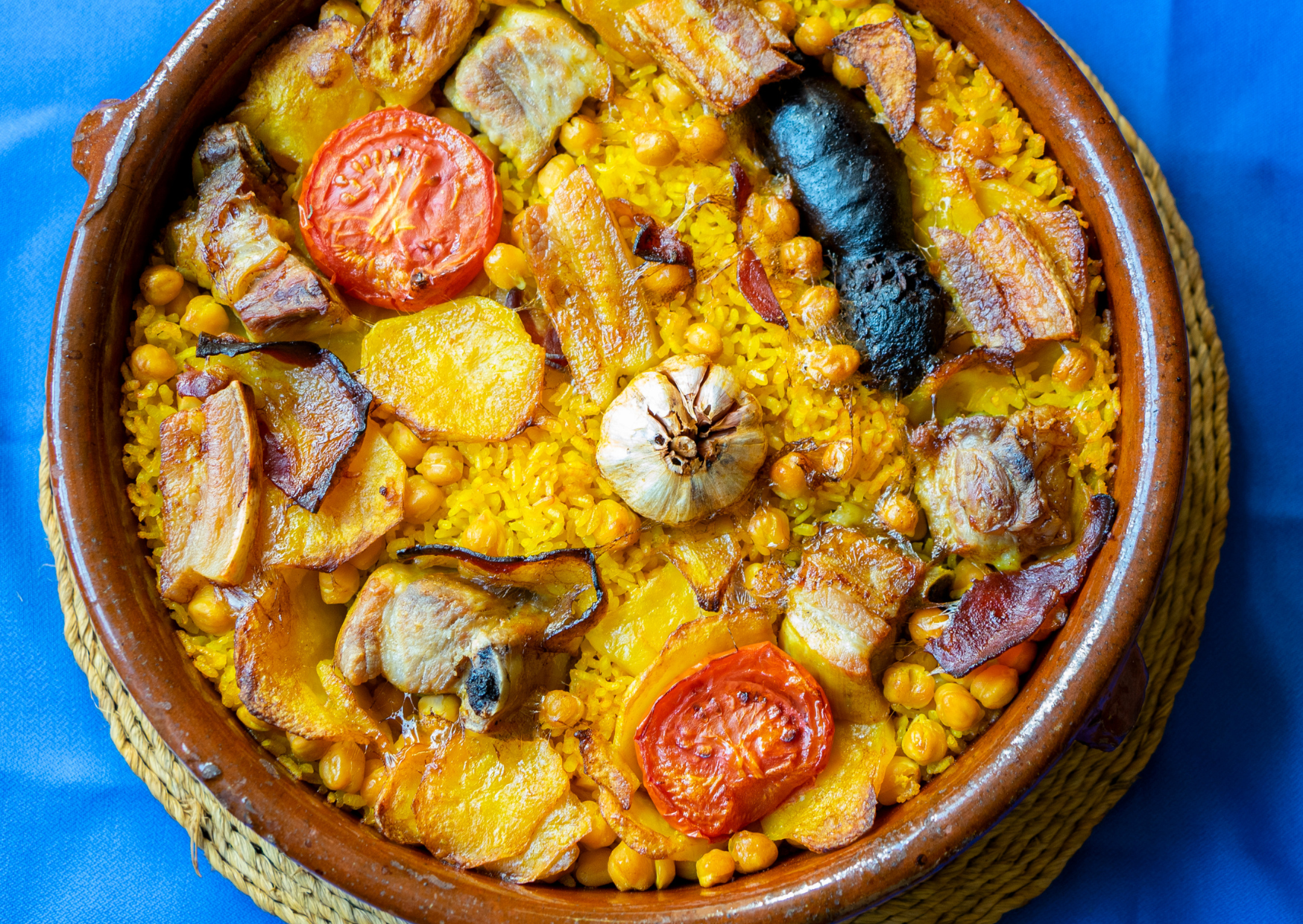
Sunday lunch with layered flavor and crisp edges
Prep Time: 30 minutes
Cook Time: 40 minutes
Serves: 6
Ingredients:
- 300 g rice (short-grain)
- 1 black pudding (morcilla)
- 1 chorizo
- 250 g pork ribs or belly
- 200 g cooked chickpeas
- 1 ripe tomato, sliced
- 4 garlic cloves
- 1 potato, sliced
- 700 ml broth (from cocido or meat)
- Sweet paprika, olive oil, salt
Method:
- In a clay cazuela or oven-safe dish, sauté pork in olive oil until browned. Add rice, chickpeas, spices, garlic.
- Arrange tomato, potato, chorizo, and morcilla on top.
- Pour hot broth over everything. Bake at 200°C (390°F) for about 35–40 minutes until rice is cooked and top is golden.
Whispered tip: If there’s no crust on top, you didn’t bake it long enough.
6. Croquetas de Pollo (or Jamón)
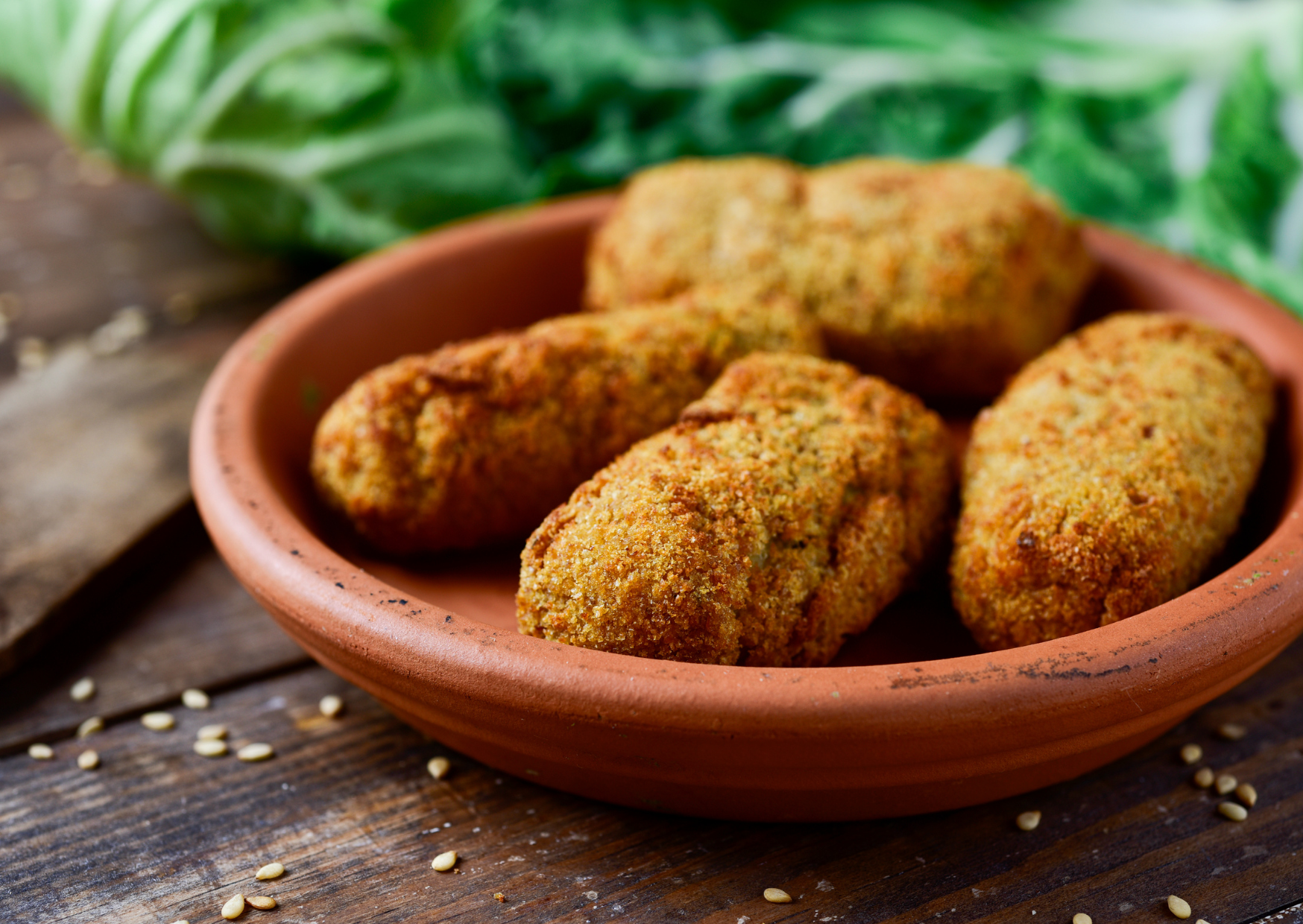
Always better homemade. Always.
Prep Time: 30 minutes (plus chilling)
Cook Time: 10 minutes
Makes: ~20 croquetas
Ingredients:
- 50 g butter
- 50 g flour
- 500 ml milk, warm
- 150 g leftover chicken or jamón, finely chopped
- Nutmeg, salt, pepper
- Eggs, breadcrumbs, oil for frying
Method:
- Melt butter, stir in flour. Cook briefly, then slowly whisk in warm milk to make béchamel.
- Add meat, season with nutmeg and salt. Chill mixture until firm.
- Shape into logs, dip in beaten egg and breadcrumbs. Fry in hot oil until golden.
Whispered tip: Freeze before frying for perfect texture.
7. Empanadillas Caseras
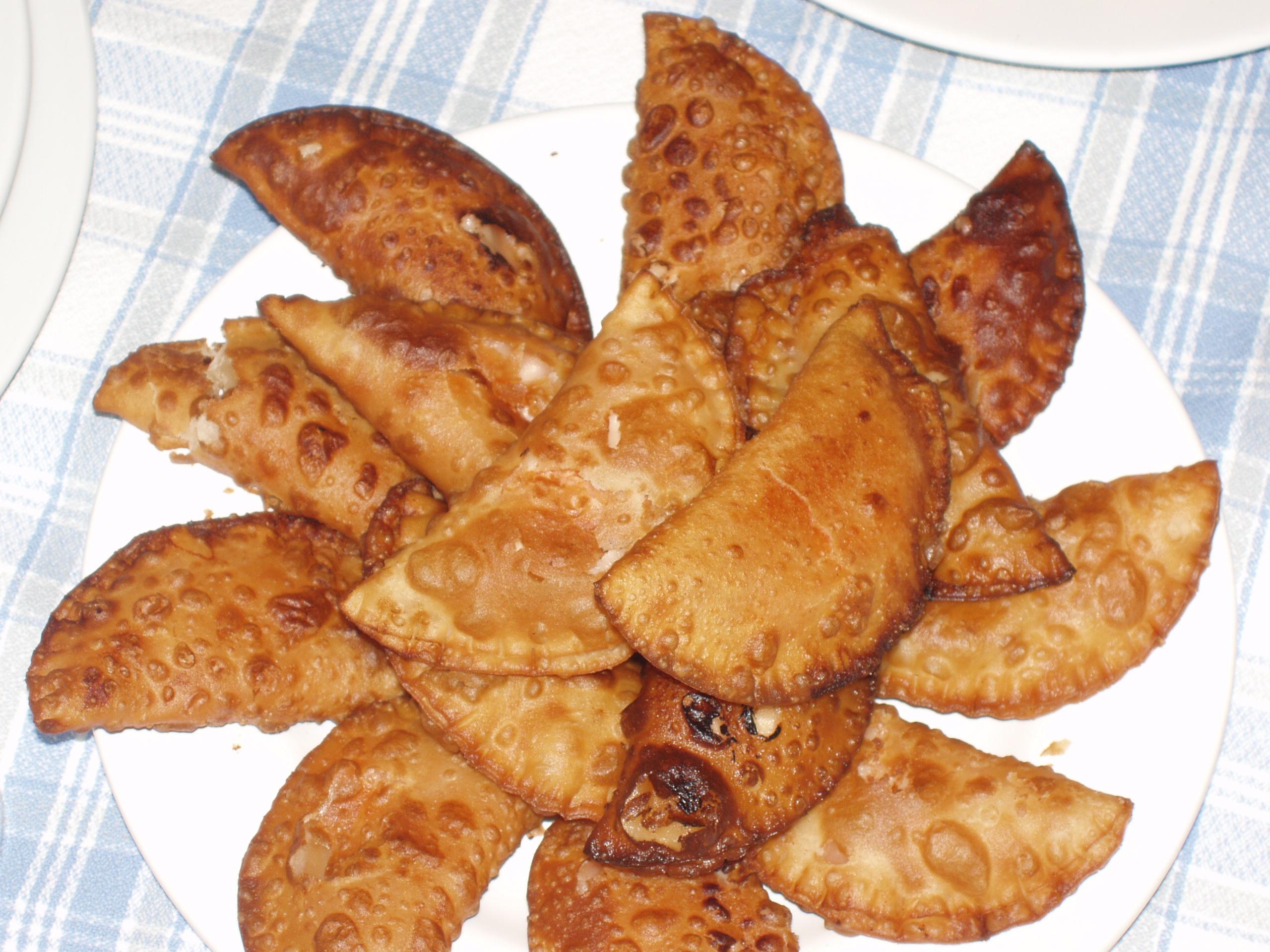
The hand pies that never taste right from the store
Prep Time: 45 minutes
Cook Time: 20 minutes
Makes: 10–12
Ingredients:
- For the dough:
- 300 g flour
- 100 ml olive oil
- 100 ml white wine
- 1 tsp salt
- For the filling:
- 1 can tuna in olive oil, drained
- 2 boiled eggs, chopped
- 1 small onion, sautéed
- 4 tbsp tomato sauce
Method:
- Mix dough ingredients until soft but not sticky. Let rest 15 minutes.
- Combine filling ingredients.
- Roll out dough, cut into circles. Add filling, fold, seal edges. Bake at 180°C (355°F) for 20 minutes or until golden.
Whispered tip: Always seal with a fork — and don’t overfill. It’s about balance.
8. Sopa de Ajo
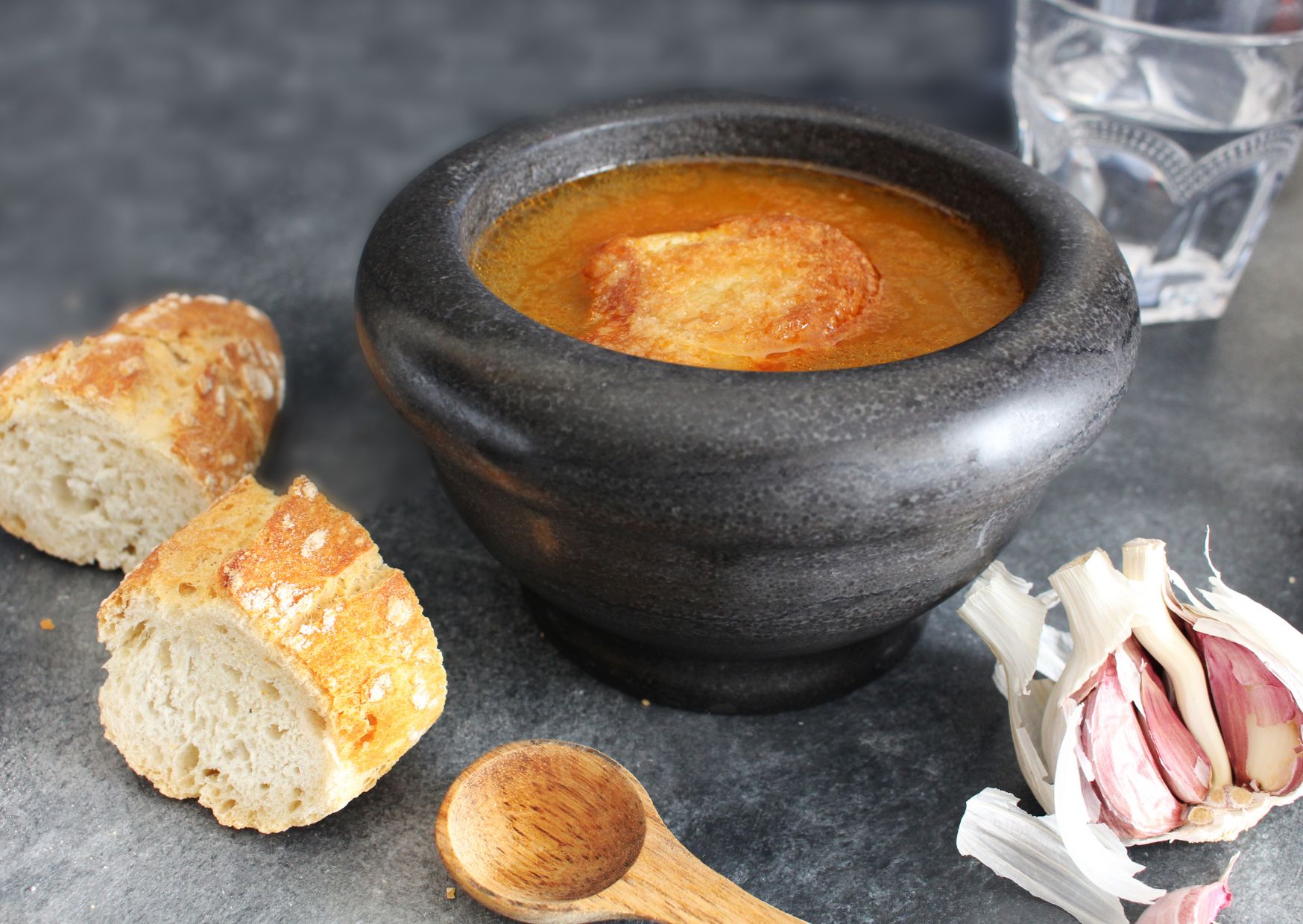
When garlic is medicine, warmth, and memory all in one bowl
Prep Time: 10 minutes
Cook Time: 25 minutes
Serves: 4
Ingredients:
- 6 garlic cloves, sliced
- 4 thick slices stale bread
- 1 tsp sweet paprika
- 1.2 L water or light broth
- 4 eggs
- Olive oil, salt
Method:
- Fry garlic gently in olive oil. Add paprika and quickly stir (don’t let it burn).
- Add water/broth, bring to simmer. Add bread slices.
- Simmer 15 minutes. Crack eggs into soup and poach until just set.
Whispered tip: The bread must be stale, not fresh. Otherwise, it’s just soup.
9. Natillas Caseras

Spanish vanilla custard — humble, perfect, and always finished
Prep Time: 15 minutes
Cook Time: 10 minutes
Serves: 4
Ingredients:
- 500 ml whole milk
- 4 egg yolks
- 100 g sugar
- 1 tbsp cornstarch
- 1 cinnamon stick
- Lemon peel
- 4 Maria cookies (optional, for topping)
Method:
- Infuse milk with cinnamon stick and lemon peel over low heat.
- Whisk yolks, sugar, and cornstarch. Slowly add warm milk while whisking.
- Return to stove, stirring constantly until thickened. Pour into ramekins.
- Top with a Maria biscuit if desired. Chill before serving.
Whispered tip: Stir without stopping — and never boil or it’ll split.
In the End, It’s Not the Paper — It’s the Presence
These recipes can now be followed. But they’ll never taste right until you stand next to someone who’s made them 100 times.
You’ll feel it in the slowness.
In the oil-slicked silence.
In the way someone says, “Taste it. Not yet.” Then adds a pinch of salt without looking.
That’s the recipe.
It’s not in the ingredients.
It’s in the gesture, rhythm, and inheritance.
And that’s why, in Spain, the best food is always cooked with your ears open — and your phone off.
Final Thoughts
Spanish family recipes are more than food they’re threads connecting generations, regions, and identities. They hold history, memory, and pride, and that’s what makes them so powerful.
The controversies surrounding secrecy, authenticity, and exclusivity remind us that food is deeply personal. Recipes are not just about flavor but about heritage and belonging, which makes them emotionally charged.
Ultimately, whether you ever cook these nine whispered recipes yourself or only taste them in someone’s kitchen, their magic lies in their mystery. They show that food doesn’t always need to be written down to survive it just needs to be cherished, shared, and remembered.

About the Author: Ruben, co-founder of Gamintraveler.com since 2014, is a seasoned traveler from Spain who has explored over 100 countries since 2009. Known for his extensive travel adventures across South America, Europe, the US, Australia, New Zealand, Asia, and Africa, Ruben combines his passion for adventurous yet sustainable living with his love for cycling, highlighted by his remarkable 5-month bicycle journey from Spain to Norway. He currently resides in Spain, where he continues sharing his travel experiences with his partner, Rachel, and their son, Han.