
The advertisement promised European citizenship in under a year. The fine print mentioned a B2 German proficiency exam. For most Americans whose German grandparents left in the 1920s and never spoke German at home, that requirement ended the conversation before it began.
But here’s what the citizenship industry doesn’t advertise loudly: fourteen countries allow Americans to claim citizenship through their grandparents without passing a single language test. No vocabulary quizzes. No conversational evaluations. No proving that you can order coffee in a language your family stopped speaking three generations ago.
These programs exist because the countries in question recognize something practical: the ability to conjugate verbs has nothing to do with bloodline. If a grandmother was born in Dublin or a grandfather left Warsaw in 1910, the genetic connection remains regardless of whether the descendants can discuss the weather in the ancestral tongue.
What follows is the complete 2026 breakdown of every country offering grandparent-based citizenship without language requirements—including the specific documents needed, the processing timelines, and the catches that immigration attorneys don’t mention until after the retainer is paid.
Ireland: The Gold Standard

Ireland remains the most accessible European citizenship for Americans with qualifying ancestry. The numbers explain why: approximately 33 million Americans claim Irish heritage, and a significant percentage have grandparents who were actually born on the island.
The eligibility structure is straightforward. If a grandparent was born anywhere on the island of Ireland (including Northern Ireland, which matters for those with Ulster Protestant ancestry), an American can register on the Foreign Births Register and claim Irish citizenship. No residency required. No language test. No civics exam.
The processing timeline has improved dramatically. As of 2025, applications through the Foreign Births Register take approximately nine months—down from the 18-24 month backlogs that plagued the system during 2021-2022. The application fee is €278 for adults, with total costs typically ranging from $500-2,000 when including document procurement, apostilles, and translations.
There’s one critical timing issue that catches many applicants. Irish citizenship only passes automatically to children if the parent was already registered as an Irish citizen before the child was born. A 45-year-old American who registers through a grandparent cannot automatically pass that citizenship to their 20-year-old children—those children would need their own qualifying grandparent connection.
The documentation requirements are manageable: the grandparent’s birth certificate showing Irish birth, marriage certificates linking the generations, and the applicant’s own birth certificate. Ireland accepts civil registry records, church records, and in some cases, alternative documentation when original certificates were destroyed or lost.
Success rate for properly documented applications: 90-95%.
Poland: No Generational Limit
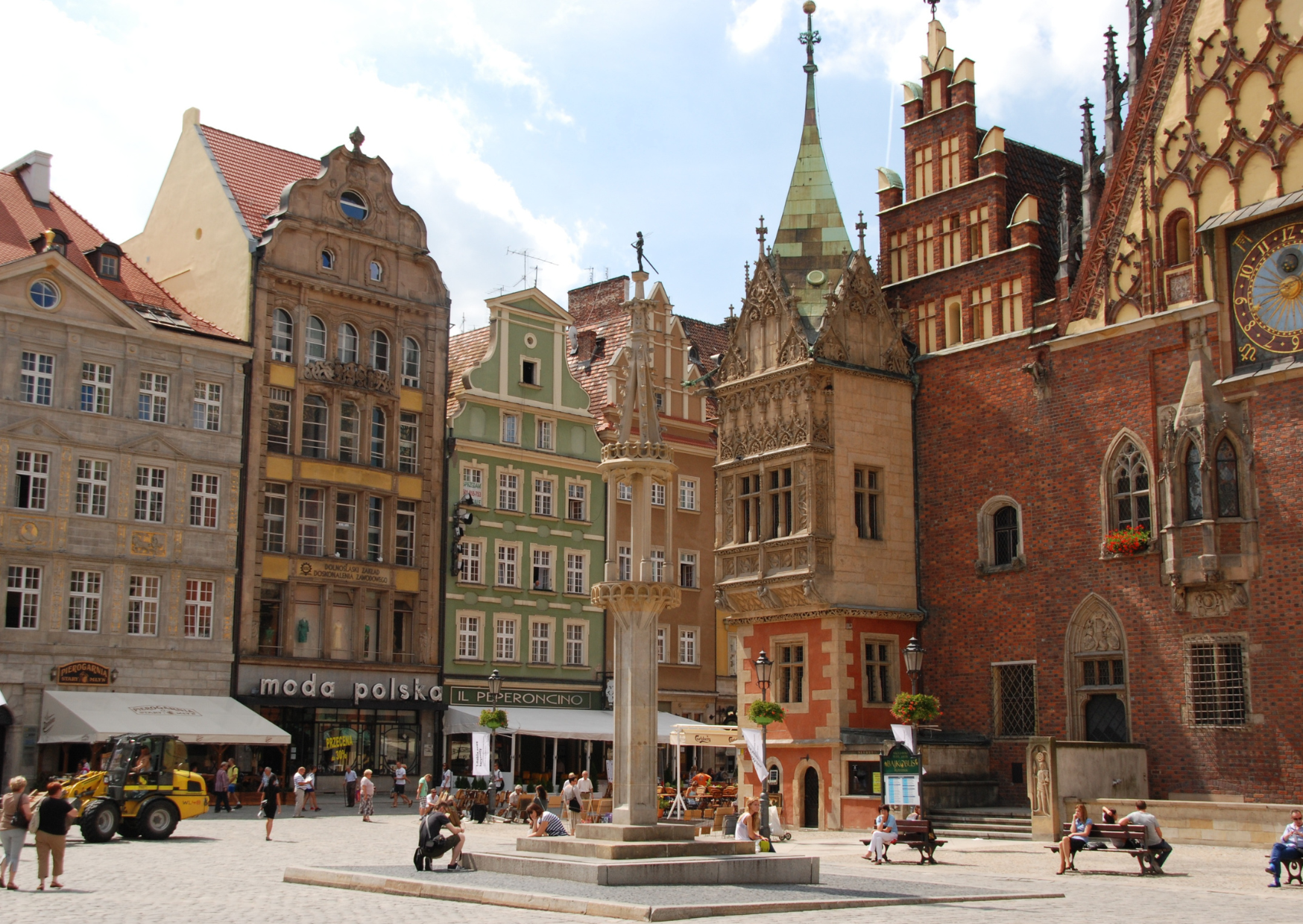
Poland offers something no other European country matches: citizenship by descent with no generational limit whatsoever.
If an American can document that a great-great-great-grandfather was a Polish citizen after 1919 (when the Second Polish Republic was established), and that citizenship was never formally renounced through the family line, that American may qualify for Polish citizenship. No language test. No residency requirement. No limit on how many generations back the connection extends.
The catch is in the documentation. Polish citizenship law is complex, with multiple historical changes that could have caused citizenship loss. Ancestors who naturalized as American citizens before certain dates may have automatically lost Polish citizenship under laws that were in effect at the time. Ancestors who failed to register births or marriages with Polish authorities may have broken the chain.
An estimated 10-20 million people worldwide potentially qualify for Polish citizenship—most of them unaware of their eligibility.
Processing time runs 12-24 months, significantly longer than Ireland. The Polish bureaucracy requires extensive documentation, often including records that must be obtained from Polish civil registry offices, church archives, or historical databases. Many applicants hire Polish genealogists to trace lineage and obtain necessary documents.
The reward for this effort: full EU citizenship, including the right to live and work in any of 27 member states, with no ongoing requirements once citizenship is confirmed.
Hungary: The Simplified Naturalization Phenomenon

Since amending its nationality law in 2010, Hungary has approved over one million citizenship-by-descent applications. The program targets ethnic Hungarians and their descendants, with eligibility extending to great-grandparents who were Hungarian citizens.
The requirements are notably relaxed compared to other European programs. Applicants must demonstrate Hungarian ancestry (birth certificates, baptismal records, or other documentation proving descent from a Hungarian citizen), but there is no residency requirement and no language test for the naturalization process itself.
The processing timeline averages 6-12 months. Hungary actively encourages diaspora applications and has streamlined its systems to handle high volumes. Up to 5.5 million people worldwide—including nearly 2 million in North America—may be potentially eligible.
One consideration: while there’s no formal language test, applicants do undergo a citizenship interview that may include basic questions about Hungarian identity and heritage. These interviews are typically conducted in a supportive manner, with the goal of confirming genuine connection rather than failing applicants on technicalities.
Hungary allows dual citizenship without restrictions, meaning Americans can hold both passports indefinitely.
Portugal: The Grandparent Route
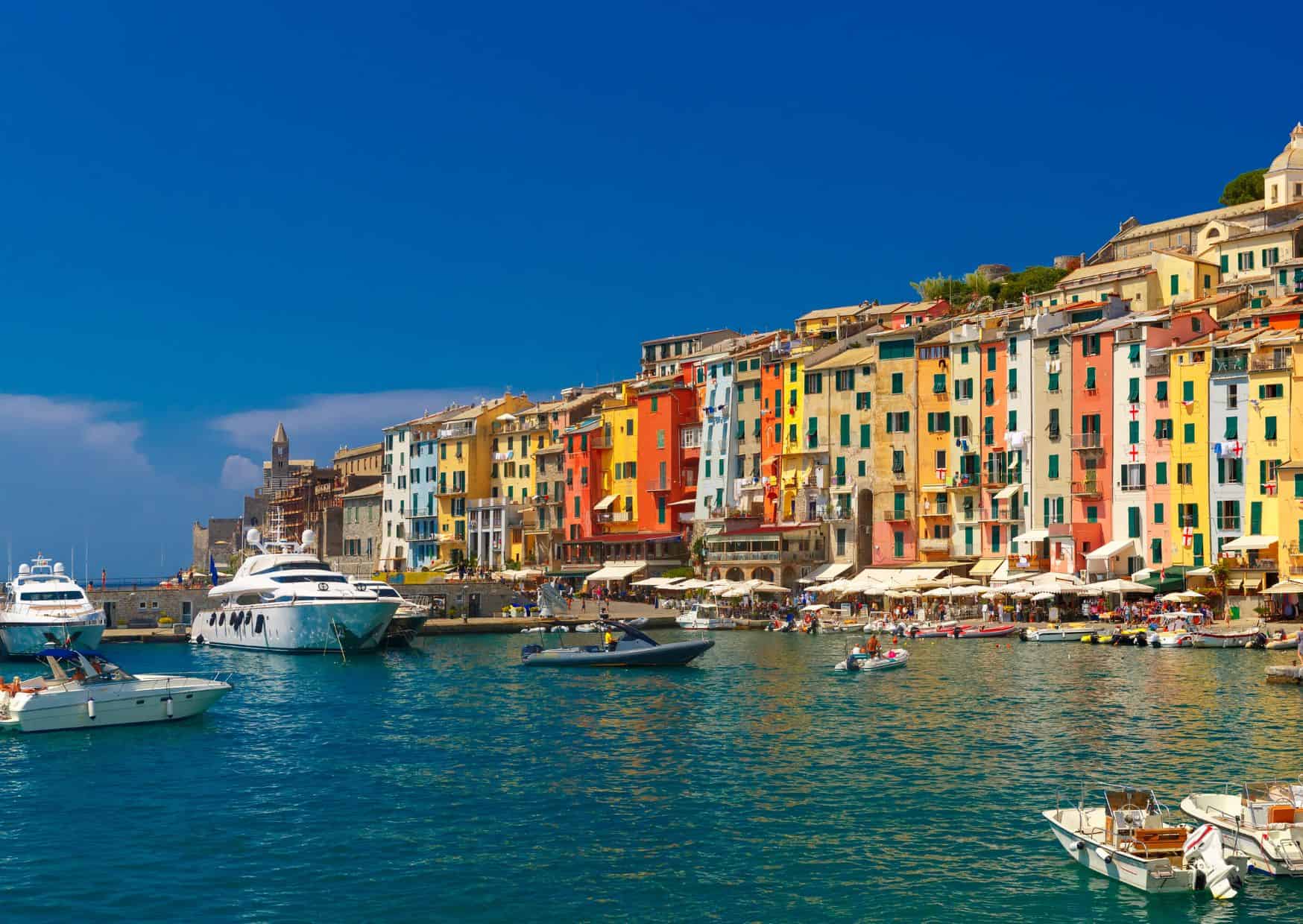
Portugal offers citizenship to anyone who can prove at least one Portuguese grandparent. An estimated six million people outside Europe qualify, with the largest populations in Brazil, the United States, Venezuela, and Canada.
The Portuguese process requires comprehensive documentation linking the applicant to their grandparent. Birth certificates, marriage certificates, and proof that the grandparent was a Portuguese citizen at the relevant time must be provided. Portugal’s civil registry system is well-organized, making document retrieval relatively straightforward compared to some Eastern European countries.
Processing times vary significantly depending on the consulate handling the application. Some Portuguese consulates complete grandparent-based citizenship applications in 12-18 months; others have backlogs exceeding two years.
There is no language requirement for citizenship by descent through grandparents. This distinguishes the grandparent route from other Portuguese citizenship pathways (such as naturalization through residency), which do require an A2 Portuguese language certification.
Portugal allows dual citizenship and imposes no renunciation requirements. Once citizenship is granted, there are no ongoing obligations—no minimum residency, no tax filings, no renewal requirements.
Lithuania: The Historical Window
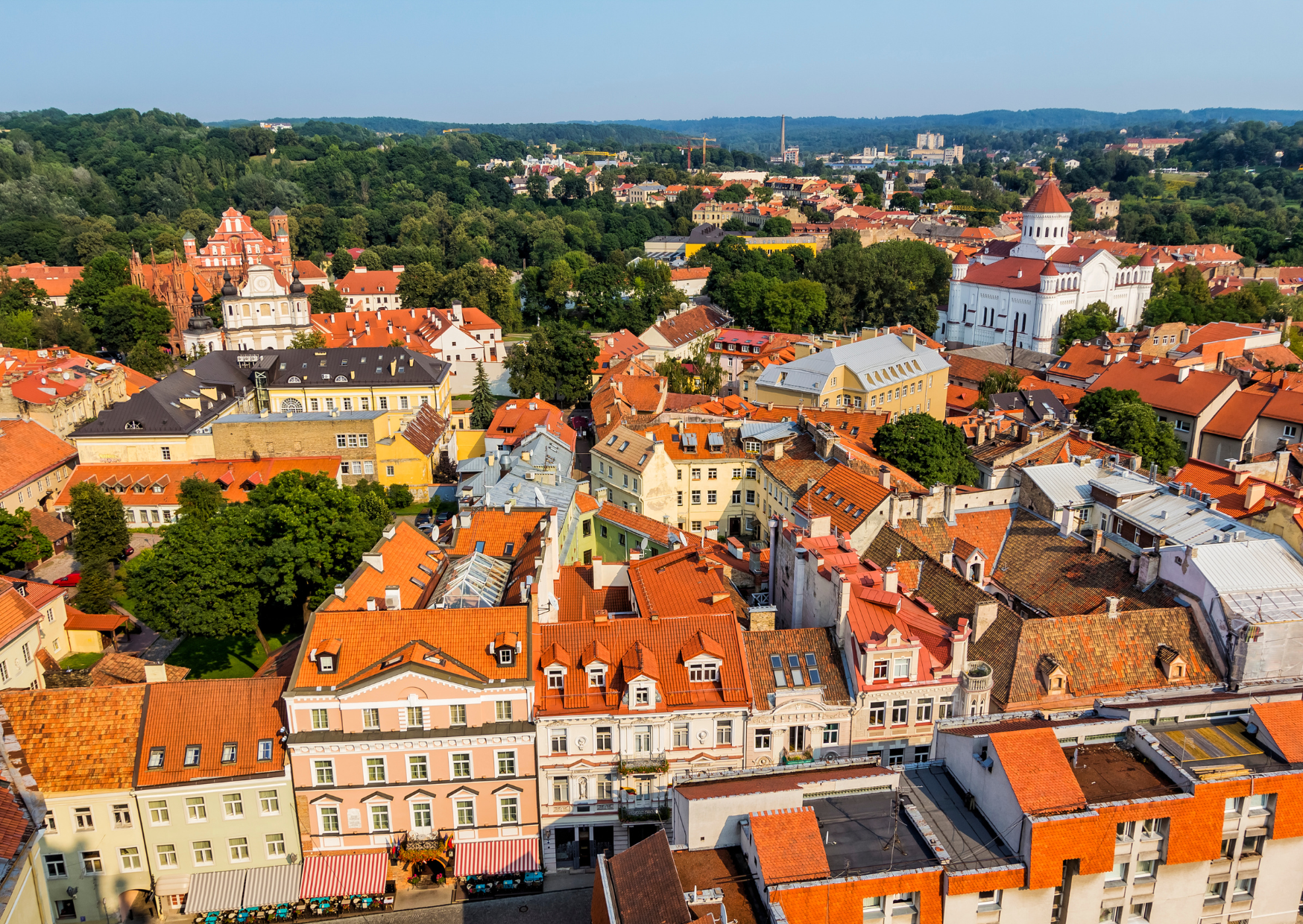
Lithuania offers citizenship by descent to those whose ancestors were Lithuanian citizens during a specific historical window: 1918-1940, or who left before 1990 without renouncing citizenship.
The program targets descendants of Lithuanians who fled during World War II, Soviet occupation, or the subsequent decades of communist rule. For Americans whose grandparents left Lithuania during these periods, citizenship restoration is available without language requirements.
The documentation challenge is significant. Applicants must prove that their ancestor was a Lithuanian citizen (not merely an ethnic Lithuanian or a resident of the territory), that the ancestor did not voluntarily naturalize in another country before certain dates, and that the unbroken lineage connects to the present applicant.
Lithuanian archives are extensive and generally well-preserved. The country has established dedicated processes for diaspora citizenship applications, with consulates in major American cities handling submissions.
Processing time: 12-18 months on average. No language test is required for citizenship restoration based on ancestry.
Latvia: The Exile Exception
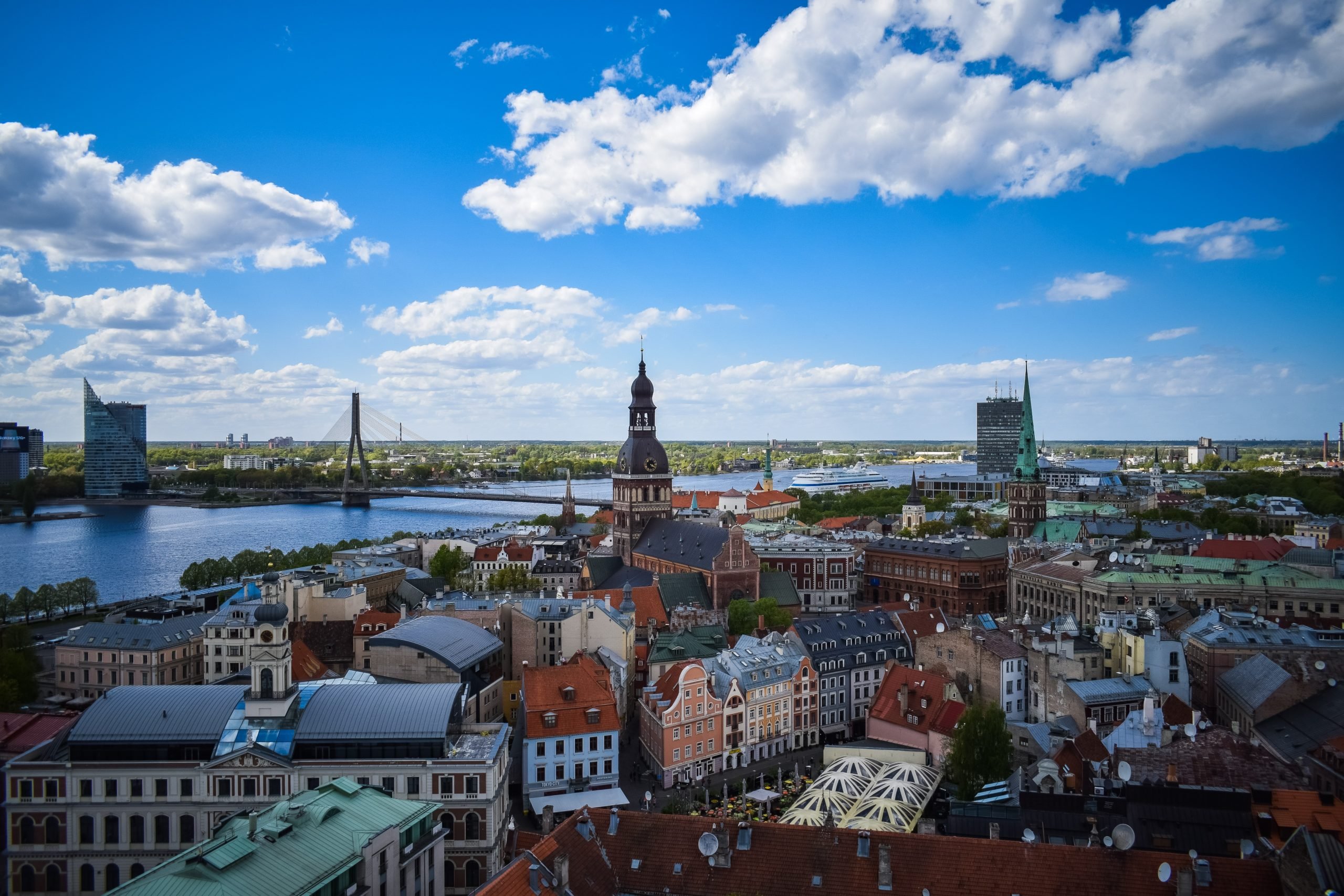
Latvia provides citizenship restoration for descendants of those who were exiled from Latvia during occupation (1940-1990) or who belong to the Latvian or Liv ethnic groups.
The program specifically targets descendants of those who fled Nazi or Soviet persecution. Americans whose grandparents were Latvian citizens before the 1940 Soviet occupation and who left involuntarily (or whose ancestors left) may qualify for citizenship without language testing.
The distinction matters: Latvia’s standard naturalization process includes a Latvian language requirement. But the restoration pathway for descendants of exiles and ethnic Latvians bypasses this requirement entirely.
Documentation requirements include proof of the ancestor’s Latvian citizenship, evidence of exile or departure during the occupation period, and the standard chain of birth and marriage certificates connecting the generations.
Latvia allows dual citizenship for those who acquire Latvian citizenship by descent, though some restrictions apply to those who naturalize through other pathways.
Luxembourg: The Patrilineal Extension
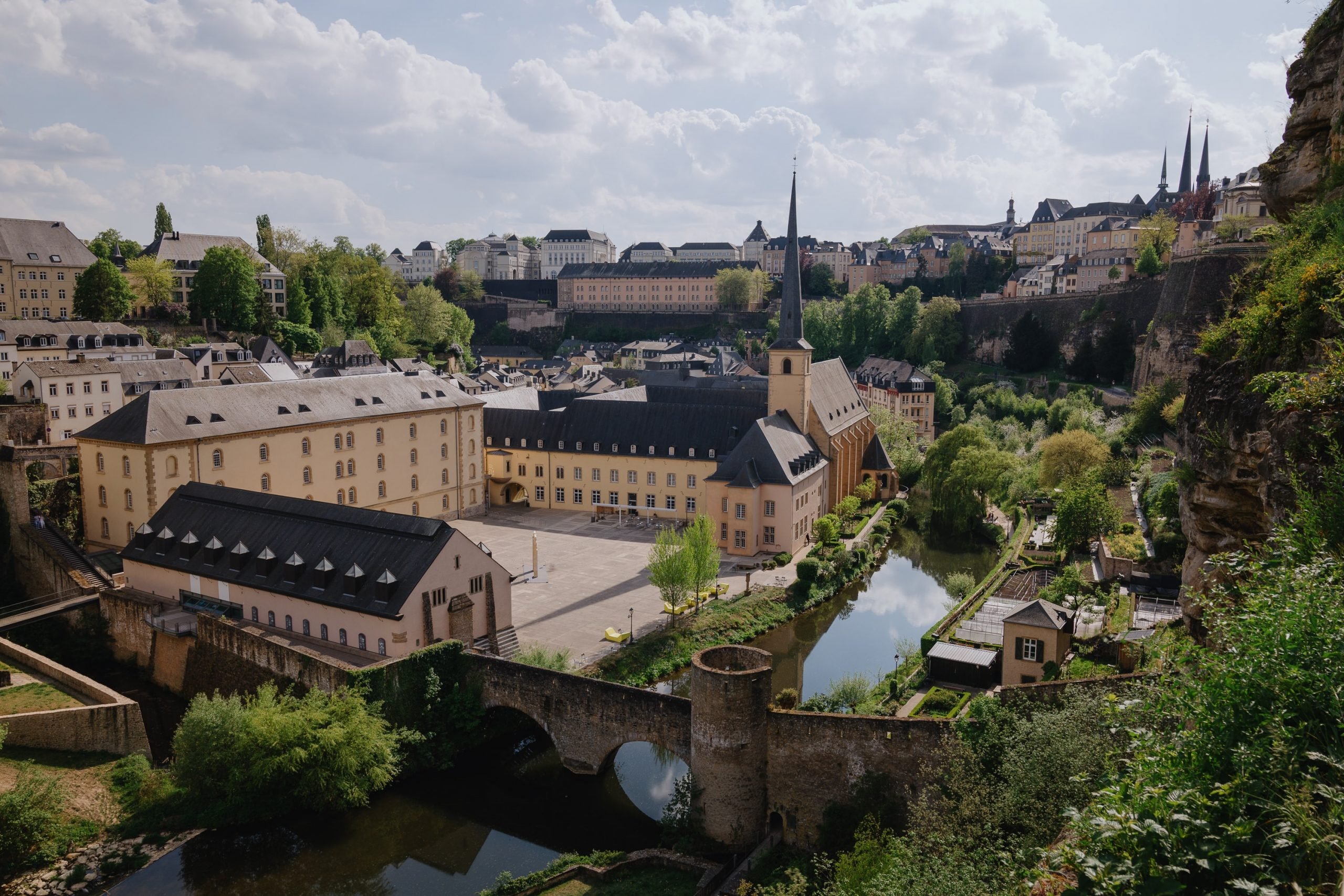
Luxembourg offers citizenship by descent through grandparents, with specific rules that can extend eligibility further back on the paternal line.
The standard pathway allows citizenship claims through a parent or grandparent who was Luxembourgish at the time of the applicant’s birth. However, Luxembourg’s historical nationality laws created asymmetric treatment between male and female lines, and recent legal reforms have opened pathways for those whose claims run through great-grandparents on the father’s side.
No language test is required for citizenship by descent. Luxembourg conducts its citizenship processes in French, German, or Luxembourgish, but descent-based claims are documentary processes that don’t require language proficiency from the applicant.
The country’s small population (under 700,000) and extensive diaspora mean that a significant number of Americans may have qualifying connections without realizing it. Luxembourgish emigration to the United States was substantial during the 19th and early 20th centuries, particularly to the Midwest.
Processing time: 6-12 months for straightforward applications.
Slovakia: The Great-Grandparent Opening

Slovakia liberalized its citizenship-by-descent rules in 2022, creating new opportunities for Americans whose ancestry traces to the former Czechoslovakia.
The current program allows citizenship claims through great-grandparents who were Czechoslovak citizens, provided they were born on territory that is now part of Slovakia. This opens eligibility to descendants of the significant Slovak emigration to America during the late 19th and early 20th centuries.
More than 800,000 Slovak descendants live in the United States alone and may potentially qualify.
The requirements are more complex than some other programs. Slovakia requires a temporary residence permit before naturalizing—meaning applicants must actually spend time in Slovakia as part of the process. However, there is no Slovak language test for this descent-based naturalization pathway.
Processing timeline: 12-24 months, including the residence permit phase. The process is more involved than Ireland or Hungary but significantly faster than standard naturalization routes in other European countries.
Bulgaria: Unlimited Generations

Bulgaria offers citizenship by descent with no generational limit. If an American can prove descent from someone who was a Bulgarian citizen—regardless of how many generations removed—citizenship may be available.
The practical limitation is documentation. Bulgarian civil records from the 19th and early 20th centuries vary in quality and accessibility. Applicants typically need to work with Bulgarian genealogists and archivists to build their cases.
There is no language requirement for citizenship by descent in Bulgaria. The country does require some presence for the application process, but not extended residency.
Bulgaria is an EU member state, meaning citizenship provides full European Union rights, including freedom of movement across all 27 member states.
Greece: The Grandparent Connection
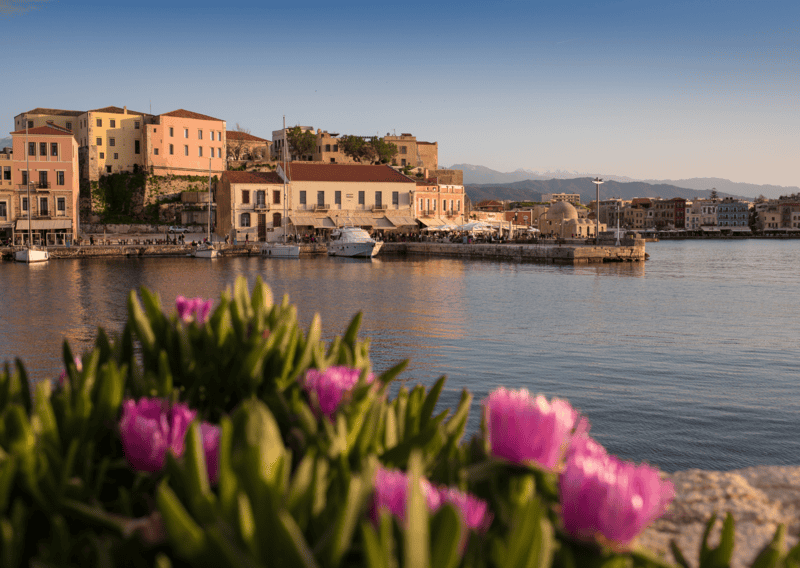
Greece allows citizenship through parents or grandparents who were Greek citizens. There is no language test for descent-based citizenship claims.
One significant consideration for male applicants: Greek law requires military service for male citizens up to age 45. While exemptions and alternative service options exist, this requirement has deterred some American men from pursuing Greek citizenship.
The documentation requirements include proving the Greek citizenship of the parent or grandparent at the relevant time, which may require obtaining records from Greek civil registries or church archives. The Greek Orthodox Church maintained extensive baptismal and marriage records that often serve as primary documentation for citizenship applications.
Processing time varies by consulate but typically runs 12-24 months.
Spain: The Ibero-American Exception

Spain offers accelerated naturalization for citizens of former Spanish territories, including the Philippines and most Latin American countries. While not strictly “citizenship through grandparents,” this pathway allows many Americans of Latin American descent to obtain Spanish citizenship after just two years of residency—without the ten-year requirement that applies to most other nationalities.
Additionally, Spain has created pathways for descendants of Sephardic Jews who were expelled from Spain in 1492. This program requires documented proof of Sephardic ancestry and some connection to Spanish culture, but does not require Spanish language proficiency for the application itself (though basic Spanish helps with the process).
For Americans with grandparents from Spain directly, citizenship by descent is available through parents or grandparents who were Spanish citizens. The documentary requirements are extensive, and processing times can extend to 2-3 years.
Croatia: The Ethnic Heritage Path
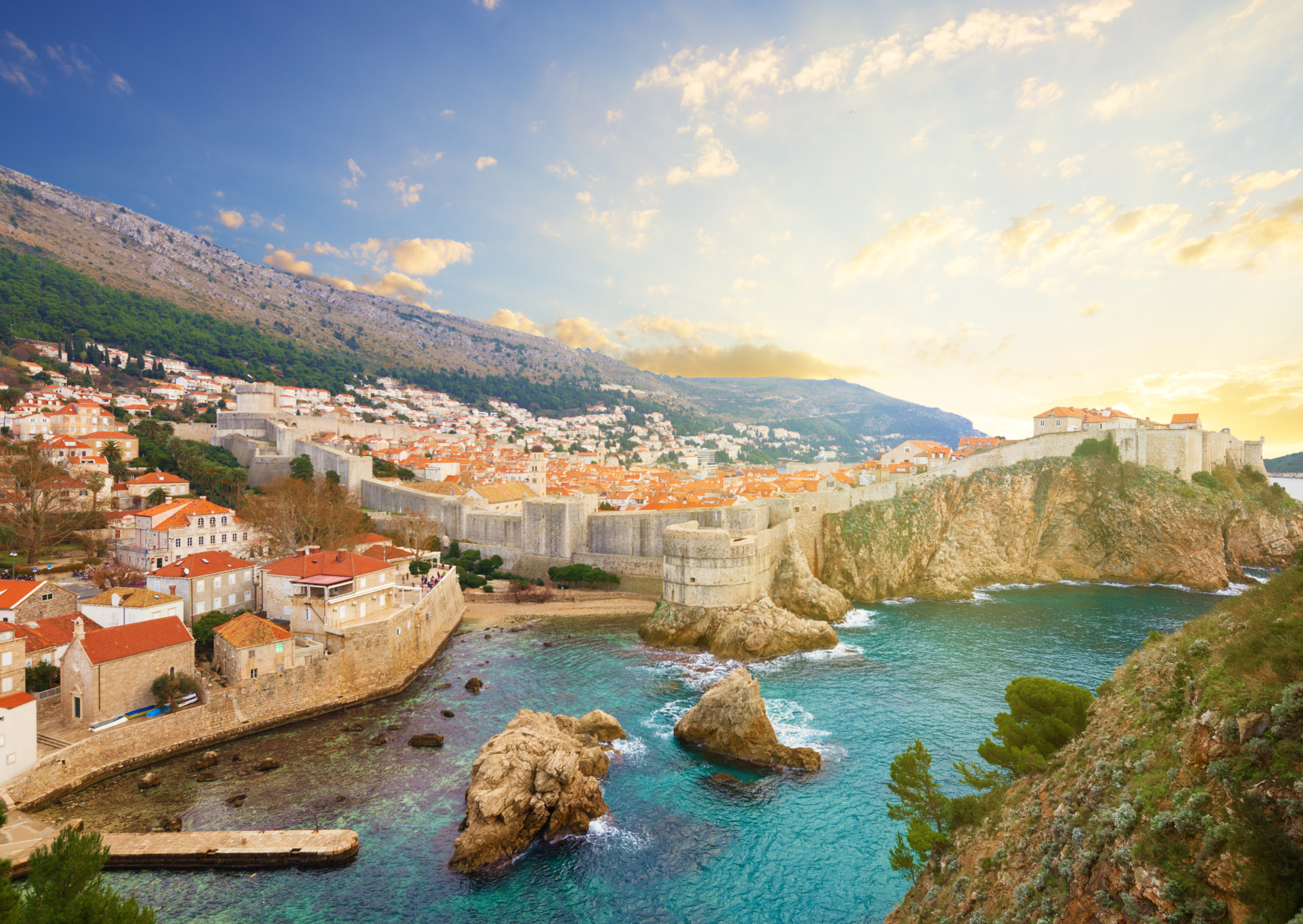
Croatia allows citizenship for ethnic Croats and their descendants without generational limits. While this isn’t strictly a grandparent-only program, Americans with Croatian grandparents can often qualify through this ethnic heritage pathway.
There is no Croatian language requirement for descent-based citizenship. Croatia has established procedures specifically for diaspora applications, recognizing the significant Croatian emigrant population in the United States, Australia, and South America.
Processing time: 12-18 months for complete applications. Croatia joined the Schengen Area in 2023, meaning Croatian citizenship now provides full Schengen freedom of movement.
Romania: Extended Ancestry Claims
Romania offers citizenship restoration for descendants of those who lost Romanian citizenship involuntarily, or for ethnic Romanians and their descendants more broadly. The program extends to grandparents and beyond in many cases.
There is no Romanian language requirement for citizenship by descent or restoration. Romania’s diaspora citizenship programs have granted citizenship to hundreds of thousands of applicants, particularly from Moldova and Israel, but the pathway is equally available to qualifying Americans.
Documentation requirements focus on proving the Romanian citizenship or ethnic Romanian identity of ancestors. Romanian civil records are generally well-preserved, and the country has established efficient processes for handling diaspora applications.
Czech Republic: The Grandchild Path

Czech Republic allows citizenship claims through grandparents who were Czechoslovak citizens. Processing times average 6-12 months for properly documented applications, making it one of the faster European options.
There is no Czech language requirement for descent-based citizenship. The Czech system is documentation-focused, requiring birth and marriage certificates linking the applicant to their Czechoslovak grandparent.
One important distinction: the grandparent must have been a citizen of Czechoslovakia (or the Czech Republic), not merely a resident. Birth on Czech territory alone is insufficient—citizenship must be demonstrated.
The Documentation Reality
Across all fourteen countries, the real barrier isn’t language—it’s paperwork.
Successful applicants typically need to obtain original birth certificates (or certified copies) for themselves, their parents, and their grandparents. Marriage certificates proving name changes and family connections. Death certificates in some cases. Naturalization records showing when ancestors became American citizens (which sometimes affects eligibility). Immigration records, passenger manifests, and historical documents that prove the ancestor was actually a citizen of the claimed country at the relevant time.
Many of these documents must be apostilled—a certification process that authenticates documents for international use. Some must be translated by certified translators. Some must be obtained from archives in the ancestral country, which may require hiring local genealogists or document retrieval services.
The costs add up. A straightforward Irish citizenship application might cost $500-2,000 total. A complex Polish or Lithuanian case requiring archival research could run $5,000-10,000 or more.
The Timeline Calculation
For Americans considering grandparent-based citizenship, the honest timeline equation looks like this:
Document gathering: 3-6 months for simple cases, 12-24 months for complex ones requiring archival research.
Application processing: 6-24 months depending on the country and consulate.
Total time from decision to passport: 12-36 months for most applicants.
This timeline means that anyone seriously considering grandparent-based citizenship should begin the process well before they need the passport. Starting after a political upheaval, travel emergency, or sudden desire to relocate puts applicants at the mercy of bureaucratic timelines they cannot control.
The Strategic Consideration
These fourteen countries share one characteristic that makes their citizenship particularly valuable: none of them require surrendering American citizenship. Dual citizenship is permitted in all cases, meaning successful applicants gain a second passport without losing their first.
For Americans, a European passport provides backup residency options in 27 EU countries, simplified travel throughout Europe and beyond, access to European healthcare and education systems for themselves and their children, and a hedge against political or economic instability at home.
The grandparent requirement limits eligibility to those with actual ancestral connections. But for the millions of Americans who do qualify, these programs represent one of the most accessible paths to a second citizenship available anywhere in the world.
No language test required.

About the Author: Ruben, co-founder of Gamintraveler.com since 2014, is a seasoned traveler from Spain who has explored over 100 countries since 2009. Known for his extensive travel adventures across South America, Europe, the US, Australia, New Zealand, Asia, and Africa, Ruben combines his passion for adventurous yet sustainable living with his love for cycling, highlighted by his remarkable 5-month bicycle journey from Spain to Norway. He currently resides in Spain, where he continues sharing his travel experiences with his partner, Rachel, and their son, Han.