
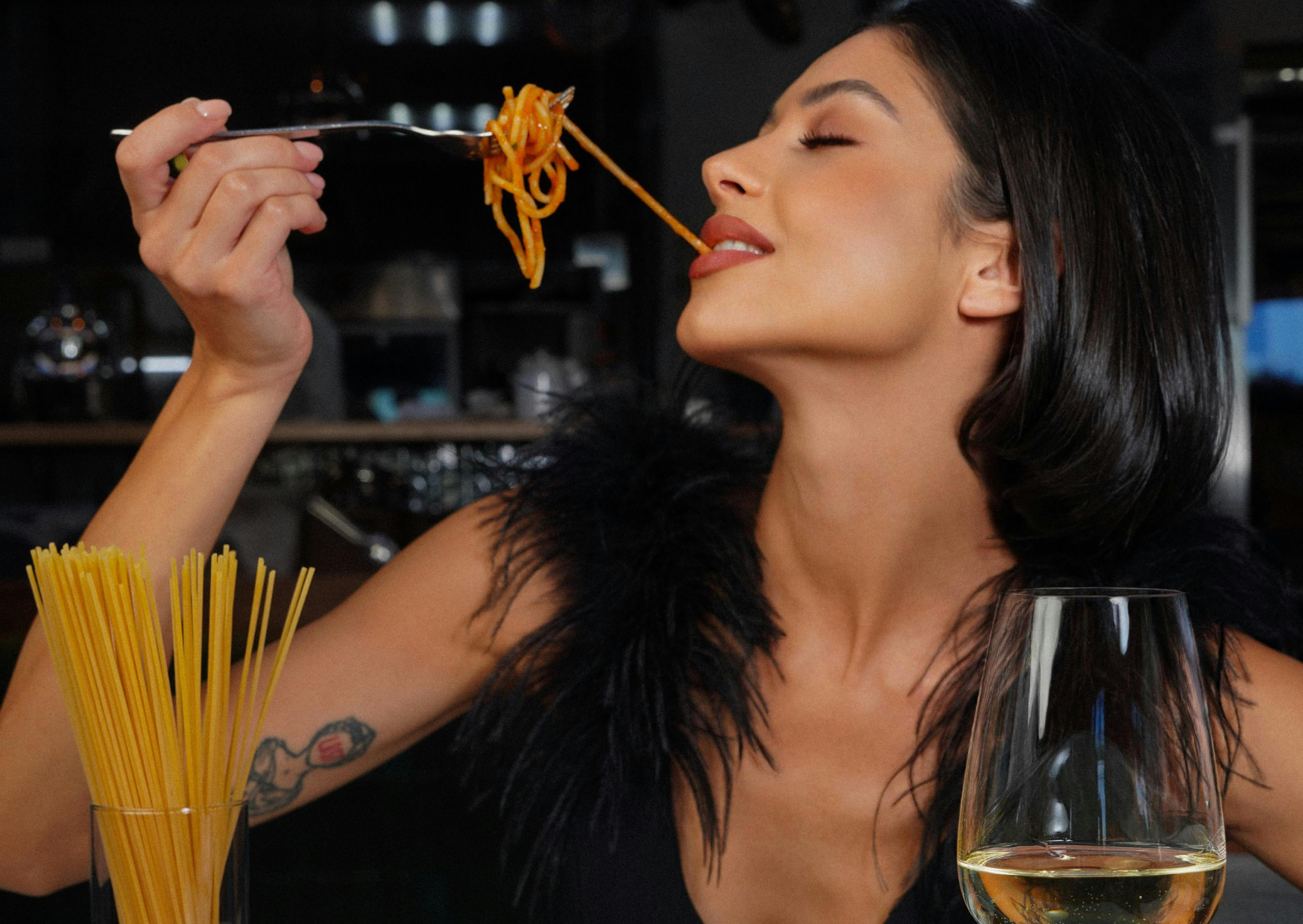
Italians eat pasta literally every single day and have one of the lowest obesity rates in Europe while Americans eating sad salads for lunch are getting fatter. The average Italian consumes 60 pounds of pasta yearly – that’s a plate of carbs daily – yet Italy’s obesity rate is 10% while America’s hits 36%. I spent two months in Rome eating pasta twice daily like my Italian neighbors and lost 8 pounds while never feeling hungry.
The disconnect between what we’re told about carbs and what actually happens in Italy is so massive it breaks American brains. My Roman landlady, 75 years old and tiny, eats pasta for lunch and dinner every day. Has for seven decades. Her doctor tells her to keep doing exactly what she’s doing. Meanwhile, Americans are developing eating disorders avoiding the exact foods that keep Italians healthy.
After watching my Italian neighbors eat mountains of carbs while staying thin, I decided to test it myself. Two months of eating exactly like Romans – pasta daily, no guilt, no counting – to see if the “Mediterranean paradox” was real or just genetics. What I learned makes every American diet book look like expensive fiction.
Quick Easy Tips
Keep pasta portions modest and serve it as one part of the meal, not the entire plate.
Use simple sauces that coat the pasta lightly instead of drowning it.
Eat pasta earlier in the day when activity naturally follows.
Walk daily, casually, and consistently rather than relying on intense workouts.
The most uncomfortable truth is that many people don’t gain weight from pasta they gain weight from how they emotionally relate to it. When pasta is treated as forbidden, it’s more likely to be overeaten when finally allowed.
Another controversial point is that “healthy” pasta alternatives often backfire. Protein pastas, low-carb pastas, and substitutes encourage larger portions because they feel justified. Traditional pasta encourages restraint because it’s satisfying.
There’s also the issue of speed. Eating quickly overrides fullness signals. In Italian culture, meals stretch naturally, allowing the body to register when it’s had enough. This alone changes intake without effort.
Finally, movement isn’t scheduled it’s lived. Italians don’t offset pasta with punishment workouts. They walk, stand, shop, and live actively. The controversy lies in realizing that sustainable thinness comes from lifestyle rhythm, not food elimination.
The Portions That Change Everything
Americans think they know what a portion of pasta is because Olive Garden trained them wrong. That mountain of spaghetti drowning in alfredo sauce that requires a takeout box? That’s not an Italian portion. That’s American excess with an Italian name.
Real Italian pasta portion: 80-100 grams dry pasta per person. That’s it. Seems like nothing to Americans, but watch what happens.
My first lunch at the neighborhood trattoria, I waited for more food after the pasta course. The waiter looked confused. “You want another primi?” No, I wanted the rest of my meal. Except the pasta WAS the meal. Small portion of perfect pasta, maybe a small salad after, done.
American “Italian” portion: 200-300 grams of pasta, plus breadsticks, plus salad, plus entrée, plus dessert. We’re eating three meals and calling it one.
That reasonable Italian portion with simple sauce? You’re full but not stuffed. Energy stable. No food coma. Ready to walk and live life instead of napping in carb-induced stupor.
The Timing That Nobody Talks About
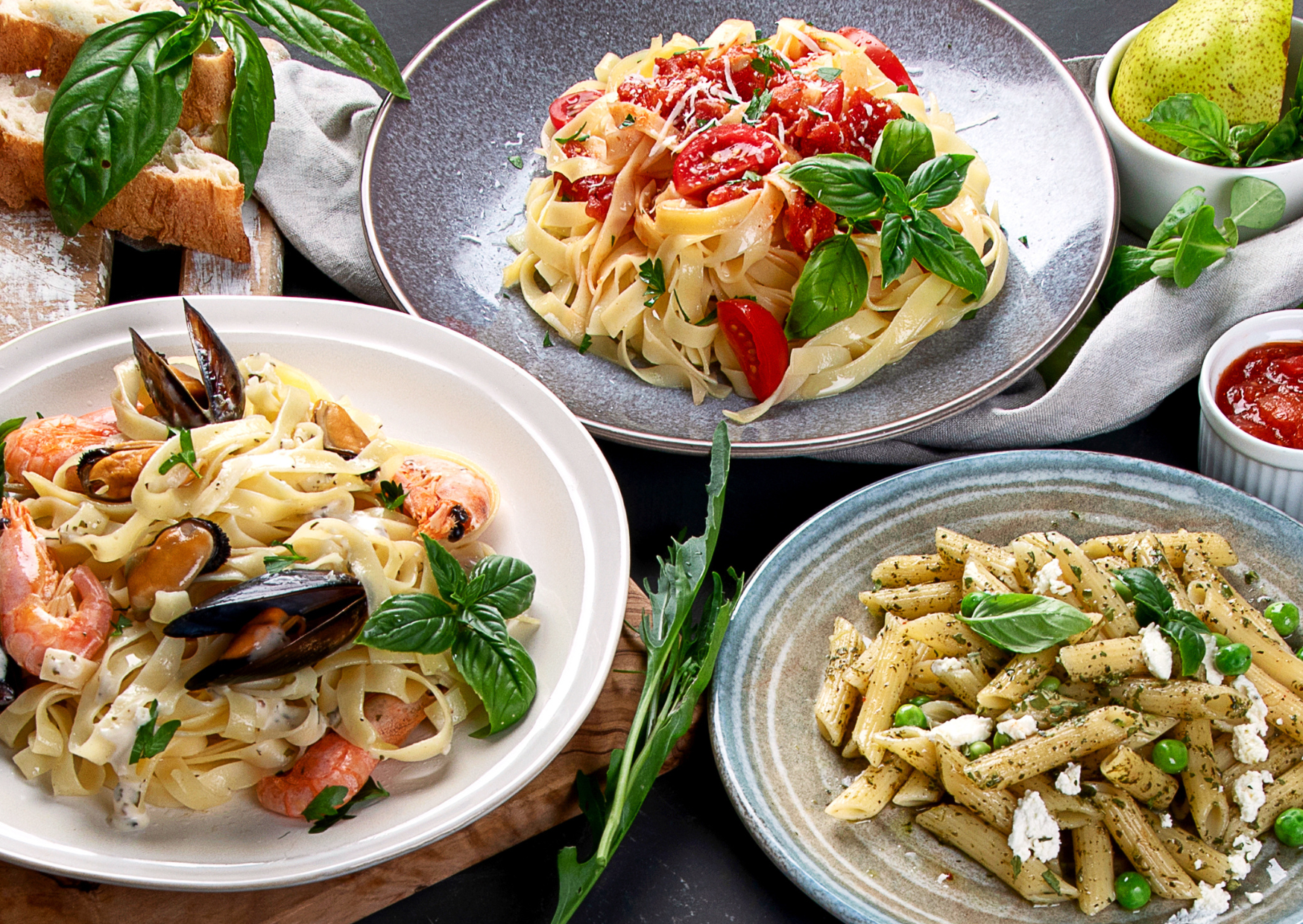
Italians eat pasta at lunch. The biggest meal at 1 PM when your metabolism is highest and you have all afternoon to use the energy. Not at 8 PM before sitting on the couch then sleeping.
Italian meal schedule:
- Breakfast (7-8 AM): Cappuccino and cornetto (200 calories max)
- Lunch (1-2 PM): Pasta, the main meal (500-600 calories)
- Dinner (8-9 PM): Light – soup, salad, or simple protein (400-500 calories)
That’s maybe 1,400 calories daily. But they’re satisfied because the pasta at lunch provides sustained energy. No afternoon crash requiring snacks. No evening binge because lunch was unsatisfying salad.
I tried this schedule. First week was weird eating pasta at 1 PM when American conditioning says “lunch is salad.” But by week two, the rhythm made sense. Big satisfying lunch, light dinner, actual sleep instead of digesting all night.
The Sauce Scandal
Italian pasta sauce is not what Americans think. No cream-based anything. No meat sauce drowning everything. No cheese sauce that’s basically fondue.
Real Roman pasta sauces:
- Aglio e olio: Olive oil, garlic, chili flakes. That’s it.
- Pomodoro: Tomatoes, basil, olive oil. Done.
- Cacio e pepe: Pecorino and pasta water. Nothing else.
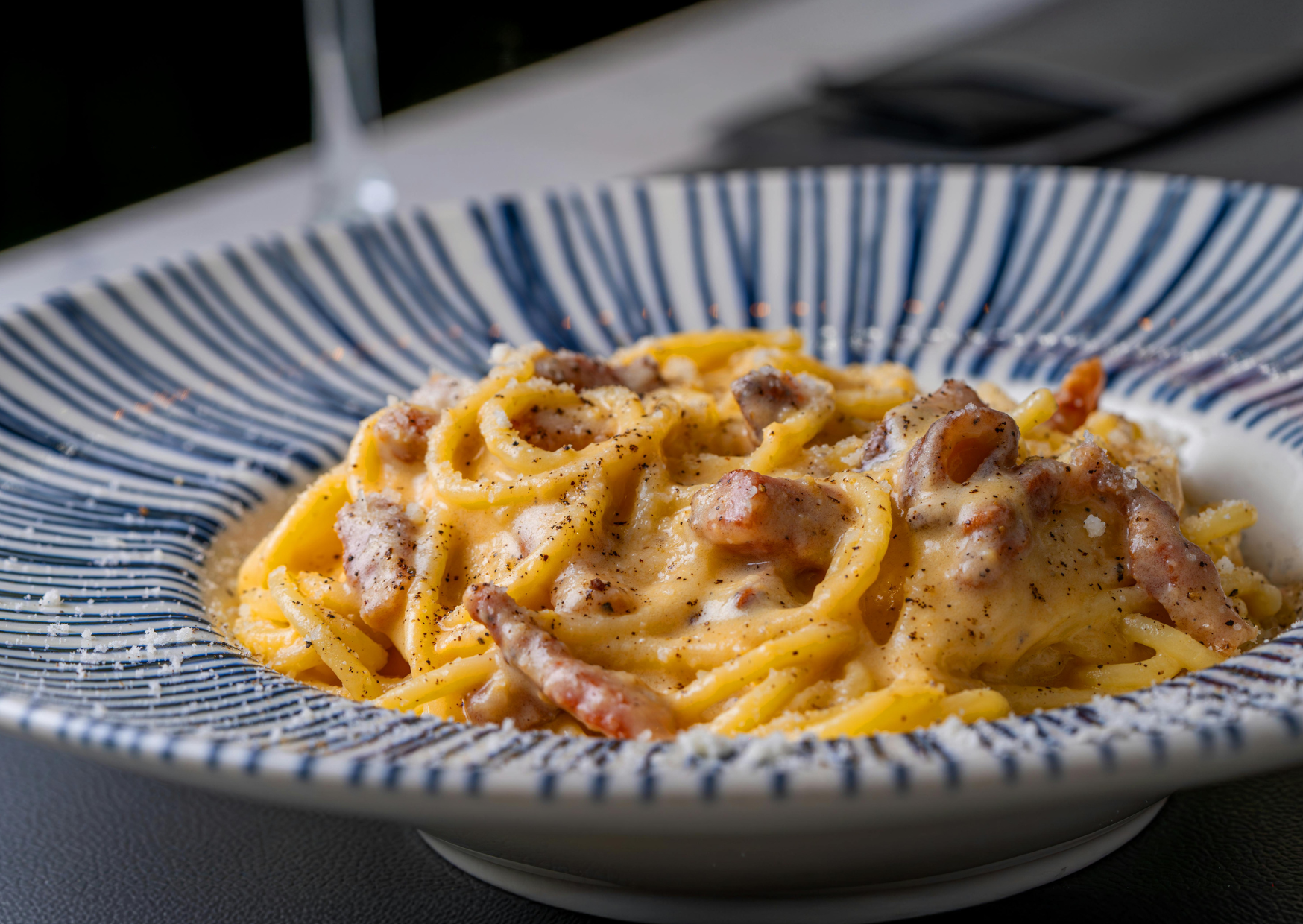
- Carbonara: Eggs, guanciale, pecorino. No cream ever.
- Amatriciana: Tomatoes, guanciale, pecorino.
Notice what’s missing? Cream. Butter. Mountains of cheese. Heavy meat sauces. The sauce complements pasta, doesn’t drown it. You taste pasta, not just sauce delivery vehicle.
My Roman neighbors use maybe 2-3 tablespoons of sauce per portion. Americans use cups. The pasta is the star, not pool of alfredo with noodles floating in it.
The Quality Difference
Italian pasta is different. Not fancy artisan whatever – just regular dried pasta from the supermarket. But it’s made with durum wheat and strict regulations. It has protein. It has fiber. It digests differently.
Italian pasta: 13-14% protein, slow-dried, holds texture American pasta: 10-11% protein, fast-dried, becomes mush
The Italian stuff keeps you full longer. Blood sugar rises slowly. Energy sustains. American pasta spikes blood sugar then crashes. You’re hungry again in an hour.
I bought the same brands Italians buy (De Cecco, Barilla, Garofalo). Normal supermarket pasta, not expensive imports. Cooked it properly (more on that later). The difference in satiation was shocking.
The Al Dente Religion
Italians will disown you for overcooked pasta. Al dente isn’t preference – it’s the only way. Firm to the bite. Slight resistance in center. Never, ever soft.
Why this matters for weight: Al dente pasta has lower glycemic index. Takes longer to digest. Keeps you fuller. Doesn’t spike blood sugar. Overcooked pasta becomes simple sugar in your system. Might as well eat candy.
Every Italian I watched drained pasta 1-2 minutes before package directions say. They know by look, by taste, by sound when it’s ready. Overcooked pasta is personal failure and family shame.
I learned to cook pasta properly. Timer for two minutes less than package says. Taste. Drain when there’s still bite. The difference in how I felt after eating was dramatic.
The Walking Component
Italians walk after eating. Not power walking for exercise. Just walking. To work, to home, to wherever. The passeggiata after dinner isn’t optional – it’s built into life.
After pasta lunch, Romans walk back to work. After dinner, they walk the neighborhood. Nobody’s counting steps. They’re just living, which happens to involve walking.
I tracked it: Average Italian walks 7-8,000 steps daily without trying. Americans average 3,000-4,000. That post-meal walking improves digestion, moderates blood sugar, prevents the storage that becomes fat.
My Roman routine: Pasta lunch at 1 PM, walk 20 minutes back to apartment, walk to evening activities, walk after dinner. Never felt heavy despite eating “carbs” because movement was automatic.
The Snacking That Doesn’t Exist
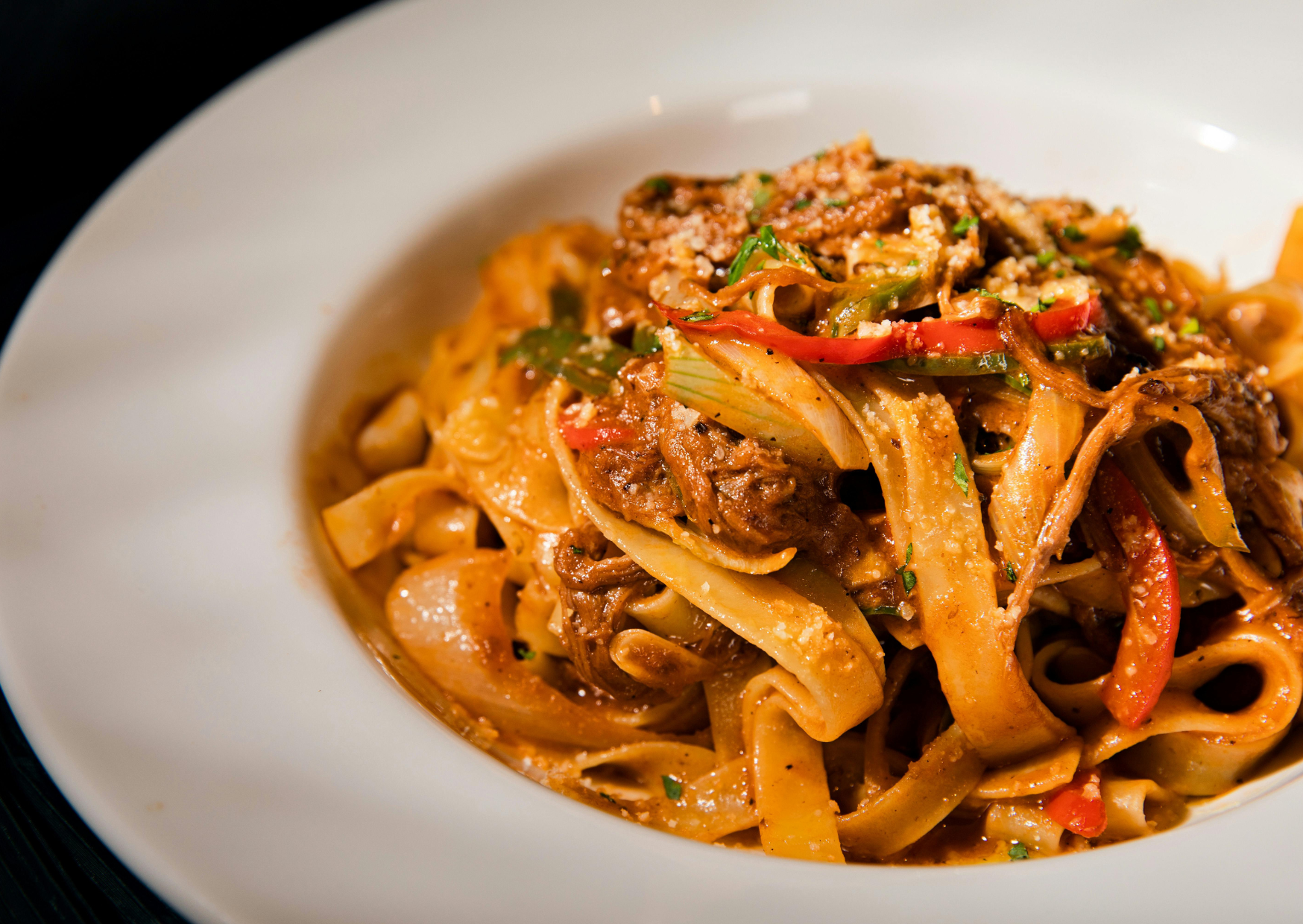
Italians don’t snack. There’s no snack aisle in Italian supermarkets. No vending machines in offices. No constant grazing. They eat meals then stop eating.
After proper pasta lunch, you’re not hungry until dinner. The combination of protein, complex carbs, and reasonable portions sustains energy. No 3 PM crash requiring candy bar. No 4 PM chips. No constant eating that adds thousands of unconscious calories.
First week without snacks was hard. American conditioning says eat every three hours or metabolism dies (total myth). By week two, wasn’t hungry between meals. The pasta lunch carried me through.
The Speed of Eating
Italians take minimum 30 minutes for lunch. Usually an hour. Even eating pasta at home isn’t wolfed down at desk. It’s plated properly, eaten sitting, enjoyed slowly.
Eating slowly means:
- Feeling full with less food
- Better digestion
- Actual satisfaction
- No overeating
Americans inhale pasta in 10 minutes while watching TV then wonder why they’re still hungry. Italians make meal an event, even simple pasta lunch. The psychological satisfaction matches physical.
I forced myself to eat slowly. Put fork down between bites. Chewed properly. Talked during meals instead of efficiently consuming calories. Same portion felt like more food.
The Wine Factor
Italians often have small glass of wine with lunch pasta. Not bottle – a glass. 125ml. The slight alcohol slows eating, aids digestion, makes meal feel celebratory.
This scandalized my American brain. Wine at lunch on Tuesday? But that small amount with food processes differently than evening binge drinking. No buzz, just civilized meal.
The wine made me eat even slower, appreciate flavors more, feel satisfied with less. Not required, but the ritual of proper meal including wine changed my relationship with lunch from “fuel stop” to pleasure.
The Bread Truth
Italians eat bread WITH pasta. Americans think that’s carb suicide. But watch how they do it: small piece to clean sauce from plate. Not basketful before meal. Not garlic bread side. Just small piece at end.
It’s called “fare la scarpetta” (making little shoe) – using bread to get last bit of sauce. Ensures you eat all the nutrients, feel satisfied, waste nothing. Maybe 50 calories of bread, not 500 from pre-meal breadsticks.
This small ritual made meals feel complete. That last bite of bread with tomato sauce residue was satisfying conclusion, not deprivation.
The Scale Results
Starting weight: 176 pounds After 2 months: 168 pounds
Lost 8 pounds eating pasta twice daily. But weight wasn’t the revelation. Body composition changed. Bloating disappeared. Energy stabilized. Afternoon crashes ended. Mood improved.
Never counted calories. Never felt deprived. Never thought about food between meals. Just ate pasta like Romans and got thinner while feeling better.
The Blood Work Surprise
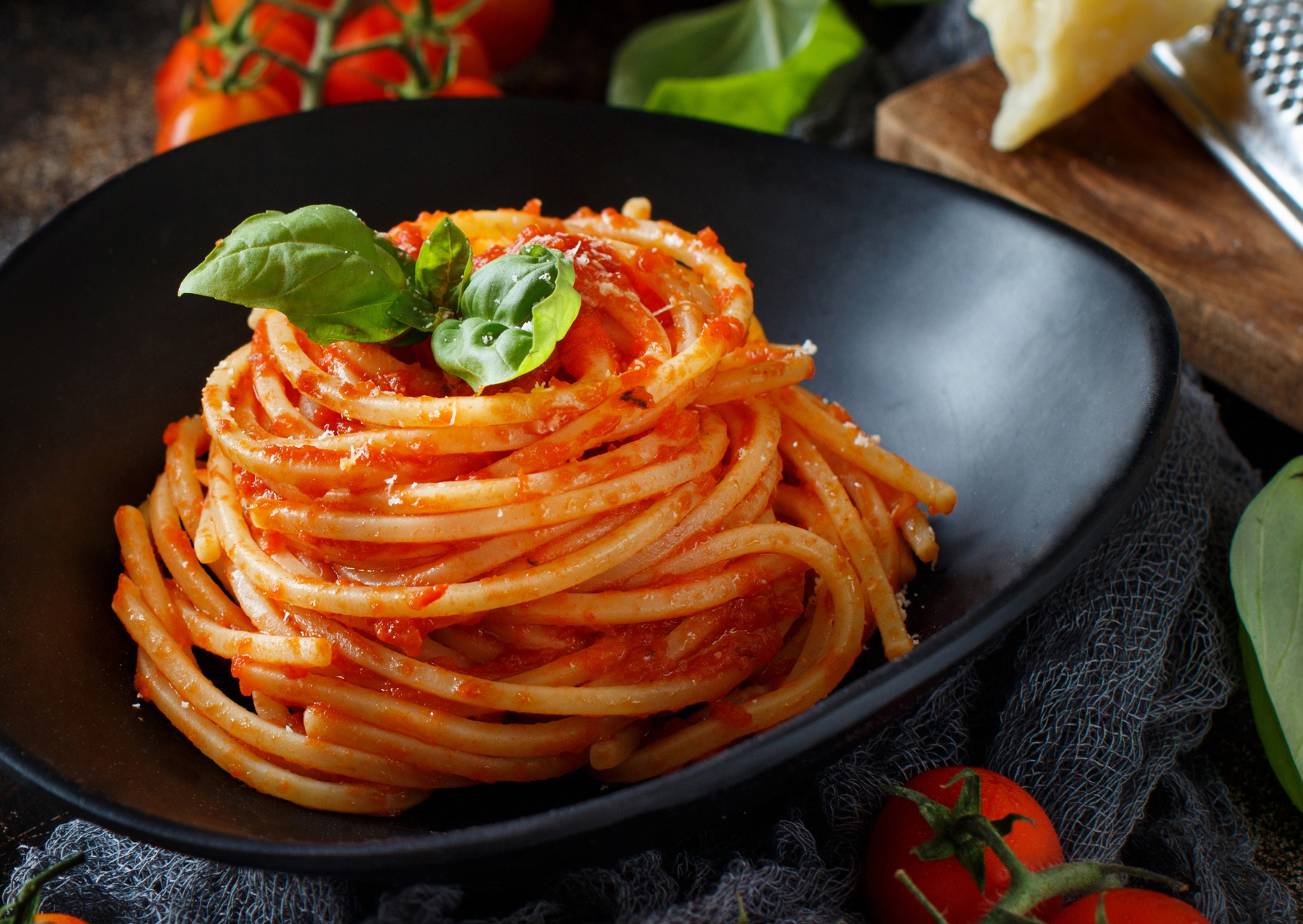
Got blood work done after two months out of curiosity:
- Fasting glucose: Dropped 8 points
- Triglycerides: Down 30 points
- HDL (good cholesterol): Up 5 points
- Inflammation markers: All decreased
Doctor said “whatever you’re doing, keep doing it.” I was eating pasta twice daily. The “dangerous” food that every diet eliminates improved every health marker.
The Social Element
Italians eat pasta together. Family lunch, friends at trattoria, colleagues at neighborhood spot. Eating is social, not solitary desk lunch.
Social eating means:
- Eating slower (conversation)
- Feeling satisfied (human connection)
- No emotional eating (food isn’t therapy)
- Regular meal times (meeting others)
My pasta lunches were often with Italian coworkers or neighbors. The social component made 80 grams of pasta more satisfying than huge American lonely desk lunch.
The Variety Within Limits
Italians eat pasta daily but vary everything else:
- Different shapes (400+ varieties)
- Different sauces (but all simple)
- Different vegetables added
- Different cheese combinations
Same base food, infinite variations. No decision fatigue but no boredom. Monday’s spaghetti aglio e olio tastes nothing like Tuesday’s penne arrabbiata.
This eliminated my constant “what should I eat” anxiety. Lunch was pasta. Only question was which kind. Simple framework, endless possibilities within it.
The Processed Food Absence
Italian pasta meals involve almost no processed foods. Pasta is simple durum wheat. Sauce is tomatoes or olive oil. Cheese is real cheese. Nothing from packages with forty ingredients.
Typical Italian pasta meal ingredients:
- Pasta (wheat, water)
- Tomatoes (actual tomatoes)
- Olive oil (olives)
- Garlic (garlic)
- Pecorino (sheep milk, salt, rennet)
American “Italian” meal ingredients: Check Olive Garden nutritional info. Chemical compounds that require chemistry degree. Preservatives, stabilizers, artificial flavors, colors, things that aren’t food.
The simple real ingredients digest differently. Body recognizes food, processes it properly, uses nutrients, doesn’t store confusion as fat.
The Exercise Non-Connection
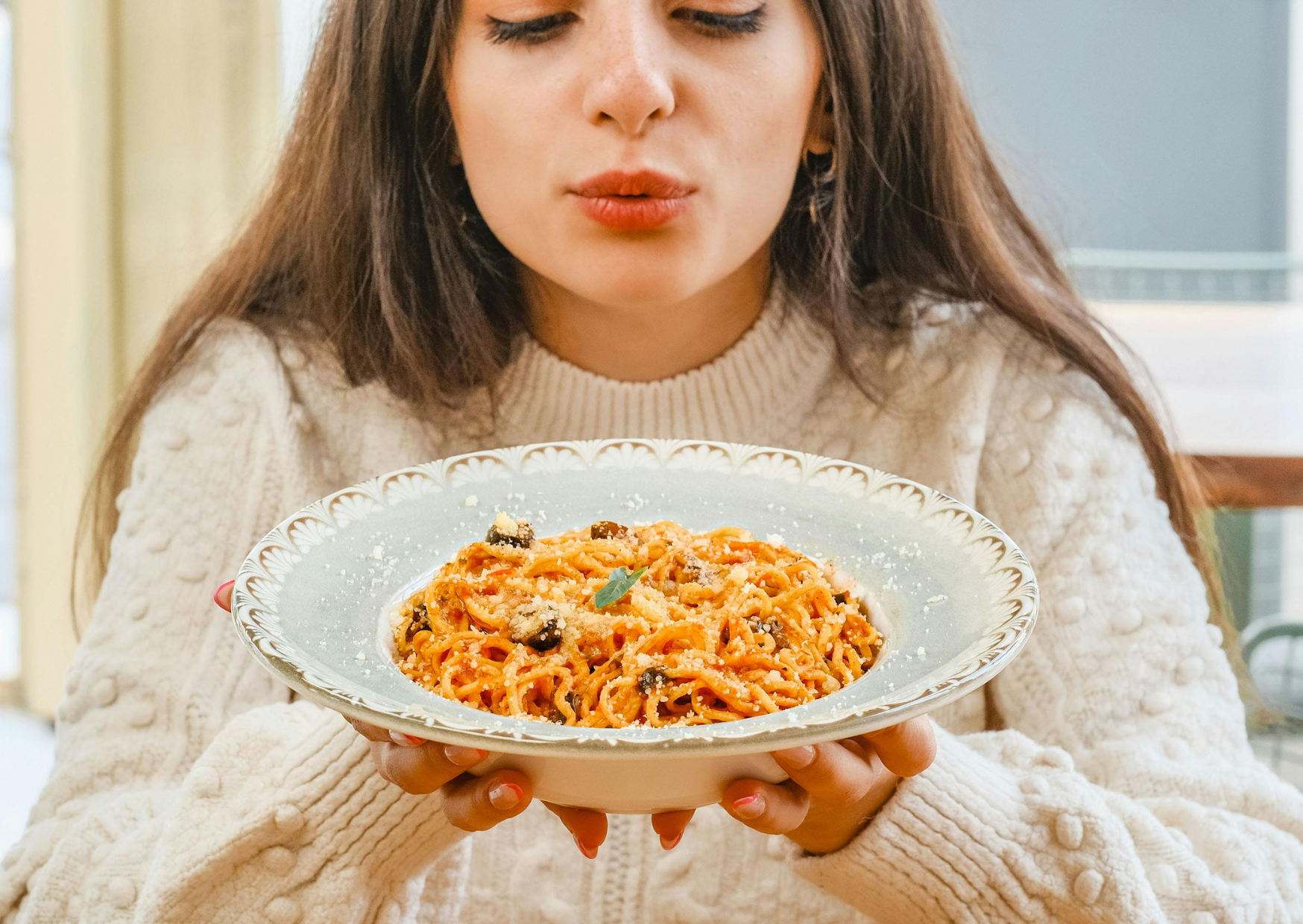
Nobody in Italy exercises to “burn off” pasta. No gym punishment for eating carbs. No cardio penance. They eat pasta then live life which involves normal movement.
The American cycle of eat “bad” food then punish with exercise doesn’t exist. Food isn’t moral failure requiring physical atonement. It’s just lunch.
I stopped my guilt-driven gym sessions. Just walked places, took stairs, lived normally. Lost more weight than when I was doing punishment cardio for carb sins.
The Grandmothers Who Know
Every Italian grandmother has been eating pasta daily for 80+ years. They’re tiny, energetic, healthy. They’ve never counted carbs or calories. They think American diet culture is insanity.
My landlady’s mother, 89, eats pasta twice daily. Walks to market. Climbs four flights of stairs. Takes no medications. Has never been on diet. Thinks Americans are crazy for fearing food.
These women are proof that decades of daily pasta doesn’t equal obesity or disease. It equals longevity when eaten properly in reasonable portions with real ingredients.
The Psychological Freedom
Not fearing pasta freed mental energy I didn’t know I was wasting. No calculating carb counts. No guilt spirals. No “I’ll start again Monday” after eating “bad” food.
Pasta became neutral. Not good or bad. Just food. Satisfying midday food that provided energy for afternoon. This mental shift might matter more than physical effects.
Americans spend enormous psychological energy managing food fear. Italians spend that energy living life. Guess who’s happier and thinner?
The Implementation Guide
To eat pasta like Italians:
- Buy good dried pasta (Italian brands worth the extra dollar)
- Portion 80-100 grams dry per person
- Cook al dente (taste at 2 minutes before package says)
- Use simple sauces (olive oil based or simple tomato)
- Eat at lunch, not dinner
- Take 30+ minutes to eat
- Walk after eating
- No snacks between meals
- No guilt, ever
This isn’t a diet. It’s how a entire country eats while staying thin. No special products. No counting. No apps. Just pasta eaten properly.
The American Resistance
Told American friends about eating pasta daily and losing weight. Responses:
- “You must have good genetics”
- “That wouldn’t work for me”
- “But carbs are inflammatory”
- “What about keto?”
- “That’s too many carbs”
Meanwhile, they’re spending $200 monthly on keto products, feeling miserable, and gaining weight. But pasta is the problem, sure.
The Final Reality
Italians eat pasta daily and stay thin because they:
- Eat reasonable portions
- Use simple sauces
- Consume it at lunch
- Walk after eating
- Don’t snack
- Eat slowly
- Enjoy without guilt
Americans avoid pasta while getting fatter because we:
- Fear carbs irrationally
- Eat huge portions of everything else
- Snack constantly
- Don’t move
- Guilt spiral about food
- Look for magic solutions
I tested the Italian way for two months. Lost weight, felt better, enjoyed food, spent less money, reduced anxiety around eating. The “dangerous” carbs Americans fear made me healthier.
The pasta isn’t the problem. The American approach to food is the problem. Italians prove this daily, one perfectly portioned plate at a time.
But keep spending hundreds on diet programs while Italians eat pasta daily and live to 90.
Your choice.
Meanwhile, I’m making cacio e pepe for lunch. 90 grams of pasta. Pecorino. Black pepper. Pasta water. Perfection.
And I’ll be thinner tomorrow because of it.

About the Author: Ruben, co-founder of Gamintraveler.com since 2014, is a seasoned traveler from Spain who has explored over 100 countries since 2009. Known for his extensive travel adventures across South America, Europe, the US, Australia, New Zealand, Asia, and Africa, Ruben combines his passion for adventurous yet sustainable living with his love for cycling, highlighted by his remarkable 5-month bicycle journey from Spain to Norway. He currently resides in Spain, where he continues sharing his travel experiences with his partner, Rachel, and their son, Han.