
And what it reveals about hygiene, privacy, and the cultural clash between cleanliness and convenience
Ask the average American traveler what shocked them most during their first European trip, and the answer might surprise you. It’s not the speed of the trains or the size of the elevators. It’s not the lack of air conditioning or the late dinner hours. It’s that extra porcelain fixture in the bathroom — the one next to the toilet.
The bidet.
To Americans, it’s often baffling. Or worse — a punchline. Some assume it’s a foot washer. Others think it’s a second toilet. Many don’t know how to use it at all. And more than a few find the whole thing unsanitary, invasive, or just plain disgusting.
But to Europeans, the bidet isn’t exotic. It’s not a novelty. It’s basic hygiene — as normal as brushing your teeth.
Here’s why bidets are still found in homes, hotels, and bathrooms across Europe in 2025, and why Americans continue to resist something much of the world considers cleaner, gentler, and more civilized.
Want More Deep Dives into Everyday European Culture?
– Why Europeans Walk Everywhere (And Americans Should Too)
– How Europeans Actually Afford Living in Cities Without Six-Figure Salaries
– 9 ‘Luxury’ Items in America That Europeans Consider Basic Necessities
Quick Easy Tips
It’s called a bidet—and it’s not just for luxury hotels. It’s a standard hygiene fixture in many European homes.
Use it after toilet paper, not instead. Most Europeans use both for cleanliness and comfort.
Give it a try before judging. Many Americans who use a bidet once become lifelong converts.
In Europe, especially in countries like France, Italy, and Spain, the bidet is a normal part of daily bathroom hygiene. But for many Americans, the very idea of rinsing with water instead of wiping exclusively with toilet paper is met with hesitation or outright disgust. This reaction is less about practicality and more about cultural conditioning. In the U.S., toilet habits are shaped by a combination of privacy, convenience, and a heavy reliance on paper products. In Europe, however, cleanliness often equates to using water, not dry wiping.
The cultural divide goes deeper than plumbing. Europeans often associate bidets with personal freshness and even environmental responsibility. Americans, meanwhile, tend to view them as unnecessary or even unsanitary, despite the growing popularity of high-tech Japanese bidets and portable versions in the States. This reaction isn’t just about the fixture itself it’s about what it represents: an unfamiliar routine that challenges deeply ingrained habits around hygiene and bodily autonomy.
What Americans may see as a bizarre or overly intimate bathroom ritual, Europeans see as basic self-care. The irony? Many U.S. travelers will happily enjoy a hot tub, communal pool, or spa day, but balk at the idea of a targeted stream of clean water for hygiene. The reluctance to embrace bidets says more about American squeamishness toward bodily functions than any real sanitary concern. In fact, most medical experts agree that water-based cleaning is often gentler and more effective than repeated wiping.
1. The Bidet Isn’t New — It’s Cultural Infrastructure
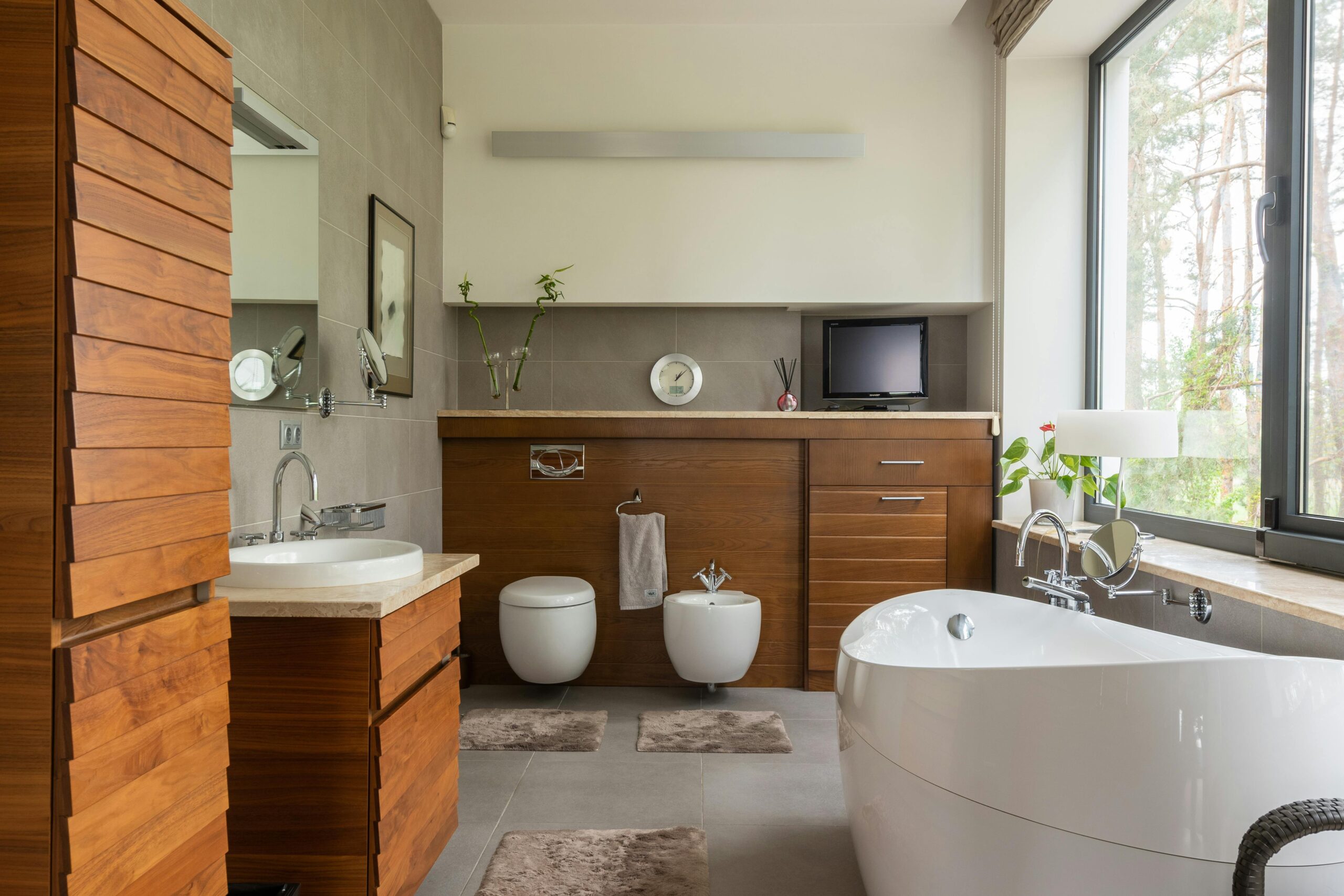
The bidet has existed in European homes for centuries. It originated in France in the 1700s and quickly spread across Southern and Western Europe. Today, it’s a staple in bathrooms throughout Spain, Italy, Portugal, and parts of Eastern Europe.
In many homes, the bidet is installed during construction — not as an add-on, but as part of the standard bathroom layout.
It’s not just common. It’s expected. And while some newer homes and modern apartments have switched to bidet attachments or handheld sprayers, the standalone porcelain version remains a fixture of everyday life.
In contrast, most Americans grow up without ever seeing a bidet. And when they do, it’s framed as something foreign — or even laughable.
2. Americans Trust Paper — Europeans Trust Water
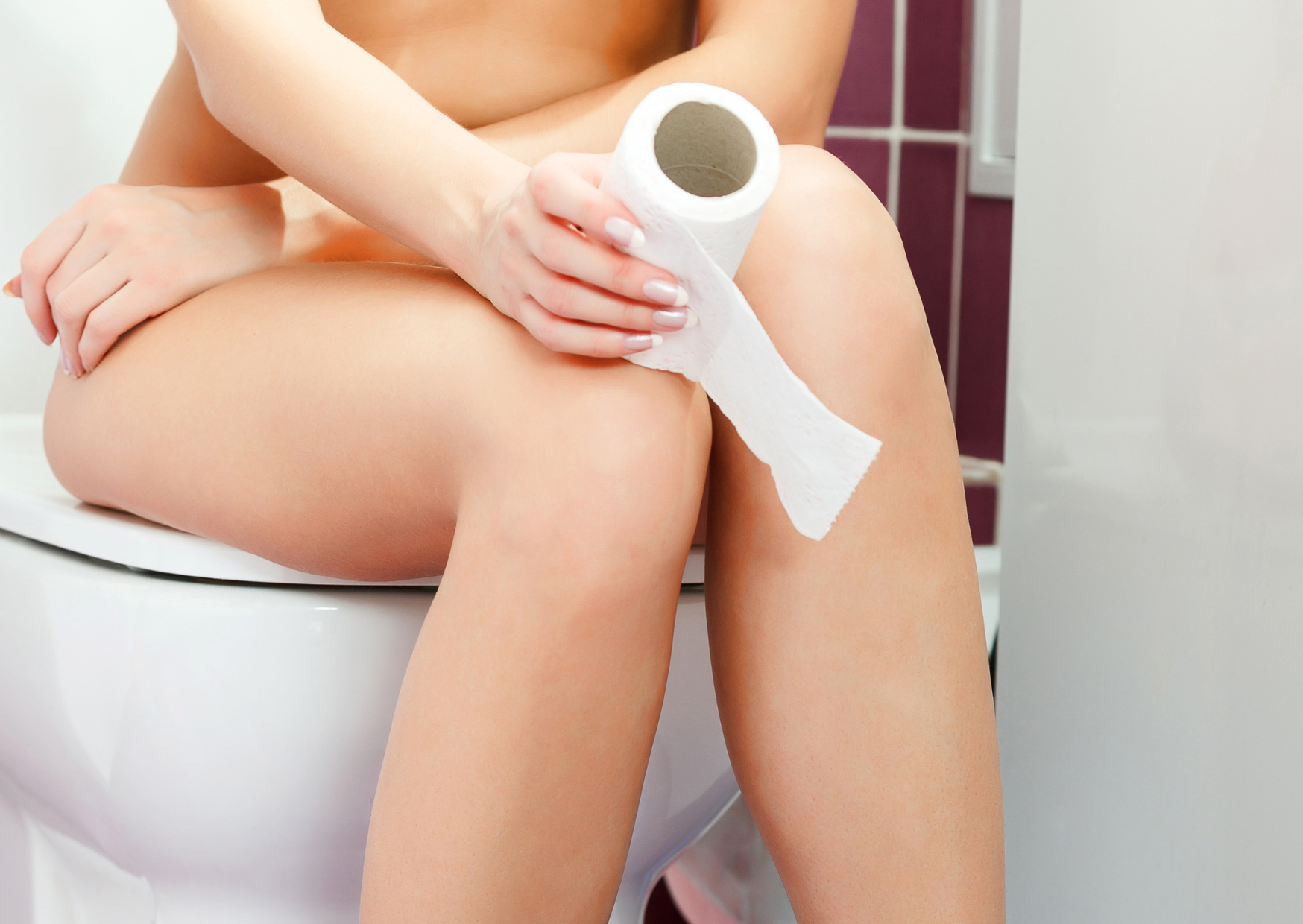
At the core of the cultural difference is a simple question: What does it mean to be clean?
In the U.S., toilet paper is the unquestioned standard. Wet wipes have made some inroads, but they’re still considered optional. The average American believes that wiping is sufficient — and that anything more is excessive.
In Europe, the logic is reversed.
Wiping without rinsing is seen as incomplete. Water cleans. Paper moves things around. If your hands were dirty, would you just rub them with a dry napkin and walk away?
For Europeans, the idea of skipping the bidet is what seems unsanitary.
3. It’s Not About Luxury — It’s About Function
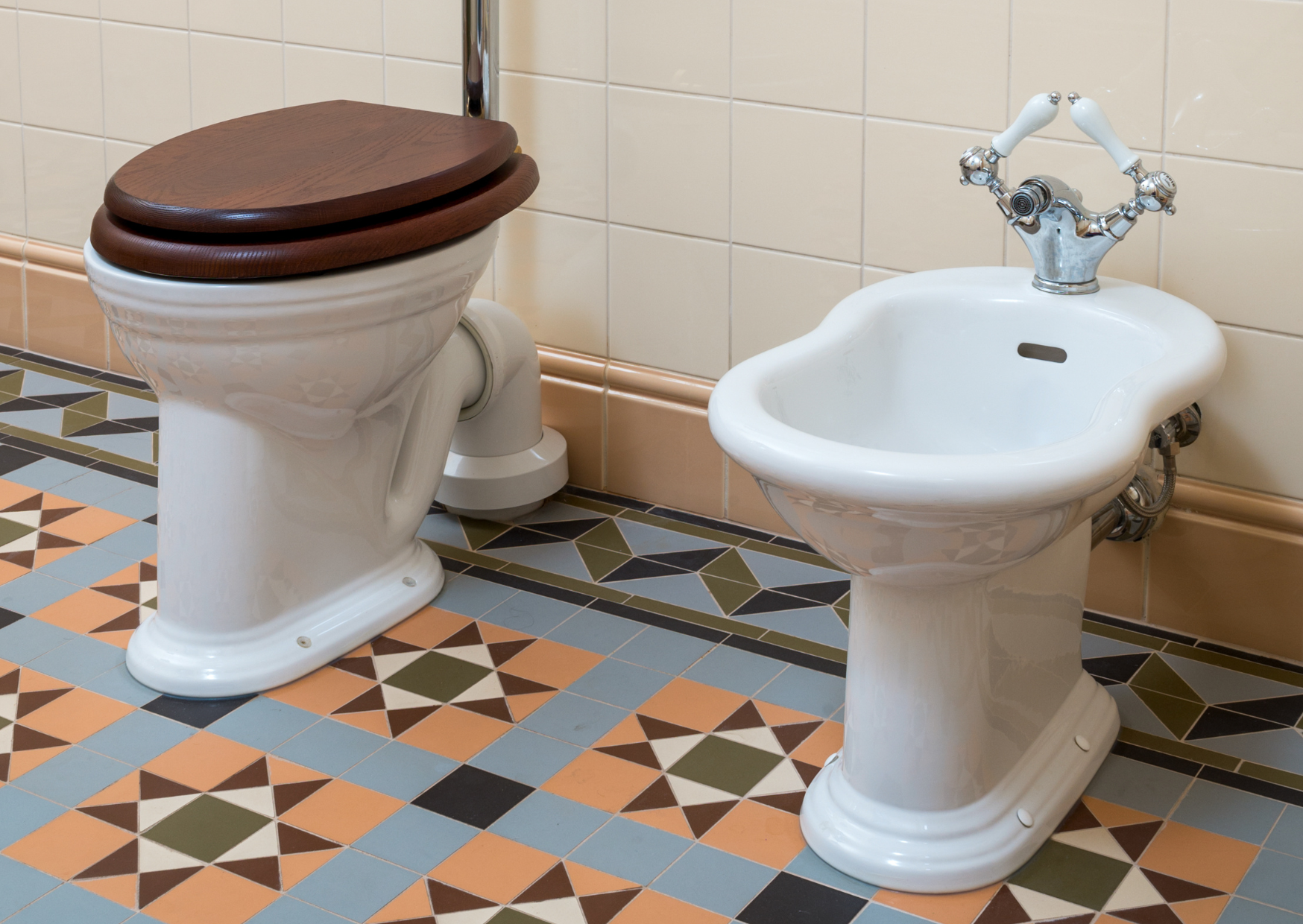
In the U.S., when bidets are installed, they’re often framed as high-tech luxuries: smart toilets with heated seats, built-in dryers, and remote controls.
In Europe, the bidet is basic plumbing. A simple fixture with cold or lukewarm water. No automation. No bells or whistles. Just a faucet and a drain — nothing glamorous about it.
People don’t use them for self-care rituals or spa experiences. They use them after using the toilet, period.
The disconnect is that Americans associate bidets with extra comfort. Europeans associate them with normal hygiene.
4. Americans Feel Awkward About Water Touching “There”
There’s an emotional barrier many Americans never cross. The idea of water cleaning your genitals after using the bathroom feels intrusive, even improper. It involves physical contact — even if indirect.
In European culture, there’s less fear around the body’s natural processes. It’s not taboo to clean yourself. It’s expected.
Children are taught to use the bidet early. Adults use it routinely. Seniors use it for comfort and dignity.
There’s no embarrassment. No hesitation. Just a tool that serves its purpose — efficiently, discreetly, and without shame.
5. Bidets Are Used Beyond Bathroom Needs
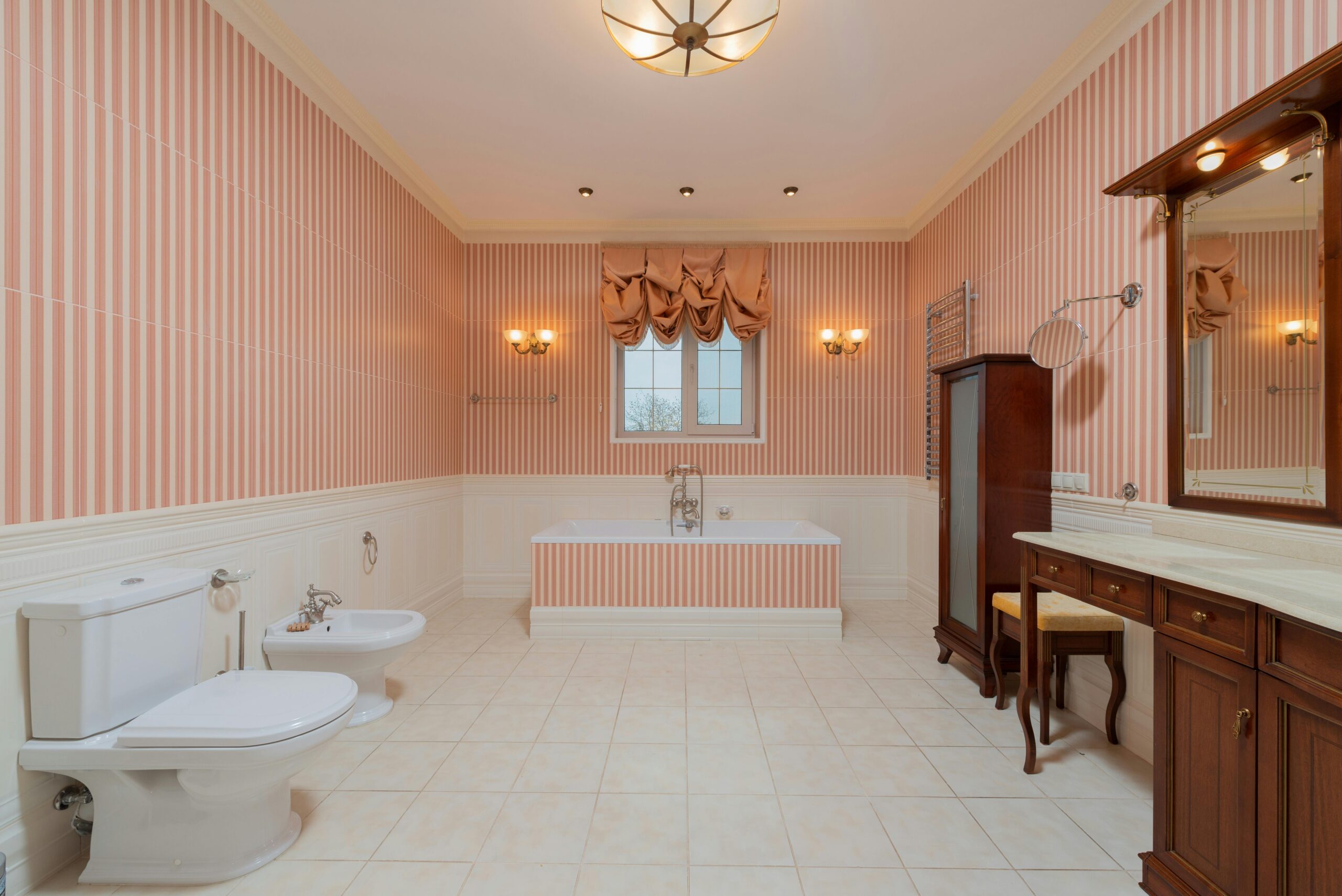
In many European homes, the bidet serves multiple purposes:
- Washing feet after a day at the beach
- Rinsing out swimsuits or delicate laundry
- Soothing skin irritation
- Cleaning up children or assisting elderly relatives
- Freshening up on a hot day
It’s not a single-use appliance. It’s a versatile water source that fits a dozen small needs — especially in homes without multiple bathrooms.
To Americans, it’s a mystery fixture. To Europeans, it’s part of the daily routine.
6. Travel Without a Bidet Feels Incomplete
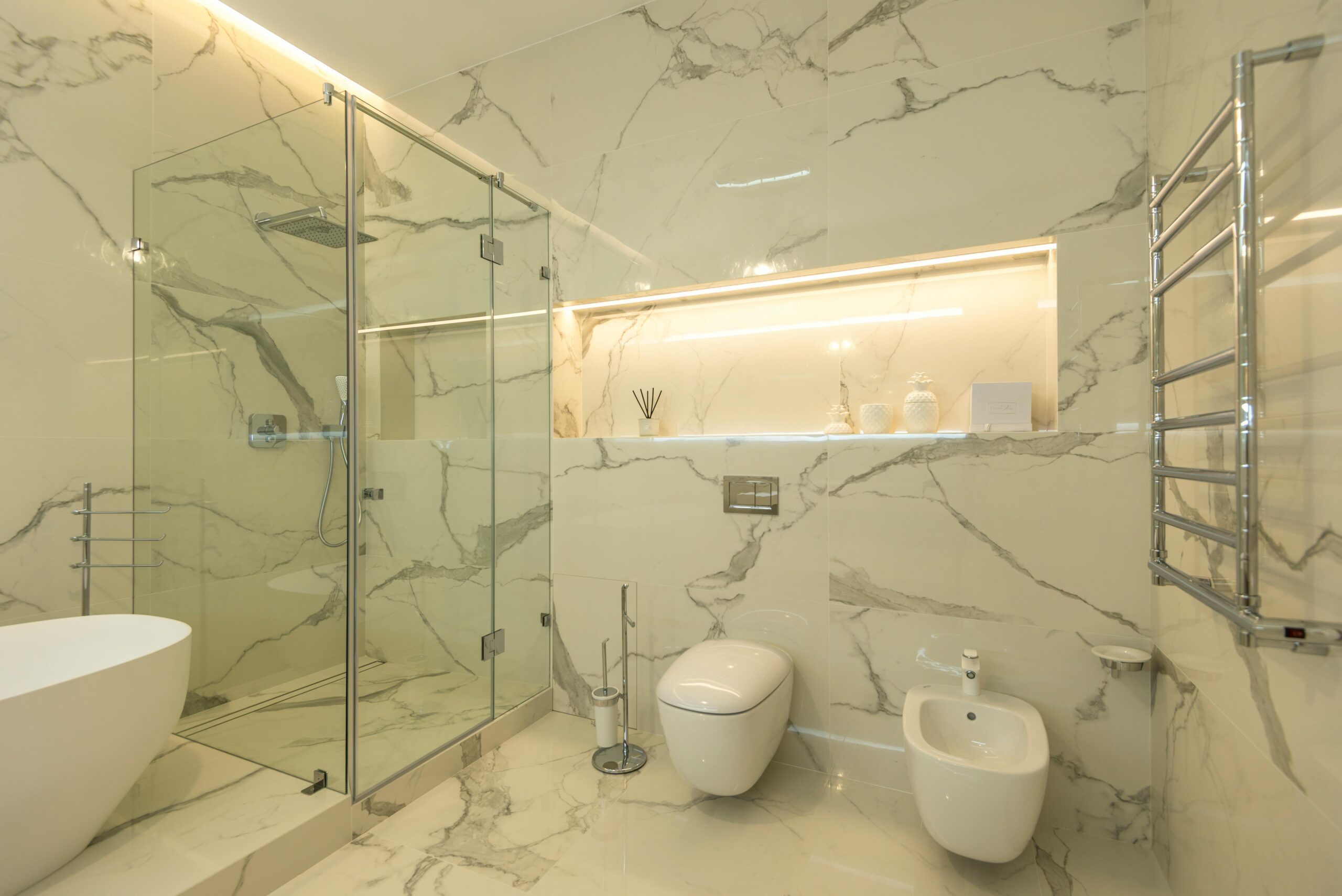
For Europeans, traveling to the U.S. often comes with a mild hygiene panic. What do you do without a bidet?
Some pack portable bottles. Others improvise with a showerhead or washcloth. But many feel, quietly and deeply, that the experience of using only toilet paper is uncomfortable and incomplete.
Americans may not notice the absence. Europeans always do.
It’s not just about preference. It’s about feeling truly clean — and not being able to achieve that without the tool you grew up using.
7. Bidet Maintenance Is Not Disgusting — It’s Basic Respect
Many Americans assume bidets are hard to clean, dirty, or spread bacteria. But in Europe, maintaining a bidet is as simple as cleaning a sink or a shower.
You wipe it down. You rinse the faucet. You keep it dry when not in use. That’s it.
Bidets don’t hold waste. They’re not toilets. They’re for cleaning — not disposing. And that distinction makes all the difference.
The idea that a bidet is somehow “gross” says more about American discomfort with bodily functions than it does about the fixture itself.
8. You Don’t Need a Manual — Just Common Sense
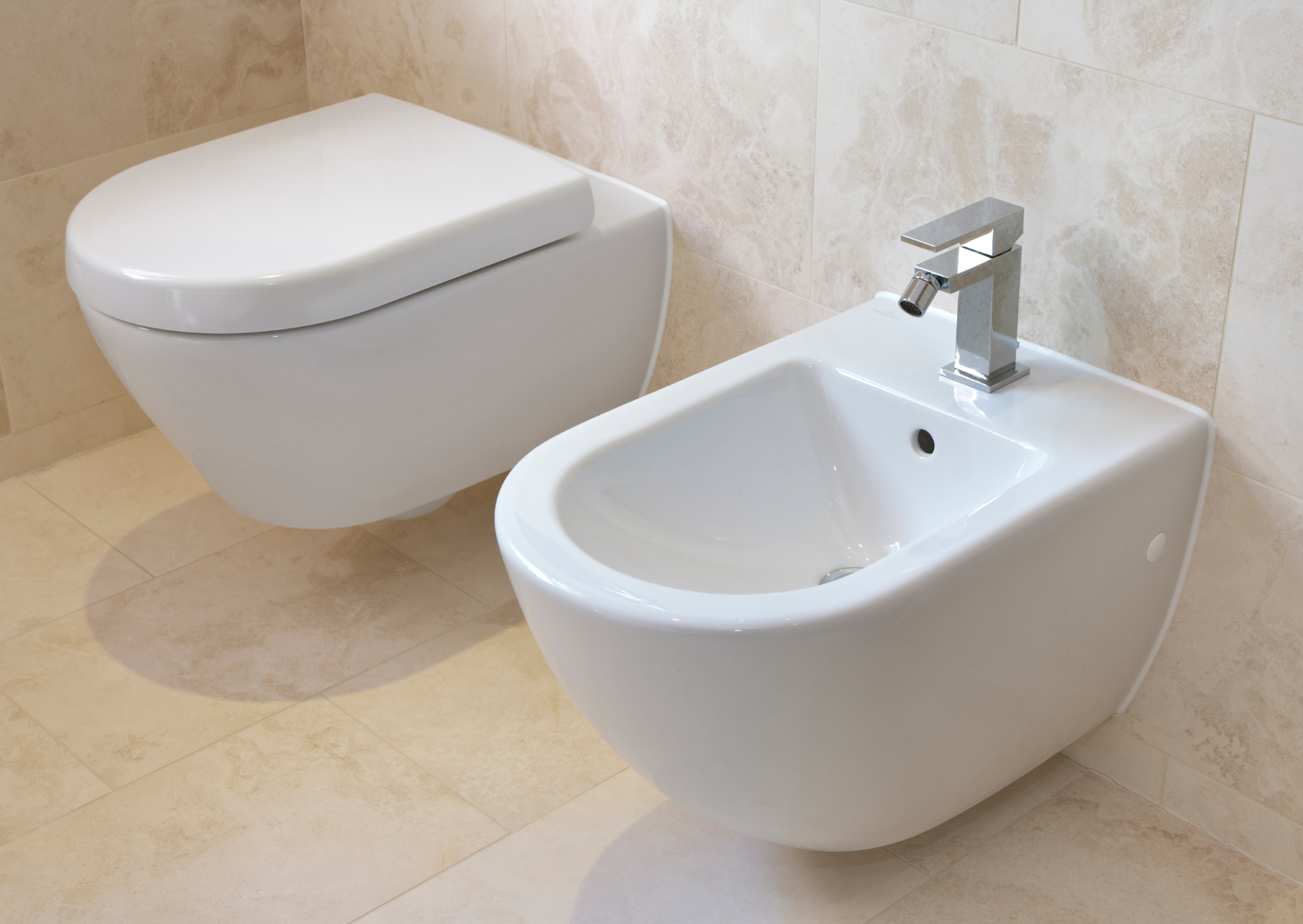
One of the reasons Americans avoid bidets is that they don’t understand how to use them. There’s rarely signage. No one explains. And the options can be confusing.
But for Europeans, it’s as intuitive as washing your hands.
Sit or squat. Turn on the faucet gently. Adjust temperature if available. Rinse. Pat dry. Done.
No drama. No risk. No embarrassment.
The fear is often in the unfamiliarity, not the reality.
9. Kids See Them Every Day — and That Shapes Everything
American children grow up not seeing bidets. When they encounter one later in life, the reaction is often confusion or mockery.
European children grow up with them in plain view. They see their parents use them. They’re taught how to use them. They internalize the logic: water cleans better than paper.
That early exposure normalizes the practice — and removes the taboo before it forms.
It’s not something you debate. It’s just how you clean up.
One Fixture, Two Interpretations
To Americans, the bidet is a strange object — outdated at best, disgusting at worst.
To Europeans, the bidet is a pillar of cleanliness.
In the U.S., hygiene is something you manage privately, often with scented products and disposable tools.
In Europe, hygiene is functional, daily, and practical — not polished, not perfumed, and certainly not embarrassing.
To Americans, the idea of washing your genitals after going to the toilet feels excessive.
To Europeans, not doing it feels insufficient.
So the next time you step into a European bathroom and see that extra fixture next to the toilet, don’t flinch. Don’t laugh. And definitely don’t ignore it.
You’re looking at something millions of people use daily — not because it’s trendy or advanced, but because it’s the simplest, cleanest option they’ve ever known.
The bidet isn’t some outdated European relic it’s a thoughtful addition to modern hygiene. As more Americans travel, relocate, or install bidets in their own homes, perceptions are beginning to shift. Many who try them once find themselves wondering how they ever lived without one. The shock wears off quickly when comfort and cleanliness win out.
For those still unsure, adopting the bidet doesn’t require a full bathroom remodel. There are affordable bidet attachments and portable solutions that offer a low-risk entry point. The key is staying open-minded about international practices that, while unfamiliar, might actually improve your quality of life. After all, not every American habit is the gold standard especially when it comes to hygiene.
Cultural habits don’t change overnight, but travel has a way of softening hard opinions. Embracing the bidet might just be one of those changes that feels odd at first and indispensable later. In a world where cleanliness is more important than ever, perhaps it’s time Americans stop resisting this European bathroom staple and start rethinking what “clean” really means.

About the Author: Ruben, co-founder of Gamintraveler.com since 2014, is a seasoned traveler from Spain who has explored over 100 countries since 2009. Known for his extensive travel adventures across South America, Europe, the US, Australia, New Zealand, Asia, and Africa, Ruben combines his passion for adventurous yet sustainable living with his love for cycling, highlighted by his remarkable 5-month bicycle journey from Spain to Norway. He currently resides in Spain, where he continues sharing his travel experiences with his partner, Rachel, and their son, Han.