
I asked for bien cuit. The waiter winced. The chef sent a question back. For ten long minutes, the table negotiated what “well-done” means in a country where “perfectly cooked” is still pink. Here is what happened, why it happens all the time, and how to get the steak you actually want without a scene.
The brasserie was loud, bright, and busy. Steak frites felt like the right move.
I said bien cuit with confidence and closed the menu.
The server gently suggested à point. I repeated bien cuit. He nodded, then leaned back in with a small shake of the head and a soft are you sure. Two minutes later, a second person arrived to warn that the cut would be tough and the kitchen would not be responsible for dryness. We were six people, three languages, one steak order, and a cultural gap you could drive a delivery scooter through.
It ended fine. The steak arrived cooked through with only the faintest blush, the fries were perfect, and I tipped my head in apology to the cook watching from the pass. The argument was not really about me. It was about vocabulary, expectations, and what counts as good cooking on either side of the Atlantic. If you want to avoid that ten-minute standoff, learn how France hears your words and how France cooks your meat. The fix is easy once you see it.
Below is the decoder: the French doneness scale, the reason well-done triggers pushback, the safety talk both cultures bring to the table, and a playbook for ordering steak in France without drama. I also include how to navigate this if you truly need a fully cooked steak and when to skip steak altogether.
Want More Deep Dives into Other Cultures?
– 9 Italian Style Rules That Instantly Outshine American Fashion
– Why Europeans Walk Everywhere (And Americans Should Too)
– How Europeans Actually Afford Living in Cities Without Six-Figure Salaries
– 9 ‘Luxury’ Items in America That Europeans Consider Basic Necessities
The Words You Need And What They Really Mean
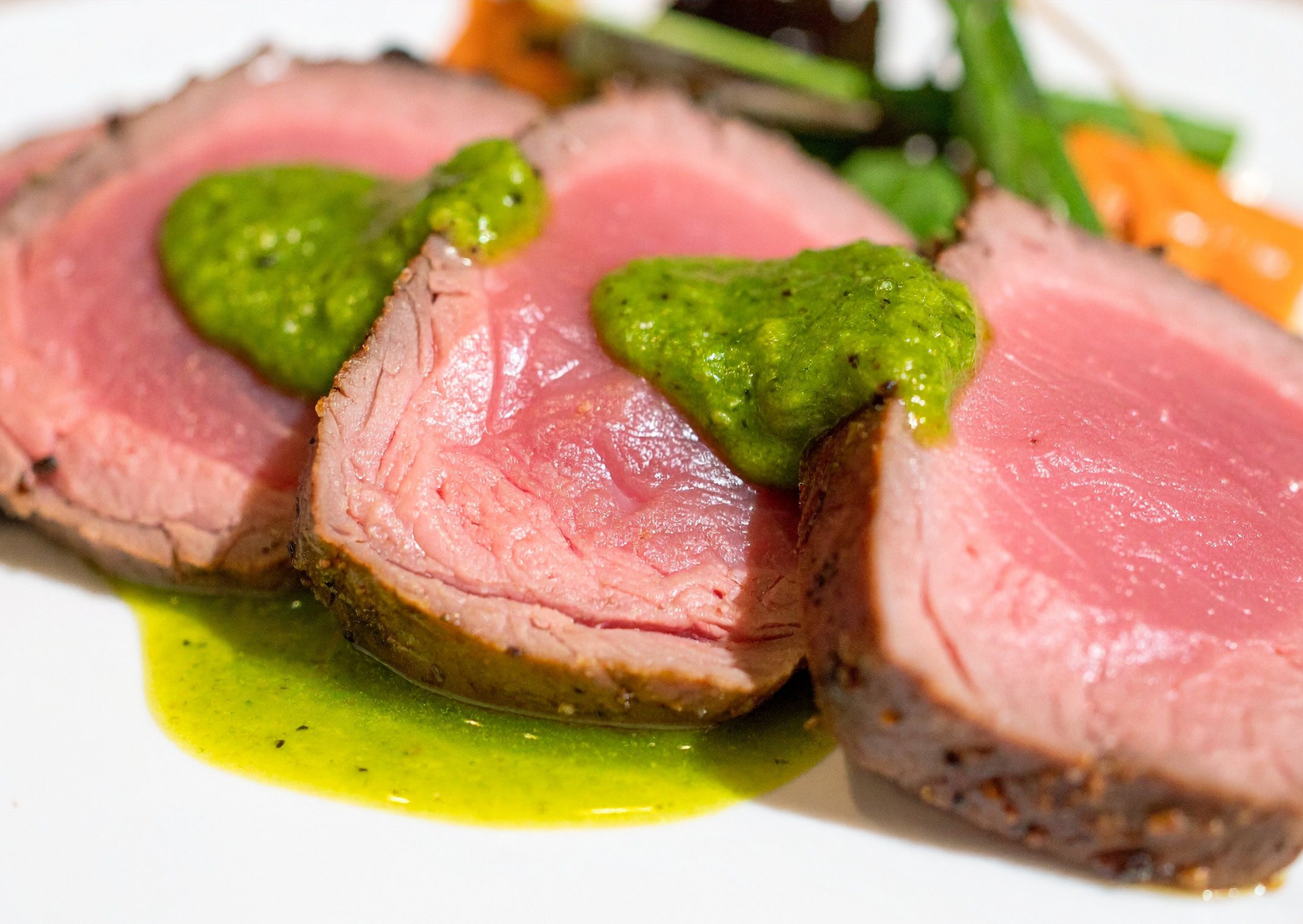
French dining rooms run on a small set of terms that have specific expectations. Those expectations are richer, pinker, and juicier than the average American default.
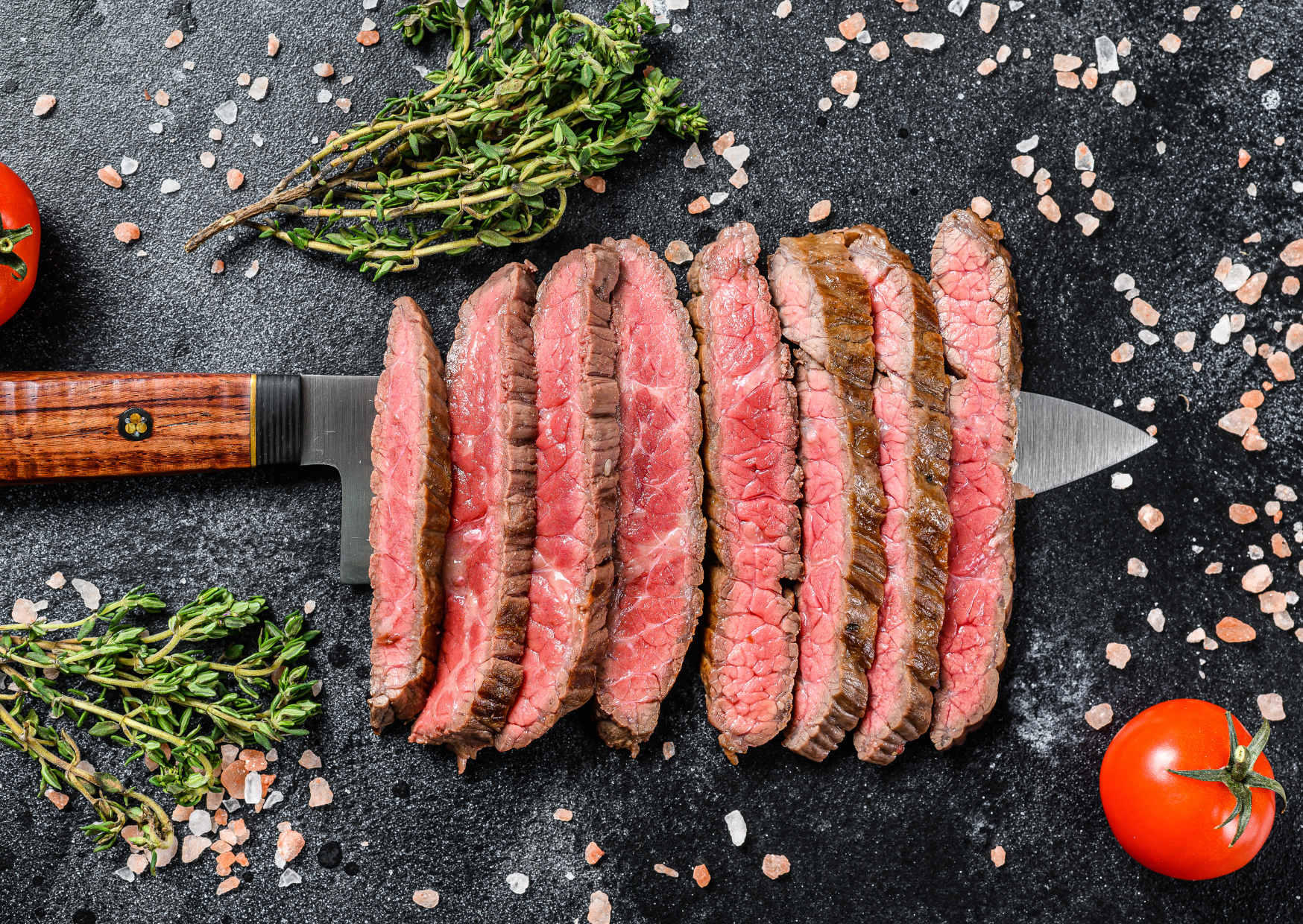
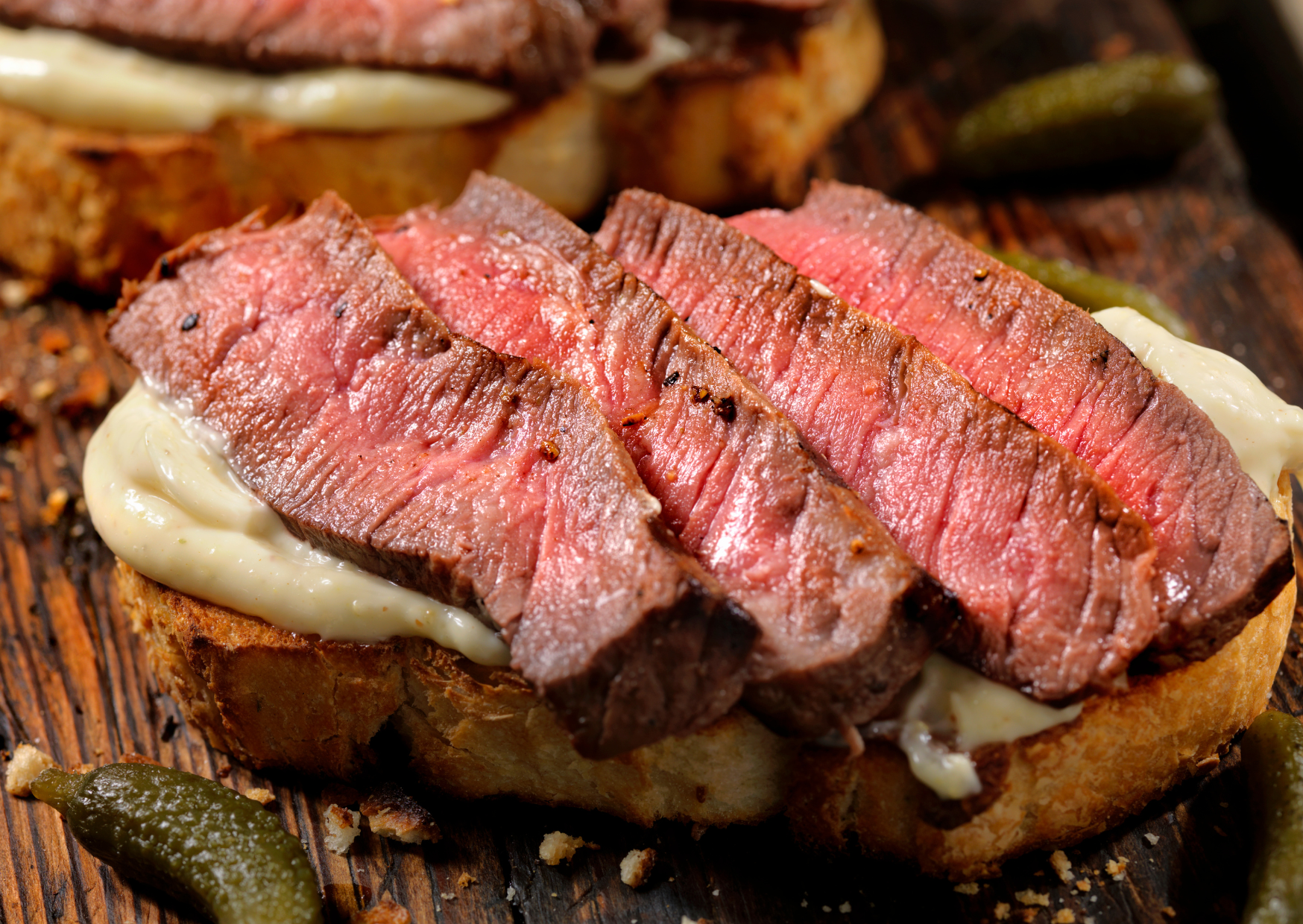
The classic steak scale in France looks like this. Bleu is seared outside and very red inside, often close to raw. Saignant is rare, still quite red and juicy. À point is the house sweet spot, literally “to the point,” and in practice closer to American rare or rare-plus. Bien cuit is well done by French standards, which can still arrive with a suggestion of pink unless you insist. This is why an American ordering à point expects medium and receives rare. It is also why bien cuit can arrive at what an American would call medium. The French scale skews rarer along the entire line, and servers know visitors seldom realize that.
Two practical notes help. First, some guides warn against using moyen for medium. Moyen means middle in everyday French, but it is not a standard steak word in kitchens. If you need to split the difference, say entre à point et bien cuit, which staff understand as between medium rare and well done, or say à point, un peu plus cuit to nudge it further. Second, if you truly mean no pink at all, say bien cuit, pas de rose and be ready for the quality disclaimer that may follow. The staff are not scolding you. They are aligning expectations before the pan gets hot.
Servers push back because they care. They also push back because they know what cut is on the board. A hanger, skirt, or bavette relies on fat and juices to eat like anything other than boot leather. A well-done bavette is punishment. A well-done filet is sadness. If you ask for bien cuit on a thin cut, the kitchen sees dry meat in your near future. They will try to save you.
Why France Treats “Pink” As Proof Of Skill
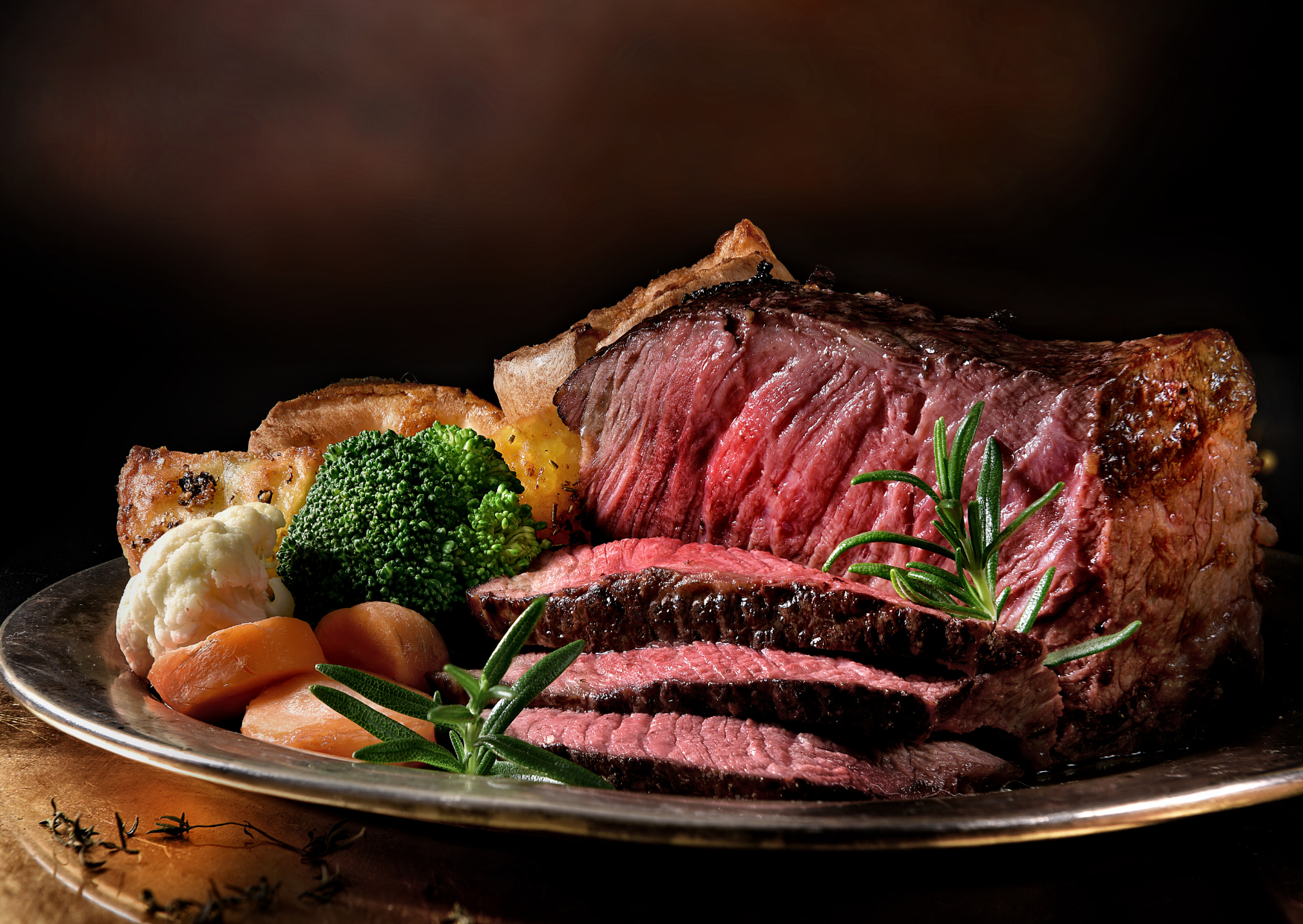
French cooking culture treats cuisson as a test of professional pride. A steak cooked à point is not just a temperature. It is a judgment call that balances sear, rest, and carryover heat to hit a narrow band of doneness. The guest sees pink and juice. The kitchen sees a hundred tiny decisions that went right.
There is also a national palate at play. French diners expect steak to arrive with a rosy center unless told otherwise. Cookbooks, culinary school drills, bistro habits, even high school cafeterias reinforce the same language. When a foreign guest orders bien cuit with American expectations, the room hears you requesting something outside the classic result. You can have it, but the staff will confirm you know what you are asking for because they assume you came for French cooking, not for a dry steak you could make at home.
Travel writers have been warning Americans for decades that terms do not line up. Many guides explain that à point in France equals rare in the United States, and that a French bien cuit often arrives closer to an American medium. If you come in knowing that, you will calibrate without the table talk. If you do not, the staff will calibrate for you.
American Safety Logic Meets French Kitchen Logic
The other reason your well-done order gets pushback is safety language. In the United States, official food safety guidance tells home cooks to bring whole cuts of beef to 63 C, 145 F, and rest for three minutes. Burger meats and poultry are higher. Restaurants obviously cook to preference, but the background voice in many American heads says meat is “safe” at 145 F and “safer” above it. When people are anxious, they order higher.
French kitchens play a different tune. For intact steaks, they rely on surface searing to handle safety. The logic is that bacteria live on the exterior of the meat, not in the center, so a very hot sear makes rare steak acceptable in reputable restaurants. The same logic rejects very rare for ground beef or needle-tenderized meats, which mix surface and interior, but it does not condemn rare steak. You see this in practice with the national comfort food of steak tartare, which exists on the same menus as steak frites and carries its own handling rituals. A properly seared steak at saignant or à point is not seen as reckless. It is seen as correct.
Neither side is wrong. They are talking about different risks and using different proof. If you need the American safety line for yourself or your guest, you can ask for it clearly. If you do not, consider trusting the room you came to enjoy.
How To Order Steak In France And Actually Like What Arrives
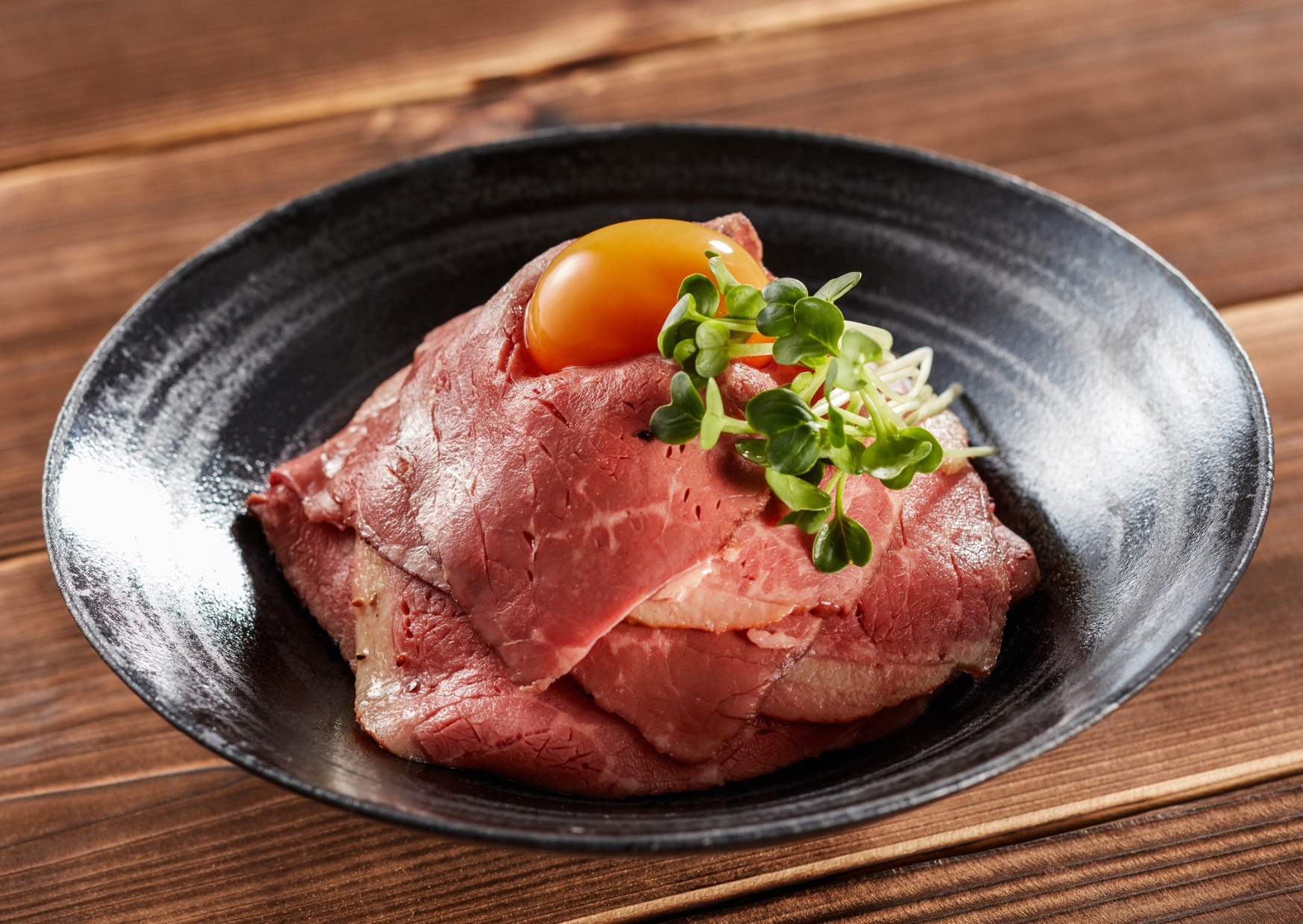
You can avoid the ten-minute argument and still eat what you want. It starts with using the house language and picking the right cut for your preference. Then it is all about tone.
Pick your cut for your doneness. If you want well done, choose a thicker, well marbled cut that survives a longer cook. Ask what the plus cuit friendly option is today. If the menu offers multiple steaks, say you prefer bien cuit and ask which cut the chef recommends for that cuisson. The kitchen will steer you away from thin or fibrous cuts that die beyond medium rare.
Use their words, then fine tune. Ask for à point if you usually order medium in the United States, but add un peu plus cuit if you want it nudged. If you truly want fully cooked, say bien cuit, pas de rose. If you are happy to walk back your safety instinct, try entre à point et bien cuit, which consistently lands in the American medium zone.
Accept the disclaimer. If your order triggers a gentle speech about dryness, nod. It is not a lecture. It is consent. You are saying you still want it cooked through and you will not send it back for being firm. That social contract is what prevents the argument.
Consider the sauce. Peppercorn, Béarnaise, or Roquefort are not there to hide flaws. They are there to frame meat. If you prefer a higher doneness, a sauce is your friend. It adds fat and salt back where time took them.
If the cut is thin, change course. Skirt and hanger are best rare to medium rare. If that sounds wrong to you, choose something else. This is not France being stubborn. This is muscle science.
Give the kitchen time. A steak cooked well past à point requires a slower path to avoid burning the outside and drying the inside before heat moves through. If you order bien cuit in a slammed room and demand speed, you will get exactly what you fear. A few extra minutes buys you a better result and a calmer pass.
What To Say Word For Word
If you like scripts, here are phrases that prevent the back-and-forth. Deliver them with a smile and you will see shoulders drop.
You like American medium.
Pour moi, à point, un peu plus cuit s’il vous plaît.
You want no pink at all and accept firmness.
Bien cuit, sans rose, c’est bien. Je comprends, pas de souci pour la texture.
You want the kitchen to recommend a cut for a higher doneness.
Je préfère la viande bien cuite. Quel morceau conseillez-vous pour cette cuisson.
You changed your mind and trust the chef.
Allons-y pour à point, comme le chef recommande.
You have a safety reason and need it thoroughly cooked.
Pour des raisons médicales, j’ai besoin d’une cuisson bien cuite, sans rose. Merci.
These tiny additions do a lot. They tell the room you understand the trade and that you are not going to punish them for your choice.
When You Truly Should Not Negotiate
There are real reasons to insist on a fully cooked steak and skip the debate. If you are pregnant, immunocompromised, or advised by your clinician to avoid undercooked meats, say so briefly and the conversation ends. Staff in France are used to accommodating specific needs when stated plainly and without theatrics. If you have anxiety about rare meat that will ruin the meal, say so. The restaurant wants you to enjoy dinner, not to win a contest.
There are also nights when the cut, the kitchen, or the menu tells you steak is the wrong order. If the only option is a thin bavette and you want well done, order the roast chicken, the magret duck cooked rosé, the braised beef, or the fish. France is rich in main dishes that are excellent at higher doneness or fully cooked by design. Know when to stand down, order the dish that sings, and come back for steak when the menu and the room are on your side.
The Cultural Why Behind The Pushback
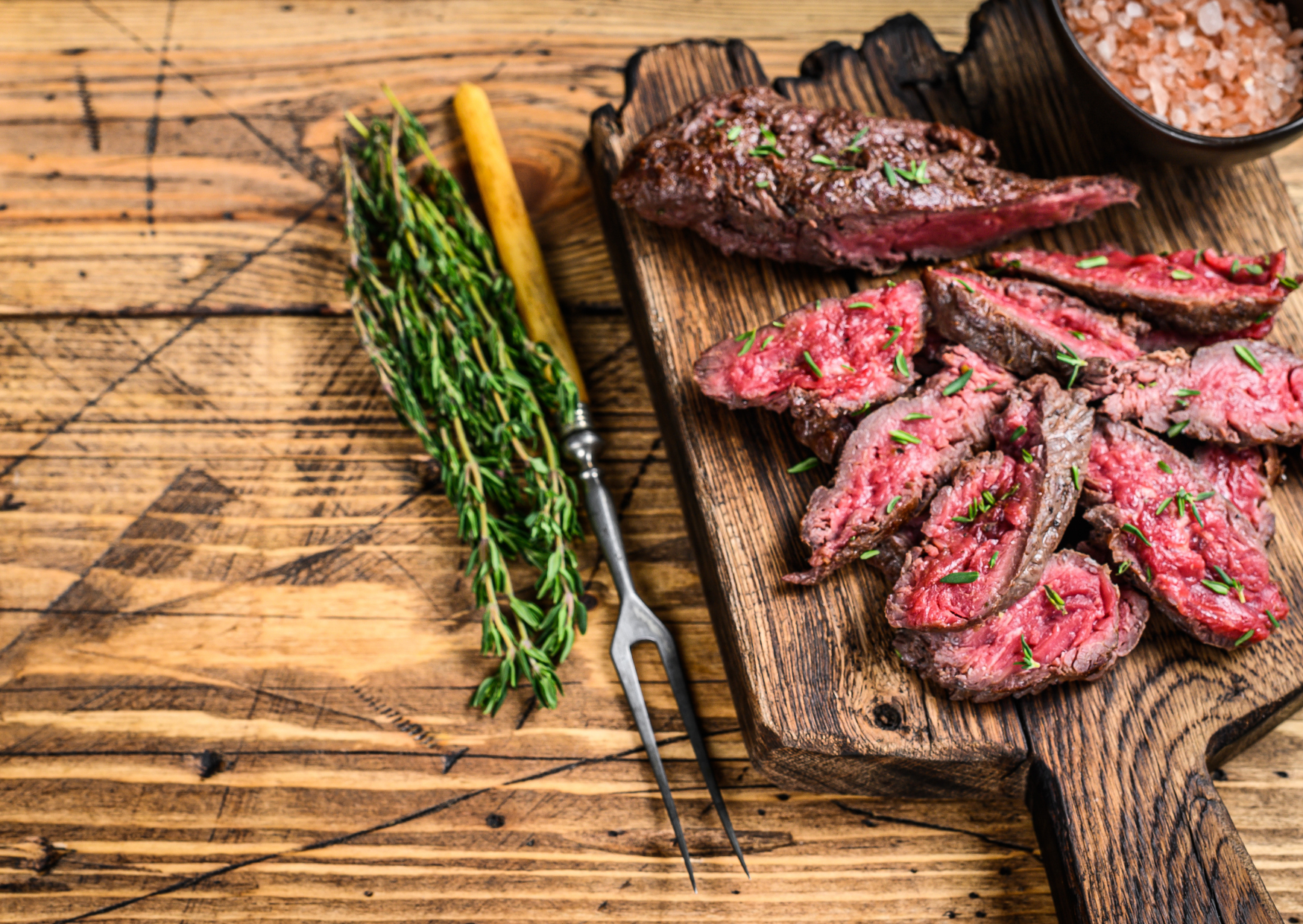
Once you sit inside the French frame, the insistence makes sense. The steak is not a raw-versus-cooked fight. It is a test of cuisine du produit, the idea that you respect the ingredient enough to present it in a state that shows its texture, fat, and flavor. French kitchens assume that steak served rosé tastes like beef, while steak cooked through tastes like its seasoning and sauce. They are not wrong, they are simply following a national preference built over generations of buying specific cuts for specific cuissons.
Travel writers often compress this into a cheat line. By American standards, France runs one notch rarer at every term. Rare is close to raw. Medium rare is rare. Well done is medium. This is useful shorthand. It also hides the deeper truth that kitchens and butchers pick cuts expecting pink. If you keep ordering well done out of habit, you will keep hearing the speech. If you order with the room in mind, you will eat better and the speech disappears.
What Happened After The Argument, And What I Do Now
My bien cuit arrived as promised. I cut in and found a whisper of pink at the very center. I did not send it back. The outside had a hard sear, the interior leaned firm, the sauce au poivre covered the dryness my choice created, and the fries were proof that France forgives.
Since that night, I order steak in France three ways.
If the board lists bavette, onglet, or entrecôte and the place looks serious about sourcing, I say à point or à point, un peu plus cuit and let the kitchen cook. The result is always better than what I get at the same doneness at home. If the cut is thick and I am in the mood to drift higher, I ask for entre à point et bien cuit and a sauce. If I am with someone who needs fully cooked beef, I ask for bien cuit, pas de rose, choose a cut that can take it, and say yes to sauce and extra butter.
The difference is that I now speak the house language and choose with the house logic. The ten minutes of friction vanished. The pleasure stayed.
A Short Playbook For Your Next Trip
Use this checklist to get through steak night with no sighs and no surprises.
Before you order
Scan the cuts. Thin or fibrous cuts favor saignant or à point. Thick, well marbled cuts tolerate bien cuit.
Pick the term that maps to your mouth, not your country.
If you like American medium, say à point, un peu plus cuit. If you want full cook, say bien cuit, pas de rose and accept a firmer bite.
Ask for a sauce if you climb the scale.
Peppercorn, Béarnaise, or Roquefort return fat and salt to a drier interior.
Secure the social contract.
If warned, nod and say je comprends. That one sentence erases the defensive loop.
If the room is not right for steak, do not force it.
Order something built to be cooked through and enjoy dinner.
If safety is non-negotiable, say so plainly.
One sentence is all it takes.
Tip with gratitude for the extra care.
France does not operate on American tipping math, but appreciation lands. So does a kind word on the way out.
Do this once, and the idea that steak requires a debate will feel like a story from your jet lag days.
What This Means For You
The fight at your table is not about manners. It is about translation and craft. France hears doneness words differently, buys cuts to suit those meanings, and treats pink as proof that the cook respected the meat. If you want to eat well in that frame, adjust your order by one notch rarer than home, pick a cut that matches your preference, and use short, clear phrases that tell the kitchen you know what you are asking for.
If you still want it cooked through, order it that way. You are the guest. But when the staff tries to save you from a dry steak, understand they are doing their job. You will eat better if you meet them halfway, and you will eat just fine if you cannot. The goal is not to win an argument. It is to match your appetite to their craft and enjoy the plate in front of you.
Origin and History
To understand why a well-done steak can cause tension in France, you have to start with how steak culture developed there. In France, beef has long been associated with craftsmanship, regional sourcing, and respect for the ingredient. Cooking meat correctly was historically a marker of skill, not preference.
French steak traditions grew alongside the rise of bistros in the 19th century, where quick service still demanded precision. Chefs learned to cook meat to showcase its texture and flavor, not to mask it. Rare and medium-rare became standards because they preserved tenderness and taste.
Unlike in many other countries, doneness in France was not framed as a customer-driven choice. It was understood as a culinary decision made by the cook. Ordering a steak wasn’t a negotiation it was an agreement to trust the kitchen.
Over generations, this mindset became cultural muscle memory. Steak was not just food, but a quiet contract between diner and chef. Breaking that contract, even unintentionally, could feel like disrespect rather than preference.
The controversy begins with a fundamental difference in food philosophy. In much of America, customization is king. The customer’s preference outweighs tradition, technique, or intent. In France, that same request can feel like a rejection of culinary knowledge.
A well-done steak isn’t just seen as overcooked it’s perceived as wasted potential. To many French cooks, fully cooking a good cut of beef destroys the very qualities that justify its price and preparation. The argument isn’t emotional; it’s philosophical.
Another uncomfortable truth is that this tension isn’t really about steak at all. It’s about control. In French dining culture, the chef leads. In American dining culture, the diner does. When those systems collide, friction is inevitable.
What makes the situation controversial is that neither side is objectively wrong. Preference is valid, but so is tradition. The argument lasts because both sides believe they are defending something bigger than a piece of meat.
How Long It Takes to Prepare
Ironically, the well-done steak that sparked the argument takes longer to prepare than the French default. A rare steak can be cooked quickly at high heat, rested briefly, and served while still tender.
A well-done steak requires slower cooking, lower heat, and more attention to prevent it from drying out completely. This extra time disrupts the rhythm of a professional kitchen designed around precision timing.
In busy French restaurants, steaks are often cooked to order in rapid succession. Introducing a doneness that falls outside the norm can interrupt workflow, especially when the cut was selected specifically for rare preparation.
This timing issue adds fuel to the debate. What seems like a simple request becomes a logistical and philosophical problem all at once.
Serving Suggestions
In France, steak is traditionally served simply. A properly cooked piece of beef is paired with minimal sides often fries or a simple salad to keep the focus on the meat itself.
Sauces, when used, are designed to complement rather than compensate. Peppercorn or butter-based sauces enhance flavor but assume the steak itself carries most of the experience.
When steak is cooked well-done, the balance shifts. More sauce, more seasoning, and heavier sides are often needed to restore moisture and interest. This changes the entire dish, not just the doneness.
That shift is part of the resistance. From a French perspective, serving a well-done steak alters the identity of the meal, not just its temperature.
Final Thoughts
The 10-minute argument over a well-done steak wasn’t really about stubbornness or arrogance. It was a moment where two food cultures collided, each operating under different assumptions about choice, respect, and expertise.
France approaches food as heritage. America approaches food as personal expression. When those values meet at a restaurant table, misunderstandings are almost guaranteed.
What makes the story compelling is how ordinary the request was. No raised voices, no insults just a slow realization that the same words meant very different things on each side.
In the end, the steak is just a symbol. The real lesson is that food carries culture with it, and sometimes ordering dinner abroad reveals more than any guidebook ever could especially in France.

About the Author: Ruben, co-founder of Gamintraveler.com since 2014, is a seasoned traveler from Spain who has explored over 100 countries since 2009. Known for his extensive travel adventures across South America, Europe, the US, Australia, New Zealand, Asia, and Africa, Ruben combines his passion for adventurous yet sustainable living with his love for cycling, highlighted by his remarkable 5-month bicycle journey from Spain to Norway. He currently resides in Spain, where he continues sharing his travel experiences with his partner, Rachel, and their son, Han.